
















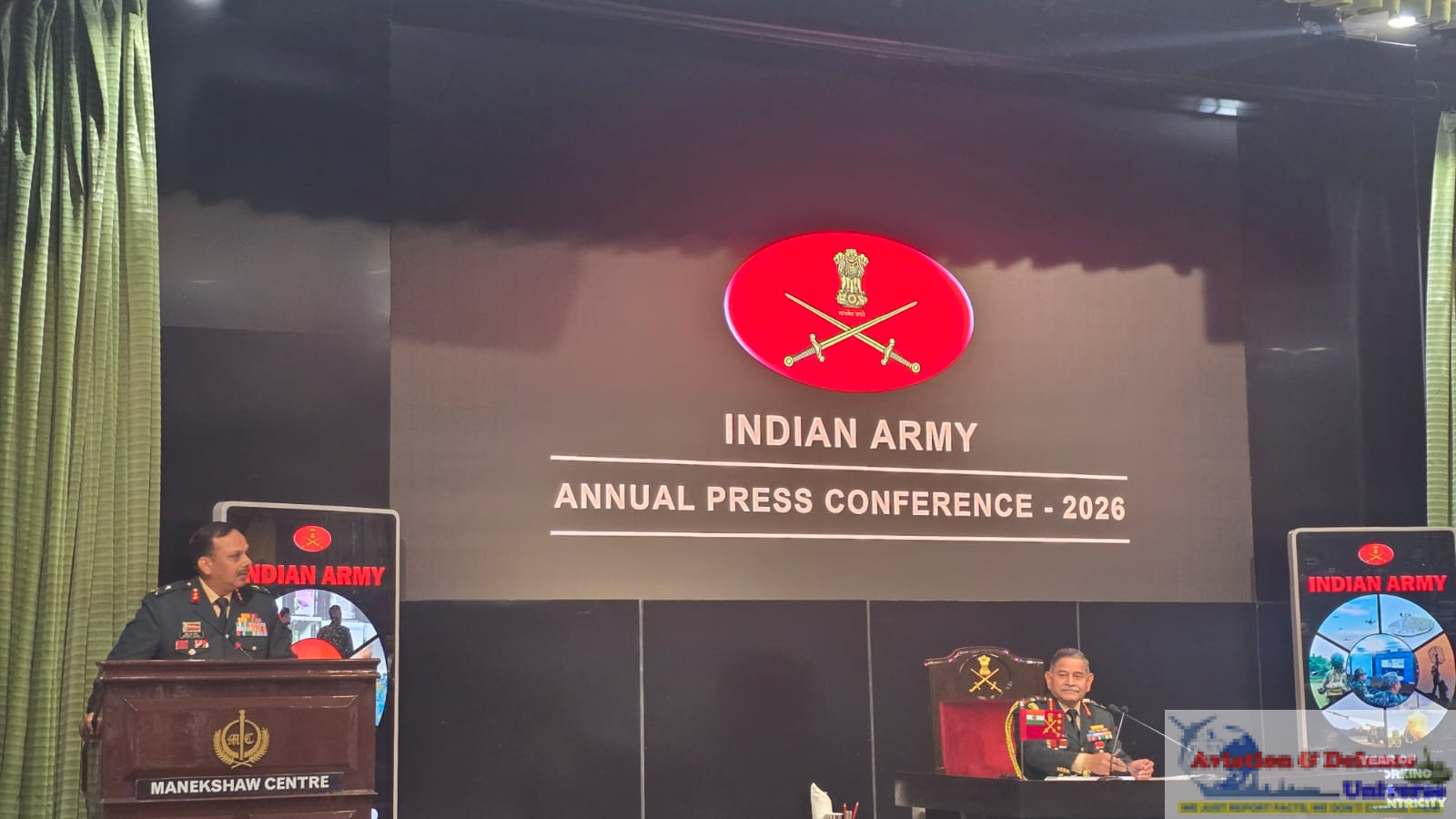
- LoC Calm, LAC on Vigil : The Army Chief on Two Fronts and One Future
- From Ceasefire Violations to AI Warfare : General Dwivedi on India’s Security Priorities
- From Tanks to Drones : India’s Modernisation Push After Sindoor
By Sangeeta Saxena
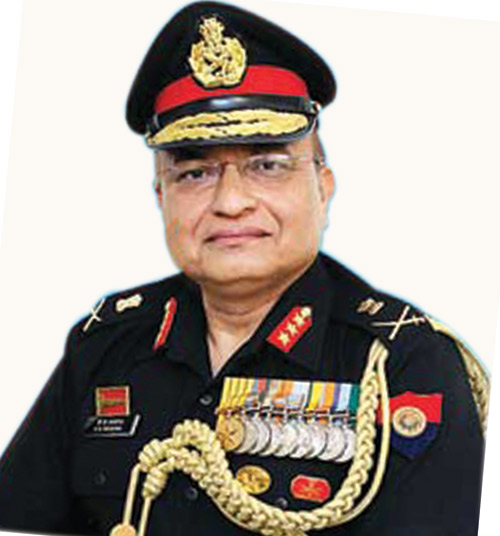
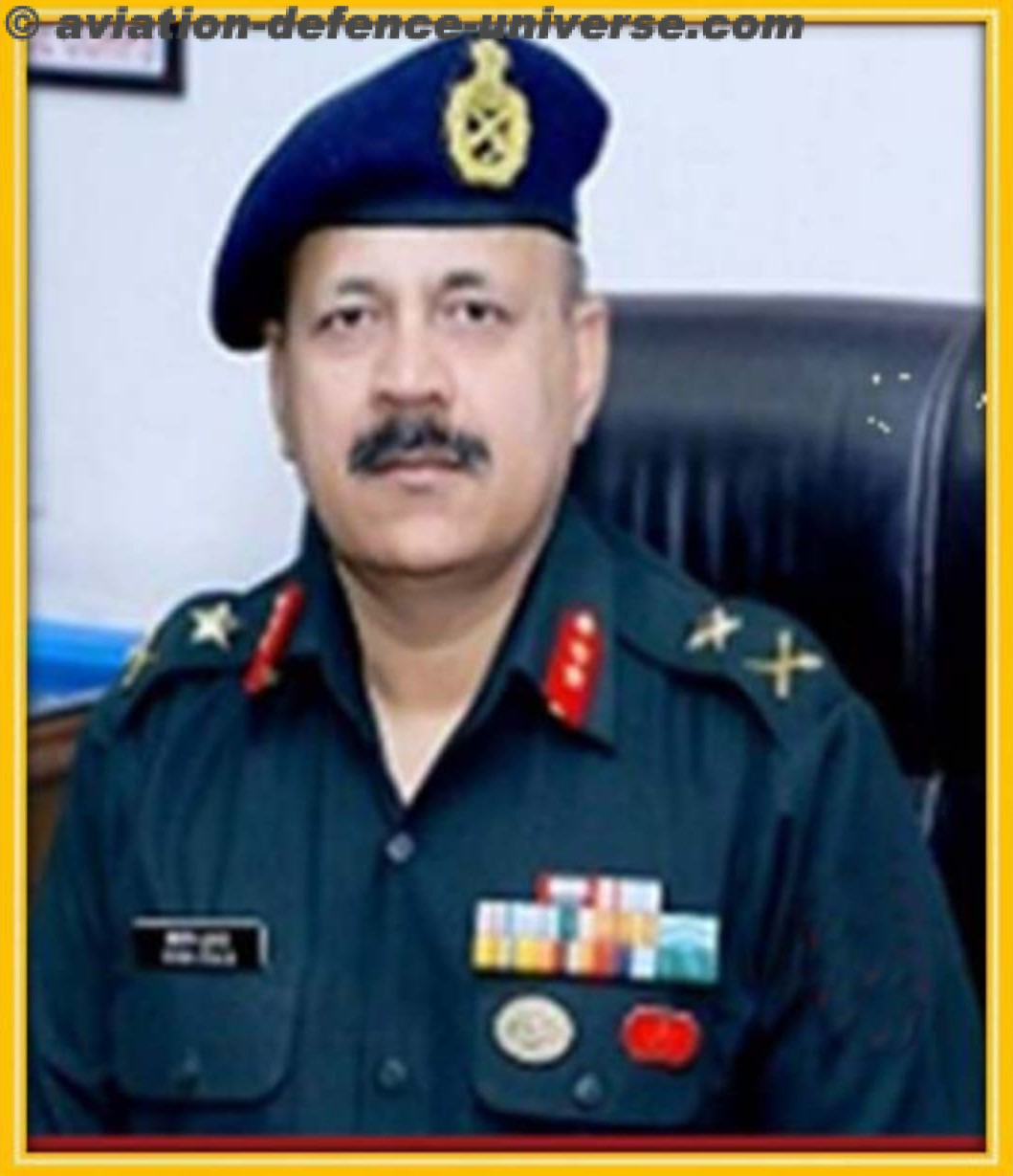
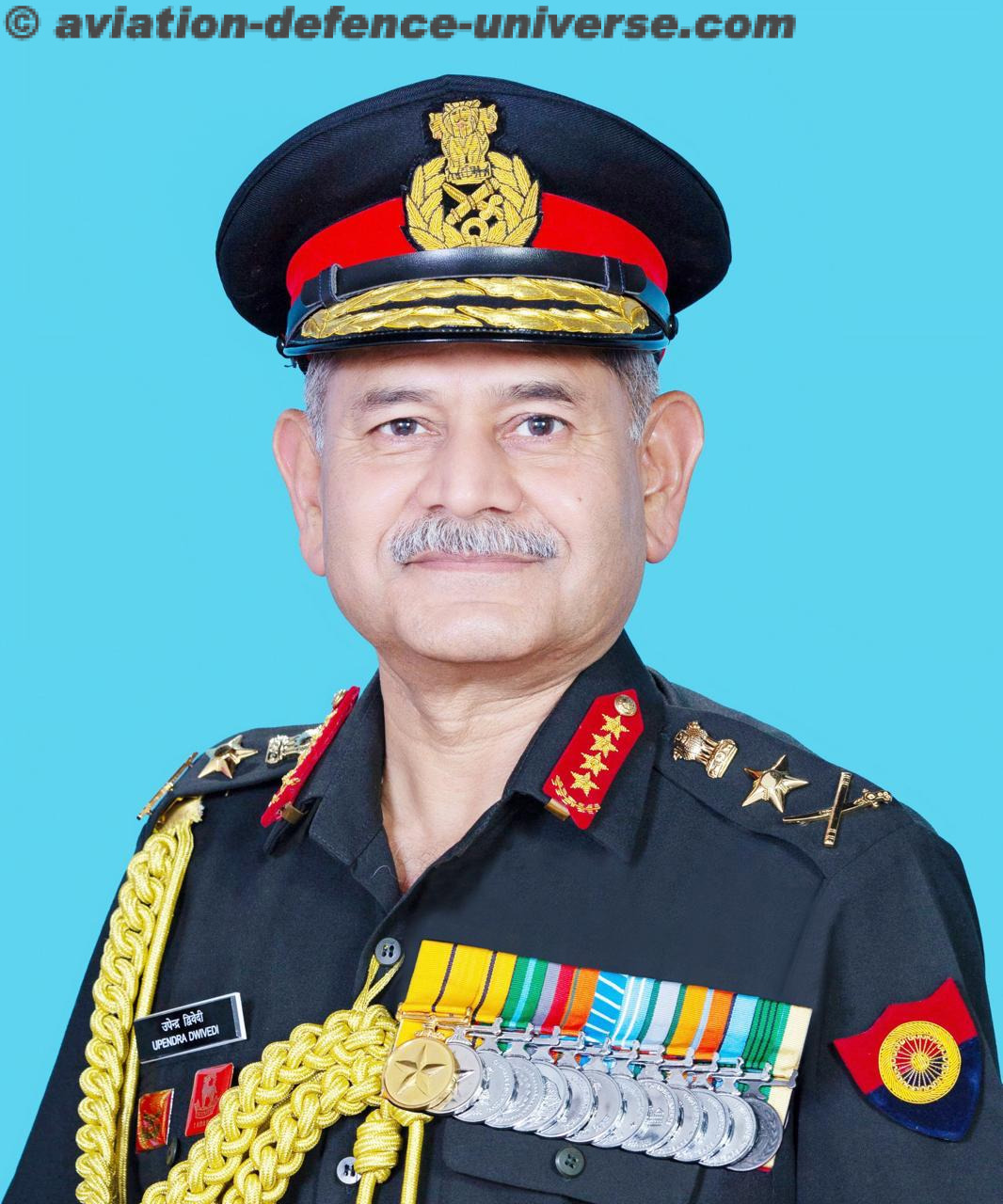
New Delhi. 14 January 2026. Operation Sindoor has not only dominated national consciousness, it has also sharpened the Indian Army’s focus on what comes next—sustained vigilance, faster decision cycles and a technology-enabled force that can impose costs without slipping into uncontrolled escalation. In an unusually expansive interaction, Army Chief General Upendra Dwivedi offered a layered picture of the post-Sindoor environment: how ceasefire violations evolved during the operation, why force levels are not being pulled back, what procurement bottlenecks still frustrate modernisation and why the Army’s next big leap rests on networking, artificial intelligence and data-centricity. From the LoC to the northern borders, and from tank overhauls to air-littoral command-and-control, the message was clear—India’s security posture is entering an era where battlefield awareness and technological integration are as decisive as firepower.
On the Line of Control, the Army Chief underlined that 2025 recorded 139 ceasefire violations, but emphasised that most were concentrated around the period of Operation Sindoor and were largely “minor” in nature. He pointed to a recurring operational reality—when new units rotate into sensitive sectors, heightened alertness and misreading of movement can trigger what he termed “prophylactic firing,” especially from the Pakistan side. In his assessment, beyond this pattern, there were no major ceasefire violations.
Yet, despite the apparent absence of major ceasefire spikes after the operation, the Army is not recalibrating force deployment downwards. General Dwivedi made it explicit that no troops are being pulled back at present, indicating that the security environment still demands robust posture. The operating assumption remains that Operation Sindoor continues as an active framework—eyes and ears remain open and the Army retains readiness to respond should the situation demand.
 In capability development and spending, the Army Chief framed modernisation as a function of both urgency and realism. The wish list may be high, he acknowledged, but market capacity—especially at accelerated scale—often lags the requirement. That gap, he suggested, explains why emergency procurement mechanisms remain relevant: the Army can induct limited numbers quickly, validate performance across terrains and conditions, and then scale up without re-running long trial cycles. However, he also stressed that reliance on global sources cannot be the long-term answer. The strategic direction remains anchored in Aatmanirbharta, and the procurement ecosystem must be aligned to empower Indian industry to meet the demand curve.
On budgetary confidence, General Dwivedi indicated that spending is not being constrained by lack of intent at the national level. He pointed to the previous year’s capital acquisition experience—an initial allocation followed by significantly higher actual contracting—and described the government’s stance as supportive when credible requirements and absorption capacity exist. For the coming cycle, he outlined spending priorities through a consistent doctrinal lens: force visualisation, force application, and force preservation. Battlefield awareness, command and control, protection against both state and non-state tech-enabled threats, and sustenance for a large army remain central headings under this approach. He also noted that protection requirements are no longer purely military; civilian targets and community infrastructure can also become vulnerable, demanding a broader concept of preservation.
The Chief’s emphasis on technology was strikingly specific. He described the Army’s biggest procurement gap not as a single platform, but as the “technology enablement” and networking of what already exists. Without backbone architecture, platforms may mass in numbers but fail to deliver mass effect. Hence, the push is toward data connectivity, redundancy, and rapid AI integration—supported by the development of data centres at operational levels. He also highlighted a practical reality: AI and networking are dual-use domains where the best capability often sits in the civil market. The Army’s approach, therefore, is to absorb what is strongest from the civil technology base, secure it, and operationalise it.
This logic extends to space as well. General Dwivedi acknowledged capability gaps and signalled interest in commercial satellite services, noting that credible private players now exist. He suggested that as procurement policy frameworks evolve, long-term strategic partnerships with private space providers could strengthen visibility and situational awareness. He also made an important point about pace: technological domains move faster than traditional platform acquisition cycles, requiring a different procurement pipeline to keep capability current.
 On platforms, General Dwivedi maintained that the Army is evaluating options like the Stryker, but preference remains for an Indian solution if it meets requirements. For legacy platforms, he addressed tank overhaul delays, attributing slippages primarily to supply chain disruptions and capacity limitations. The corrective approach now includes parallel repair capability via Army Base Workshops alongside public-sector capacity, and openness to industry support where feasible—all while insisting operational readiness is not being compromised.
Beyond procurement, the Army Chief used Operation Sindoor to illustrate the importance of decision cycles and calibrated intent. He described a decisive early phase—“the first 22 minutes”—as a turning point that disrupted the adversary’s ability to comprehend and respond coherently, creating confusion and mismanagement on the other side. India’s subsequent choices, he suggested, were shaped by a clear political-military aim and a preference not to escalate beyond that objective once it was achieved.
The Army’s thinking on information warfare and narrative contestation also emerged as a contemporary front. General Dwivedi indicated that claims circulating on social media are examined for truth value, and where necessary counter-actions are taken. He urged reliance on official channels such as ADG StratCom to prevent misinformation from becoming an operational distraction.
On the northern borders, the Chief reaffirmed India’s position on Shaksgam Valley, stating that India views the 1963 Pakistan–China agreement as illegal and does not approve any related activity. He also indicated that this position is already articulated through official diplomatic statements, framing such developments as unacceptable and unlawful.
 Perhaps the most operationally futuristic part of his remarks lay in air-littoral command and drone management. With the Army using the bulk of low-altitude airspace, he described the need for control systems that coordinate not only tri-service military drones but also civil, commercial and service drones in grey-zone or conflict conditions. The Unified Control Centre concept at division level, linked upward through corps structures and integrated with Air Force systems, was presented as the backbone of that emerging architecture. He called this system nascent, but evolving, with a trajectory toward scalable, in-house integrity and the gradual shift from generative AI tools to more agentic capabilities.
On force design, he addressed the idea of a rocket-cum-missile force as a requirement, but suggested organisational evolution rather than instant creation. The question, in his view, is not only whether such a force is needed, but at what level it should sit—Army, MoD or CDS. He pointed to precedents like Army Air Defence, which began under artillery before emerging as its own structure once scale demanded separation.
The conversation also touched a sensitive social and organisational transition: women in combat arms and elite units. General Dwivedi framed the Army’s ideal as gender neutrality, but acknowledged that full neutrality is constrained by standards, medical considerations, team composition realities, and broader societal readiness. His approach is structured and sequential—measure performance against demanding benchmarks over a few years, open additional arms progressively, and move toward special forces only when capability and institutional readiness converge.
General Upendra Dwivedi’s post-Sindoor articulation reads less like a one-off briefing and more like a roadmap for the next phase of India’s military evolution—steady force posture on the LoC, legal and strategic clarity on the northern front, and a deliberate shift from platform-centric modernisation to network-centric combat power. The Army Chief’s priorities place battlefield awareness, AI-driven command and control, data-centricity, and air-littoral management at the core of future readiness, while keeping Aatmanirbharta as the strategic anchor for scalable capability. In essence, the Army’s message after Sindoor is not only about what was achieved, but about what must now be institutionalised—faster decision loops, deeper integration across domains, resilient procurement pathways, and a force designed to stay ahead of both kinetic threats and information warfare in a rapidly accelerating battlespace.