










- Direct Shipping Between Pakistan and Bangladesh Raises Regional Security Alarms
- Pakistan-Bangladesh Maritime Trade Reopens After 50 Years
By Jai Kumar Verma
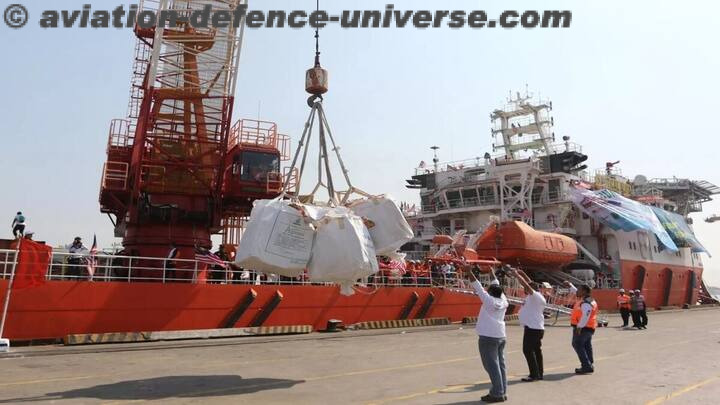
New Delhi. 28 November 2024. In a move that could potentially alter the regional geopolitical dynamics, Pakistan and Bangladesh have recently re-established direct maritime links after 50 years. The arrival of the MV Yuan Xian Fa Zhong, a cargo vessel from Pakistan, at Chittagong Port in Bangladesh in November marked a significant development. This renewed maritime connectivity comes at a time when the political climate in Bangladesh has undergone a drastic shift following the ouster of Sheikh Hasina’s government. The evolving ties between Islamabad and Dhaka could present fresh challenges for India, with implications for security, trade, and regional stability.
Restoration of Direct Maritime Connectivity
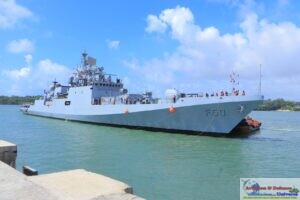
The MV Yuan Xian Fa Zhong’s arrival in Chittagong symbolized the first direct shipping route between Pakistan and Bangladesh in decades. The cargo included raw materials for the garment industry, food items, and sodium carbonate for textiles. While trade officials hailed the renewed link as a boost for regional commerce, concerns were raised in Indian strategic circles about the security implications of this route, particularly regarding potential misuse for smuggling arms and contraband into India. Despite the long shipping time of over two weeks and high costs, the sea route appears to serve strategic, rather than purely economic, objectives. This development has revived memories of past incidents involving the misuse of Chittagong Port for arms smuggling, including the 2004 seizure of a massive consignment intended for insurgent groups in India.
Bangladesh’s Political Shift and Warming Ties with Pakistan
The ouster of Sheikh Hasina’s government and the rise of a radical Islamist regime under Nobel Laureate Muhammad Yunus have significantly altered Bangladesh’s foreign policy trajectory. The Yunus administration has lifted trade restrictions with Pakistan, eased visa processes, and initiated discussions on a free trade agreement and bilateral investment treaty. These moves indicate a deliberate effort to rebuild ties with Islamabad.
Syed Ahmed Maroof Pakistan’s High Commissioner in Bangladesh mentioned that the direct shipping between both the countries is a “major step” and it would augment the trade in the region. He also stated that “The initiative will accelerate existing trade flows and promote new opportunities for businesses on both sides, from small traders to large exporters.” The sea route, which is more than 2600 nautical miles, and the shipment time is more than two weeks, is not cost-effective. It is more to challenge Delhi and later use it for smuggling contraband items to India trough Bangladesh. In 2022 Sheikh Hasina denied permission to dock Pakistani frigate PNS Taimur at Chittagong port.
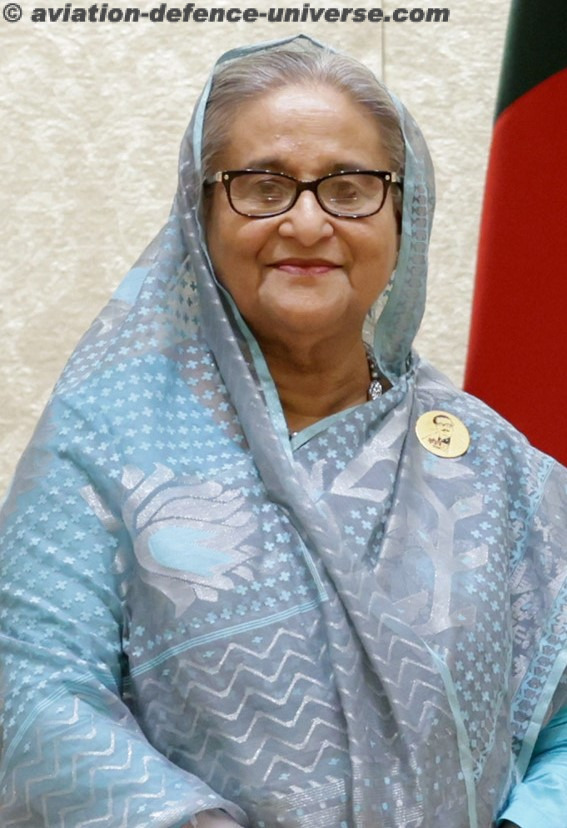
After ouster of Sheikh Hasina by radical Islamists under the cover of student’s agitation, the anti-India, anti-Hindu and anti-Sheikh Hasina elements have grabbed the power and now dictating the terms. The 84-year-old Nobel Laureate Muhammad Yunus was appointed as “Chief Advisor” and under his leadership the country is fast moving towards fundamentalism and extremism. Yunus lifted the ban on Jamaat-e-Islami and Bangladesh, celebrated the birth-anniversary of Jinnah, though in past the country rejected his two-nation theory by separating from Pakistan. Dacca is also strengthening its diplomatic as well as trade relations with Islamabad.
In September Yunus terminated the policy of physically inspecting cargo arriving from Pakistan. Islamabad also delisted Bangladeshi ships from the list of prohibited trade vessels. The tariff and non-tariff rules on Pakistani imports in Bangladesh would soon disappear and there would be free trade agreement as well as bilateral investment treaty between both the countries. The visa process between Dacca and Islamabad also made easier and latter announced that there would be no visa fee for Bangladeshis to visit Pakistan. Dacca has also ordered for supply of 40,000 rounds of ammunition, 40 tons of RDX etc. although it is not the first time that Dacca ordered arms and ammunition from Islamabad, but the present order is much larger than previous orders, hence it is a cause of suspicion.
Historical and Geopolitical Concerns
The terrorist outfit Jamaat-ul-Mujahideen which has operatives in India also, traditionally uses Chinese and Pakistani weapons and now as direct sea link with Pakistan is started, supply of arms and ammunition would enhance, and these arms would be smuggled to India. Inter Services Intelligence (ISI) would utilise the opening of sea-link and would smuggle arms and ammunition to various terrorist organisations in India especially of Northeast and Kashmir. So far Pakistani cargo was transferred onto feeder vessels generally from Singapore, Sri Lanka or Malaysia before it arrived in Bangladesh. Not only ISI but Chinese who consider India as its competitor can also smuggle arms & ammunition for the use of terrorist outfits in India. China which has global ambition and always try to encircle India would use Bangladesh for fomenting trouble in the country.
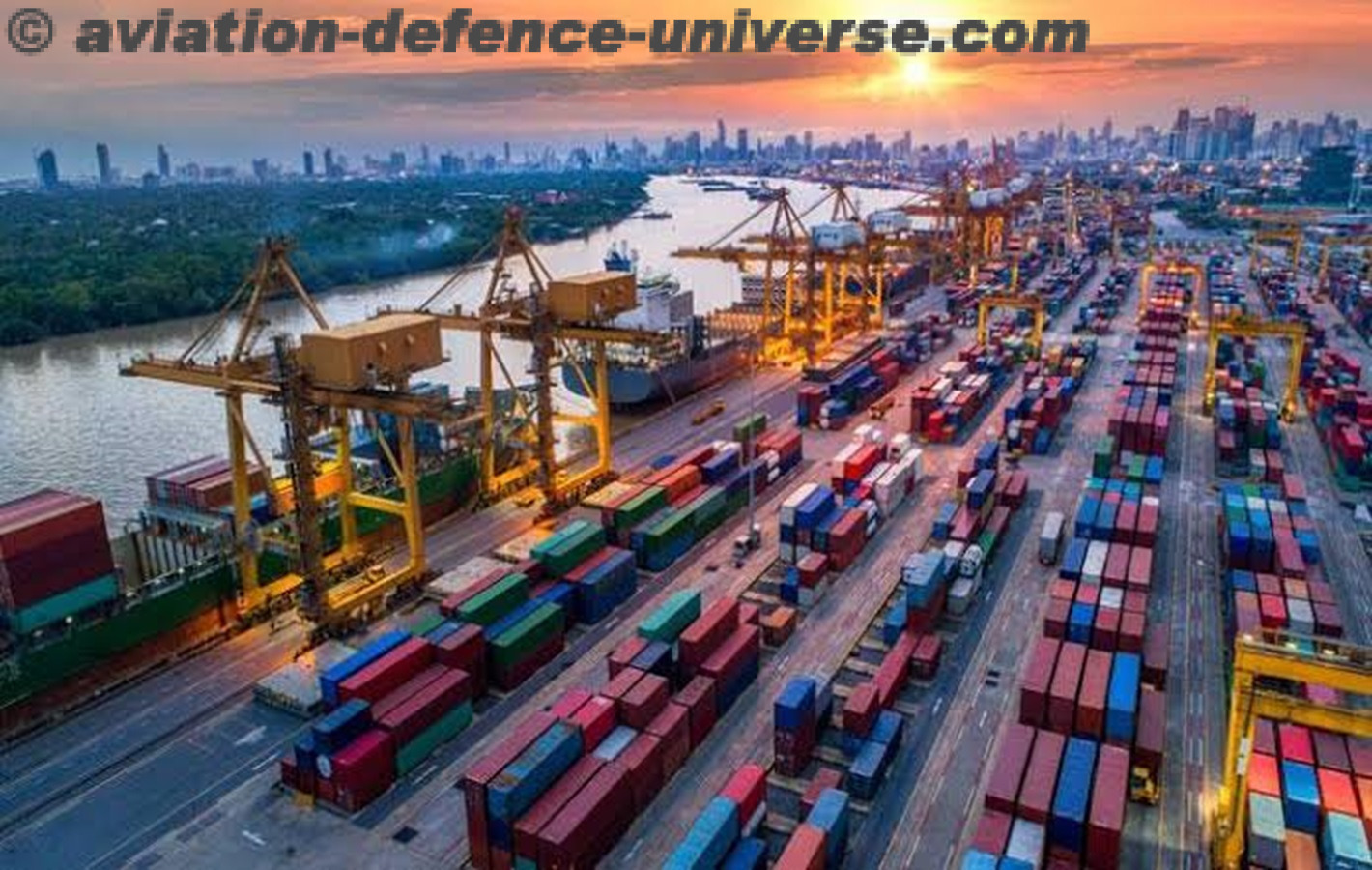 In past several countries including India used Chittagong port for trade purposes. India also wanted to use Chittagong port as a sea link for landlocked northeastern states however now the plans have to be dropped as Pakistan would be using this port with shoddy checking and in past ISI was involved in providing arms and ammunition to the secessionist outfits in Northeastern states.
In 2004 in Chittagong 1,500 boxes of Chinese ammunition was confiscated which was worth $4.5 to 7 million. It was the biggest confiscation in South Asia, and it was allegedly devised by ISI and was meant for banned terrorist outfit ULFA (United Liberation Front of Asom). After this confiscation India became very careful about the sea passages connecting Chittagong and Mongla Ports. Last year India got operating rights of a terminal at Mongla Port however the access of Islamabad to the Chittagong Port will have impact on the geopolitics of the region. Myanmar which is suffering from a civil war since 2021 is also near the port and India is worried about infiltration as well as smuggling of drugs from there. According to the knowledgeable sources the present Pakistani goods contained few 40ft containers to which extra security was provided, and it raised suspicion.
 In September this year Yunus and Pakistani Prime Minister Shahbaz Sharif met at New York in the sidelines of UN General Assembly session. Both the leaders accentuated on the need of revitalising the bilateral cooperation between both the countries. Direct sea linkage of both the countries is contemplated as a big breakthrough in bilateral relations after the 1971 atrocities by Pakistani army on the guiltless Bangladesh residents. The brutal Pakistan army killed about 3 million people and raped and persecuted thousands of other Bangladeshis. However now the majority population of the country have not experienced these massacres hence Bangladeshis do not have that hatred towards Pakistan which their parents had. Now more emphasis is given to the same religion, culture and traditions between both the countries. Sheikh Hasina and people of her age group had personal grievances against Pakistan hence she kept Islamabad at a distance. She constituted the International Crimes Tribunal in 2010 to prosecute war criminals and not only banned Jamaat-e-Islami (JEI) but also executed its important leader Abdul Quader Mollah.
India has traditionally relied on Chittagong Port for trade and access to its northeastern states. However, the port’s new role as a hub for Pakistan-Bangladesh trade raises concerns about its potential use for anti-India activities. In the past, Chittagong Port was implicated in arms smuggling, including for groups like the United Liberation Front of Asom (ULFA). The direct sea link between Pakistan and Bangladesh could facilitate similar activities, threatening India’s security interests in the northeastern region and beyond.
The Yunus government’s growing alignment with Pakistan is also seen as a challenge to India’s influence in South Asia. Pakistan, with potential support from China, could use this newfound access to bolster insurgent and extremist activities in India. Meanwhile, the weakening of India-Bangladesh ties following Sheikh Hasina’s ouster has added to India’s strategic concerns.
India’s Response and Future Course of Action
Delhi is closely monitoring the situation and is prepared to take decisive action if Bangladesh’s growing proximity to Pakistan poses a direct threat to its interests. Indian policymakers are also exploring ways to counter the potential misuse of Chittagong Port and prevent the region’s destabilization by external actors.
 In past ISI used East Pakistan and later Bangladesh for training as well as supply of arms and ammunition to Indian insurgent groups. Sheikh Hasina stopped ISI activities in Bangladesh against India. Although Yunus said that the relations between Dhaka and Delhi should be very close but there is a glaring difference between his words and actions. India also pleaded about the safety and security of Hindus in the Bangladesh as more than 600 persons including Hindus were killed by violent protesters. Yunus also mentioned about the importance and revival of (South Asian Association for Regional Cooperation (SAARC), though India is not keen about the revival of SAARC and Pakistan wants its revitalisation. Increase of trade & defence ties between Pakistan and Bangladesh would tilt the military power balance against India. A Bangladesh University professor also pleaded for a nuclear treaty with Pakistan. Bangladesh would not break defence ties with India, but Delhi has to take precautionary measures if closeness between Dacca and Islamabad enhances. Pakistan and few terrorist and radical organisations would also try to make Bangladesh a radical Islamist country hence India has to watch the situation carefully.
 Restoration of direct sea link between Islamabad and Dacca is not for trade relations, it is a clever move of India’s archrival Pakistan with sinister objectives. So far India had two front challenges i.e. Pakistan and China, now one more challenge i.e. an Islamist Bangladesh is added. Yunus is bolstering western as well as Pakistan’s interest against Indian interests. The present Bangladesh is behaving like East Pakistan which was only promoting Islamist Pakistan’s interests. India is already suffering with infiltration of illegal refugees from Bangladesh and there is a demographic change in few districts of the country especially of Assam. However, it does not mean that India would watch the changing situation helplessly. India’s economy is much stronger than Pakistan and Bangladesh and Dacca depends on India for several commodities, and it cannot ignore India. Delhi is watching the situation and would use its levers when it would find that Bangladesh is working against the interests of India. India Bangladesh bilateral trade in FY 2022-23 was about USD 15.9 billion while Bangladesh Pakistan bilateral trade in 2023 was only $800 million. India Bangladesh trade is about 50 years old hence it cannot be scrapped so easily as Dacca is dependent on India for several items. In nutshell the present situation is fluid, and India has to watch it carefully and take appropriate decisions at apposite time.
The re-establishment of direct maritime links between Pakistan and Bangladesh, coupled with the political shift in Dhaka, poses a complex challenge for India. While Bangladesh’s economic ties with India remain robust, the emerging alignment between Islamabad and Dhaka, driven by strategic and ideological motives, could undermine regional stability. India must remain vigilant and proactive in safeguarding its interests while leveraging its economic and strategic strengths to navigate this evolving geopolitical landscape.
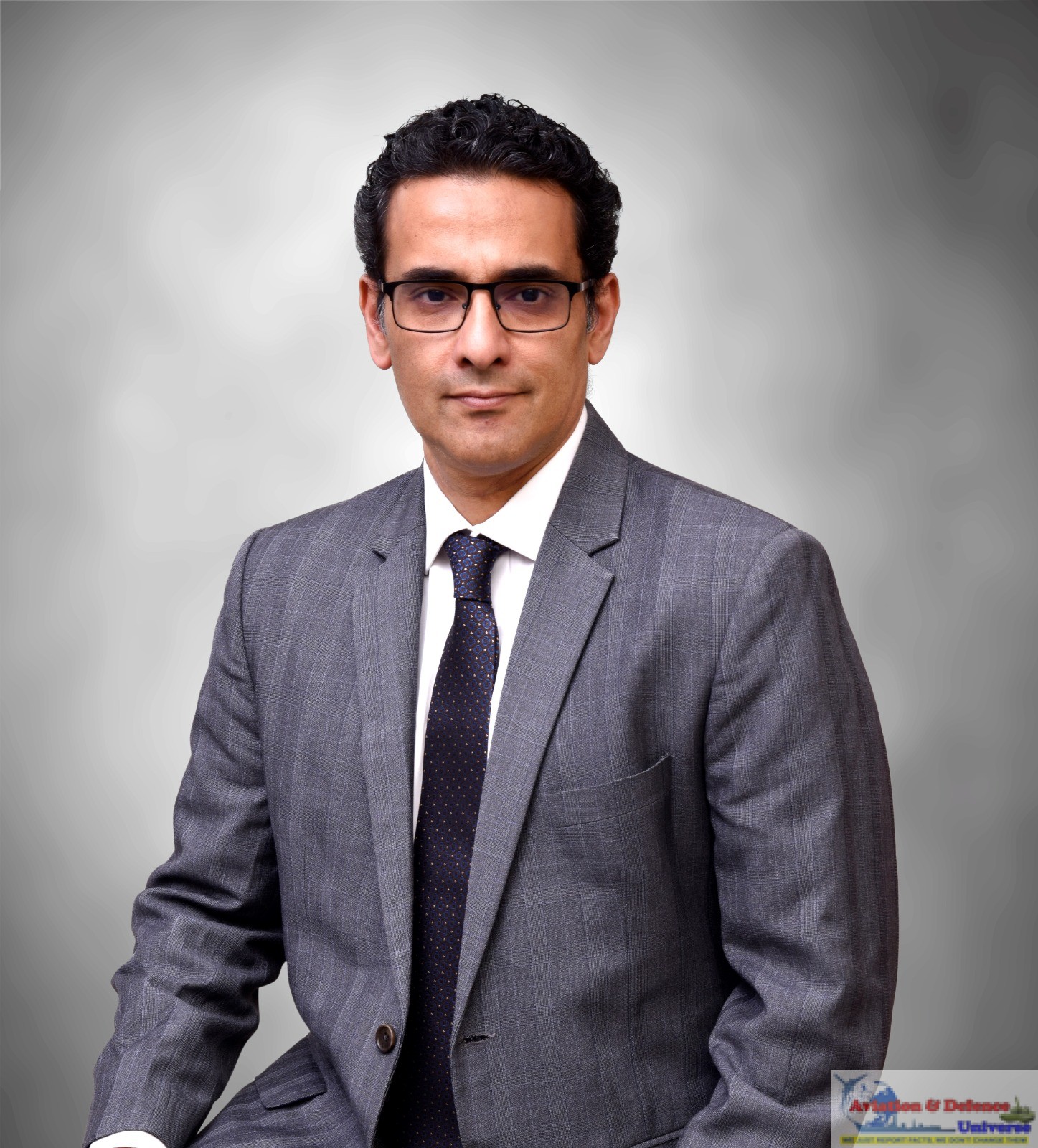
(Jai Kumar Verma is a Delhi-based strategic analyst and member of United Services Institute of India and The Manohar Parrikar Institute for Defence Studies and Analyses,. The views in the article are solely the author’s. He can be contacted at editor.adu@gmail.com)
































































-A4-Size-(2)_page-0001.jpg)