










- India at the Centre of Asia-Pacific Aviation Growth: Ashwin Naidu at Wings India 2026
- From Cargo to Connectivity: Boeing Maps India’s Aviation Path for the Next 20 Years
By Sangeeta Saxena
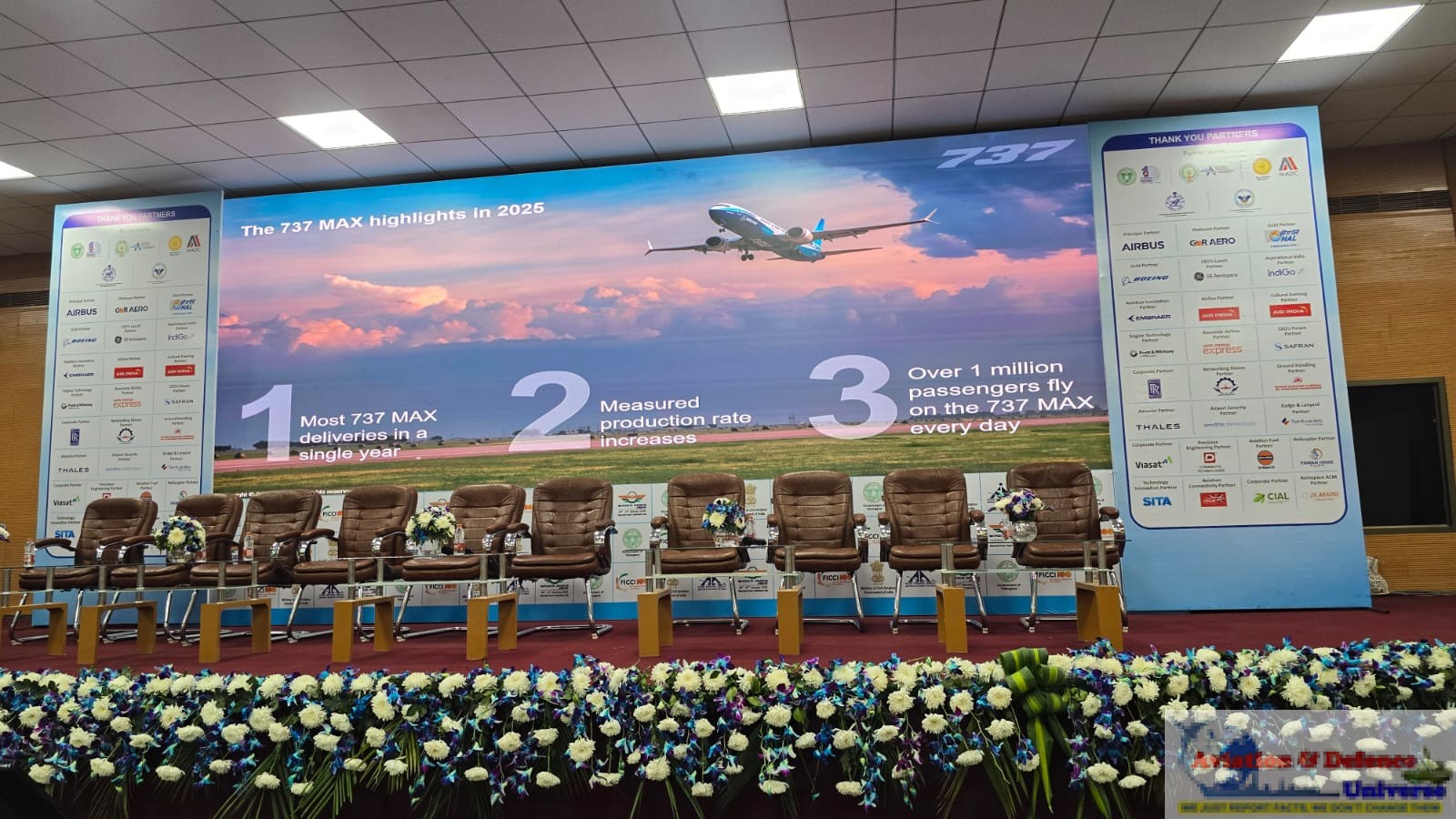
Hyderabad. 28 January 2026. At Wings India 2026, Boeing’s Commercial Market Outlook, for us CMO, unveiled beyond headline projections into a detailed, data-rich dialogue with the media, offering clarity on where India stands in the global aviation cycle—and where it is headed next. What excited the most was Boeing’s 2026 Delivery Outlook and Production Rates. Explaining variations in recent delivery numbers, Naidu said,
“Deliveries in 2025 largely reflected where we were coming out of 2024.” Looking ahead, he stated, “In 2026, we expect an average of two aircraft per month, translating to about 24 to 25 deliveries, which is significantly higher than in 2025.” On production rates, he confirmed, “We are currently operating at a production rate of 42 aircraft per month.”
On the projection of 395 wide-body aircraft over 20 years, Boeing said, “Wide-bodies are large investments and require strong hub-and-spoke systems.” He added, “We would be happy if the number exceeds 395, but we want to be realistic. Even 395 represents a five-fold increase, which would be an amazing outcome for Indian aviation.”
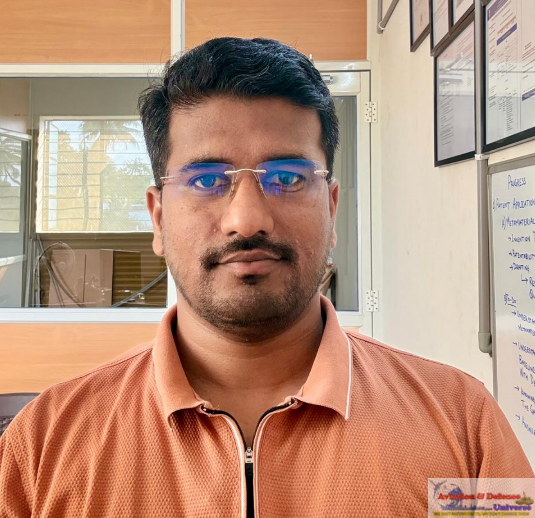
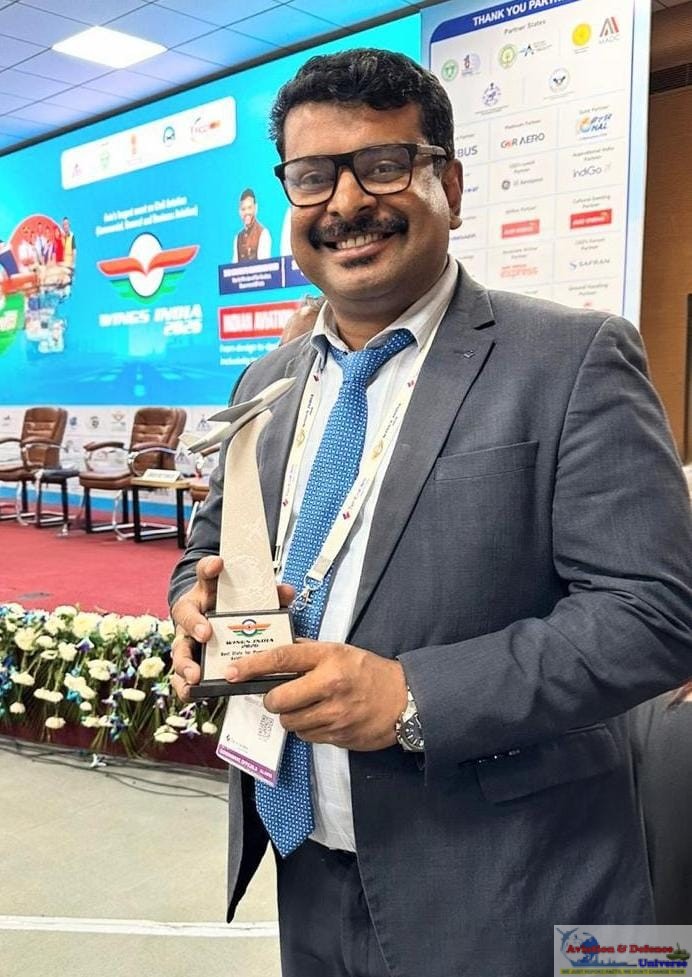
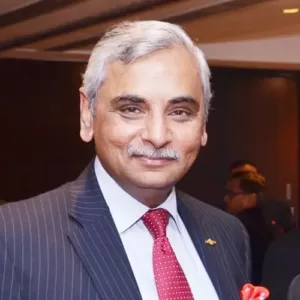
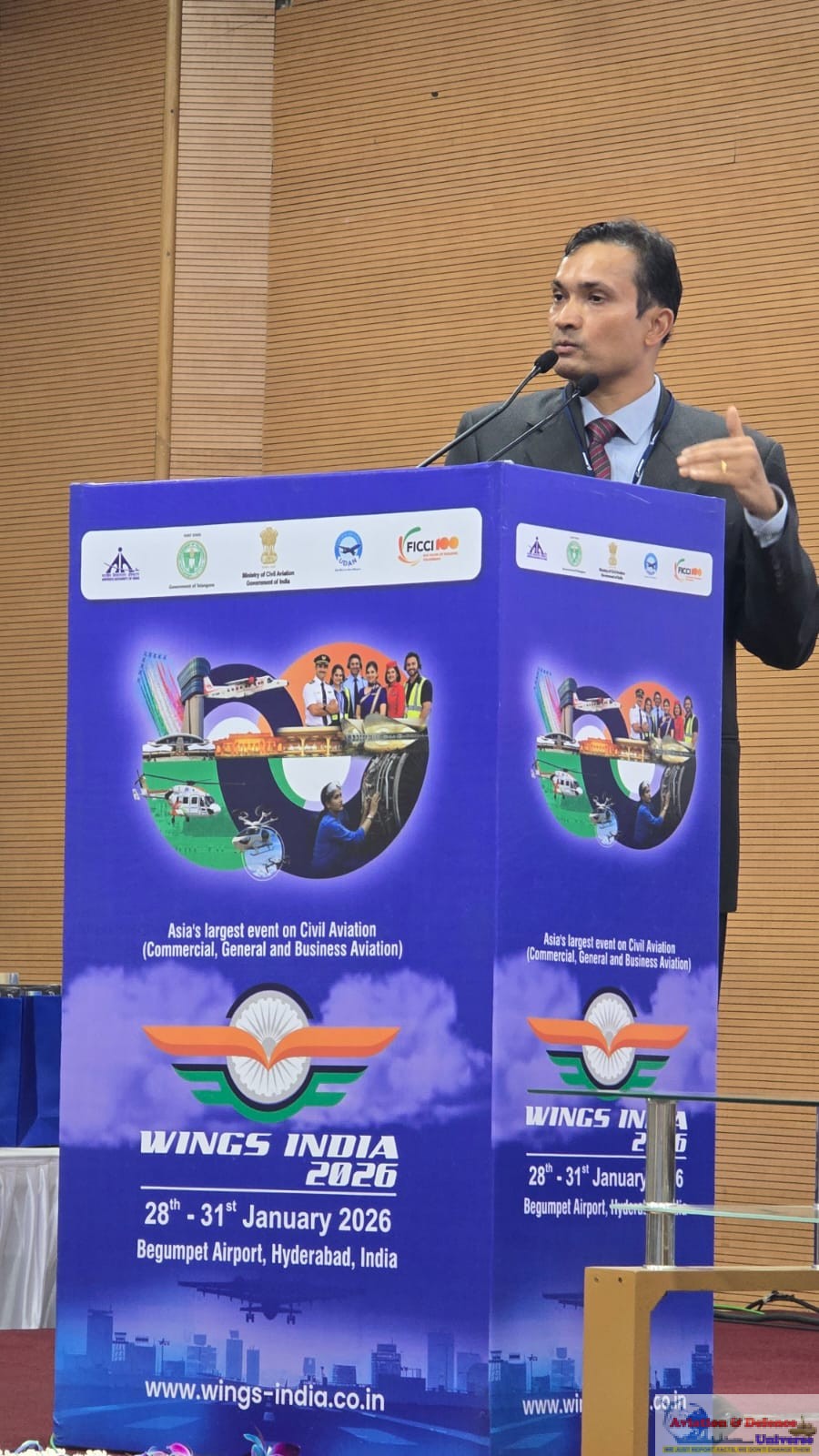
Speaking at Wings India 2026, Boeing’s Managing Director (Marketing) – India, Ashwin Naidu, presented a comprehensive market outlook that firmly positioned India at the heart of global aviation growth. Addressing industry leaders, policymakers, and the media, Naidu laid out Boeing’s long-term assessment of passenger demand, fleet expansion, air cargo growth, workforce requirements, and infrastructure needs. His address, followed by an extended interaction with journalists, reiterated a clear message: India is no longer an emerging aviation market—it is becoming a structural driver of global aviation over the next two decades.
 Outlining global growth trends, Ashwin Naidu noted that mature aviation markets were expanding steadily but at a slower pace. “Developed aviation markets such as North America, Europe and North East Asia are growing at about a 3 to 4 percent rate,” he said. In contrast, he highlighted the dynamism of Asia. “Markets like South East Asia—including Thailand, Vietnam and other ASEAN countries—are growing at about the same 6.5 percent rate as India,” Naidu stated.
Summing up the regional picture, he added, “If you look at the Asia-Pacific ecosystem as a whole, it is India, South Asia and South East Asia that continue to drive growth.” India–Africa Corridor: Ready for the Next Phase of Expansion. Responding to a question on growth prospects in South America and Africa, Ashwin Naidu explained that while South America remains relatively small, its growth trajectory is positive. “South America is relatively small in size today. The numbers are small, but the growth rates are high,” he said.
However, he placed greater emphasis on Africa. “India–Africa is much more ready for its next phase of growth,” Naidu observed, pointing to strong economic and demographic linkages. “There are economic partnerships between India and African countries, and a large Indian diaspora in South Africa, Mauritius and Kenya.” Highlighting existing connectivity, he added,
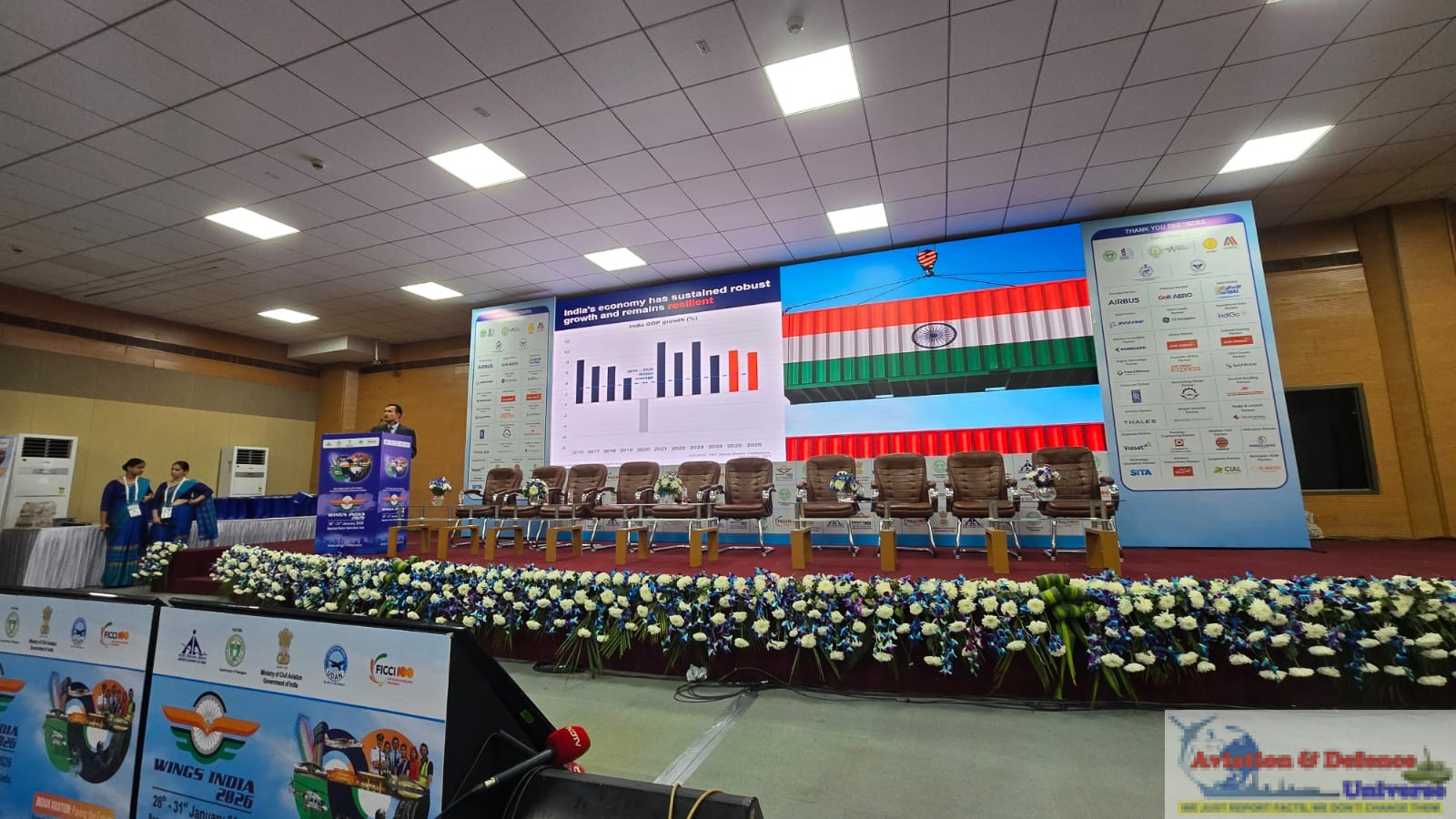
“We already see non-stop flights to Nairobi and Mauritius, and we see these as continued opportunities for growth in the future, even though they remain smaller markets compared to others.” Naidu highlighted aviation’s dual role in India’s economic story. “Aviation benefits from economic growth, but aviation also supports economic growth,” he said, citing third-party research that estimated aviation’s contribution to India’s GDP at nearly USD 54 billion in a single year. Turning to workforce requirements, Naidu stressed the scale of talent needed to sustain growth.
 “The 141,000 new aviation professionals we forecast are on top of what already exists today,” he clarified. Explaining Boeing’s role, he said, “Pilots will be hired by airlines. What we do is work closely with our airline customers to help build training capability.” On simulator infrastructure, he added, “We partner with CAE and FSTC on simulators, and by the end of 2026, we expect to have the capability of up to 10 simulators through partnerships in India.” Addressing maintenance and cabin crew training, Naidu noted, “We work closely with training organisations and with our airline customers in making training plans and supporting them in their journey.” He clarified Boeing’s position unequivocally, “We do not have any plans to own aircraft or independently run training academies.”
Responding to questions on supply chain disruptions, Ashwin Naidu was categorical. “There are no delays in deliveries,” he said. He pointed to recent examples, stating, “The Air India 787-9 aircraft on static display outside was delivered just two weeks ago. An Akasa aircraft was delivered a few weeks ago as well.” On delivery cadence, he added, “We typically deliver at least two aircraft a month to our primary customers in India.”
While acknowledging global challenges, he emphasised, “Supply chain issues are something we work very closely on with our partners, and we remain in constant communication with our customers.” He added, “Any increase beyond this will be studied carefully and determined in consultation with the FAA.” Highlighting air cargo, Ashwin Naidu said, “India has 17 freighters today. Just six or seven years ago, India had only six.” He added, “The market has tripled in a short period and has enormous promise.” Linking this to broader trends, he noted, “E-commerce is among the fastest-growing in the world, and India is manufacturing high-value products—pharmaceuticals, electronics, and high-tech goods.”
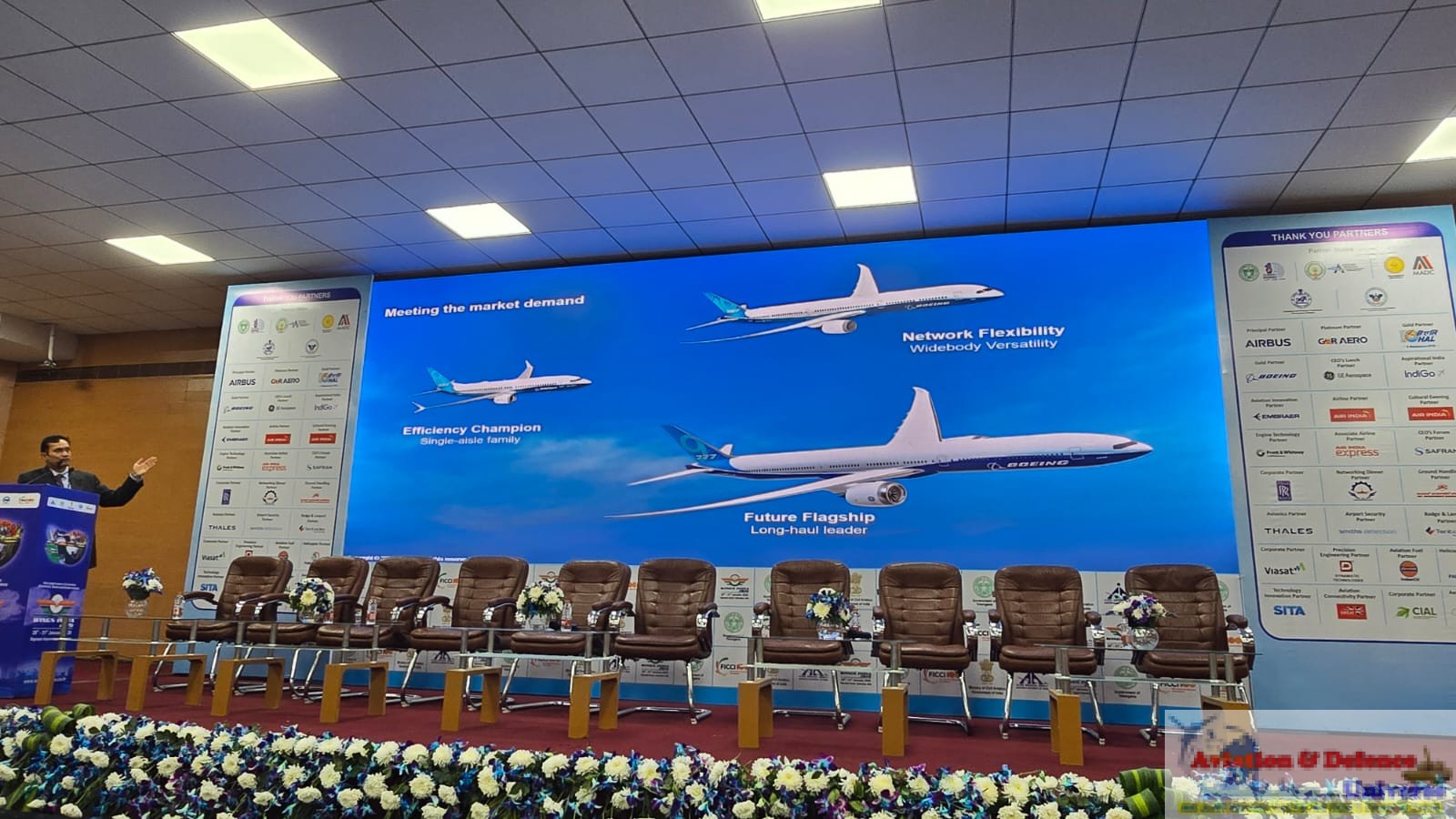 He concluded, “This will drive very rapid growth in air cargo, but it will require investment from existing players and potentially new entrants with an entrepreneurial mindset.” Confirming airline interest, he stated, “Yes, existing airlines are absolutely showing interest.” Discussing wide-body aircraft, Naidu explained the relevance of the 777X. “The 777-9 is based on the 777-300ER platform that Air India has successfully operated for the last 15 to 20 years,” he said. Highlighting its advantages, he added, “It offers 30 to 40 additional seats, greater efficiency, and a brand-new composite wing design.”
Do Global Hubs Matter for India? As a traveller I feel yes. Framing the opportunity, he said,“ Millions of Indian passengers today connect through global hubs. With the right aircraft and network design, they can connect within India and fly non-stop to destinations in the US and Canada.” On the importance of hub airports, Ashwin Naidu struck a balanced note.
“Major metros already have sufficient traffic to support large wide-body aircraft,” he said. However, he added, “Developing seamless hub connectivity enhances competitiveness but is not a strict requirement.” “A hub structure strengthens competitive advantage against one-stop foreign carriers.”
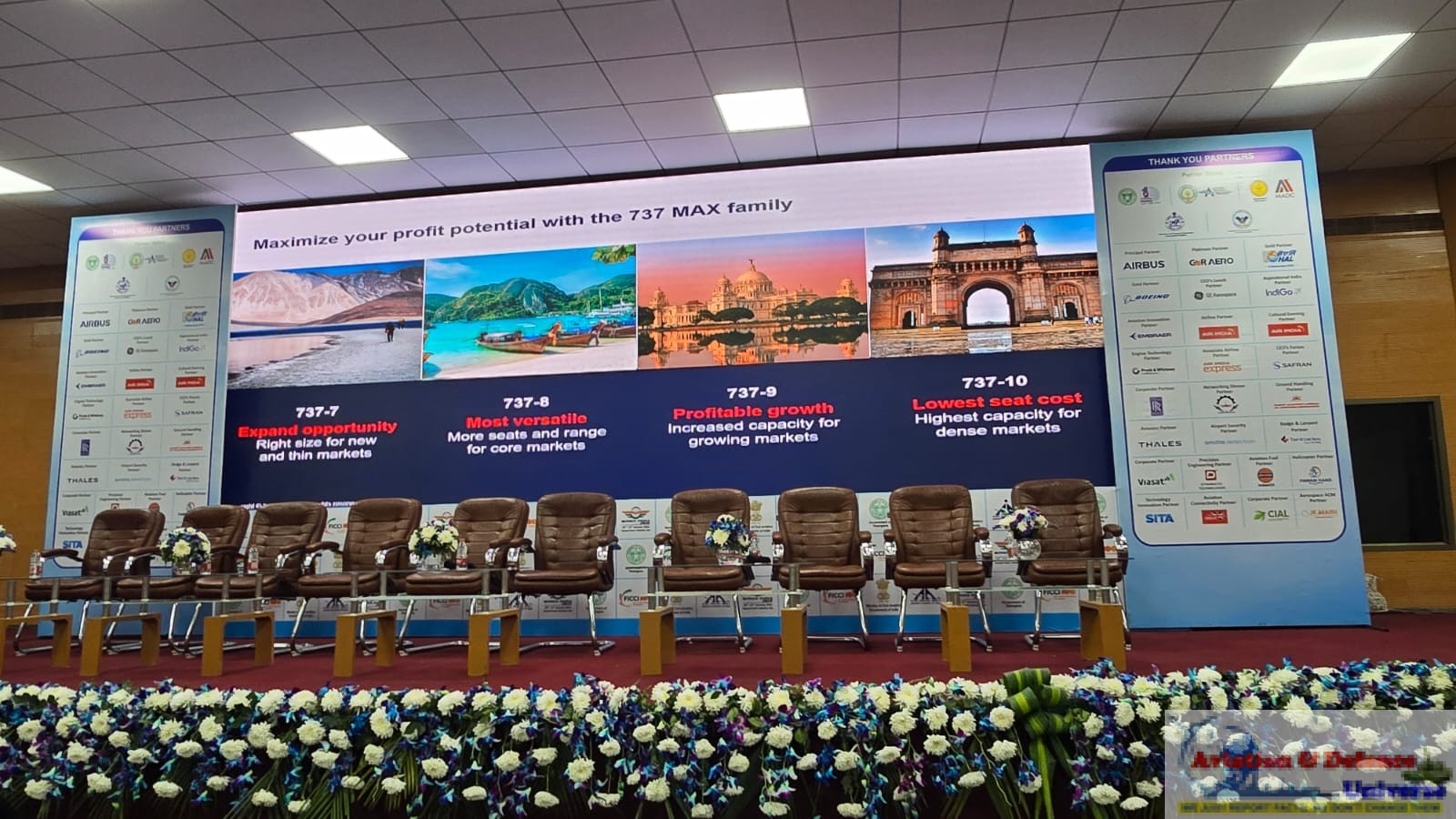 Addressing criticism of modest regional jet forecasts, Boeing stood by its analysis. “Each year, our forecast for regional jets has remained small—and it has been accurate.” He explained, “India’s aviation economics depend on seat-mile costs. That is challenging even for larger aircraft and becomes harder with regional jets.” He added, “Regional jets may work initially, but markets outgrow them quickly. India ultimately requires single-aisle economics.”
Boeing’s extended Wings India 2026 interaction offered rare transparency into how global manufacturers view India’s aviation future—balanced, data-driven, and optimistic. With Asia-Pacific growth led by India, Africa emerging as the next growth corridor, stable deliveries, expanding cargo operations, and a carefully calibrated fleet outlook, Boeing positioned India as a long-term aviation powerhouse. As the session concluded, the message was clear: India’s aviation rise is not speculative—it is already underway, and its next phase will be even more transformative.