










- Invites Global Investors to Join India’s Aviation Growth Story
- Outlines Bold Plan for 400 Airports and Green Aviation Future by 2047
By Sangeeta Saxena
Hyderabad. 28 January 2026. At the inauguration of Wings India 2026, Prime Minister Narendra Modi declared that “aviation in India is no longer elite, but inclusive,” marking what he described as India’s defining aviation moment. Emphasising that India’s skies represent the nation’s future, he outlined a bold and transformative vision to establish over 400 airports by 2047, while simultaneously steering the sector 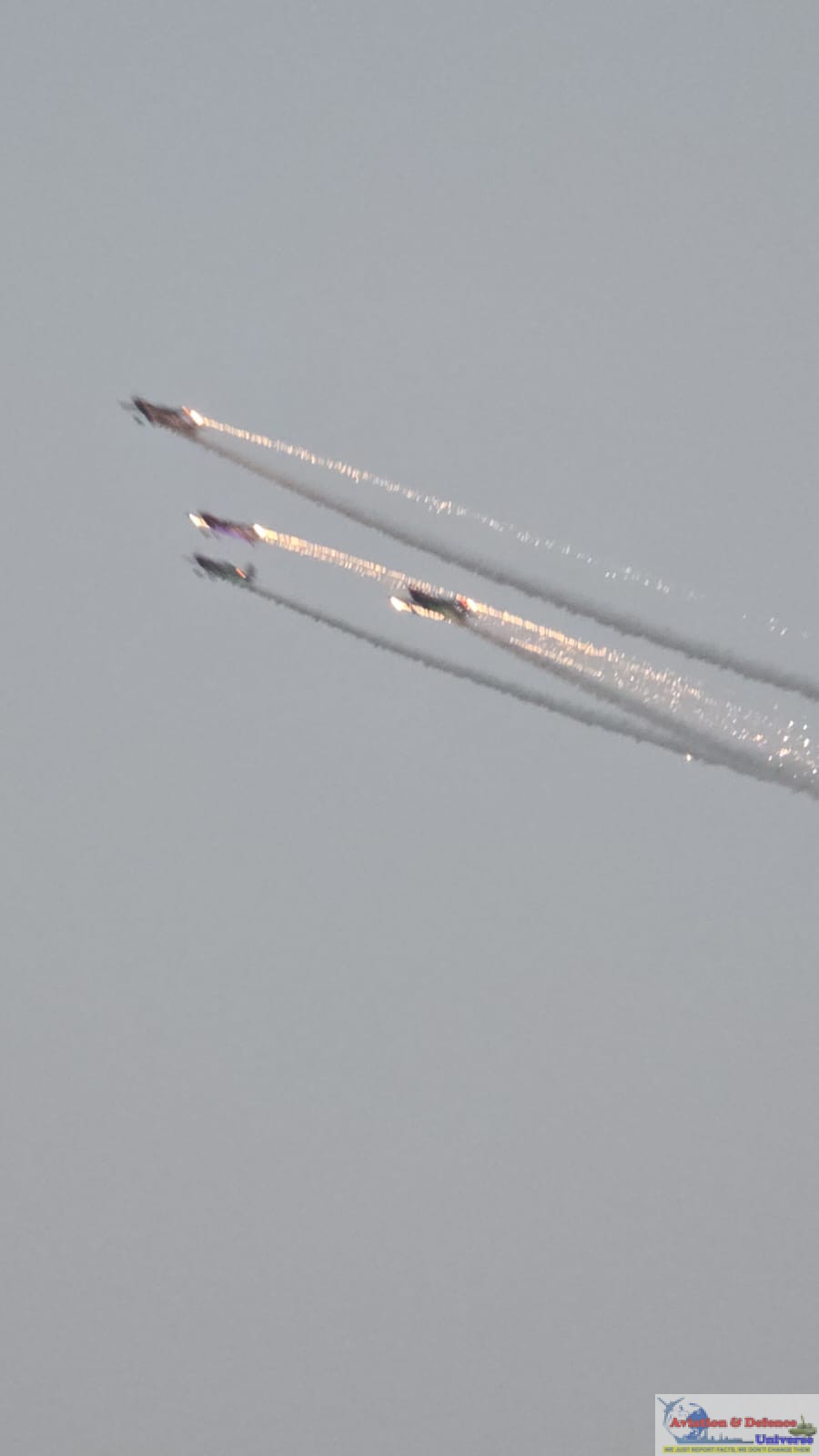 towards green aviation, sustainability, and innovation. Stressing the importance of self-reliance, technological leadership, and global competitiveness, the Prime Minister said that India is ready to lead the next era of global aviation, positioning the country as a major hub for manufacturing, MRO, advanced air mobility, and sustainable aviation solutions, while inviting global investors and industry leaders to become partners in this historic journey.
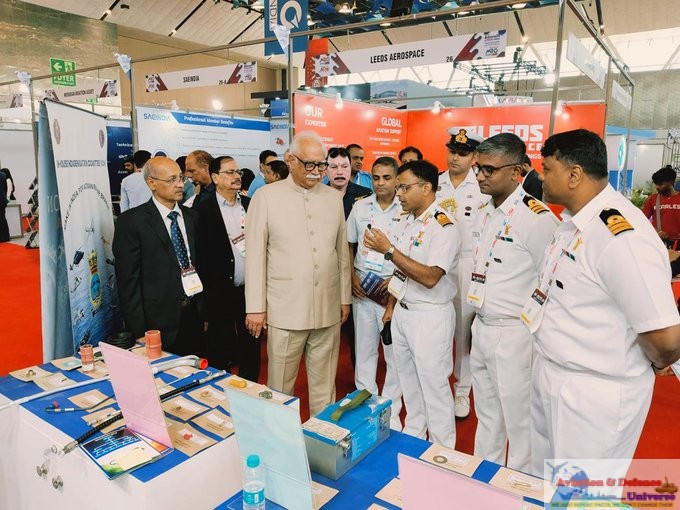
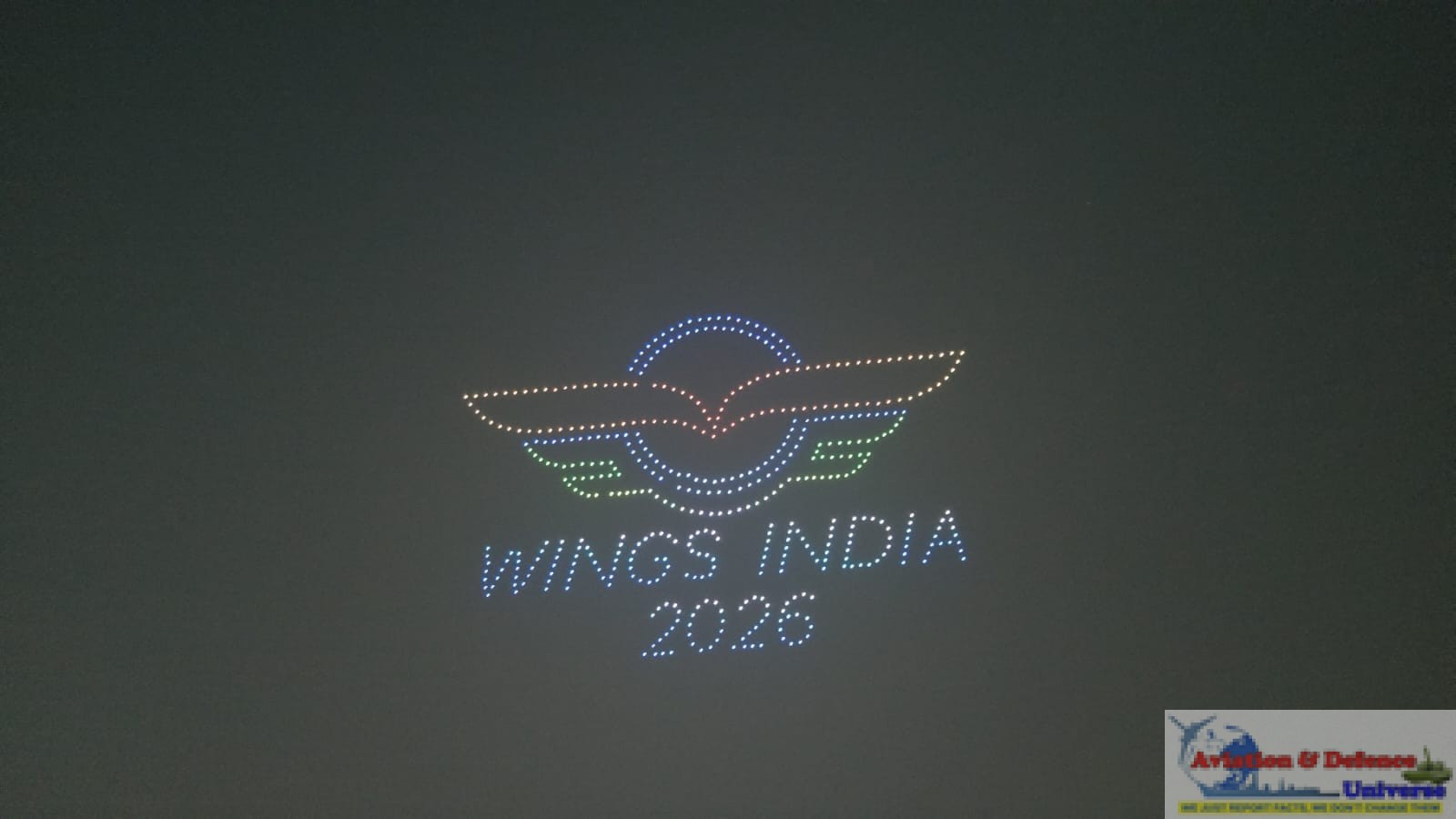
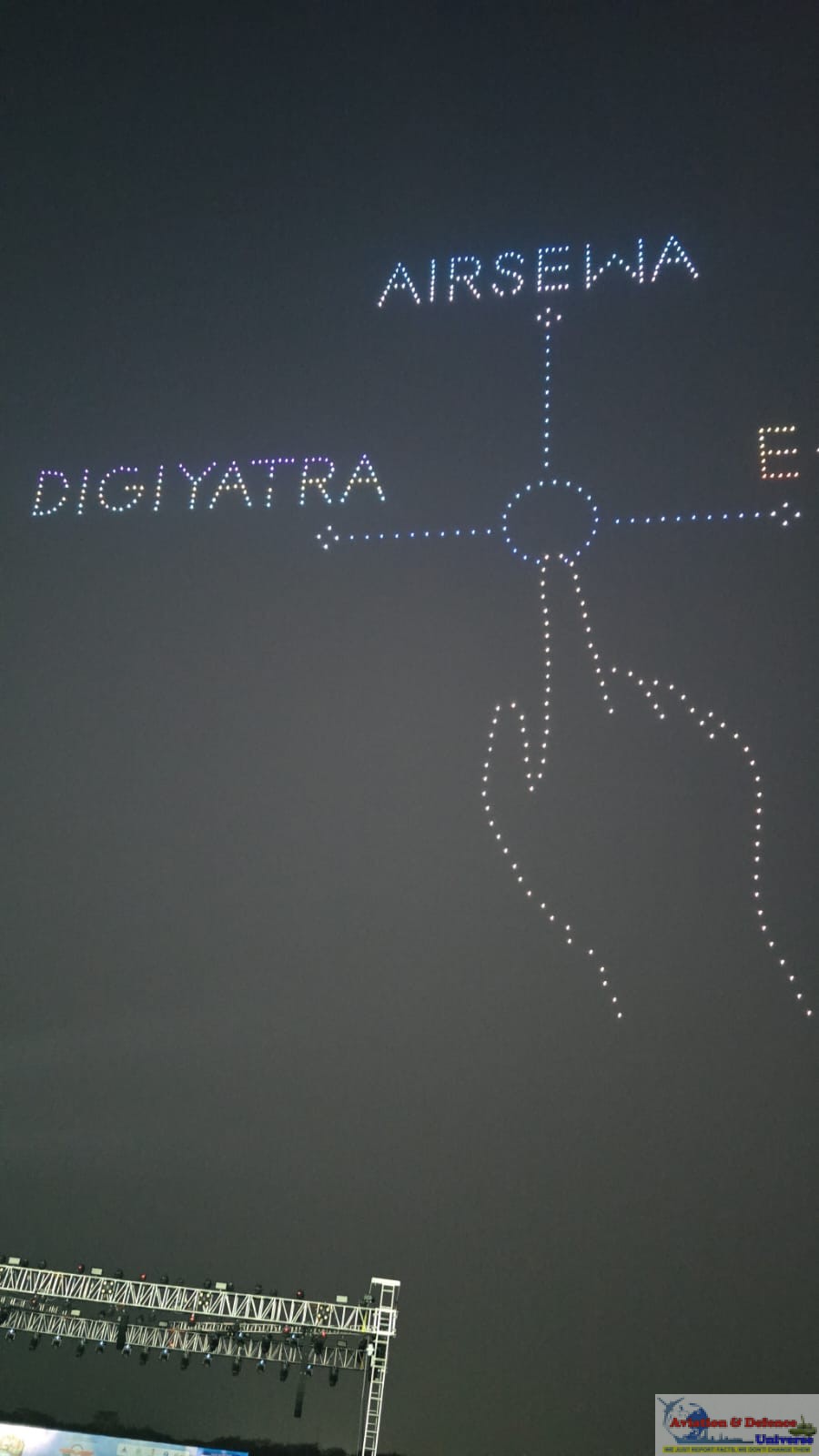
The inauguration ceremony of Wings India 2026 unfolded as a powerful showcase of India’s aviation ambition, blending vision, spectacle, and national pride. The event was marked by a keynote address by Samir Sinha, Secretary, Ministry of Civil Aviation, who outlined India’s transformative journey in civil aviation, emphasising policy reforms, infrastructure expansion, regional connectivity, and India’s growing stature in the global aviation ecosystem. The ceremonial proceedings were elevated by a breathtaking aerial flypast that symbolised India’s soaring aspirations, followed by a mesmerising drone show that illuminated the Hyderabad skyline, reflecting the convergence of technology, innovation, and the future of aviation. Together, the speech and the aerial displays set the tone for Wings India 2026 as not just an industry event, but a celebration of India’s emergence as a global aviation powerhouse.
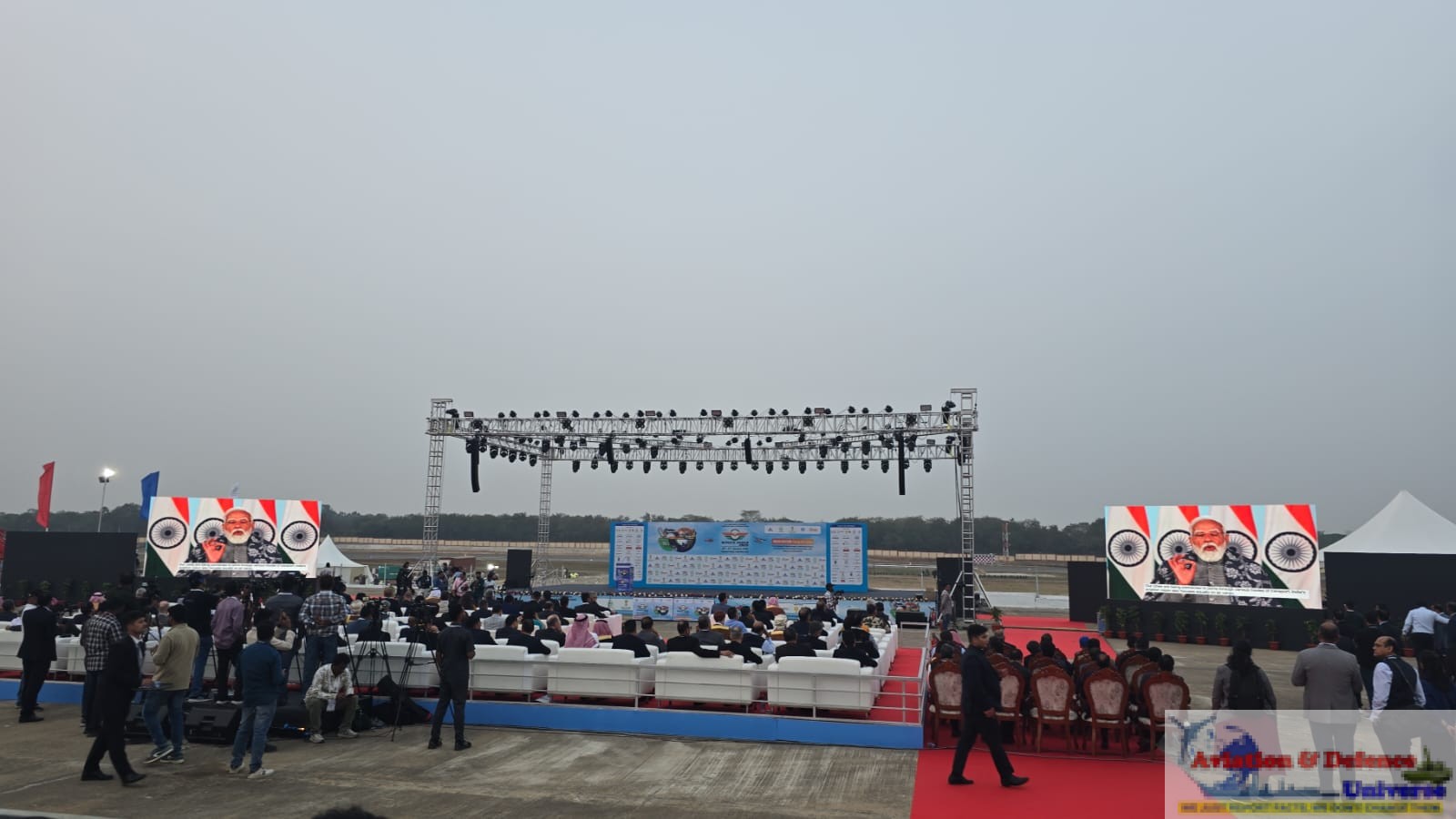 In a special message delivered on the occasion, Prime Minister Narendra Modi extended a warm welcome to global aviation leaders, policymakers, industry experts, investors, and international delegates attending Wings India 2026. He highlighted that the next era of the global aviation industry is filled with aspirations, and India is fast emerging as a major force in this transformation. He said that sectors such as aircraft manufacturing, pilot training, advanced air mobility, and aircraft leasing present immense opportunities in India, making Wings India an increasingly significant global platform for collaboration and investment.
The Prime Minister underlined that over the past decade, India’s aviation sector has undergone a historic transformation. He noted that air travel in India, once limited to a privileged few, has now become inclusive and accessible to the masses. Today, India stands as the world’s third-largest domestic aviation market, with passenger traffic and airline fleets expanding at unprecedented rates. He pointed out that Indian carriers have placed orders for more than 1,500 aircraft in recent years, reflecting strong confidence in the sector’s long-term growth.
Emphasising the government’s long-term vision, Modi said that regional connectivity has been a cornerstone of India’s aviation expansion. From just 70 airports in 2014, the country now boasts more than 160 operational airports, with over 100 aerodromes activated in a single decade. He highlighted the success of the UDAN scheme, which has enabled affordable air travel and connected Tier-2 and Tier-3 cities, allowing nearly 15 million passengers to travel on routes that previously did not exist.
 Looking ahead, the Prime Minister stated that India’s aviation footprint is set to expand significantly as the country moves towards becoming a developed nation. By 2047, India is expected to have over 400 airports, forming one of the world’s largest aviation networks. He added that the next phase of the UDAN scheme, along with the expansion of seaplane operations, will further strengthen regional and affordable air connectivity, ensuring that air travel reaches every corner of the country.
Modi also reminded of the government’s focus on tourism, noting that air travel will play a pivotal role in unlocking the full potential of India’s diverse destinations. He said that rising tourism activity will create vast new investment opportunities across the aviation ecosystem. Stressing the importance of self-reliance, the Prime Minister said India is placing strong emphasis on aircraft design, manufacturing, and the development of a robust MRO ecosystem. He highlighted India’s growing capabilities in aerospace manufacturing, including military and transport aircraft, and noted the country’s steady progress towards civil aircraft production.
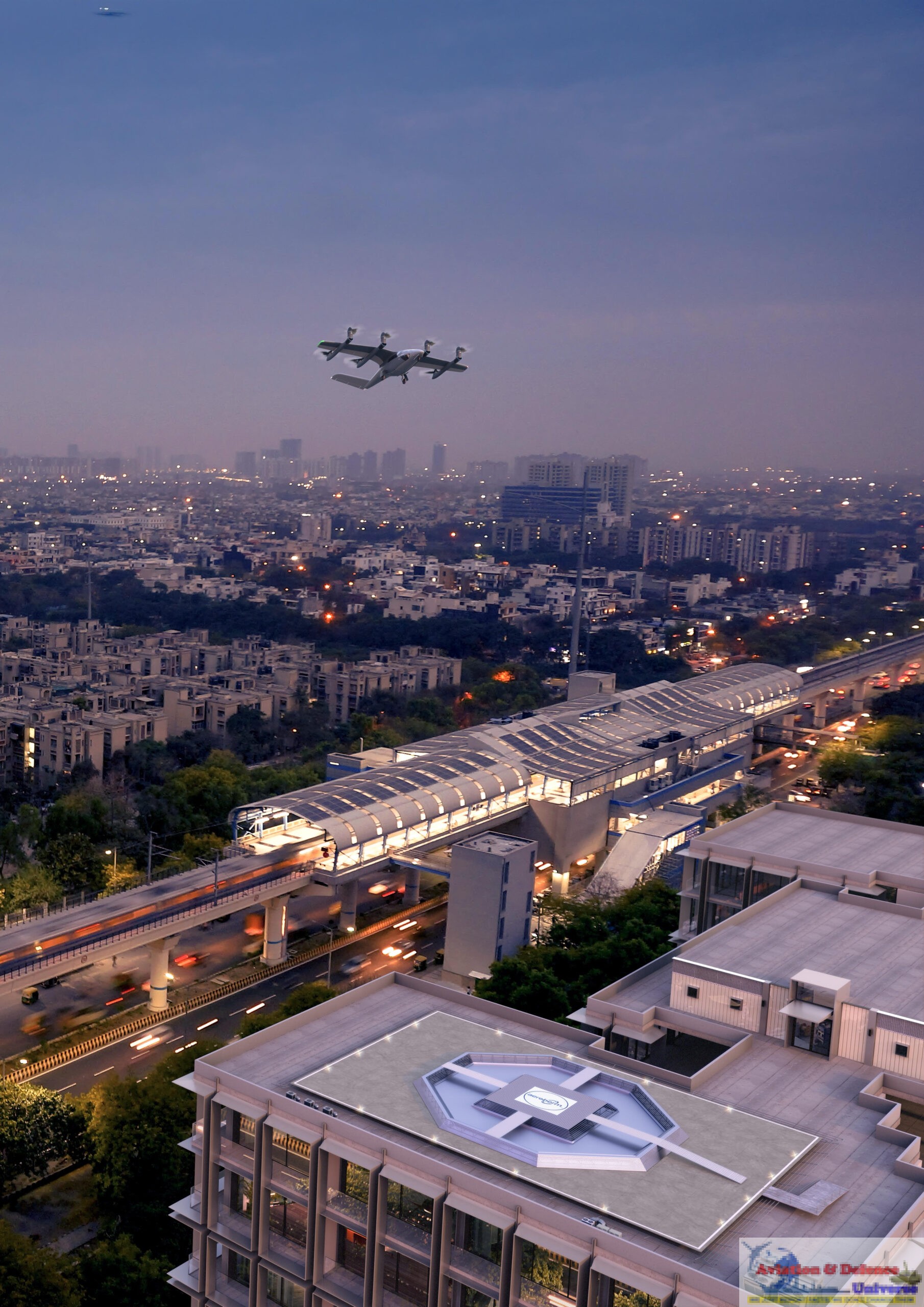
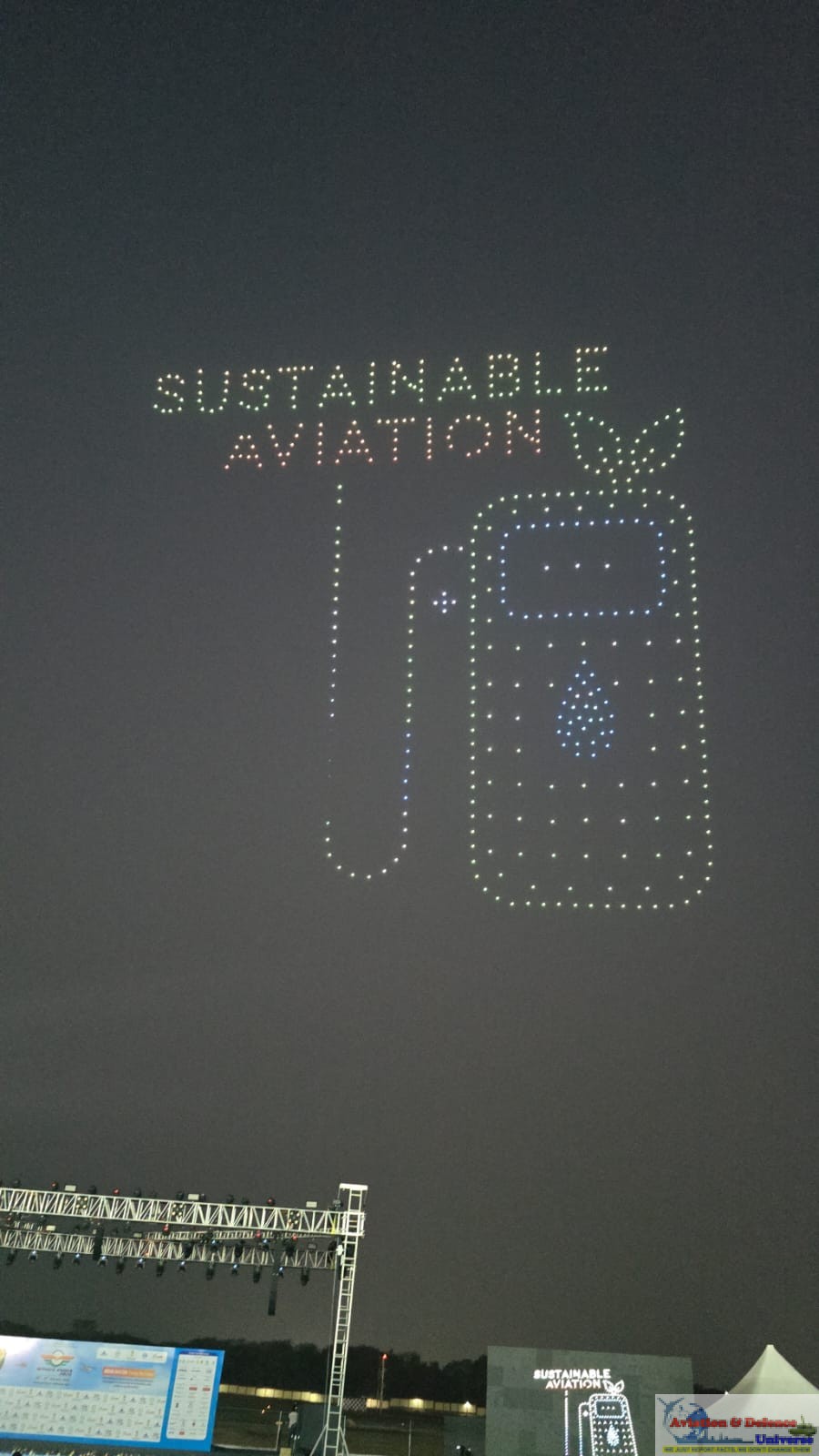 Highlighting India’s strategic advantages, he pointed to its geographic position on global air corridors, extensive domestic feeder networks, and rapidly expanding long-haul fleets. He said these strengths make India a natural global aviation hub. He also spoke about the future of electric vertical take-off and landing (eVTOL) aircraft, sustainable aviation fuel, and green technologies, expressing confidence that India would soon emerge as a major producer and exporter of green aviation fuel.
The Prime Minister further noted that India is undertaking major regulatory reforms to enhance air cargo operations, streamline logistics, and strengthen digital cargo platforms. These initiatives, along with the development of modern warehousing and off-airport processing facilities, will reduce cargo delivery time and logistics costs, helping India emerge as a competitive global transshipment hub.
Concluding his message, he invited investors, industry leaders, and innovators from around the world to partner in India’s aviation growth story. He said India offers unparalleled scale, political stability, and technological ambition, making it one of the most attractive destinations for aviation investment globally. He urged stakeholders to become long-term partners in India’s development journey and contribute to shaping the future of global aviation.