













- From Tokyo to Tianjin: Modi Resets Asia Strategy with Japan Deals and SCO Diplomacy
- Semiconductors, Security, and SCO: Modi’s Twin Visits Signal India’s Pragmatic Diplomacy
- Bridging Divides: Modi Strengthens Japan Ties, Engages Xi at SCO Summit
- Strategic Autonomy in Action: Modi’s Asia Tour Bolsters India’s Role in Multipolar Order
By Jai Kumar Verma
New Delhi. 11 September 2025. Prime Minister Narendra Modi’s late-August 2025 diplomatic tour across Japan and China underscored India’s evolving role in an increasingly multipolar world. In Tokyo, Modi and Japanese Prime Minister Shigeru Ishiba sealed a transformative partnership, anchored by a landmark $68 billion investment pledge and deepened cooperation in semiconductors, clean energy, AI, and defence. Days later, at the Shanghai Cooperation Organisation (SCO) Summit in Tianjin, Modi met Chinese President Xi Jinping for the first time in seven years, signalling a pragmatic thaw in strained relations. Together, the twin engagements illustrated India’s pursuit of strategic autonomy—balancing partnerships, managing rivalries, and projecting influence across Asia.
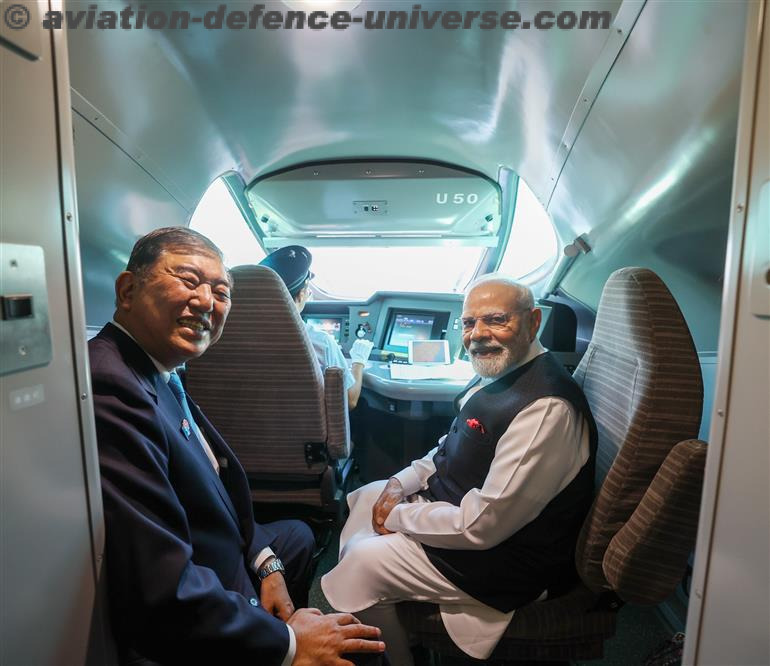 The visits marked a renewed strategic engagement across Asia, combining economic, defence, technological, and geopolitical dimensions. In Tokyo, Modi and Japanese Prime Minister Shigeru Ishiba forged a decade-long roadmap that elevated their Special Strategic and Global Partnership, particularly in semiconductors, clean energy, AI, mobility, and space. In Tianjin, at the Shanghai Cooperation Organisation (SCO) Summit, Modi’s first visit to China in seven years culminated in high-profile meetings with Xi Jinping and Vladimir Putin. These overtures highlighted India’s pragmatic diplomacy, multi‑alignment, and pursuit of strategic autonomy, especially as U.S. ties cooled under President Trump’s tariff-driven posture.
India and Japan also agreed to offer new supply chain collaboration. Both countries, companies and organisations would propose new ways to work together across borders to make sure these critical sectors become less vulnerable to disruptions because of political conflicts, natural disasters, or pandemics. It was also agreed to have diverse and secure sources of inputs for raw materials and components. It was also decided to rapidly respond to crises in case of shortages or demand spikes. They also approved to support shared innovation and standards between partners.
Both India and Japan decided to diversify their global partnerships and supply chains, mainly because they rely too heavily on China for critical goods, technologies, and raw materials something that can be risky for both economic and strategic reasons. At present there is overdependence on China as it is a major global supplier of key items like electronics, rare earth minerals, active pharmaceutical ingredients (APIs), and manufactured goods. Hence both India and Japan import a large portion of these goods from China. Hence in case of disruption in Chinese supply which may be because of political reasons, trade restrictions, or global crises like COVID-19 it would hurt their economies.
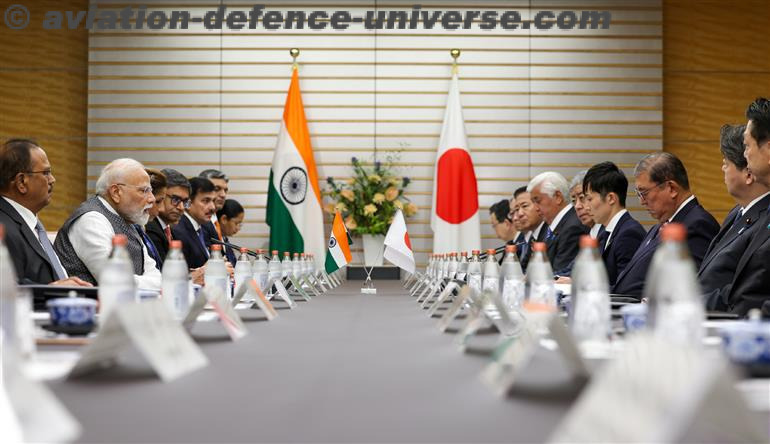 The possibilities of geopolitical strains with China cannot be ruled out as both Delhi and Tokyo have strategic and territorial disputes with China. There are disputes over South China Sea too. It was also decided to enhance people-to-people contact between India and Japan. Human resource action plan enabling 500,000 exchanges over five years, including 50,000 Indian skilled workers moving to Japan. There was joint declaration on security cooperation which would create a new framework for defence collaboration, notably transferring defence equipment and technologies. India appreciates Japan’s willingness to provide platforms like the ShinMaywa US‑2 amphibious aircraft—symbolizing mounting trust and strategic alignment.
Both the countries also agreed to launch AI initiative and also agreed to expand mobility partnership and accelerate cooperation on high-speed rail (Mumbai–Ahmedabad bullet train), aviation, ports, logistics. Dozens of MOUs worth $13 billion were inked about different sectors including tech, defence, green energy etc. PM Modi’s visit is momentous as by deepening ties with both Japan and China, India strengthens its Asian footprint and hedges reliance on any single power. The visit would be a big economic booster as massive Japanese investment inflows and different MOUs will spur job creation, tech capacities, semiconductor growth, and green energy infrastructure.
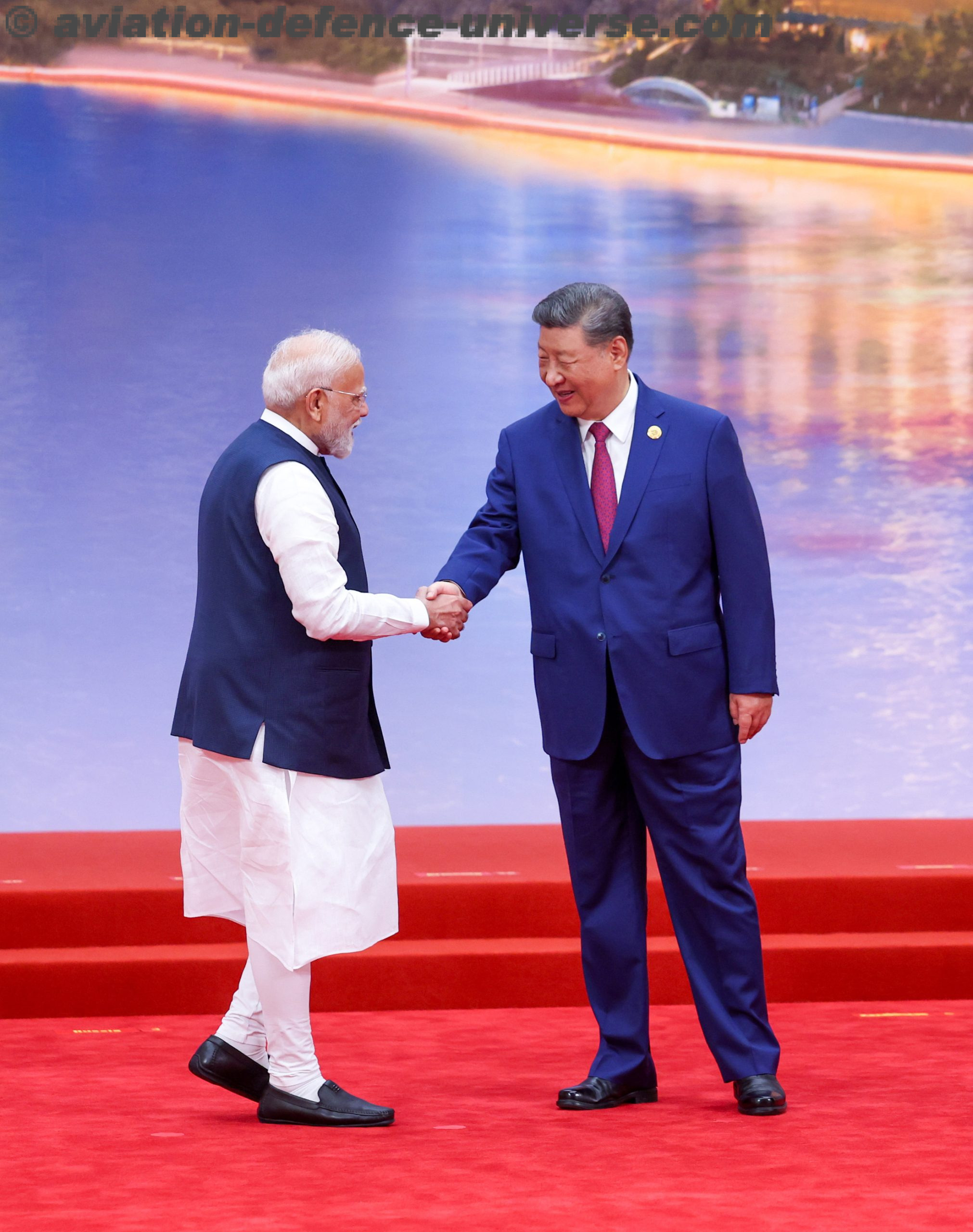 After successful completion of Japan visit Modi went to attend the SCO Summit. It was a significant diplomatic moment as it was his first direct engagement in the region after a seven-year hiatus. Set against the backdrop of complex regional dynamics, Modi’s presence at the summit was more than ceremonial; it represented a calculated move towards re-engagement in Eurasian geopolitics. The SCO platform, known for fostering regional cooperation in security, trade, and development, provided India an opportunity to recalibrate its strategic posture amid evolving global alignments. Modi’s participation underscored India’s renewed commitment to multilateral diplomacy, aiming to balance its economic interests with broader geopolitical imperatives in an increasingly multipolar world.
One of the most closely watched moments of Modi’s visit was his bilateral meeting with Chinese President Xi Jinping—an important development given the strained relations following the 2020 Galwan Valley clashes. The discussion focused on rebuilding trust and easing tensions along the Line of Actual Control (LAC), where disengagement efforts have seen limited but cautious progress. Both leaders underscored the importance of restoring normalcy through sustained diplomatic and military dialogue, recognizing that peace along the border is essential for broader regional stability. Among the key takeaways was a renewed commitment to accelerate disengagement in sensitive sectors, aimed at preventing further military escalation. Additionally, the two sides agreed to expand cultural exchanges and educational cooperation as part of confidence-building measures. A particularly notable outcome was the mutual intent to restart the Kailash Mansarovar Yatra—an important spiritual and symbolic journey for Indian pilgrims, which could also serve as a channel for soft diplomacy. The meeting, while not resolving all underlying tensions, yielded tangible steps towards stabilizing bilateral ties and reopening avenues for cooperation in trade, tourism, and regional dialogue mechanisms. It signalled a pragmatic shift from confrontation to calibrated engagement, laying the groundwork for more structured interactions in the future.
The bilateral engagement with President Xi not only helped ease immediate bilateral frictions but also bolstered India’s standing within the SCO. By signalling a willingness to engage pragmatically with China despite ongoing challenges, India reinforced its image as a stable and constructive player in Eurasian diplomacy. This strategic recalibration allows New Delhi to assert its interests within the SCO without appearing confrontational, particularly at a time when the organization is increasingly seen as a platform for counterbalancing Western influence. Moreover, the optics of the meeting underscored India’s commitment to resolving disputes through dialogue rather than disengagement—aligning with its broader foreign policy approach of strategic autonomy. While India continues to deepen ties with like-minded partners such as the United States, Japan, and Australia through frameworks like the Quad, its outreach to China within multilateral settings like the SCO reflects a dual-track strategy: maintaining assertiveness on core interests while keeping diplomatic channels open. This nuanced posture strengthens India’s leverage in both bilateral and multilateral arenas, and positions it as a key regional actor capable of bridging divides in an increasingly polarized global order.
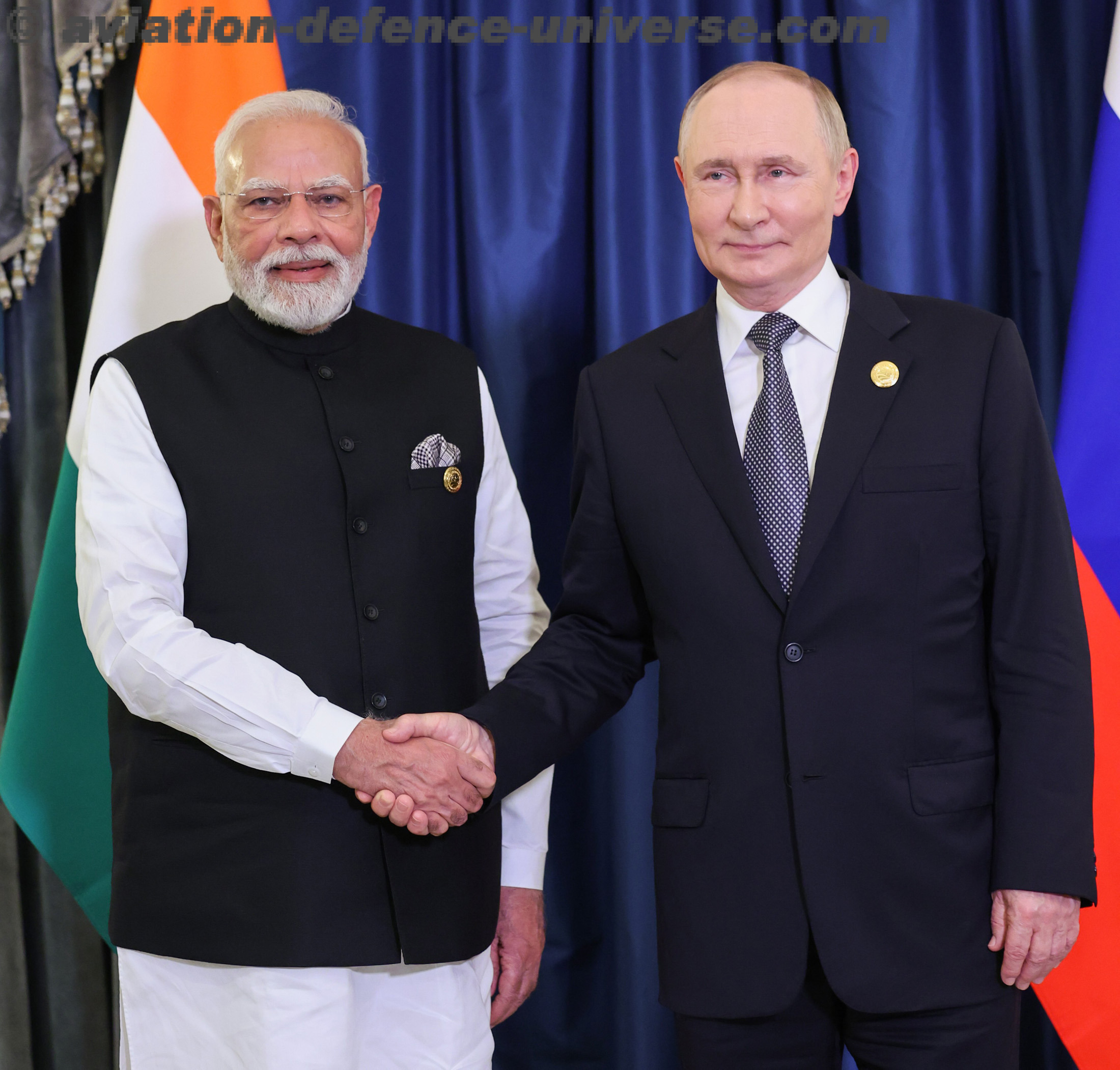
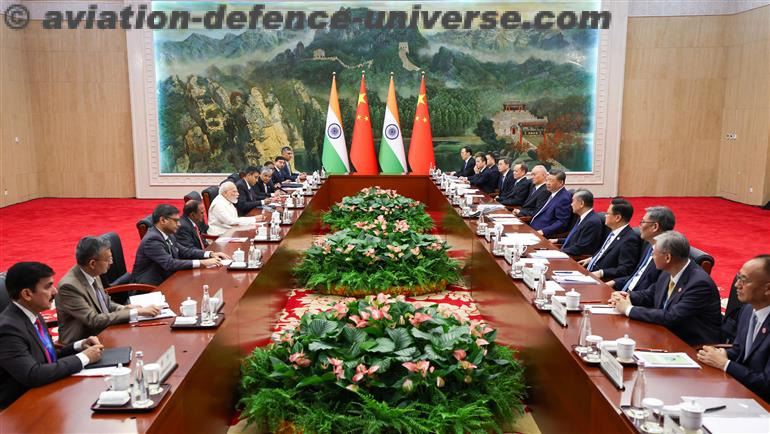 Beyond his noteworthy meeting with Xi Jinping, Modi also held key bilateral discussions with other SCO leaders, reaffirming India’s commitment to regional dialogue and strategic partnerships. Among these, his meeting with Russian President Vladimir Putin drew particular attention, taking place amid a complex global backdrop defined by the ongoing conflict in Ukraine and shifting energy dynamics. The Modi-Putin interaction underscored the enduring nature of India-Russia ties, even as New Delhi continues to navigate its non-aligned stance on contentious international issues. Discussions touched upon strengthening energy cooperation, with India seeking to secure long-term supplies of Russian oil and gas at stable prices—a pragmatic approach in light of volatile global markets and Western sanctions on Moscow.
In addition, Modi & Putin explored avenues for expanding defence collaboration, including joint production and technology transfers, while also acknowledging the need to diversify the relationship beyond traditional sectors. Modi reiterated India’s advocacy for diplomacy and dialogue in resolving global conflicts, subtly alluding to the war in Ukraine without compromising India’s strategic neutrality. The meeting also served to reinforce India’s balanced foreign policy: one that maintains its historical ties with Russia, even as it deepens its strategic convergence with the West. In the context of the SCO, Modi’s outreach to Putin demonstrated India’s capacity to engage with all major powers, bolstering its image as an independent and influential voice in regional affairs.
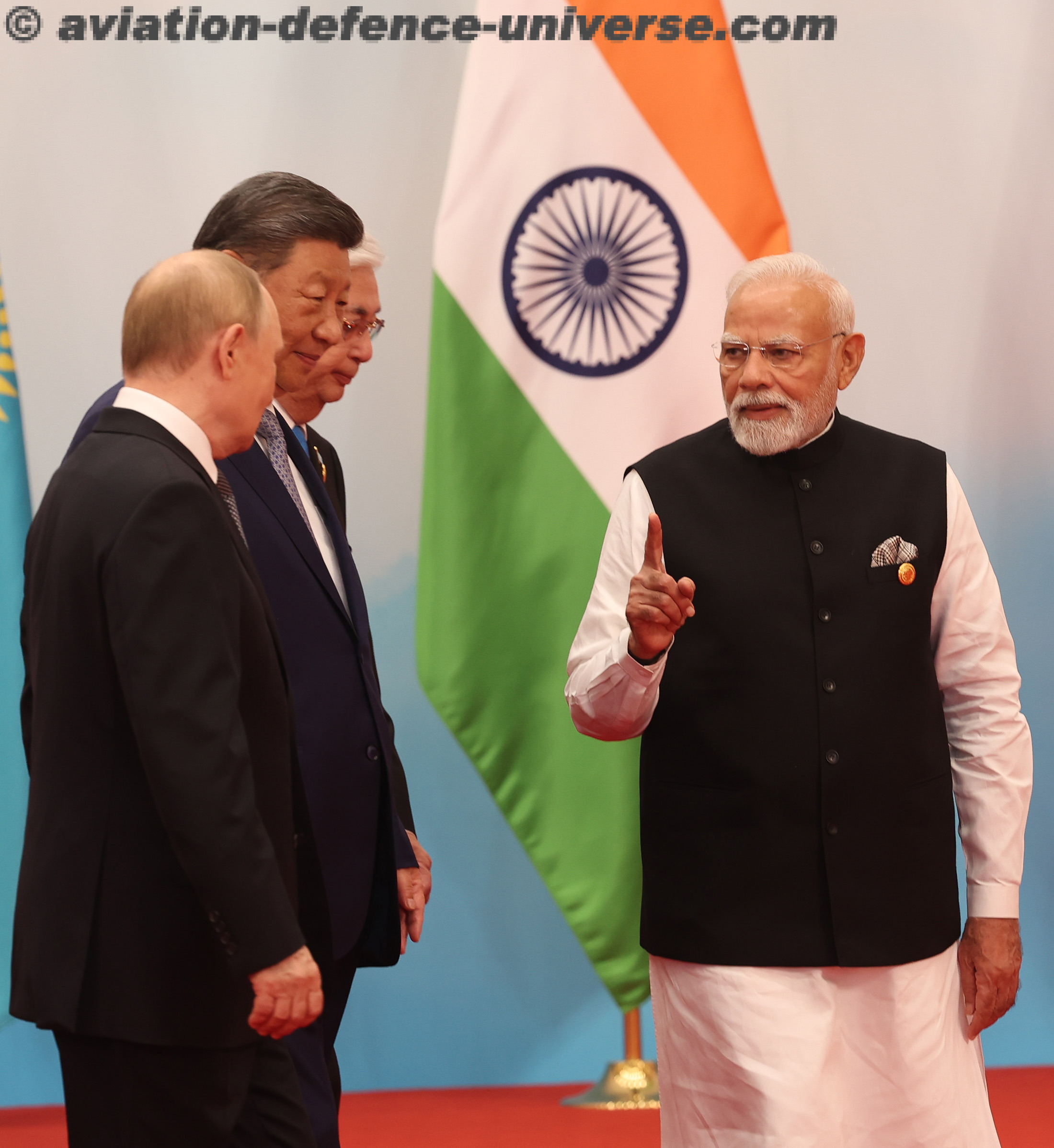 Prime Minister Modi’s visit to Japan and China for the SCO Summit, and his series of high-level bilateral meetings, marked a carefully calibrated exercise in regional diplomacy. By engaging with key players like Xi Jinping and Vladimir Putin, India reaffirmed its commitment to multilateralism and its strategic autonomy in a polarized world. The visit allowed New Delhi to reset strained ties with Beijing, reinforce its long-standing partnership with Moscow, and assert its relevance within the SCO—a bloc often perceived as leaning heavily towards China and Russia. However, these diplomatic gains have not come without criticism on the international stage. India’s continued engagement with Russia, especially amid the Ukraine war, has drawn concern from Western allies, who view such interactions as potentially undermining efforts to isolate Moscow. Similarly, the optics of a thaw with China could be interpreted by some as a dilution of India’s firm stance following the border clashes, risking perceptions of inconsistency in its foreign policy.
Yet, these perceived disadvantages also reflect the tightrope India must walk as a rising power with global ambitions and regional responsibilities. Modi’s visit underscored the complexities of modern diplomacy—where dialogue with rivals is not a concession but a strategic necessity. In balancing principle with pragmatism, India demonstrated that it is neither beholden to the West nor swayed by authoritarian blocs, but rather carving an independent path that seeks stability, opportunity, and strategic space in an uncertain world.
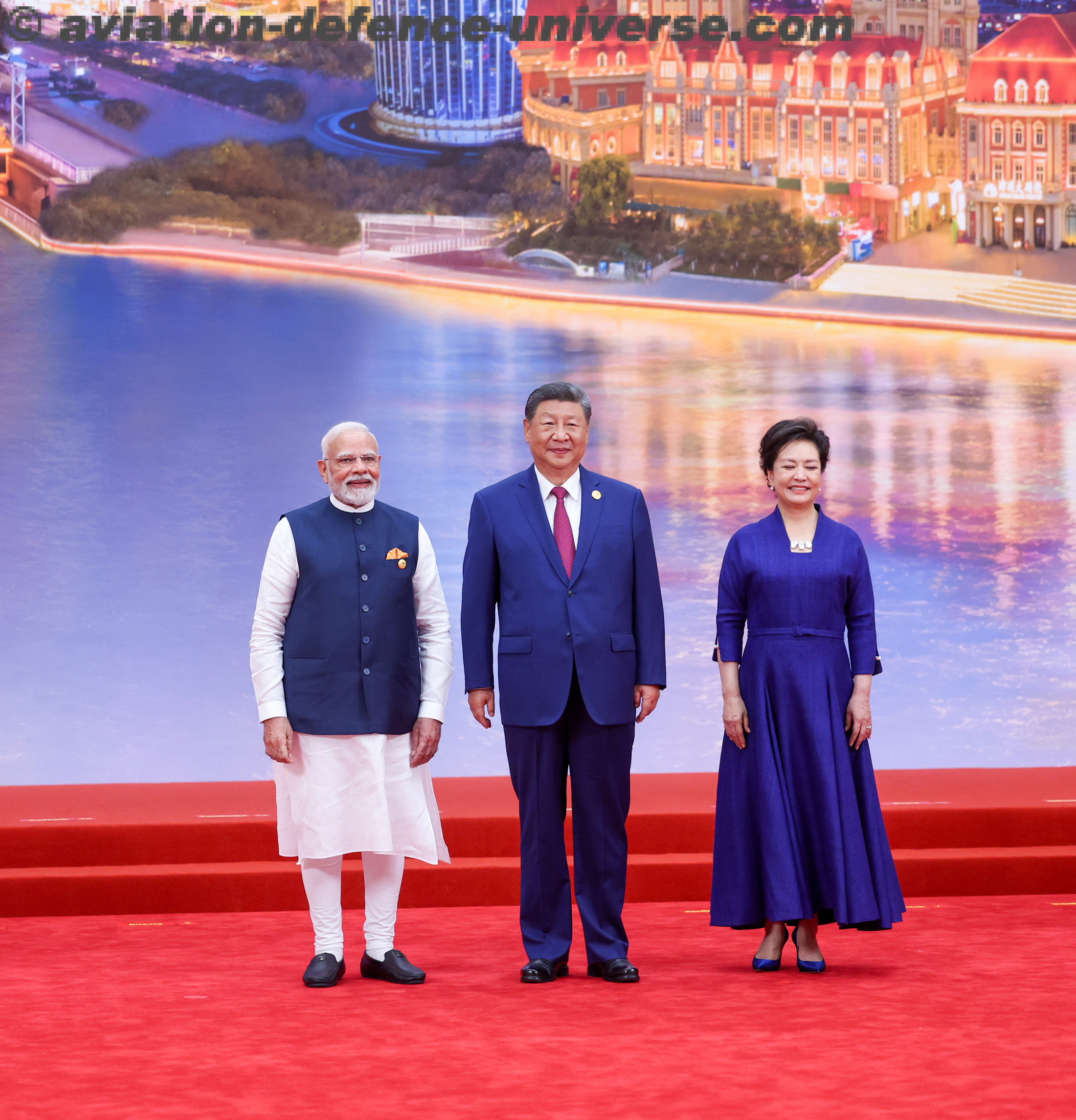 Modi’s back-to-back engagements in Japan and China highlight the fine balance of India’s diplomacy in a complex global order. The Tokyo visit unlocked economic opportunities, technological innovation, and security collaboration with a trusted partner, while the Tianjin summit reopened cautious pathways for dialogue with Beijing and reaffirmed ties with Moscow. Critics may question India’s simultaneous outreach to rivals and allies, but the approach reflects New Delhi’s conscious choice to shape its own narrative: neither aligned solely with the West nor submissive to authoritarian blocs. By combining principle with pragmatism, India’s Asian engagements mark a significant stride towards consolidating its strategic momentum and reinforcing its stature as a decisive regional and global actor.
( Jai Kumar Verma is a Delhi-based strategic analyst and member of United Services Institute of India and The Manohar Parrikar Institute for Defence Studies and Analyses,. The views in the article are solely the author’s. He can be contacted at editor.adu@gmail.com)