

















- The Road Ahead for Business Aviation: Policy Reforms, Growth, and Sustainability
- Is Fractional Ownership a failed model?
- A Sector Ready for Takeoff Amidst Challenges
By Sangeeta Saxena
New Delhi. 26 March 2025. In an increasingly interconnected world, business aviation has emerged as a vital tool for corporate leaders, entrepreneurs, and high-net-worth individuals seeking efficiency, flexibility, and connectivity. Whether facilitating last-minute meetings, accessing remote locations, or ensuring privacy and security, business aviation provides unparalleled advantages that commercial airlines cannot always offer. However, despite its significance, the industry faces several challenges, including regulatory hurdles, high operational costs, and the slow adoption of fractional ownership models.
The recently concluded BizAv India 2025 conference at the India International Centre served as a pivotal platform for stakeholders in India’s business aviation sector. Industry leaders, policymakers, and aviation experts gathered to discuss the opportunities and challenges facing business aviation in the country, with a particular focus on regulatory frameworks, infrastructure development, and the role of technology.
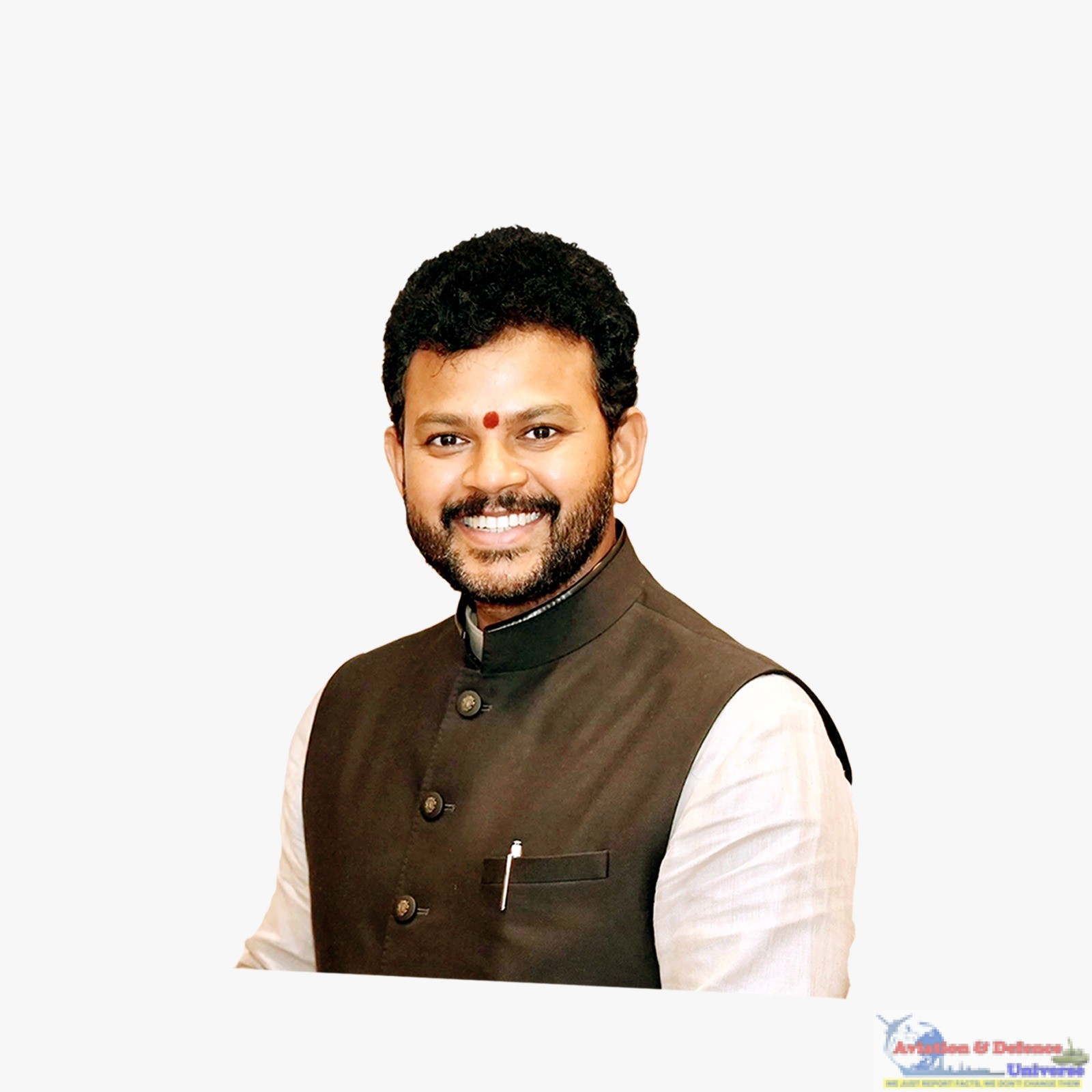
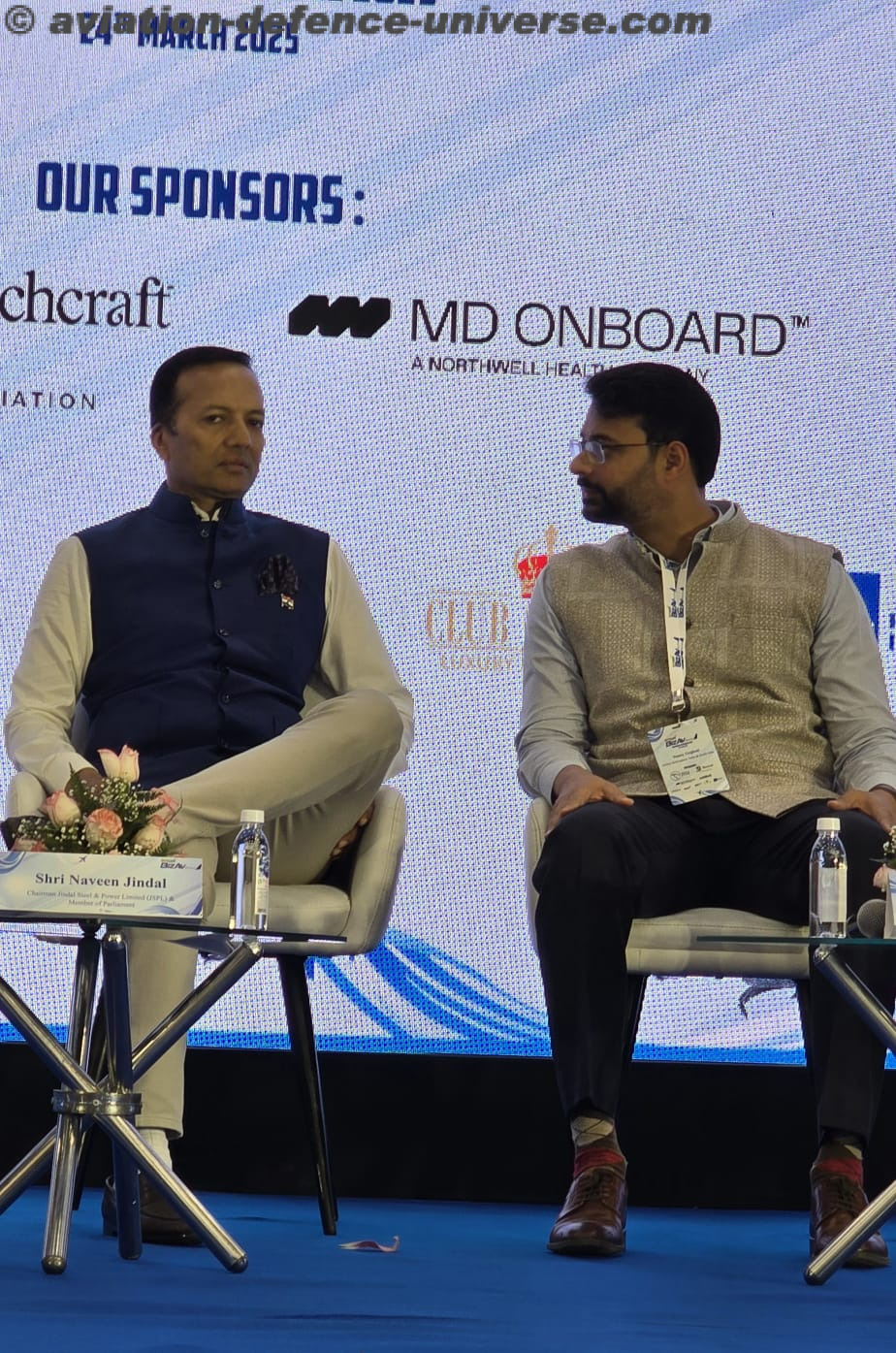
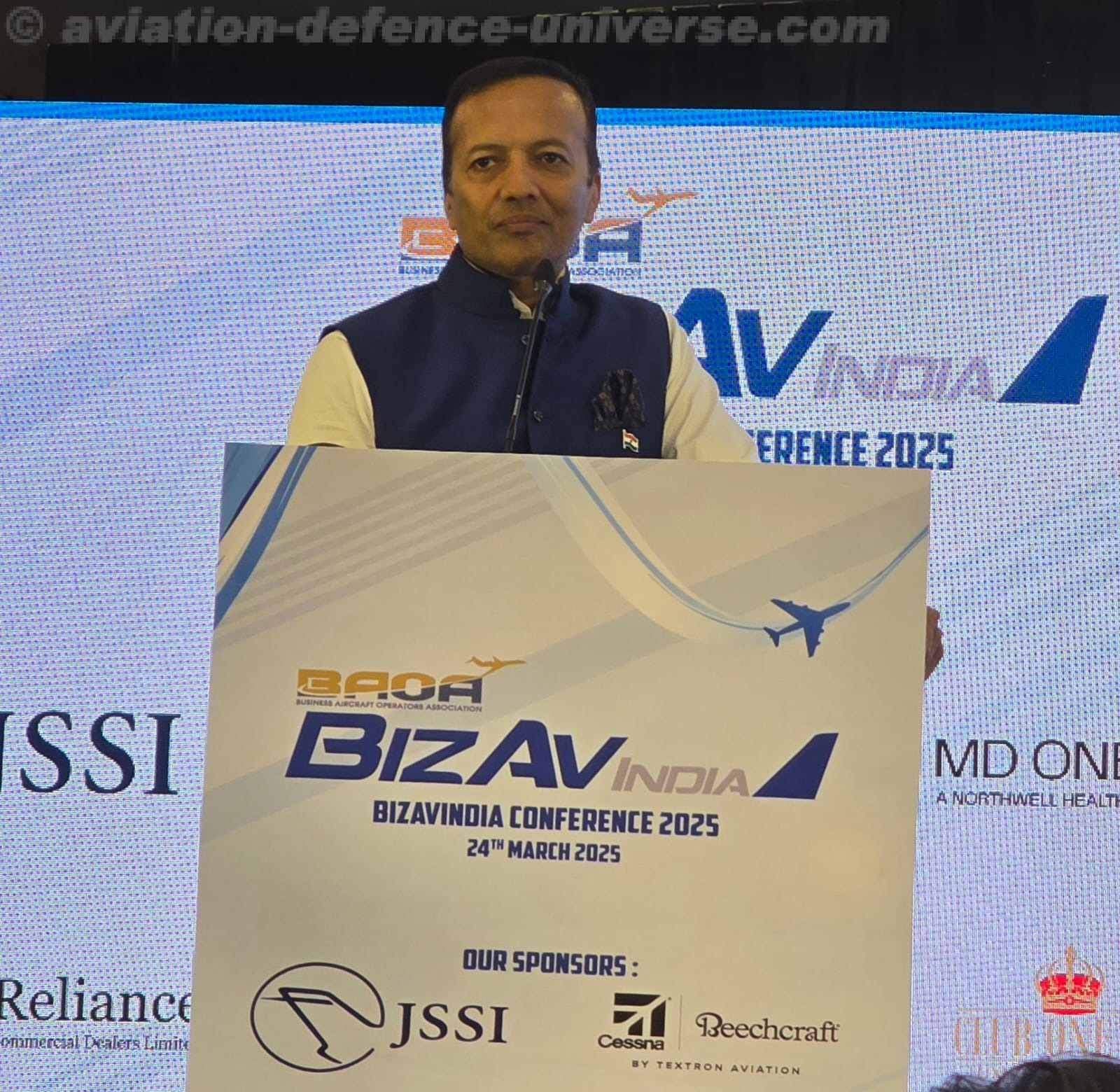 Naveen Jindal, Member of Parliament and Chief Guest at the event optimistically stated, ” Business aviation is a fascinating sector. This is something very interesting—how the number of small planes in the U.S. and Europe far exceeds larger aircraft, whereas in India, it is the opposite—an inverted pyramid. There is hope for India’s aviation sector to expand its fleet of smaller aircraft. Small planes not only serve business needs but also cultivate interest in aviation, create more pilots, and drive passion for the industry. It is extremely important to encourage this sector.”
He also stated that in the U.S., one can drive straight to the aircraft, take a taxi up to the plane and board an international flight seamlessly. In India, even if you’re flying from Delhi to Mumbai and then taking a helicopter, you have to exit, go through security again and waste 30 to 45 minutes. Ramp-to-ramp transfers should be allowed to improve efficiency.
“India is a democracy, and our regulatory bodies prioritize safety and security. But at BAOA, we must be proactive. Regular engagement with regulators can help push for necessary reforms. Over the years, we have made significant progress, but there is always room for improvement,” he reiterated.
Business aviation plays a critical role in global commerce, allowing executives to optimize their time, reach multiple destinations in a single day, and enhance productivity. Unlike commercial airlines, business jets provide direct point-to-point travel, bypassing congested hubs and enabling access to airports not served by major carriers. This capability is particularly crucial in emerging markets and regions with underdeveloped aviation infrastructure, where business aviation bridges the connectivity gap.
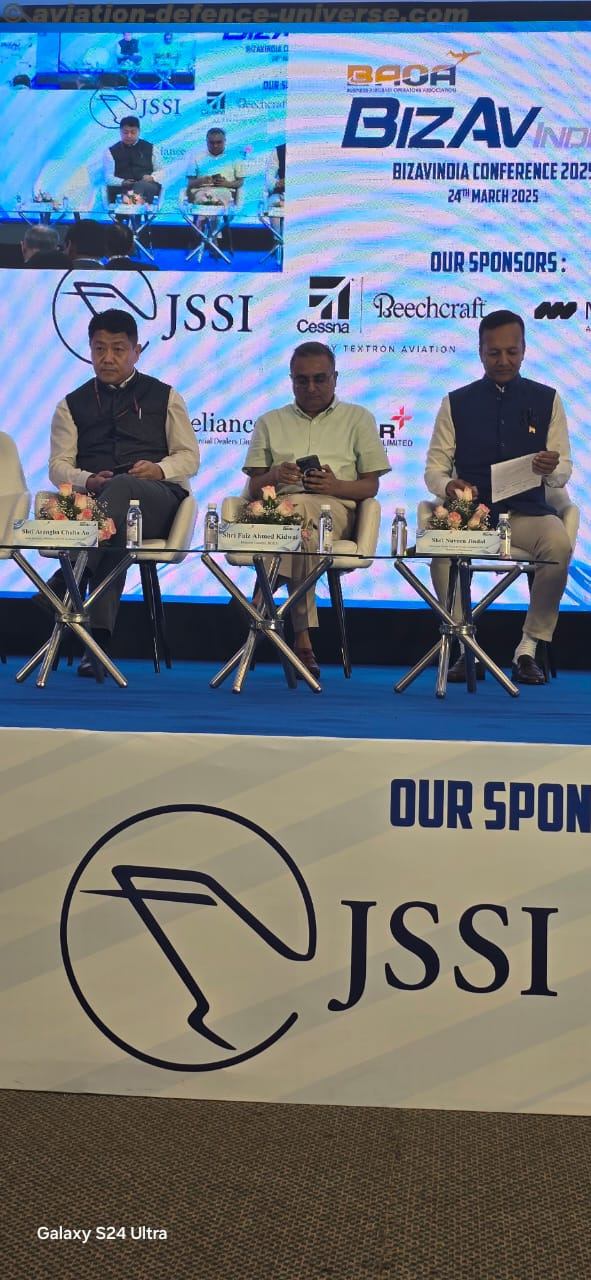
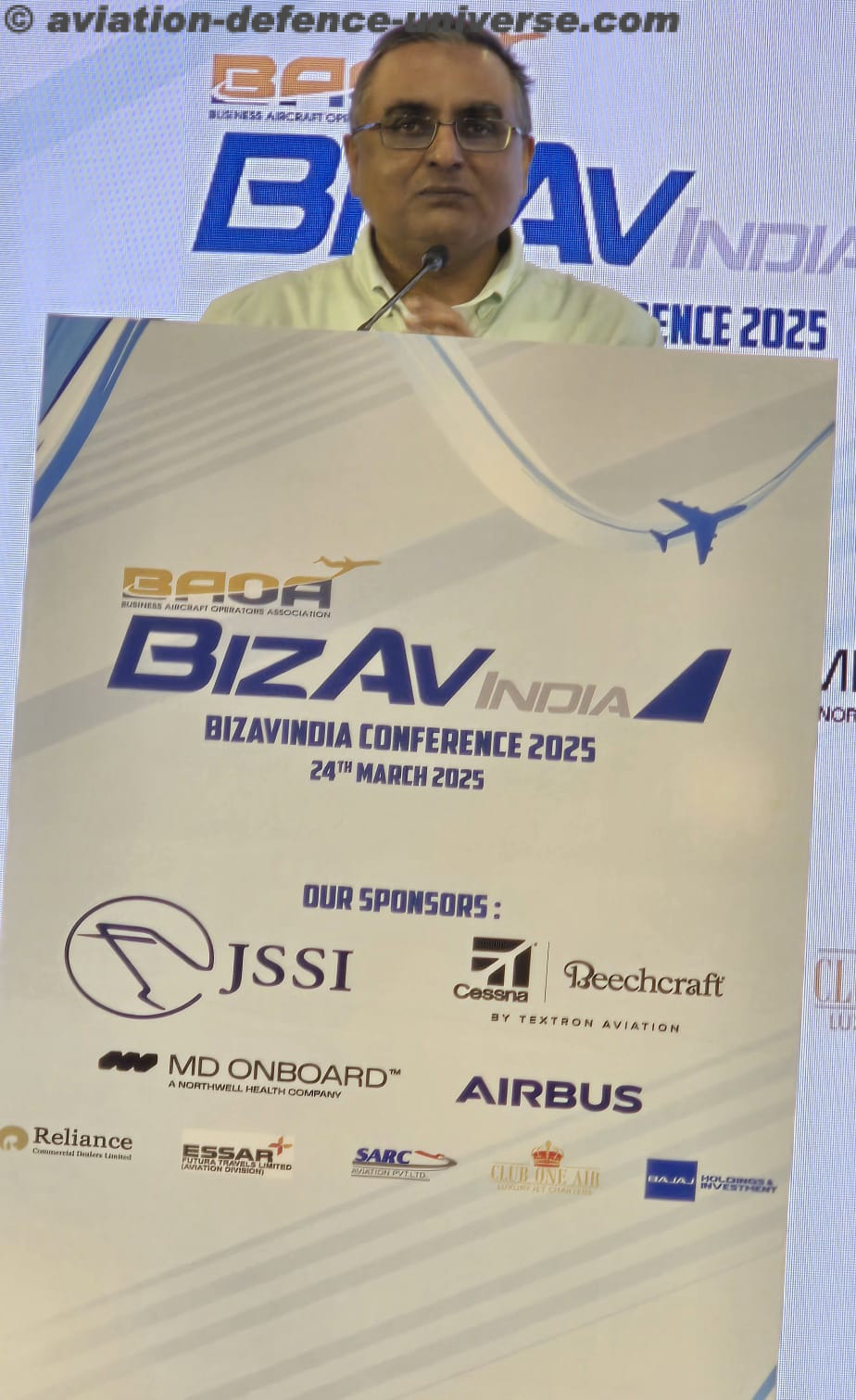 Faiz Ahmed Kidwai, Director General, DGCA India addressing the audience stated, “As far as business aircraft operators are concerned, when we look at our country—its potential, its aspirations, and where we currently stand—the first thing that comes to mind is that the sector’s potential is at least two or three times more than its present level of achievement, both in fixed-wing and helicopter operations. The obvious next question is: why haven’t we reached that potential yet? What are the gaps, and what needs to be done? I believe this is the right moment, with the right people in place—be it in the Ministry of Civil Aviation, the Minister, or here at DGCA—to set an ambitious goal for ourselves. We must focus on growing this sector not just for business owners but for everyone who stands to benefit from its expansion.”
He informed, “At the DGCA, we have recently initiated a thorough review of our regulations—our CARs, AICs, and all other regulatory frameworks across every branch we oversee. We are forming committees, involving stakeholders, and sharing insights on global best practices. The goal is to refine our regulations in a way that facilitates business, speeds up processes, and ensures that India’s aviation sector is on par with the best in the world. I firmly believe that once we establish the right regulatory practices, procedures, and policies, the market will take over—and that is when the real transformation happens. When the market takes over, things start moving on their own, and the vast potential I mentioned earlier will be realized. This is my vision, and while it won’t happen overnight, with a consistent and earnest effort, we can achieve what we set out to do.”
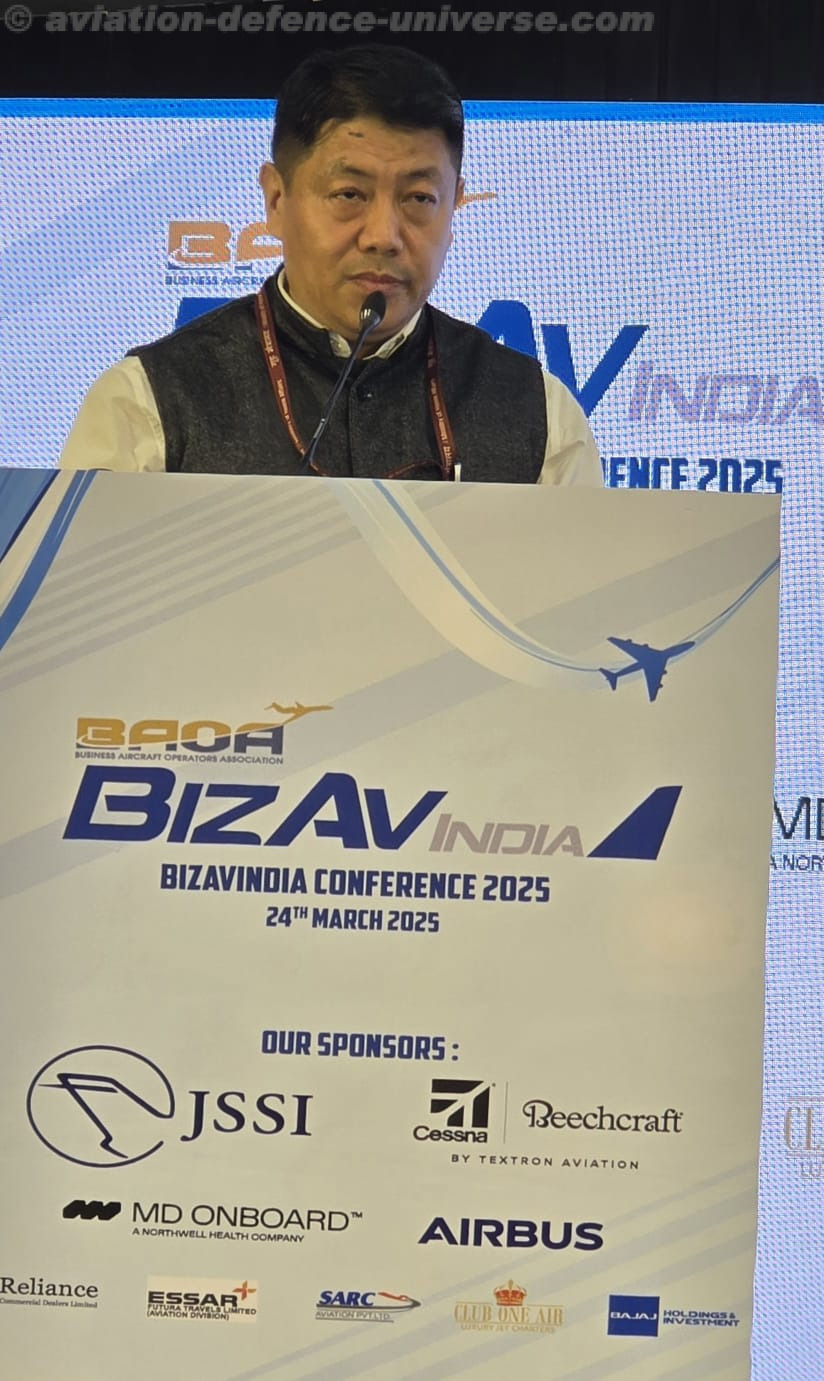 Asangba Chuba Ao, Joint Secretary, Ministry of Civil Aviation, on India’s Business and General Aviation Sector in his address said, “We are constantly working to reverse the current structure of aviation in India so that it aligns with a natural growth pyramid. But for that to happen, we need a significant jump in numbers. To achieve this, we must create the right ecosystem, foster a conducive environment, and implement regulatory measures that will enable the sector to grow to its full potential. As we all know, India is already the third-largest domestic aviation market in the world, and we are on track to becoming the third-largest overall. However, this growth has primarily been driven by commercial aviation. We would like to see the smaller General and Business Aviation (GABA) sector also expand in both size and quality to establish the right footprint.”
He added, “On the regulatory front, we have made significant strides. The Aircraft Act has now been replaced by the Bharatiya Viman Adhiniyam, 2024, which will bring further improvements to the sector. Additionally, the much-anticipated Cape Town Convention Bill has been introduced in the Rajya Sabha and, once passed, will provide significant benefits to aviation financing and aircraft leasing in India.”
Leasing and finance play a crucial role in expanding the business aviation sector, particularly in enhancing the growth of General Aviation and Business Aviation (GA/BA) aircraft in the country. Given the high capital costs associated with aircraft acquisition, leasing provides a viable alternative for operators and businesses looking to access private jets without the financial burden of outright ownership. Financing solutions, including leaseback agreements, structured loans, and operating leases, enable businesses to scale their aviation needs efficiently while preserving liquidity. By fostering access to cost-effective financing mechanisms, the aviation sector can encourage greater participation from small and medium enterprises, corporate entities, and charter operators, ultimately driving the expansion of GA/BA aircraft and strengthening the overall aviation ecosystem.
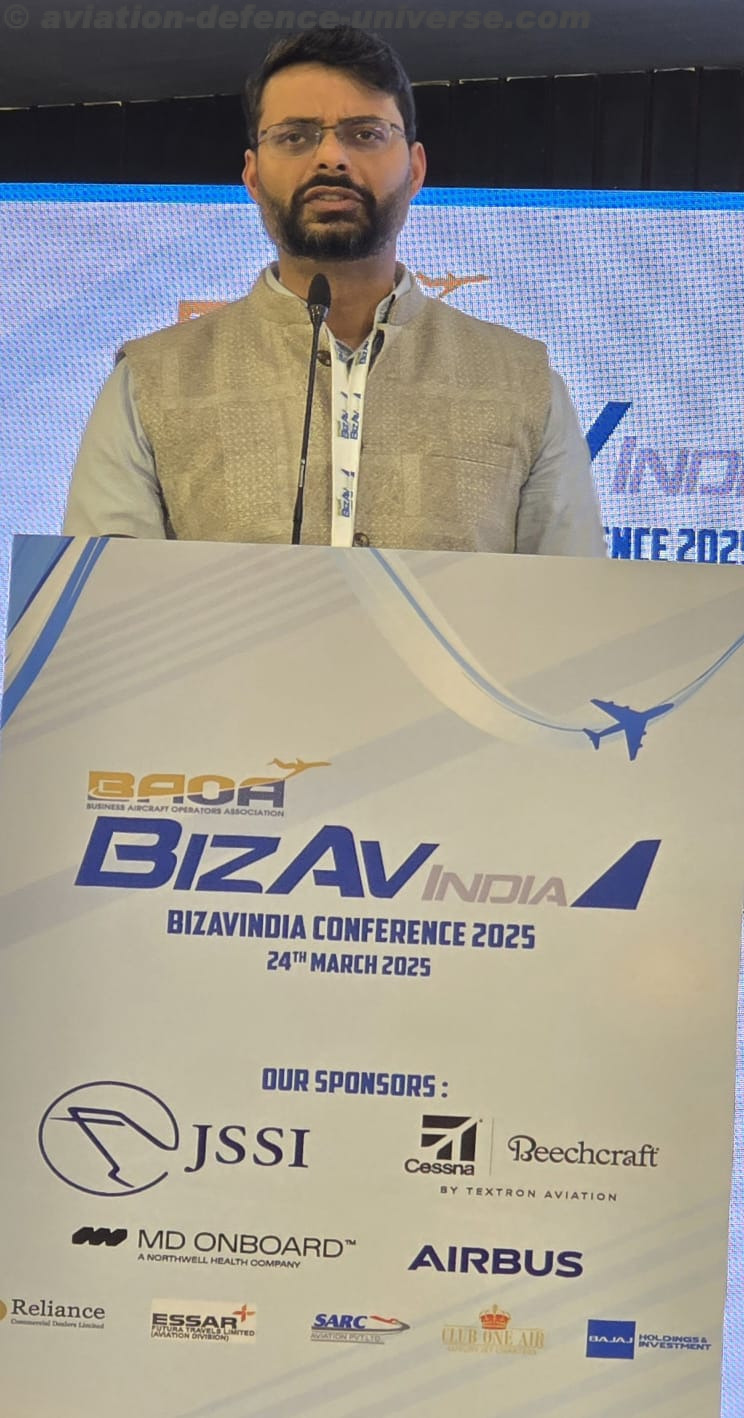 Sunny Guglani Head of Airbus Helicopters in India agreed that financing is another key area, which needs to grow. “We were at Gift City recently discussing how Indian operators still rely on overseas funding. Why should that be the case when India has one of the most dynamic aviation markets and robust financial systems? That’s why Airbus has partnered with SIDBI and other banks to create financing solutions tailored for helicopter operators in India.”
Elaborating on the European aviation major’s stand he stated, “ At Airbus, we firmly believe that helicopters are a key part of building India’s future. The perception of helicopters in India is evolving. They were once seen primarily as luxury assets, but that is changing. Today, more than ever, helicopters are being recognized as critical tools for public service delivery. The incredible impact of Project Sanjeevani—a pilot project with one Airbus H125 at AIIMS Rishikesh is visible. It’s amazing to see that 65 lives have potentially been saved because helicopters were deployed in this public service role. But despite these successes, we are still in the early days of helicopter adoption in India. The reality is that India, a country of 1.4 billion people, has fewer than 250 civil helicopters.”
He continued, “Compare this to São Paulo or New Zealand—both smaller than my home state of Punjab—each of which has more than 250 helicopters. Clearly, there is a long way to go. But friends, let’s take a moment to recognize something—we are part of a momentous transformation. Over the past three years, the number of civil helicopters in India has grown from around 220-230 to nearly 280. Adding 50 helicopters may not seem like much in a global context, but given where we started, it marks significant progress. And I firmly believe we are at an inflection point.”
 Business aviation plays a critical role in global commerce, allowing executives to optimize their time, reach multiple destinations in a single day, and enhance productivity. Unlike commercial airlines, business jets provide direct point-to-point travel, bypassing congested hubs and enabling access to airports not served by major carriers. This capability is particularly crucial in emerging markets and regions with underdeveloped aviation infrastructure, where business aviation bridges the connectivity gap.
Narayana Rao, DIAL’s Director , GMR Group, speaking at the event stated, “When we started in 2006, there were fewer than 100 business aircraft in India. Today, that number has crossed 300. Back then, only 6 to 9 general aviation aircraft operated at Delhi Airport. Today, we see 30 to 40 such aircraft movements daily, adding up to 1,000 to 1,400 per month. As India aims for a $5 trillion or even $10 trillion economy, business and general aviation will be a key indicator of progress. A growing GDP and increasing connectivity go hand in hand, and the expansion of general aviation is a clear sign of our economic development. In the next 25 years, we expect the sector to grow threefold, reaching nearly 1,000 business aircraft.”
He stated, “General aviation is not just about business—it plays a crucial role in medical emergencies and urgent travel needs. The ability to move quickly, sometimes within hours, is invaluable. This industry is essential, and we at GMR recognized its importance early on. When we took over Delhi Airport in 2006, we ensured that general aviation had a dedicated place in our master plan. We became the first airport in India to create a separate general aviation facility. To ensure world-class services, we invited global bids and brought in two leading Fixed Base Operators (FBOs)—Bird Group and Indamer—to enhance general aviation services. These operators have built excellent infrastructure, including a dedicated terminal and lounges for international and domestic passengers.”
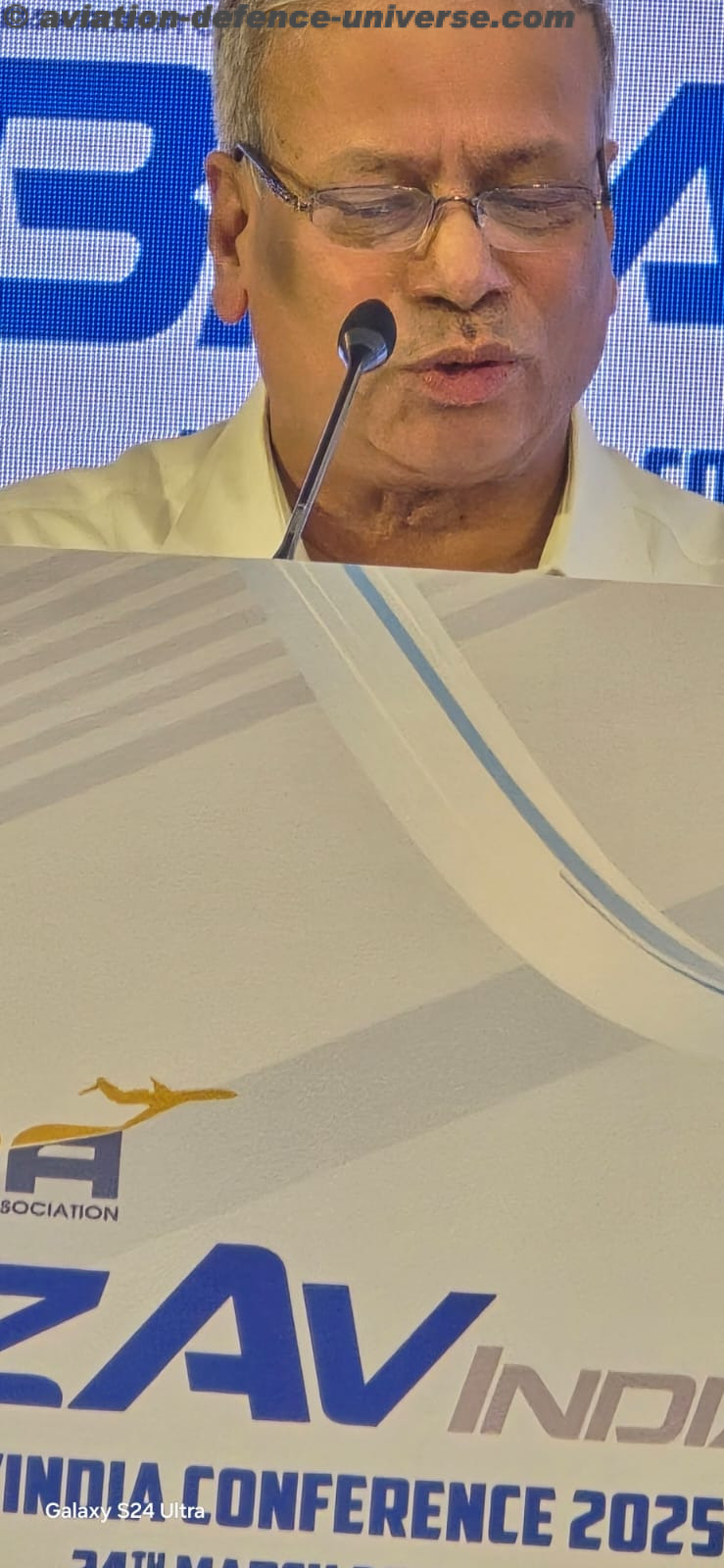 Rao elaborated, “Our general aviation apron spans 8 lakh square feet, accommodating up to 60 aircraft at a time. The dedicated terminal, which is currently 7,500 square feet, is set to expand to 15,000 square feet, with a capacity to handle over 150 passengers daily. Additionally, both FBOs have separate hangars, each covering 20,000 square feet, along with 50,000 square feet of open space for maintenance. We have also introduced covered hangars for additional parking and maintenance requirements. Looking ahead, we are enhancing connectivity within the airport. A high-speed inter-terminal transport system is being developed, with a new station near the general aviation area, just 400 meters from the terminal. This will enable faster access between terminals and improve overall efficiency.”
Despite its benefits, business aviation continues to grapple with several obstacles. One of the most significant challenges is regulatory complexity. Different countries impose varying rules on private jet operations, making international travel cumbersome. Bureaucratic red tape, including stringent customs procedures and slot restrictions, further complicates flight planning and execution.
Another major hurdle is the high cost associated with business aviation. Owning and maintaining a private jet requires substantial investment, with expenses related to fuel, maintenance, crew salaries, and insurance. Even for companies with significant travel needs, justifying the cost of full aircraft ownership can be difficult. Fractional ownership—a model where multiple individuals or companies share ownership of a private jet—was once seen as a promising alternative to full ownership. It allows users to enjoy the benefits of private aviation without the full financial burden of sole ownership. However, its growth has been slower than anticipated.
 One reason for this sluggish expansion is the complexity of fractional ownership agreements. Buyers must navigate intricate contracts, including maintenance responsibilities, scheduling constraints, and exit clauses, which can deter potential investors. Additionally, while fractional ownership reduces costs compared to full ownership, it still requires a significant financial commitment, limiting its appeal to only the most frequent travellers. Another factor hindering growth is the rise of on-demand charter and jet card programs. These alternatives offer greater flexibility, allowing users to access private jets without the long-term financial and contractual obligations of fractional ownership. As a result, many potential customers opt for pay-as-you-fly models rather than committing to shared ownership.
The Joint Secretary Asangba Ao stated, “Of course, I know that once the panel discussion begins, many of you will bring up the issue of fractional ownership. So let me address it now—this is something the Ministry has been working on extensively. The challenge lies within the current tax regime, and we are actively exploring solutions to navigate it. Fractional ownership models exist in other countries, but we must tailor a system that fits the Indian market and regulatory environment. I assure you that this remains a top priority for us, and we are committed to finding a model that balances industry needs with policy requirements.”
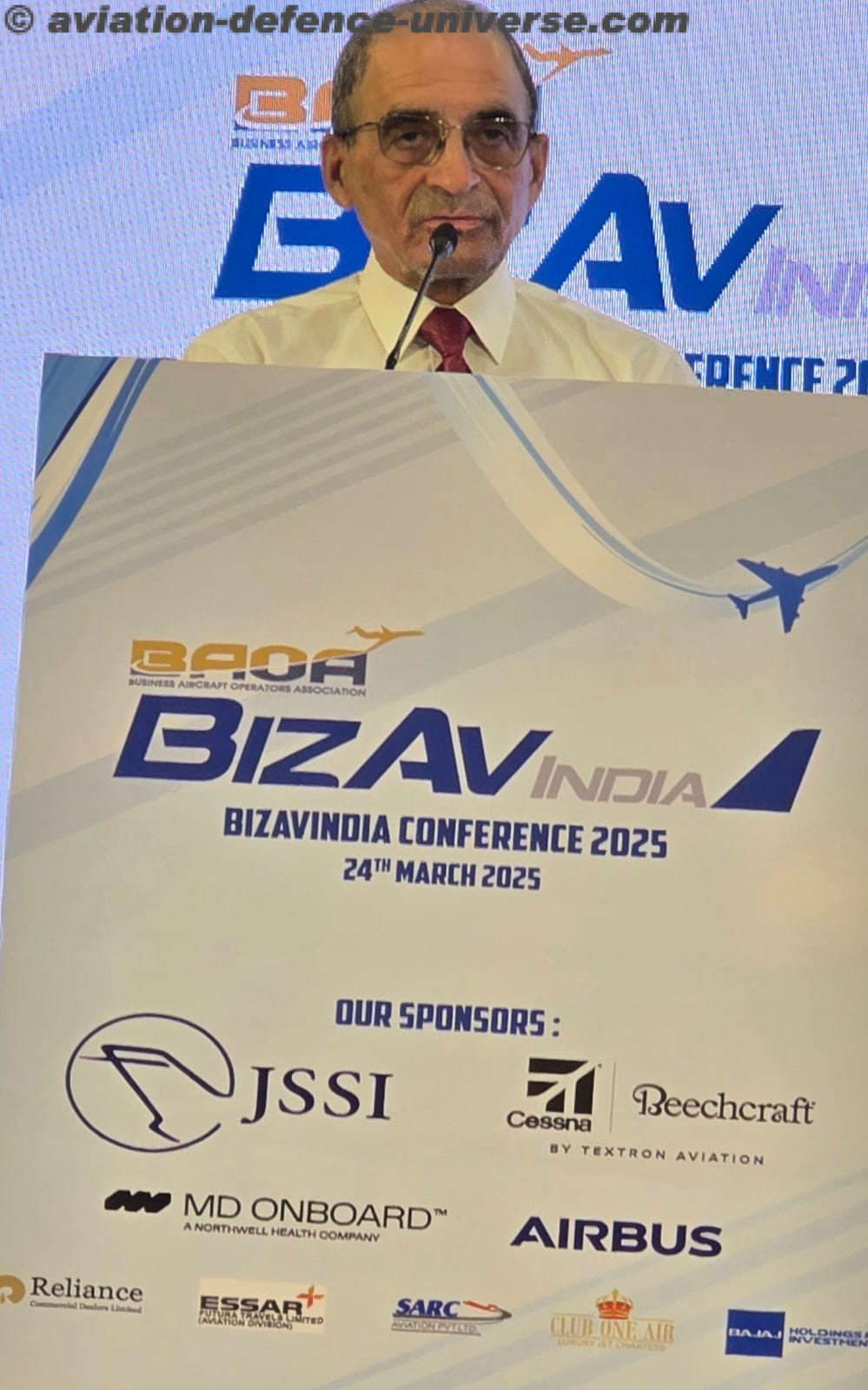 The theme of this year’s event was “Transforming Business Aviation for Viksit Bharat – Policy Reforms, Sustainable Growth, and Innovations”.Gp. Capt. RK Bali (Retd.) Managing Director, Business Aircraft Operators Association( BAOA) said, ” Looking ahead, business aviation must adapt to evolving market demands, regulatory landscapes, and sustainability challenges. Advances in electric and hybrid aircraft, improved air traffic management, and digital innovations will play a key role in shaping the industry’s future. Meanwhile, fractional ownership models may require greater flexibility and simplification to attract a broader customer base. We are here to get all stake holders on the same platform and brainstorm the status of the industry, Despite the hurdles, business aviation remains indispensable in today’s fast-paced world. As technology improves and policies evolve, the sector has the potential to become more efficient, accessible, and environmentally sustainable, ensuring its continued relevance for years to come.”
Additionally, environmental concerns have led to increased scrutiny of private aviation. With the push for greener initiatives, the industry faces pressure to adopt sustainable aviation fuels (SAF) and invest in more fuel-efficient aircraft. While progress is being made, the transition to a more sustainable model remains a costly and gradual process.
Regulatory challenges also took centre stage, with industry representatives urging for a more streamlined approach. Regulatory bottlenecks often slow down the expansion of business aviation. The sector needs policies that are in sync with global best practices to unlock it’s full potential.
 As India’s economy continues to expand, business aviation is poised to play a vital role in connectivity and corporate efficiency. The insights and commitments made at BizAv India 2025 underscore the industry’s potential and the collaborative efforts required to drive its success.
Over the past decade in India, the Business Aviation sector has changed dramatically and has garnered great prominence in the previous years. The usefulness of Business Aviation as a productivity tool and a driver of economic development is becoming more clear and should be the main reason to establish a suitable framework supporting industry growth and its function in channelizing social and economic advantages all over India. Though Business Aviation in India still faces many obstacles, the possibilities are great. The policy makers as well as industry players will have to cooperate to be able to handle current discrepancies if business aviation is to be able to develop in line with its potential.