












- ₹4100-Crore Boost to Indigenous Defence as Swavalamban 2025 Unveils New Era of Collaboration
- Not Just a Buyer—but a Builder: Rajnath Singh Calls Startups the Foundation of Defence Innovation
- Navy’s Innovathon, A&N surge, Deep-Tech Grants Mark Swavalamban’s Most Transformative Edition Yet
By Sangeeta Saxena
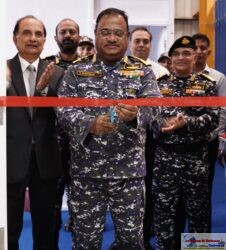
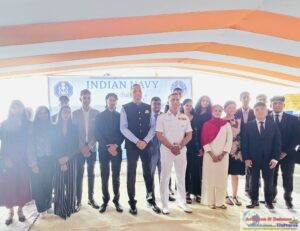
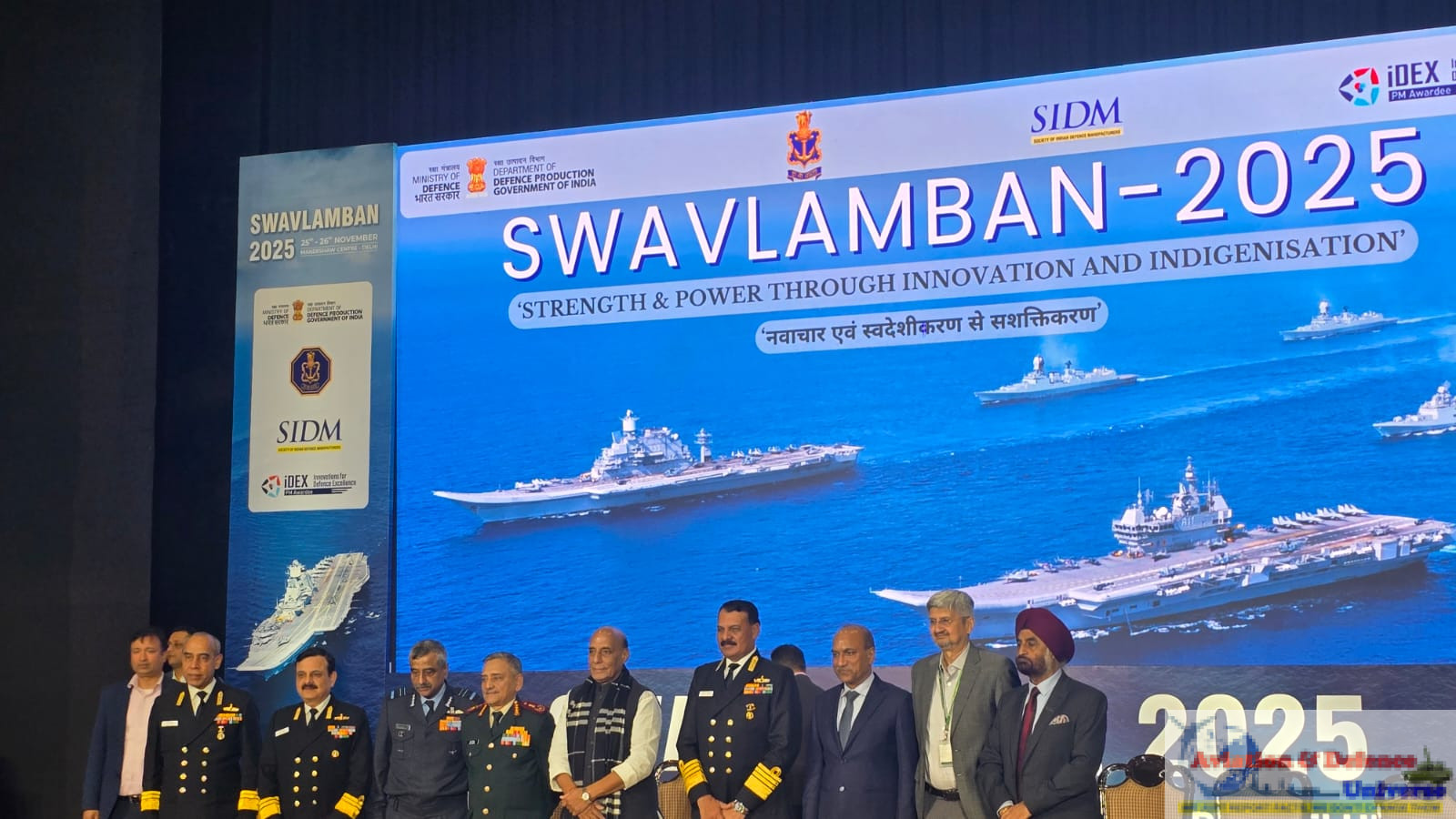
New Delhi. 26 November 2025. The inaugural ceremony of Swavalamban 2025 unfolded as a powerful showcase of India’s accelerating transition from a defence technology importer to a global exporter and innovation leader. Organized under the aegis of the Indian Navy, the event captured the maturing ecosystem of military indigenisation led by startups, MSMEs, academia, PSUs and strategic industry partners. With 28 Acceptance of Necessity (AoN) cases worth over ₹2,700 crore and 16 procurement orders exceeding ₹1,400 crore already materialised through iDEX-led participation, Swavalamban demonstrated how innovation has now graduated from demonstration halls to operational frontline advantage.
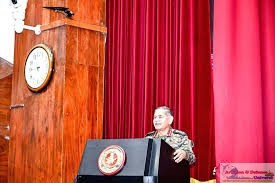
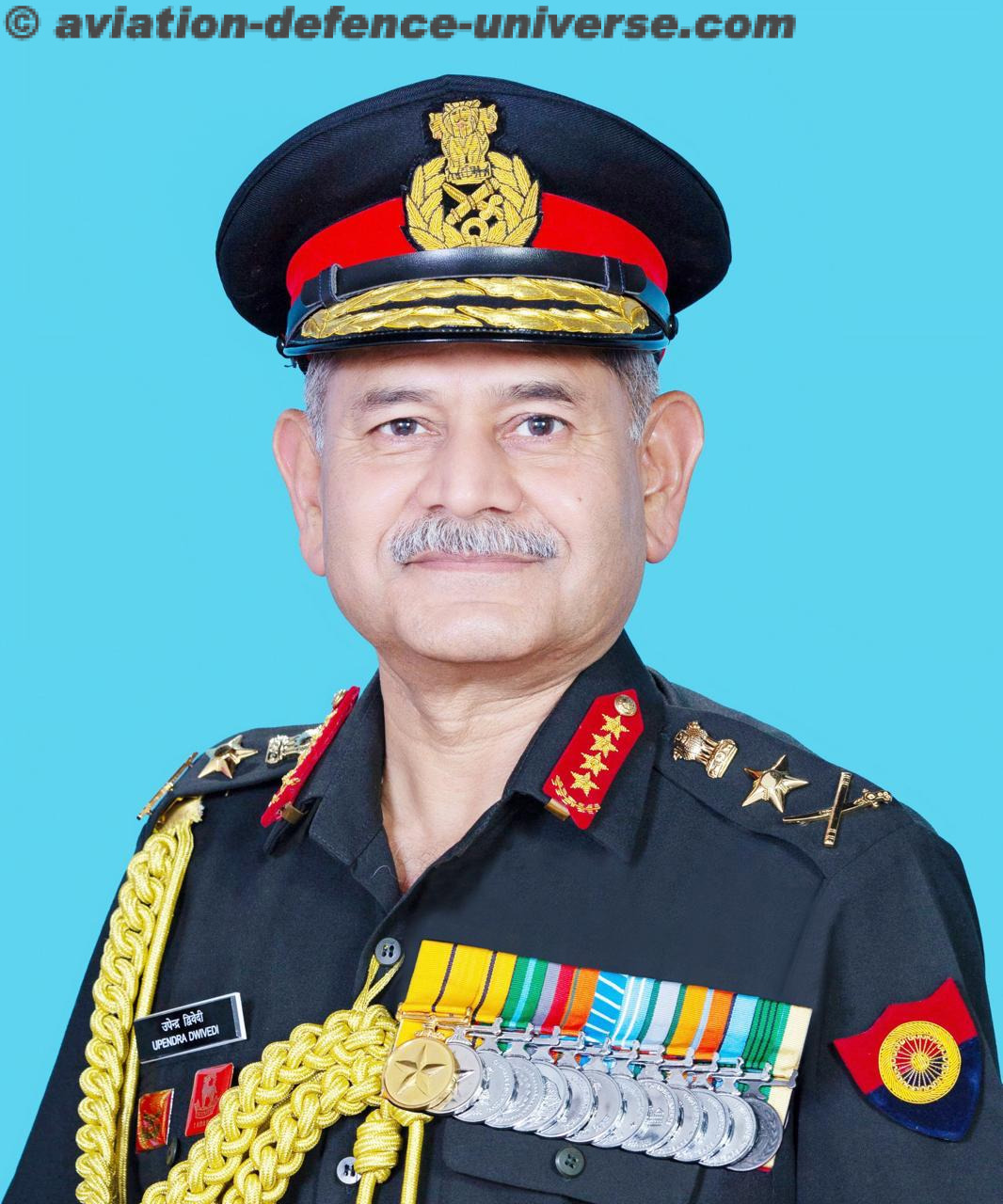
 Setting the tone for the future of Indian maritime innovation, CNS Admiral Dinesh Kumar Trivedi opened the ceremony with a strong reflection on how prototypes are now turning into operational assets. Highlighting the transformational shift from concept to deployment, he stated, “The fact that 28 acceptance of necessities worth more than ₹2,700 crores has been secured and 16 procurement orders exceeding ₹1,400 crores have already been placed clearly shows that these developments are now translating into real operational advantage.” He emphasized that indigenously developed start-up technologies are no longer limited to Navy support, but are expanding across India’s defence and security landscape. “The products developed by startups and MSMEs for the Navy through iDEX challenges have not only strengthened our own capabilities but have also expanded opportunities for their direct procurement by our sister services—Army and Indian Air Force, Coast Guard and the Central Armed Police Forces—reflecting an integrated whole of defence approach.”
Some innovations, such as firefighting robots and self-propelled lifebuoy systems, are now poised to serve a wider maritime and civil shipping environment, enhancing safety beyond military missions. Admiral Trivedi underlined that Swavalamban’s role goes far beyond showcasing technology. It is transforming India’s defence procurement policy itself. “The feedback received over the last three editions has enabled us to share a number of constructive suggestions that have supported the continuous refinement of procurement procedures.” He further traced the origins of deep-tech support policies to Swavalamban. “Aspects regarding enhanced funding for deep tech and strategic projects discussed during Swavalamban 2023 were taken forward… and are now reflected in the Aditi scheme which offers grant of up to ₹25 crores.” He added that recent DAP amendments — including relaxed payment terms, spiral development, and Make-I progression — were shaped by dialogues held in previous editions.
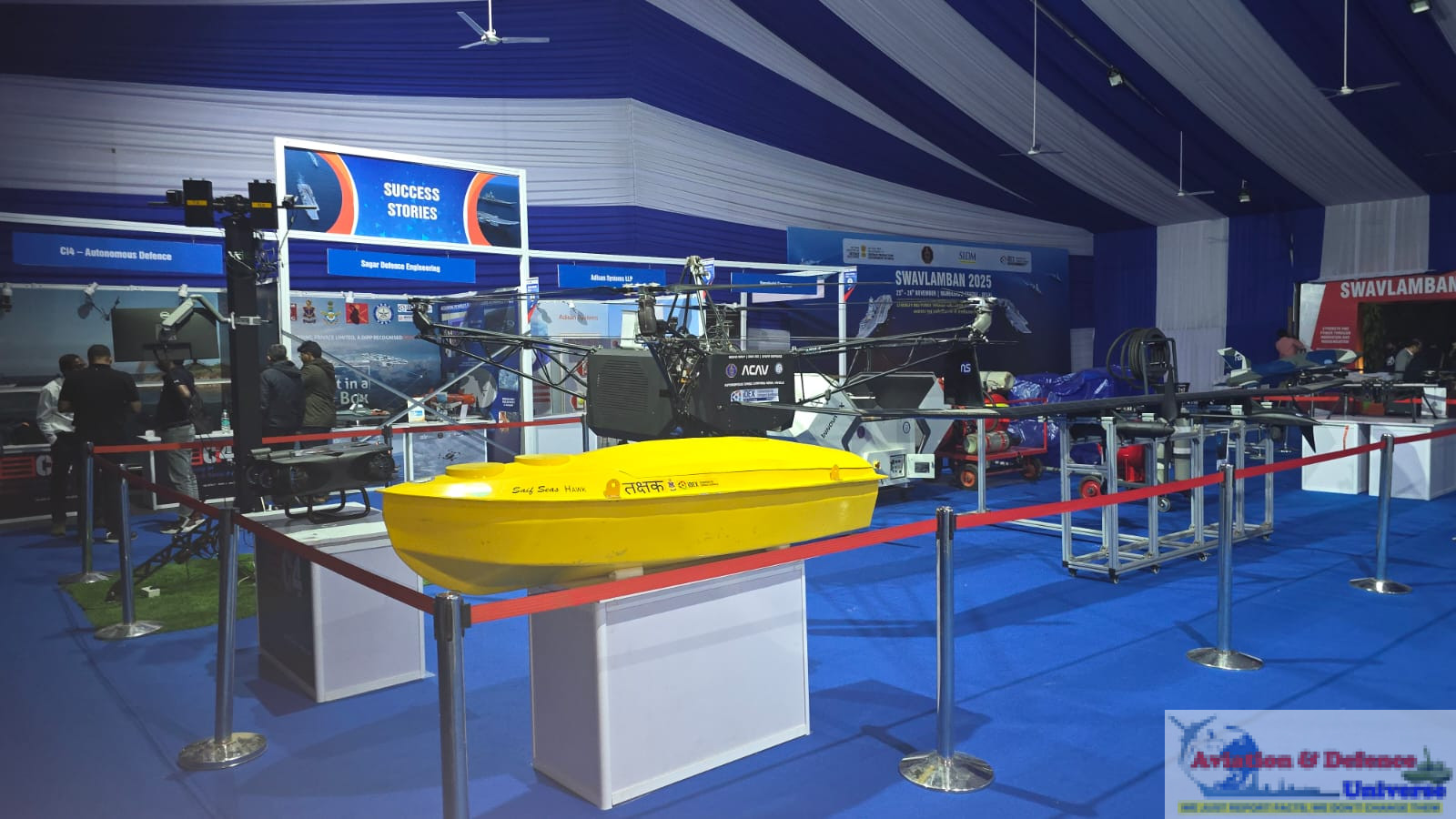 The ceremony saw the launch of the Naval Innovathon, a national challenge inviting students, start-ups and technologists to solve mission-critical challenges in autonomous systems, cybersecurity and AI, with prize incentives of ₹9 lakh and the promise of operational deployment. “Innovathon would help elevate our software resilience to the next level. The Navy also unveiled SARATHY, a fully indigenous digital ecosystem for armament quality assurance, connecting inspection units across commands to a real-time central hub in Kochi, “SARATHY, data, decision, dominance — the digital charioteer of the Indian Navy.”
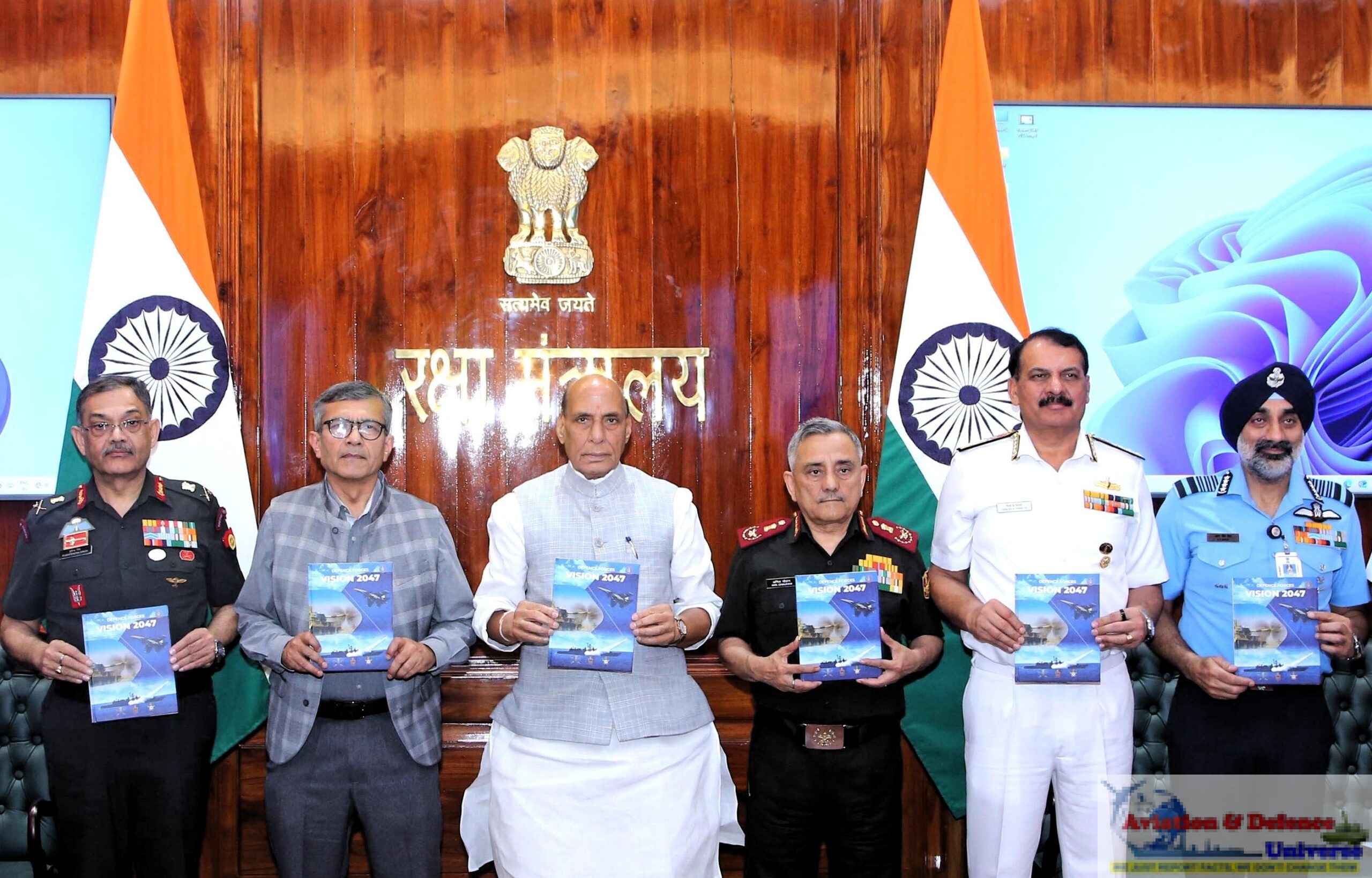
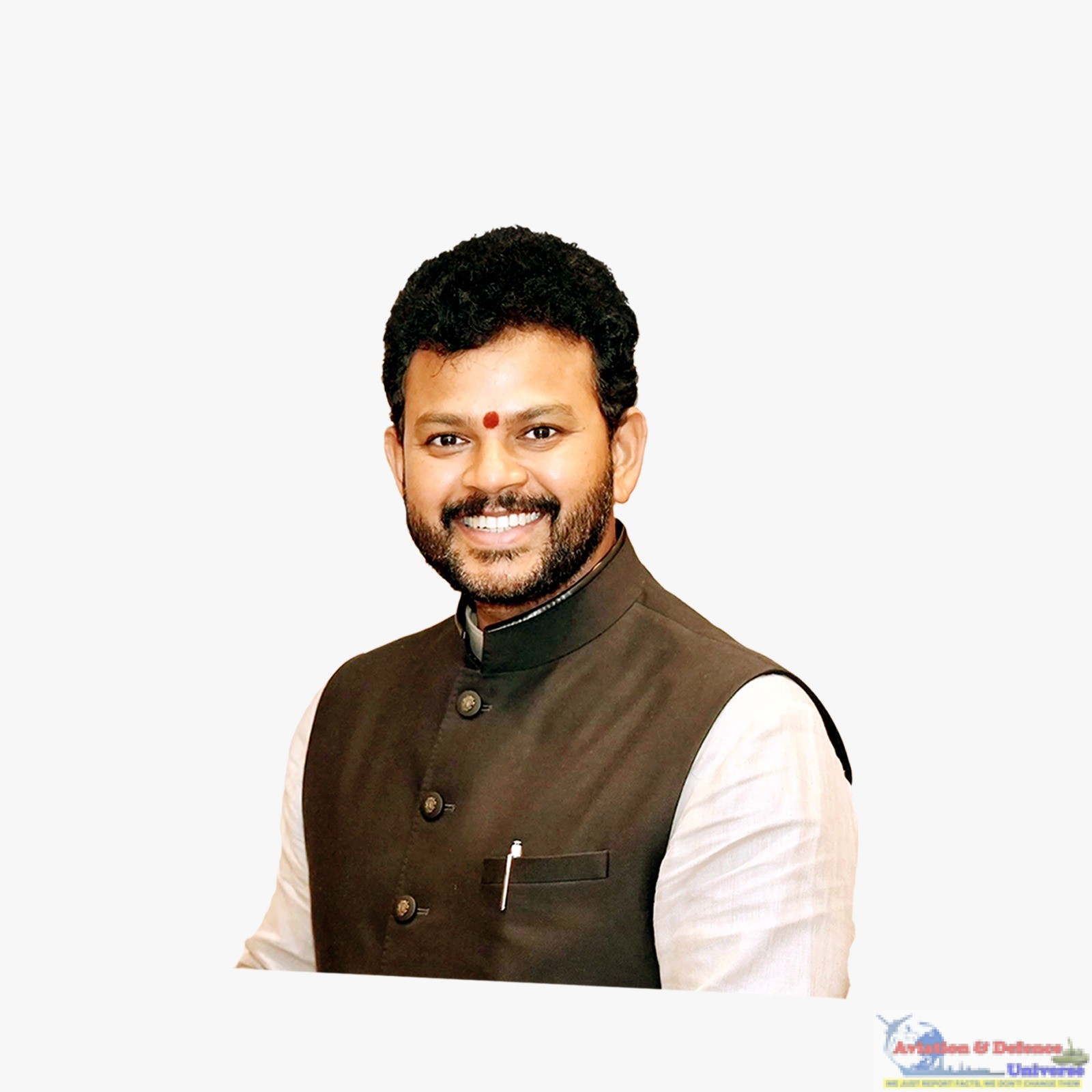
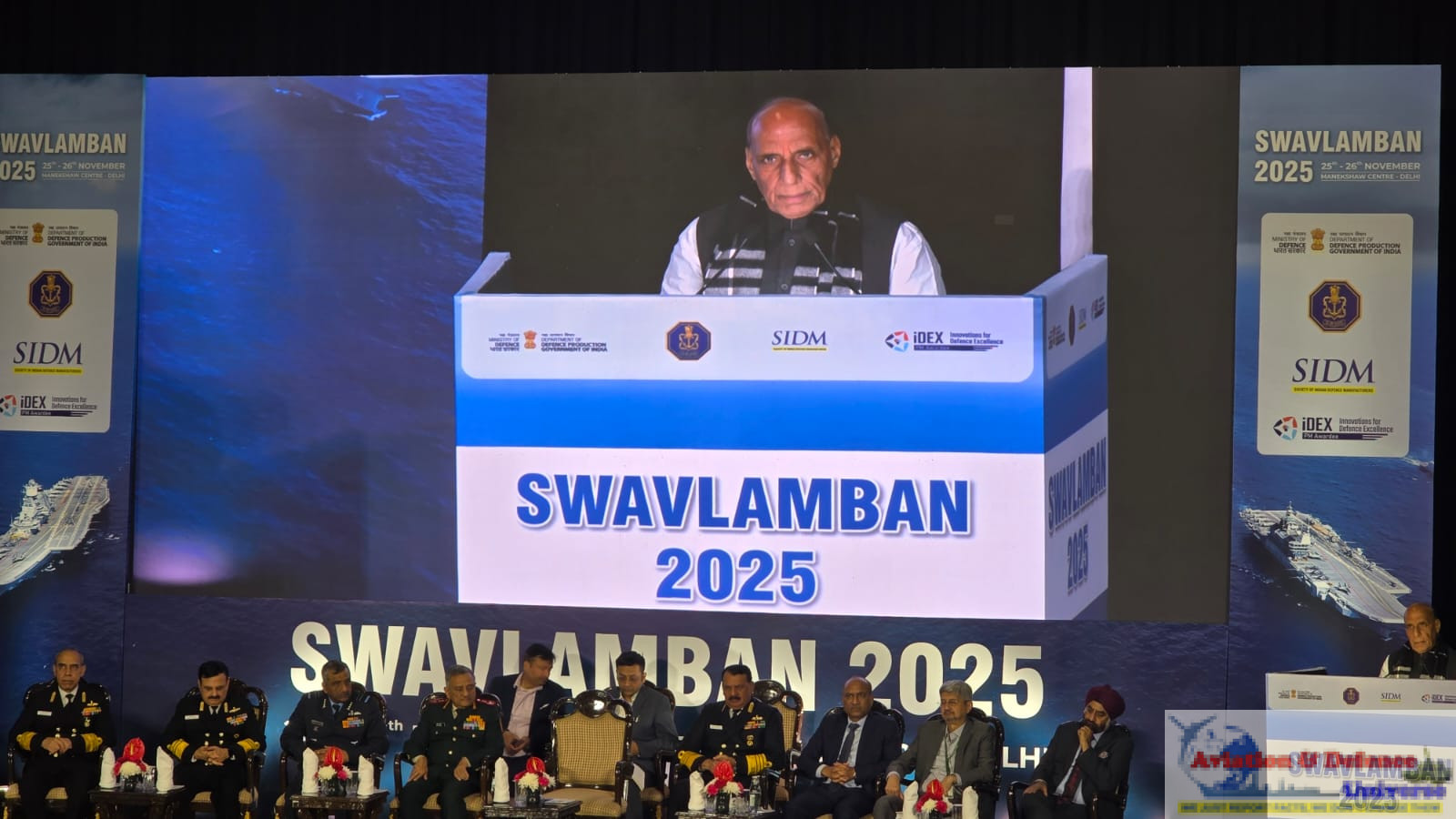 A tripartite MoU between IIT Madras, Indian Navy and Apollo Microsystems was signed, combining academic R&D, naval testing expertise and industrial manufacturing at scale. Defence Minister Rajnath Singh delivered an impassioned keynote that positioned startups as leaders of India’s defence revolution. “The movement of indigenisation in the country is not just a result of policy. It is the outcome of your hard work.” He asserted that India has crossed the psychological boundary from dependency to capability, “We are no longer a country that imports technology. We are now a country that exports technology rapidly. Calling startups the real architects of the future, he said, “If the foundation stone of this golden era is being kept by someone, then it is being kept by all of you. It is being kept by innovators.” In a strong message to the Indian private sector, he challenged companies to align financial success with national strategic responsibilities. “We have to move forward with a profit-plus approach… with monetary profit, nationalism, sense of duty, strategic responsibility and a desire to do something big for the country.”He called for private industry to command 50% or more of India’s defence manufacturing in future, “In the coming years, in defence manufacturing, 50% or more of the land belongs to the private sector. Your community, your flag.” In a turning point moment, he placed the responsibility for the next era of defence breakthroughs upon innovators themselves, “I will not challenge you. This time, you will challenge me. You tell me what should be the next disruptive technology and I assure you that whatever challenge you propose, the government will fully support you.”
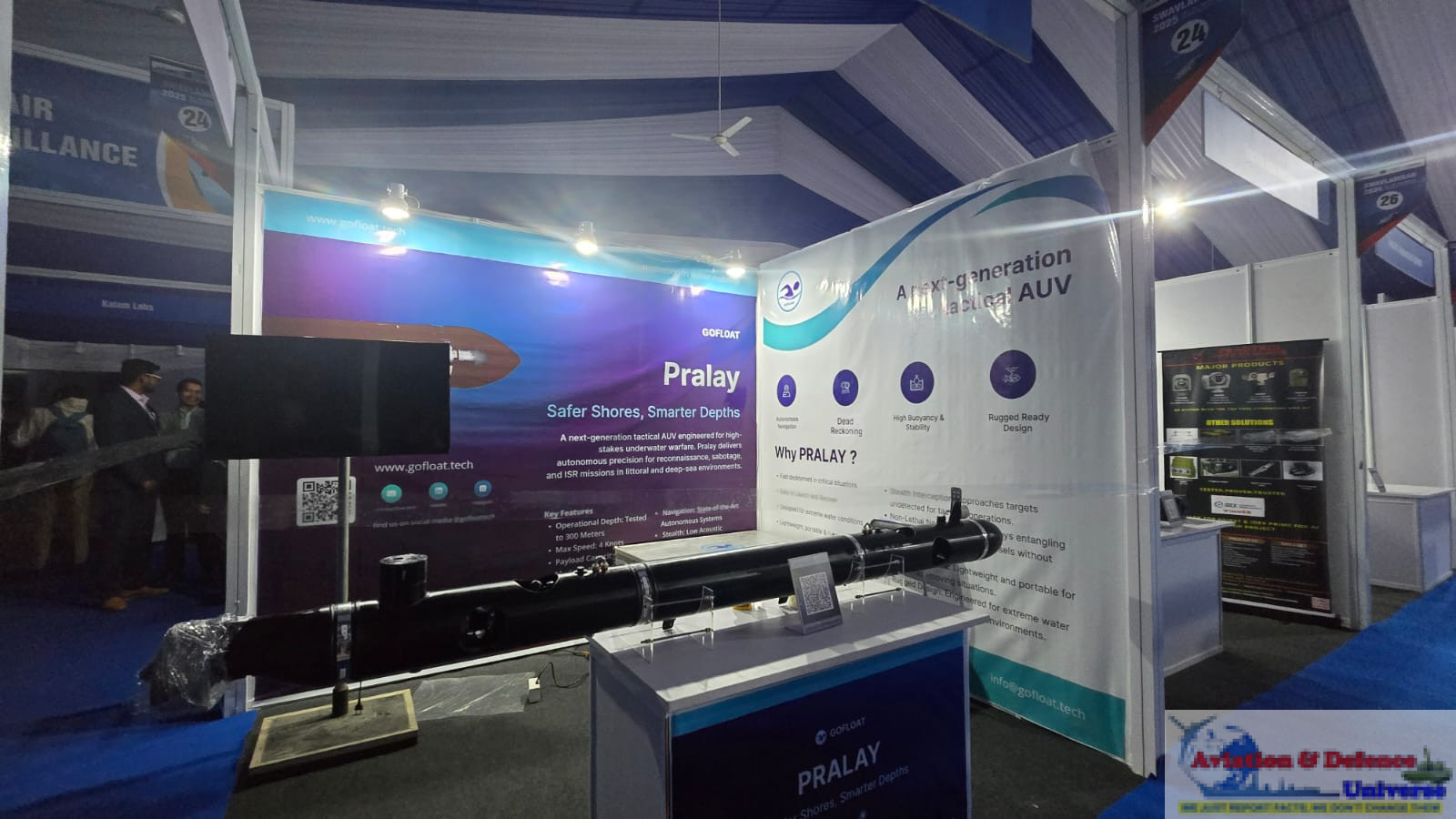 Swavalamban 2025 marks a decisive inflection point in India’s defence innovation history. It is no longer merely a platform for showcasing prototypes — it has become a pipeline for operational systems, procurement reform, digital transformation, and global collaboration. From funding deep tech through ADITI to building digital armament assurance with SARATHY and mobilising future developers through Innovathon, Swavalamban stands as a collaborative ecosystem where policy evolves with innovation, and innovation shapes national capability.
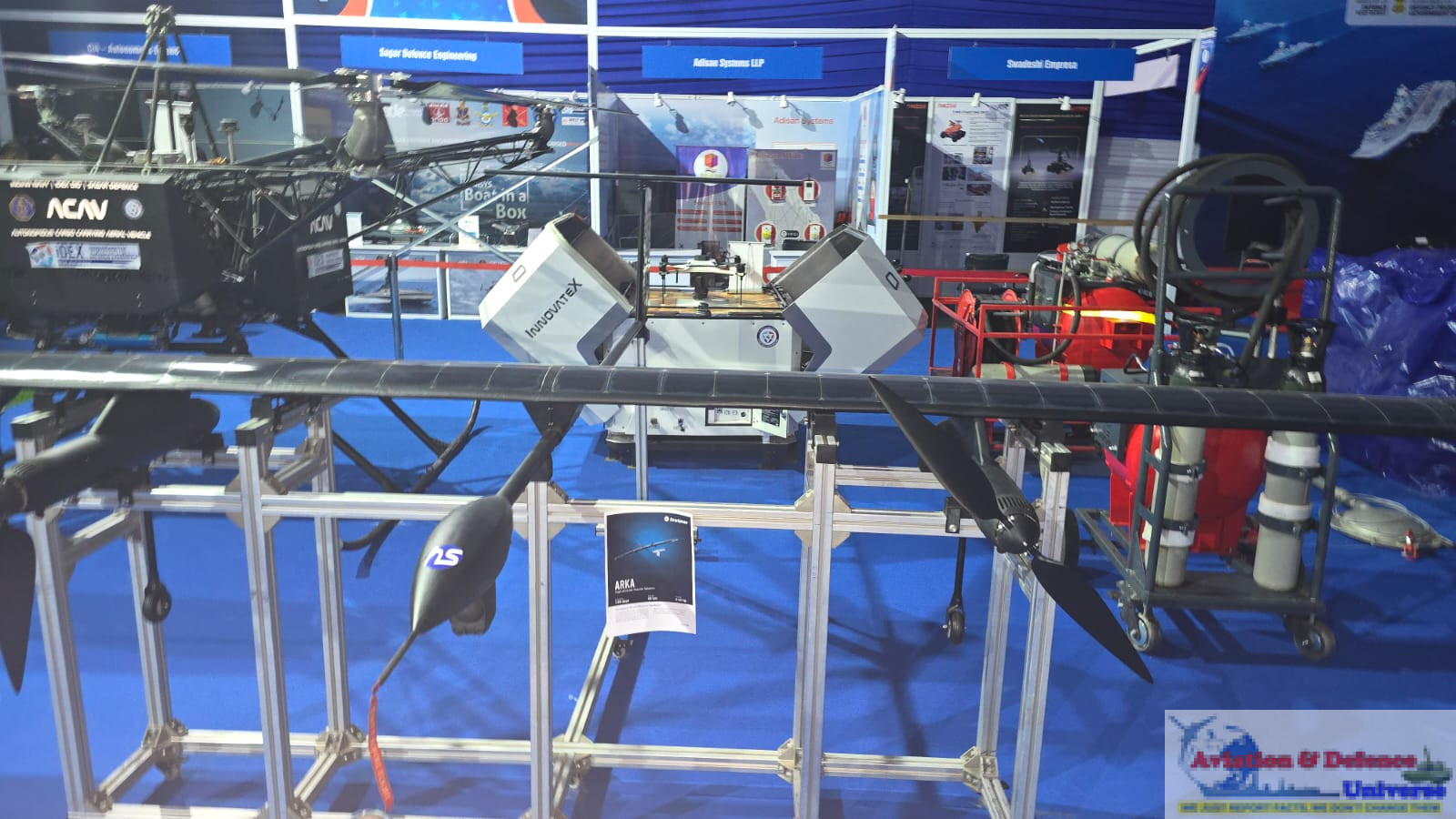 The closing message delivered under the Navy’s leadership captured this spirit of co-creation and shared mission. Vice Chief of Naval Staff stated,“Under the guidance of the Honourable Raksha Mantri and the Chief of the Naval Staff, the Indian Navy remains committed to achieving self-reliance in developing indigenous technologies and solutions.” As Swavalamban 2025 sets sail into its next phase, the horizon is clear — a nation built not on borrowed defence power, but on its own courage to innovate, manufacture, and lead the world.