












- EAMRO 2025 and International Aviation Law Conference create a Powerful Convergence of Policy, Practice, and Progress
- “Rewriting the Rules of the Skies: India’s First Aviation Law Conference Highlights Urgent Reforms”
By Sangeeta Saxena
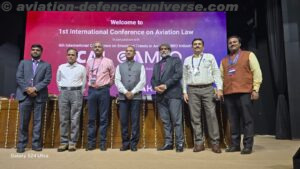
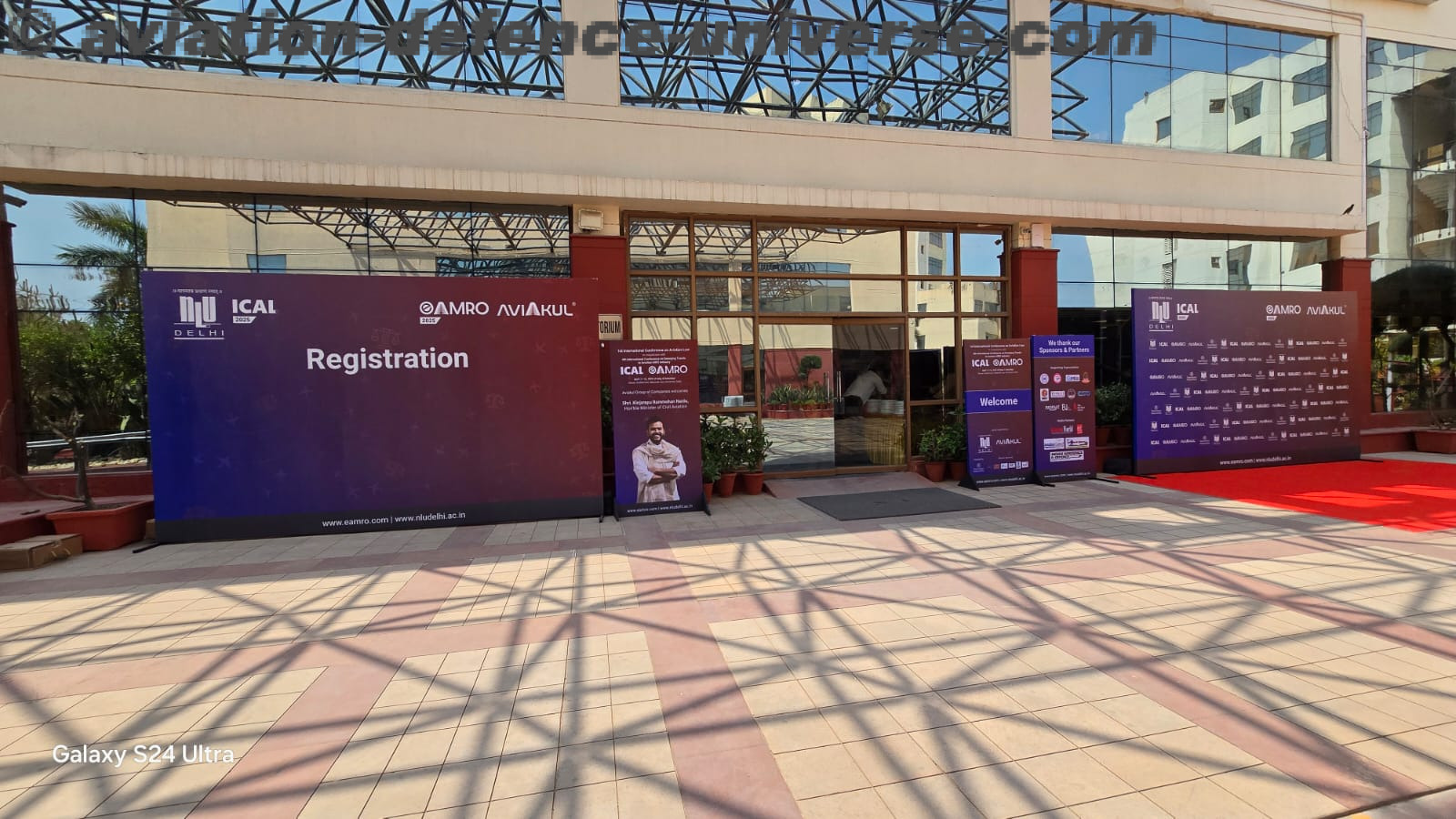
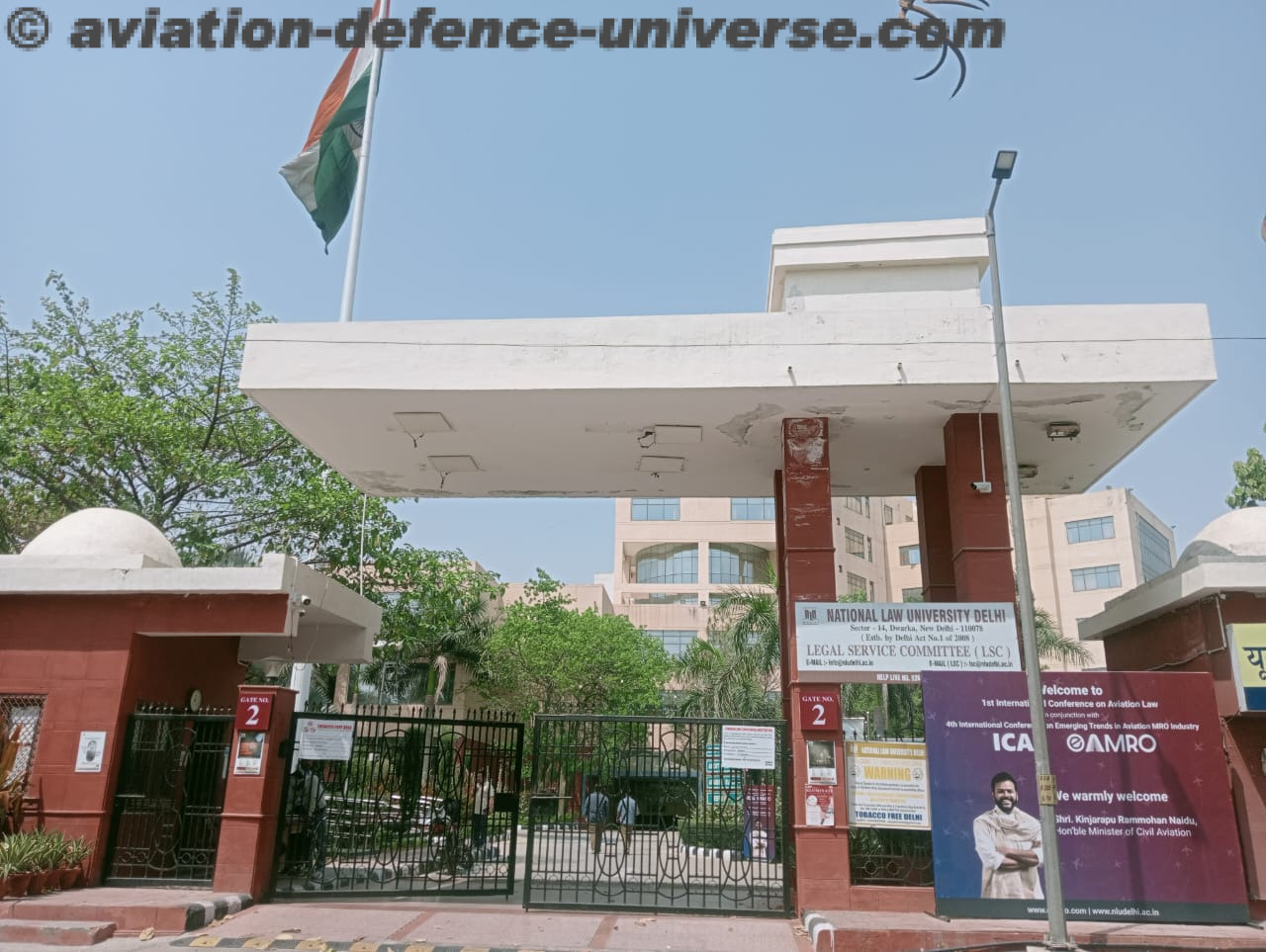
New Delhi. 13 April 2025. As India’s aviation landscape undergoes a profound transformation driven by technological advancement, infrastructure expansion, and legal modernization, a crucial dialogue has emerged around the future of the sector’s legal and regulatory framework. Recognizing this pivotal moment, the Aviakul Group of Companies, in partnership with National Law University Delhi (NLU Delhi), launched the 4th International Conference on Emerging Trends in Aviation MRO Industry (EAMRO 2025) along with the 1st International Conference on Aviation Law. Held over two days at NLU Delhi, the event marked a first-of-its-kind effort in India to bring together aviation engineers, legal scholars, policy experts, and global thought leaders on a unified platform to shape the next phase of India’s aviation and legal journey.
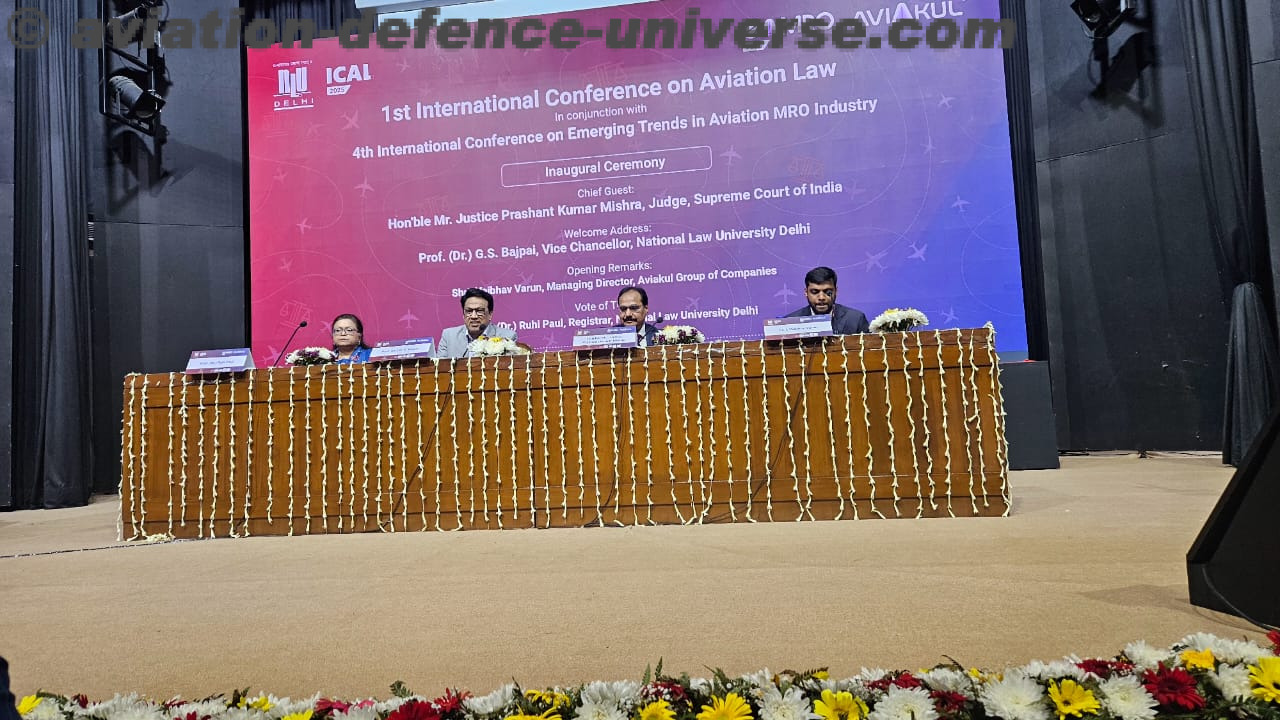
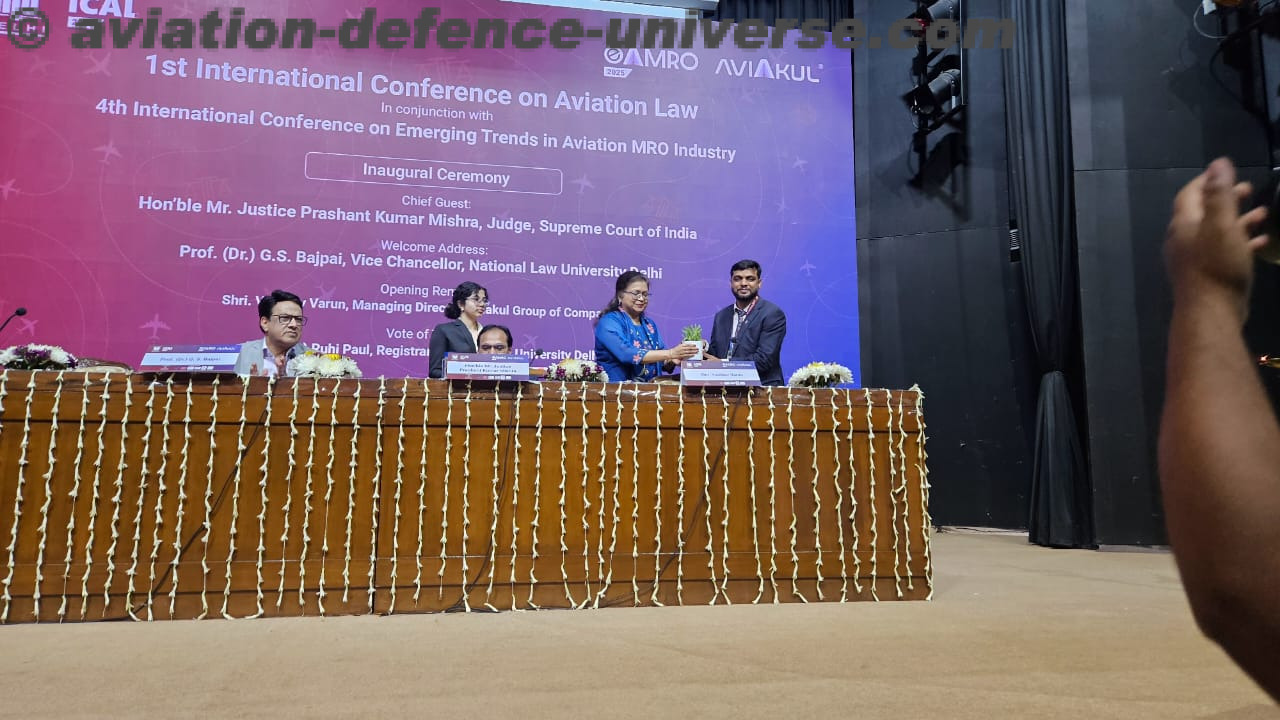
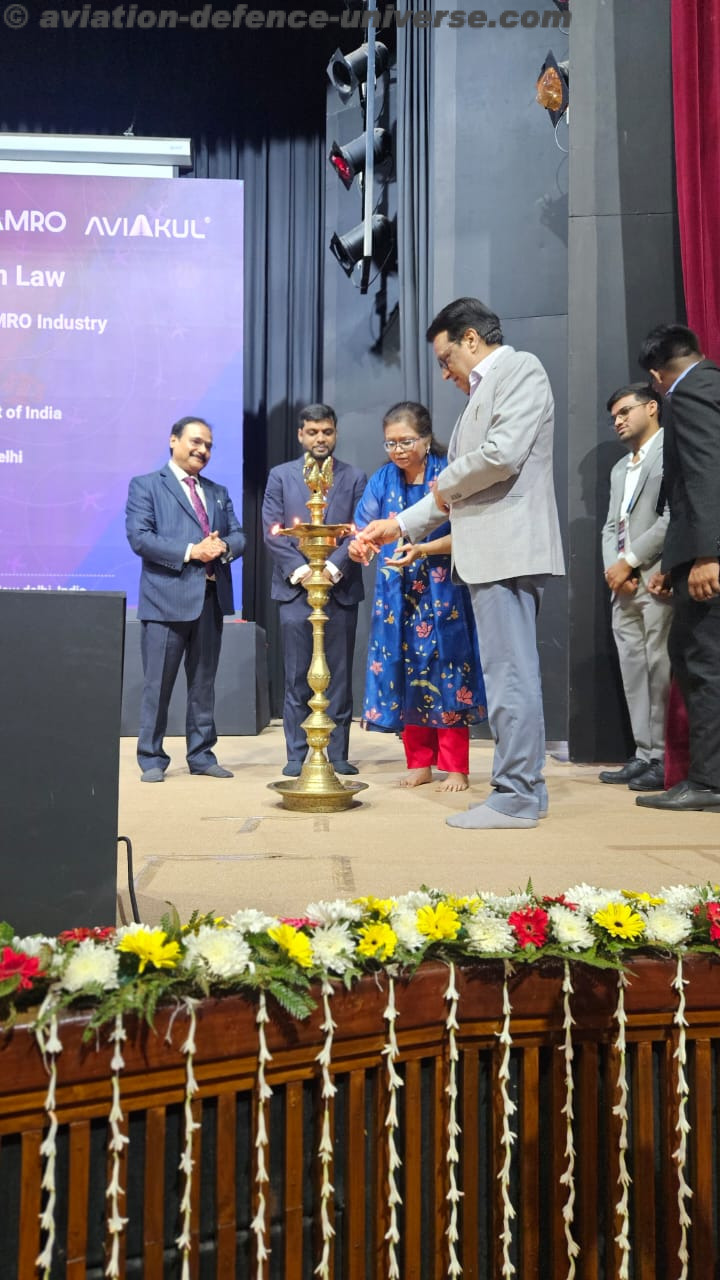 Prof. (Dr.) G. S. Bajpai, Vice Chancellor, NLU Delhi, in his Opening Remarks, highlighted the rapid transformation of India’s aviation sector, now the third-largest domestic market globally, with a government vision to expand operational airports to 350–400. He emphasized aviation as a key driver of economic growth, with a growing focus on sustainability. Initiatives like UDAN and DigiYatra are improving accessibility, feasibility, and passenger experience, supported by infrastructure development and evolving legal challenges. He outlined the need to examine the shifting legal framework, especially considering the Make in India initiative and new legislations like the Bharatiya Vayuyan Adhiniyam, 2024 and the Protection and Interest of Aircraft Objects (PIAO) Bill, 2025. He extended a special welcome to Hon’ble Justice Prashant Kumar Mishra and noted that a key outcome of the conference would be the development of a consolidated document for submission to the Government of India for policy consideration. He acknowledged the effort of stakeholders such as AAI, Aviakul Group of Companies, MoCA, and NLU Delhi. Vaibhav Varun, (Managing Director, Aviakul) in his welcome address highlighted the aim of the conference to bring engineers and lawmakers together on a common platform for a greater collaboration to shape the aviation industry growth.
Justice Prashant Kumar Mishra, Chief Guest for the event, highlighted India’s significant aviation transformation, tracing its roots to Tata Airlines in 1932. He emphasized the need for a responsive legal system to meet the evolving demands of the aviation industry, given its human-centric nature. Referencing foundational laws like the Aircraft Act of 1934 and Aircraft Rules of 1937, he noted India’s progress in aligning its legal infrastructure with global standards. He reflected on judicial interventions in cases involving passengers’ rights and gender discrimination, such as rulings against discriminatory practices toward air hostesses. He addressed emerging challenges, including cybersecurity, data protection, global trade regulations, and environmental concerns, calling for legal evolution in response to technological advancements. Stressing the judiciary’s role in ensuring safety, security, and consumer rights, he expressed optimism about the future of aviation law and the need to build sector-specific expertise.
 India’s aviation legal framework has traditionally been governed by legacy legislations such as the Aircraft Act of 1934 and the Aircraft Rules of 1937. While these have served as foundational statutes, they are increasingly seen as outdated in addressing the dynamic challenges of a modern, globalised aviation industry. To bridge this gap, recent initiatives by the Government of India have introduced comprehensive reforms, most notably the Bharatiya Vayuyan Adhiniyam, 2024, which aims to streamline aviation operations, enhance passenger rights, and align with international aviation conventions.
Prof. (Dr.) Ruhi Paul (Regsitrar, NLU Delhi) highlighted the importance of organising the conference in the backdrop of new Bharatiya Vayuyan Adhiniyam, 2024 and the Protection and Interest of Aircraft Objects (PIAO) Bill, 2025. The inaugural Panel Discussion (Day 1) on Regulatory Landscape of Aviation – Challenges and Opportunities featured eminent experts Prof. (Dr.) G. S. Sachdeva, Ajay Kharbanda, Prof. and (Dr.) Sandeepa Bhat and was moderated by Ajay Kumar, Managing Partner, KLA Legal.
Prof. Sachdeva offered a legal and historical perspective on passenger liability under conventions like Warsaw and Montreal. He pointed out existing gaps in compensation—particularly for psychological harm, sexual harassment, or unusual in-flight events—calling for urgent legal recognition of such emerging risks. He stressed that airlines, as profit-makers, must take greater responsibility, and victims deserve better legal protection, lamenting that the Indian judiciary still lacks sensitivity in this regard.
 Another significant development is the proposed Protection and Interest of Aircraft Objects (PIAO) Bill, 2025, intended to reinforce financial protections for aircraft leasing and financing, and ensure adherence to global commitments such as the Cape Town Convention. These legislations represent a progressive move towards regulatory maturity, attempting to align India’s aviation legal environment with its strategic goals under the Make in India and Atmanirbhar Bharat initiatives.
Prof. Bhat discussed recent legislative updates like the Bharatiya Vayuyan Adhiniyam, 2024 and the Protection and Interest of Aircraft Objects (PIAO) Bill, 2025. He flagged regulatory overreach, absence of aircraft deregistration clauses, and the urgent need for strong Alternative Dispute Resolution (ADR) systems. He also noted that India still relies on Chinese private companies for drone parts, cautioning against outright bans due to possible trade retaliation. He advocated for a balanced approach that aligns with the Make in India vision while navigating global trade dynamics.
Prof. Kharbanda addressed financial ambiguities, especially around airport dues and the unclear liability among stakeholders. He also raised challenges faced by airports in implementing sustainable practices within existing regulatory structures. The panel further explored current issues like AI ethics in airport operations, India’s evolving drone policy, and the lack of legal preparedness for space tourism. Overall, the discussion emphasized the urgent need for legal reform, balanced policymaking, and stronger accountability to support India’s fast-changing aviation sector.
The aviation leasing market has emerged as a critical pillar of the global aviation ecosystem, offering airlines a flexible, capital-efficient alternative to direct aircraft ownership. In India, where air traffic is booming and over 1,700 aircraft are currently on order by carriers like IndiGo and Akasa Air, leasing plays an increasingly strategic role. With high upfront costs for aircraft acquisition and a pressing need for rapid fleet expansion, leasing enables airlines to scale operations while preserving liquidity. The rise of platforms like GIFT City and supportive regulatory moves, such as the Bharatiya Vayuyan Adhiniyam, 2024, are paving the way for India to become a global hub for aviation financing and leasing. As the industry aims for long-term sustainability and self-reliance, a robust leasing ecosystem is essential to reduce dependence on foreign lessors, improve operational efficiency, and support the “Make in India” vision in aerospace.
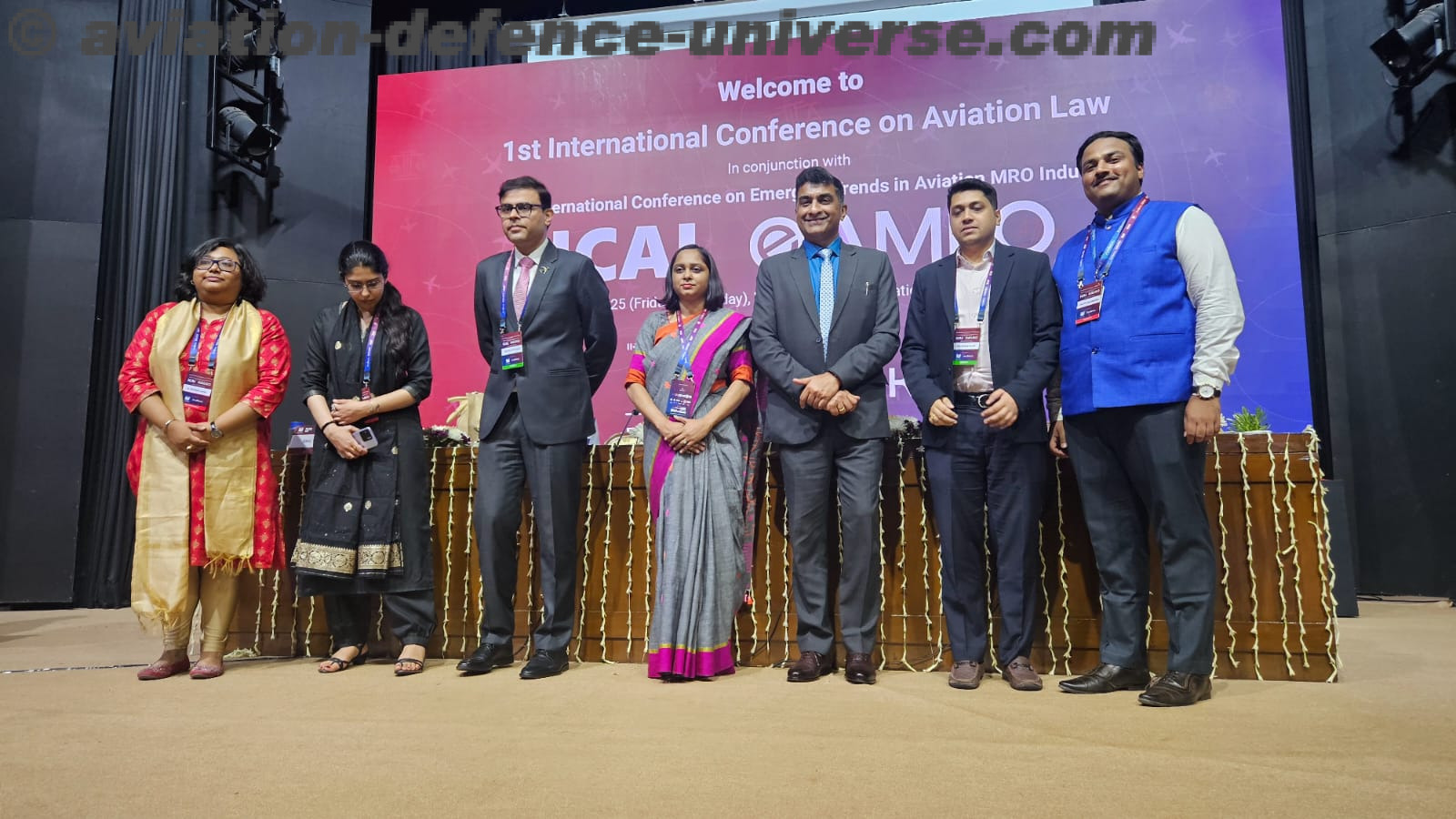 The second panel discussion on “India 2047 – A Global Aviation Leasing Hub”, moderated by Vinamra Longani, Vice President of SGI Aviation, featured experts like Dr. Akhil Prasad (Boeing India), . Ankita Kumar (Shardul Amarchand Mangaldas & Co.), and Rishiraj Baruah (AZB & Partners). The panel explored India’s emerging role in global aircraft leasing, noting a massive aircraft order pipeline, including 927 aircraft from IndiGo and 199 from Akasa Air, contributing to a total of around 1,700 aircraft on order. With projected demand for an additional 2,500 aircraft in the next 10-15 years, the discussion highlighted the strategic opportunity for India to shift from foreign lessors to indigenous financing through GIFT City. They also discussed challenges in aircraft registration, which complicate the leasing process. Regulatory advancements like the Bharatiya Vayuyan Adhiniyam (BVA) and the growing role of GIFT City were highlighted, along with issues around deregistration, insolvency, and legal harmonization. The panel stressed the need for legal clarity, tax incentives, increased banking participation, and the implementation of the Cape Town Convention to strengthen India’s leasing ecosystem. The session concluded with an optimistic outlook on India’s potential to become a global aviation leasing hub.
Gender disparity in the aviation industry remains a persistent challenge, with women significantly underrepresented in technical and leadership roles across the globe. Despite progress in recent years—such as India leading with nearly 14% of its pilots being women, well above the global average—women continue to face barriers including limited access to training, workplace bias, lack of mentorship, and systemic policies that fail to account for gender-specific needs. This disparity not only stifles individual talent but also undermines the industry’s potential for innovation and inclusivity. Addressing gender imbalance is crucial for building a more resilient, diverse, and future-ready aviation sector. It requires concerted efforts through policy reforms, targeted training, inclusive hiring practices, and cultural shifts that value equity and representation at every level of the industry.
The third panel discussion on “Gendered Skies: Addressing Gender Disparity in Aviation”, moderated by Richa Sharma (Chief Community Officer, Women’s Collective Forum), featured panellists Dr. Andrea Trimarchi, . Poonam Chawla, . Riya Soni, and . Sunita Dutta. Dr. Trimarchi opened by distinguishing between gender parity and equality, highlighting the slow pace of change in aviation, with women’s representation increasing by only 0.4% since 2016. He shared global efforts like ICAO’s Next Generation Aviation Programme and the European Union’s Gender Equality Plan (2024-2027), focusing on attracting and retaining women in aviation roles. Despite such efforts, challenges persist, including limited leadership roles, lack of role models, and family- related barriers.
The discussion also focused on India’s progress, with 14% of Indian pilots being women, three times the global average, although women are still underrepresented in leadership positions. DGCA aims for 25% female representation by 2025, but experts questioned if current efforts were sufficient. . Poonam Chawla critiqued media portrayals of women in aviation, which often reinforce stereotypes, while emphasizing the need for inclusive storytelling and broader gender partnerships.
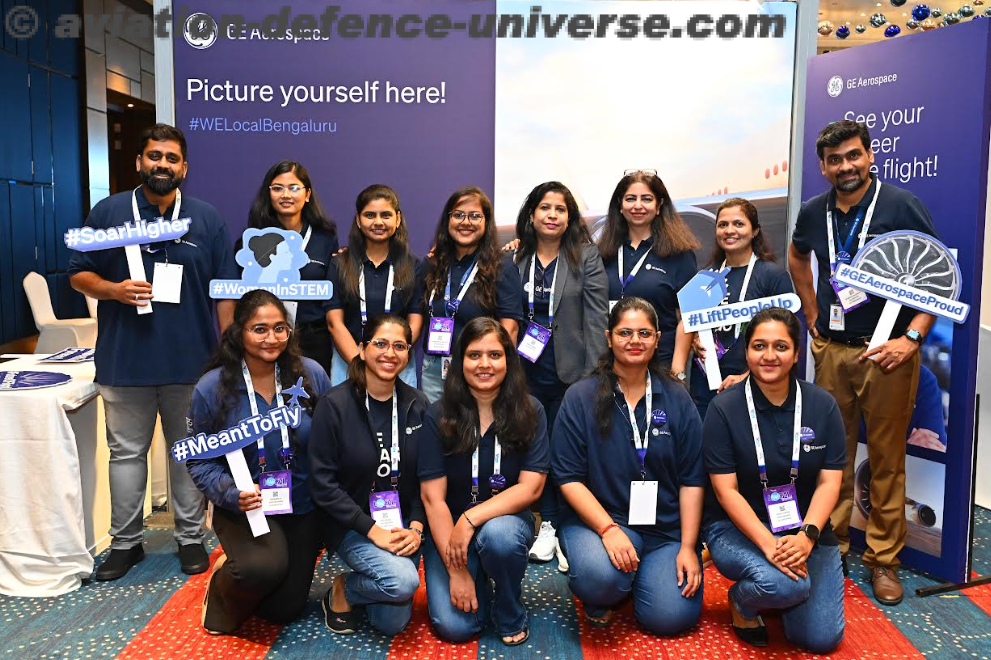 Sunita Dutta, a founding member of the Indian Women Pilots’ Association, shared insights from her own journey, noting how the number of women pilots in India has grown significantly since the 1980s. She applauded regulatory measures like the 2023 committee decision mandating 25% female representation by 2025. The panel stressed the importance of cross-sectoral collaboration, suggesting that inclusive hiring practices and gender-specific training in technical roles are essential. Poonam Chawla highlighted the ongoing challenges of self-doubt, lack of upskilling, and the need to reassess gender-neutral policies, as they still perpetuate inequalities.
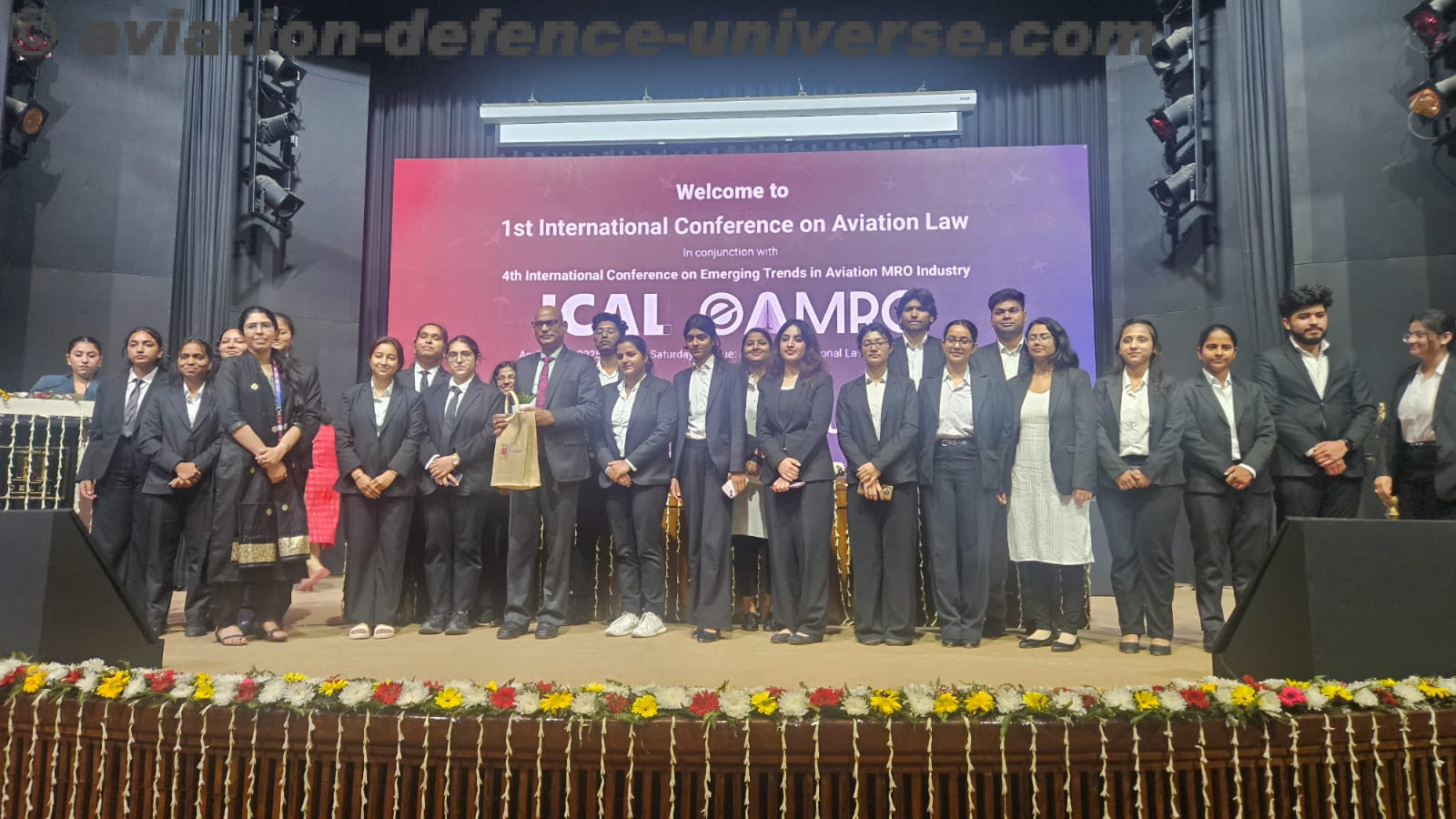
The day 1 of the conference concluded with the speaker session and paper presentations by researchers and students at the conference on different themes like gender disparity in aviation; investment, leasing and financing; sustainable aviation and technological advancement in aviation sector. These sessions were chaired by Dr. Siddharth Singh, Bennett University, India; Subhash Bhutoria, Founder and Principal, Law SB; Adithya Variath, OISD; Saksham Bhardwaj, Advocate, Delhi; Prof. Paul Ng, Partner and Head- Aviation Practice, Rajah & Tann LLP Asia; Adjunct Professor, National University of Singapore, Singapore ; Dr. Jing Bian, Senior Lecturer in Financial Law; Postgraduate Hub Lead, University of Greenwich, UK; Satyam, Vman Aviation Resources Management LLP; Dr. Masrur Salekin, Additional Metropolitan Sessions Judge, Bangladesh, Dhaka; Ashutosh Agarwal, Associate, RNC Legal (Rajinder Narain & Co.); Ashwani Dwivedi, Young Professional (Legal), Ministry of Civil Aviation; Vikrant Pachnanda, Advocate on Record, Supreme Court of India; Divisha Mehta, Senior Manager & Legal Counsel, Akasa Air; Chrystel Erotokritou, Compliance Manager (Aerospace), Access Partnership, UK and Sofia Stellatou, Regulatory Consultant on the Regulatory Strategy & Market Access Team, Access Partnership, UK. The speakers were felicitated by Dr. Garima Tiwari, NLU Delhi and Dr. Kheinkor Lamarr, NLU Delhi.
 The first day of EAMRO 2025 and the Aviation Law Conference concluded with impactful speaker sessions, student research presentations, and in-depth panel discussions that underlined the growing need for legal and operational preparedness in the face of a rapidly evolving aviation environment. With expert panels examining everything from leasing laws and gender disparity to international best practices and future regulatory models, the event set the groundwork for what could become a landmark shift in India’s aviation law and policy discourse.
As the sector aims to support 1.1 billion passengers annually by 2047, and with the implementation of new laws like the Bharatiya Vayuyan Adhiniyam, 2024, it is evident that legal clarity, regulatory efficiency, and cross-sectoral collaboration will be critical in realizing India’s ambition to become a global aviation hub. Day One concluded on a note of optimism and urgency, with a clear call to action: that India’s legal and aviation professionals must co-create a system capable of supporting both the scale and complexity of the country’s aviation ambitions.
 Despite these advancements, India’s civil aviation sector continues to grapple with a host of legal and regulatory challenges. The absence of a harmonized aircraft deregistration process has led to disputes with international lessors, exposing a gap in India’s insolvency and repossession frameworks. The Jet Airways collapse and the Go First crisis have spotlighted the friction between domestic insolvency laws and international leasing rights, undermining investor confidence. Environmental sustainability, cybersecurity in aviation tech, liability for emerging risks (like AI operations and drone integration), and the absence of strong Alternative Dispute Resolution (ADR) mechanisms are other pressing issues. Furthermore, the lack of legal preparedness for space tourism and insufficient provisions for non-traditional harms like psychological distress during air travel point to a broader need for modernization. Financial liabilities and contractual ambiguity between airport operators, airlines, and public agencies also remain areas of contention, requiring clearer statutory guidance. As India’s aviation ambitions soar, its legal system must evolve with equal momentum—ensuring safety, fairness, and resilience across the board.