











- Engineering Self-Reliance: The Next Decade of India’s MRO Sector
- Skilling, Scaling, Sustaining: Inside GMR Aero Technic’s Growth Strategy
By Sangeeta Saxena
New Delhi. 27 March 2026. As India’s aviation sector expands at an unprecedented pace, the spotlight is increasingly shifting toward the development of a robust domestic Maintenance, Repair and Overhaul (MRO) ecosystem. At the forefront of this transformation is GMR Aero Technic, one of the country’s leading aviation engineering and maintenance service providers.
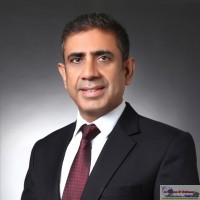
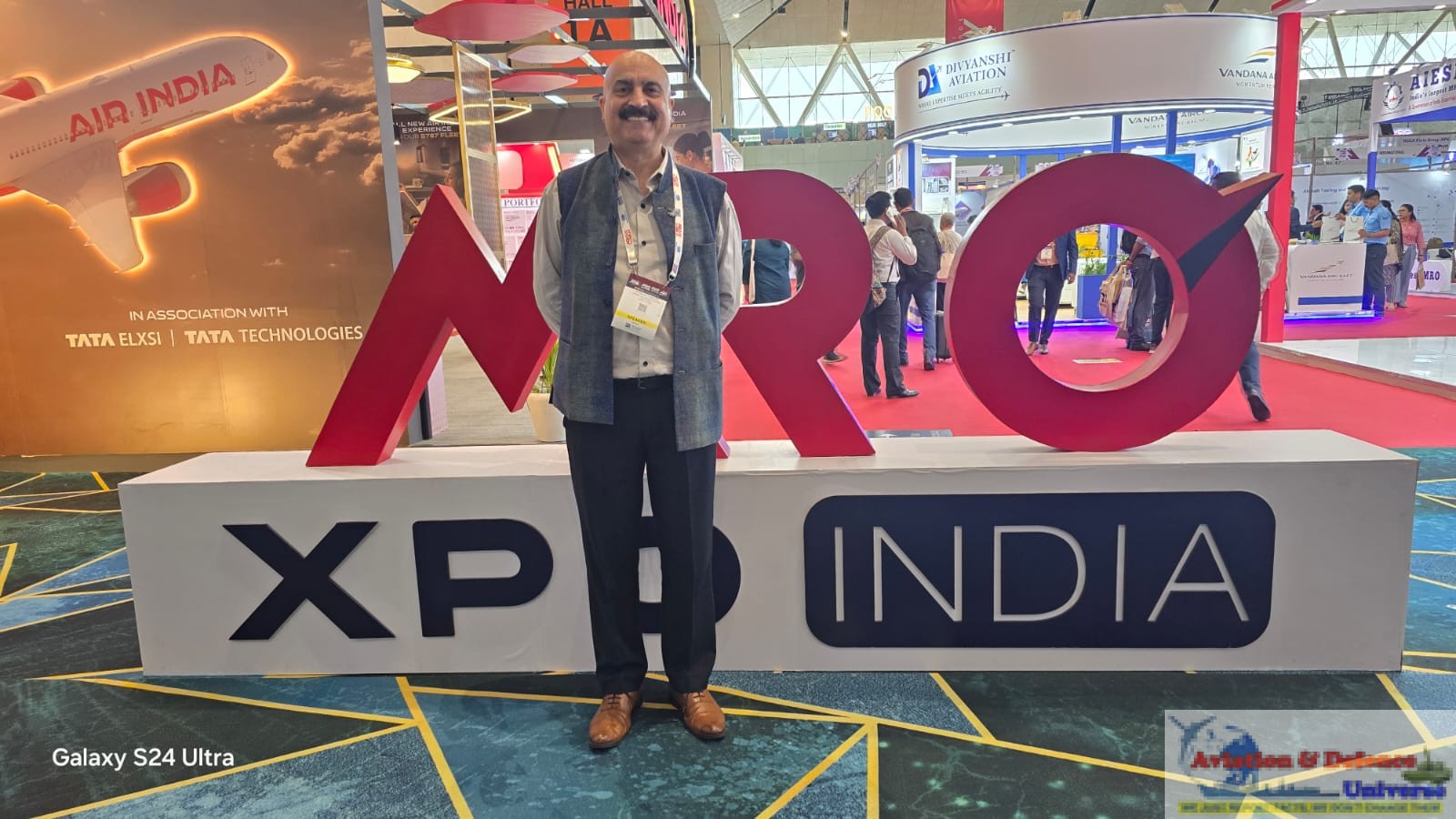
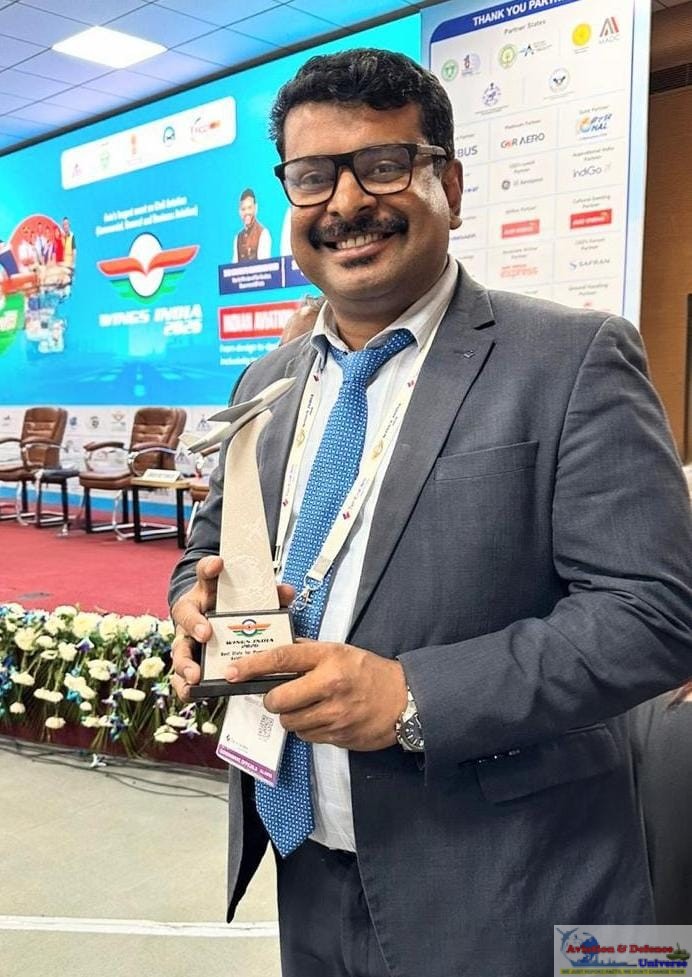
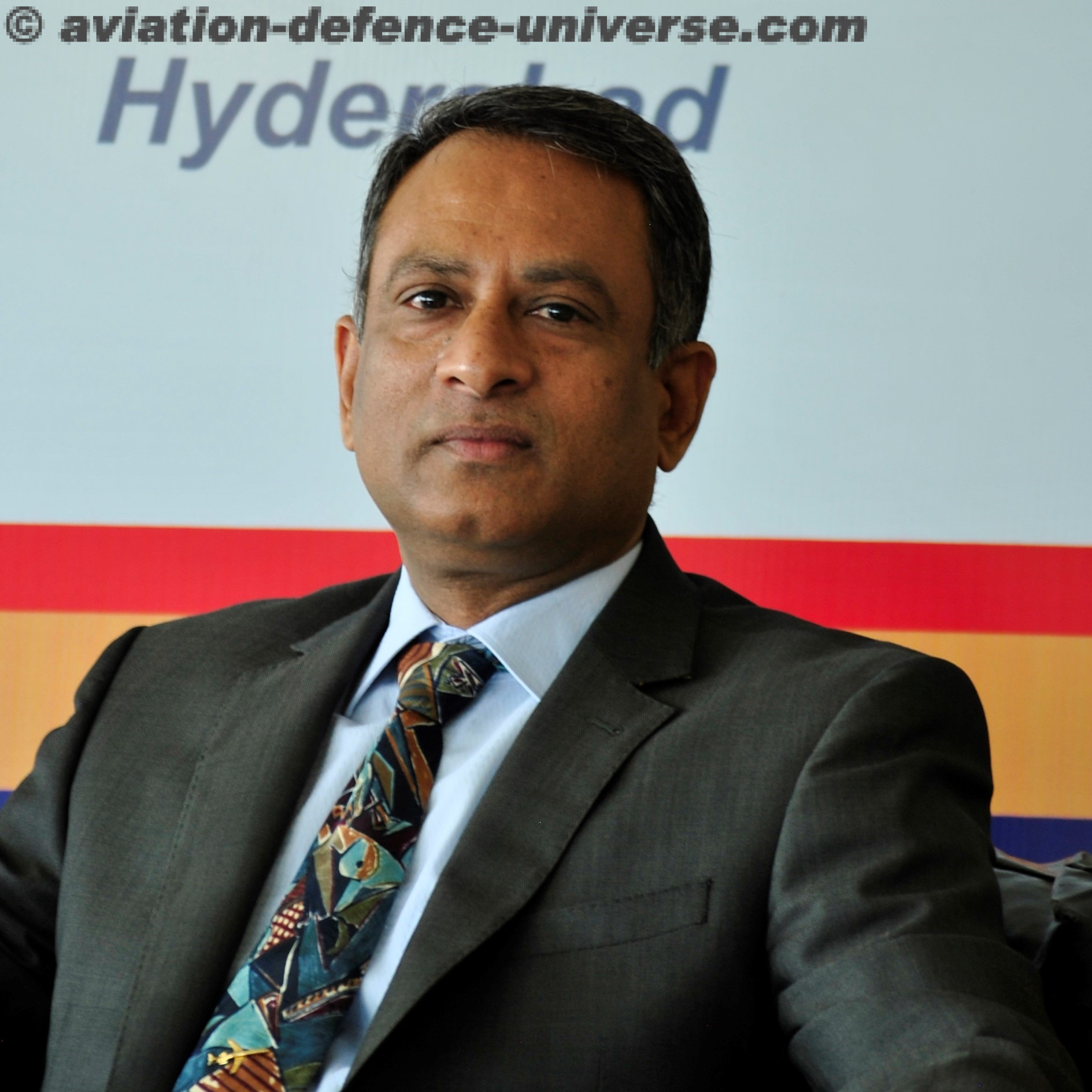
In this conversation with Aviation & Defence Universe (ADU), Ashok Gopinath, President, GMR Aero Technic, shares his perspective on India’s evolving position in the global MRO landscape, the structural reforms driving growth, and the critical role of skill development through initiatives like the GMR School of Aviation. He also outlines how technology, policy support, and global partnerships will shape the future of India’s aviation ecosystem.
ADU. As President of GMR Aero Technic, how do you see India’s position evolving in the global MRO landscape over the next decade?
Ashok Gopinath. Over the next decade, India will transition from being largely an offshore maintenance destination to becoming a strategic, full‑spectrum MRO hub for the Asia‑Pacific and Middle East regions. This evolution will be driven by three structural strengths: fleet growth, cost competitiveness, and capability depth in line with Govt of India’s Vision 2040.With one of the world’s fastest‑growing commercial and defense aircraft fleets, India will generate sufficient domestic demand to anchor large‑scale base maintenance, engine and component MRO, defense sustainment, and specialized services such as conversions and advanced repairs.
 Regulatory reforms, rationalization of taxes, and the Government of India’s strong push under Make in India and Atmanirbhar Bharat are enabling the creation of indigenous capabilities that were historically sourced overseas. As Indian MROs invest in infrastructure, digital technologies, OEM partnerships, and skill development, we will see a move up the value chain; from routine maintenance to complex, high‑value work packages. If we execute well, the next decade will firmly establish India as a credible alternative to traditional MRO hubs, and eventually, a key player in select segments of the global MRO market.
ADU. What strategic priorities guide GMR Aero Technic as it expands its role in aircraft maintenance and aviation engineering services?
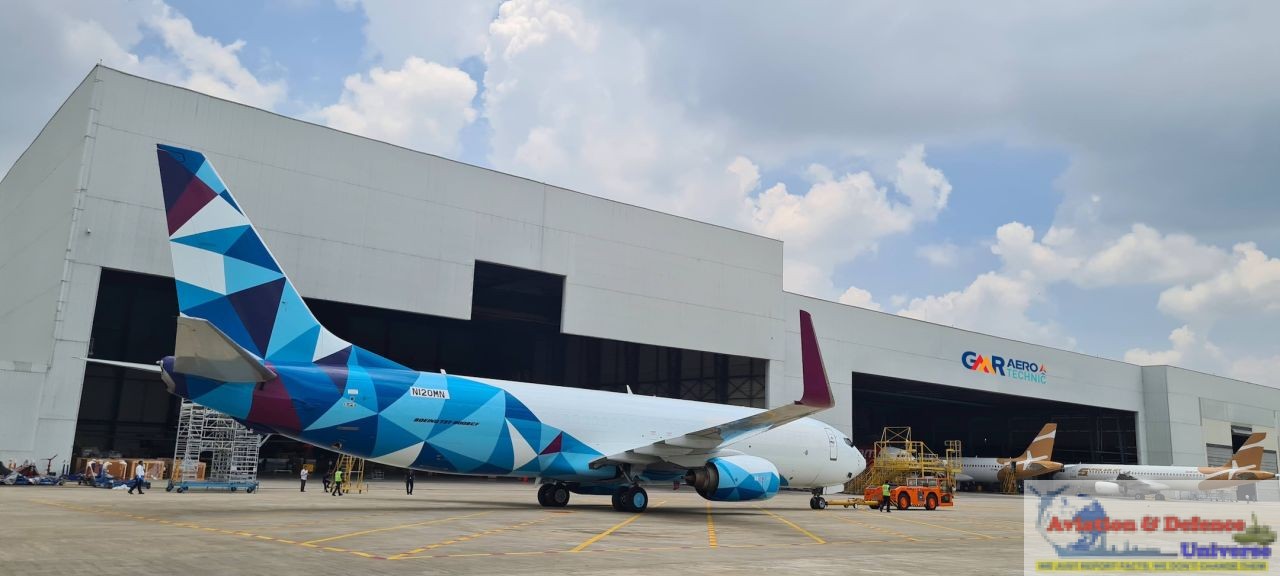
Ashok Gopinath. GMR Aero Technic aims to be a leading MRO services provider in the Asia Pacific region by offering comprehensive end-to-end services. Currently, we focus on narrow-body airframe MRO, performing all types of Heavy maintenance checks, End-of-lease services, Entry-into-service, Modifications and full livery painting in our existing nine narrow-body lines. We have ear-marked nearly 40 acres land for further expansion. We are investing a new Wide-body Complex, doubling our capacity and adding capabilities to cover B787/77 and A350 aircraft including a wide-body Paint hangar, Nacelle Components shop, Full Cabin Interior /Galley facility and Composites Shops.
 The facility will be operational by June 2028. We will also significantly expand our Défence MRO services. Additionally, we have planned to enhance our MRO capabilities for critical components. We have recently developed a de-icer boots facility to support Turbo Prop fleet and forged partnerships with Spirit Aero for Nacelles, Radome, and flight control surfaces, and with Lufthansa Technik for Cyclean Engine wash solutions to customers in the region. We are adding more capabilities through strategic tie-ups with OEMsThe GMR School of Aviation, was set up in Jan 2024 is approved by DGCA India & EASA Part 147 as part of our Strategic initiative to develop skilled manpower has expanded its capabilities by adding Type Trainings and Ancillary Training in partnership in Industry stake holders.
ADU. India is positioning itself as a global aviation hub. How critical is the development of domestic MRO capability in achieving that ambition?
Ashok Gopinath. Maintenance is the third‑largest cost driver for airlines after leasing and fuel. MRO is the backbone that ensures aircraft fleet availability & reliability, Safety, Cost efficiency, and long‑term fleet sustainability. Developing domestic capability allows Indian carriers to reduce foreign exchange outflows, improve turnaround times, reduced inventory holding and operate with greater cost predictability apart from having the technical knowhow and generating employment.
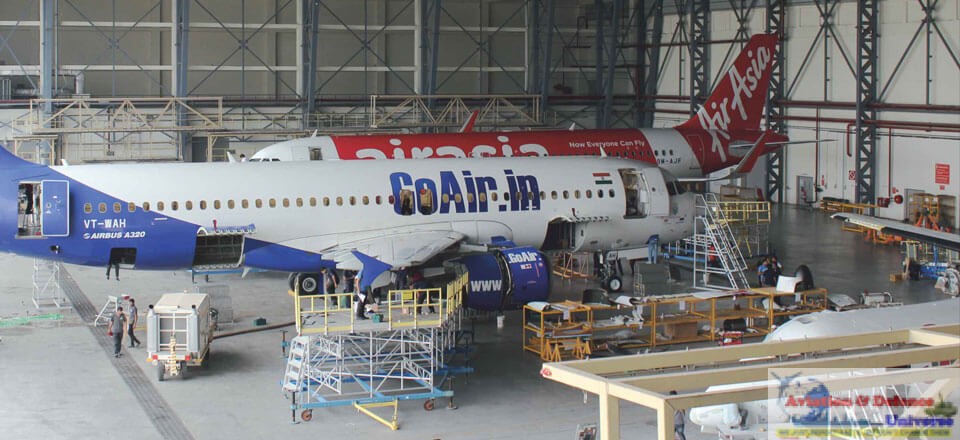 As India becomes one of the world’s largest aviation markets, fleet size alone will generate sustained demand for base maintenance, engines, components, and modifications. Domestic MRO capacity ensures that this growth is supported locally, reducing dependence on congested overseas hubs and improving operational resilience.
ADU. India still sends a significant portion of its aircraft overseas for heavy maintenance. What structural challenges need to be addressed to reverse this trend?
Ashok Gopinath. Indian Aviation industry is the fastest growing in the world & it is poised to be among world’s top 3 markets by year 2030. There has been gradual growth in MRO service providers in India. Indian MROs are self-sufficient in handling airframe maintenance checks.
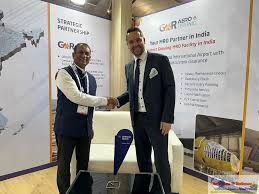 The fact that the Indian MRO market is attracting international airlines from regions like the Middle East and Southeast Asia suggests a growing reputation for quality services and reliability. GMR Aero Technic’s has demonstrated these abilities strongly which let to majority of the regional carriers to opt it as their preferred MRO as 60% of the revenue coming from international carriers.
Nevertheless, Indian customer still imports appx 80% of MRO services, mainly of components and engines, as such MROs are lacking in the country. Both, Central and State Govts are encouraging large Business units and OEMs by incentivising them to set up Component MRO facility within the country. OEMs should invest in India directly or collaborate with any Indian MROs to build the capability within country. In recent years, we have seen investment from Safran for Leap Engine MRO, Thales for Avionics components, Jamco for Galley equipment. This is a positive development, but India requires more & more investments in this space.
ADU. In your view, what policy reforms have been the most impactful in encouraging MRO investment in India?
Ashok Gopinath. Key initiatives taken by the Ministry are many . A unified 5% GST rate on all aircraft components and engines was implemented, replacing the previous rates ranging from 5% to 28%. 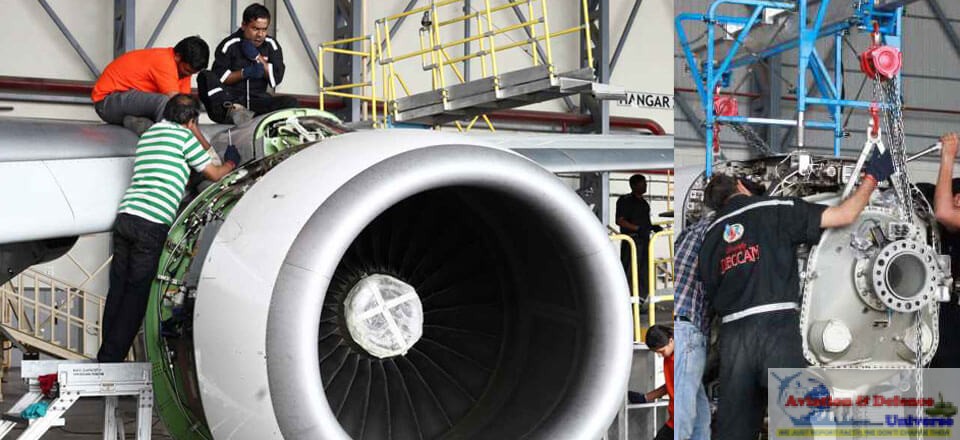 Exemption from Customs Duty on Aircraft Parts/ Components, tools and tool kits imported by airlines and MROs, is another. 100% Foreign Direct Investment permitted via automatic route for MRO. The restriction of one year for utilization of duty-free parts has been extended to three years. Allowance for foreign aircraft brought to India for MRO work to stay for the entire maintenance period or up to 6 (six) months.
Time limit for reimport of goods for repairs under warranty has been extended from 3 to 5 years. The period for export of goods imported for repairs has been extended from 6 months to 1 year. Offering 30 years of lease at nominal rates with no Royalty fees at AAI Airports
ADU. What role can public–private partnerships play in strengthening the aerospace maintenance ecosystem?
Ashok Gopinath. Heavy MRO infrastructure – wide‑body hangars, component shops, specialized tooling requires large capital with long payback cycles. Through PPP models, government can provide land, policy support, and anchor demand, while private players bring operational expertise, investment discipline, and global best practices. This significantly lowers entry barriers for high‑value maintenance capabilities. MRO requires certified, experienced manpower. PPPs involving training institutions, regulators, and industry can create structured pipelines for licensing, type‑rating, and recurrent training—ensuring that workforce capability grows in step with infrastructure expansion.
ADU. How can India leverage its geographic location and engineering talent to become a regional MRO hub for Asia and the Middle East?
Ashok Gopinath. India can use its strategic location right between Asia, the Middle East, and even Africa to attract airlines that need quick, cost‑effective maintenance during regional flight rotations. India’s position gives it natural access to major aviation corridors, making it an ideal stop for MRO support. As fleets in Asia 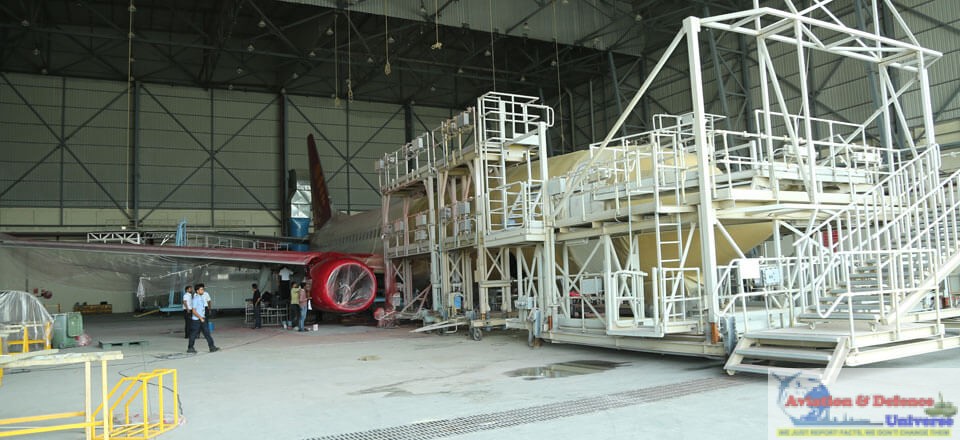 and the Middle East continue to grow, India can become a convenient and competitive alternative to traditional hubs like Singapore or Dubai. The country’s expanding airport network and government focus on MRO growth further support this opportunity.
At the same time, India has a large pool of engineering talent with English speaking youthful population and labour arbitrage, which is a major advantage as compared to other countries.
Skilled technicians, growing partnerships with global OEMs, and ongoing MRO reforms have already drawn interest from global players. By continuing to invest in training, modern facilities, and advanced technologies, India can position itself as a dependable and cost‑competitive MRO hub for airlines across the region.
ADU. The global MRO industry is undergoing rapid transformation through digitalisation and automation. How is GMR Aero Technic integrating technologies such as predictive maintenance, AI diagnostics, and digital twins?
Ashok Gopinath. We place strong emphasis on continuous improvement in efficiency through the adoption of the latest technologies. To improve operational efficiency and safety standards. We have initiated the tool issuance, tracking and retrieval mechanism using RFID & Bar-codes. Introduced digital Automated Tool Control system, to streamline the issuance and return of tools with user authorization. This system updates data online and offers a reporting feature to analyse tool usage. Implemented Robotic Process Automations (RPAs) to simplify routine activities and enhance productivity. An upgrade of our existing ERP system is in progress to make hangar/shop floor task cards fully digital and paperless by end of 2026, boosting operational efficiency.
After successful POC, an AI based RFQ platform has been deployed which will significantly improve our work package evaluation process, accurately predict manpower and spares requirement thereby making our RFP process very effective and efficient. Pilot testing of Ottonomy robot is in progress to automate tool/spare delivery from stores/tool crib to Hangars & vice versa.
ADU. How do emerging technologies such as AI, Blockchain, additive manufacturing and robotics change the way aircraft maintenance will be performed in the future?
Ashok Gopinath. Emerging technologies are going to make aircraft maintenance much smarter and faster. 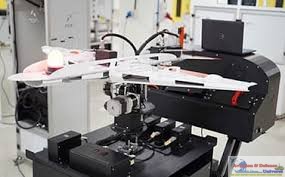 AI and predictive maintenance will help spot issues early by analysing data from aircraft sensors, so problems can be fixed before they lead to delays. At the same time, blockchain will make maintenance records more secure and reliable, reducing paperwork and preventing fake parts. Additive manufacturing will allow quick on demand production of certain aircraft parts, cutting waiting time for replacements.
And robotics, including drones and automated inspection tools, will handle tasks that are repetitive or risky, helping engineers work faster and with greater precision. All these technologies together will make future aircraft maintenance more efficient, predictive, and cost‑effective.
ADU. Sustainability is becoming a key focus for aviation. How can MRO operations contribute to greener aviation practices?
Ashok Gopinath. GMR Aero Technic won the “Sustainability Initiative of the Year” award at MRO Asia-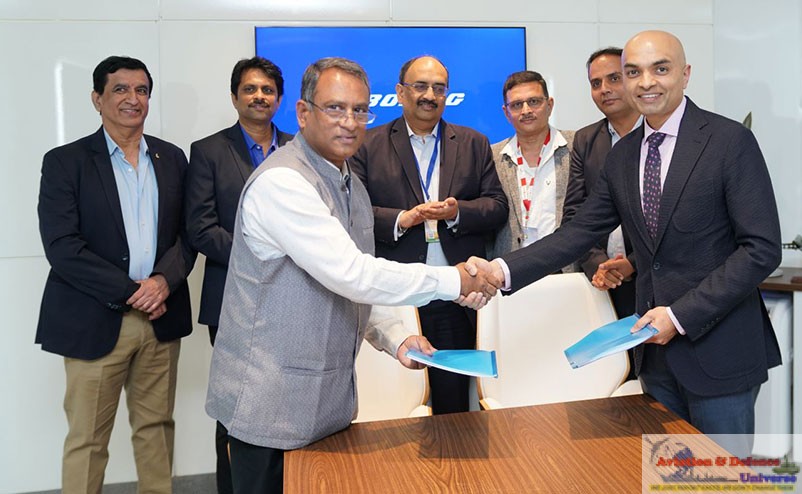 Pacific 2025 in September. GMR Aero Technic has implemented a holistic sustainability program delivering measurable environmental and operational impact. The entire electricity requirement for the MRO facility comes from our Airport Solar power ecosystem. Through its Waste to Wealth initiative, scrap materials are repurposed into Ground Support Equipment and furniture, supported by QR code-based SOPs. The company has adopted Energy conservation measures, including smart meters, sensor-based lighting, water-saving efforts such as recycling aircraft cleaning wastewater.
The transition to electric vehicles and installation of EV charging stations has significantly reduced fuel consumption and emissions. Efficiency improvements like robotic automation, AI-driven RFQ estimation, and electric pushback tugs enhance productivity and safety, while digital workflows and compliance platforms save considerable time and resources. These initiatives collectively reinforce GMR Aero Technic’s commitment to sustainability and operational excellence.
ADU. With defence aviation also expanding, how can civil and defence MRO ecosystems collaborate for mutual growth?
Ashok Gopinath. The civil-defence convergence in India holds significant potential to bolster the country’s
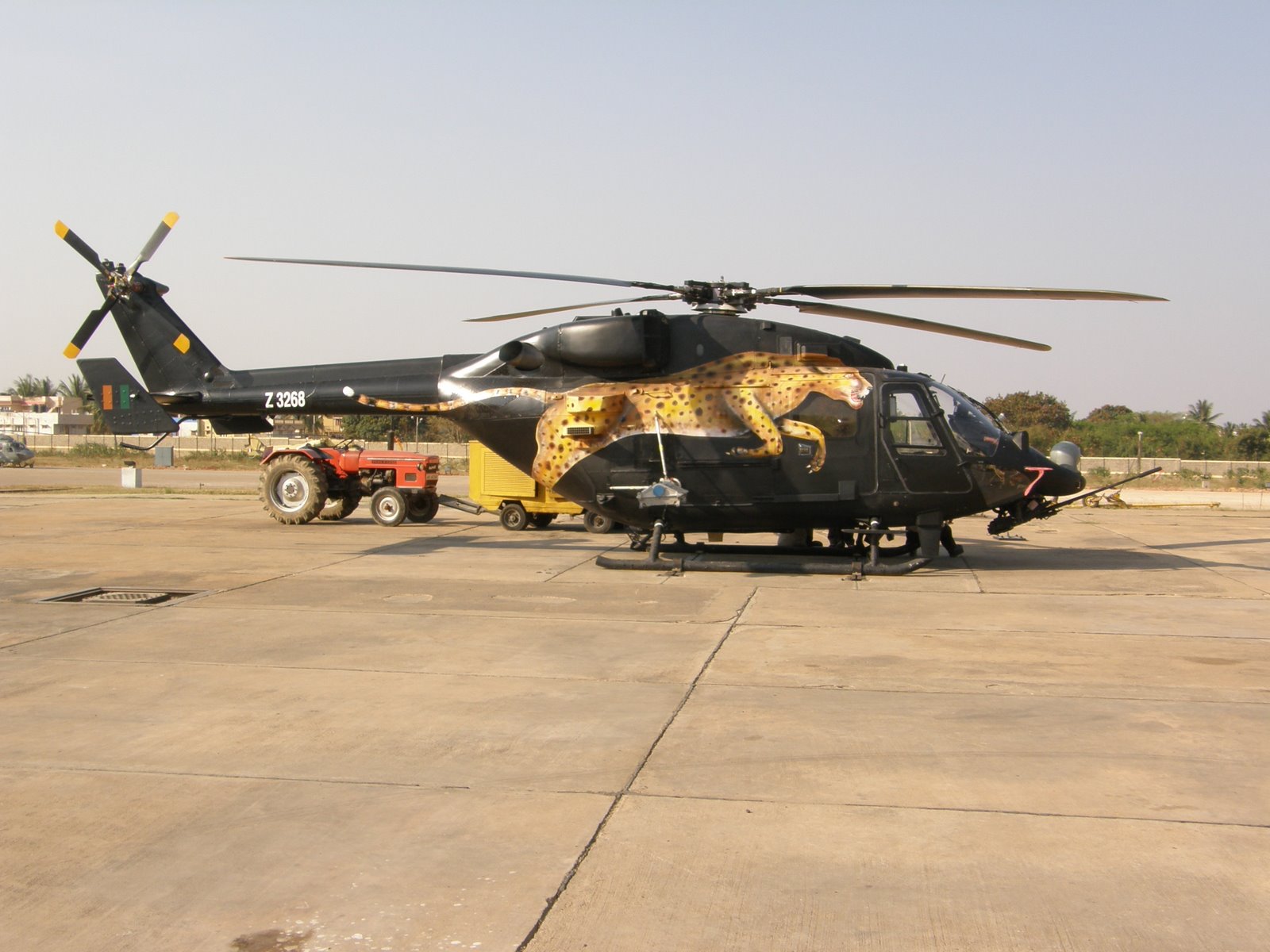 MRO ecosystem. By integrating civilian and defence aviation sectors, the MRO industry can benefit from shared infrastructure, expertise, and technology. This convergence allows for better utilization of existing MRO facilities, such as GMR Aero Technic, which already has approvals from both civil and defence regulators like DGCA and DGAQA. It also opens avenues for defence contracts, boosting revenues for civil MROs. However, challenges include regulatory complexities, differing operational standards between civil and defence aviation, and the need for clear policies on dual-use facilities and human resources. Additionally, ensuring data security, safeguarding proprietary defence technology, and aligning workforce skillsets are critical hurdles. Innovative solutions to these challenges lead to cost efficiencies, increased local capabilities, and reduced dependence on foreign MRO services, strengthening India’s aviation ecosystem as a whole and achieve the Government vision of “Atmanirbhar Bharat”.
ADU. One of your most notable initiatives is the GMR School of Aviation. What motivated GMR to establish this institution?
Ashok Gopinath. It has been estimated that by year 2030, the scheduled airlines, general aviation operators, FTOs/FCs and AMOs would require about 3,300 AMEs and 8,700 technicians in the growing Defence, Aerospace & Aviation sector in India. India is also a key source of human capital to the Middle Eastern & Southeast Asian countries as well.
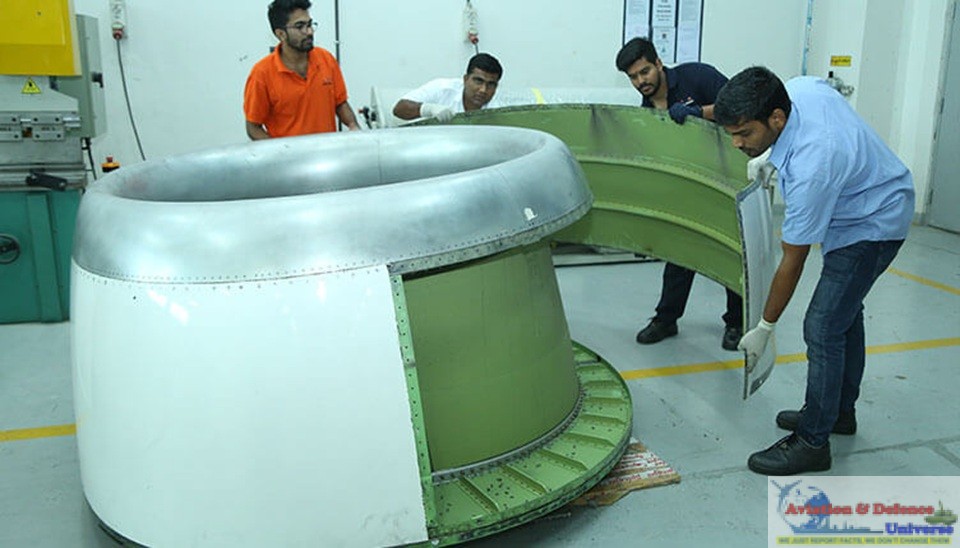 Our own MRO has been growing consistently year on year while handling the attrition to Middle east. To ensure we are prepared to handle this challenge in the long term, having our own Aviation Skill development school was a strategic initiative which will feed steady stream of well trained & qualified with hands on experienced personnel who are trained on modern aircraft platforms and ready to be employed in our MRO. The school has full access to our MRO to provide the students with hands on practical training, which not many school have in the world.
Considering the lack of complete end-to-end 4-year course & OJT under one roof, GMR Aero Technic established a Centre of Excellence for Aircraft Maintenance Engineering with two parallel AME Licensing programs under DGCA and EASA Part 147. The GMR School of Aviation with its investment in various system trainers, teaching methodology and emphasis on hand on skill development, OEM association and its standards will play a pivotal role in developing a skilled workforce with practical training who are ready to be employed immediately after their education. We need more schools like this to create qualified and industry ready manpower.
ADU. What gap did you observe in India’s aviation talent pipeline that the school aims to address?
Ashok Gopinath. Aviation sector in India is the fastest growing globally & it is poised to be among world’s top 3 markets by year 2030. There has been gradual growth in MRO service providers in India and in-house maintenance capability buildup by airlines shall require maintenance personnel. Though there are many, aviation school in India, none of them have a full time MRO access to it. This deprives the students of vital hand on practical exposure to live aircraft maintenance environment, limiting their ability to learn to a global standard and build confidence. The industry today qualifies the students and trains them further for over a year before they can be deployed on the hangar floor. With our school being a Centre of Excellence institution, our students has a big advantage of being well trained, highly skilled and readily employable.
ADU. What partnerships exist between the GMR School of Aviation and airlines, OEMs or global aviation institutions?
Ashok Gopinath. The GMR School of Aviation has established strategic partnerships with key industry 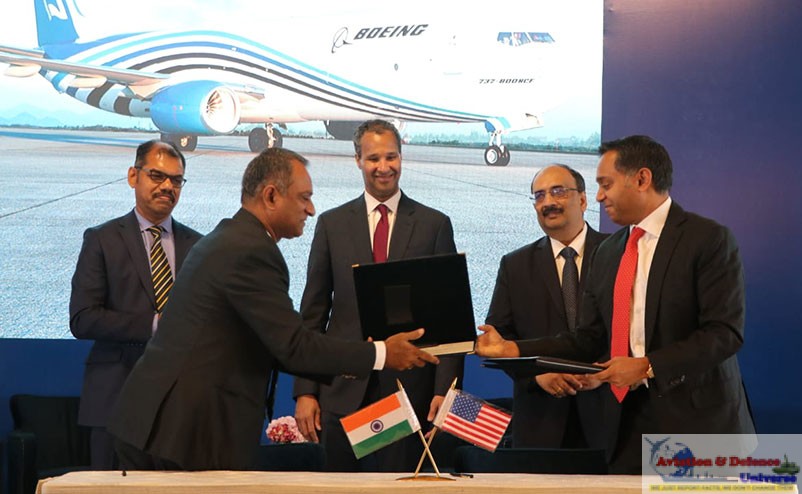 players to deliver industry-aligned training programs. Airbus serves as a technical collaborator, provides simulator, contributing to the development of the Basic Training curriculum, Airbus Competency Trainer Suit application and ensuring adherence to global training standards that meet OEM requirements for aspiring aviation professionals. This partnership enhances the school’s credibility and equips students with Airbus-certified skills in high demand across the Asia-Pacific region.
The school has received Certificate of Recognition from Airbus France. The school has signed MOU with Boeing in developing and evaluating Competence based Training methodology which is expected to be mandated by ICAO as a standard for future trainings. The school has signed MOU with certain airlines to offer Cadet program enable job guarantee to student before they graduate out, similar to our own cadet program for the MRO. The school has signed MOU with GMI France, in developing training programs on Composites repairs, a key skill required on modern aircraft maintenance.
 Complementing this, GMR Aero Technic(MRO) provides hands-on access to operational aircraft maintenance hangars, offering students real-world MRO exposure that bridges classroom theory with practical execution—critical in an industry where 80% of heavy maintenance currently occurs overseas. Similarly, GMR Aero Academy contributes specialized operational and aviation industry expertise, enabling immersive learning in airline operations, safety protocols, and regulatory compliance aligned with DGCA standards.
Academic rigor is further strengthened through collaboration with Gati Shakti Vishwavidyalaya, which is in the process of awarding a B.Sc. in Aircraft Maintenance Engineering designed to address India’s acute shortage skilled technicians. These partnerships collectively position the GMR School of Aviation as a comprehensive talent pipeline, supporting India’s MRO self-reliance goals amid challenges like Iran war supply disruptions and Boeing negotiations for local capacity.
ADU. What is the strength of the students and how do you find the best talent as faculty/trainers?
Ashok Gopinath. The current annual intake is 174 students, including both DGCA and EASA programs. The school also provide type training and Ancillary programs. We actually recruit the best talent from the industry who have significant experience and worked in major institutes and with OEMs and they are further trained in house to Airbus standards as part of our agreement with Airbus.
ADU. Do you run a Train The Trainer programme too?
Ashok Gopinath. As part of our next phase of growth, the school will be developing train the trainer programs through our association and tie ups with industry as mentioned earlier.
ADU. For factual and impactful practical training, the availability of aircraft and helicopters is a necessity. How do you manage this hands-on training?
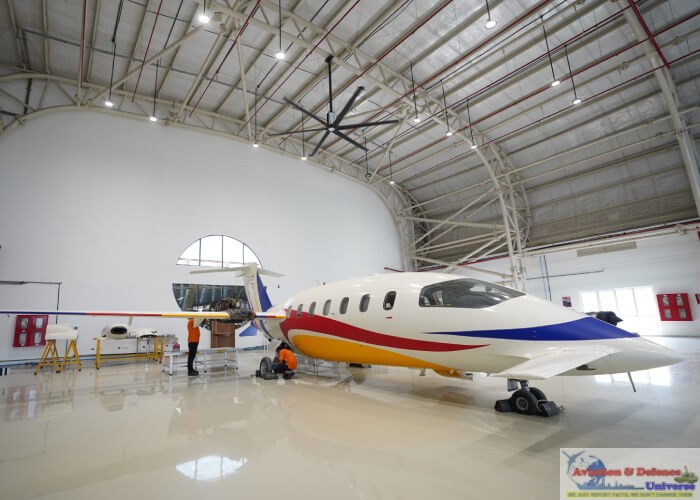
Ashok Gopinath. The school has Aircraft system mock ups which are near full scale model systems of individual Aircraft built up for trainings with functionalities of Normal operation, abnormal operations and emergency operations including reconfiguration logics (troubleshooting). This helps the trainees for a clear, easy & better understanding. The school is well-equipped with mechanical & Avionic workshop such as Machine shop, Engine shop, Advanced Paint and Buffing Shop, Battery Shop (Lead Acid & Ni-Cd), NDT Shop, Tool Crib & Stores along with a hangar having a serviceable Piaggio Avanti turboprop for practical learning maintenance.
ADU. For getting the students to see the best and global MRO practices is there a student exchange programme and is there a concept of visiting experts?
Ashok Gopinath. Since the School is owned and operated by GMR Aero Technic, trainees gain hands-on 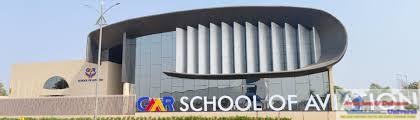 maintenance experience at the MRO facility. The initial induction was conducted at the MRO. First AME 2025 batch undergoing AEPT (Actual Environmental Practical Training) at MRO for real-time aircraft maintenance experience. Additionally, the school has Airbus Competency Trainer Suit application from Airbus, which enable students to train and perform operational test/functional test/ component identification, removal & installation / trouble shooting on A320 aircraft system through 2D simulation exercise, before actual visit to hangar to gain hand on experience.
The students also have opportunity to visit other aerospace/MRO facility in Hyderabad Aerospace Park, such as Pratt & Whitney Engine Training Centre and gain exposure to aviation technologies, engine systems, and modern maintenance practices.
ADU. What are the biggest opportunities for India’s aviation ecosystem over the next 15–20 years?
Ashok Gopinath. India is set to become one of the world’s largest aviation markets, supported by sustained passenger growth, regional connectivity, and fleet expansion across commercial, cargo, business, and defence aviation. This scale will create long‑term demand not only for flying capacity, but for maintenance, engineering, training, leasing, and aviation services. With the right mix of policy stability, infrastructure, and capability investment, India has a strong opportunity to retain a majority of its maintenance spend domestically and attract regional and international customers in the Asia region.
India is already a major centre for R & D and many aircraft manufactures and OEMs have their design centres here and this is further set to grow. There is great opportunity for the OEMs to set-up shops in India. I expect a Final Assembly Line will be established in India by one of the major aircraft manufacturers in next 5 years. As MRO and engineering capabilities mature, India can evolve from maintenance to manufacturing—components, sub‑assemblies, tooling, and repair technologies. This convergence of MRO and manufacturing will strengthen India’s position in global aerospace supply chains. India has a unique advantage in combining aviation domain knowledge with digital and engineering talent to create globally scalable aviation solutions. The country can play a meaningful role in shaping cost‑effective, scalable sustainability solutions for global aviation. In summary, the biggest opportunity lies in moving from market size to market leadership.
ADU. What advice would you give young professionals aspiring to build careers in aviation engineering and aerospace technology?
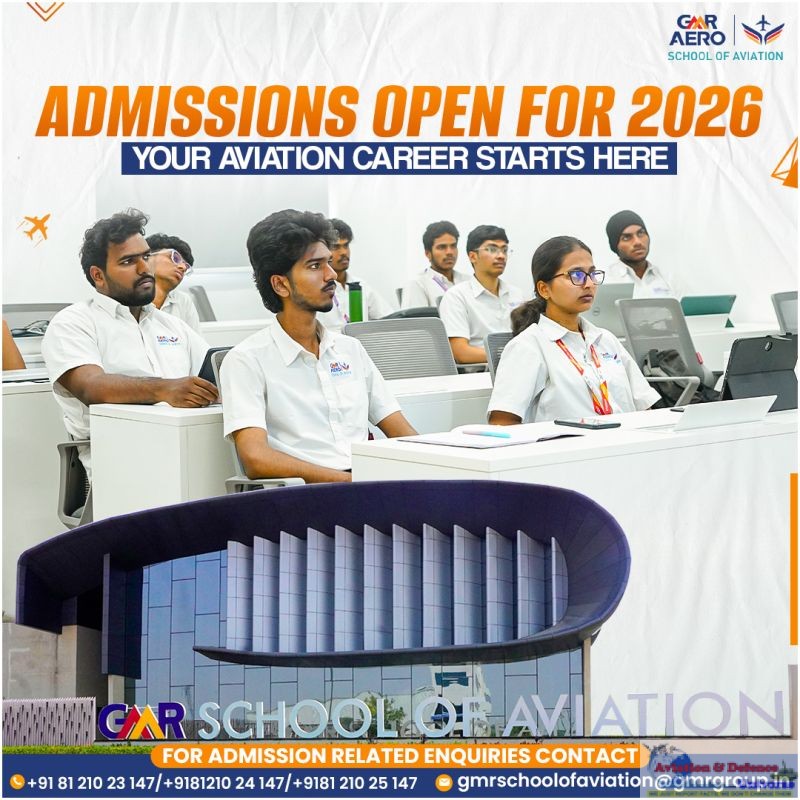 Ashok Gopinath. For young professionals aspiring to build careers in aviation engineering and aerospace technology, the key is to combine strong technical fundamentals with practical exposure and adaptability. Focus on building a solid base in core subjects such as aerodynamics, structures, and aircraft systems, but equally prioritize hands-on experience through internships, MRO facilities, or live projects, as the industry values practical skills. Stay updated with emerging technologies like composite material training, digital maintenance, and automation, which are increasingly shaping modern aviation. It is also important to pursue global certifications and regulatory awareness (such as DGCA/EASA pathways) to enhance career mobility. Finally, develop a mindset of continuous learning, discipline, and attention to detail, as aviation is a safety-critical industry where Quality, Safety, precision and accountability are paramount.
ADU. Finally, what legacy would you like to create through GMR Aero Technic and the GMR School of Aviation?
Ashok Gopinath. Through GMR Aero Technic and the GMR School of Aviation, we hope to build a legacy that strengthens India’s aviation ecosystem for the long term. Our vision is to create an organization known for world‑class quality, trust, and innovation—one that helps make India a preferred global MRO destination and sets new benchmarks in Quality, Safety, Technology, and Service Excellence. At the same time, we want the GMR School of Aviation to become a leading centre for developing skilled aviation professionals.
By nurturing young talent, providing hands‑on learning, and creating real career pathways, we aim to empower future engineers and technicians who will shape the next chapter of India’s aviation growth.
Ashok Gopinath’s vision reflects a decisive shift in India’s aviation journey—from being a high-growth market to becoming a capability-driven global aviation powerhouse. The convergence of policy reforms, infrastructure investment, digital innovation and skill development is laying the foundation for a self-reliant and globally competitive MRO ecosystem.
With initiatives like the GMR School of Aviation and strategic expansion into advanced maintenance capabilities, GMR Aero Technic exemplifies how industry leadership can align with national ambition. As India moves toward becoming a global aviation hub, the next decade will be defined not just by growth—but by the depth, resilience and sophistication of its aviation ecosystem.
As Told To Sangeeta Saxena