



























- ₹7.85 Lakh Crore for Defence: Budget 2026–27 Accelerates Modernisation and Aatmanirbharta
- Capital Push, Domestic Focus: What Makes India’s Defence Budget 2026–27 Historic
- Modernisation, Manufacturing, and Military Readiness Drive Record Defence Allocation
- 75% for Domestic Industry: Defence Budget Becomes Engine of Aatmanirbhar Bharat
By Sangeeta Saxena
New Delhi. 01 February 2026. Defence Budget 2026–27 stands out not just for its size but for its strategic clarity. Record capital allocations, a 75% earmark for domestic procurement, higher funding for operational sustenance, expanded border infrastructure, enhanced DRDO investment, and unprecedented support for veterans together create a comprehensive security framework. In the wake of Operation Sindoor, the government has moved from reactive spending to purposeful investment in capability, readiness, and self-reliance. This budget positions defence not as a cost centre, but as a driver of national strength, industrial growth, and long-term strategic autonomy.
 The Union Budget 2026–27 has delivered a defence allocation that goes far beyond incremental increases, marking a strategic turning point in India’s military preparedness and industrial self-reliance. With ₹7.85 lakh crore earmarked for the Ministry of Defence — the highest ever and 15% higher than last year — the post–Operation Sindoor budget reflects a clear doctrinal shift. The focus is no longer limited to sustaining forces, but on accelerating modernisation, strengthening operational readiness, empowering domestic industry, and reinforcing veteran welfare.
This year’s defence outlay signals that India is not merely responding to emerging security challenges but proactively building a long-term, self-reliant security architecture aligned with the vision of a Viksit Bharat.In the aftermath of Operation Sindoor, the Union Budget 2026–27 has delivered what is arguably one of the most strategically consequential defence allocations in recent decades. With ₹7.85 lakh crore earmarked for the Ministry of Defence — 15.19% higher than the previous year and amounting to 2% of India’s estimated GDP — the budget signals not just incremental enhancement but a doctrinal shift in how India is preparing for future conflicts.
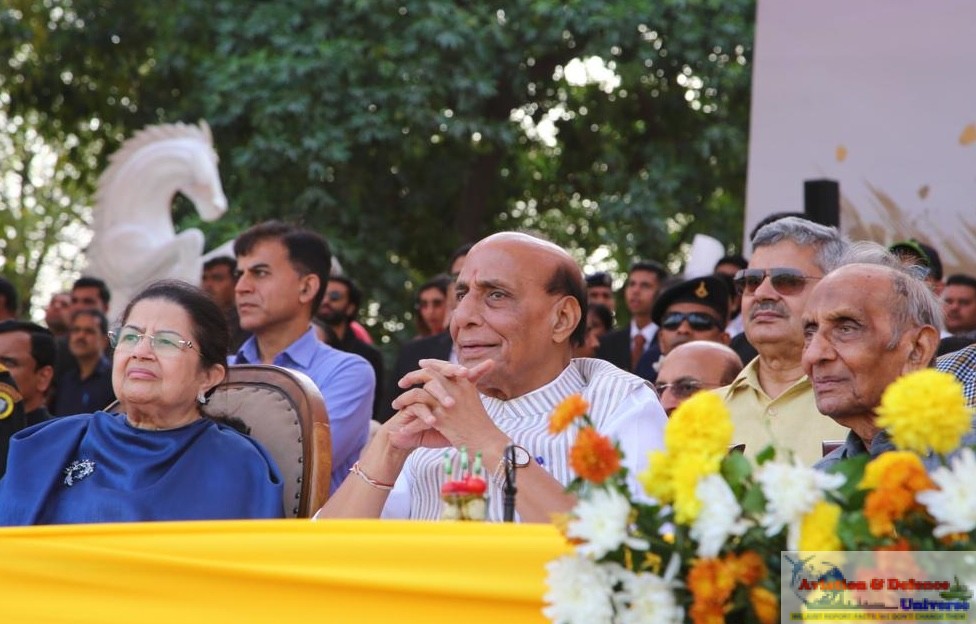
Defence Minister Rajnath Singh observed, this is a budget that “strengthens the security-development-self-reliance balance” and reflects the government’s resolve to build a robust and foolproof national security architecture under the vision of Narendra Modi. What makes this budget stand out is not merely its size, but where and how the money is being directed. A record capital push is observed in modernisation moves from intent to acceleration. For FY 2026–27, ₹2.19 lakh crore has been allocated under the capital head — a 21.84% rise over last year. More importantly, ₹1.85 lakh crore of this is exclusively for capital acquisition, marking a 24% jump.
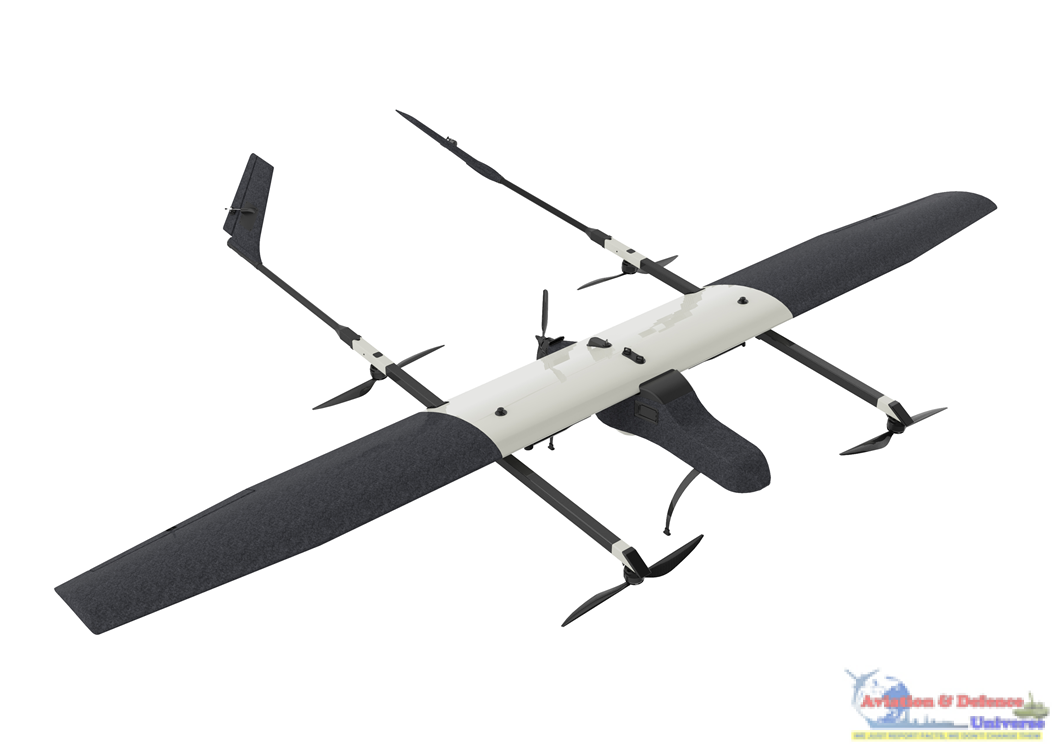
This has direct implications like faster induction of next-generation fighter aircraft, Expansion of drone and UAV capabilities, Acceleration of naval shipbuilding and submarine projects, Procurement of smart and lethal precision weapons and specialist mobility and battlefield systems
The context is crucial. During FY 2025–26, the MoD had already concluded contracts worth ₹2.10 lakh crore and accorded Acceptance of Necessity to projects exceeding ₹3.5 lakh crore. This year’s allocation ensures these projects move from paper to platforms. This is the first post-Sindoor budget, and it clearly accounts for emergency procurements of ammunition and platforms undertaken during the operation, ensuring replenishment and expansion simultaneously.
Aatmanirbharta moves from policy to budget enforcement. One of the most significant structural features of this budget is that ₹1.39 lakh crore — 75% of the capital acquisition budget — is reserved for domestic industry, including private players. This is not a policy statement; it is budgetary enforcement of indigenisation. Global supply chain disruptions and wartime prioritisation by exporting nations have forced India to internalise a hard lesson: import dependency is a strategic vulnerability.
This allocation guarantees long-term order visibility for Indian OEMs and MSMEs , expansion of defence manufacturing ecosystems, growth of ancillary industries, large-scale employment generation, greater private sector participation in military capability building , making this arguably the strongest financial backing yet for India’s defence industrial base.
Revenue expenditure also reflects sustaining operational readiness. While modernisation grabs headlines, ₹1.58 lakh crore has been set aside for operations, sustenance, spares, and platform maintenance under revenue heads. This ensures that aircraft availability rates improve, naval fleet sustainment is uninterrupted, ammunition and critical spares are stocked adequately and emergency operational requirements are funded without strain. The lesson from recent operations is clear: modern equipment without sustained readiness is ineffective. This allocation addresses that gap.
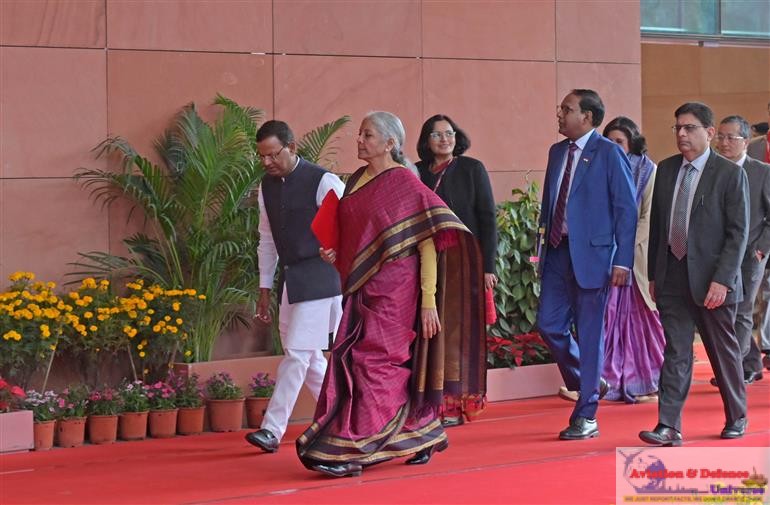 Border infrastructure which is a silent strategic multiplier was also given prominence in the budget. Allocation to the Border Roads Organisation has risen to ₹7,394 crore. Tunnels, bridges, airstrips, and last-mile connectivity in border areas are no longer developmental works — they are strategic force multipliers enabling faster mobilisation and logistics dominance along sensitive frontiers. And veterans welfare in the form of ECHS sees a historic jump. A standout welfare measure is the ₹12,100 crore allocation to the Ex-Servicemen Contributory Health Scheme (ECHS) — a 45.49% increase.
This is the largest ever jump for ECHS and continues a five-year trend where its allocation has grown by over 300%. It directly funds medical treatment for lakhs of veterans and their families, reflecting a political recognition that soldier welfare is part of national security.
DRDO and R&D get a push for investing in future wars. The allocation to Defence Research and Development Organisation has risen to ₹29,100 crore, with ₹17,250 crore under capital expenditure. This indicates serious backing for indigenous missile and drone programs, AI, electronic warfare, and next-gen technologies, future combat platforms and deep tech research for military applications.
Defence Pensions supporting 34 Lakh veterans saw ₹1.71 lakh crore allocated for defence pensions, covering over 34 lakh pensioners through SPARSH and other systems, the budget maintains continuity in pension reforms and timely disbursement.
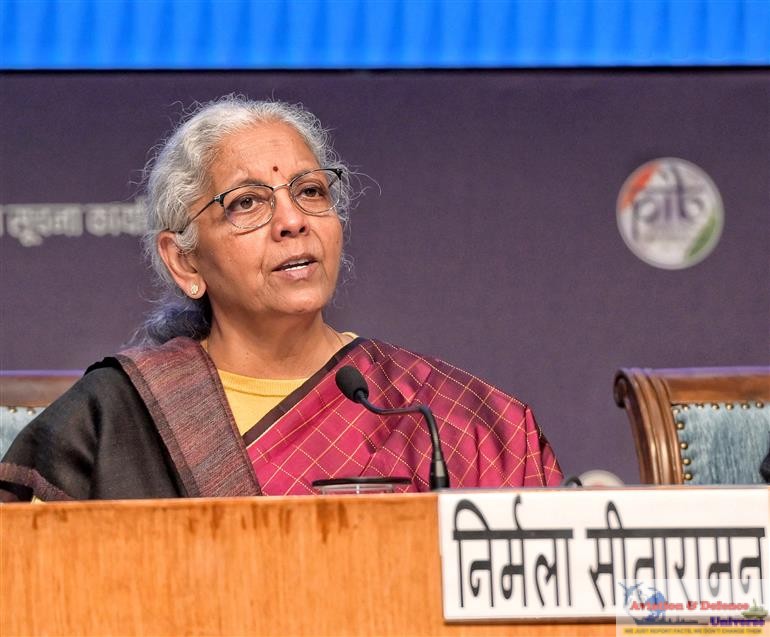 The Big Picture saw security, development and self-reliance in one frame. This defence budget is not just about weapons. It is built around three simultaneous pillars which are immediate military readiness post Operation Sindoor, long-term modernisation through capital expansion and structural self-reliance via domestic industry funding. As Rajnath Singh described it, this is a “Yuva Shakti–driven Budget” designed to transform “aspiration into achievement” and “potential into performance”.
The Defence Budget 2026–27 marks a mature phase in India’s strategic thinking. Instead of reacting to threats, the budget seeks to institutionalise preparedness, fund indigenisation, and balance welfare with war-fighting capability. Post-Operation Sindoor, India has not merely increased spending — it has re-engineered the purpose of defence spending. This is less a budget of numbers and more a budget of strategic intent — aligning military strength, industrial growth, and national vision into a single financial framework for a Viksit and Aatmanirbhar Bharat.