


















- Six years after registering as potential blood stem cell donor, Havildar Sukhwinder Singh donates blood stem cells to give a patient second chance at life
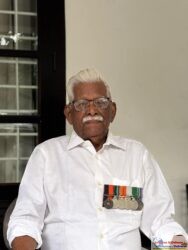
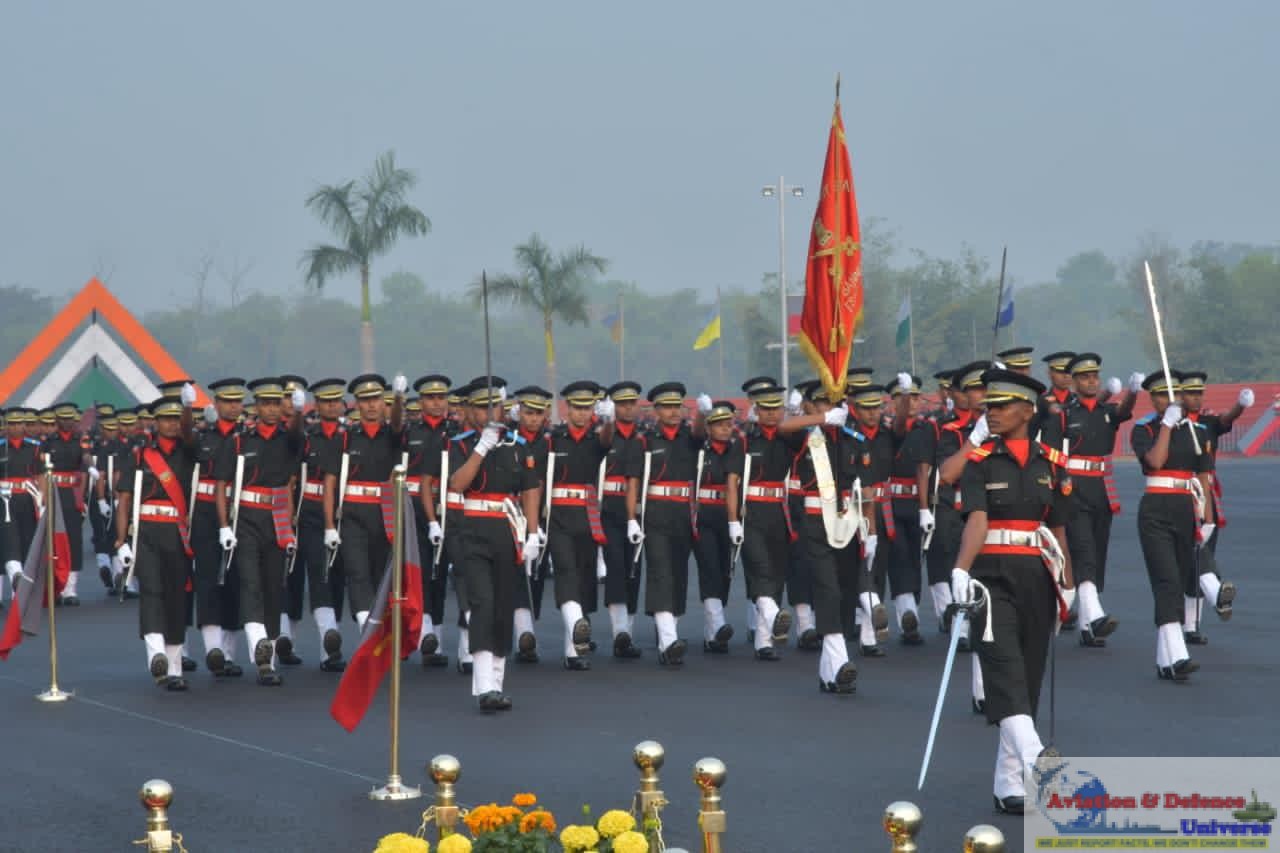
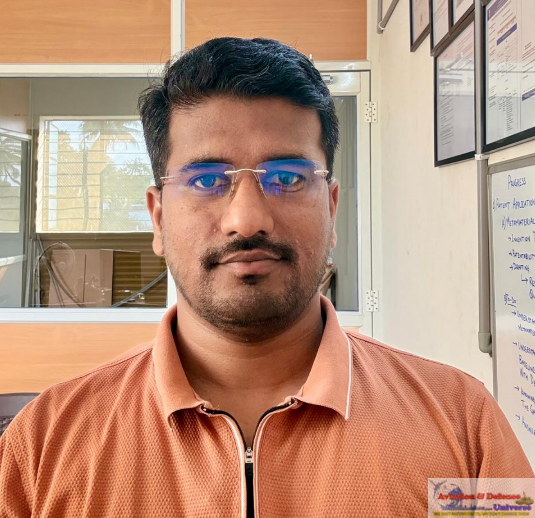
 January 23, 2026: This Republic Day, as the nation celebrates service and duty, Havildar Sukhwinder Singh has redefined what it means to protect his fellow citizens. A career soldier dedicated to national security, Singh recently completed a different kind of mission: donating his blood stem cells to save a patient battling a life-threatening blood disorder.
Today, DKMS Foundation, India highlights Sukhwinder’s journey to showcase how the spirit of service can provide a “second chance at life” through the simple act of registering as a donor.
In 2019, Havildar Sukhwinder Singh registered as a potential donor during a patient appeal drive for a young leukemia patient. While he was not a match for that specific case, he remained committed to the registry for over half a decade.
In December 2025, the call finally came. Singh was identified as a perfect match for a different patient in urgent need of a transplant. Without hesitation, he stepped forward to fulfil the promise he made six years ago.
While Havildar Sukhwinder Singh’s donation is a story of hope, it highlights a staggering healthcare crisis in India. For many Indian patients battling blood cancer or blood disorders like thalassemia, a stem cell transplant is the only hope for survival, yet finding a matched donor remains a desperate race against time. The scale of the crisis is staggering: a new blood cancer diagnosis occurs every five minutes in India, and over 10,000 children are born with Thalassemia Major annually. Despite this, a critical ‘genetic bottleneck’ exists because only 0.09% of the eligible Indian population is registered as donors. Since HLA (tissue) types are ethnically specific, this severe shortage means most Indian patients cannot find a life-saving match, turning a treatable condition into a life-threatening struggle.
“Registering as a blood stem cell donor is a commitment that can span years,” says Patrick Paul, Executive Chairman at DKMS in India. “Sukhwinder’s journey is truly exceptional. His patience and willingness to act the moment he was called to donate stem cells remind us that one decision made years ago can be the reason someone else has a future. He is a hero both in uniform and in the registry.”
DKMS Foundation, India, continues its mission to raise awareness about blood stem cell donation and encourage more people to register, ensuring that patients in need can find their life-saving match.
Who can register?
Anyone between the ages of 18-55 in general good health, with a BMI under 40, and not already registered, can sign up as a potential donor.
To register as a potential stem cell donor, you must be a healthy Indian adult between 18 and 55. When you are ready to register, all you need to do is complete a consent form and swab the inside of your cheeks to collect your tissue cells. If you’re eligible, register as a blood stem cell donor by ordering your home swab kit at www.dkms-india.org/register