















- Aims at Growth, Grit and Going Global
- From Excel Sheets to Sky-High Dreams — The Discipline Behind Akasa Air’s Rise
- Built on Reliability, Dignity and Discipline
- Reveals the Philosophy , Precision and Promise Behind India’s Youngest Airline
By Sangeeta Saxena
New Delhi. 30 October 2025. In one of the most anticipated sessions at Aviation India & South Asia 2025, Programme Director Mark Pilling’s fireside chat with Akasa Air CEO Vinay Dube offered a rare, candid glimpse into the philosophy driving India’s youngest full-service carrier. Blending humour, humility, and hard-nosed business discipline, Dube shared how Akasa Air—founded amid the turbulence of COVID-19—has defied conventional wisdom to become a model of operational reliability, financial prudence, and people-centric leadership. From its disciplined capital strategy to its reputation for on-time performance and employee dignity, Akasa’s rise, Dube explained, was neither accidental nor opportunistic—it was meticulously planned “tab by tab, on an Excel sheet,” grounded in conviction that Indian aviation was ready for its next phase of maturity.
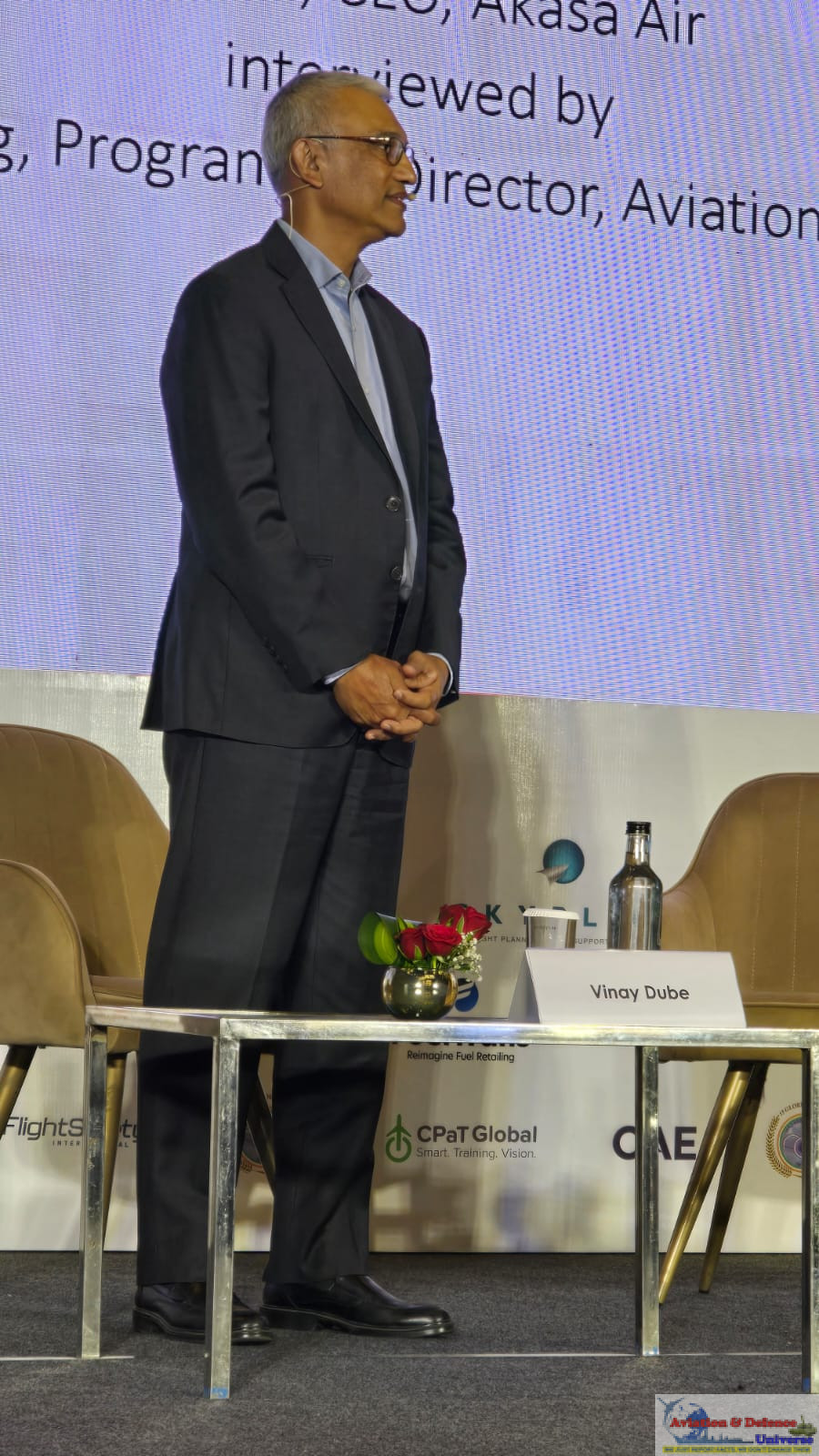 Among the giants of Indian aviation, Akasa Air stands out not for its age but for its audacity. Often called the “baby airline,” it never behaved like one. From the moment it took flight, Akasa skipped the cautious crawl and instead leapt into the skies with confidence and clarity of purpose. Founded in the aftermath of a global pandemic — when others were retreating — Akasa chose to expand, disrupt, and redefine what a modern Indian airline could be. With a sharp focus on reliability, employee dignity, and financial discipline, it built an airline of scale and substance from day one. Backed by visionary leadership under Vinay Dube, Akasa didn’t ask for space in the industry; it created its own — proving that even the youngest player in the room could fly shoulder to shoulder with the giants.
“Reliability should be taken for granted. Our on-time performance, lowest cancellation rates, and the best baggage delivery record are not marketing points—they’re promises kept to our customers, ” asserted Vinay Dube. “Fly Akasa because of our service organisation—the kindness of our crew, the comfort of our new aircraft, the freshness of our air, and the quietness of our cabins. We’re an airline built around empathy, ” he averred.
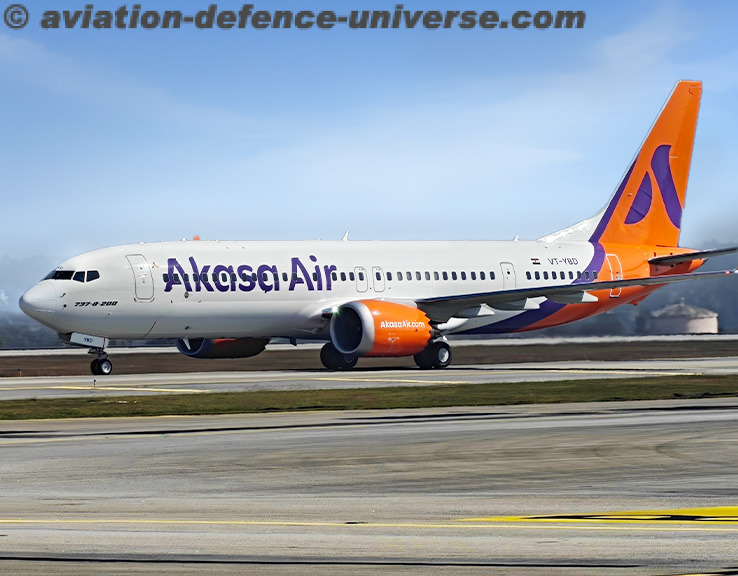 At Akasa Air, customer satisfaction and employee contentment are not parallel priorities — they are interconnected forces that drive the airline’s culture and success. The airline believes that happy employees create happy customers, and this philosophy reflects in every touchpoint of the Akasa experience. With a reputation for kindness and empathy in the cabin, reliable operations, and service that feels personal rather than procedural, Akasa has built its brand on warmth and consistency. Internally, the airline fosters a workplace where dignity, respect, and growth are non-negotiable, giving employees not just jobs but careers they can be proud of. This people-first philosophy ensures that every passenger interaction is powered by genuine care, and every employee feels invested in the airline’s mission. For Akasa, contented employees aren’t just part of the business — they are the business, and customer loyalty is simply the natural outcome of a workforce that feels valued, respected, and inspired.
“From an employee’s perspective, Akasa is about dignity and growth. We take pride in treating our people with respect and ensuring they progress in their careers. This airline exists because of them—not because of me. India is not a graveyard for airlines. The time for Indian aviation has arrived, just as the U.S. and European markets matured. The opportunity for long-term, sustainable profitability is real. When we founded Akasa in 2020, we recognised that there had never been a better time in history to start an airline. Aircraft availability, demand recovery, and structural change converged to create the perfect moment. Nothing at Akasa is done on the back of a cigarette packet—it starts with an Excel sheet with 50 tabs of detailed planning. Discipline is our DNA, ” Dube
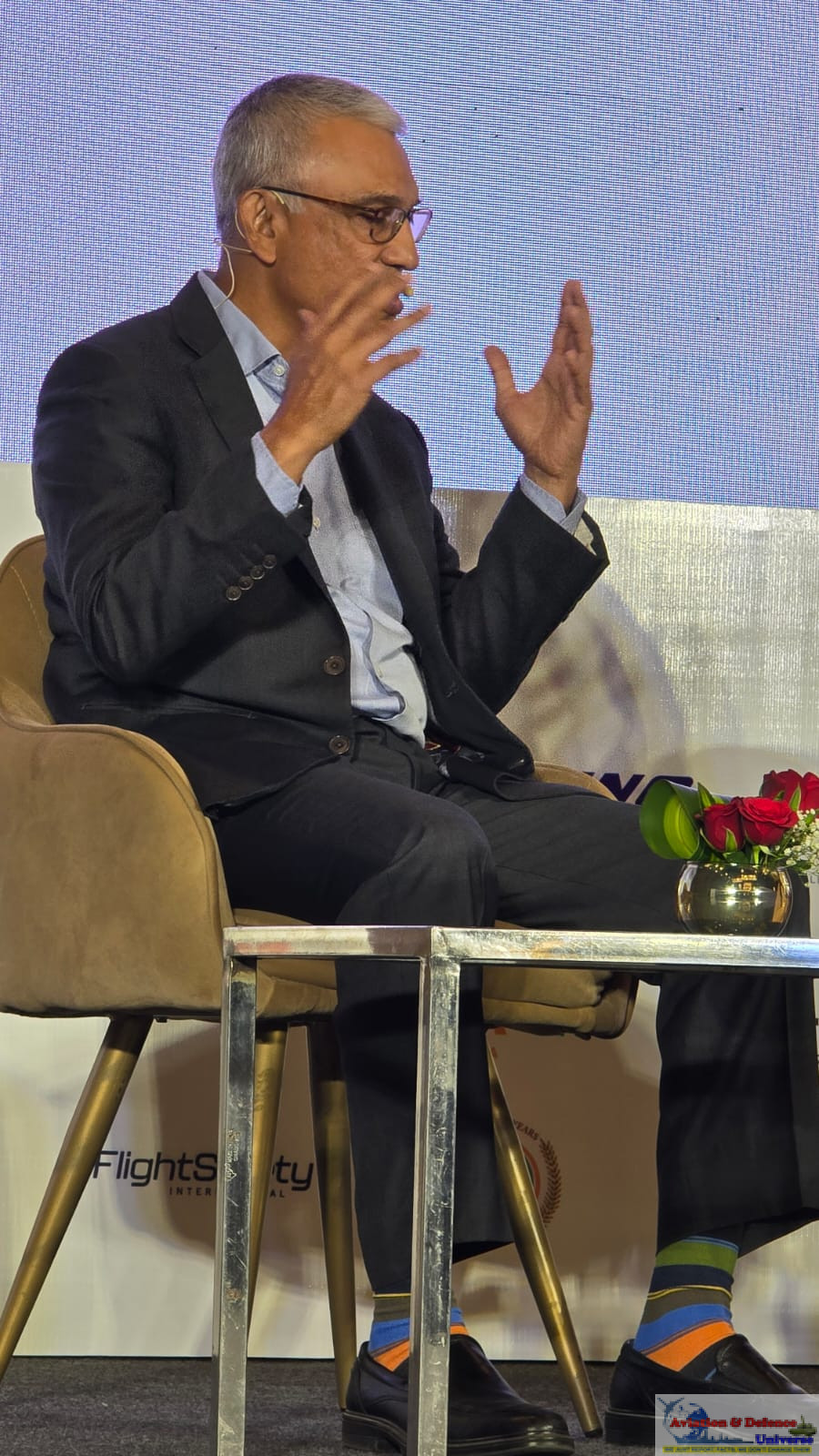 For Akasa Air, financial foresight is not just strategy — it is survival philosophy. From its inception, the airline has believed that strong, timely funding is the runway on which long-term sustainability takes off. Guided by CEO Vinay Dube’s conviction that “under-capitalisation kills airlines,” Akasa has built its foundation on prudent financial planning, disciplined cash management, and investor confidence. The airline’s approach is simple yet powerful — secure capital before it’s needed, so growth never stalls at turbulence points. This belief in staying well-capitalised has allowed Akasa to expand steadily, weather industry volatility, and retain full control of its strategic direction. In a sector where many have crashed into financial roadblocks, Akasa Air continues to soar — powered by fiscal responsibility, investor trust, and a vision built to last. “Our philosophy is simple: raise money before you need it. When you actually need it, no one gives it to you. We had more cash in the bank in August 2025 than our original investment—meaning we didn’t burn a single rupee of investor money. That’s proof of disciplined financial management. Our IPO timeline is within two to five years. The goal is not just profitability, but credibility—a financial story investors can believe in, ” he exhorted.
“We are ambitious, but not reckless. Even with aircraft delivery delays, we won’t compromise our long-term contracts or chase short-term capacity. Strategy comes before speed. We are incredibly proud that Akasa launched international flights within just 20 months—something no other Indian carrier has done before. Today, over 20% of our capacity is international, and we aim for 30% next year. When we had 400 excess pilots on the bench, we continued paying them because they joined Akasa when it was only a vision. That loyalty deserved respect. Today, all those pilots are flying.”
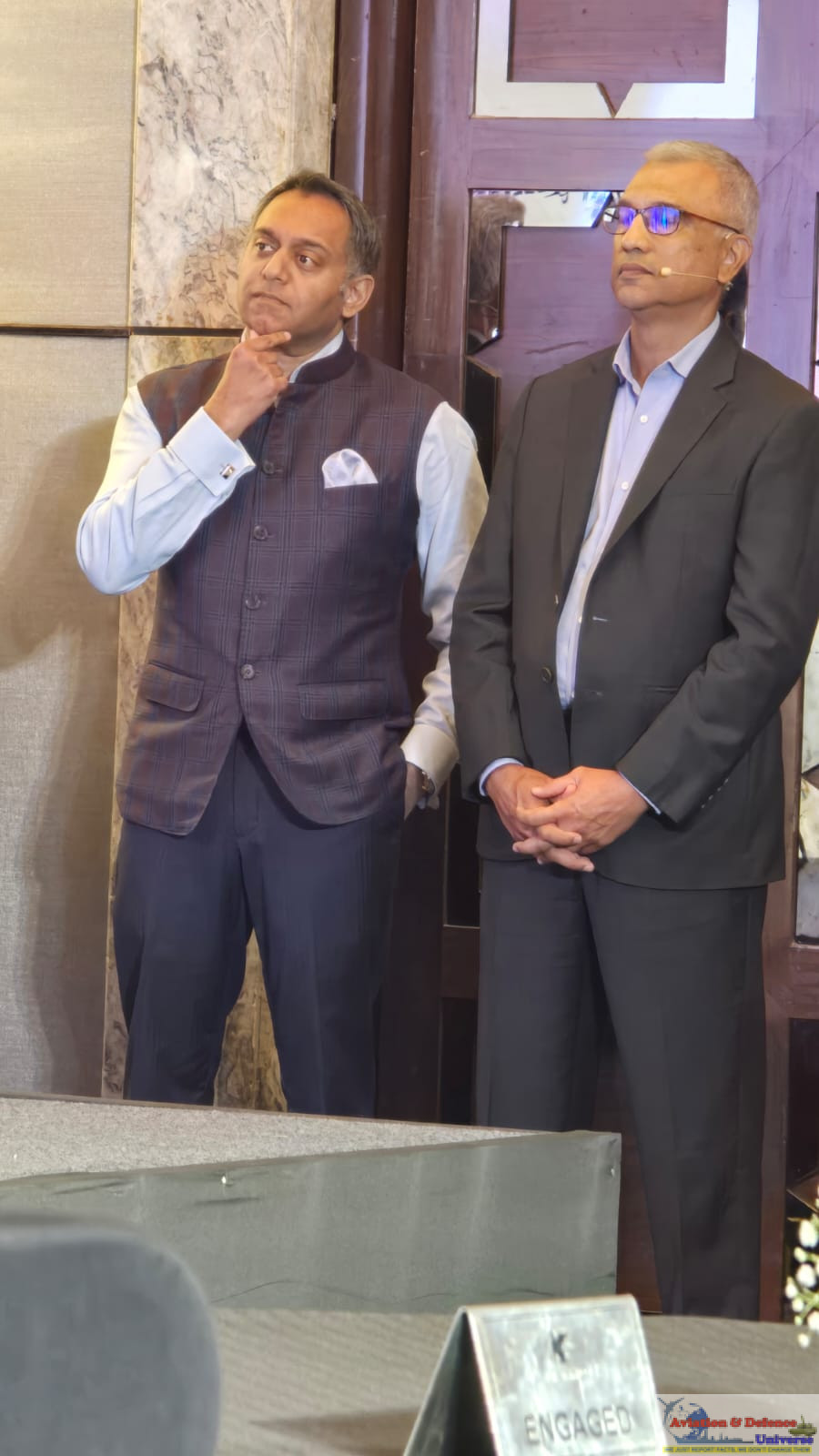
When the airline was faced with a situation where they had about 400 excess pilots who were benched, and yet Akasa continued to pay them the salary of 40 hours, how difficult was it to explain that to the Azeem Premji group or the Manipal group who were investing in their airline, Vinay got questioned. “It was easy. And the decision was not difficult because we had the confidence to vote and Salil is here. We knew it was a matter of time. We had the respect for our employees who had chosen to join Akasa when we were still a piece of paper and we had to repay that confidence that they had shown. So the combination of the fact that we knew we were going to get aircraft and we had to reciprocate that, it was an easy decision and it was very easy to explain. And today, while I have the floor on that question, as the Boeing rate goes up, and these pilots that we’re talking about, all of them by the end of the next 30, 60 days, all of them would be accruing flying hours, so our trading pipeline is clear, that we will very soon launch and get back into rehiring pilots with the intention of rehiring and starting to increase our numbers in the second half of 2026. So how difficult that was? It was very easy, and it was very easy because we’re in the point where we’re now looking at rehiring in the second half, or not rehiring, but restarting our hiring programme in the second half of 2026,” Dube responded.
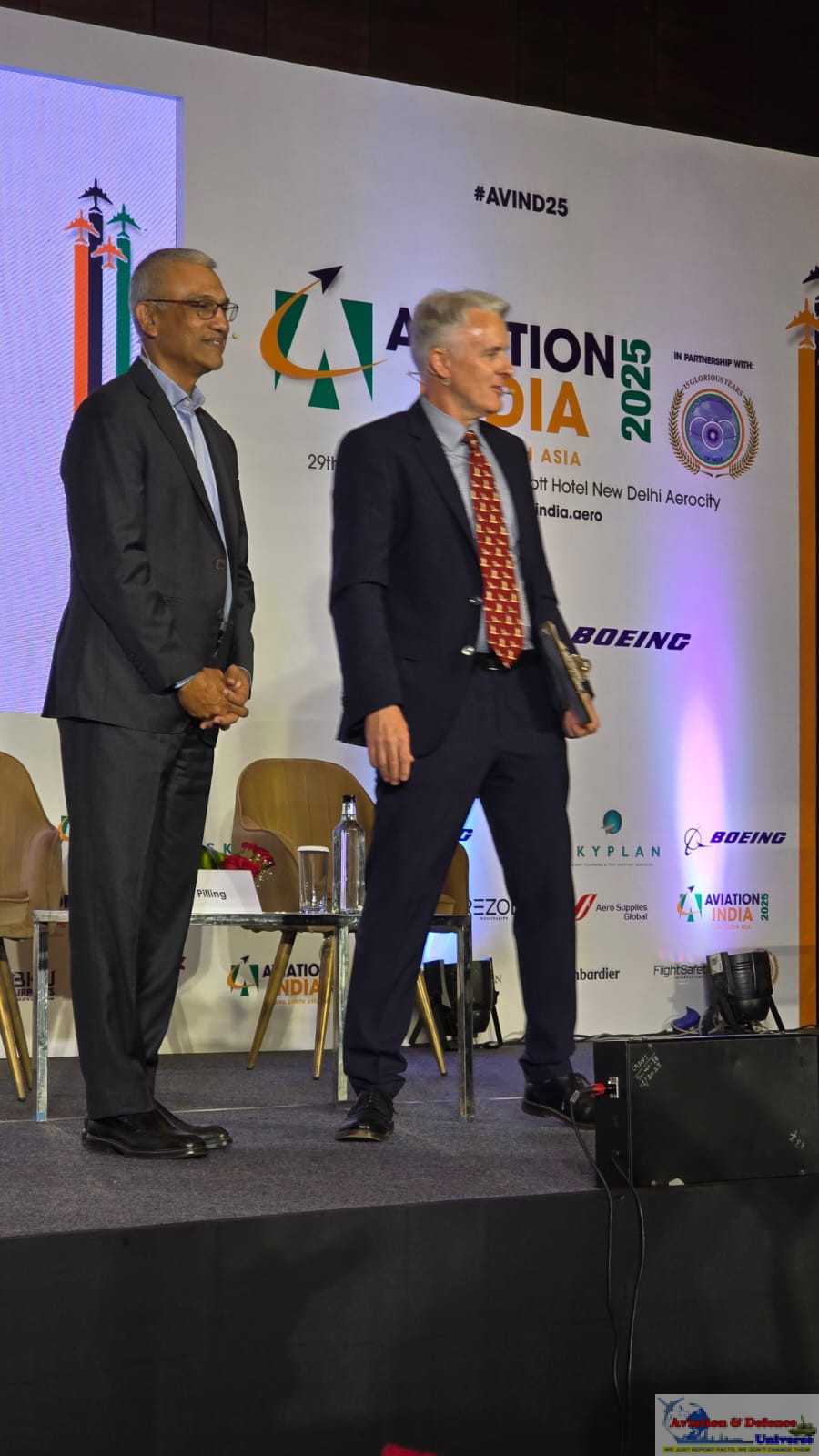
The fireside chat revealed a leader grounded in realism yet fuelled by ambition. Vinay Dube’s vision for Akasa Air is neither flamboyant nor formulaic—it is structured, data-backed, and deeply human. By combining financial prudence, operational precision, and cultural empathy, Akasa Air is steadily positioning itself as the airline of the future—one that can scale sustainably in a complex Indian market. As Dube put it, the foundation of Akasa is not built on grand slogans but on quiet discipline, mutual respect, and relentless execution. In Dube’s words and actions alike, one message stood out clearly: Akasa Air isn’t just built to fly—it’s built to last.