













- India’s Pilot Pipeline Challenge: Aviation India 2025 Panel Calls for Collaboration, Capacity & Competency
- Building India’s Next-Gen Pilot & Engineering Training Ecosystem: Experts at Aviation India 2025 Speak Out
- Infrastructure, Instructors, Innovation: Aviation Leaders Chart India’s Training Roadmap
- From FTOs to MPL: Aviation India 2025 Panel Examines India’s Deepening Training Imperatives
By Sangeeta Saxena
New Delhi. 05 November 2025. Training forms the backbone of aviation safety, operational excellence, and industry credibility. As India emerges as one of the fastest-growing aviation markets, the quality of its pilot training ecosystem becomes directly linked to the nation’s ability to sustain fleet expansion and rising passenger numbers. World-class pilot training ensures that every cockpit is manned by individuals equipped with superior technical skills, sound judgement, situational awareness, and the ability to handle emergencies with precision. In an increasingly complex airspace dominated by new technologies, congested routes, and evolving regulatory frameworks, robust pilot training is not just desirable—it is indispensable for safeguarding lives, protecting airline assets, and upholding global aviation standards. In addition to pilots training of every personnel in whichever capacity is a necessity in the hi-tech field and hi-safety arena of aviation.
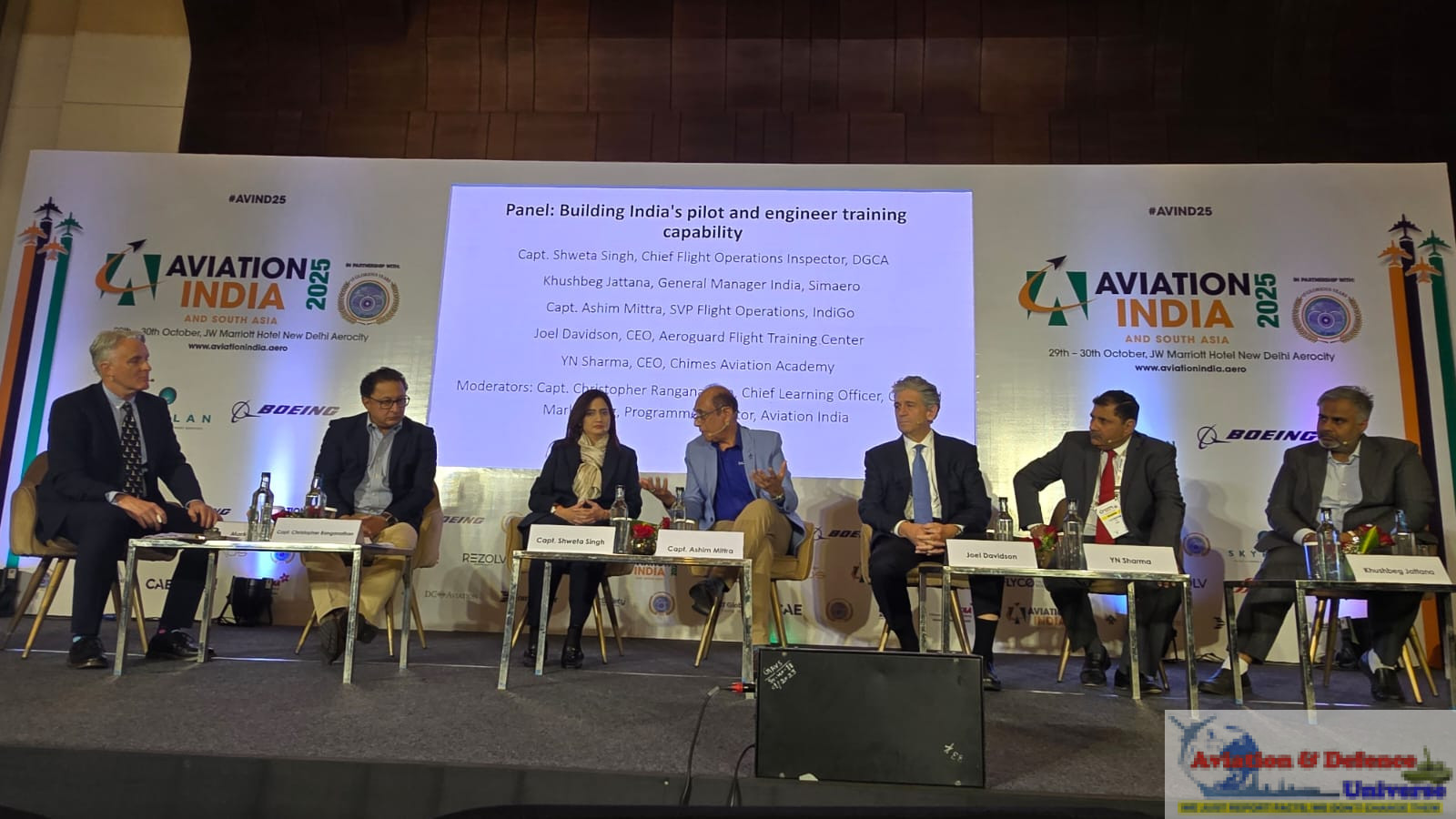
 At Aviation India 2025, the Panel on “Building Pilot and Engineering Training Facilities in India Today” brought together an exceptionally diverse group of leaders—regulators, airlines, pilot academies, simulation companies and global training providers—reflecting the urgency of India’s aviation training challenge. Moderated by Capt. Christopher Ranganathan, Chief Learning Officer, CAE and Mark Pilling, Programme Director, the discussion featured Capt. Shweta Singh (DGCA), Khushbeg Jattana (GM India, Simaero), Capt. Asim Mitra (SVP Flight Operations, IndiGo), Joel Davidson (CEO, Aeroguard Flight Training Centre) and Y.N. Sharma (CEO, Chimes Aviation Academy). What unfolded was a powerful, candid conversation anchored in one theme: India’s aviation boom can only be sustained if training infrastructure, regulations, instructor quality and collaborative innovation evolve at the same pace.
India’s rapid fleet growth has dramatically increased pressure on its pilot training ecosystem. As Joel Davidson emphasised, “Like I said, we’ve only got nine partners at the moment. In the future, the focus is going to shift more to ATOs… We’re going to have to work together as an industry to go across airlines, across FTOs, ATOs, to figure out exactly how to put together all the resources that are required.”
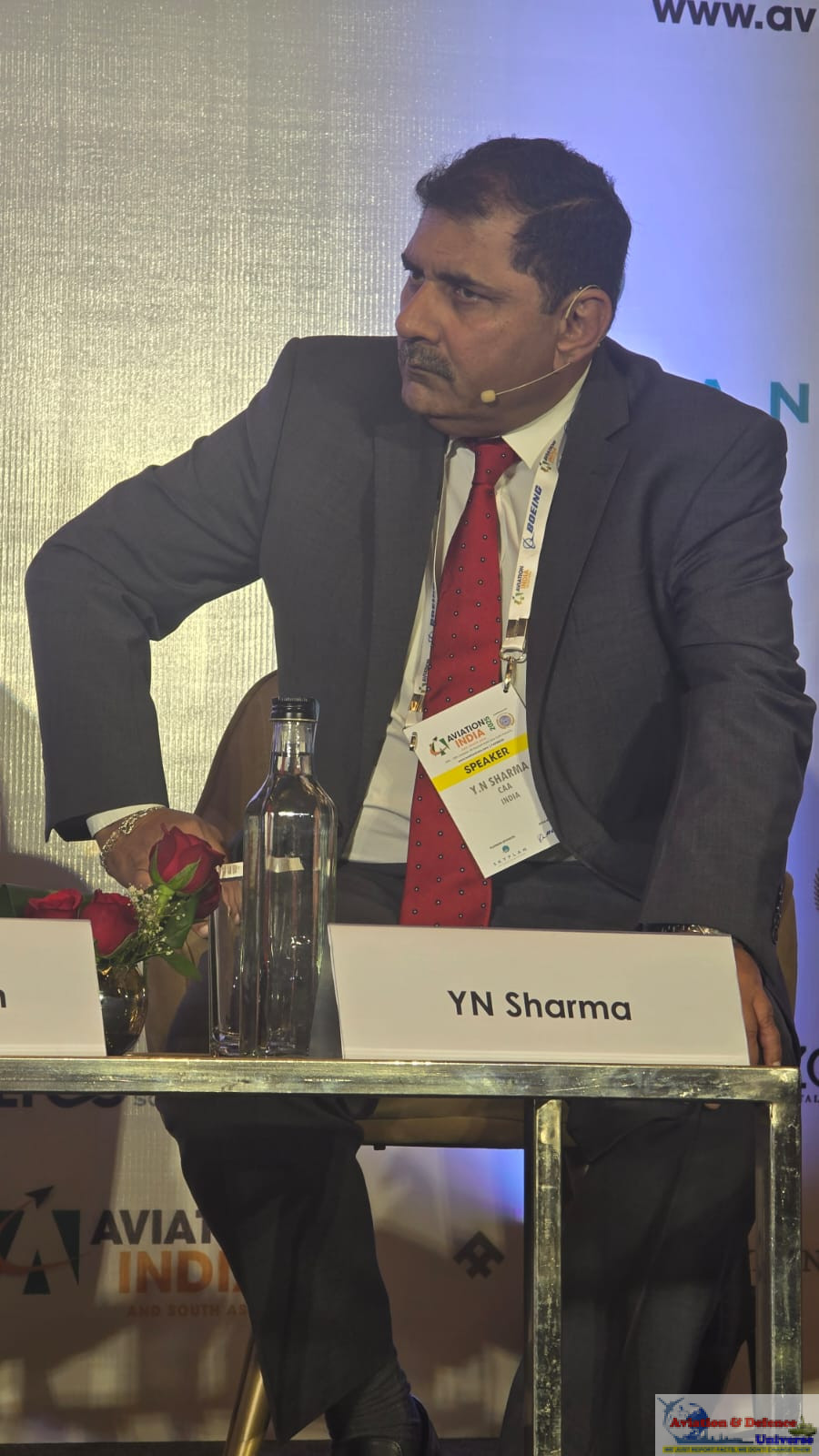 Y.N. Sharma, whose Chimes Aviation Academy remains one of India’s most respected FTOs, highlighted the dramatic expansion underway, “Three years back, we were about 100-odd training aircraft. Today the headcount of training aircraft alone is roughly about 325 and it’s growing. Another 75 aircraft are expected soon but numbers alone cannot solve India’s pilot shortage. Quality must rise with quantity.”
Aviation training can only be as strong as the curriculum that guides it. For India to produce pilots, engineers, and aviation professionals who can compete globally, the course structure must be modern, competency-based, and in step with international best practices. This means embedding CBTA principles, integrating advanced simulation, adopting data-driven training methodologies, and ensuring the syllabus evolves with technological shifts such as fly-by-wire systems, AI-enabled decision support, and automation. A world-class curriculum must also emphasise crew resource management, soft skills, threat and error management, and human factors—enabling graduates to operate confidently in both domestic and international environments. Continuous review, regulatory alignment, and industry feedback loops are essential to keep the curriculum relevant and future-ready.
He emphasised the real goal, “If you do not keep up with the times, if you do not evolve, then you get left behind. We should be able to not just meet the demands of the Indian industry but Southeast Asia.” Collaboration, the panel agreed, will be key. Davidson noted, ” it’s this collaboration and cooperation across the industry and the transfer and sharing of knowledge that’s going to help meet the demand that’s required.”
 ATC personnel are the silent sentinels of aviation safety, managing thousands of aircraft movements daily with precision and calm. ATC training must therefore be rigorous, simulation-intensive, and built around real-world complexity—ranging from congested airspace management to emergency handling and dynamic weather operations. With India witnessing unprecedented air-traffic growth, ATCs must be trained in advanced surveillance systems, next-gen navigation technologies, digital towers, and collaborative decision-making tools. Their training should focus not just on procedural accuracy but also on cognitive skills: multitasking, rapid decision-making, communication clarity, and situational awareness. Strengthening ATC training capacity is critical to reducing controller fatigue, preventing delays, and ensuring overall airspace efficiency and safety.
With India adding hundreds of aircraft in the coming decade, the greatest bottleneck may not be FTOs—it may be the lack of simulators, instructors and technical manpower. Simaero’s Khushbeg Jattana explained the pressure on type-rating capacity, “There is a deficit… more and more aircrafts are coming in… we need more devices to be installed. And India is capable of that.” He urged India to consider domestic manufacturing of simulators, “Somebody somewhere needs to get pushed to do a manufacturing. China never had a single manufacturer five years back—now they have four. India can also do the same.”
But simulators alone won’t fix the problem. CAE’s Capt. Ranganathan made a critical point, “Placing a simulator is one thing. Being able to maintain that simulator, keep it up to date… is proving to be quite a challenge… the sim technicians— increasingly they’re going to be coming from Australia. We need apprenticeship programmes.” He also stressed exploring lower-level and VR-enabled devices, cautioning, “Don’t believe all the AR and VR hype. We’re not there yet… but we will be.” Manufacturing, maintenance, manpower and regulatory flexibility, he suggested, must grow together.
 Ground staff form the operational backbone of an airline—they are the first point of passenger contact and the last line of safety before a flight departs. High-quality ground staff training must cover customer service excellence, check-in operations, baggage handling, aircraft turnaround procedures, ramp safety, security protocols, and crisis response. As India’s airports expand and airlines grow their fleets, the need for well-trained ground personnel becomes even more vital to maintain efficiency, minimise delays, and safeguard assets. Training must also emphasise conflict management, digital tools, multilingual communication, and adherence to global operational standards. Investing in world-class ground staff training not only enhances passenger experience but also directly boosts an airline’s operational reliability.
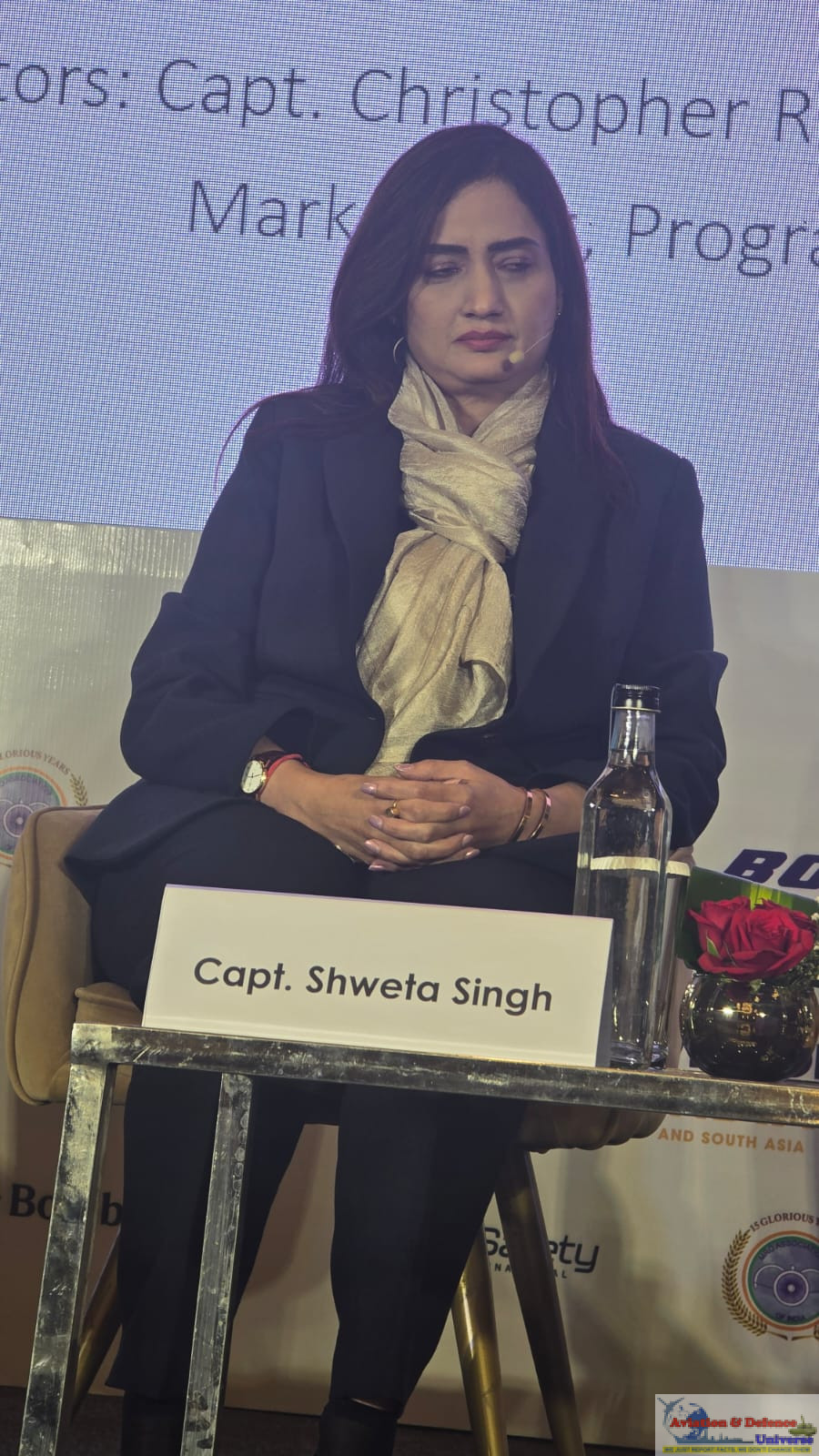
A major highlight of the panel was the deep dive into India’s evolving regulatory philosophy—especially the shift toward Competency-Based Training & Assessment (CBTA) and the upcoming Multi-Crew Pilot Licence (MPL) framework. DGCA’s Capt. Shweta Singh reflected on the regulator’s dual role, “We foresight FTOs twice a year and we hand-hold newcomers in the certification process so the time taken reduces.” On MPL regulations, she added, “We had a high level of work to do… we do have a timeline which is like six months or something… we will continue to work on it.” The MPL debate triggered strong and thoughtful responses. IndiGo’s Capt. Asim Mitra voiced crucial safety concerns, “Safety is number one. 500 hours of experience on a conventional jet before sitting on the right seat can never be compensated… The only way is having a robust MPL programme.” He added a cultural insight into the pilot workforce challenge. “Every boy wanted to be a pilot earlier… today there are so many other opportunities. We’re now going to schools—we want to catch them in 10th, 11th, 12th and show them a dream.”
Cabin crew training is far more than hospitality instruction—it is about grooming safety professionals who can protect passengers under all circumstances. World-class cabin crew training must embed emergency procedures, first aid and CPR, evacuation drills, fire-fighting, crowd management, security awareness, and aircraft-specific safety protocols. As airlines introduce new aircraft and diversify routes, cabin crew must also be trained in cultural sensitivity, service excellence, unruly passenger management, and digital tools used onboard. With a growing share of India’s passengers being first-time flyers, cabin crew training plays a crucial role in shaping passenger comfort and confidence. The strength of a cabin crew training programme often defines an airline’s brand reputation and its commitment to safety and care.
 Davidson added bluntly, “Today, flight instructors are typically pilots who were not able to get hired. Iis that what we want? We need to find a way to keep instructors long enough so they can train the students.” This, he argued, requires industry commitments, regulatory reform, and alignment between FTOs and airlines. A poignant philosophical moment came when the panel discussed transformation and opportunity. Capt. Ranganathan observed, “India has no baggage. Just as with the mobile phone revolution—we didn’t have landlines to worry about—India can leapfrog in competency-based aviation regulation.”
High-quality training equipment and state-of-the-art facilities at Flight Training Organisations (FTOs) are fundamental to producing competent and confident aviators. Modern training demands far more than basic aircraft and classrooms—it requires advanced simulators, well-maintained fleets, digital learning tools, weather monitoring systems, and safety infrastructure that mirror real-world flying conditions. The reliability and serviceability of trainer aircraft, the accuracy of simulation devices, and the availability of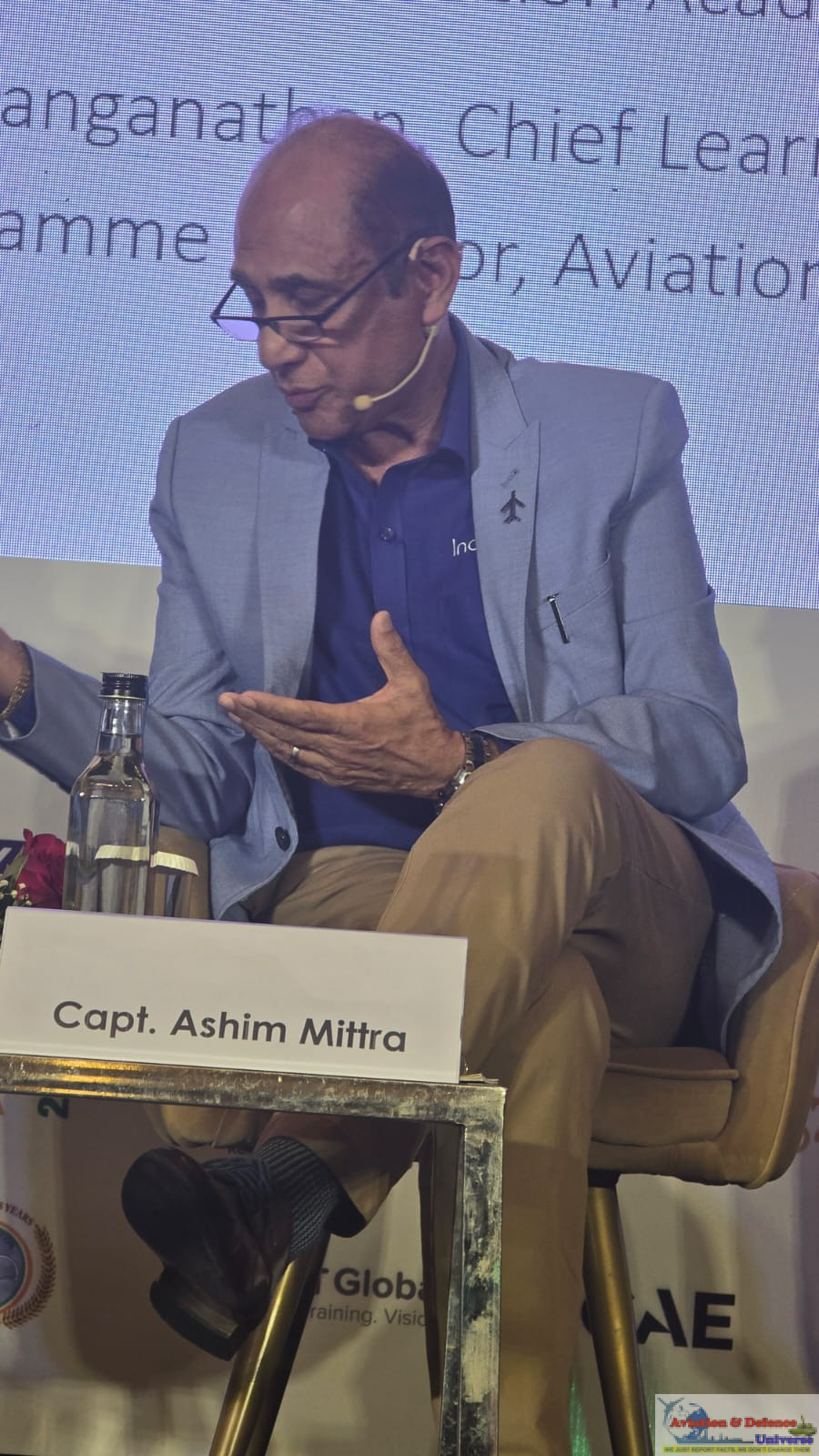 updated avionics directly influence the skill levels pilots acquire. Equally important are spacious briefing rooms, controlled airspace access, well-trained instructors, and robust maintenance setups that ensure uninterrupted training cycles. As India scales up its aviation sector, upgrading FTO facilities to global standards is essential to reduce skill gaps, enhance safety, and prepare pilots for modern cockpit environments across both domestic and international carriers.
The Directorate General of Civil Aviation (DGCA) plays a pivotal role in ensuring that India’s Flight Training Organisations (FTOs) adhere to the highest standards of safety, quality, and regulatory compliance. DGCA rulings govern every aspect of FTO functioning—from infrastructure requirements and trainer aircraft standards to instructor qualifications, maintenance protocols, and curriculum design. Recent directives emphasise competency-based training, stricter oversight, improved reporting systems, and enhanced safety management frameworks. The regulator also conducts periodic audits, surprise inspections, and performance assessments 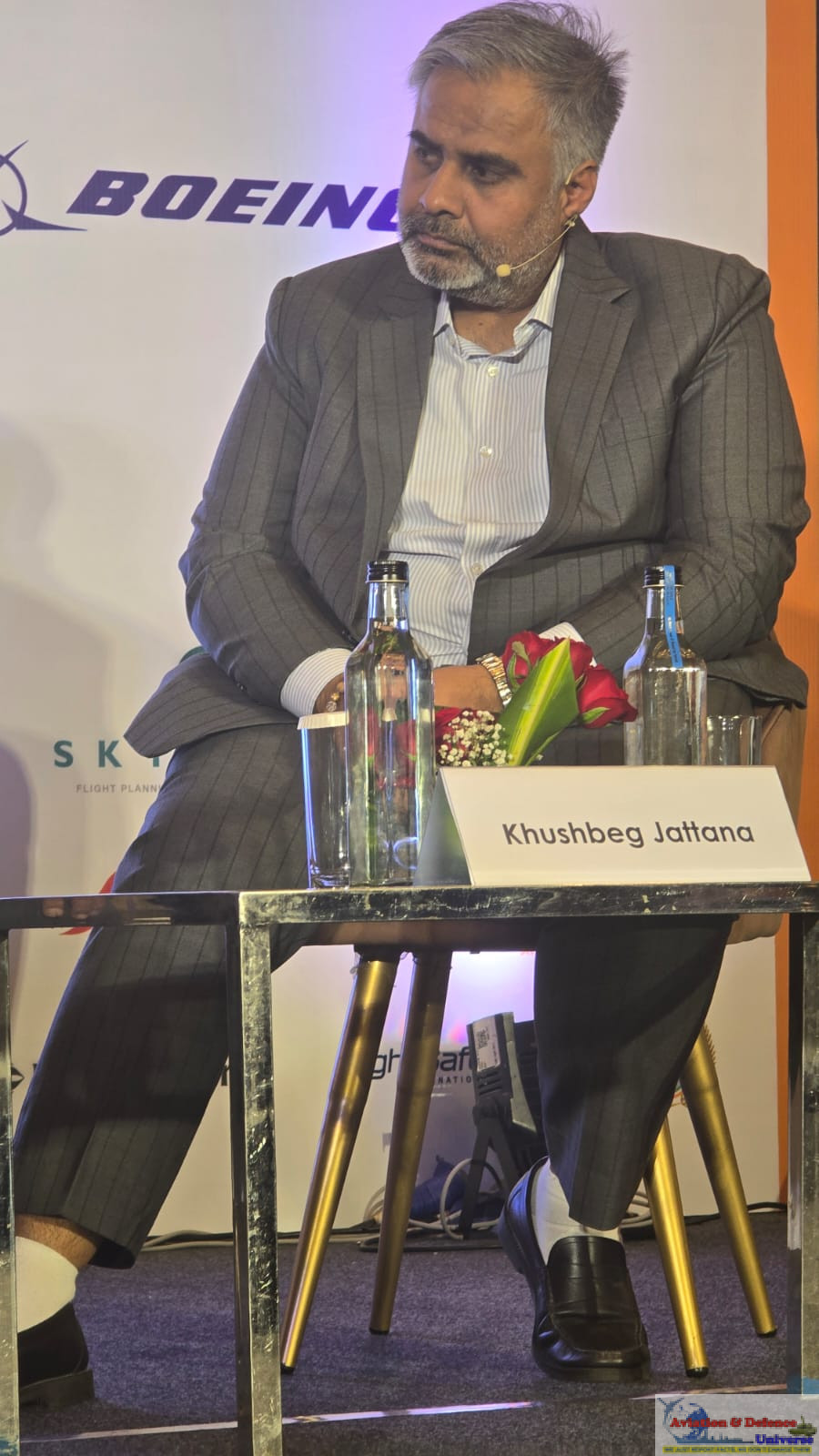 to ensure consistency across FTOs nationwide. By tightening approval norms for new FTOs, streamlining the certification process, and categorising schools based on performance metrics, DGCA aims to create a transparent, accountable ecosystem that supports India’s growing demand for high-quality pilot training while safeguarding operational safety at every step.
Panel 3 at Aviation India 2025 captured the most honest and comprehensive conversation India has had on pilot and engineering training in years. The leaders across DGCA, flight schools, global academies, simulation companies and airlines agreed on one central truth – India’s aviation growth will stall unless training ecosystems expand in quality, capacity and innovation simultaneously. From restructuring regulations and redesigning CBTA systems, to manufacturing simulators in India, to building instructor pipelines and fostering global knowledge transfer—every solution requires collaboration, investment and mindset change. As the session closed, the message was clear – India is no longer merely responding to aviation growth—it is preparing to shape it. The opportunity is enormous, and industry leaders are ready to seize it together.