


















- India’s Submarine Day : Pride & Progress from Kalvari to Arihant
- War-Winning Indian Submarine Force : Beneath the Waves they Guard the Nation
By Sangeeta Saxena
New Delhi. 08 December 2025. As the nation celebrates Indian Navy Submarine Day, the spotlight turns to the silent sentinels who guard India’s maritime frontiers from the depths of the ocean. The occasion honours the commissioning of India’s first submarine, INS Kalvari, in 1967 and marks the beginning of a remarkable undersea journey that has transformed the country from a submarine-operating nation into a submarine-building power. From early diesel-electric boats to the induction of ballistic-missile submarines forming the sea-based nuclear deterrent, India’s submarine arm has grown in capability, sophistication, and strategic importance. This evolution reflects the dedication of generations of submariners and the rise of indigenous industrial partners like L&T and MDL, who have contributed to the construction of India’s nuclear-powered submarines and modern conventional fleets. Submarine Day thus serves not only as a celebration of professional excellence and courage but as a tribute to India’s expanding maritime power below the surface.
 Each year, Indian Navy Submarine Day is observed with pride, reverence, and gratitude for the silent warriors who defend the nation from beneath the waves. The day commemorates the induction of India’s first submarine, INS Kalvari, on December 8, 1967—a milestone that marked India’s entry into the exclusive club of submarine-operating nations. More than a ceremonial occasion, Submarine Day is a reminder of the extraordinary blend of technology, endurance, teamwork, and bravery that defines undersea warfare. It also serves as a moment to reflect on how far India has travelled—from acquiring its first submarine from abroad to designing, building, and operating nuclear-powered submarines that now anchor the nation’s strategic deterrent.
The arrival of INS Kalvari, a Soviet-origin Foxtrot-class boat, introduced India to the unforgiving art of underwater operations. These early submarines laid the foundation for what would become a highly skilled and professional arm of the Indian Navy. Over the decades, the fleet expanded with Vela-, Sindhughosh-, and Shishumar-class submarines, each bringing new capabilities in endurance, stealth, and firepower. These platforms gave India critical experience in anti-surface and anti-submarine warfare, mine-laying, intelligence gathering, and extended patrol operations.
The early years were not just about acquiring vessels but building a cadre of submariners—men trained to operate in claustrophobic, high-stress environments where precision and teamwork are non-negotiable. Their professionalism earned India a reputation for meticulousness and operational excellence at sea.
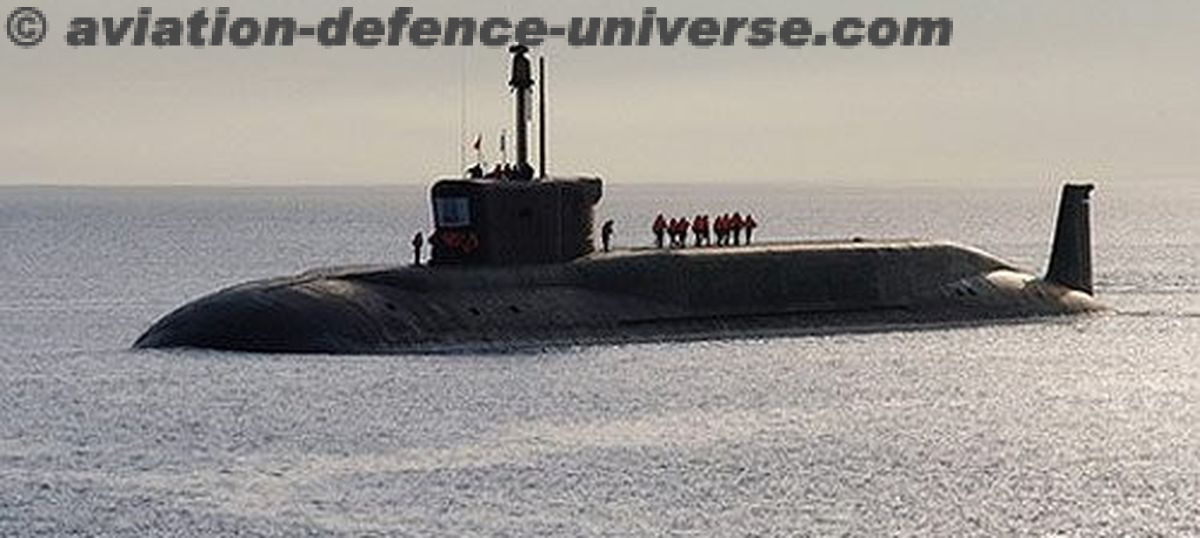
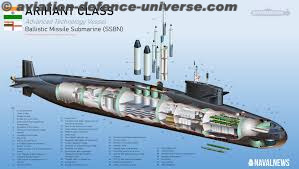
India’s undersea journey took a transformative leap with the launch of INS Arihant, the nation’s first indigenously built nuclear-powered ballistic missile submarine (SSBN). With its commissioning, India operationalized the sea-based leg of its nuclear triad, joining an elite circle of countries capable of maintaining secure second-strike capability.
INS Arihant and subsequent SSBNs represent more than technological achievements—they symbolize strategic reassurance. By remaining hidden in the vast expanse of the Indian Ocean, these submarines strengthen deterrence and ensure that India’s nuclear doctrine of Credible Minimum Deterrence remains robust.
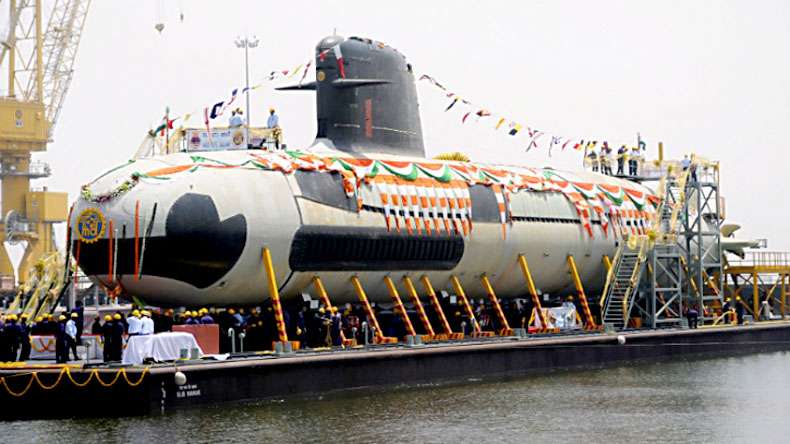
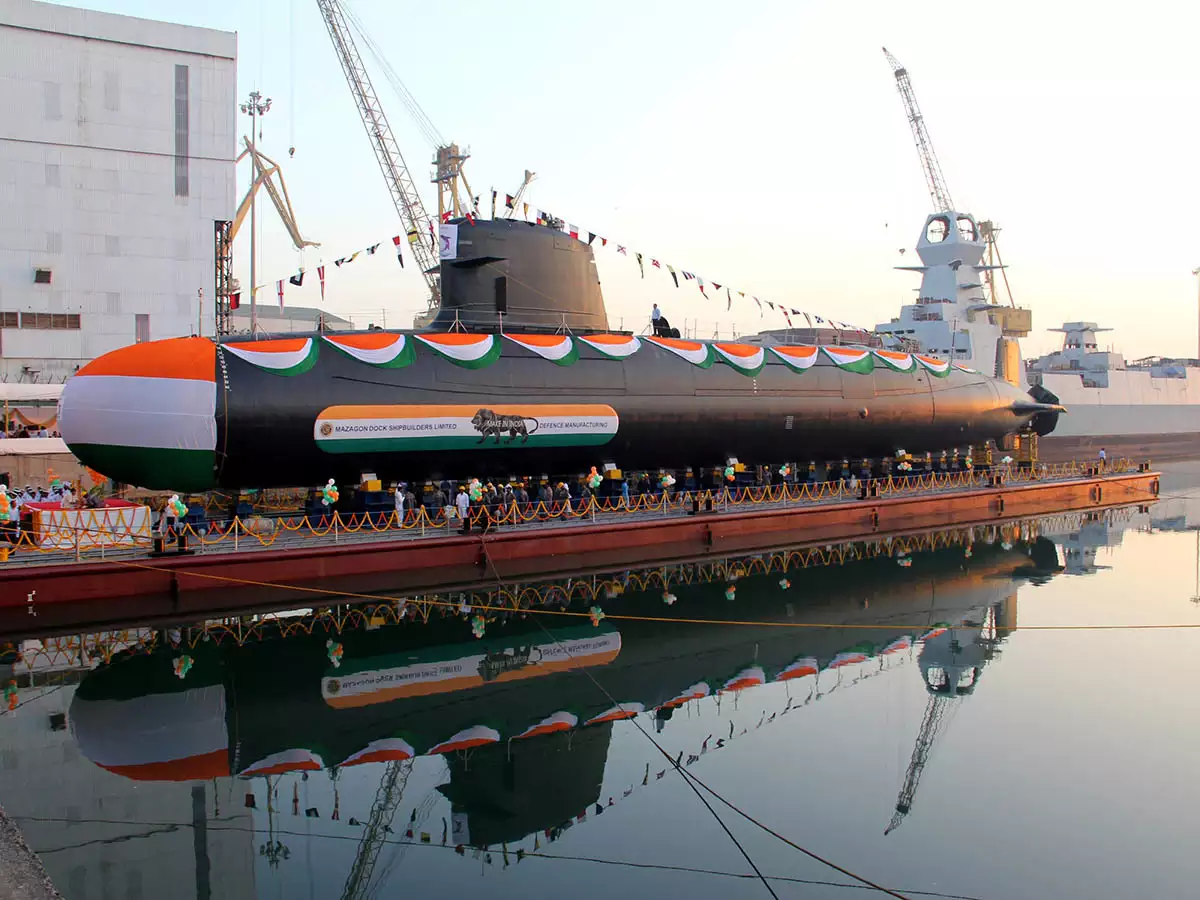 India’s submarine evolution owes much to its growing defence-industrial ecosystem. Mazagon Dock Shipbuilders Limited (MDL) successfully constructed the Scorpene-class (Kalvari-class) under Project 75, delivering sophisticated, modern diesel-electric attack submarines equipped with advanced sensors, torpedoes, and stealth features.
A major contributor to India’s nuclear submarine fleet is Larsen & Toubro (L&T). The company played an indispensable role in designing and producing major hull sections, pressure-resistant structures, and complex engineering systems for the Arihant-class submarines Arihant and Arighat. With capabilities unmatched by most private-sector entities globally, L&T has become a cornerstone of India’s quest for technological independence in the undersea domain. Larsen & Toubro (L&T) has played a highly specialised role in India’s indigenous nuclear-powered submarine programme, contributing major hull sections, engineering systems, and critical technologies that enabled the construction of the Arihant-class SSBNs under the Advanced Technology Vessel (ATV) project.
As one of the few private-sector companies globally with the capability to fabricate submarine-grade high-yield steel structures, L&T designed and manufactured key pressure hull components at its Hazira facility, and later supported complex integration work at the Ship Building Centre in Visakhapatnam. Its contributions extend to advanced piping systems, propulsion-related engineering, and precision fabrication, all crucial for nuclear submarine survivability and stealth. L&T’s involvement has been a cornerstone in India’s journey toward self-reliance in undersea nuclear deterrence, positioning the company as an indispensable industrial partner in the development of current and future Indian SSBNs and SSNs.
 Mazagon Dock Shipbuilders Limited (MDL), formerly known as Mazagon Dock Limited, has been the centre of attention for India’s indigenous submarine construction capability and a driving force behind the nation’s self-reliance in undersea warfare technology. Mazagon Dock Shipbuilders Limited (MDL) and France’s Naval Group have built one of India’s most successful international defence partnerships through their collaboration on the construction of the Kalvari-class (Scorpene-class) submarines under Project 75. This partnership brought cutting-edge French submarine design, stealth technologies, and combat systems expertise together with MDL’s expanding indigenous manufacturing capability. Naval Group provided critical technology transfer, training, and engineering support, enabling MDL to master complex processes such as pressure-hull fabrication, modular construction, hydrodynamic shaping, and high-precision integration of propulsion and weapon systems. As the project progressed, MDL significantly increased local content, strengthening India’s defence industrial ecosystem. The collaboration not only delivered a modern, combat-ready submarine fleet for the Indian Navy but also transformed MDL into one of the very few shipyards globally capable of building advanced conventional submarines, laying the foundation for deeper future cooperation in India’s submarine modernization programs.
As the country’s premier defence shipyard, MDL led the construction of the Kalvari-class (Scorpene-class) submarines under Project 75, mastering complex integration, stealth technologies, combat systems, and precision engineering that only a handful of shipyards worldwide have achieved. With each successive submarine, MDL has enhanced indigenous content, absorbed sophisticated manufacturing processes, and built a skilled workforce capable of handling advanced undersea platforms. Its role extends beyond construction to lifecycle support, repairs, and modernization, making it central to maintaining fleet readiness. MDL’s growing expertise positions it to undertake future projects—including advanced diesel-electric submarines under Project 75(I) and potential work on nuclear-powered platforms—cementing its place as a critical pillar of India’s maritime defence industrial base.
Together, these shipyards are propelling India into a future where it can design and construct not only conventional submarines but also next-generation nuclear-powered attack submarines (SSNs), which are crucial for protecting sea lanes and countering adversary submarines in distant waters.
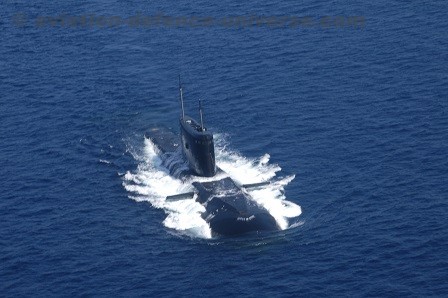 In an era where maritime competition is intensifying—from the Indo-Pacific to global chokepoints—submarines have emerged as indispensable assets. Their ability to operate undetected, gather intelligence, neutralize threats, and deliver strategic firepower makes them central to modern naval doctrine. For India, a nation with vast coastlines and critical sea-lanes of communication, submarines play a vital role in ensuring maritime security, deterring adversaries, and safeguarding economic interests.
India’s submarine fleet now reflects a mix of strategic assets, modern conventional boats, and future technologies such as Air-Independent Propulsion (AIP), unmanned underwater vehicles, and advanced combat management systems. With ongoing programs like Project 75(I) and plans for indigenous SSNs, India is cementing its position as a major undersea power in the Indian Ocean Region.
While much of the focus is understandably on platforms and technology, Submarine Day is ultimately a tribute to the submariners—the men whose endurance, alertness, and courage allow these complex machines to operate at the edge of human capability. Life on a submarine demands a unique breed of sailor: disciplined, adaptable, and unfailingly calm under pressure. Their silent duty, often months at sea with no communication with loved ones, forms the core of India’s undersea strength.
Generations of submariners have built a legacy of excellence that the nation honours today. Their professionalism not only enhances operational readiness but also strengthens India’s maritime posture in an increasingly contested environment.
 The celebration of Indian Navy Submarine Day today reiterates how far India has progressed in mastering the unforgiving domain of undersea warfare. From its humble beginnings with INS Kalvari to the emergence of advanced Scorpene-class vessels and indigenously built nuclear-powered submarines, the Indian Navy’s undersea capability has become a cornerstone of national security and strategic deterrence. The unwavering dedication of submariners, combined with the growing strength of India’s shipbuilding and defence-industrial ecosystem, has charted a course toward greater self-reliance and operational dominance in the Indian Ocean Region. As India looks ahead to future SSNs, AIP-equipped boats, and next-generation technologies, Submarine Day serves as a reminder of the silent strength that safeguards the nation—out of sight, but never out of readiness.
As India celebrates Submarine Day today, the trajectory is clear: the nation’s undersea journey is only accelerating. With investments in indigenous design, shipbuilding capacity, and advanced propulsion technologies, India is steering toward a future where it will field a formidable and largely self-reliant submarine fleet.
The silent warriors of the Indian Navy, supported by an evolving and empowered industrial base, ensure that India’s maritime defences remain resilient and future-ready. Submarine Day stands as a powerful reminder of how far India has come—and how the deep sea will continue to shape its strategic destiny.