









- New Book Chronicles Operation Sindoor, Decodes India’s Dynamic Response Doctrine
- Decoding India’s New Normal: Op Sindoor Through Military and Diplomatic Lenses
- 88 Hours That Redefined India’s Military Doctrine
By Sangeeta Saxena
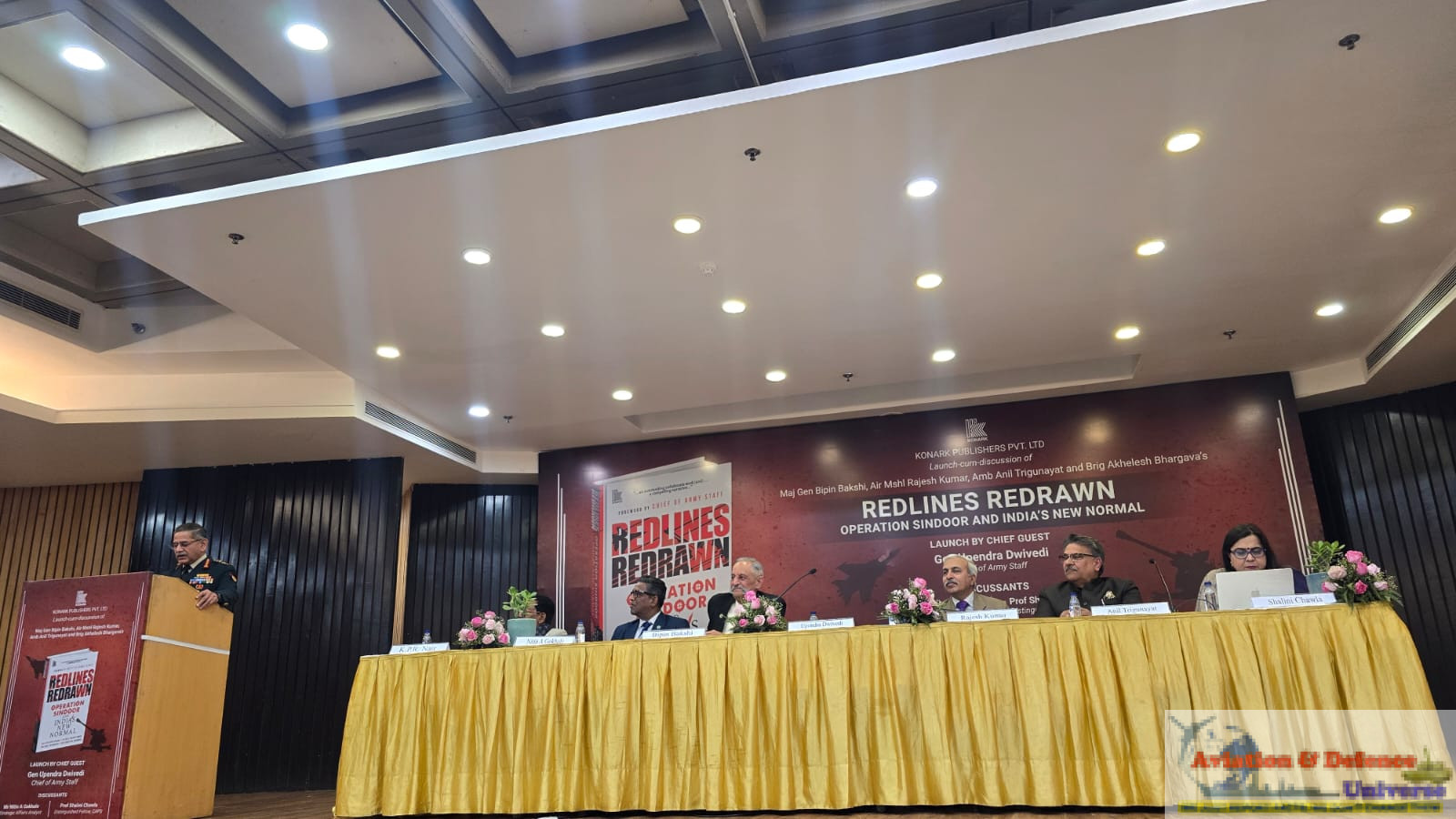
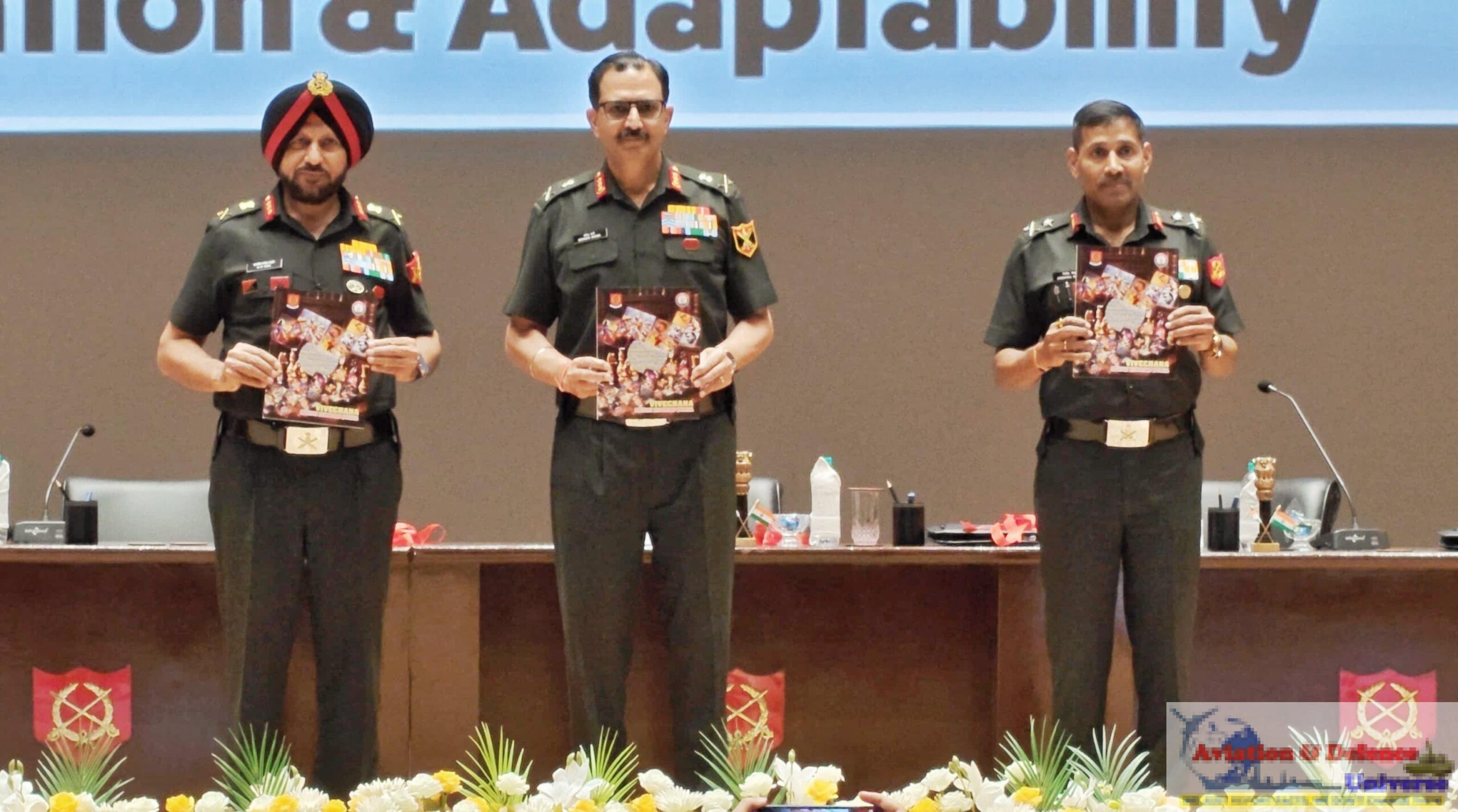
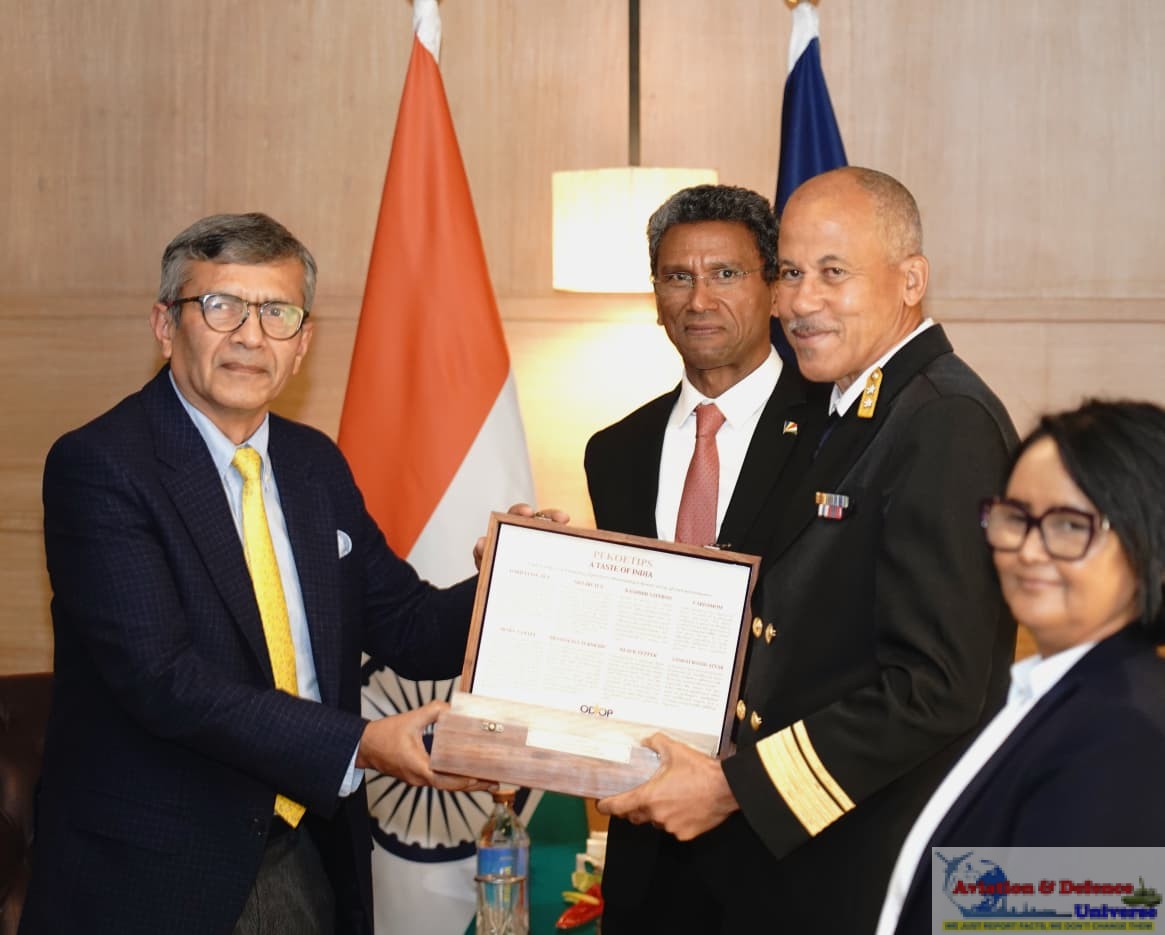
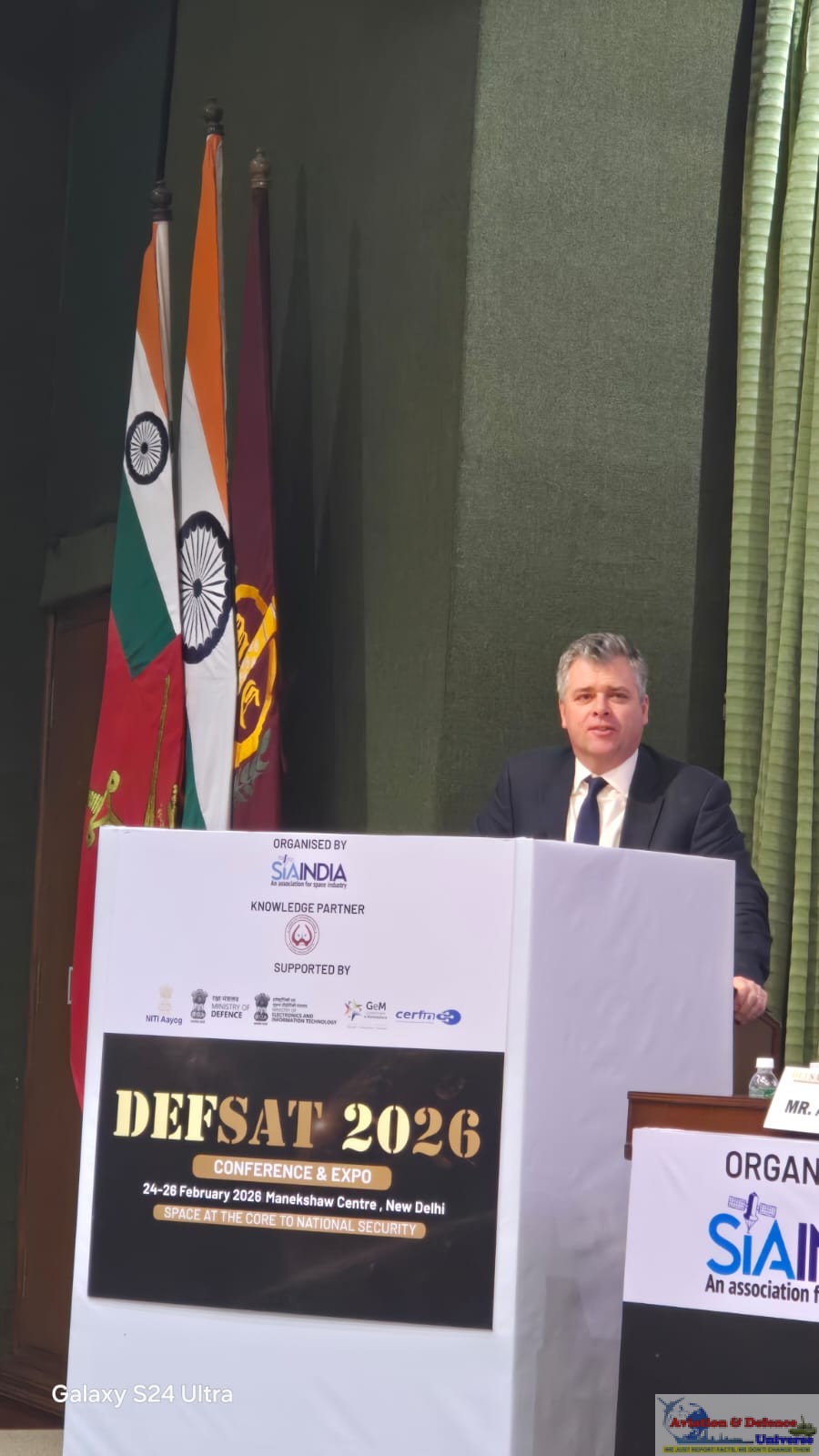
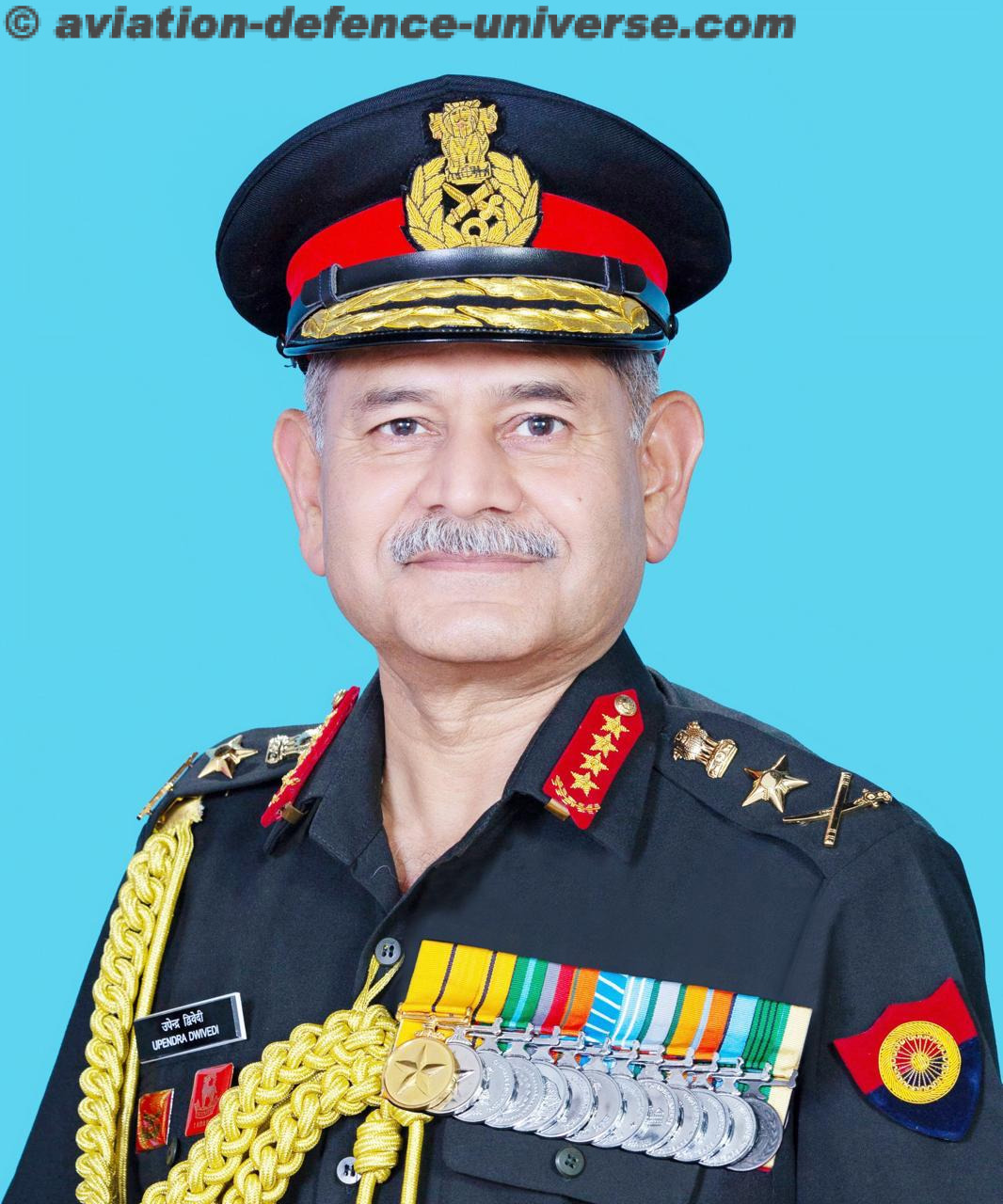
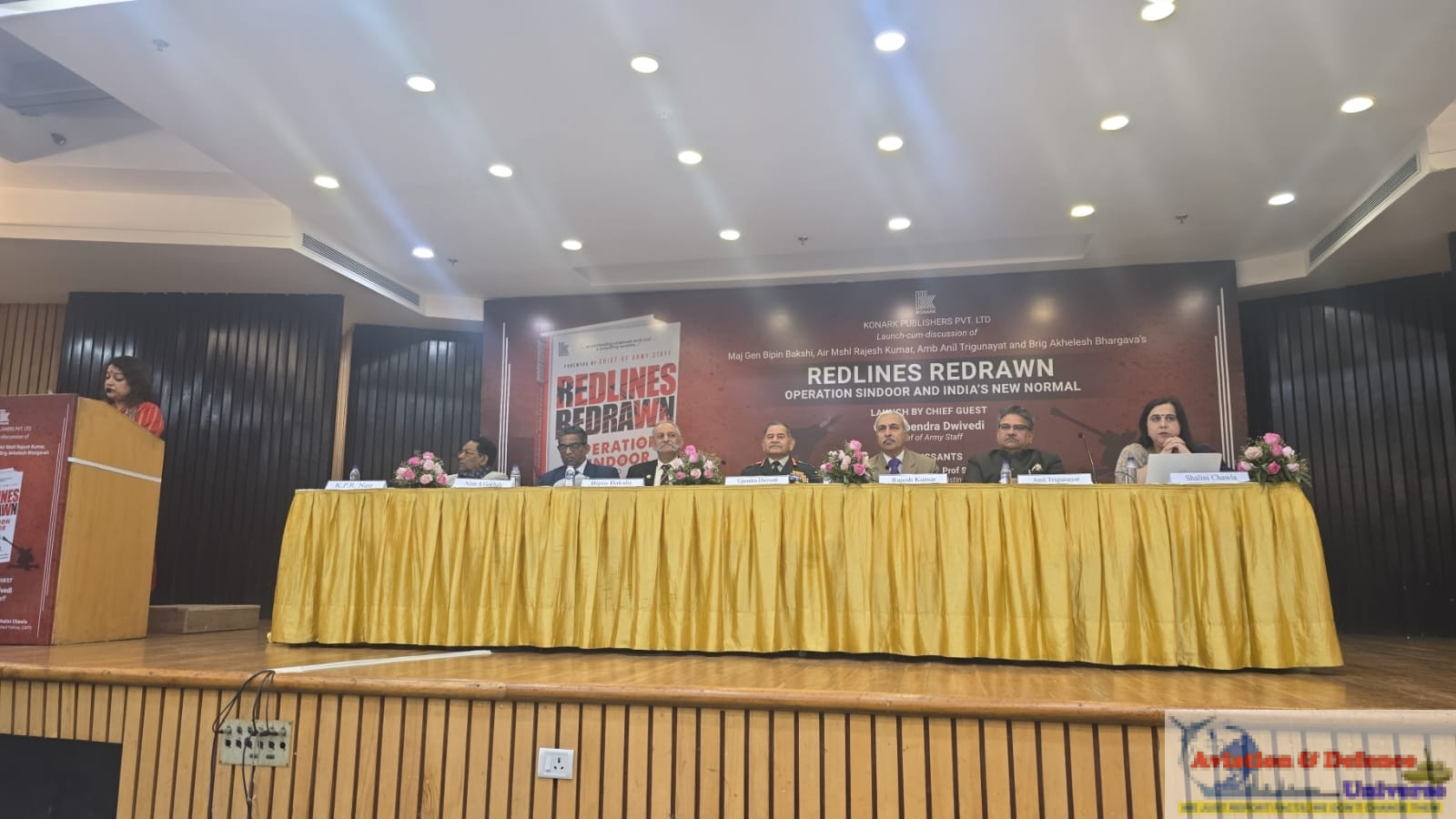
New Delhi. 22 January 2026. A new multi-domain account of Operation Sindoor—titled Red Lines Redrawn: Op Sindoor and India’s New Normal—was released at the India International Centre (IIC) bringing together senior military veterans, a senior journalist and a diplomat to examine the May 2025 crisis through the lenses of operations, diplomacy, information warfare and doctrine. The book was released by India’s Chief of Army Staff General Upendra Dwivedi.
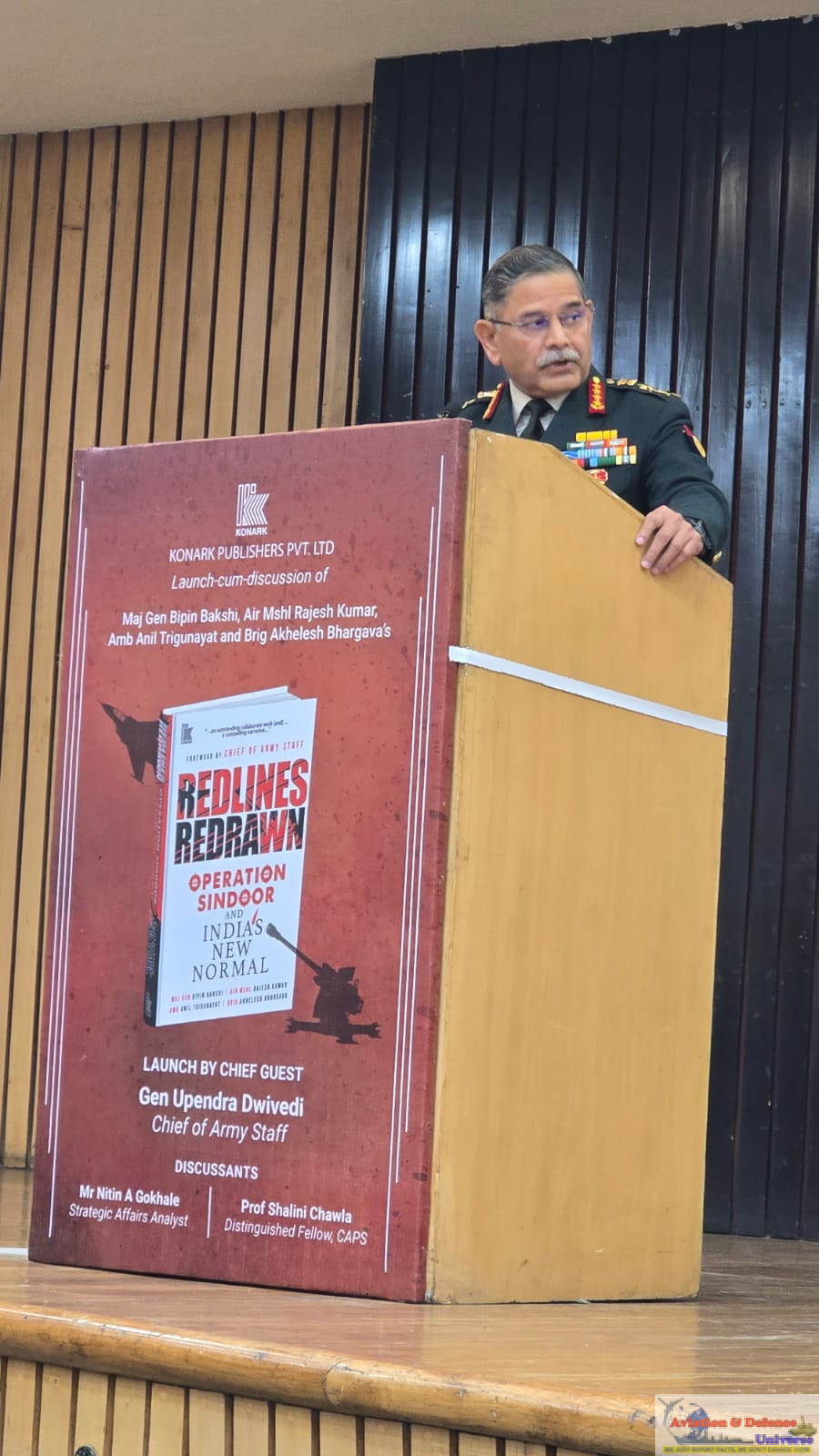 In his address, Gen Dwivedi described the volume as timely and distinctive for its cross-domain authorship. “This would be the first book that I have come across… co-authored by a team which includes two army officers, an air force officer and a diplomat,” he said, linking that collaborative approach to the jointness visible during the operation. Calling the campaign a whole-of-nation demonstration of integrated statecraft, he noted, “Op Sindoor was a perfect example of how all facets of DIME come together to ensure national victory,” referring to diplomacy, information, military and economic instruments.
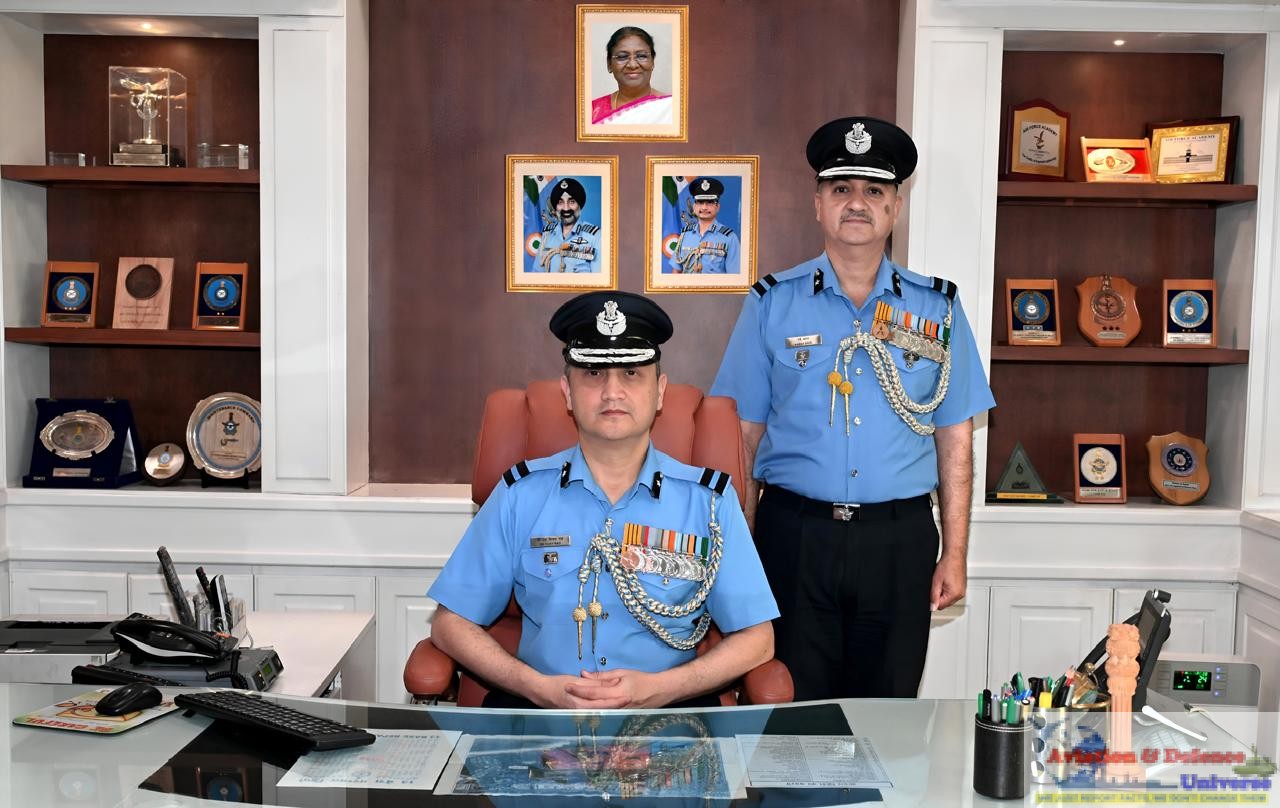
The book, authored by Maj Gen Bipin Bakshi, Air Mshl Rajesh Kumar, Amb Anil Trigunayat and Brig Akhilesh Bhargava, is positioned as a detailed chronicle of the 88-hour conflict and an argument for what the authors describe as India’s evolving “dynamic response” framework. The event was headlined by the Chief of the Army Staff, Gen Upendra Dwivedi, as chief guest, and featured remarks by security analyst Nitin A. Gokhale, strategic scholar Dr Shalini Chawla, and publisher K. P. R. Nair of Konark Publishers.
The COAS also stressed that information and narrative warfare now unfold alongside kinetic actions. “Winner in the long run was the one whose narrative was based on truth and backed with the credible evidence,” he said, pointing to the growing importance of credibility and structured national-level communication. He reiterated that jointness was no longer theoretical: “Jointness is no longer something we aspire to do in seminars… It is something we practised under pressure,” he said.
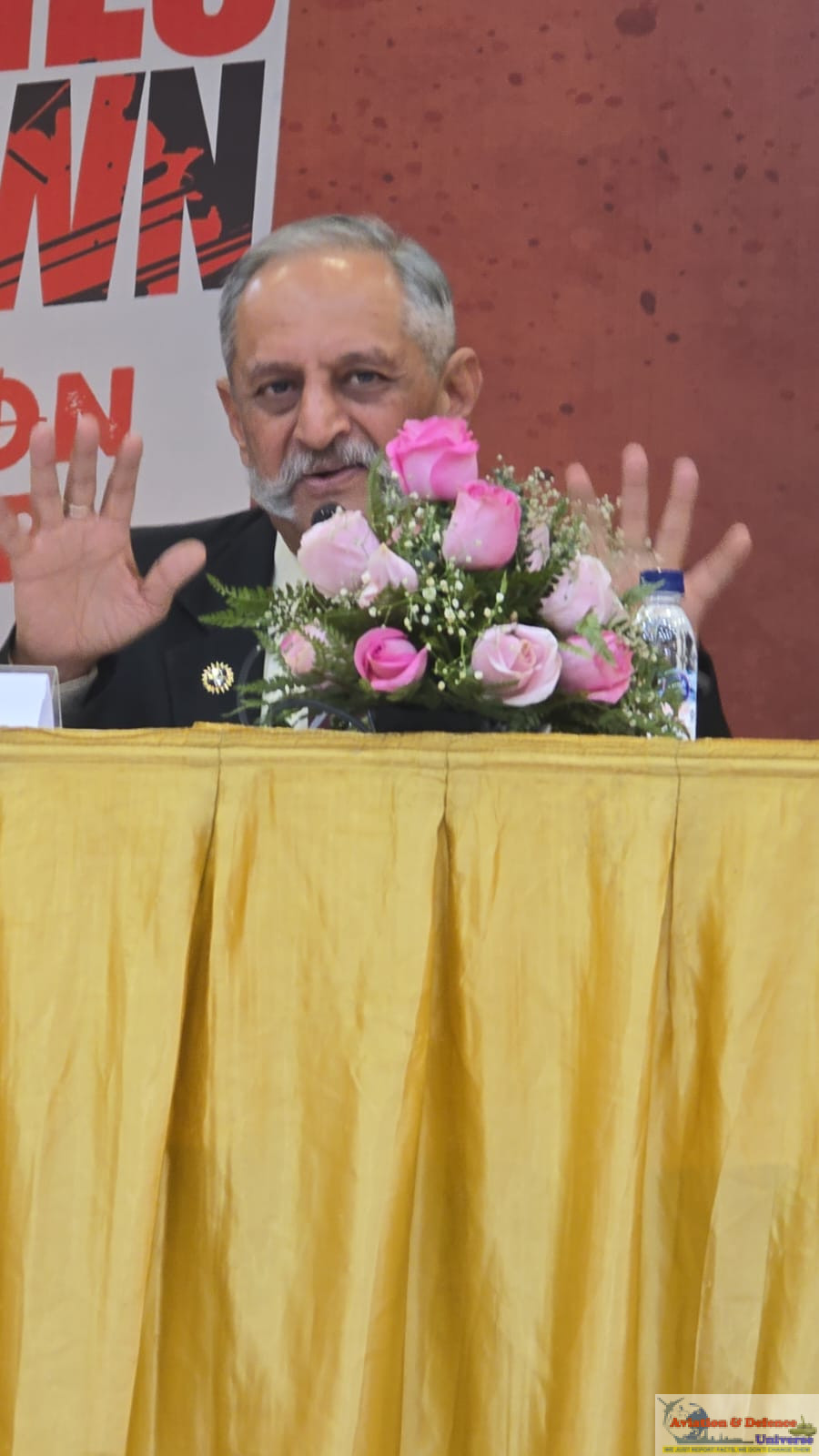 Introducing the book, Maj Gen Bakshi said the work was built around a multi-domain approach to a multi-domain operation. “I have drawn in multi-domain experts because I am giving you a multi-domain book about a multi-domain operation,” he said, underscoring that the research was shaped by consultations across services and strategic experts. He added the aim was to provide “an authentic account, an accurate chronicle with some critical analysis, decoding the clutter,” arguing that serious lessons lay not only in the battlefield outcomes but also in public communication and preparedness for future crises.
Gen Upendra Dwivedi, Chief of the Army Staff, said it was a privilege to be present for the release of the important book, describing it as a timely and thoughtful work that examines one of the most consequential operations in recent history. He added that Operation Sindoor was a perfect example of how all facets of DIME—diplomacy, information, military, and economic power—came together to ensure national victory.
Publisher K. P. R. Nair said the book was commissioned to address what he described as misinformation and misconceptions surrounding the operation. “We felt completely compelled to publish this book to set the record straight,” he said, adding that he had been disturbed by the international commentary he read while abroad. “I felt strongly responsible to bring out the true facts and figures behind this unique operation,” he told the gathering, describing the speed at which the team assembled and executed the project.
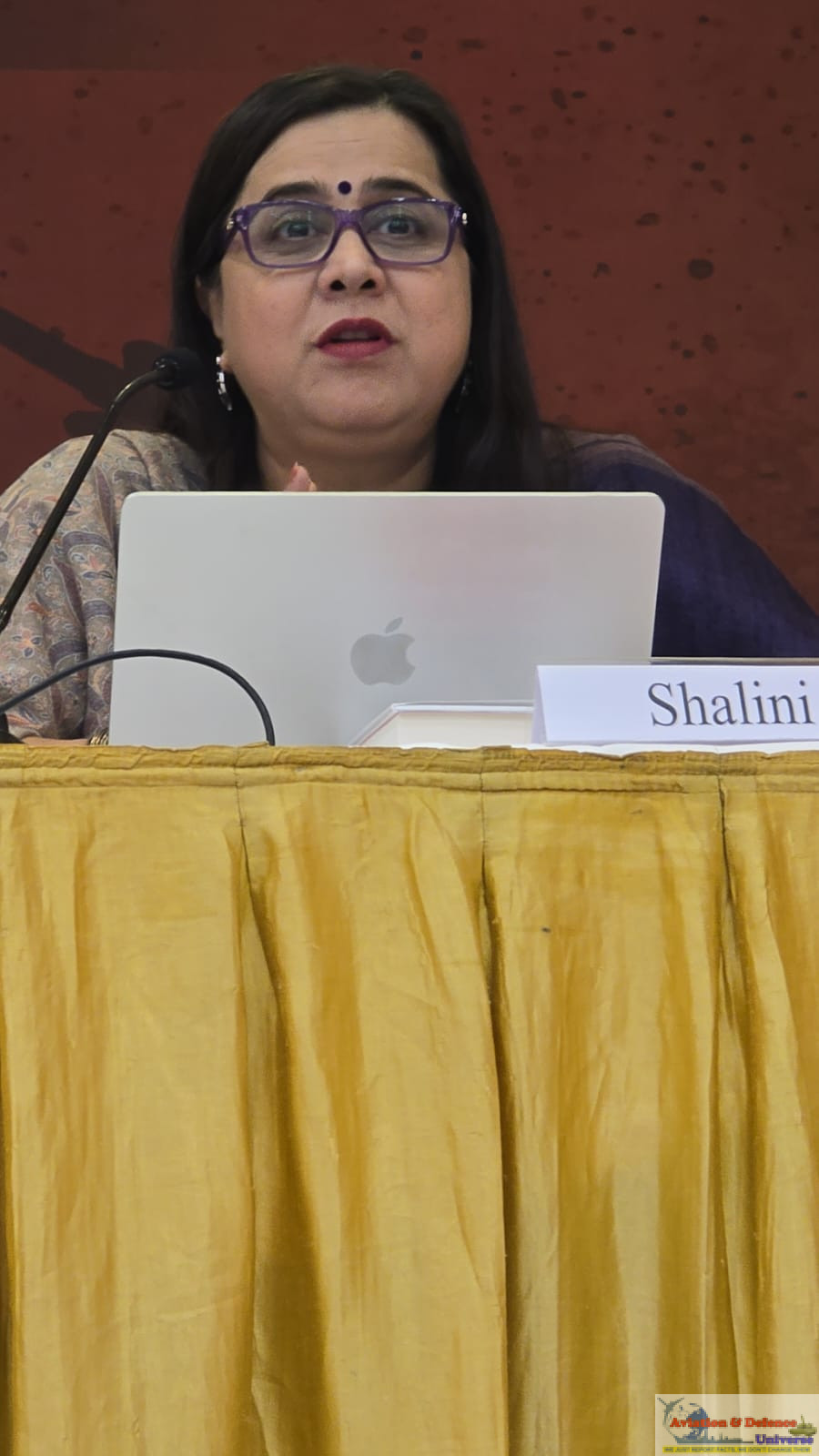 Dr Shalini Chawla called the book a rare, data-driven, fact-based study produced at speed, and said it offered a serious dissection of patterns in Pakistan’s proxy war strategy. “A very timely, comprehensive, fact-based study,” she said, praising the depth of documentation. She also highlighted the doctrinal argument central to the book’s thesis, “ It formalises the concept of dynamic response doctrine… a more… multi-domain escalation dominance response,” she said, calling its integrated land–air–sea–cyber–diplomatic treatment a key strength.
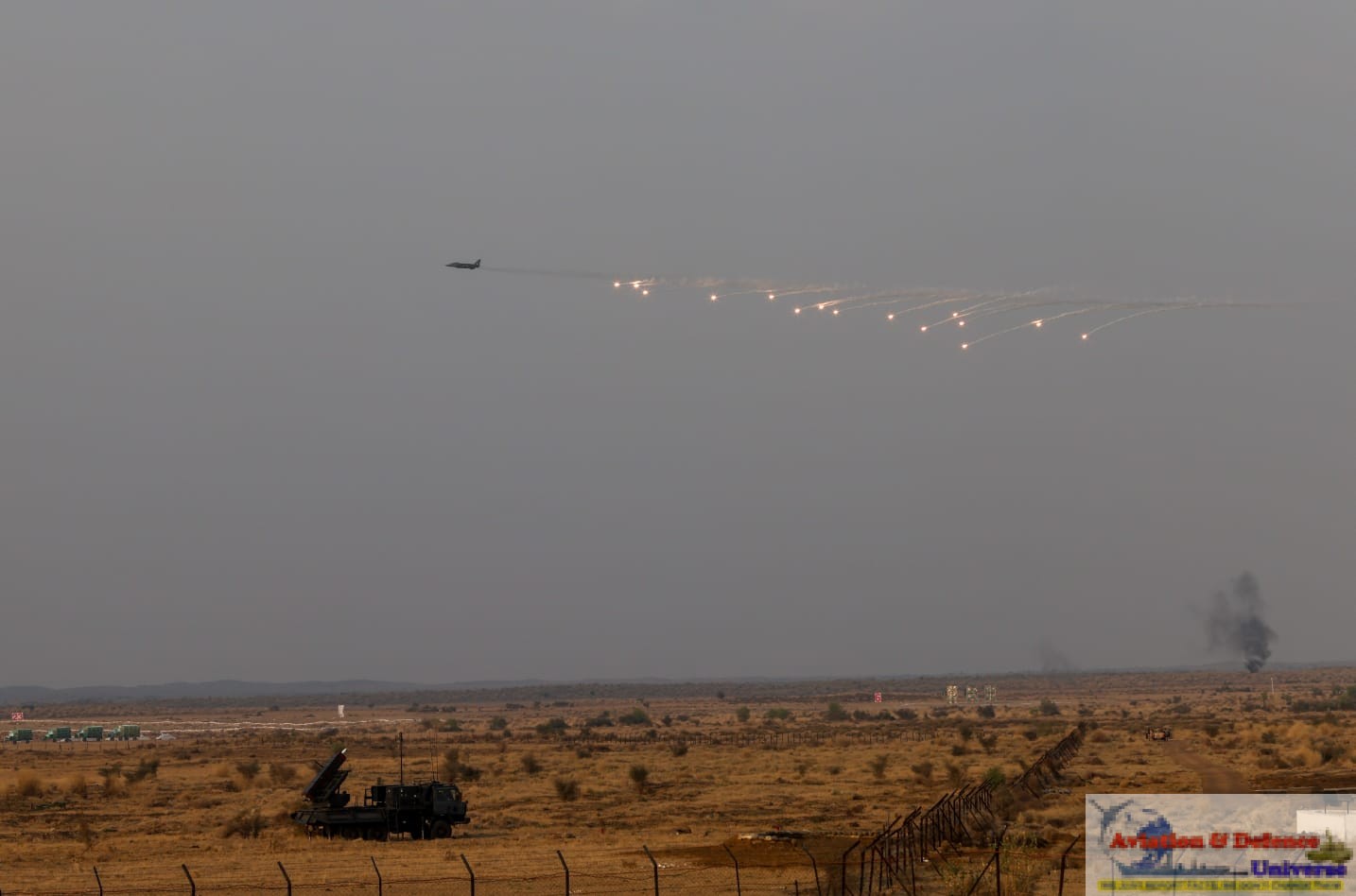
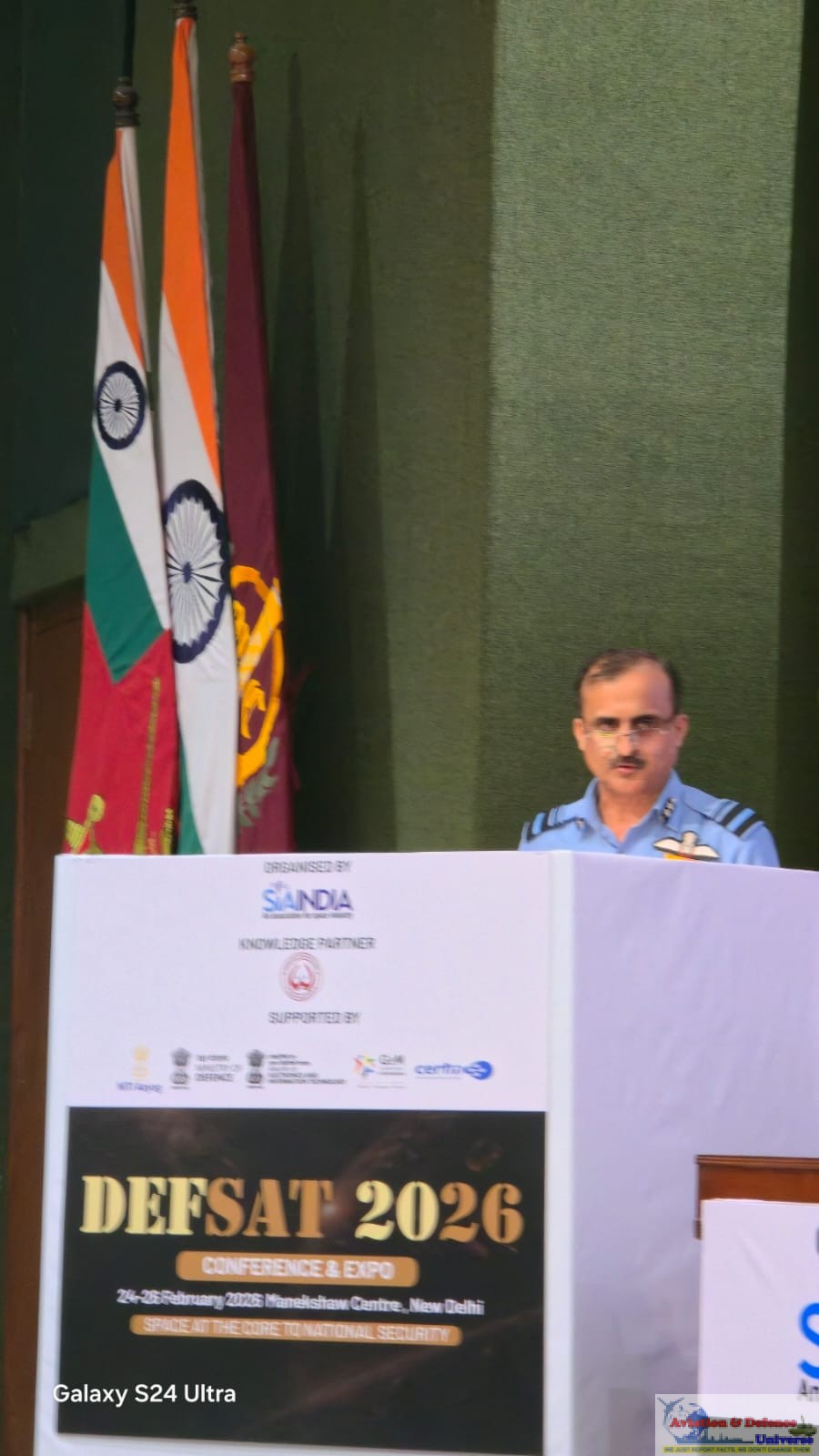
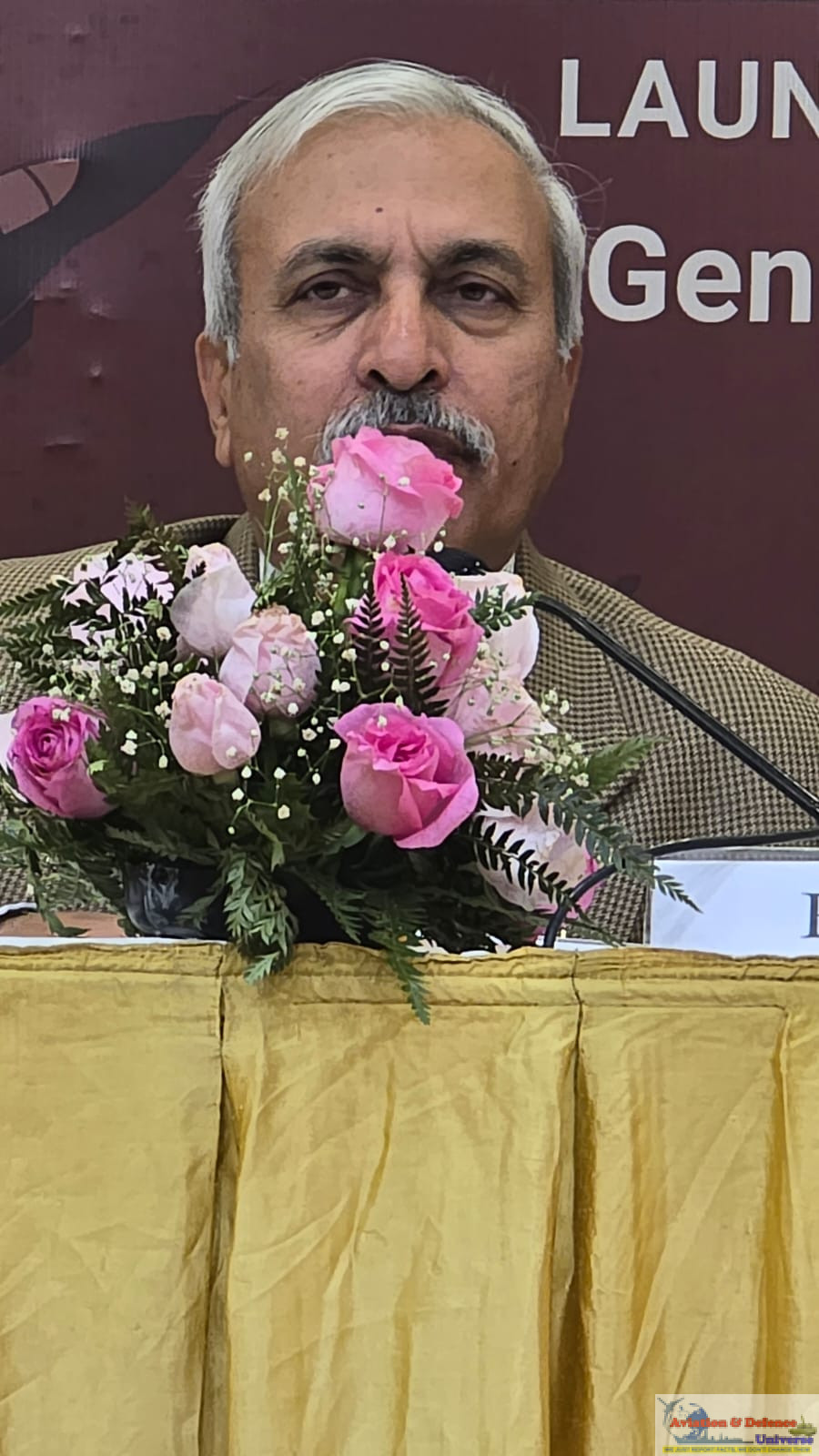 Air Marshal Rajesh Kumar, speaking on the air dimension and Pakistan’s nuclear signalling, said Pakistani rhetoric was loud before and after the conflict but muted during the 88 hours. “During the 88 hours of conflict, there was absolutely no talk of any nuclear thing,” he said, adding that Pakistan still tries to “project irrationality” even while behaving cautiously in crisis. He also pointed to the impact of Indian air defence integration, “Our air defence systems worked beautifully and intercepted every single [weapon],” he said, describing how failed strikes and command-and-control disruption contributed to Pakistan’s urgency for a ceasefire.
The discussion segment also touched on strategic communication, diaspora influence, and emerging alignments involving Turkey and Pakistan. Speakers converged on the view that while the operation delivered a decisive military effect, the information domain demanded stronger institutional capacity and a more proactive national narrative strategy.
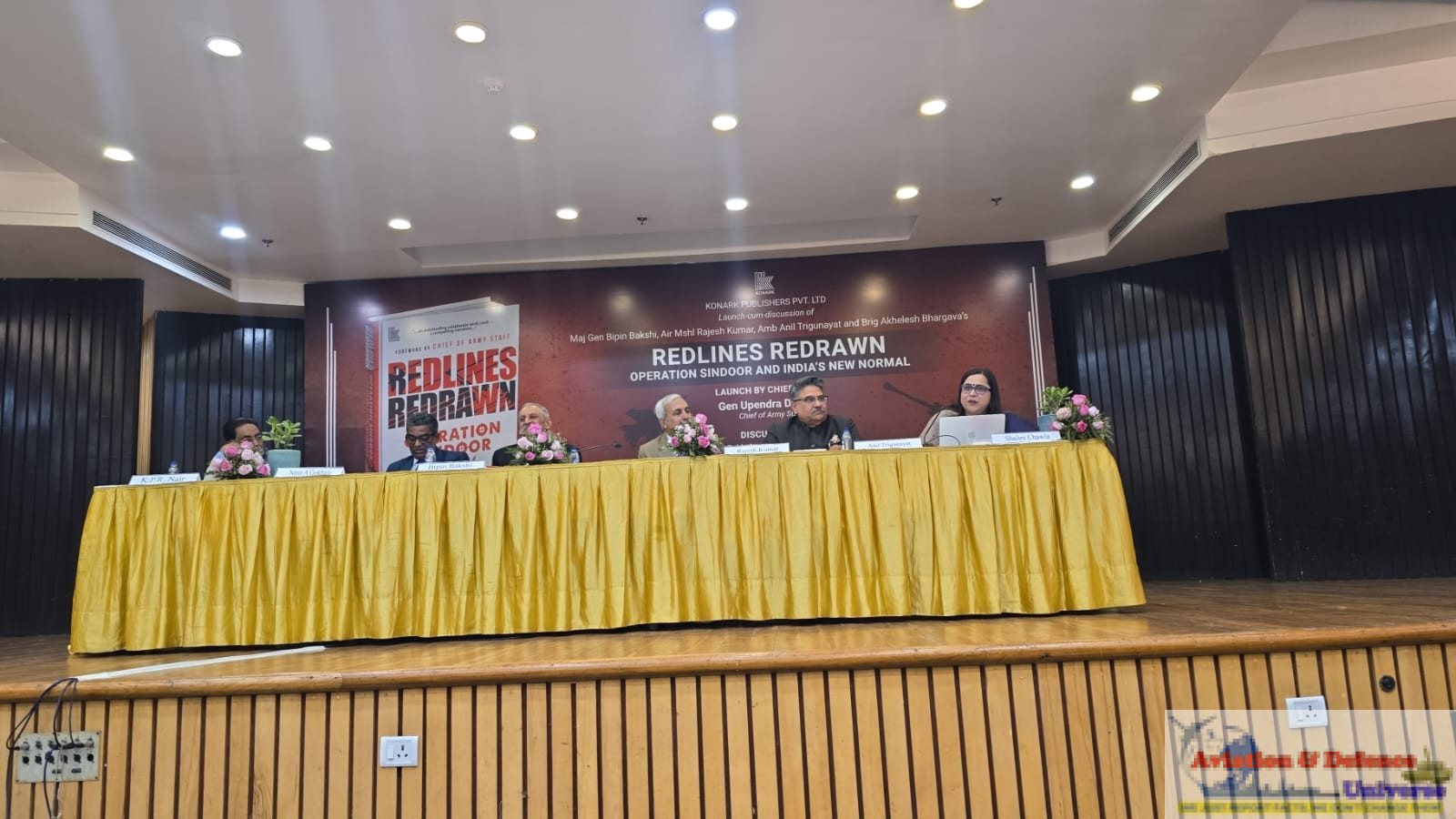 Senior Journalist Nitin A. Gokhale framed Operation Sindoor around three goals—military, political and psychological—and argued it widened India’s conventional response space. “Operation Sindoor had three basic objectives… military, political and psychological,” he said, adding that India’s action “push[ed] the envelope… between the sub-conventional operations… and the nuclear option.” He also flagged the role of communication discipline and misinformation during the conflict: “When facts are not given fiction is written,” he said, warning that credibility can be damaged quickly when information is absent.
Maj Gen Bipin Bakshi said that he had drawn in multi-domain experts because the book was conceived as a multi-domain account of a multi-domain operation. He added that the objective was to present an authentic account, an accurate chronicle, and a critical analysis that would help decode the clutter surrounding the operation. The event concluded with a vote of thanks and a final call to expand public understanding of modern conflict—where diplomacy, information and industry are increasingly intertwined with battlefield outcomes.