

















- From Maldives to Myanmar: India Must Shape the Regional Order
- “Neighbourhood Is Not Near Abroad, It Is Us”: MoS Defence Sanjay Seth Outlines India’s Strategic Vision
By Sangeeta Saxena
New Delhi. 11 March 2026. Neighbouring nations occupy a uniquely sensitive position in the realm of geopolitics and international relations because geography inevitably links their security, economic stability and political trajectories. Borders create both opportunity and vulnerability: trade routes, cultural exchanges and shared resources can foster cooperation, while territorial disputes, migration pressures and security concerns can generate friction. As a result, the concept of the “neighbourhood” often becomes the first and most immediate arena where a country’s foreign policy is tested. Regional stability, connectivity, energy flows and maritime access are frequently shaped by how neighbouring states interact with one another. In today’s interconnected world—where great-power competition, infrastructure diplomacy, and transnational challenges such as terrorism, climate change and cyber threats intersect—relations with neighbouring countries have become central to shaping regional order. Effective neighbourhood diplomacy therefore requires a careful balance of strategic caution, economic engagement, and political trust-building to ensure that proximity becomes a foundation for cooperation rather than a source of persistent conflict.
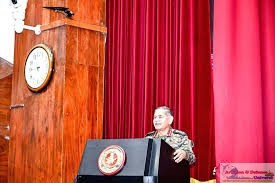
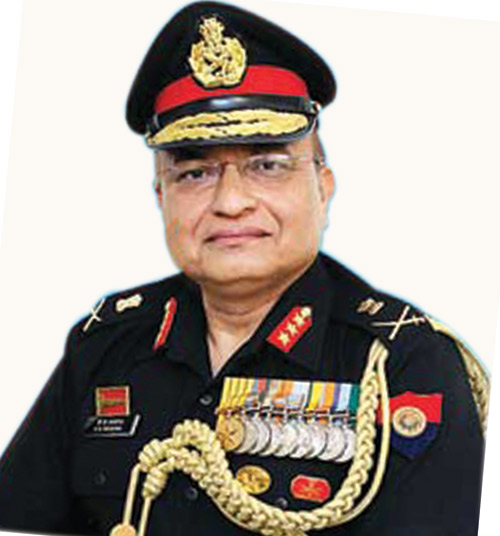
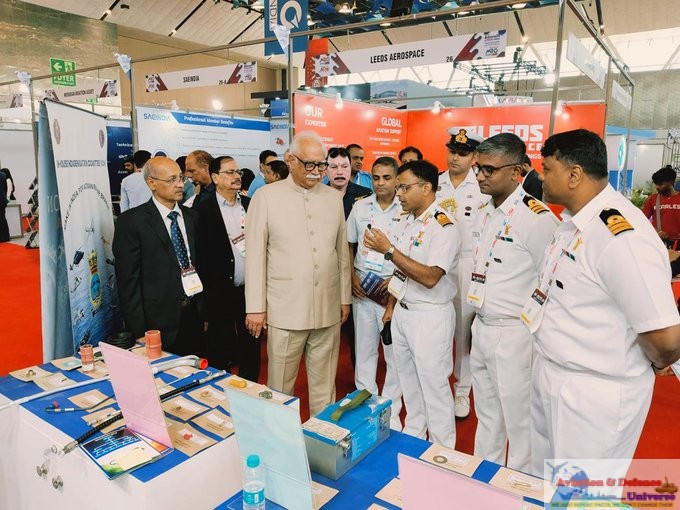
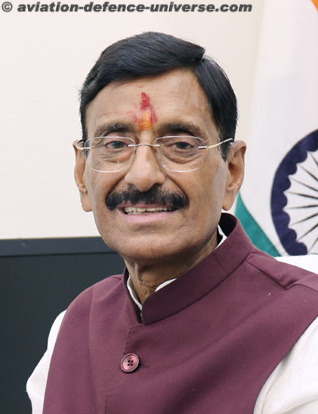
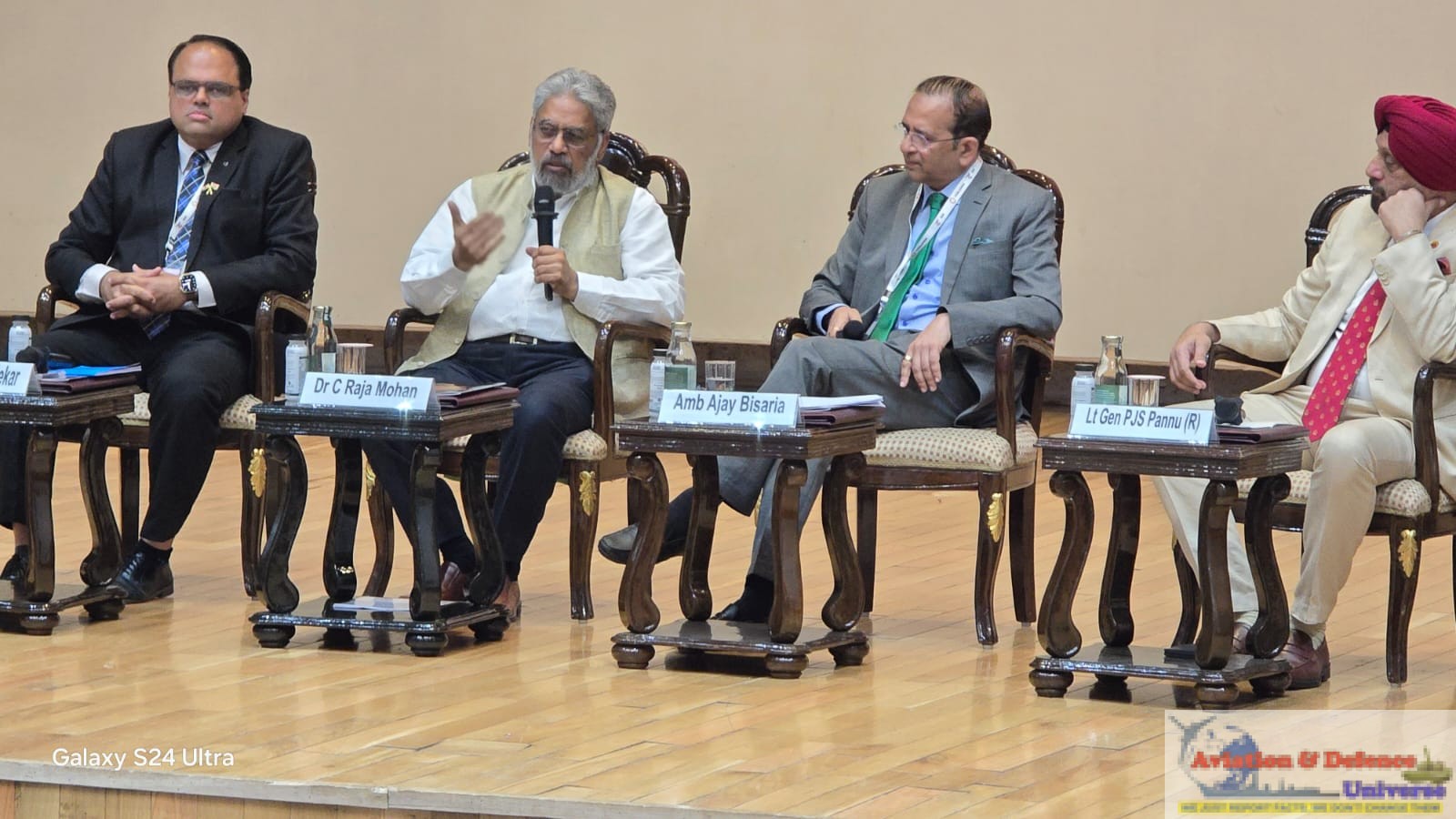
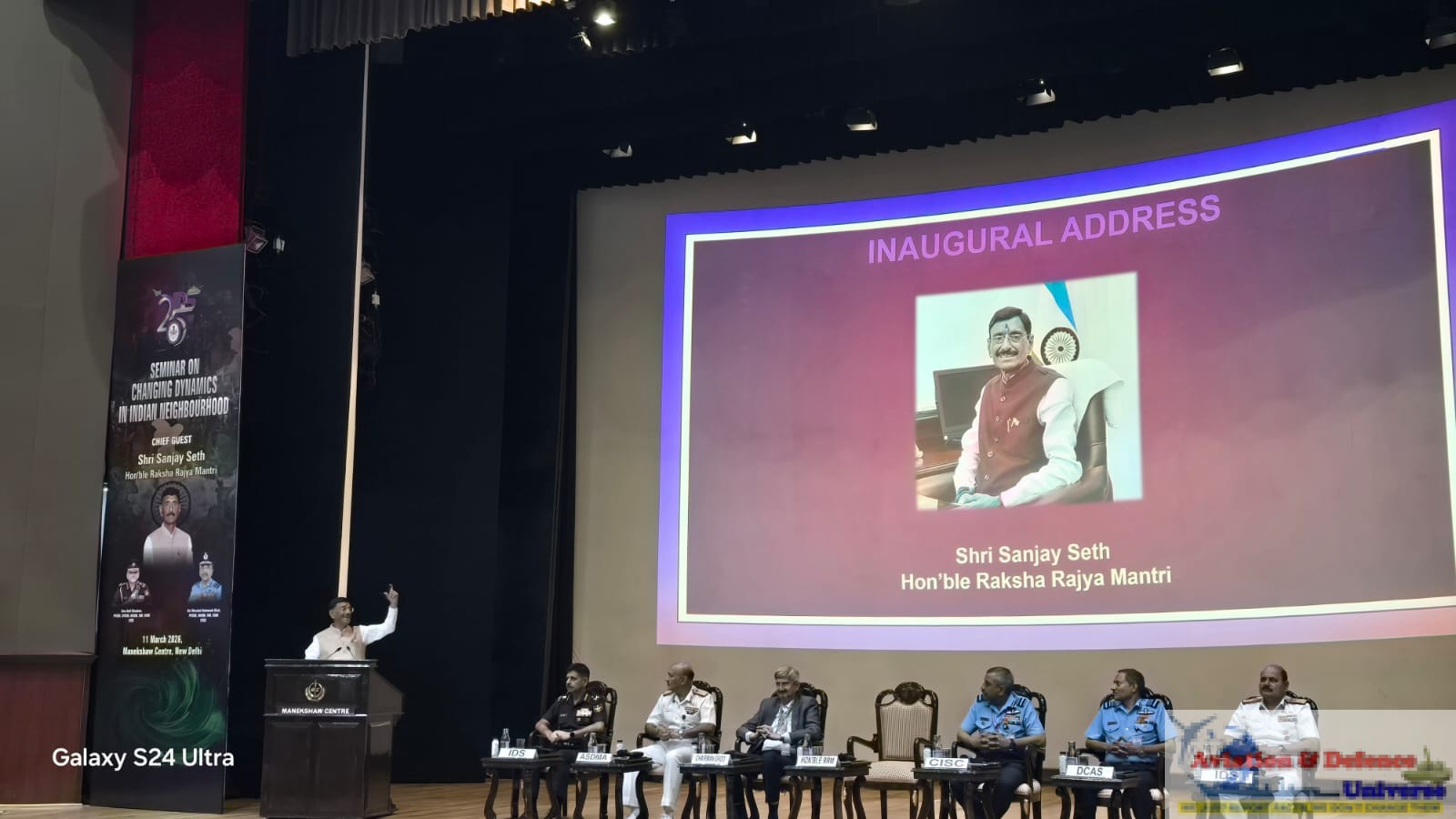
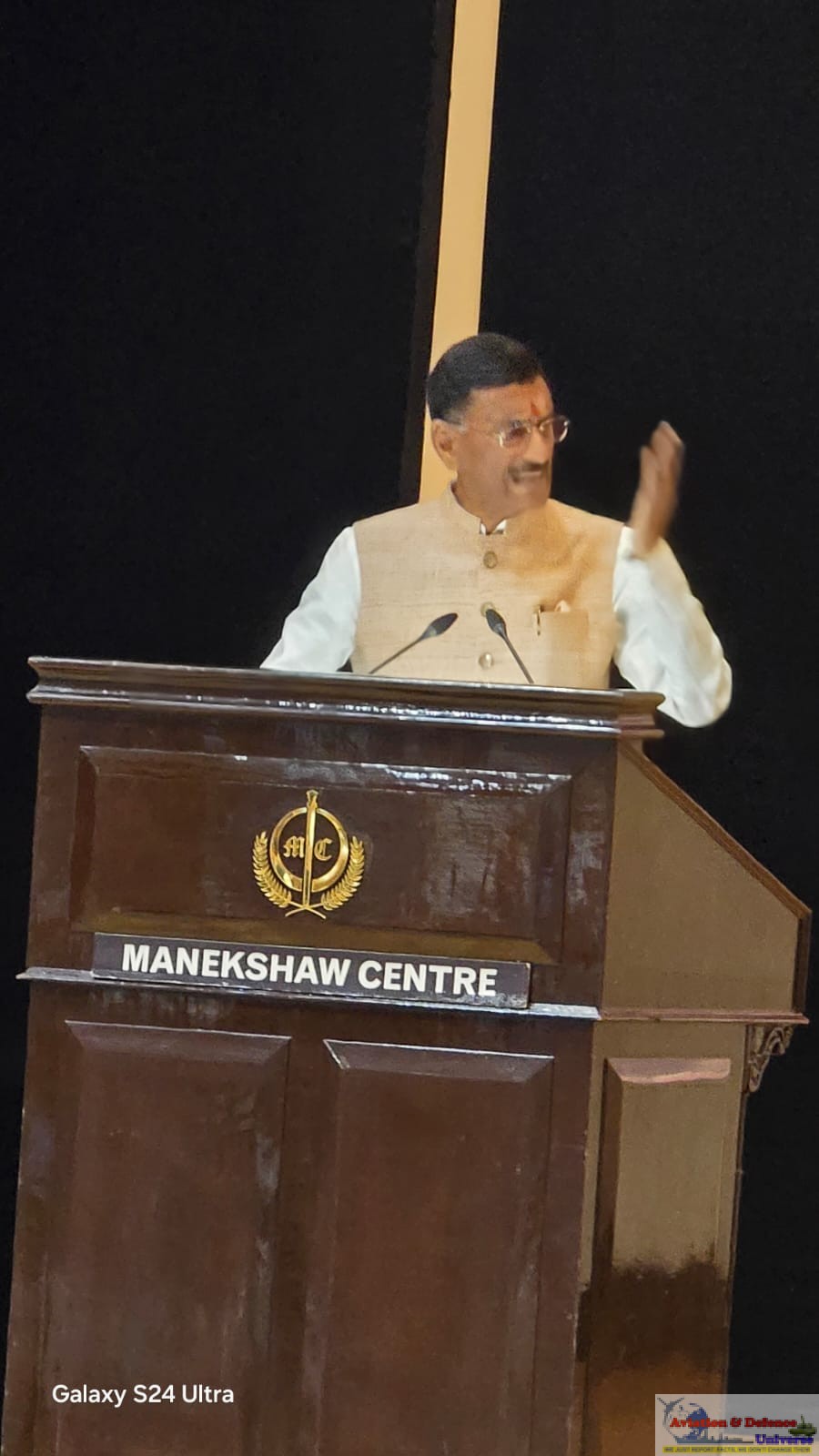 India’s neighbourhood has entered a phase of heightened strategic complexity, where geopolitical competition, economic diplomacy and evolving military doctrines are reshaping the regional security environment. Addressing these dynamics, MoS(Defence) Sanjay Seth delivered a detailed strategic assessment at the Seminar on “Changing Dynamics in India’s Neighbourhood”, organised by the Centre for Joint Warfare Studies (CENJOWS) to commemorate 25 years of Headquarters Integrated Defence Staff (HQ IDS).
In a wide-ranging address, the minister analysed the evolving geopolitical landscape across South Asia and the Indian Ocean region—from China’s expanding maritime footprint and Bangladesh’s shifting strategic posture to the civil war in Myanmar and Pakistan’s doctrinal recalibration following Operation Sindoor. His remarks highlighted the need for India to adopt a coherent, long-term strategy that combines military readiness, diplomatic agility and economic resilience.
The minister began by drawing attention to China’s growing strategic presence across the Indian Ocean region, describing it as a carefully constructed network of infrastructure, political influence and military access. “From Hambantota in Sri Lanka to growing influence in the Maldives, a strategic footprint has been stitched together that now encircles India’s maritime domain. The Indian Ocean is no longer a benign backyard; it has become a competitive theatre,” he said.
He emphasised that the concern was not simply individual projects but the cumulative strategic design behind them, “What concerns me most is not every single road or port in this network, but the coherence of the design. Every port upgraded, every road built and every political leader cultivated is a piece of a larger strategic puzzle assembled with remarkable patience.”
Calling for a more coordinated response, the minister urged India to develop its own strategic architecture rather than reacting to developments in isolation. “India has sometimes responded project by project, crisis by crisis. We need a coherent counter-architecture of our own.” He also highlighted China’s ongoing military modernisation, including the operationalisation of the Fujian aircraft carrier, and the country’s expanding global partnerships.“The competition is real. The rivalry is structural. The pressure on India will not ease.”
Turning to Bangladesh, the minister described the political developments following the ouster of Sheikh Hasina in 2024 as a turning point in India–Bangladesh relations. “The ouster of Sheikh Hasina and the anti-India sentiment that followed have ended what we once called the golden era of India–Bangladesh ties, ” he stated.
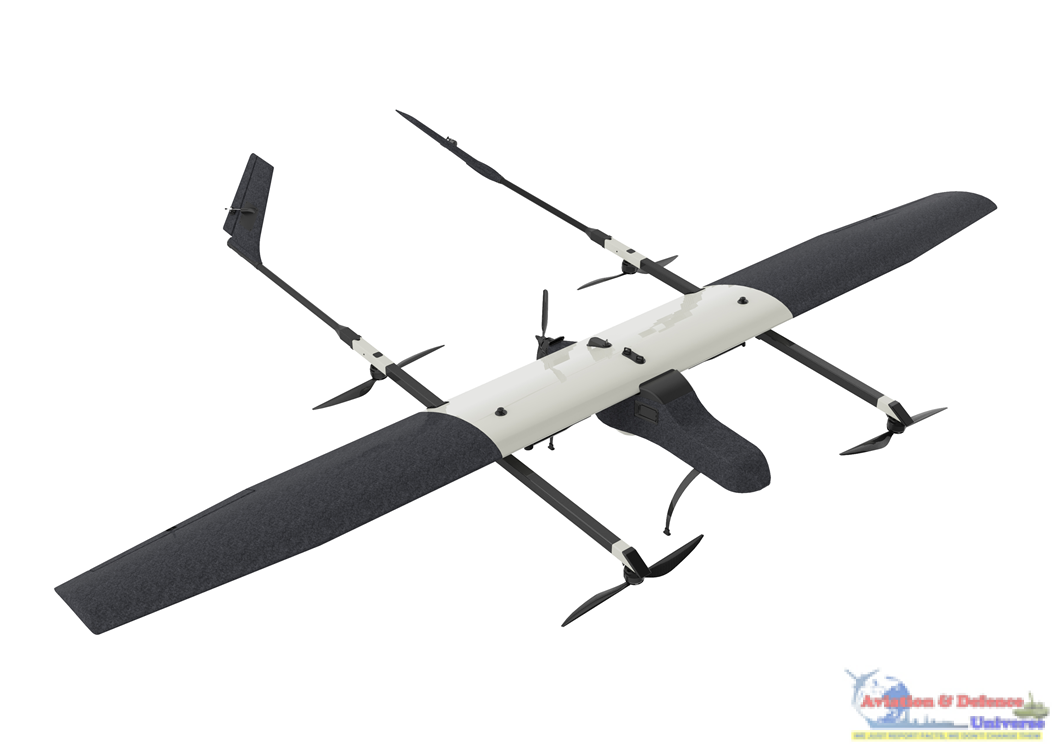
Pointed to growing defence cooperation between Bangladesh and China, including infrastructure projects and emerging military capabilities, the Minister added, “The establishment of a drone manufacturing facility in Bogra in partnership with China’s CETC gives Bangladesh the ability to produce surveillance and strike drones. These are not the decisions of an adversary, but they are the decisions of a neighbour that no longer sees India as its default security guarantor.”
At the same time, he welcomed the return of democratic politics in Bangladesh and emphasised the importance of rebuilding trust. “The return to democracy through the Bangladesh Nationalist Party is a genuine positive, and we must build on it through connectivity projects and mature dialogue.”
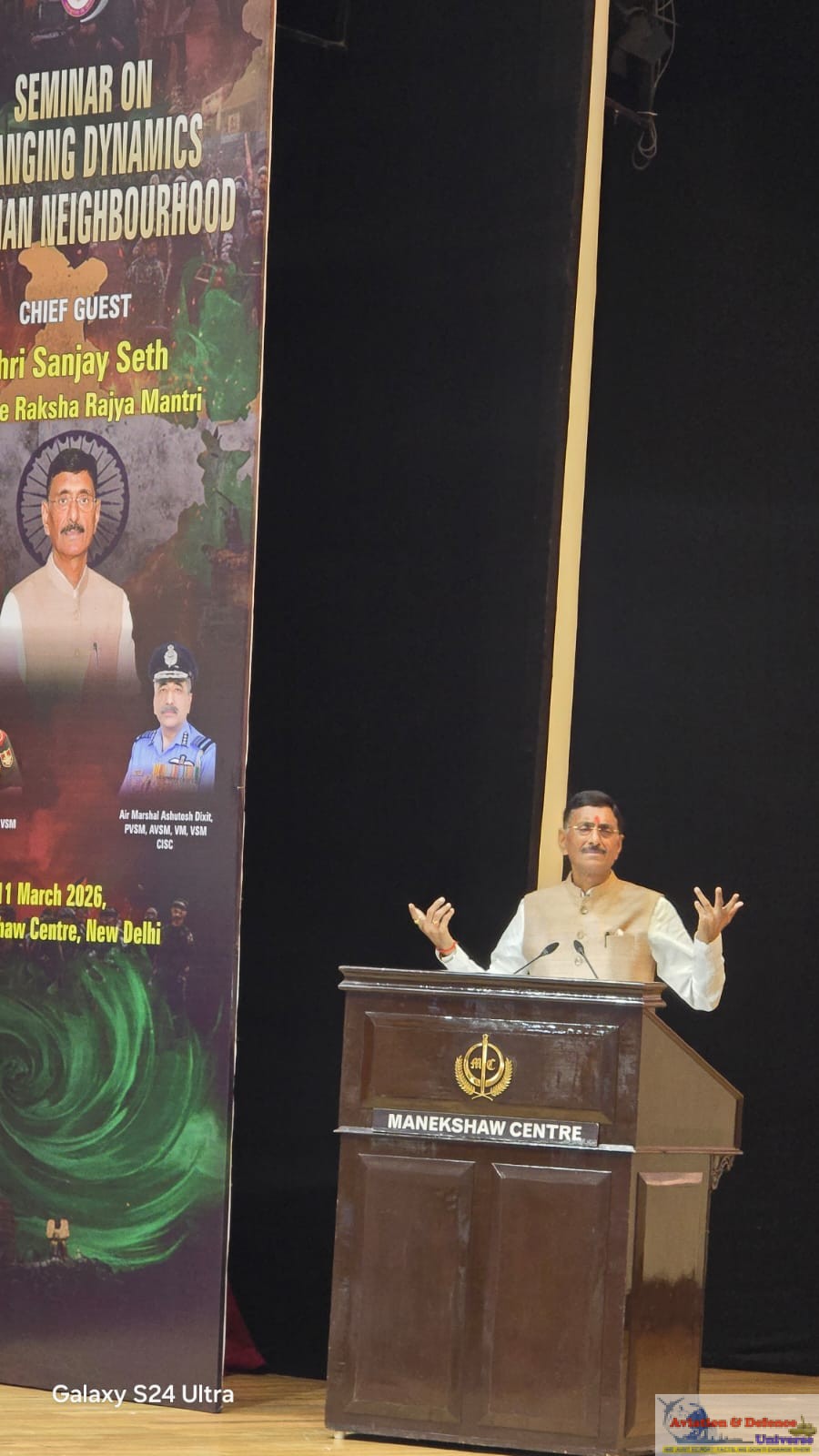 The minister also examined developments in Nepal, Bhutan, Sri Lanka and the Maldives—countries he described as forming India’s “Himalayan–Oceanic frontier”. In Nepal, political instability and increasing Chinese connectivity projects have raised strategic concerns.“Nepal seeks to reduce its dependence on India, but our response must be patient, not panicked. Securing strategic interests without confrontation will remain essential.” Bhutan, he said, continues to be one of India’s most trusted partners.“Bhutan’s trust in India’s commitment must be earned continuously; it should never be assumed.”
Sri Lanka’s economic collapse, he noted, demonstrated the importance of responsible regional leadership. “India stepped forward with economic assistance, food and fuel not out of political calculation but because that is what a responsible neighbour does.”
Meanwhile, the Maldives has become an increasingly contested strategic space. “Influence must appear enabling, not dominant. India must replace presence with partnership and institutionalise security cooperation so that engagement remains enduring.”
The minister warned that instability in neighbouring states directly impacts India’s internal security. The ongoing civil conflict in Myanmar, he noted, has created challenges along India’s northeastern frontier due to illegal migration, smuggling and insurgent activity. “Myanmar reminds us that the security of our northeast is inseparable from the political stability of our neighbourhood. Stabilising our neighbourhood is therefore not generosity; it is national self-interest.”
Similarly, developments in Afghanistan continue to carry strategic implications. “Any resurgence of anti-India militant networks from Afghan territory poses a direct security risk to us. Our engagement must therefore remain calibrated and forward-looking.”
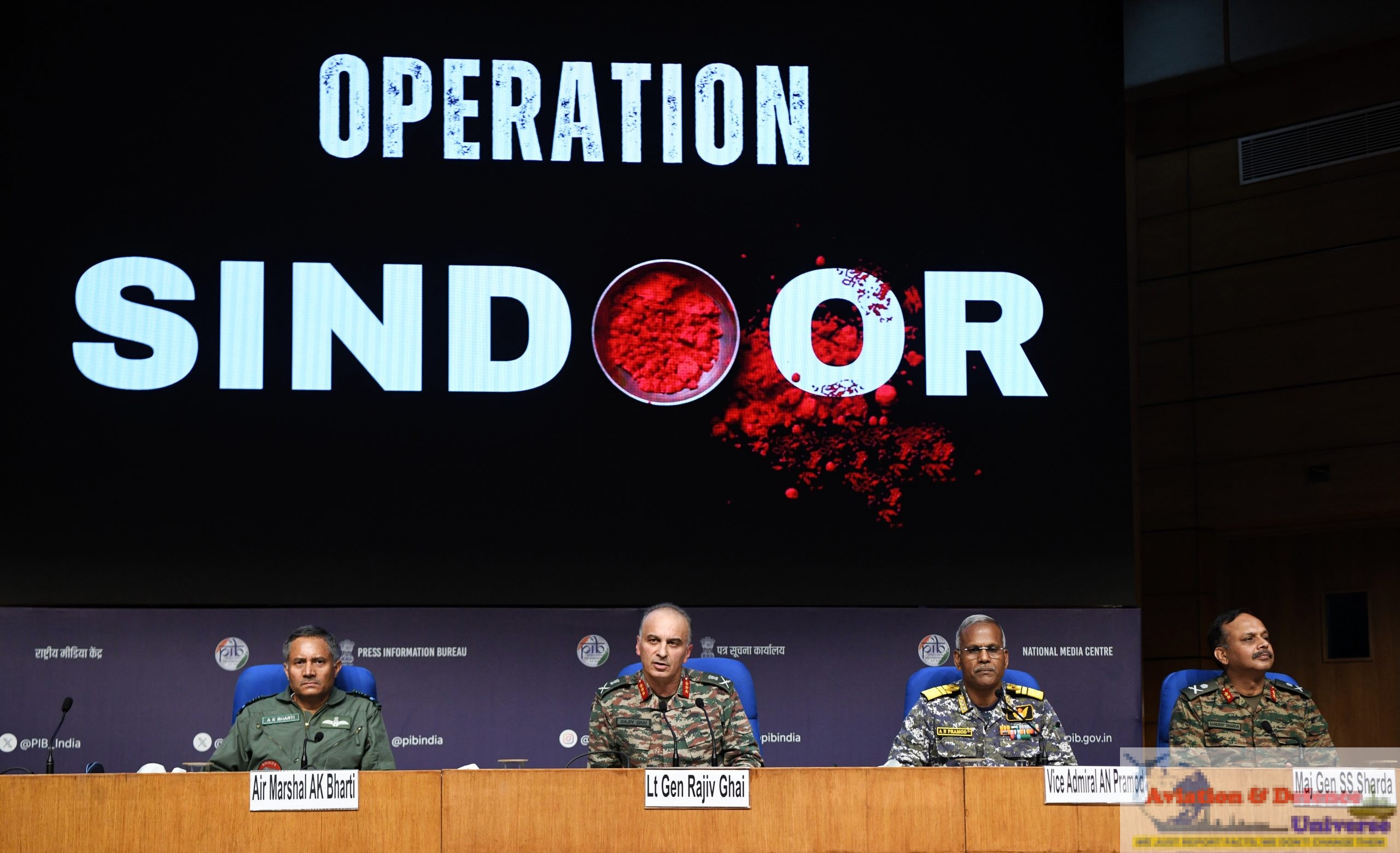 The minister devoted significant attention to Pakistan’s evolving military doctrine following Operation Sindoor, which he said had altered the strategic calculus between the two countries. “Operation Sindoor demonstrated that India has found space for effective conventional operations below the nuclear threshold. It changed the terms of the relationship in ways that will take years to fully unfold.” He highlighted Pakistan’s decision to establish an Army Rocket Force Command (ARFC) as a major doctrinal development. He informed, “the creation of the Army Rocket Force Command signals Pakistan’s attempt to develop a conventional deterrence layer capable of striking Indian military targets deep inside our territory without crossing the nuclear threshold.”
He also pointed to Pakistan’s 27th constitutional amendment, which centralised military authority by placing the Army Chief in charge of the newly created Chief of Defence Forces position. “This restructuring concentrates authority over all three services and the nuclear command structure in a single individual. It reflects the deficiencies exposed during the conflict.” The minister warned that these developments could compress escalation timelines and increase crisis instability. “Decision-making in Islamabad may become quicker, but also more prone to error. We are not dealing with the same Pakistan we managed for the past three decades.”
While outlining these challenges, the minister emphasised that India’s long-term response must remain multi-dimensional. “India has pursued the right path through the Neighbourhood First Policy and the SAGAR doctrine. These must be sustained and strengthened.” He predicted that the coming decade would bring sustained strategic competition across multiple domains. “The next decade will likely bring persistent two-front pressure, increased maritime contestation and grey-zone competition below the threshold of conventional war.”
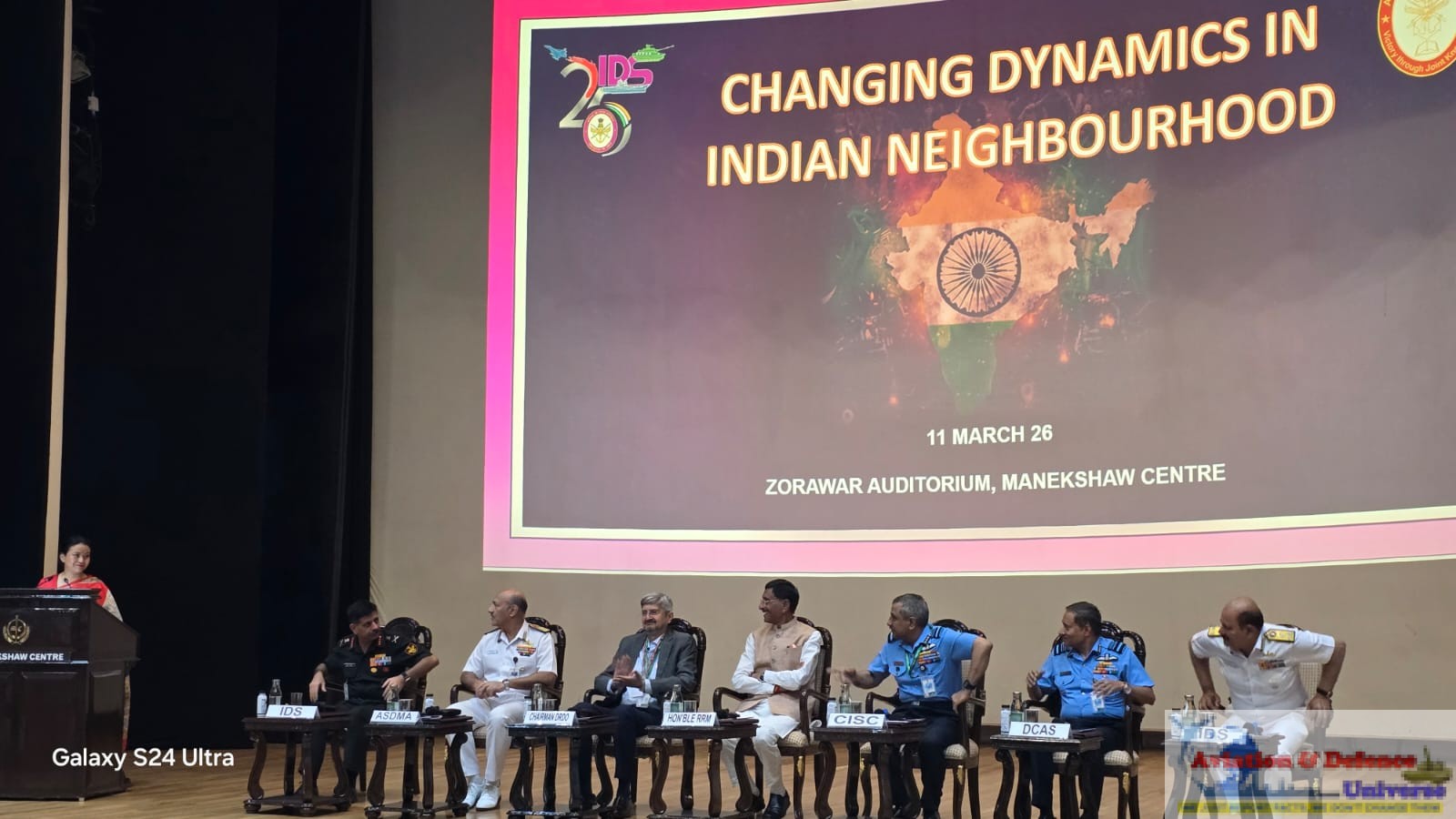 In the concluding portion of his address, the minister urged policymakers and strategists to rethink the very concept of India’s neighbourhood. “Neighbourhood is not ‘near abroad’. It is us. It is the ground on which our security is built, the water our trade flows through and the airspace our adversaries probe.” He emphasised that instability anywhere in the region inevitably affects India.“Every instability in the neighbourhood finds its way to India’s doorstep. And every act of genuine partnership India offers returns as goodwill, trust and strategic space.”
Calling for sustained engagement and strategic foresight, he concluded, “Stability in India’s neighbourhood will not come by itself. It must be earned—through consistent engagement, credible deterrence, economic generosity and the courage to act when action is required.” The address by MoS Defence Sanjay Seth underscored the profound transformation underway in India’s strategic neighbourhood. From China’s expanding maritime presence to shifting alignments in Bangladesh and doctrinal developments in Pakistan, the region is witnessing a complex interplay of geopolitics, economics and security competition.
His message was clear: India must move beyond reactive diplomacy and build a coherent regional strategy rooted in military preparedness, economic partnerships and diplomatic engagement. As competition intensifies across South Asia and the Indian Ocean, India’s ability to shape its neighbourhood—rather than merely respond to it—will define the country’s strategic future.