


















- From Social Media Ban to Political Upheaval: Nepal’s Crisis Deepens
- India Watches Closely as it Threatens Border Security and Regional Balance
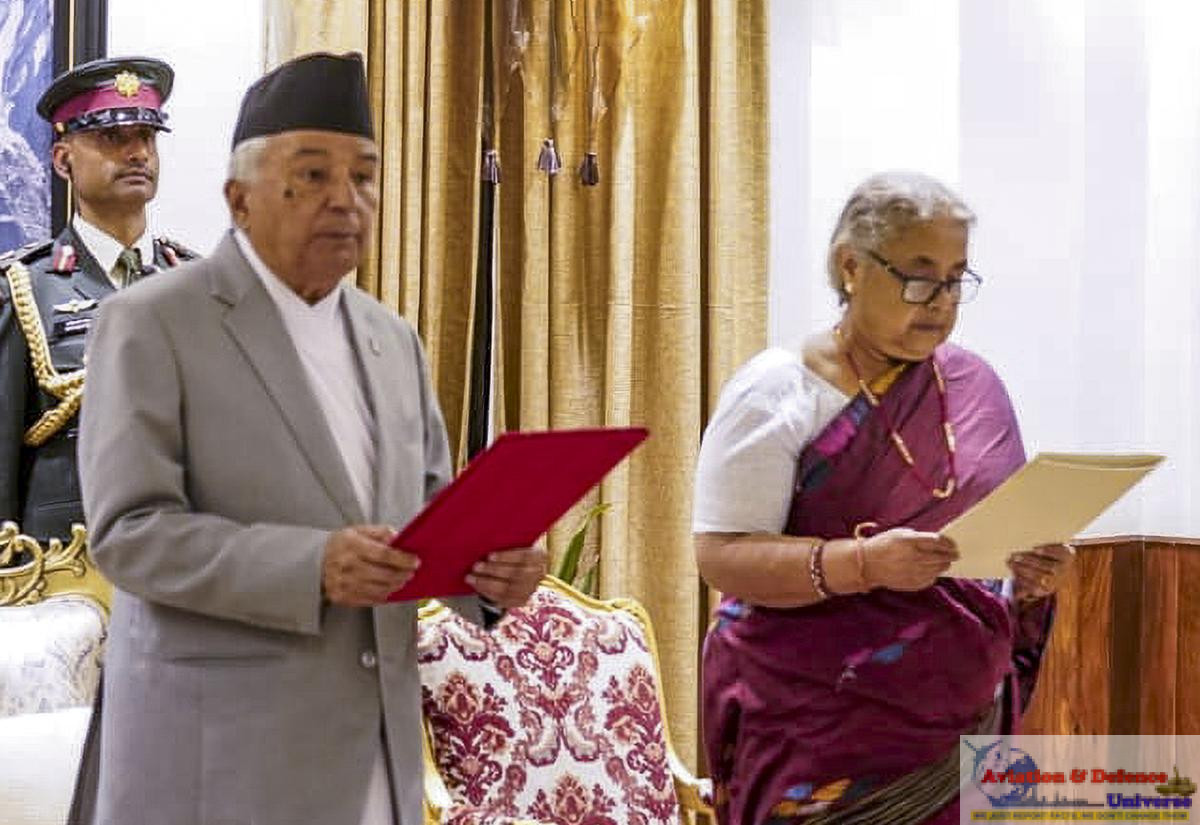
- First Woman PM Takes Charge in Kathmandu
By Jai Kumar Verma
 New Delhi. 29 September 2025. Nepal, long known for its rich cultural heritage and strategic Himalayan location, is today in the grip of one of its most severe political and economic crises in recent history. The eruption of mass youth-led protests against social media restrictions in September 2025 quickly morphed into a nationwide movement against corruption, inequality, and political dysfunction. The resignation of Prime Minister K.P. Sharma Oli and the subsequent installation of an interim government under former Chief Justice Sushila Karki mark a dramatic turning point for the country’s fragile democracy. Yet, beneath the political turbulence lies a deeper crisis—economic stagnation, rising unemployment, and energy shortages—that threatens Nepal’s stability. For India, these developments in its closest Himalayan neighbour pose serious implications for border security, migration, and the regional balance of power in the face of China’s growing footprint.
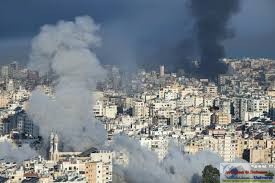
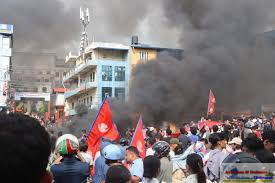
The “Gen Z “protests started because of social media ban. Prime Minister Khadga Prasad Sharma Oli banned social media platforms like Facebook, WhatsApp, Instagram, YouTube, X, etc. This ban has agitated the younger generation who felt their freedom of expression was being stifled. The masses were already livid because of rampant corruption, unemployment, nepotism, visible inequality just to name few. In some rural areas, especially in the Terai region near India, there are also rising tensions between different communities, which could lead to more internal problems. Protests, initially non-violent, grew large. In Kathmandu and other cities, young protesters forced their way into government complexes, clashed with police, and there were curfews imposed. Several people were killed, many injured. Some government and party offices, including Oli’s private residence, were set on fire. The protesters were largely young people mainly students. In their protests they demanded accountability, free expression, end to corruption, and political elites to be held responsible for debacle of the country.
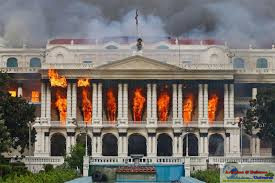 In view of uncontrollable protests, Oli had to resign on 9 September, 2025. The reports suggest that the Nepal Army Chief, General Ashok Raj Sigdel also pressurised Oli to resign because of rising protests. The public was much against Oli and after resignation he had to remain under the protection of the Nepal Army for few days at Shivapuri area north of Kathmandu. Even after his resignation, protests and unrest continued. Government buildings, party offices, the Supreme Court, Parliament, and residences of leaders were damaged or set on fire. Hundreds injured; several people died. After Oli’s ouster, an interim government was put in place. Former Chief Justice Sushila Karki took oath of office on 12 September 2025. Her main task is to investigate the violence, address the protesters demands and prepare the country for the elections. Karki is the first woman Prime Minister of Nepal.
The country is also undergoing an economic crisis. The prices of commodities of daily use are rising, unemployment has considerably enhanced, and the remittances sent home by Nepali workers abroad which is an important source of foreign exchange is decreasing. The country is also facing a big trade gap between import and export, and it is running low on foreign currency. On top of it, there are frequent fuel shortages and electricity cuts, which not only make life harder for ordinary people and businesses it also creates resentment in the masses.
Nepal’s calamity is not just an internal issue, it also affects the whole region. Since Nepal lies between two big Asian powers, any instability there can have a big impact on regional security. For India, the crisis is a serious concern. An unstable Nepal could lead to problems like border security issues, more migration, and reduced trade. It could also give China a chance to increase its influence in Nepal, which would challenge India’s traditional role in the region.
The Roots of the Crisis: Political Instability and Economic Woes
The crisis in Nepal has not happened suddenly. It has been building up over many years due to problems in both politics and the economy. One of the biggest reasons for the crisis is political instability. In the last few years, Nepal has seen frequent changes in its government. No single party has been able to hold power for a long time, and leaders often form or break alliances just to stay in power. As a result, the focus is more on remaining in power or in snatching the power than on solving the real problems of the people.
 Nepal is also going through a serious economic crisis. The prices of food, fuel, and other daily house hold things have increased considerably. The inflation has made life difficult for ordinary persons in the country, the young people are not getting jobs hence they are forced to go to India and other places in search of employment. Remittances sent from Nepalese people working abroad is a major source of foreign exchange but it dwindled as it became difficult for Nepalese to get employment in foreign land. Nepal is also facing energy crisis, there are long queues at petrol stations and there are regular power cuts.
Besides these problems the country also faced natural calamities such as earthquakes, floods, and landslides. These natural disasters have damaged the infrastructure like roads, homes, and power lines. The government take long time to repair infrastructure because of economic crisis and corruption. These delays also irritate the masses.
India-Nepal Relations: A Historic but Complex Equation
India and Nepal share a deep historical and cultural relationship. The two countries have strong people-to-people ties, open borders, and similar religious and linguistic roots. The 1950 Treaty of Peace and Friendship strengthened their bond, allowing free movement of people and goods across borders. Although lately several Nepalese under the influence of China criticised this treaty and alleged that it tilts too much in India’s favour. Communists have highlighted border disputes, especially in areas like Kalapani, Lipulekh, and Susta, to put India in bad light.
Despite these issues, the two nations are closely linked economically and culturally. India is Nepal’s largest trade partner and a major investor in its infrastructure and energy sectors. Millions of Nepalis work or live in India, while many Indians visit Nepal for tourism and religious pilgrimage. Geopolitically, Nepal’s position between India and China makes it important in regional politics. While Nepal tries to balance relations with both neighbours, India remains a key partner.
Repercussions on India: Strategic, Economic, and Security Concerns
 In case of strained relations with Nepal the border security becomes a major problem for India, as both countries have an open and porous border, which allows free movement of people. While this helps trade and cultural ties, it can also lead to illegal activities like smuggling, human trafficking, and unauthorized migration. There are reports that in past Pakistan smuggled fake currency notes as well as infiltrated terrorists through Nepal border. Another concern is the possible increase in refugee inflows or migration pressures, especially during political instability or natural disasters in Nepal. Strained relations also affect economic ties. India is a key partner in Nepal’s development, investing in infrastructure, hydropower, and trade. Delays or breakdowns in these projects can hurt both countries, slowing down progress and reducing mutual trust.
Strategically, the growing presence of China in Nepal is a serious concern for India. Nepal is important to India’s security because of its location. As China invests more in Nepal’s infrastructure and strengthens political ties, India may need to rethink its strategy in the region. Maintaining strong ties with Nepal is crucial for India’s long-term security and influence in South Asia.
China’s Expanding Footprint
In recent years, Nepal has been moving closer to China, especially during times of crisis or tension with India. China has also increased its investment in Nepal through infrastructure projects under its Belt and Road Initiative (BRI). Roads, rail links, and energy projects are being developed with Chinese funding. Nepal sees China as an alternative partner that can help with its development goals and reduce dependence on India.
However, this shift has raised concerns for India. The growing Chinese presence in Nepal affects the traditional balance of power in the Himalayan region. India has long seen Nepal as part of its natural sphere of influence due to close cultural, economic, and historical links. China’s deeper involvement challenges this view.
For India, the concern is not just economic, but also strategic. A stronger China-Nepal relationship could allow China to expand its influence near India’s sensitive northern borders. This makes it important for India to engage more deeply with Nepal and rebuild mutual trust and cooperation.
Way Forward: Diplomatic Engagement and Regional Stability
 As China is trying to increase its influence in Nepal through the Communist Party of Nepal, India should also enhance strategic interests with its role as a humanitarian and development partner. India should continue supporting Nepal through aid, scholarships, healthcare, and infrastructure projects. People-to-people connections, cultural exchanges, and open border policies should be preserved and protected. In the long run, a stable and friendly Nepal is in India’s interest.
Conclusion: A Test of Diplomacy and Neighbourhood First Policy
India-Nepal relations are at a critical point, where both countries have high stakes. A peaceful and cooperative relationship is important for both countries. Nepal depends on India for trade, employment opportunities, and development support, while India sees Nepal as a key partner for regional security and stability in the Himalayas.
However, recent issues like border disputes, rising Chinese influence in Nepal, and past misunderstandings have tested the strength of this relationship. These challenges highlight the need for India to follow a more proactive and sensitive approach in dealing with its neighbour.
India’s Neighbourhood First Policy should focus on mutual respect, equal partnership, and listening to Nepal’s concerns sincerely. The border dispute between India and Nepal was highlighted by anti-India forces on the instigation of China, now Delhi and Kathmandu should try to resolve border dispute through dialogue. India should continue supporting Nepal during crises, and investing in long-term development.
Nepal’s ongoing turmoil is a reminder that unresolved political instability, compounded by economic hardship and youth unrest, can destabilize fragile democracies. While the interim government attempts to calm protests and prepare for elections, the country’s economic woes, social divisions, and geopolitical vulnerability remain pressing challenges. For India, the crisis underscores the importance of proactive diplomacy under the Neighbourhood First policy, ensuring support for Nepal’s stability while countering China’s expanding influence. Ultimately, the direction Nepal takes in the coming months will not only shape its domestic future but will also test regional security, India-Nepal ties, and the broader balance of power in South Asia.
(Jai Kumar Verma is a Delhi-based strategic analyst and member of United Services Institute of India and The Manohar Parrikar Institute for Defence Studies and Analyses. The views in the article are solely the author’s. He can be contacted at editor.adu@gmail.com)