


















Defence MinisterAtmanirbhar Bharat
- Civil-Military Fusion Declared Critical to India’s National Power
By Sangeeta Saxena
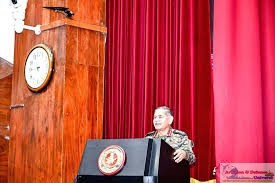
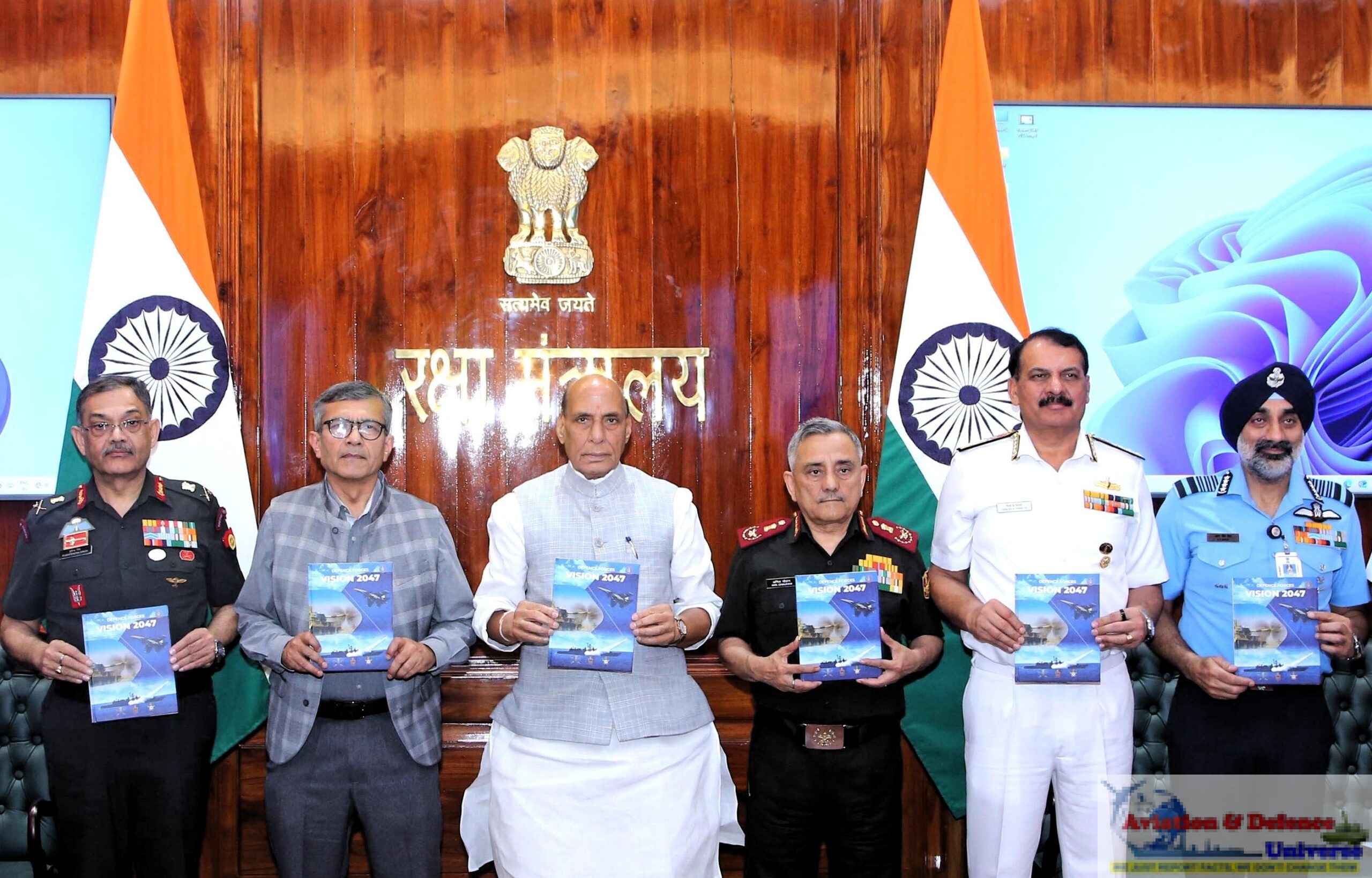
New Delhi. 22 October 2025. It was an afternoon which declared Civil-Military Fusion (CMF) critical to India’s national power, marking a strategic evolution in the country’s approach to defence, governance, and technology. The launch of “Civil-Military Fusion as a Metric of National Power and Comprehensive Security” authored by Lt. Gen. Raj Shukla (Retd.) marked a defining moment in India’s evolving discourse on national security and strategic preparedness. Graced by senior defence leadership, including Defence Minister Rajnath Singh, CDS Gen Anil Chauhan, and Army Chief Gen Upendra Dwivedi, the event was a powerful convergence of civil and military thought, highlighting the urgent need to synergise innovation, industry, and institution in service of India’s comprehensive national power.
 Recognising that future conflicts will be defined as much by innovation and information as by kinetic strength, India’s CMF vision seeks to integrate the military, private sector, academia, and scientific community into a unified national security ecosystem. The doctrine aligns with Prime Minister Narendra Modi’s broader Atmanirbhar Bharat (self-reliant India) framework, encouraging dual-use technology development, indigenous manufacturing, and shared infrastructure for defence and civilian purposes. By fostering collaboration between the Department of Military Affairs, DRDO, startups, and industry partners, India aims to accelerate capability-building in artificial intelligence, space, quantum technologies, and cyber resilience. The approach not only enhances operational synergy among the Army, Navy, and Air Force but also strengthens India’s strategic autonomy in an increasingly contested Indo-Pacific environment. As Defence Minister Rajnath Singh and CDS Gen Anil Chauhan have reiterated, CMF is not merely a defence policy—it is a national doctrine of power integration, where every sector of society contributes to safeguarding sovereignty and shaping India’s emergence as a technologically empowered global power.
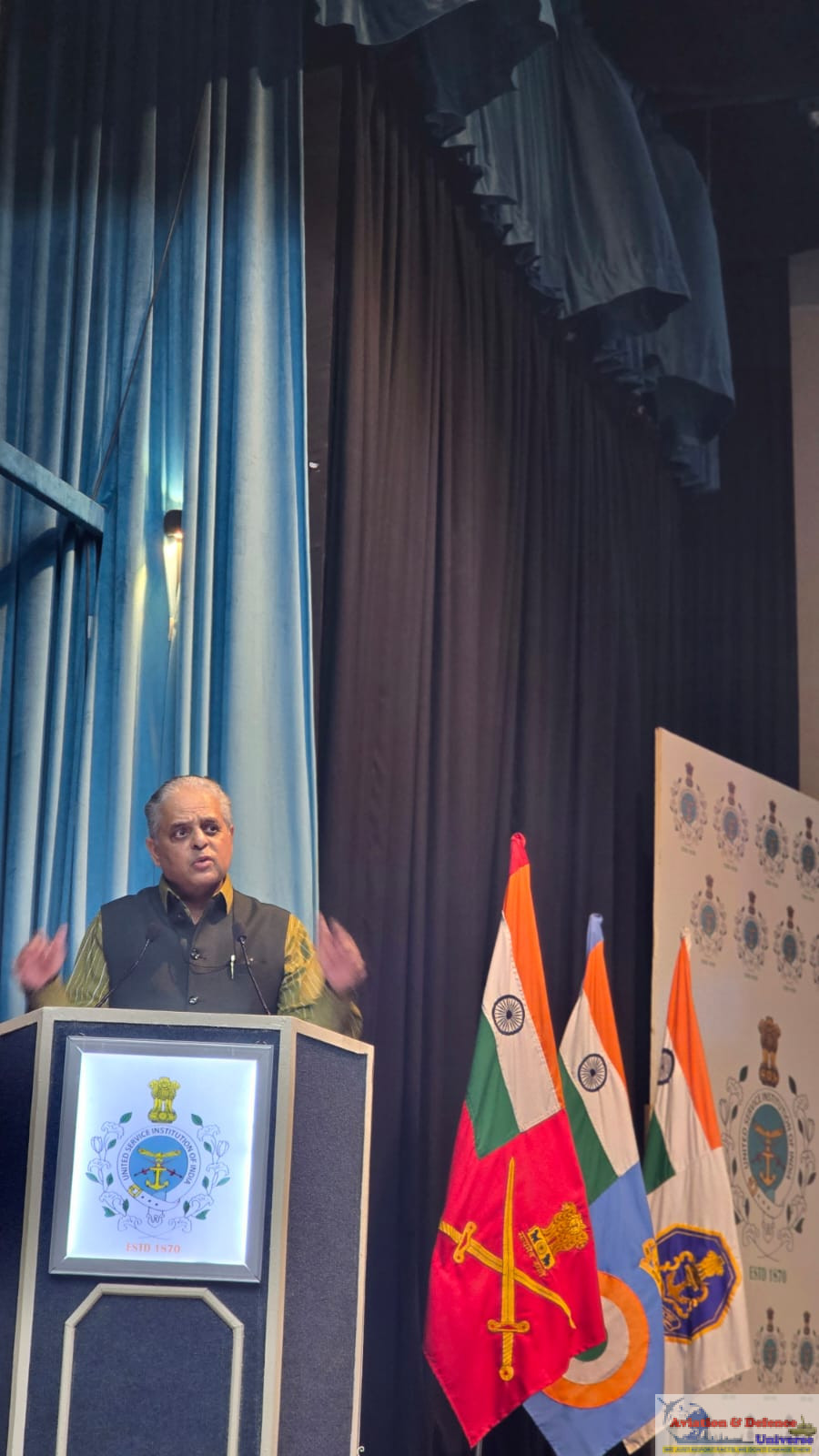
Lt. Gen. Raj Shukla (Retd.) the author reiterated, “If there is one overwhelming reason why China is outcompeting all democracies, including the USA, it is on account of its deft leveraging of civil-military fusion. In China, the PLA doesn’t just buy equipment. It builds ecosystems. That’s the model India must understand—not copy, but adapt. Ukraine has redefined warfare. They now manufacture more drones than the artillery shells they fired last year. That’s not chance—it’s fusion. In Israel, the Air Force relies on the young geeks of Unit 8200 and 9300. Intelligence is the new warhead. CMF is not a procurement model—it is a mindset. 60 to 70% of it is ideational. It costs nothing—but demands imagination. We are not China, Israel, or America. But we must be India—and we must fuse smartly, strategically, and swiftly.”
The Civil-Military Fusion (CMF) doctrine has emerged as a centre of 21st-century national security strategy, blurring the boundaries between civilian innovation and military capability. Globally, it represents a paradigm shift — from the traditional division of labour between civil and defence sectors to an integrated approach that leverages technology, talent, and industry for strategic advantage. China has institutionalised CMF as a national doctrine under President Xi Jinping, merging its scientific, industrial, and defence ecosystems to accelerate military modernisation and achieve its goal of building a “world-class military” by mid-century.
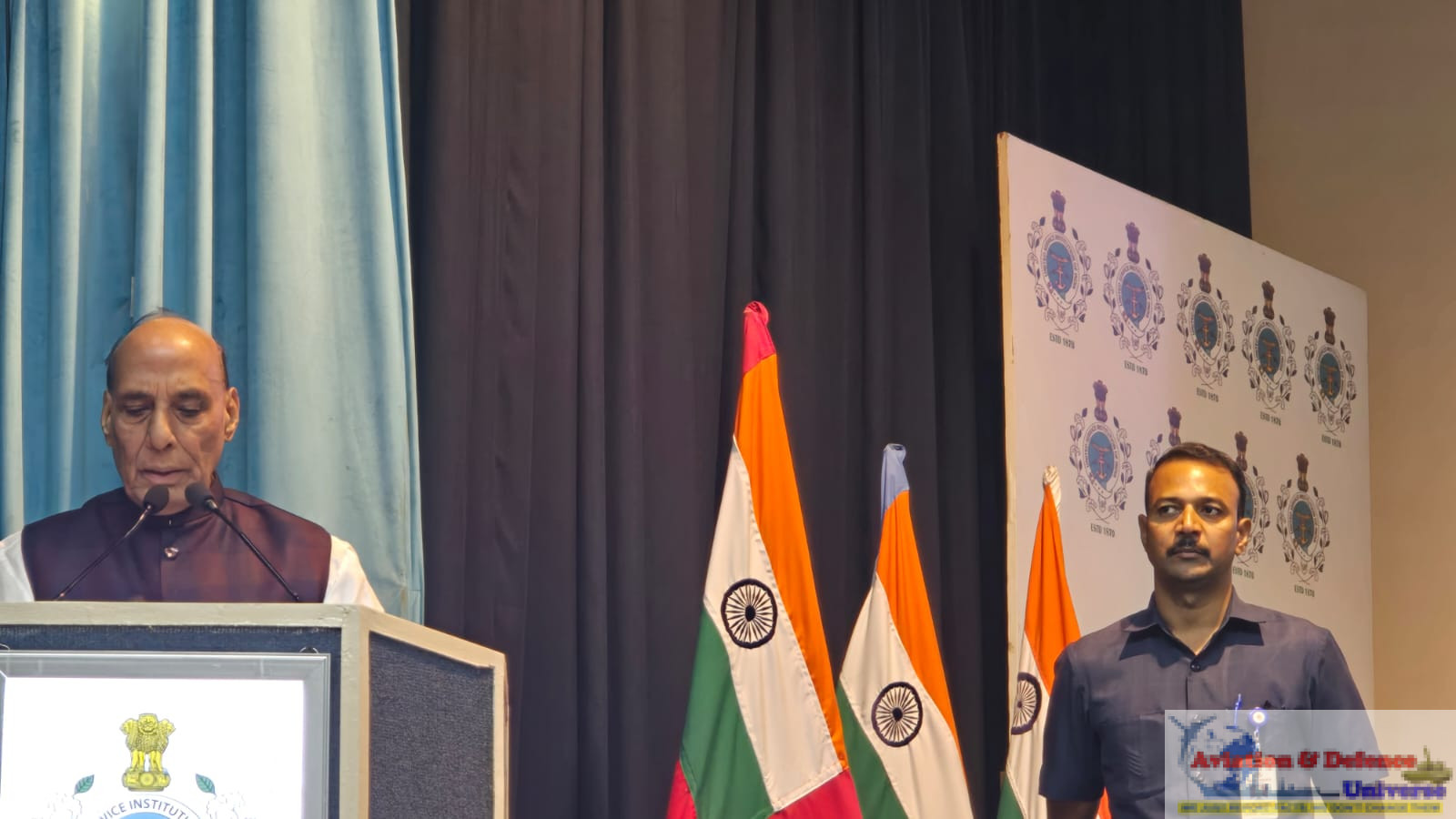 Rajnath Singh, Defence Minister of India stated, “Civil-military fusion is not a choice—it is an imperative for national security. The faster we act on this, the better prepared we will be to face emerging threats. India’s civil and military domains have worked in parallel for too long. This book is a timely reminder that true strength lies in their integration. From emerging tech to industrial capacity, we must harness the power of our private sector and scientific community to empower our armed forces. That is the future. I commend Lt. Gen. Raj Shukla for initiating this critical discourse. This book will serve as a guidepost for policymakers, strategists, and defence professionals alike.”
The United States, which pioneered the concept during the Cold War through collaborations between the Pentagon and private industry (e.g., DARPA, NASA, and Silicon Valley), has re-embraced CMF in the AI and semiconductor age through initiatives like the Defence Innovation Unit and tech partnerships under the CHIPS Act. Israel embodies the model through seamless collaboration between its armed forces, academia, and high-tech startups, notably via elite cyber and intelligence units such as Unit 8200.
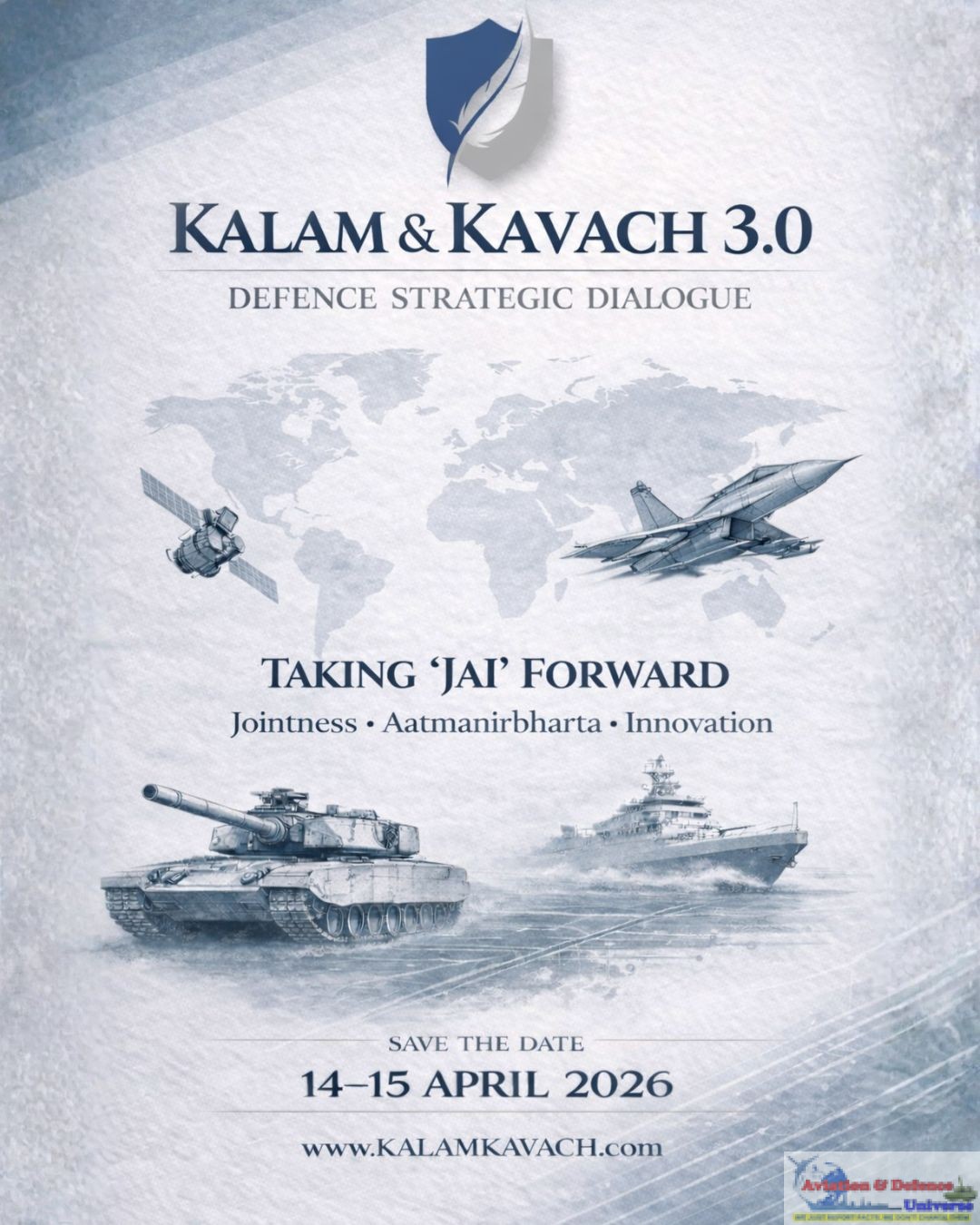
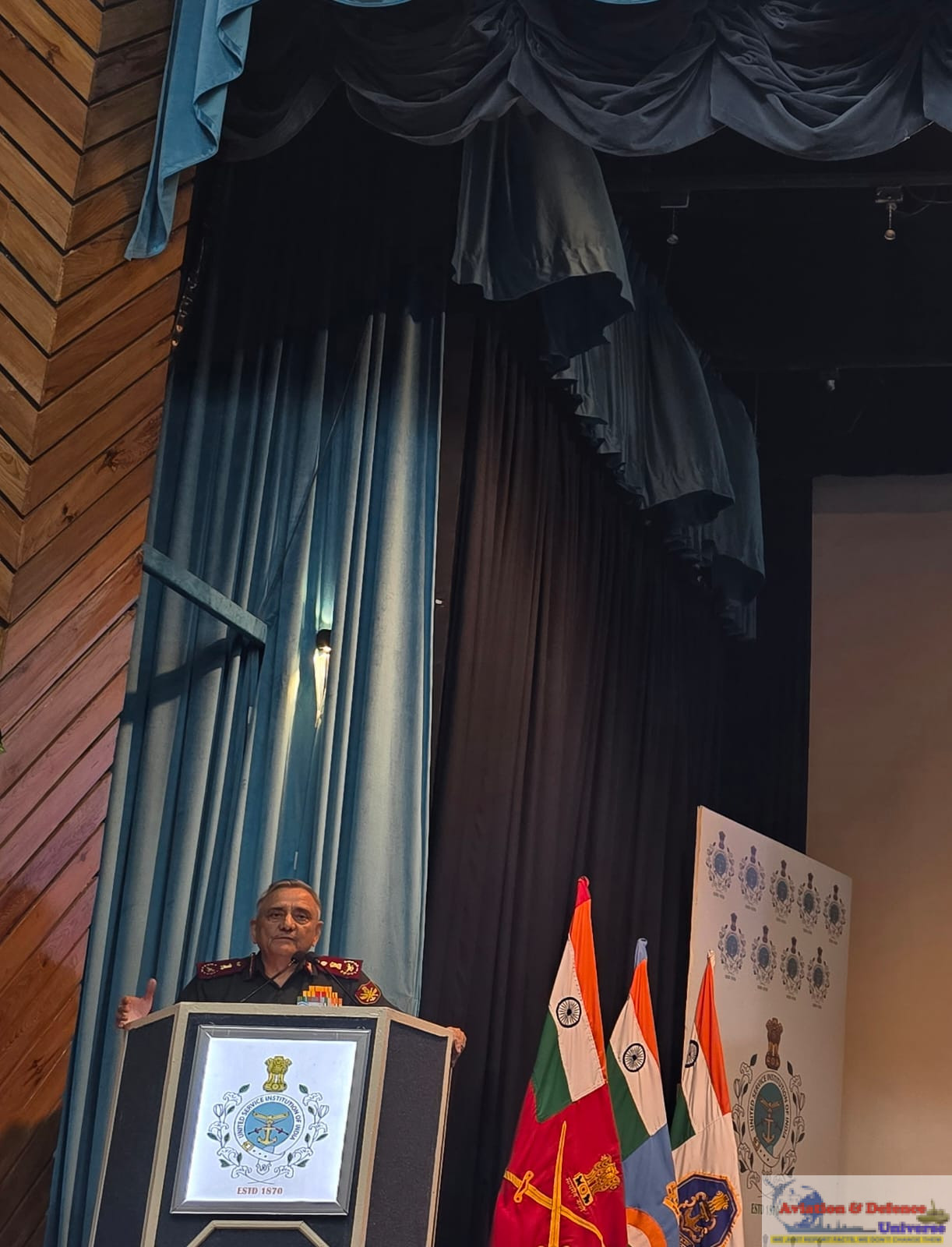 General Anil Chauhan , India’s Chief of Defence Staff (CDS) emphasised, “ This book is a great aperitif and the main course for the PM’s clarion call of ‘JAI’—Jointness, Atmanirbharta, and Innovation. We are now transitioning from ‘Civil-Military Relations’ to ‘Military-Civil Fusion’—a term I personally endorse. In the fusion model, the military must take ownership and drive the integration process. CMF is no longer a theory—it is the foundation for capacity building, rapid indigenisation, and building a resilient supply chain. I urge that this book be made mandatory reading for all security scholars and practitioners. It distils global best practices into an Indian idiom and shows the path forward.”
Russia, too, has pursued CMF through state-led defence-industrial integration, focusing on space, energy, and cyber domains. The European Union, while less centralised, promotes a dual-use innovation framework under its European Defence Fund, ensuring technological competitiveness across civilian and defence sectors. Across these models, CMF underscores a universal truth — that in an era defined by hybrid warfare, artificial intelligence, and strategic competition, the fusion of civil and military capabilities is essential for sustaining national power and global influence.
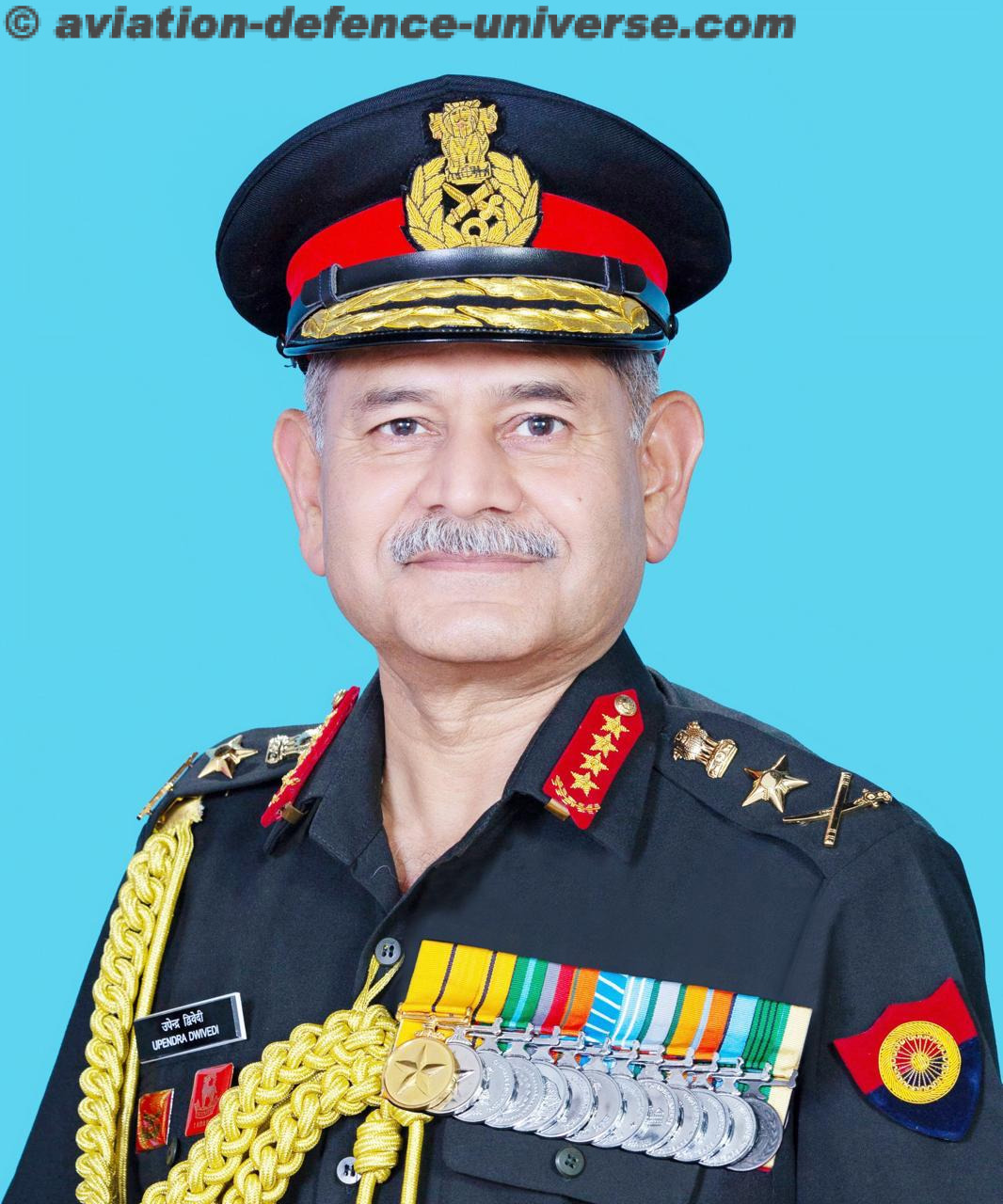
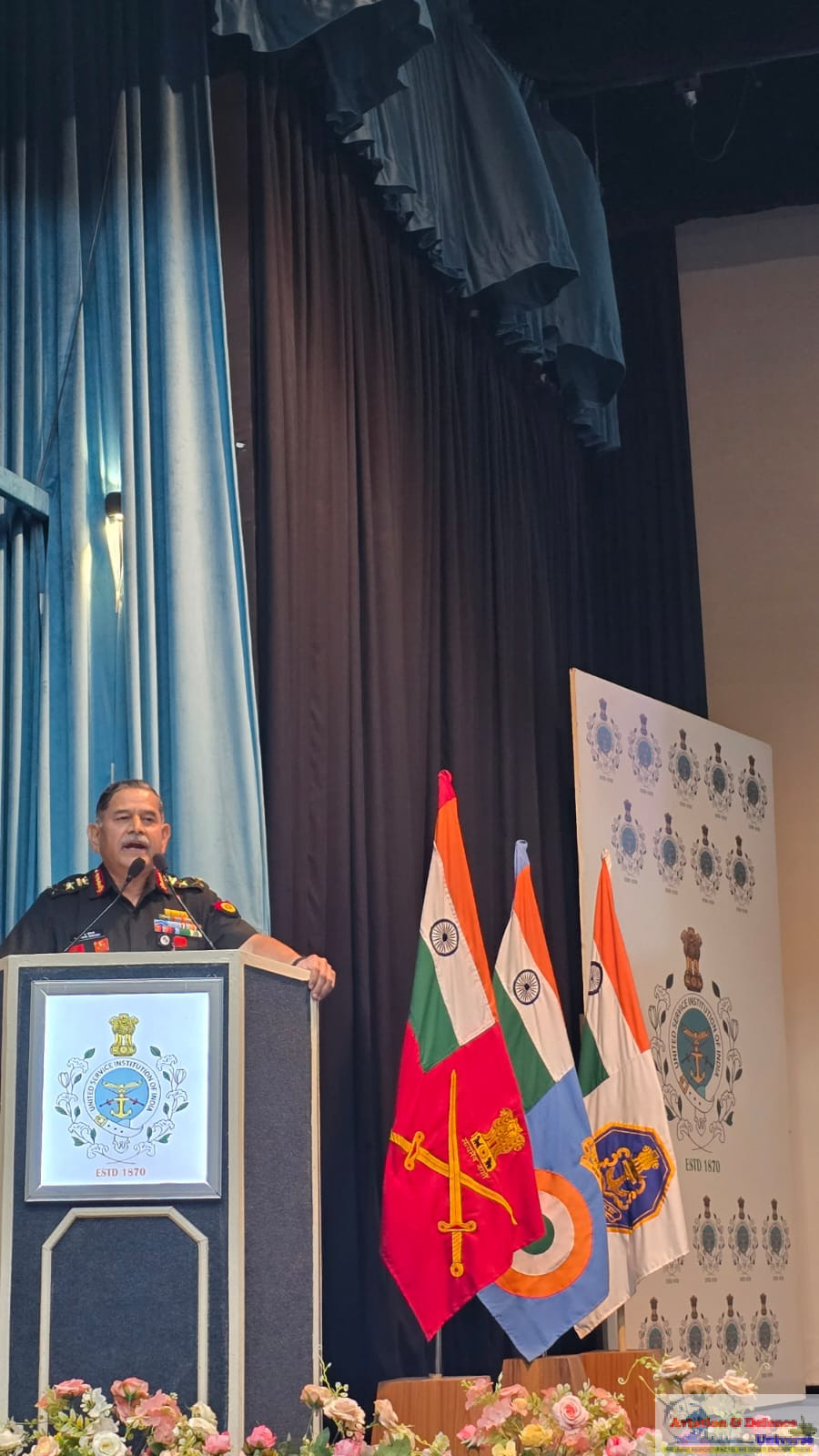 General Upendra Dwivedi , Indian Army Chief said, “I must concede, very frankly, that when I read this book, it was a déjà vu moment. I only wish it had come a year earlier—before the RM announced the Year of Reforms and I launched the Decade of Transformation. This book doesn’t focus on deficit-based thinking. It’s built on asset-based visioning, which is why it strikes such a chord. Military-Civil Fusion must become the operating framework for us—not just a doctrine. We have to stop blaming the ‘civil’ and take responsibility ourselves. The book offers lessons not just for the military or the civil services but for all joiners in between—industry, think tanks, academia. It captures the spirit of time-T—Time, Technology, Talent—all synergised to power national strategy.”
The full dais agreed that Lieutenant General Raj Shukla had rightly highlighted how an ancient civilisation like India inherently advocates convergence — of Swastik, the temple of learning; Lakshmi, the symbol of wealth creation; and Durga, the instrument of national power. They remarked that this book is both timely and insightful, unveiling the challenges before India, analysing global best practices, and outlining a pragmatic roadmap for the nation’s future. They felt that the work is deserving of serious and critical reading, not only for its intellectual rigour but also for addressing one of India’s most pressing strategic imperatives. Commending the author for his scholarly and strategic contribution, the dignitaries expressed hope that the book would inspire new ideas, foster deeper collaboration, and ignite a national vision for the fusion of India’s civil and military estates.
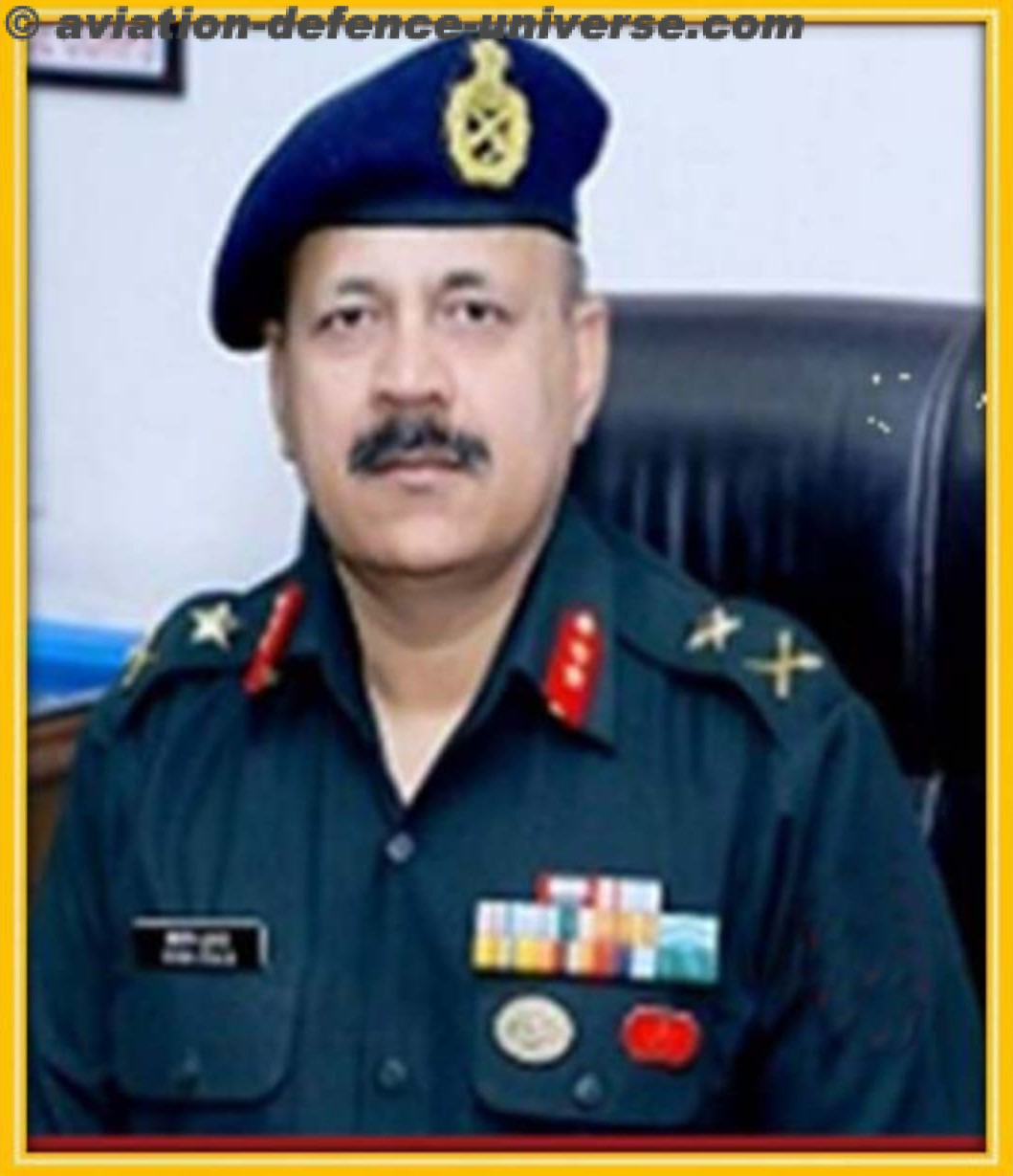
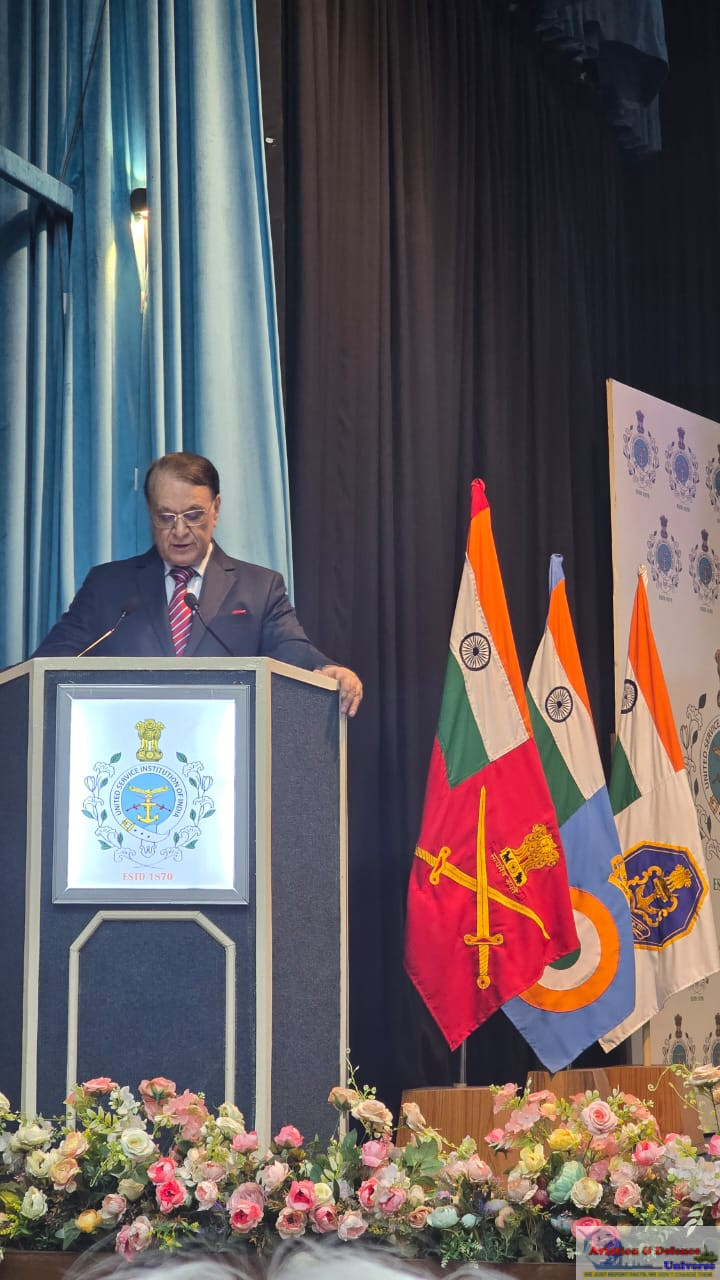 Maj Gen BK Sharma, the Director General of United Service Institution of India (USI), echoed the perspective of General Raj Shukla, affirming that civil-military fusion entails the convergence of all critical elements of nation-statecraft — including the military, the scientific community, industry, academia, and the enterprise ecosystem — to pursue national security and technological sovereignty in a resolute and unified manner. He emphasised that India’s uniformed services — comprising the military, paramilitary forces, and the Central Armed Police Forces (CAPFs) — must operate in seamless collaboration with domains such as diplomacy, science, R&D, the public and private sectors, startups, commercial space ventures, academia, and intellectual leadership. Together, these sectors must function as a fused enterprise, unified by a common strategic purpose: to secure India’s interests and elevate its stature as a technologically self-reliant and resilient nation.
The book has been written under the aegis of USI as a part of the research Chair of Excellence, constituted by the Bhawanipur Education Society College and published by Pentagon Press. The Bhawanipur Education Society College (BESC), located in Kolkata, West Bengal, India, is a prominent private college affiliated with the University of Calcutta, established in 1966. Bhawanipur Education Society College (BESC) has instituted a Chair of Excellence (COE) in the year 2022 at USI.
 The publishers are Pentagon Press who sit at the helm of the list of publishers of looks on security issues and geo-politics. Over the years, Pentagon Press has carved a niche for itself in an overcrowded market. It has stood out with its distinct titles and subjects, and has found valuable patrons among academia, policymakers, and civil society actors, along with national and international stakeholders. They are the publishers of choice for some of the major think-tanks in India as well as some international organizations. Their premier publication, South Asia Defence and Strategic Year Book, is now in its ninth year of publication and stands as solid proof of their mission to build a platform for peace and stability in the region and beyond. Pentagons titles have also established an export market in SAARC and ASEAN Countries- a rare feat for an Indian publishing house.
The launch of Civil-Military Fusion as a Metric of National Power was not just ceremonial—it was a strategic articulation of India’s future. The presence of the nation’s top defence leadership underscored that CMF is no longer a think-tank concept, but a frontline necessity. From the Defence Minister’s call for private sector integration, to the CDS’s emphasis on indigenisation and synergy, and the Army Chief’s vision of a transformative military, the message was clear: India’s security calculus must now include startups, labs, supply chains, and civilian imagination.
In Lt. Gen. Raj Shukla’s words, “CMF is the secret sauce that can secure India’s rise.” The book—and the conversation it has ignited—will likely shape India’s strategic playbook for the next decade.