





























- Ground Forces Meet Future-Ready Technologies
By Sangeeta Saxena
Excel Centre, London. 12 September 2025. The Land Zone at DSEI 2025 in London emerged as a centrepiece for global defence innovation, showcasing the latest advances in armoured vehicles, unmanned ground systems, artillery, and integrated mission technologies. From the unveiling of General Dynamics’ new AJAX Infantry Fighting Vehicle variant to Rheinmetall’s Tactical Vehicle and Milrem Robotics’ next-generation UGVs, the exhibition reiterated how land warfare is being reshaped by digital integration, modularity, and combat-proven adaptability. Complementing the industrial highlights, the UK government’s launch of the UK Defence Innovation (UKDI) body and the transformation of UK Strategic Command into Cyber & Specialist Operations Command (CSOC) set a strategic tone, signalling a decisive push toward innovation, agility, and multi-domain readiness.
 It highlighted a powerful mix of traditional armoured strength, next-generation vehicles, and digitally enabled innovations for the modern battlefield. From tracked infantry fighting vehicles to autonomous ground systems, the Land Zone served as a showcase for global industry, reflecting how armies are adapting to lessons from Ukraine, Indo-Pacific challenges, and the rise of unmanned warfare.
General Dynamics Land Systems UK unveiled the latest AJAX Infantry Fighting Vehicle (IFV) variant, integrating Lockheed Martin’s advanced turret system and a CT40 cannon, offering modular protection and a ramped rear door for faster troop deployment. Alongside it, the BLACKJAX technology demonstrator gave a glimpse into future armoured lethality, while the updated Foxhound utility vehicle—equipped with Moog’s RIwP turret for SHORAD and counter-UAS missions—demonstrated British adaptability. A militarised Ford Ranger Super Duty also reinforced the trend toward versatile, rugged platforms for frontline deployment.
Rheinmetall UK presented its new Tactical Vehicle under the Land Mobility Programme, designed with over 50% British-sourced content, sustaining more than 800 jobs. The firm emphasised its readiness to meet UK operational demands with a 10-year service life and through-life value. Meanwhile, ST Engineering introduced its Light Infantry Reconnaissance-Strike concept, integrating mobility, digital situational awareness, and counter-UAS technologies tailored for dispersed, networked operations.
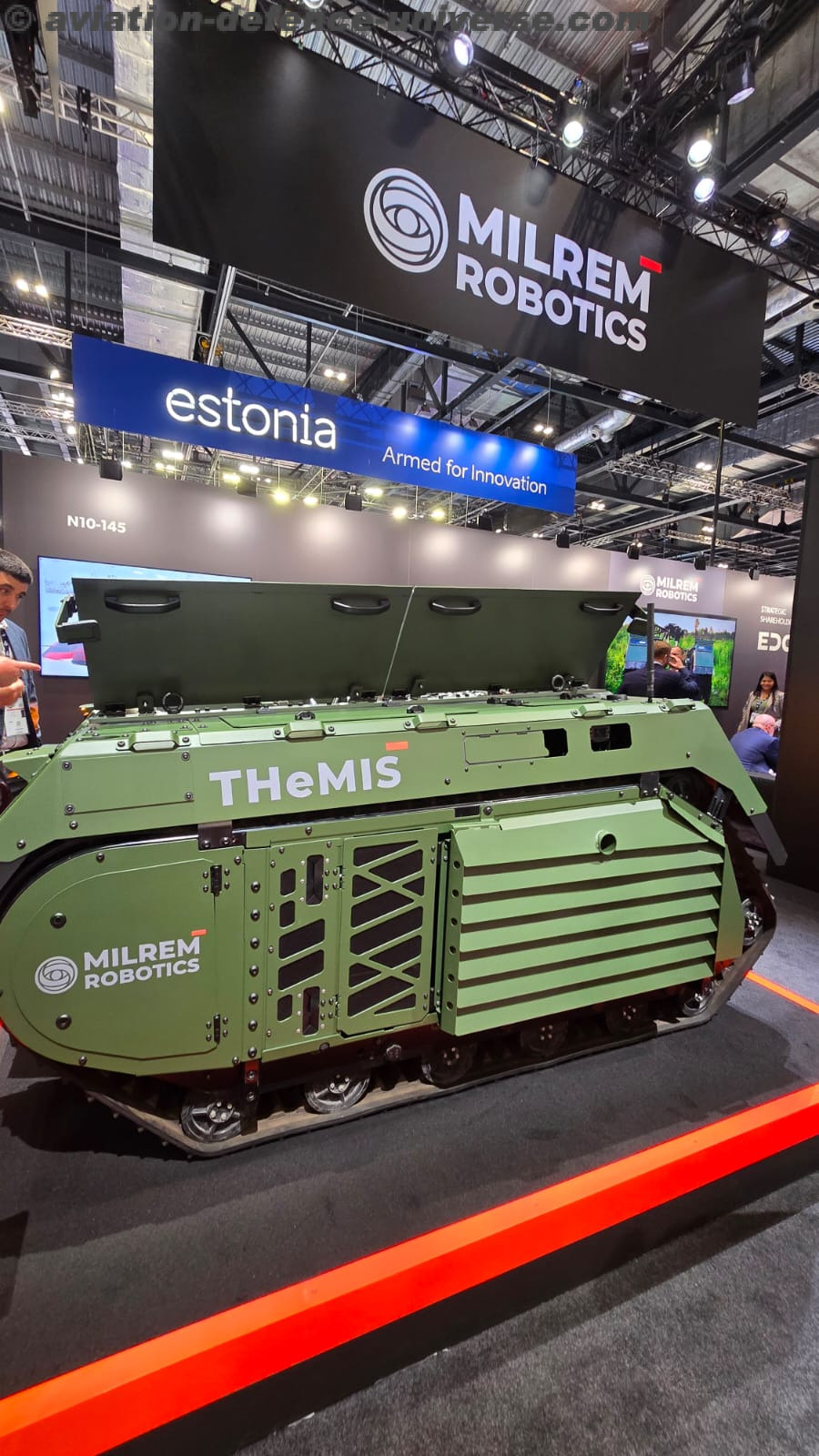
In the tracked category, ST Kinetics’ Bronco All-Terrain Carrier stood out with its proven battlefield pedigree from Afghanistan and new modular upgrades that increase payload, survivability, and versatility across more than 40 variants. Patria launched its new TRACKX vehicle, designed within the EDF’s FAMOUS programme to traverse extreme terrains while transporting 12 soldiers, making it a future-ready tracked vehicle for EU and NATO forces. Complementing this, the Estonian innovator Milrem Robotics showcased new variants of its THeMIS UGV, integrating weapons systems from Saab, Moog, Thales, and MARSS to deliver precision strike, air defence, and ISR solutions for multi-domain operations.
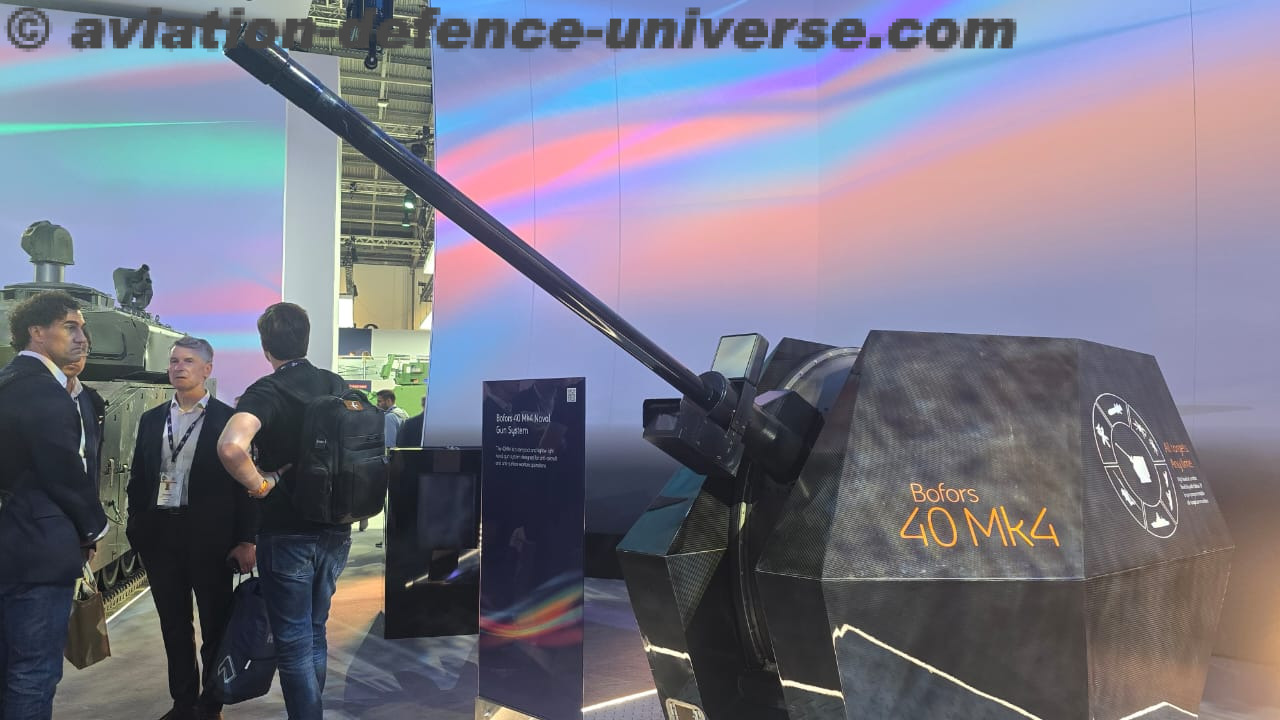 The artillery and firepower segment was bolstered by Hanwha’s 155mm Modular Charge System, the AS9 Huntsman Self-Propelled Howitzer with its AS10 resupply partner vehicle, and the Deep Strike Capability system, which Poland has already adopted in its Homar-K variant. Hanwha’s L-SAM interceptor added a high-altitude ballistic defence solution to the display, while Redback IFVs continued to compete in the NATO armour market.
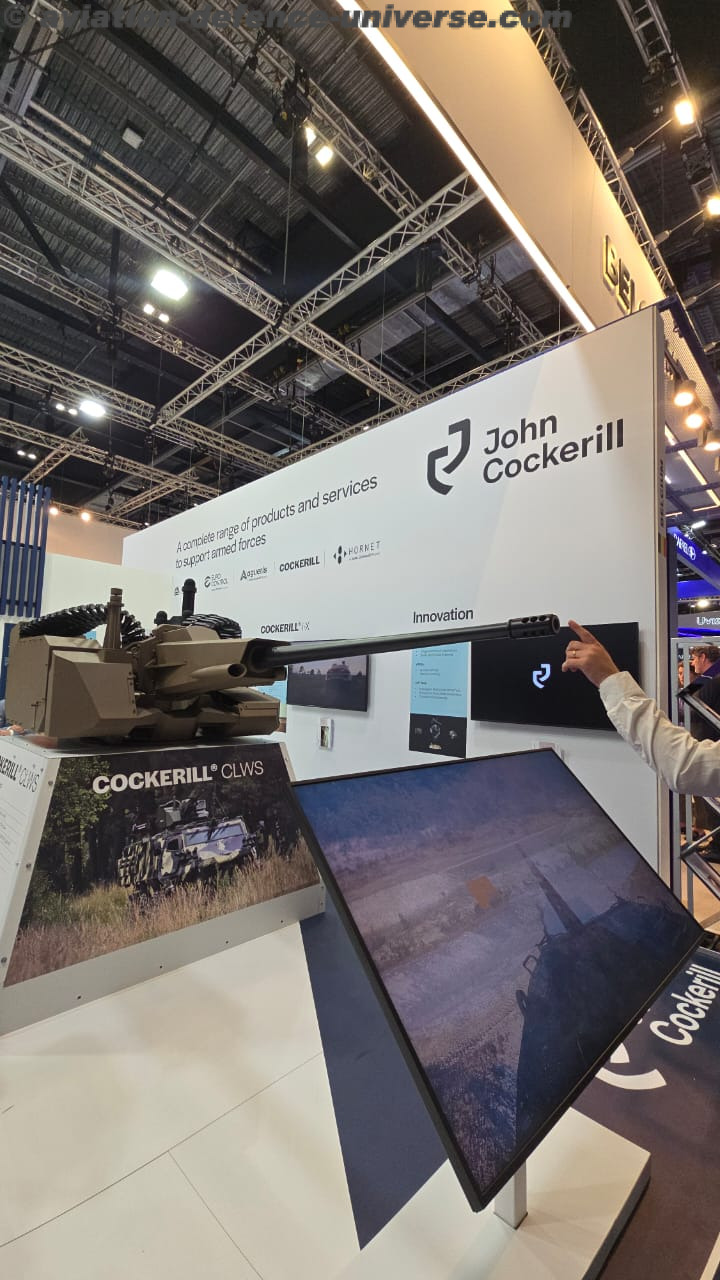
 Small arms and rifle manufacturers drew significant attention at DSEI 2025, with global leaders like SIG Sauer, Beretta, Heckler & Koch, and FN Herstal showcasing their latest portfolios. These included next-generation assault rifles, precision sniper systems, pistols, and modular weapon platforms designed to enhance lethality, adaptability, and soldier safety in modern combat. Many of the systems on display emphasized lightweight design, improved ergonomics, and integration with advanced optics, suppressors, and digital fire-control systems. With lessons drawn from ongoing conflicts such as in Ukraine, the focus was on high reliability, rapid deployment, and interoperability with NATO standards, ensuring that these weapons meet the demands of diverse battlefield environments and multi-domain operations.
Amid these industrial showcases, policy and innovation announcements shaped the broader strategic backdrop. The UK Defence Innovation (UKDI) organisation was formally launched, backed by a £400 million annual budget to move cutting-edge technologies into service faster. Defence Secretary John Healey emphasised that “defence is only as strong as the industry that stands behind it,” framing UKDI as both a driver of military capability and a generator of high-skilled jobs in the dual-use tech sector.
 In parallel, UK Strategic Command was re-designated as Cyber & Specialist Operations Command (CSOC) to reflect its expanded role in cyber and specialist domains. General Sir Jim Hockenhull called the transition “a clear statement of purpose,” highlighting CSOC’s responsibility for integrating intelligence, cyber, special operations, and command-and-control functions in the UK’s modern warfighting framework. The combination of UKDI’s innovation mandate and CSOC’s new focus marked a clear message at DSEI: land systems innovation must be matched by digital, cyber, and multi-domain readiness.
At DSEI 2025, the Indian land systems display made a strong impression, showcasing the country’s growing defence manufacturing capabilities under the Atmanirbhar Bharat initiative. Tata exhibited its advanced armoured mobility solutions and tactical platforms designed for both domestic and export markets, while Bharat Forge and Kalyani Group did not have a booth but the team was there to sign MoUs with Milrem Robotics and Windracers. Armoured Vehicles Nigam Ltd (AVNL), a state-owned major, highlighted its upgraded battle tanks, infantry fighting vehicles, and modular tracked platforms, underscoring India’s ability to modernise legacy systems for contemporary battlefields. Munitions India Ltd showcased a unmanned ground systemswide array of ammunition and energetic materials tailored for land systems, reflecting India’s self-reliance in critical supply chains. Indian Private sector in land systems also saw the presence of MKU, Sandeep Metalcraft and Rotary Connectors. Together, these companies projected India’s ambition to be a global defence player, positioning itself as not only a buyer but also a significant exporter of land warfare solutions.
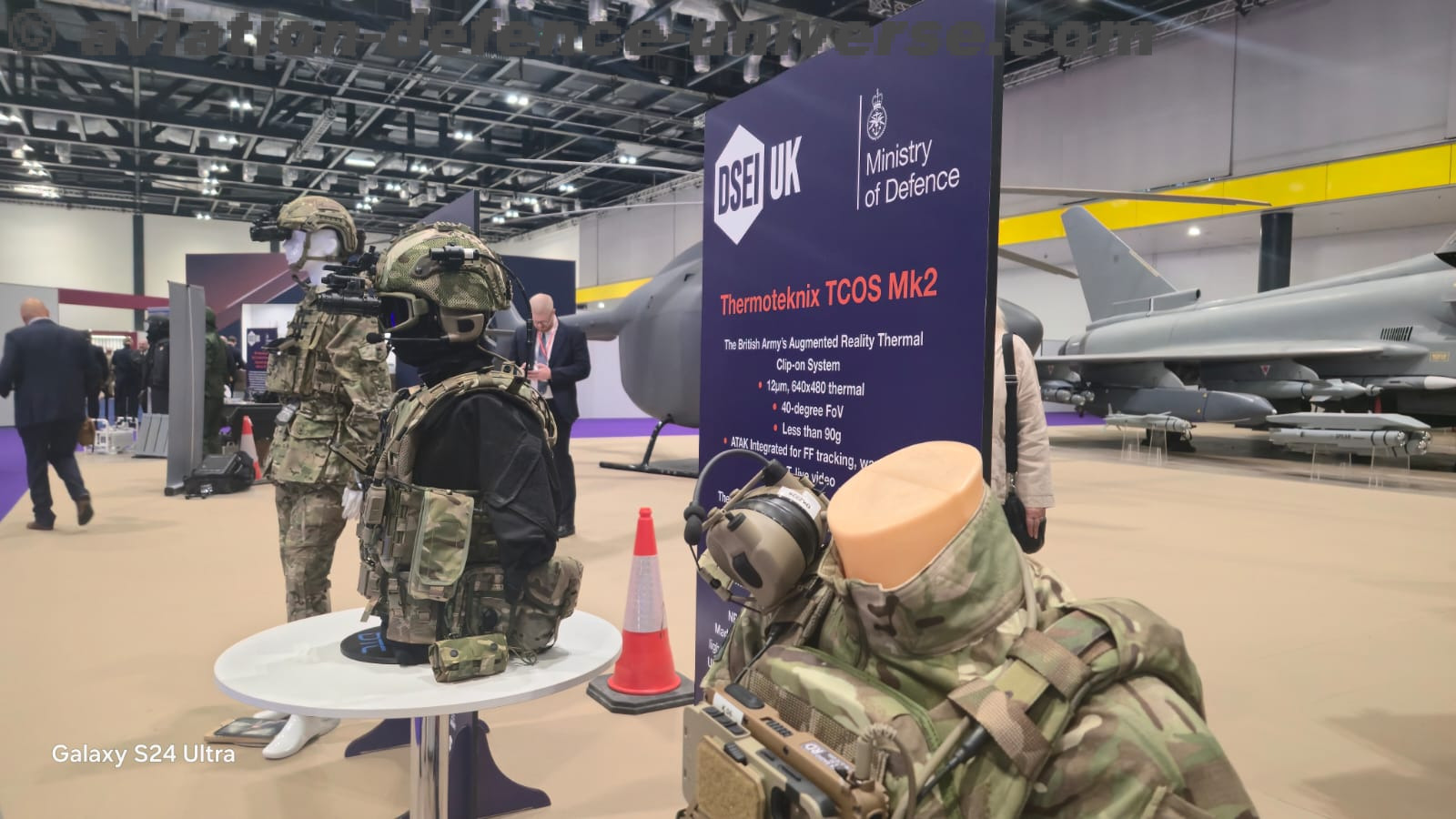 Together, the land systems on display and the structural reforms in UK defence policy underscored a central theme at DSEI 2025—that survivability, agility, and innovation are the true currency of modern land warfare. From heavy armour to uncrewed systems, from industrial partnerships to institutional reforms, London’s showcase highlighted how defence is moving at “wartime pace” to equip tomorrow’s forces.
DSEI 2025’s Land Zone highlighted more than just vehicles and systems—it reflected a broader shift in land warfare philosophy, where traditional armoured strength is now reinforced by autonomy, cyber resilience, and rapid technological adoption. With nations like the UK investing in innovation through UKDI, redefining command structures with CSOC, and industry players rolling out advanced, modular solutions, the exhibition demonstrated how collaboration between governments, militaries, and industry is essential to prepare for the next era of conflict. As lessons from Ukraine, NATO requirements, and Indo-Pacific challenges converge, DSEI 2025 affirmed that the future of land combat will be defined by speed, survivability, and digital superiority.