













By Anna Jordy
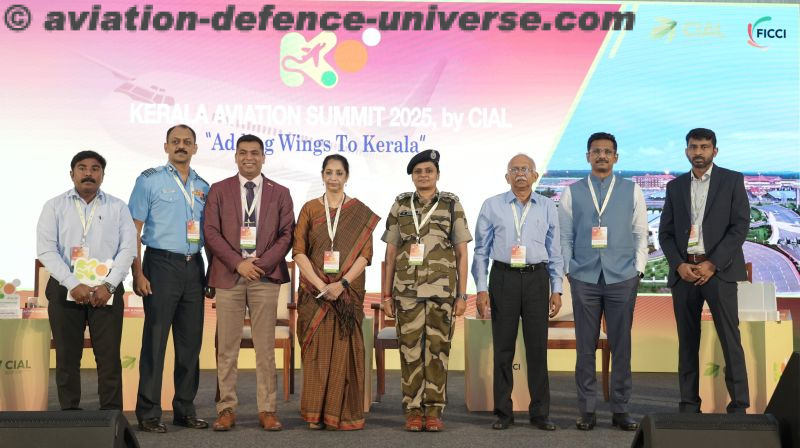
Cochin, Kerala. 26 August 2025. Cochin International Airport Limited (CIAL) (IATA: COK) together with Federation of Indian Chambers of Commerce and Industry (FICCI) organised first-ever aviation summit, Kerala Aviation Summit 2025 in God’s own country, Kerala (India) on 23-24 August. The summit showcased developments and opportunities for the economic growth of aviation and tourism in Kerala. Experts and specialists in drones, eVTOLs, UAV, Air Cargo, MRO, and others were present onsite and gave an overview on initiatives necessary to build the right ecosystem and skillset for the aviation sector and next-generation technologies.
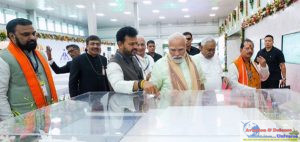
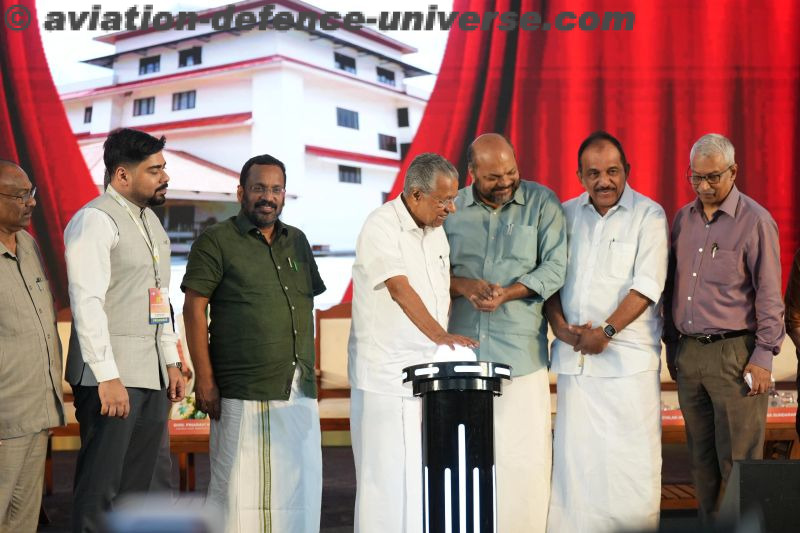
This auspicious and exhilarating summit was inaugurated by Pinarayi Vijayan, Chief Minister of Kerala (India). He also unveiled Airport Public Health Office (APHO) building at CIAL; a facility designed to strengthen Kerala’s airport health infrastructure by providing services for the detection and treatment of communicable diseases which enhances passenger’s confidence and safety.
Suhas, Managing Director, CIAL, welcomed everyone by emphasising Kerala’s potential in aviation sector. He stated, “The biggest achievement of the summit was the realisation of Kerala’s immense untapped potential. The discussions will act as a stimulator for the aviation sector. CIAL will provide all necessary support for the aviation industry and Kerala’s economic growth through infrastructure development and policy making.”
During the inaugural address of Pinarayi Vijayan, Chief Minister of Kerala highlighted the importance of making more accessible and affordable air travel to the public. He stated that “Air travel needs to be popularized. And for that, we need to intervene to reduce the cost of travel and operations and make air travel affordable and accessible to everyone.”
The inaugural session of Kerala Aviation Summit 2025 paved way to the transformative strategical and economic developments in the state’s aviation and tourism sectors through policy interventions, infrastructure enhancements, and international collaborations.
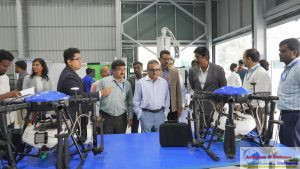
One of the key topics of discussion was the utiliisation of the tourism hotspots in Kerala and open doors for seaplanes, air taxis, drone operations etc., especially in areas with abundant water bodies, complex terrains and tourist destinations like Munnar, Thekkady, Alappuzha, and Sabarimala. To execute these initiatives effectively in Kerala, it’s important to emphasize on technology and safety and it can be transformed through collaboration with international aviation providers and stakeholders. CIAL can also introduce facial recognition systems, mobile-based boarding passes, smart airport infrastructures, and paperless documentations to ensure operational efficiency and passenger safety.
 To increase passenger traffic in Kerala, it is essential to position the state as a global tourism hub, which can be done by promoting Kerala as a sustainable destination by integrating eco-friendly practices. Implementations such as Green Airports, strategic travel itineraries, etc., can improve global connectivity and attract travelers within Europe and East Asia with enhanced regional connections. With strong aviation network, Kerala has the potential to become a gateway to diversified medical tourism, MICE, and other sectors. Tourism is not just about aviation; a strategical and emphasised collaboration between airports, airlines, hotels, local communities, and government can create a holistic travel experiences and assistance to simply visas for seamless travel experience and last-mile connectivity.
Due to the strategic geographical location of Kerala, cargo sector also plays a major role for the economical development of the state. Kerala, being a leading producer and exporter of seafood, fruits, and spices, Kerala can be a core driver of trade, connectivity and regional growth. To improve cargo sector, its important for the state to focus on infrastructure development such as modern cargo terminals, cold chain facilities, dedicated freight capacity, and volume handling. Innovation in digital technologies like AI integration and blockchain can further position Kerala in the modern era of aviation. Experts highlighted that integration of logistics ecosystem with airports with ports, industrial zones, and road/rail networks will enhance efficiency in terms of time and costs. Multi-lateral collaborations will unlock future opportunities, particularly in e-commerce, pharmaceuticals and agricultural exports.
 Sustainability is also one of the key drivers and a necessity in the today’s modern aviation sector. Adoption of Sustainable Aviation Fuels (SAF), energy efficient airport infrastructure, carbon offset programs, and waste reduction strategies to name a few. Integrating environmental factors into aviation operations reduces carbon footprints, enhances brand value and increase operational efficiency and ensures the growth in air travel to align with global climate commitments. This not only safeguards the environment, but also enables sustainable profitability by connecting business models with regulatory frameworks while innovating revenue streams. It builds trust among passengers, partners, investors and stakeholders in the competitive market. Experts stressed that businesses can be proactive by diversifying revenue models by including ancillary services cargo operations, loyalty programs, and strategic partnerships to achieve long-term growth and operational efficiency in a rapidly changing aviation and tourism landscape.
Another critical factor Indian aviation industry is the MRO sector. Developing domestic MRO capabilities in India helps the country to be independent on relying overseas facilities and be more efficient in terms of operational costs for airlines and aircraft downtime. A strong domestic MRO not only develops and strengthens India’s aviation industry but also positions it as a global hub for aircraft maintenance and engineering services.
Together, these innovations could position Kerala not only as a gateway for tourism, but also as a testbed for India’s future aviation ecosystem