












- Unites 300+ Organizations and 30 Countries
- Over 700 Delegates Attend the Opening Day
- Major Agreements and Whitepapers Launched
By Sangeeta Saxena
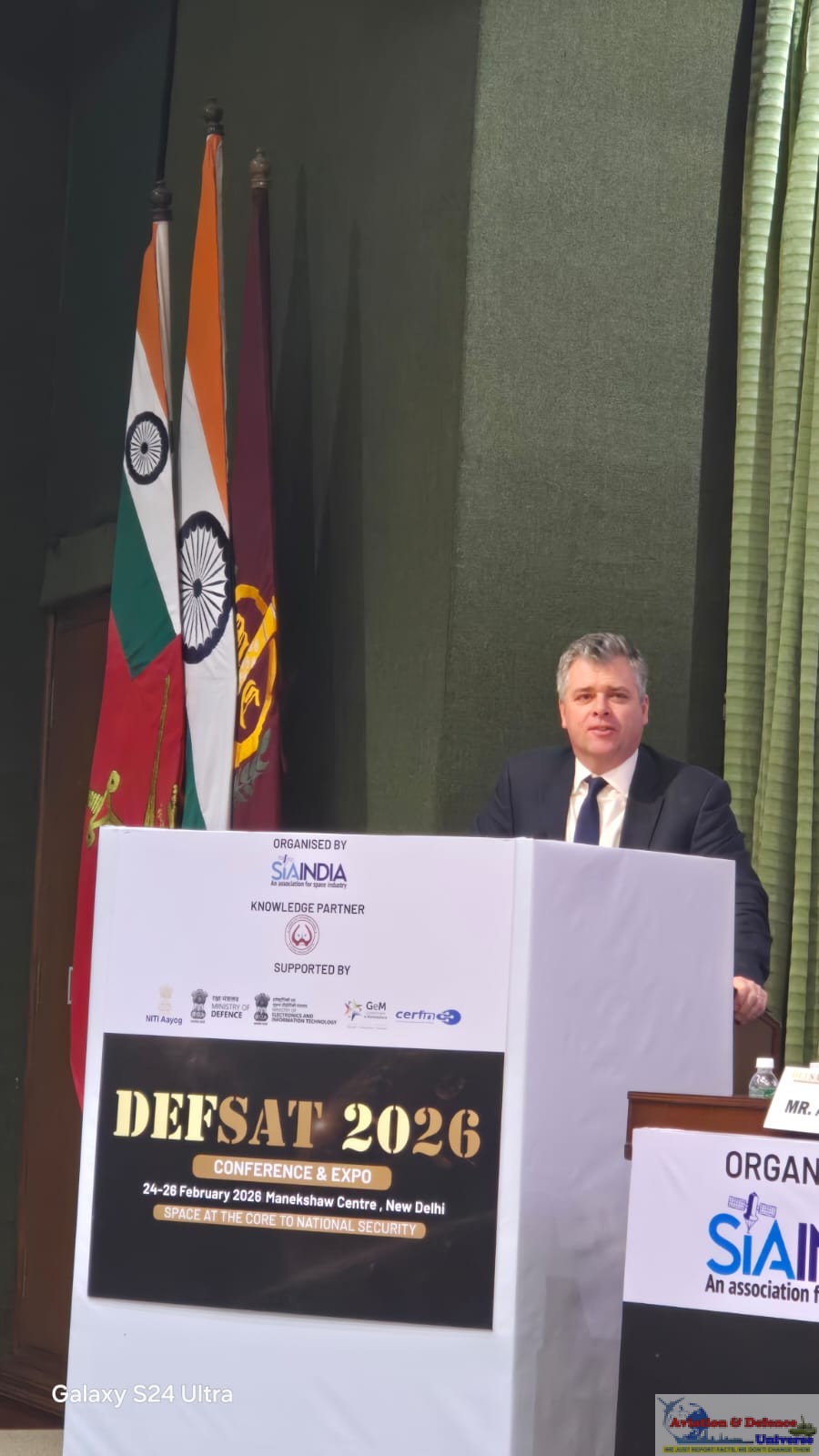
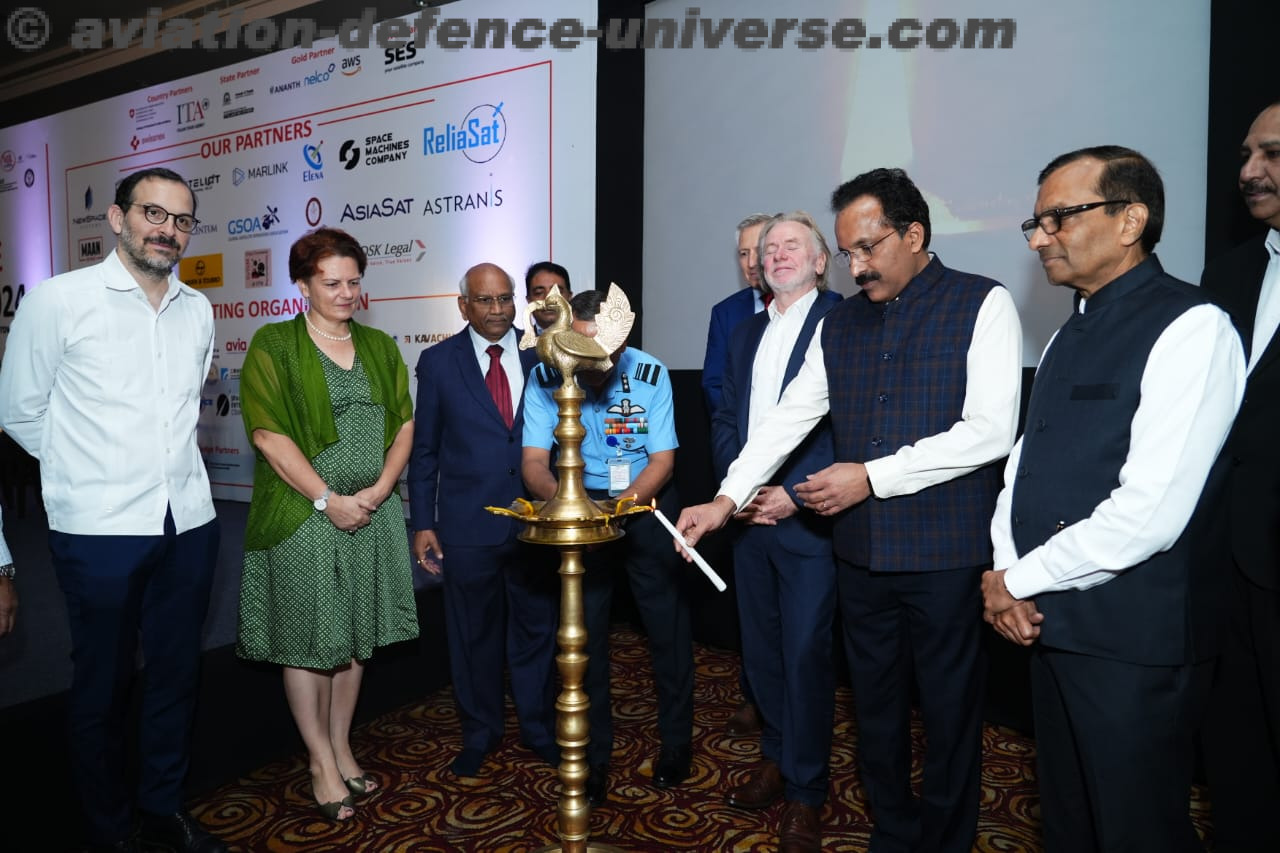
New Delhi. 26 June 2024. The 3rd Annual India Space Congress (ISC) 2024 commenced today with grandeur at The Lalit, New Delhi, bringing together over 300 organizations and delegates from 30 countries. Organized by Satcom Industry Association- India popularly known as SIA-India, the event is dedicated to propelling India’s space capabilities through global collaboration and innovation.
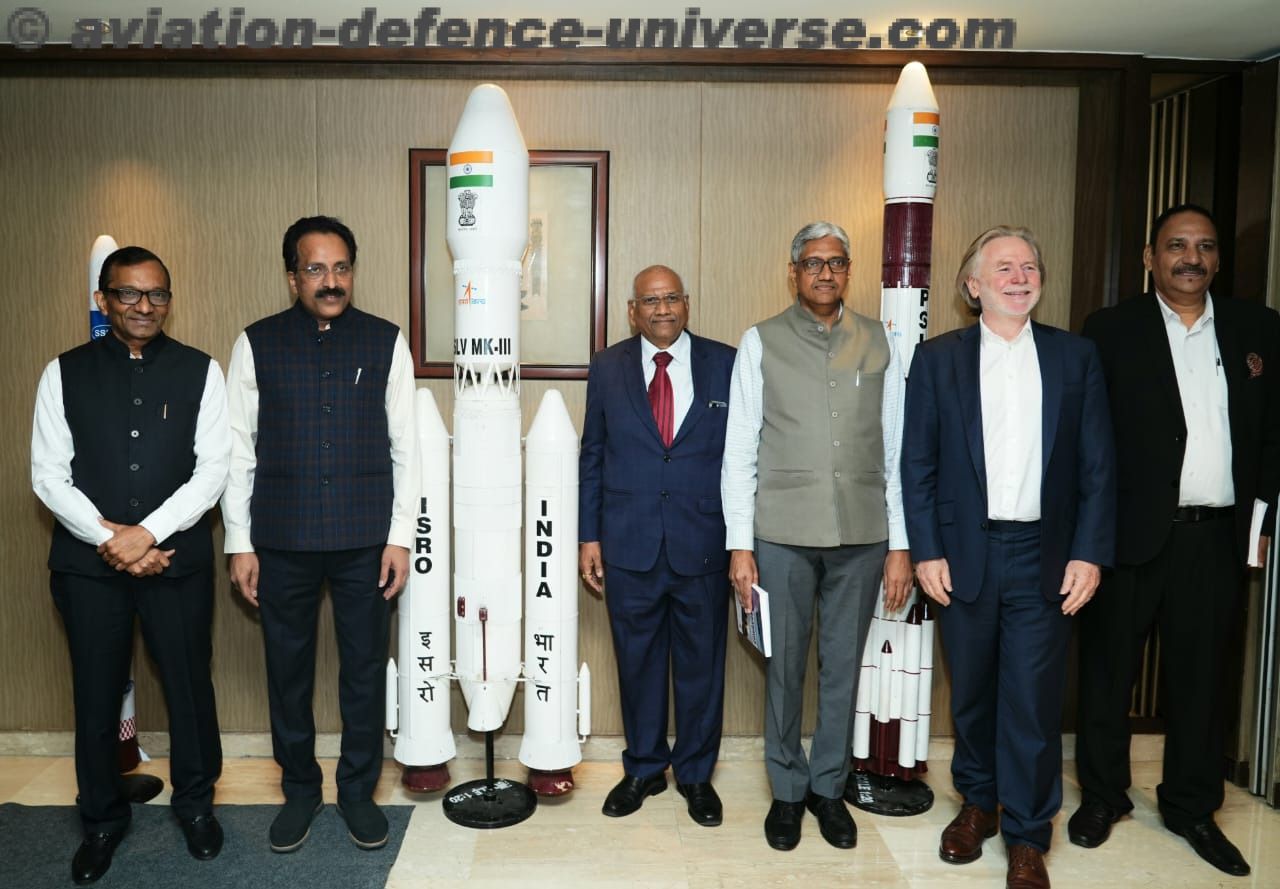
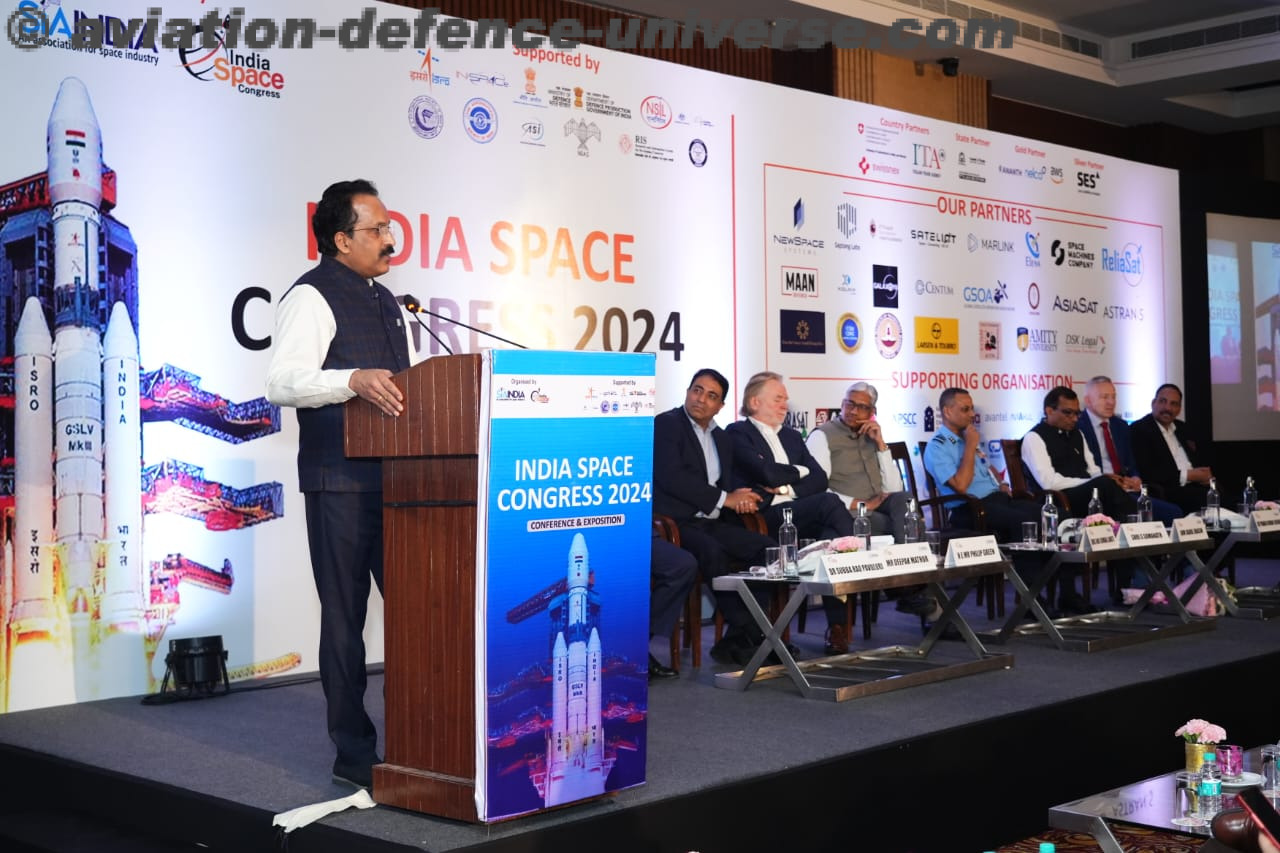 Dr. S Somanath, Chairman of ISRO, who was indeed the hero on the stage post a successful Gaganyan 3 landing , stated, “ISRO has created significant space capability and talent in the country. It’s time for new actors to scale India’s space operations. Bringing down the cost of access to space is a global trend, and India must also look at it. Space can never be solely for business and economy; it must inspire generations to innovate for humanity.” He also mentioned the upcoming launch of the GSAT-20 is a high- throughput Ka-band Satellite, with > 50gbps high bandwidth connectivity capacity.”
Under the theme “Space Innovation: Bridging Boundaries and Transforming Tomorrow,” the three-day congress features a rich array of discussions, exhibitions, and strategic sessions. The first day saw enthusiastic participation from space industry leaders, innovators, and policymakers, marking a significant step towards elevating India’s role in the global space arena. Highlights included the signing of a strategic MoU between Mount Tech Growth Fund-Kavachh (MGF-Kavachh) and SIA-India, and the unveiling of the whitepaper “Bridging the Digital Divide in India via Satellite” by the chairmen of ISRO, TRAI, and IN-SPACe.
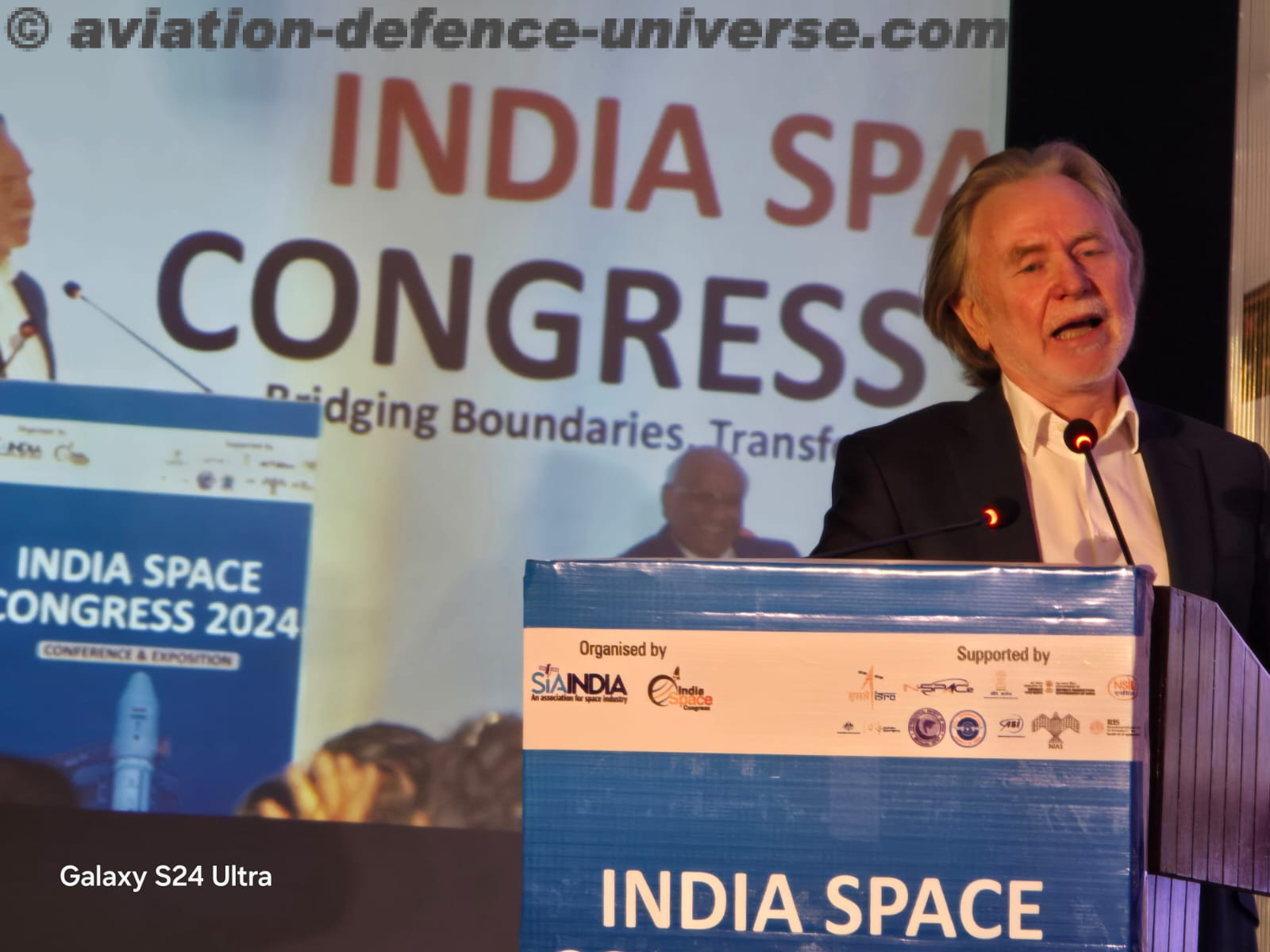 This year there are four countries partnering the event this year. Australia, Switzerland, Finland and Italy, with Australia being the major partner and a strong contingent attending the Congress. H E Philip Green OAM, High Commissioner of Australia to India reiterated, “We now describe India as a top-tier strategic partner in space, alongside the USA and Japan. Australia’s unique geography and competencies in robotics, composites, and rare earth materials position us as a valuable partner for India.”
If one recalls telecom regulator Trai has requested public feedback on the procedure and other guidelines that should be followed when allocating spectrum for satellite communication services. The consultation paper “Assignment of spectrum for Space-based Communication Services” was produced in response to a request for advice on the controversial topic of spectrum allocation to satellite companies through auction made by the Department of Telecom (DoT) to the Telecom Regulatory Authority of India. Anil Kumar Lahoti: “Satellite technology is experiencing revolutionary growth and will play a vital role in enhancing connectivity in remote areas,”.
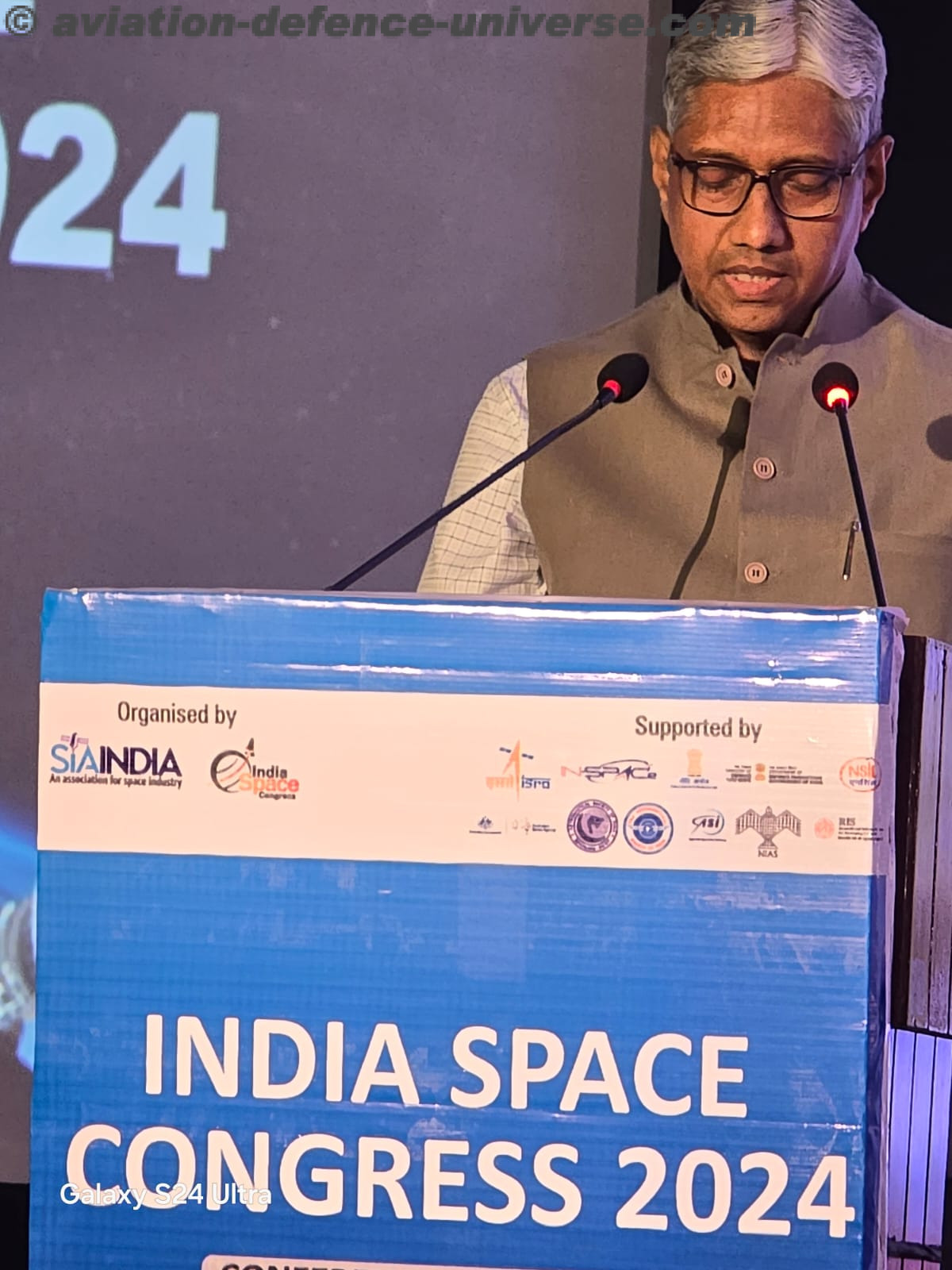 Telecom operators had stated that spectrum for commercial usage should only be distributed through auction, notwithstanding the uniform opposition of satellite businesses to receiving their spectrum through auction. In the frequency range of 1 GHz to 2 GHz (L-band), 2 GHz to 4 GHz (S band), 4 GHz to 8 GHz (C band), 10 GHz to 15 GHz (Ku Band), and 17 GHz to 31 GHz (Ka band), Trai has requested opinions on five spectrum bands. These bands are utilised for various applications related to telecom, broadcast, aviation, weather, etc. “Referencing the Space Spectrum, the DoT has envisaged to auction the Space Spectrum on exclusive basis and requested that the regulator investigate the viability and protocol of distributing auctioned spectrum among several service licence holders., “ he added.
India’s space project has been built over more than 50 years, with a heavy emphasis on application-driven programmes and making space available to the general public. It has grown to become one of the world’s six biggest space agencies in the process. In order to meet the constantly increasing need for quick and dependable communication and earth observation, respectively, ISRO maintains one of the largest fleets of GEO communication and LEO remote sensing satellites. Over the years, ISRO has established a number of companies and MSMEs (micro, small, and medium-sized enterprises) as supply chain partners in the development of satellites and launch vehicles. Considering the expanding global space industry and the enormous unrealized possibilities that it is deemed prudent to allow NGEs to conduct independent space activities in light of the expanding space sector business worldwide and to capitalise on the enormous unrealized potential that exists in the nation in terms of human resources, technical know-how, and capabilities established in the space sector industries.
The Union Cabinet, chaired by the Prime Minister, made the historic decision in June 2020 to open up the space industry and let Indian private sector engagement in the full range of space activities in order to accomplish this goal. The Indian National Space Promotion and Authorization Centre (IN-SPACe), an independent nodal institution with a single point of contact and the ability to operate independently within Department of Space, was established by the government to encourage private sector participation.
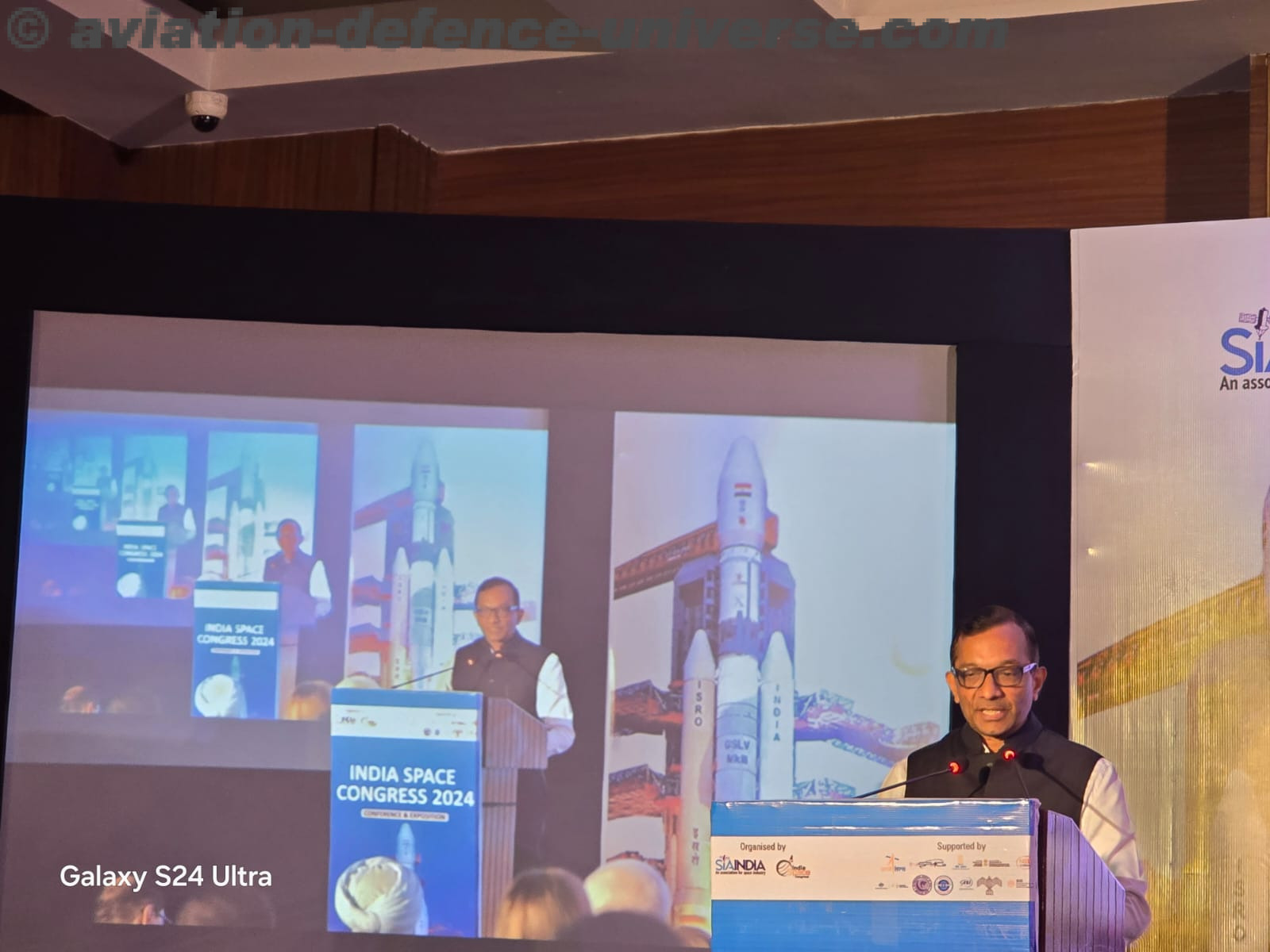 Dr. Pawan Kumar Goenka, Chairman IN-SPACe stated , “All space startups in India are deep-tech and exploring new frontiers. We have more than 200 startups, and this number will rise post-FDI policy. He also boasted about the enthusiasm of the private sector and how the investments are looking highly positive with the private space sector in India receiving $135 million in investment last year alone.”
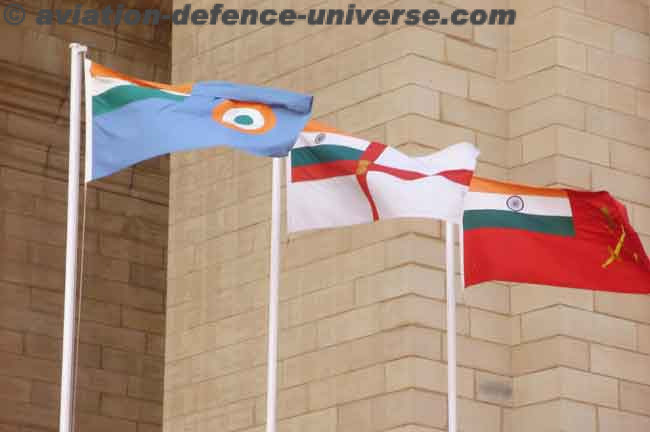
The Indian Air Force (IAF) plays a crucial and evolving role in India’s space endeavors, particularly in the realm of space defense and strategic operations. Here are some key aspects of the IAF’s role in space. The IAF utilizes satellite technology for real-time surveillance and reconnaissance. These capabilities enhance situational awareness and provide critical data for national security. The force is integral to India’s strategic defense framework, including the development and deployment of anti-satellite (ASAT) weapons and other space defense technologies. This ensures the protection of India’s space assets and countering potential threats. It relies on satellite communication networks for secure and reliable communication across different theaters of operation, enhancing command and control capabilities. IAF collaborates with the Indian Space Research Organisation (ISRO) on various projects, including satellite launches and the development of dual-use technologies that serve both civilian and military purposes. It is involved in monitoring space objects and debris, contributing to global efforts in space situational awareness to prevent collisions and ensure the safety of space operations and invests in training its personnel in space technologies and operations, ensuring a skilled workforce capable of managing and leveraging space-based assets effectively. IAF is working towards integrating air and space operations to create a seamless operational environment. This integration enhances the capability to conduct multi-domain operations, which are crucial for modern warfare. It engages in international cooperation with other space-faring nations, sharing knowledge, conducting joint exercises, and participating in global forums to enhance space security and collaboration.
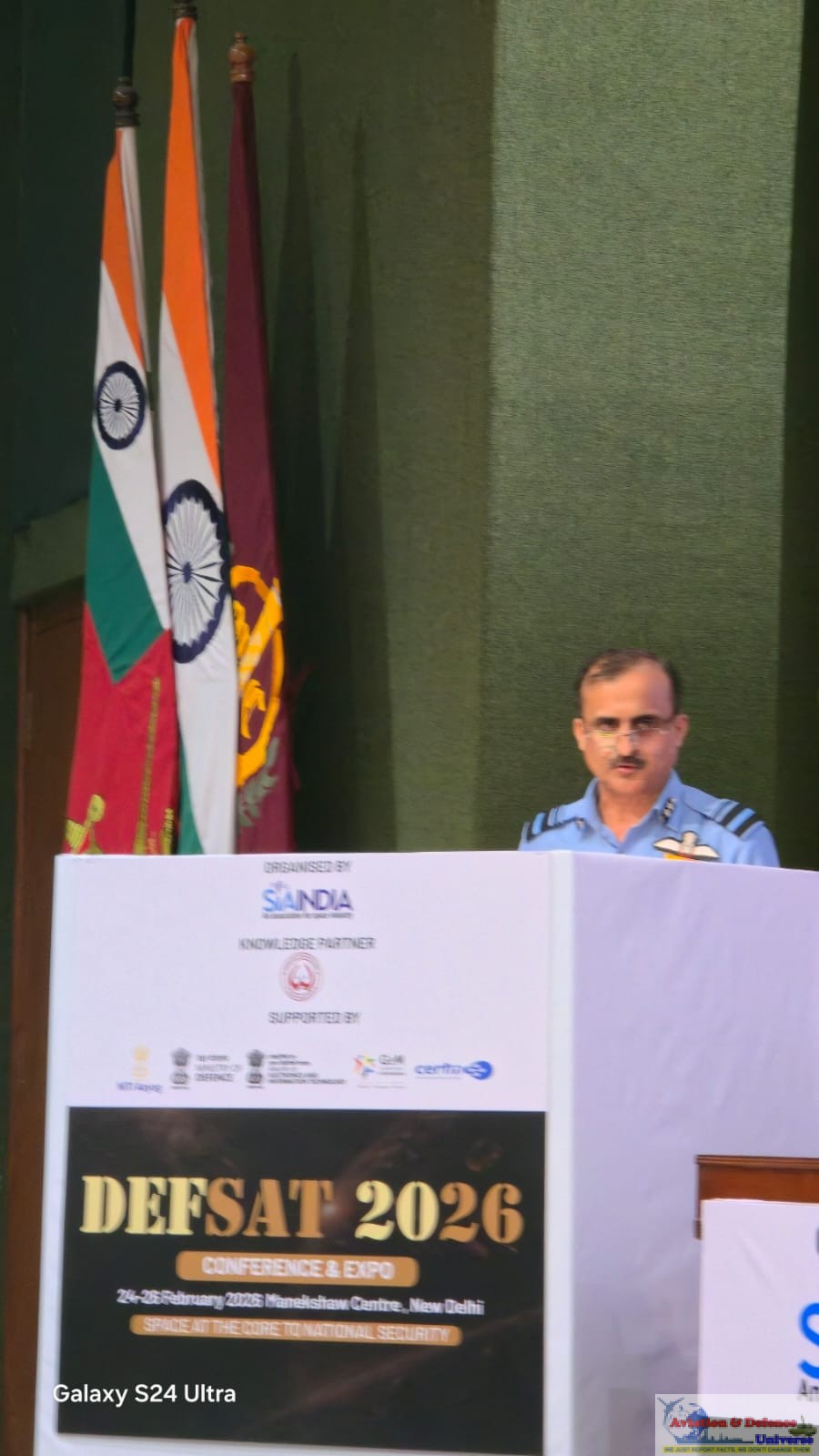
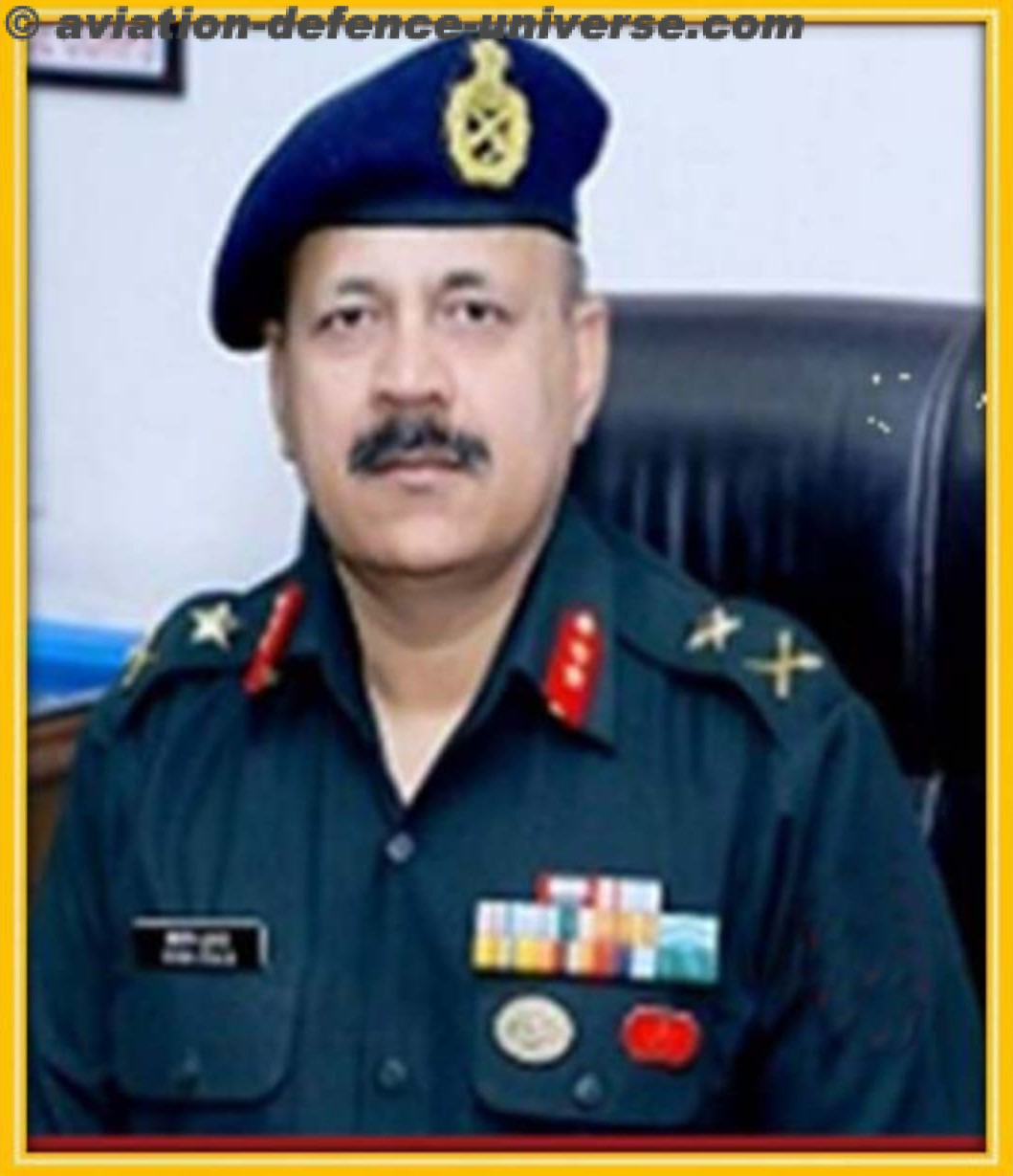
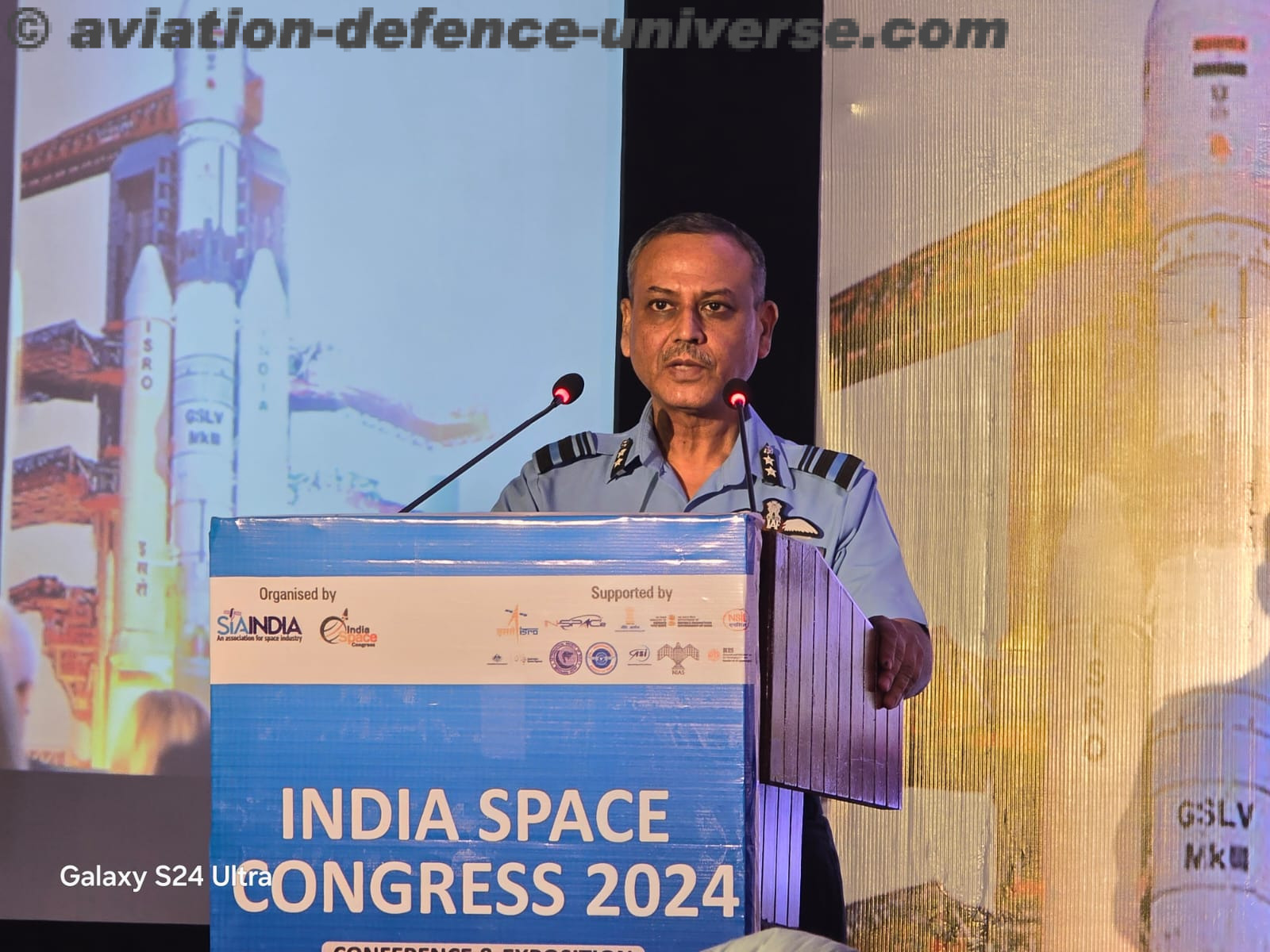 Air Vice Marshal Rahul Bhasin, emphasized this integrated approach during the India Space Congress 2024, highlighting that air and space operations cannot be segregated and must evolve to ensure seamless functionality. This strategic vision underscores the IAF’s commitment to advancing India’s position as a formidable player in the global space domain.
Deepak Mathur is Executive Vice President, Global Sales, Video, at SES the world’s leading satellite operator, with over 70 satellites operating in both the GEO and MEO orbital arcs. Previously, he had been Senior Vice President, Commercial at SES for Asia-Pacific and the Middle East. He is responsible for driving growth and strategy for SES’s global video business, including in some of the most dynamic markets in the world, while providing customers with world-class satellite and content delivery solutions across a range of platforms. With more than 20 years of experience in the industry,
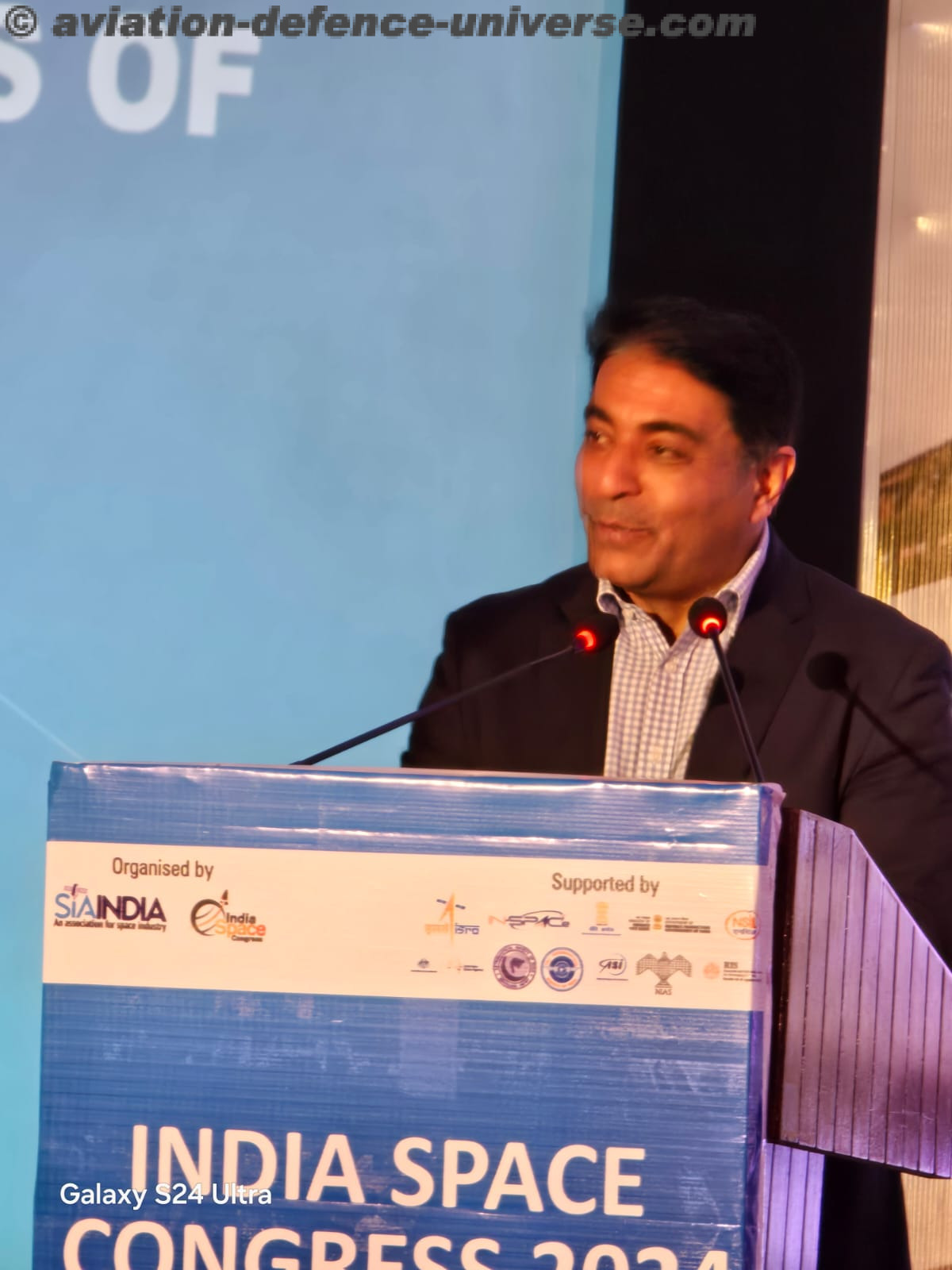 Deepak has a keen understanding of customers’ satellite requirements and works directly with them to ensure they have the satellite capacity they need to achieve their ambitions. Deepak is the Chairman of the Satellite Industry Committee of CASBAA, a member of the Board of Directors of APSCC and is a member of the Board of Directors of Yahlive, a partnership between SES and Yahsat.
Dr. Deepak Mathur, SES, reiterated, “We are moving from arithmetic progression to geometric progression of progress, from being risk-averse to full throttle. The space industry is ripe for bridging the digital divide, with over 10,000 space firms globally.”
“Two prominent space consulting players, Euroconsult and SpaceTec Partners, are merging after three years of increasingly successful collaboration, to shape the future of the space sector with unparalleled expertise and strategic insights. This merger creates Novaspace, a powerhouse in professional services dedicated to the space industry. Novaspace represents the combined strength of Euroconsult and SpaceTec Partners, a united force committed to promoting forward thinking and supporting decision-making for all space stakeholders. Drawing from Euroconsult’s four-decade legacy of empowering industry leaders with strategic insights and SpaceTec Partners’ innovative approach to management consulting in the space sector, we are positioned to deliver professional services that support programs with both commercial viability and societal impact,” informed Rainer Horn, Novaspace and praised, “India has put itself on the global map for space and is now a serious global player. We anticipate a 60% growth in Indian space investments over the next 10 years.”
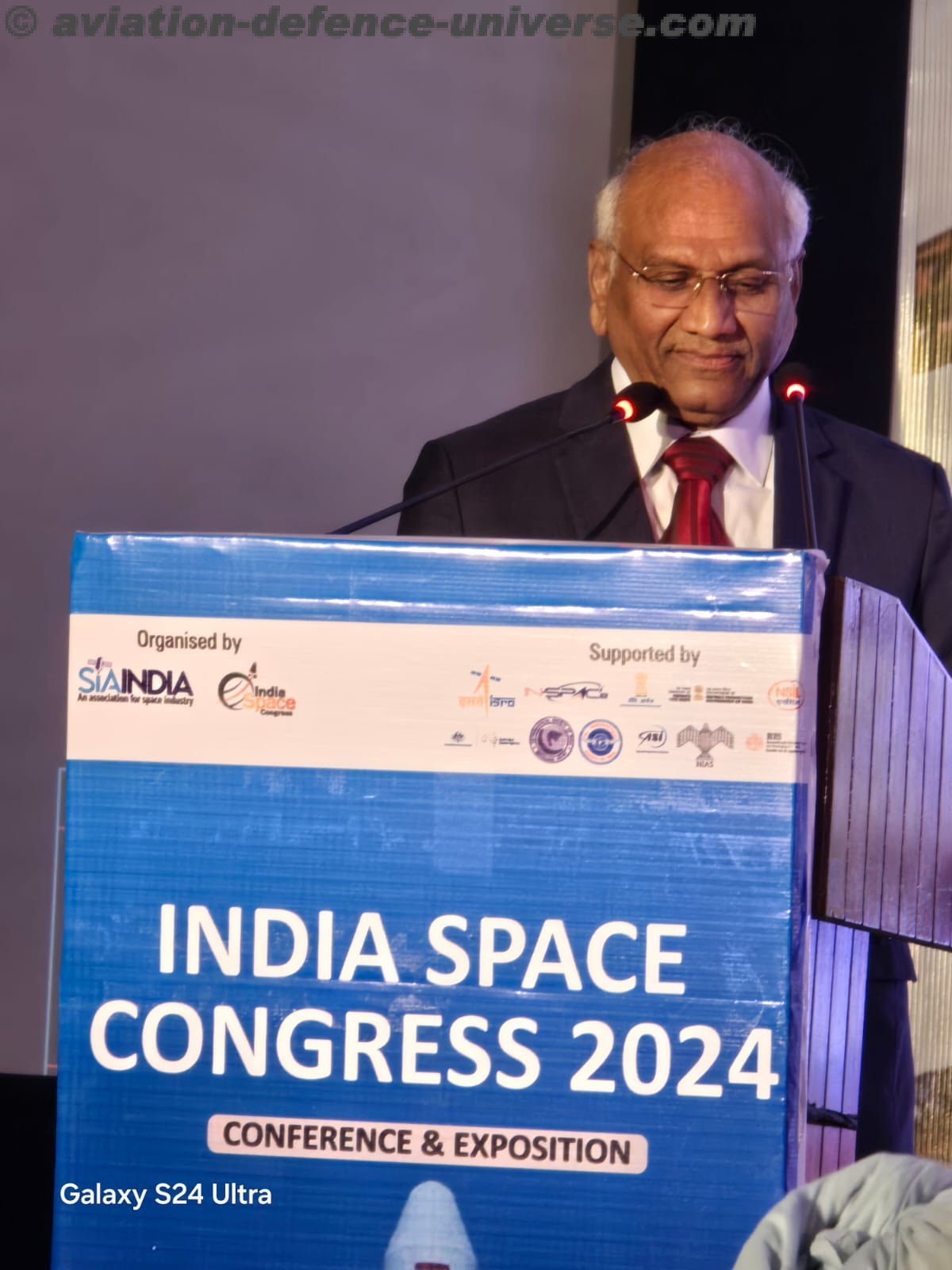 Dr. Subba Rao, CMD , Ananth Technologies strongly stated that “The Indian ecosystem is integrating into the global supply chain to bring the benefits of space to all, aiming to make India the hub of global satellite manufacturing.” Dr. Subba Rao Pavuluri is a technologist and an entrepreneur with extensive experience in Indian Space Program (ISRO) for over four decades. He was one of those early pioneers of private industry in high technology areas. He founded “Ananth Technologies Limited (ATL)” in 1993 for Design, Development and Fabrication of highly reliable systems and sub-systems for Indian Space Programme (ISRO) and Indian Defence. ATL has now grown to an entity of 1500 of highly qualified and skilled technical personnel and is the recipient of several technology excellence awards.
ATL has facilities located in Hyderabad, Bangalore and Thiruvananthapuram and has contributed so far for 88 satellites and 67 launch vehicles for Indian Space Programme. ATL is the first private industry to set up assembly, integration and testing facilities for satellite and launch vehicles. Dr Rao is endeavouring to bring out the full potential of satellite communication systems, especially for country of the size and diversity like India, for various applications and in tapping new areas of applications.
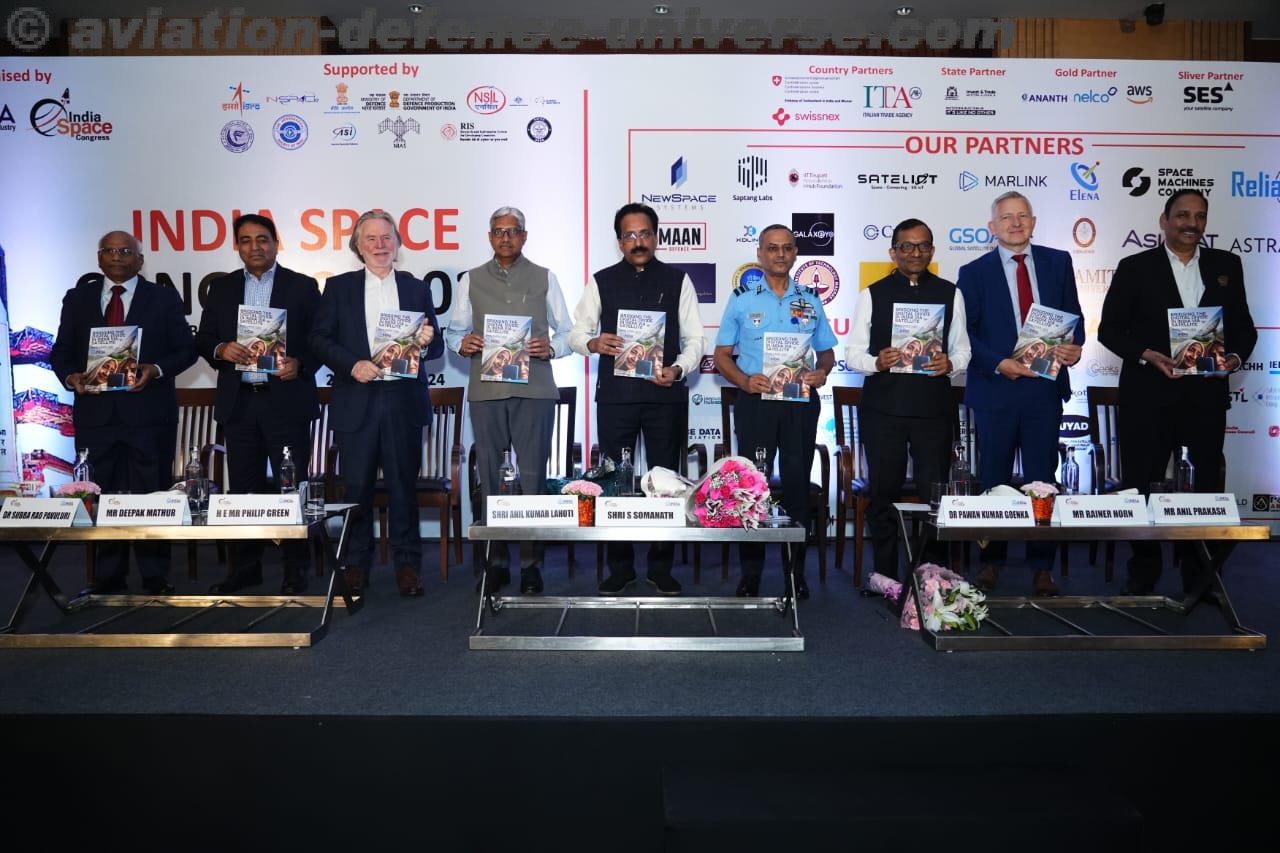 Diverse talks on policy advances, space sustainability, and cutting-edge technologies including satellite IoT ecosystems and mega constellations were presented on the inaugural day. These discussions included important connections between engineering developments, biology, and space missions as well as how laws and regulations are influencing space travel. Important talks about defence applications, international cooperation, and next-generation satellite networks brought attention to the strategic and commercial potential of the space industry.
Along with a session on the Global Space Coalition: Uniting Nations for a Shared Future in Space, which emphasised the significance of international cooperation, the day also featured country sessions focusing on Switzerland and Italy’s space sectors and their prospects for Indian enterprises.
The visionary investment strategy, bold entrepreneurial initiatives, and vibrant youthful leadership continue to propel us forward with the Indian Space Congress 2024.