


















- Is Sustainable Aviation Fuel in India a Market Ready to Take Off?
- India Sustainable Aviation Fuel Summit 2025 Takes Flight with Vision, Policy, and Global Collaboration
- Indian Oil’s Panipat Refinery gets SAP Certified
By Sangeeta Saxena
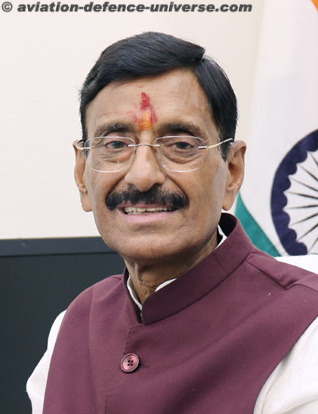
New Delhi. 06 November 2025. The environment was palpable with excitement and there was expectancy in the air. The India Sustainable Aviation Fuel (SAF) Summit 2025, inaugurated by Minister for Civil Aviation Ram Mohan Naidu Kinjarapu, marked a milestone moment for India’s aviation sector. India’s Civil Aviation Minister Ram Mohan Naidu announced that the SAF policy is in its final stages and will be released “very soon.”
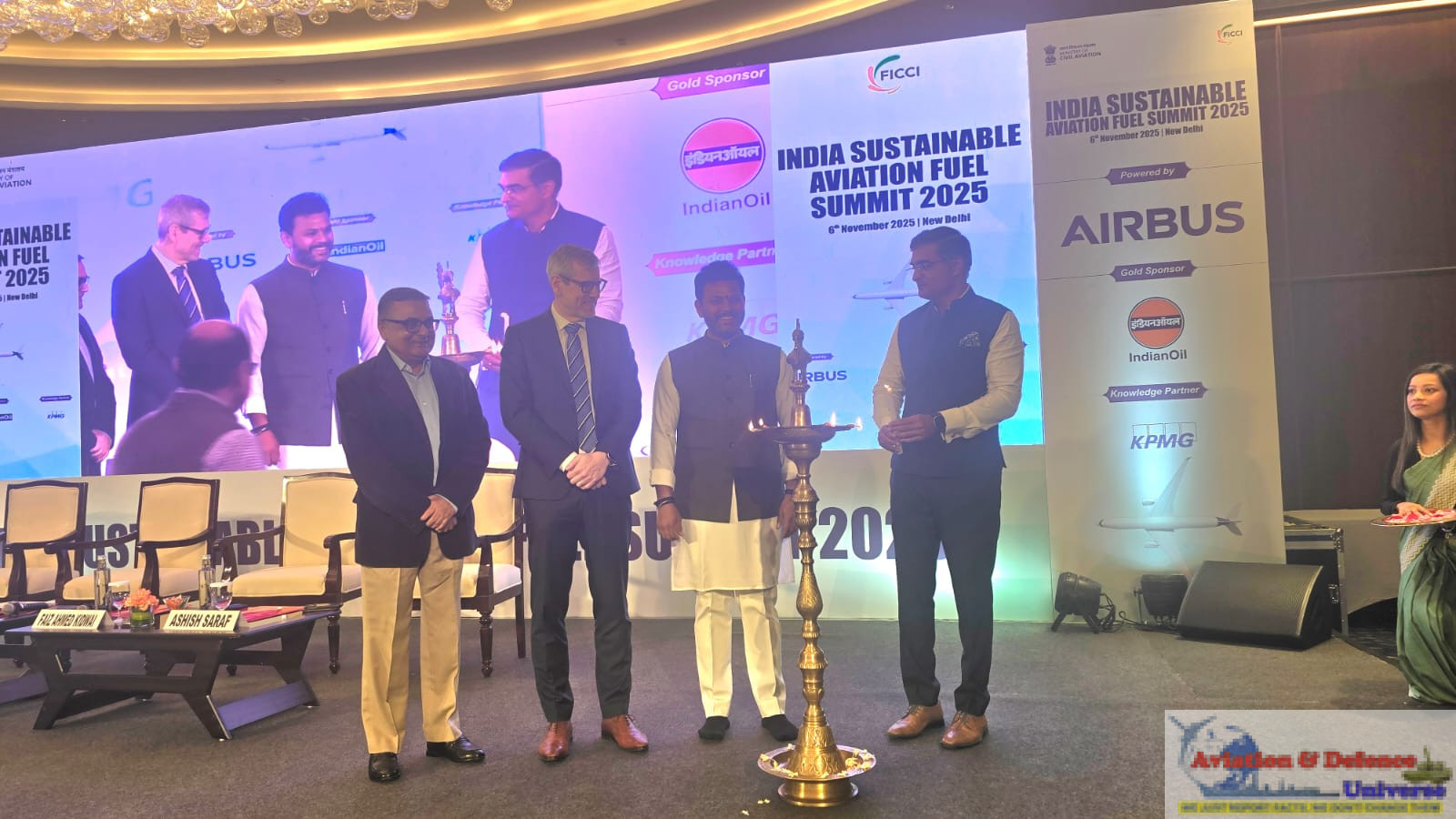 The event, jointly organised by FICCI, Airbus, and Indian Oil, gathered the country’s key aviation stakeholders — airlines, oil marketing companies, SAF producers, certification bodies, airport operators, and regulators — to chart India’s roadmap towards sustainable skies. What emerged through the day’s deliberations was a clear consensus — that India is not just ready to adopt Sustainable Aviation Fuel, but poised to lead globally, powered by innovation, inclusion, and intent.
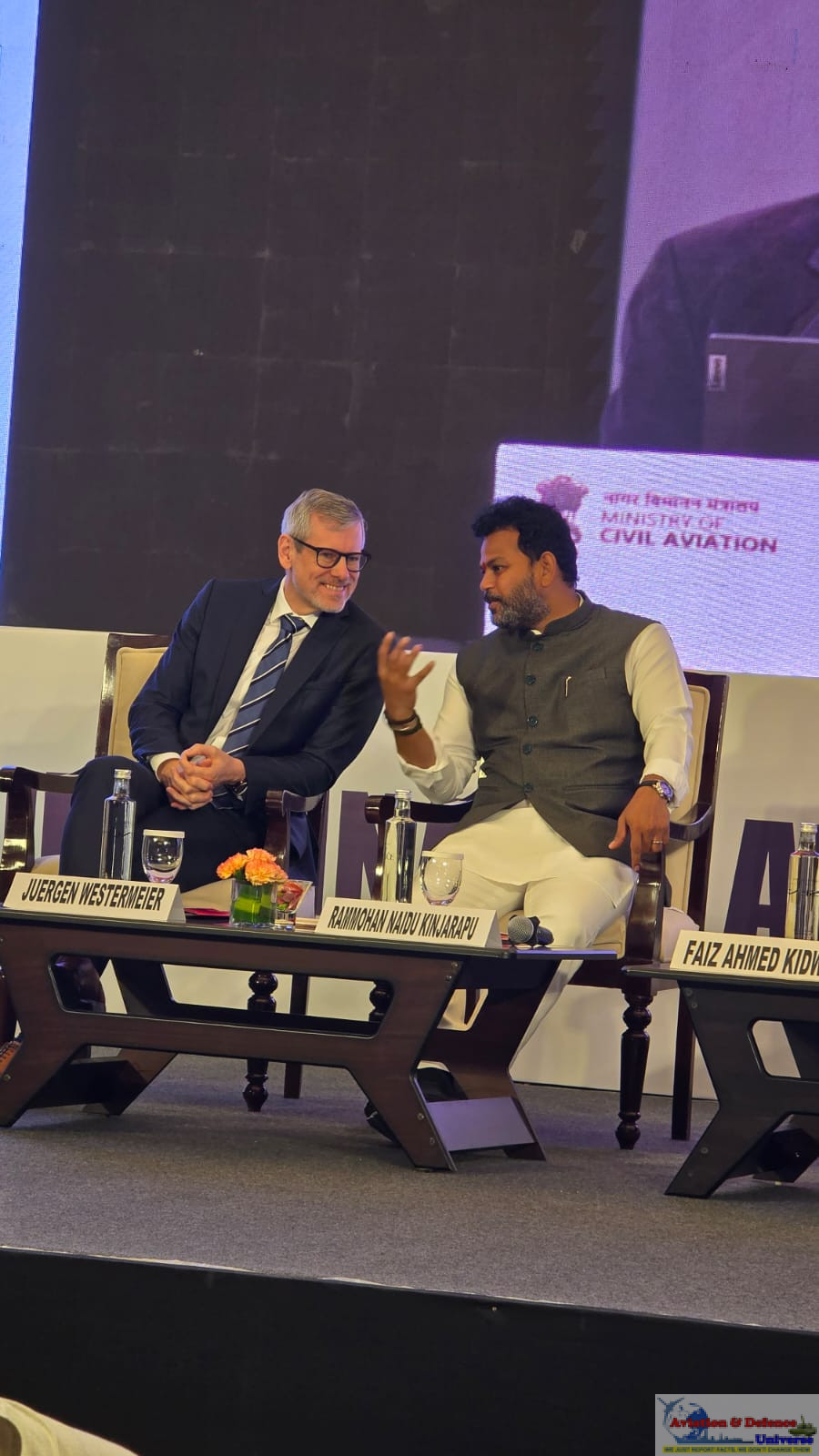
The summit opened with a welcome address by Jurgen Westermeier, President & Managing Director, Airbus India, followed by a special address by Faiz Ahmed Kidwai, Director General of Civil Aviation (DGCA), and concluded with a vote of thanks by Ashish Saraf, Country Head, Pratt & Whitney India.
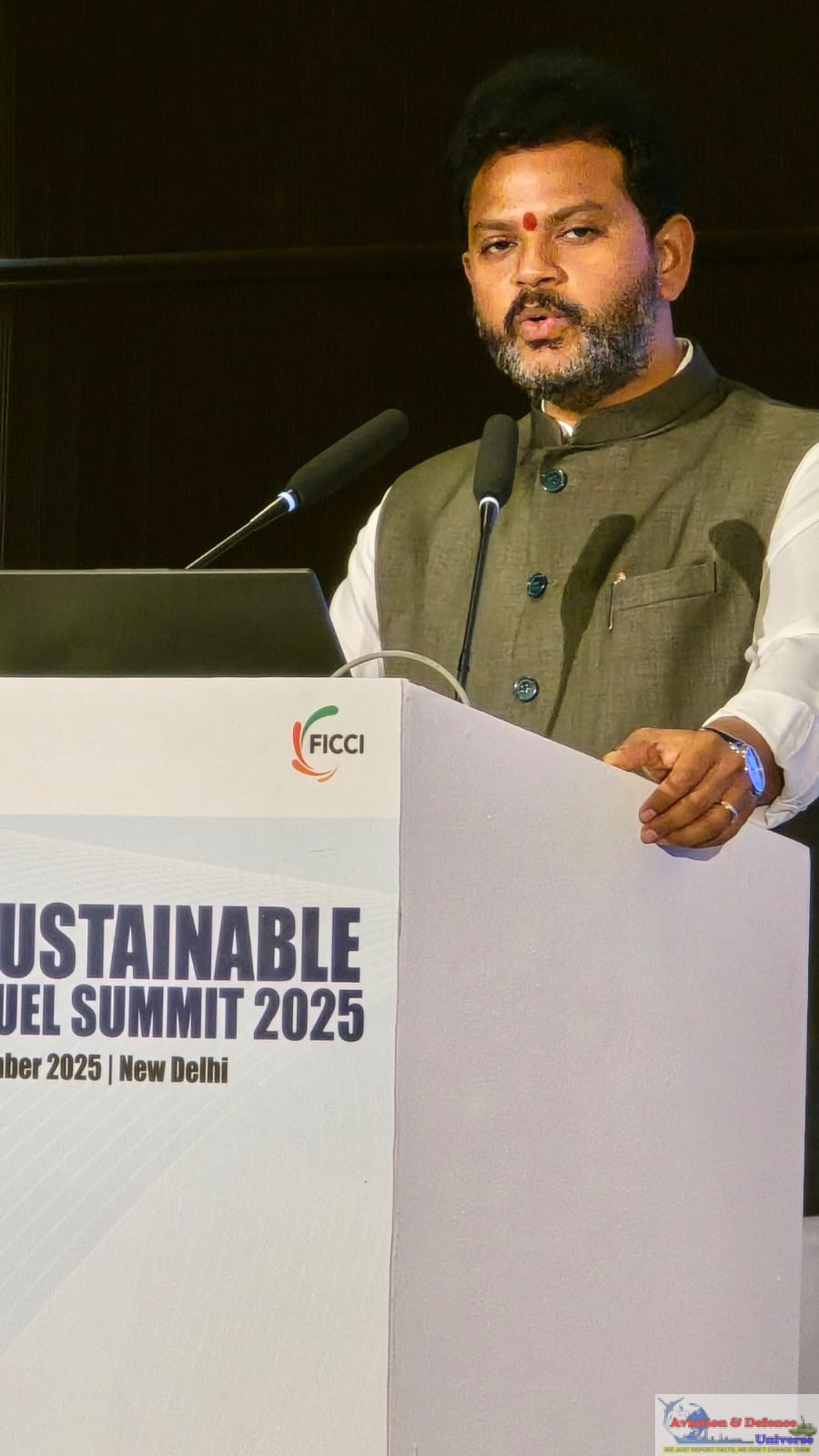
In his keynote, Civil Aviation Minister Ram Mohan Naidu framed SAF not as an option but as a necessity for India’s aviation future. “We are gathering at a time when the global aviation community is united by a common purpose — to decarbonise our skies and build a sustainable future for generations to come,” he said. He pointed out that India’s aviation sector, growing at 6.7% annually, must now balance progress with sustainability. “These figures, I don’t want to scare you,” he noted, referring to rising CO₂ emissions. “But this shows how important it is to collectively work towards SAF. And I see this scale as more of an opportunity than a challenge for us right now.”
 Sustainable Aviation Fuel (SAF) is a next-generation, eco-friendly alternative to conventional jet fuel, designed to significantly reduce the aviation sector’s carbon footprint. Produced from renewable feedstocks such as agricultural residue, municipal solid waste, used cooking oil, and non-food biomass, SAF can cut lifecycle carbon emissions by up to 80% compared to fossil-based aviation fuel. It is a “drop-in” fuel, meaning it can be seamlessly blended with traditional aviation turbine fuel (ATF) and used in existing aircraft engines and airport infrastructure without modification. Beyond its environmental benefits, SAF offers a powerful opportunity for nations like India to strengthen energy security, support rural economies by utilising surplus biomass, and generate green jobs across the value chain. As global air traffic grows and the pressure to decarbonise intensifies, SAF stands at the heart of aviation’s transition to a cleaner, more sustainable future — a bridge between today’s mobility and tomorrow’s climate responsibility.
Highlighting the vast potential of bio-based fuels, the Minister stated, “As an agricultural powerhouse with over 750 million tonnes of available biomass, India has the capacity to become the global leader in SAF production. We have 213 million tonnes of surplus agricultural residue lying unused. With such resources, India can achieve self-sufficiency and even emerge as an exporter of SAF.”
DGCA Faiz Ahmed Kidwai highlighted India’s first SAF certification body and the landmark certification of Indian Oil’s Panipat refinery for SAF production. In his special address, DG DGCA outlined the progress India has already made toward an SAF-enabled future. “This year in particular has marked a turning point in our sustainable aviation fuel journey. We began with a foundational workshop that brought together stakeholders across the SAF value chain. Since then, we have made remarkable progress, ” he informed.
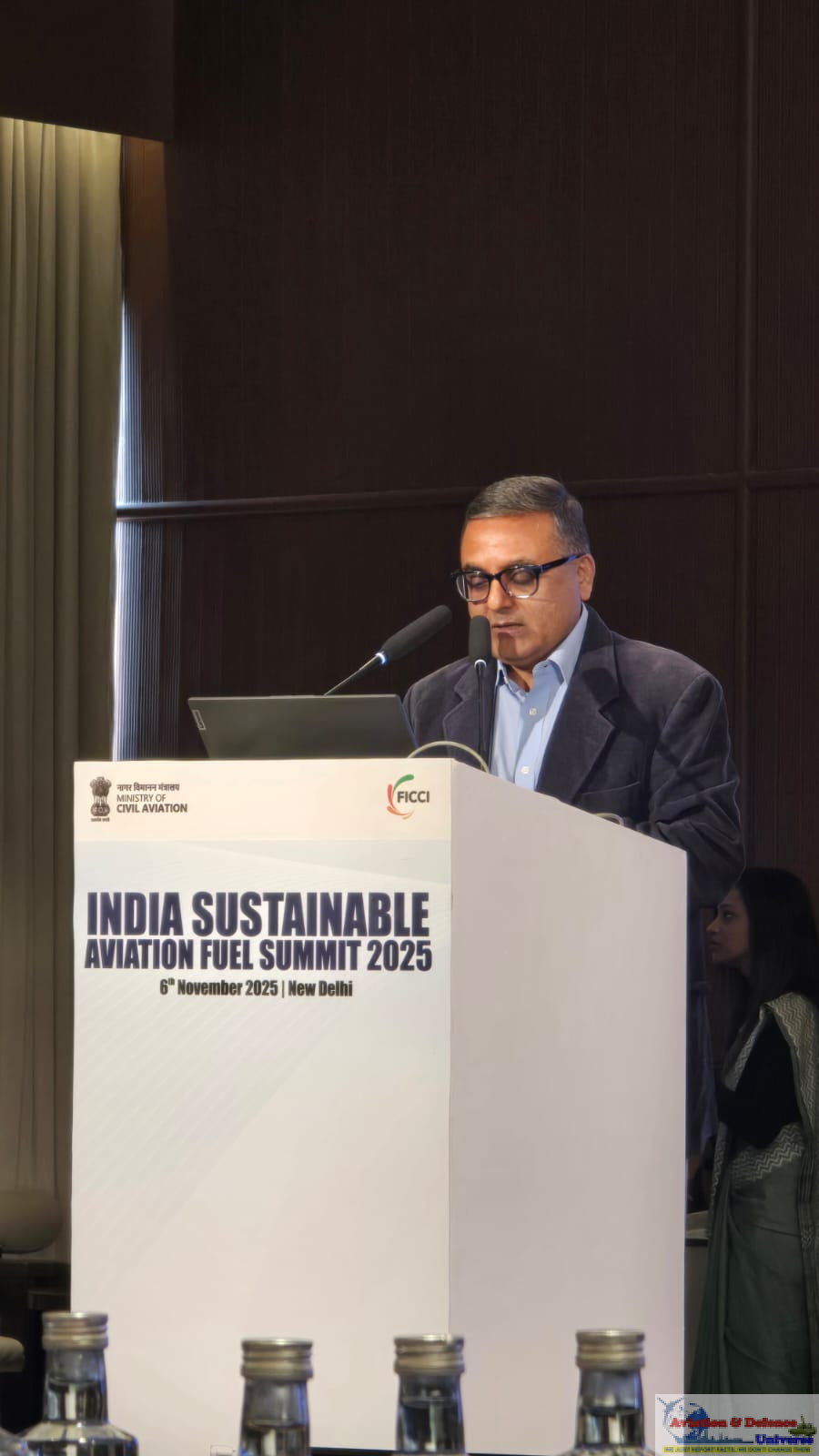 He announced two major achievements that have placed India firmly on the global SAF map. “On 10th July 2025, Cotecna Inspection India Pvt. Ltd. was officially recognised as India’s first SAF certification body — a foundational step towards credible and harmonised deployment. Indian Oil Corporation’s Panipat refinery became the first Indian facility to receive ICAO’s CORSIA certification for SAF production. Emphasising on India’s growing global partnerships, he said, “Working closely with Airbus and Boeing, who have demonstrated strong commitment through technology partnerships, flight demonstrations, and supply chain development — we are creating a resilient and scalable SAF ecosystem. The decarbonisation of aviation is a global endeavour that requires shared responsibility and solidarity.” India, he affirmed, is aligned with Atmanirbhar Bharat and Green India, targeting a 5% SAF blending goal by 2030.
FICCI and Airbus reiterated the need for corporate participation, international cooperation, and private sector investment to accelerate the SAF ecosystem. SAF’s socio-economic potential — from creating 1.1 to 1.4 million green jobs to utilising 230 million tonnes of agricultural residue — was underlined as a major opportunity for India’s rural economy and climate goals.
Airbus India President Jurgen Westermeier set the tone with his welcome remarks by stating “This is a moment that demands unprecedented collaboration across government, industry, and academia. We must recognise that decarbonisation requires every sector’s participation. Scaling the sub-industry will require significant investment, but the socio-economic returns are profound — from creating 1.1 to 1.4 million jobs across the sub-value chain to utilising 230 million tonnes of surplus agricultural residue.” He committed to working with all stakeholders to secure not just environmental gains but also a resilient, sovereign, and prosperous India.
Sustainable Aviation Fuel (SAF) can be produced through four primary technological pathways, each utilising different feedstocks and conversion processes to create low-carbon jet fuel. The most established is the HEFA-SPK (Hydroprocessed Esters and Fatty Acids) method, which converts waste oils, used cooking oil, and animal fats into fuel through hydrogenation — a process already certified for commercial aviation use. The FT-SPK (Fischer–Tropsch Synthetic Paraffinic Kerosene) pathway transforms biomass, municipal solid waste, or agricultural residue into synthetic gas, which is then converted into liquid hydrocarbons. The ATJ-SPK (Alcohol-to-Jet Synthetic Paraffinic Kerosene) process produces SAF by converting ethanol or isobutanol derived from renewable biomass into jet-grade fuel. Finally, the CHJ (Catalytic Hydrothermolysis Jet) or Power-to-Liquid (PtL) method creates synthetic fuel from captured carbon dioxide and green hydrogen using renewable electricity. Together, these methods showcase how SAF can be produced from diverse renewable sources — transforming waste, residues, and even carbon emissions into the fuel that will power aviation’s sustainable future.
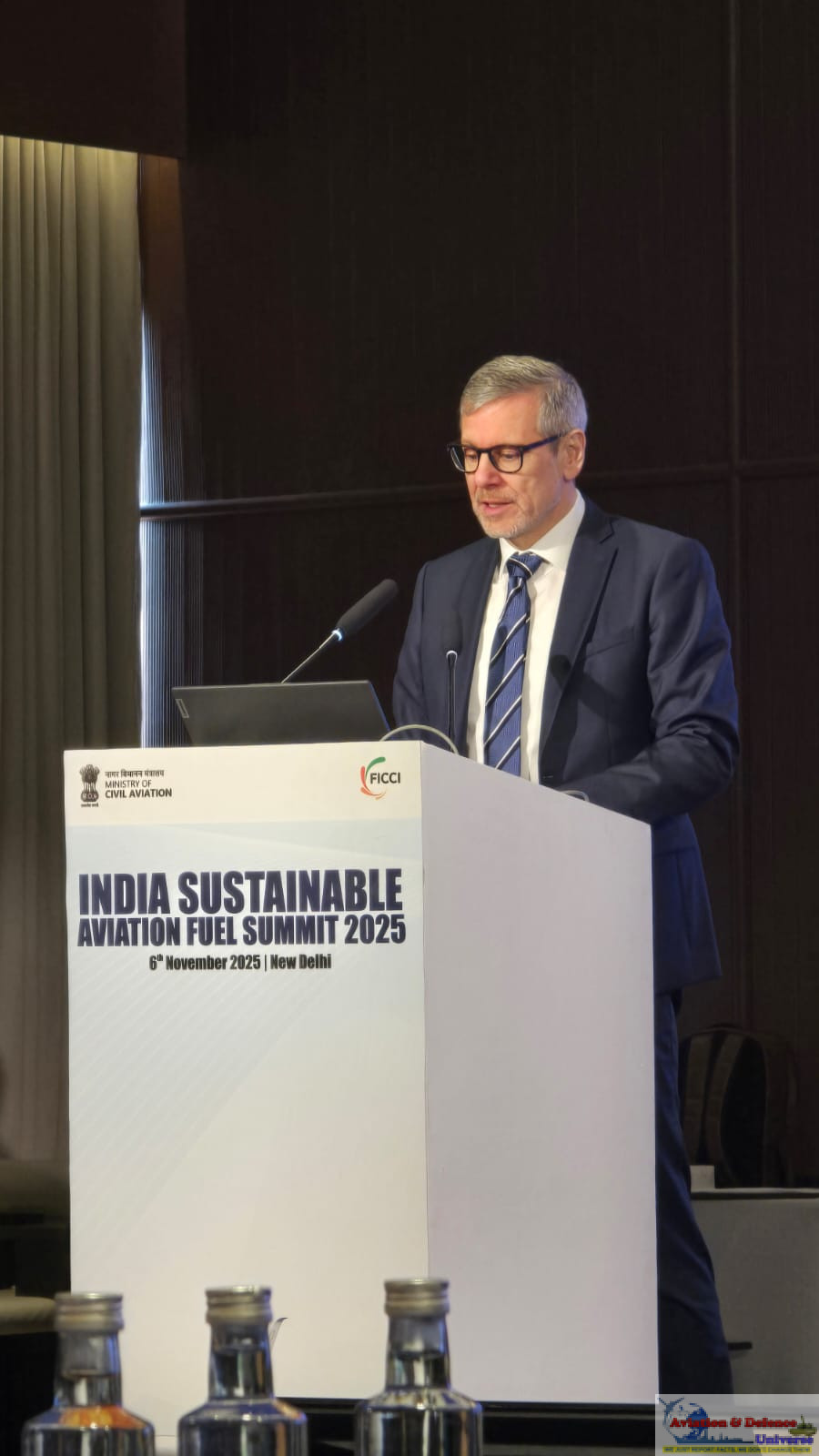 “Coupled with its deep technological talent pool, India has the capability to innovate and scale ways in the sub-conversion technologies of the future. This is a moment that demands unprecedented collaboration across all stakeholders, government, industry and academia. Here, I would like to make an appeal to industry and corporations. We must recognise that the responsibility to decarbonise aviation does not solely rely on the airlines or the fuel producers. It requires the participation of every sector. An effective way for us to address the emissions from our business travel and logistics is by directly supporting the creation of demand for SAF. We all can pledge to join the voluntary corporate SAF programmes being launched or planned by Airlines in India. By committing to purchase SAF, even if it is only for a portion of your corporate travel, you send a powerful, clear and immediate demand signal to the market. By doing so, you are not merely engaging in a voluntary climate action, you are acting as a catalyst for national industrial transformation. In parallel, I would like to make a special appeal to the Government of India on a matter of policy acceleration, policy to accelerate this transition. India’s corporate sector is already investing in the nation’s well-being through the CSR mandate. Given that the voluntary corporate SAF programmes launched by our airlines represent a direct, measurable investment in climate change mitigation, we urge the Government to recognise the funds spent by corporates on voluntary SAF contributions as a valid expenditure under their mandatory CSR obligations. Such an inclusion would immediately unlock a substantial new pool of capital to support SAF demand, instantly turning a compliance requirement into a powerful engine for a green and sovereign energy future,” the Airbus India Chief emphasised.
One of the most significant challenges in Sustainable Aviation Fuel (SAF) production is ensuring a consistent and reliable feedstock supply. SAF relies on renewable raw materials such as agricultural residues, used cooking oil, municipal solid waste, and non-food biomass — resources that are often seasonal, scattered, and logistically difficult to collect at scale. The variability in availability and quality of feedstock across regions can lead to production inconsistencies, higher procurement costs, and operational inefficiencies for refineries. Competing demand from other biofuel sectors, such as biodiesel or biogas, further strains the supply chain. Additionally, the lack of organised collection infrastructure, especially in developing countries, adds to the challenge. Establishing long-term contracts with suppliers, developing regional feedstock hubs, and incentivising farmers and waste management systems are therefore crucial to creating a stable, sustainable, and economically viable SAF production ecosystem.
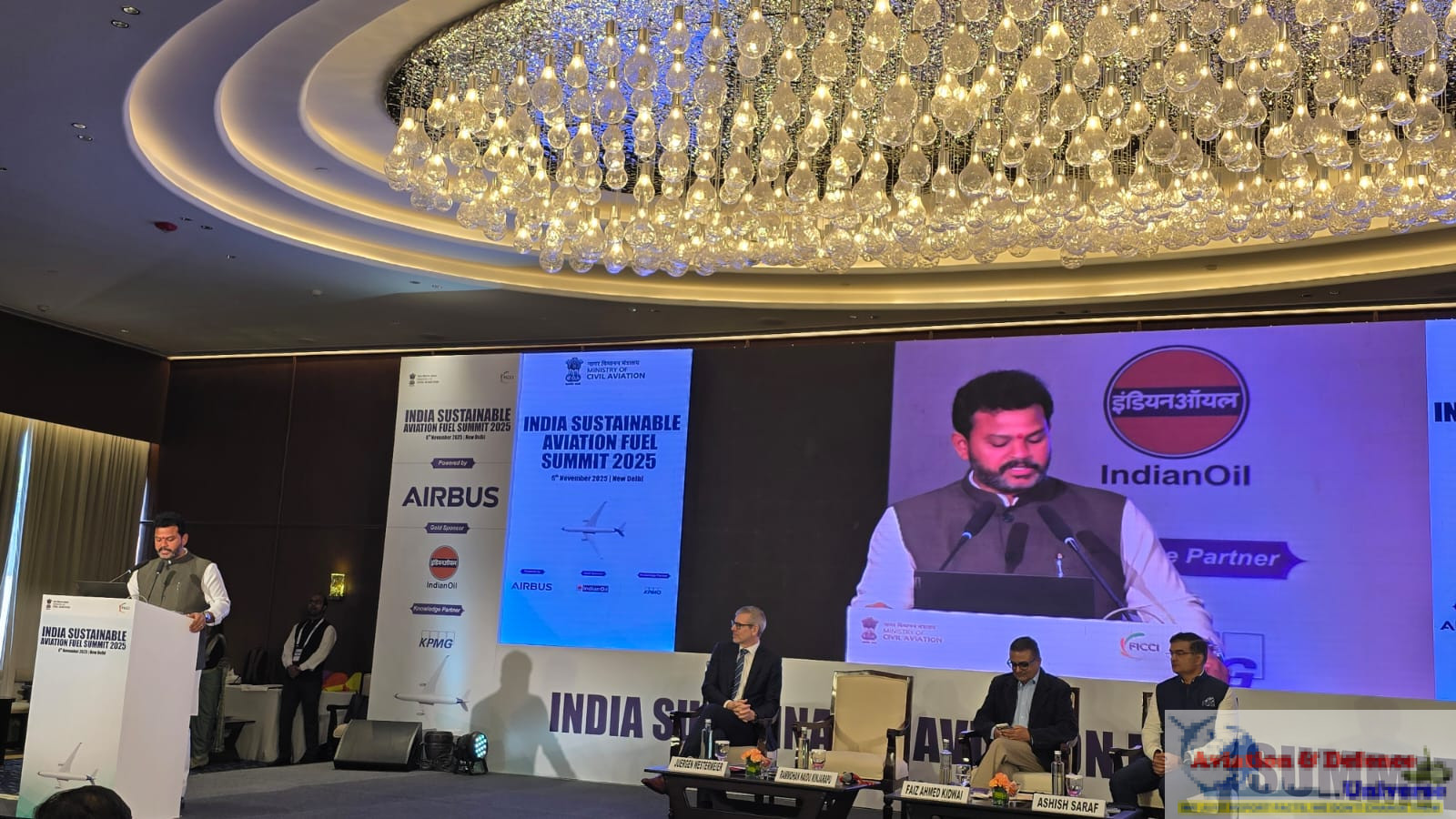 In his interaction with the media on the sidelines of the summit, Minister Naidu reiterated India’s readiness for a green aviation revolution. “I see a lot of buzz around the SAF movement in the country. We have the feedstock, the capacity, and the vision to make India the number one SAF producer in the world — not just meeting domestic demand but also exporting SAF. We are working on the SAF policy and will soon engage all stakeholders. The ecosystem includes not just production companies or airlines, but also farmers, who can gain income from residue participation. It’s an end-to-end opportunity. Private refineries and companies must be part of this. If we want to become a major exporter, the private sector has to be on board.”
Minister Naidu made a strong appeal for collaboration across all sectors, “The responsibility to decarbonise aviation does not solely rely on airlines or fuel producers. It requires participation from every sector. An effective way to address emissions from business travel is by supporting the creation of demand for SAF.” He urged corporates to participate in voluntary SAF programmes launched by airlines, “By committing to purchase SAF, even for a portion of your corporate travel, you send a powerful and immediate demand signal. You are not merely engaging in voluntary climate action — you are acting as a catalyst for national industrial transformation. We must balance growth with responsibility, innovation with inclusion, and ambition with action. The Ministry is committed to releasing the SAF policy very, very soon.”
 While Sustainable Aviation Fuel (SAF) represents a major breakthrough for cleaner skies, its adoption will likely make air travel more expensive in the short term. This is primarily because SAF currently costs three to four times more than conventional jet fuel due to limited global production capacity, complex refining processes, and high feedstock and certification costs. Airlines integrating SAF into their operations must absorb or pass on these higher costs through ticket prices, especially as blending mandates — such as India’s target of 1% by 2027 and 5% by 2030 — come into effect. Infrastructure upgrades for blending, storage, and distribution also add to operational expenses. However, experts believe these costs will gradually decline as production scales up, technology matures, and governments introduce incentives or tax credits. In essence, passengers may pay a little more for flights powered partly by SAF, but the long-term payoff is a more sustainable, climate-resilient aviation industry.
The Minister proposed an innovative fiscal measure, “Given that voluntary corporate SAF programmes represent a measurable investment in climate change mitigation, we urge the Government to recognise these funds as a valid expenditure under mandatory CSR obligations. Such inclusion would unlock new capital for SAF demand and turn a compliance requirement into an engine for a green future.”
Delivering the vote of thanks, Ashish Saraf, Country Head, Pratt & Whitney India, underscored the urgency of collective action. “Decarbonising flight isn’t optional, it’s urgent. Sustainable aviation fuel is the cornerstone of India’s net-zero aviation story,” he asserted. He highlighted the scale of potential transformation, “India could produce eight to ten million tonnes of SAF annually by 2040. The fact that Indian Oil’s Panipat refinery has been certified is a massive milestone that positions India as a future export hub.”
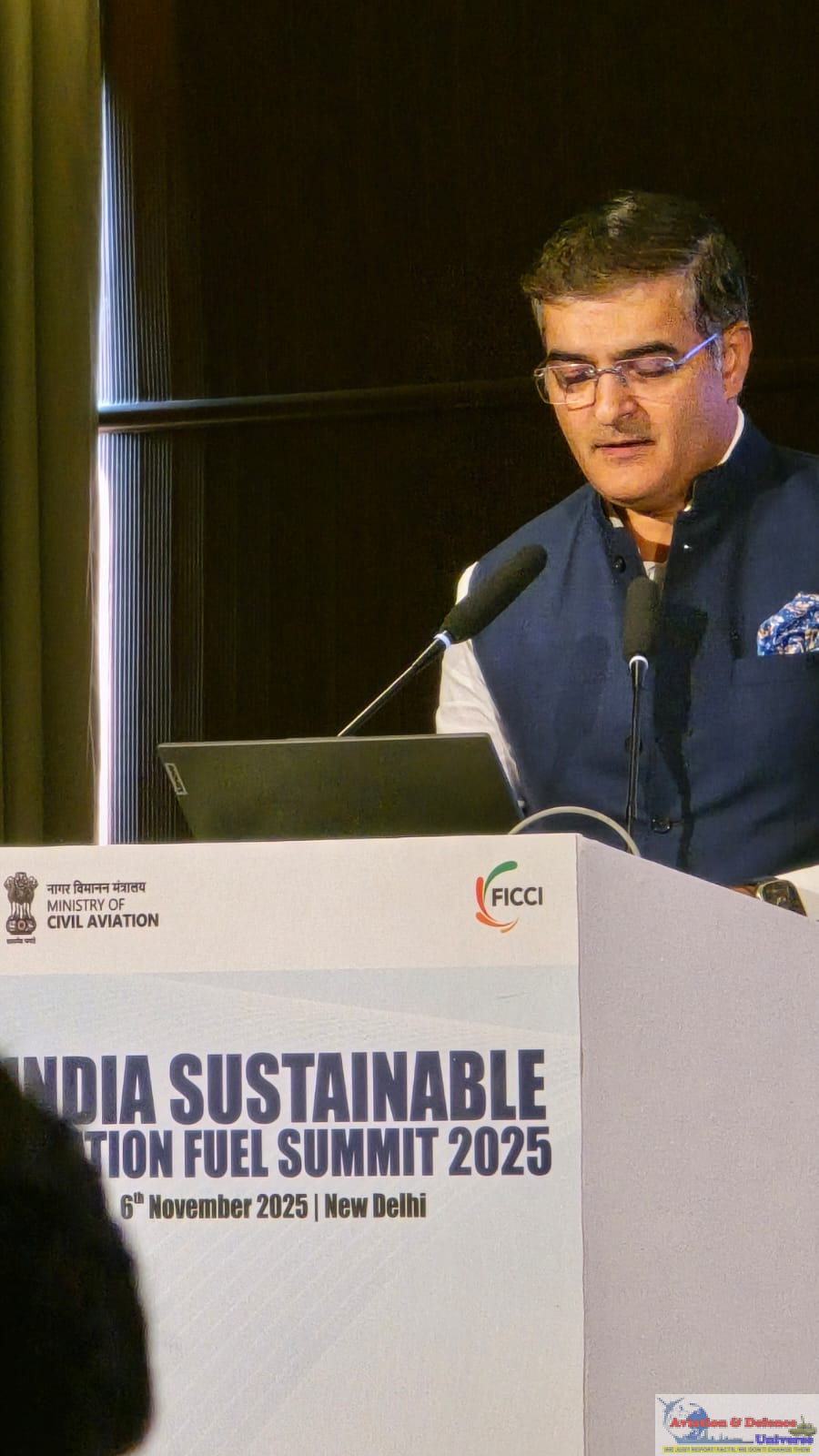 Saraf also detailed Pratt & Whitney’s progress in hydrogen propulsion technologies, saying, “Beyond SAF, we are reimagining propulsion itself. Our HySight hydrogen engine concept uses steam injection and water recovery to improve energy efficiency by 35%. Through our HyEDS programme in Canada, we are adopting turboprop technology for hydrogen combustion, exploring every pathway to low and zero-emission flight.” He closed by thanking all collaborators, “Policy, infrastructure investments, private sector involvement — all point toward a future that’s ready for SAF, making India a leader and exporter of clean aviation energy. I wish everyone fruitful deliberations and a big start towards a greener sky.”
‘The India Sustainable Aviation Fuel Summit 2025 reflected a shared commitment to build a cleaner, self-reliant aviation future. With certification, production, and policy already advancing — and the SAF policy on the horizon — India stands poised to lead the next great transformation in global aviation.
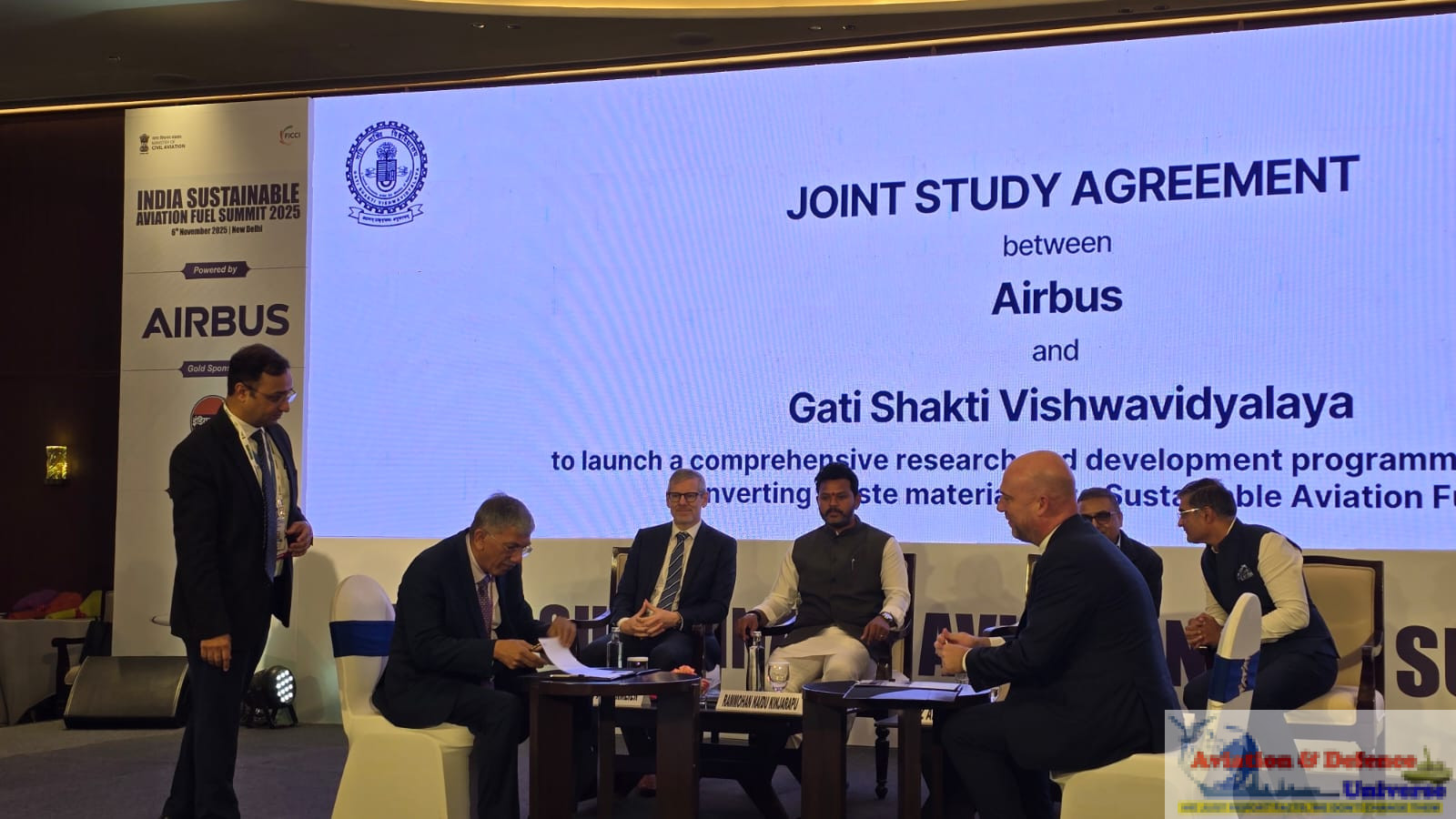
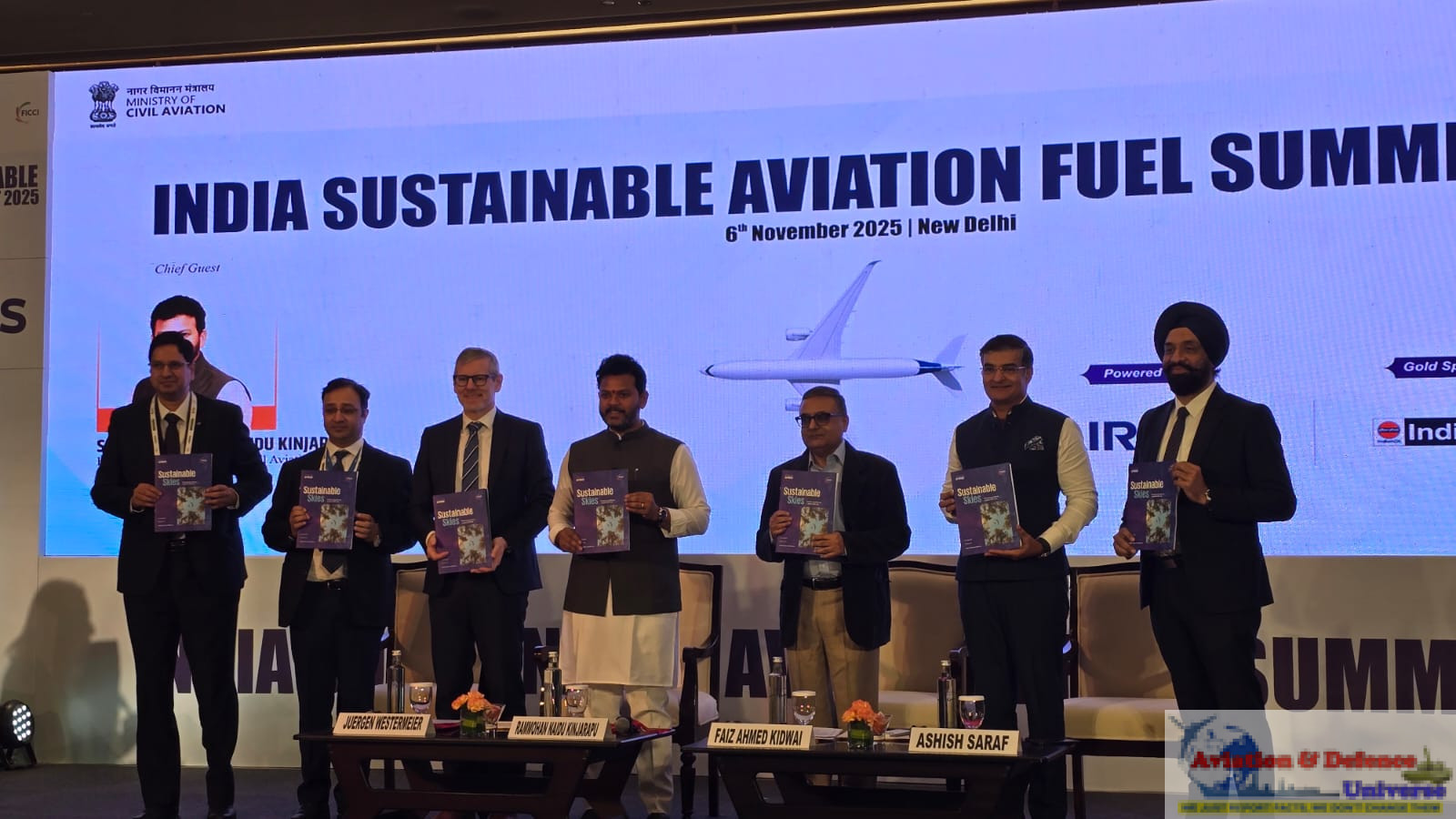 India SAF Summit 2025 saw the release of the FICCI-KPMG Thought Leadership Report. A Joint Study Agreement between Gati Shakti Vishwavidyalaya and Airbus was also signed in the inaugural session of the Summit.