













- Calls for Strong Indigenous MRO Ecosystem at MRO South Asia Summit 2026
- Predictive Maintenance, AI and Digital Twins to Shape Future of MRO: Air Marshal Sanjiv Ghuratia
By Sangeeta Saxena
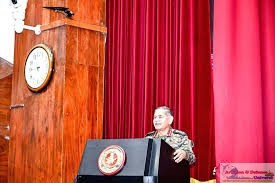
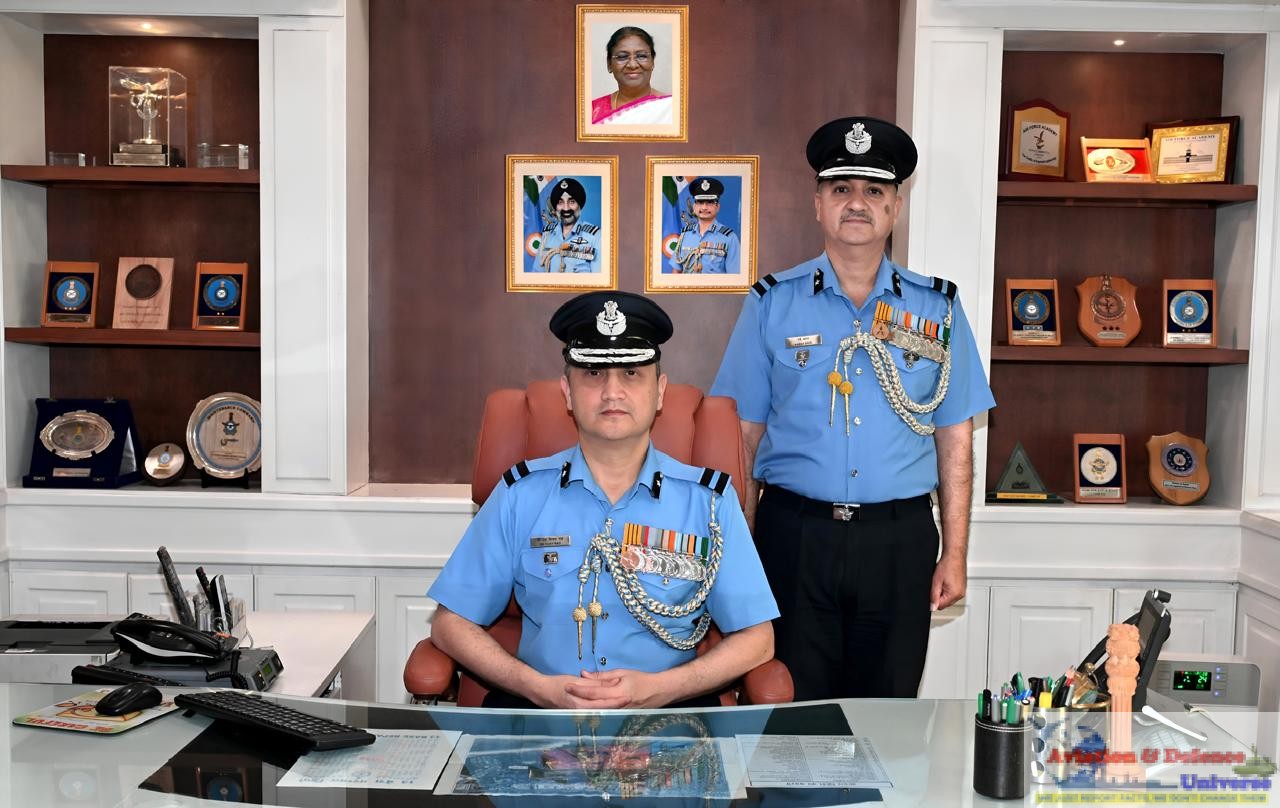
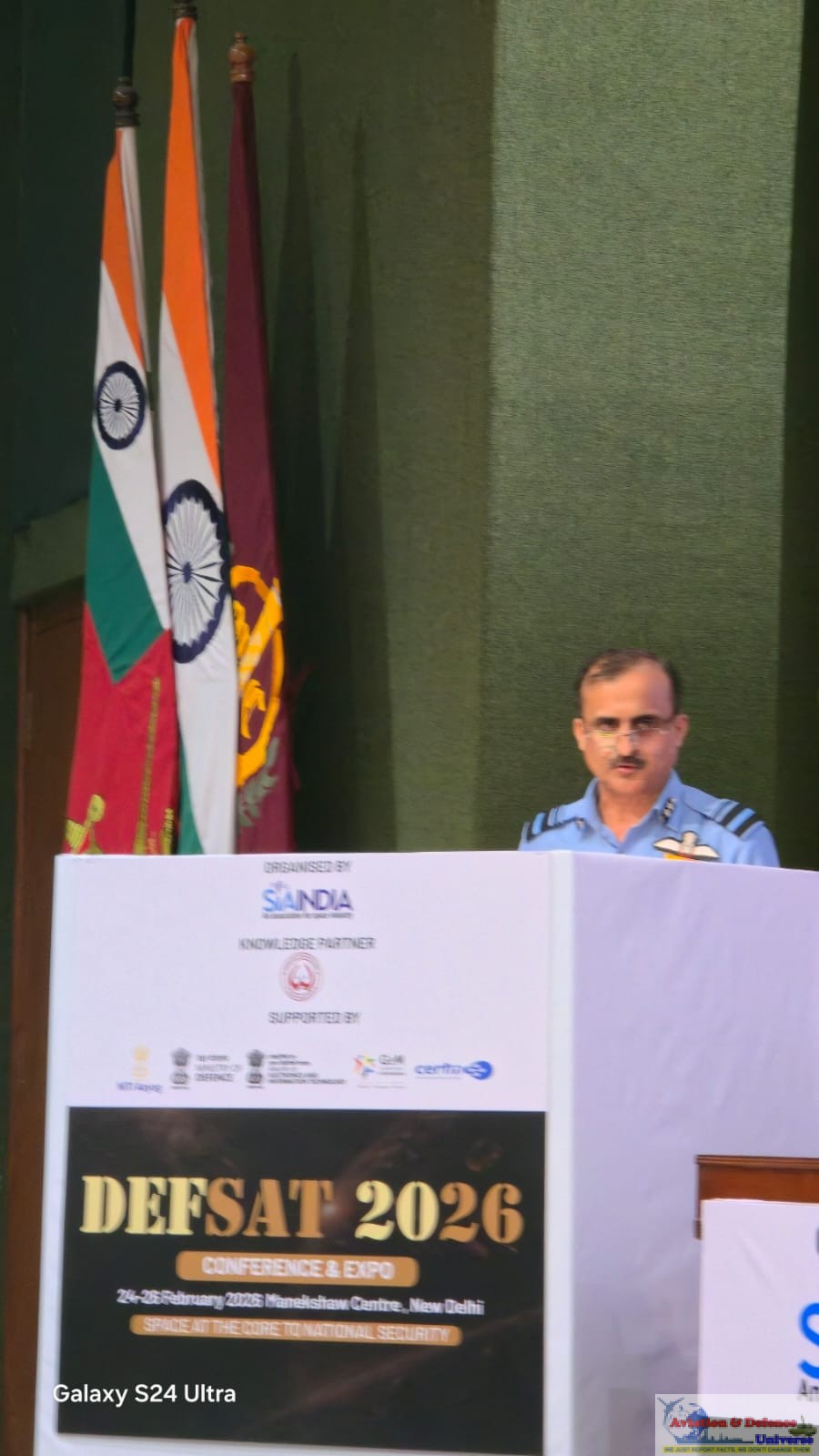
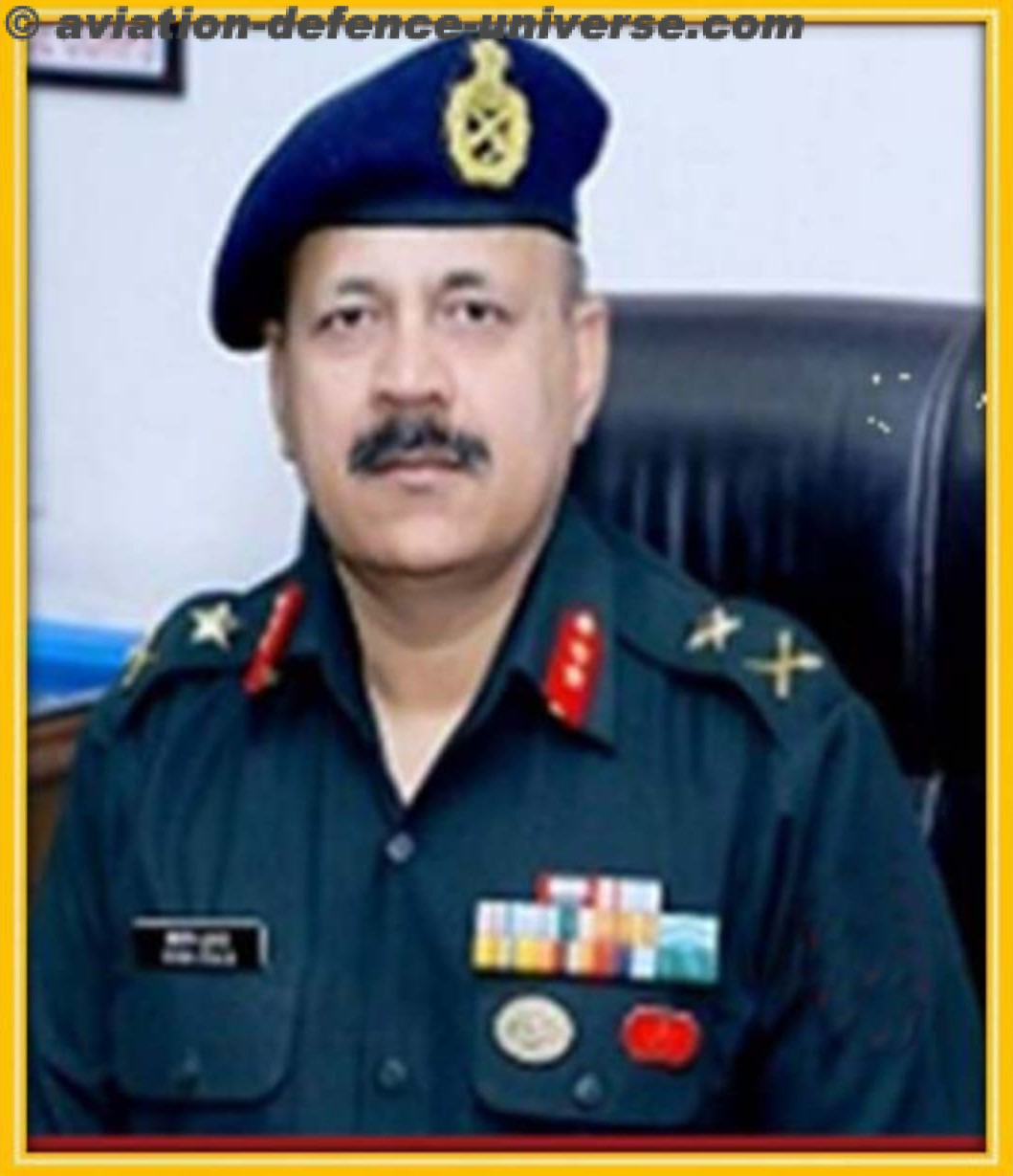
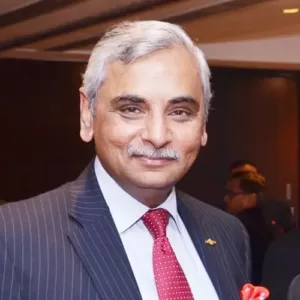
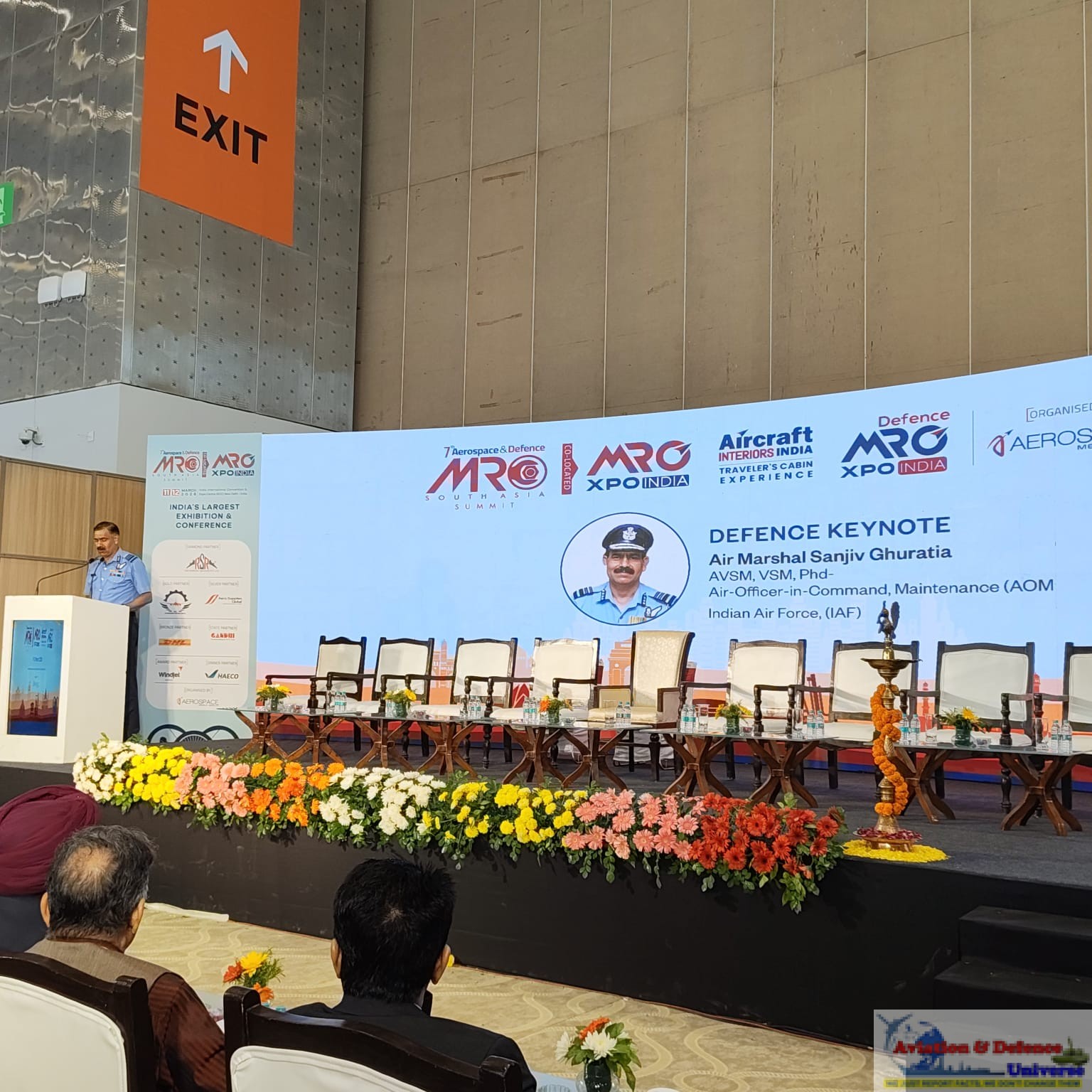
New Delhi. 11 March 2026. The future of India’s aerospace maintenance ecosystem must be rooted in innovation, indigenisation, and global competitiveness, said Air Marshal Sanjiv Ghuratia, AVSM, VSM, Air Officer-in-Charge Maintenance at Air Headquarters, Indian Air Force, while delivering the Defence Keynote Address at the 7th Aerospace & Defence MRO South Asia Summit 2026 .
Addressing policymakers, defence leaders, aerospace manufacturers, industry experts, academia and students, Air Marshal Ghuratia emphasised that India stands at a decisive moment in its aviation journey. With both civil and defence fleets expanding rapidly, the demand for maintenance, repair and overhaul (MRO) services is expected to grow dramatically in the coming decades. The summit, organised by Aerospace Media Group, has evolved into one of South Asia’s most influential platforms for discussion on aerospace capability, self-reliance and industrial collaboration.
Opening his address, Air Marshal Ghuratia stated, “over the past decade, this summit has deepened national discourse on aerospace power, Atmanirbharta and joint capability development. It is indeed an honour to address this gathering of some of the finest minds in aerospace and defence across South Asia.”
He further emphasised that India must seize the moment to strengthen its aerospace engineering capabilities. “I would like to remind all of us to seize India’s destined eminence in global aerospace engineering. Our nation must aim for MRO excellence that is resolute, innovative and impregnable, and confront emerging technologies in aviation maintenance with unwavering focus,” he said.
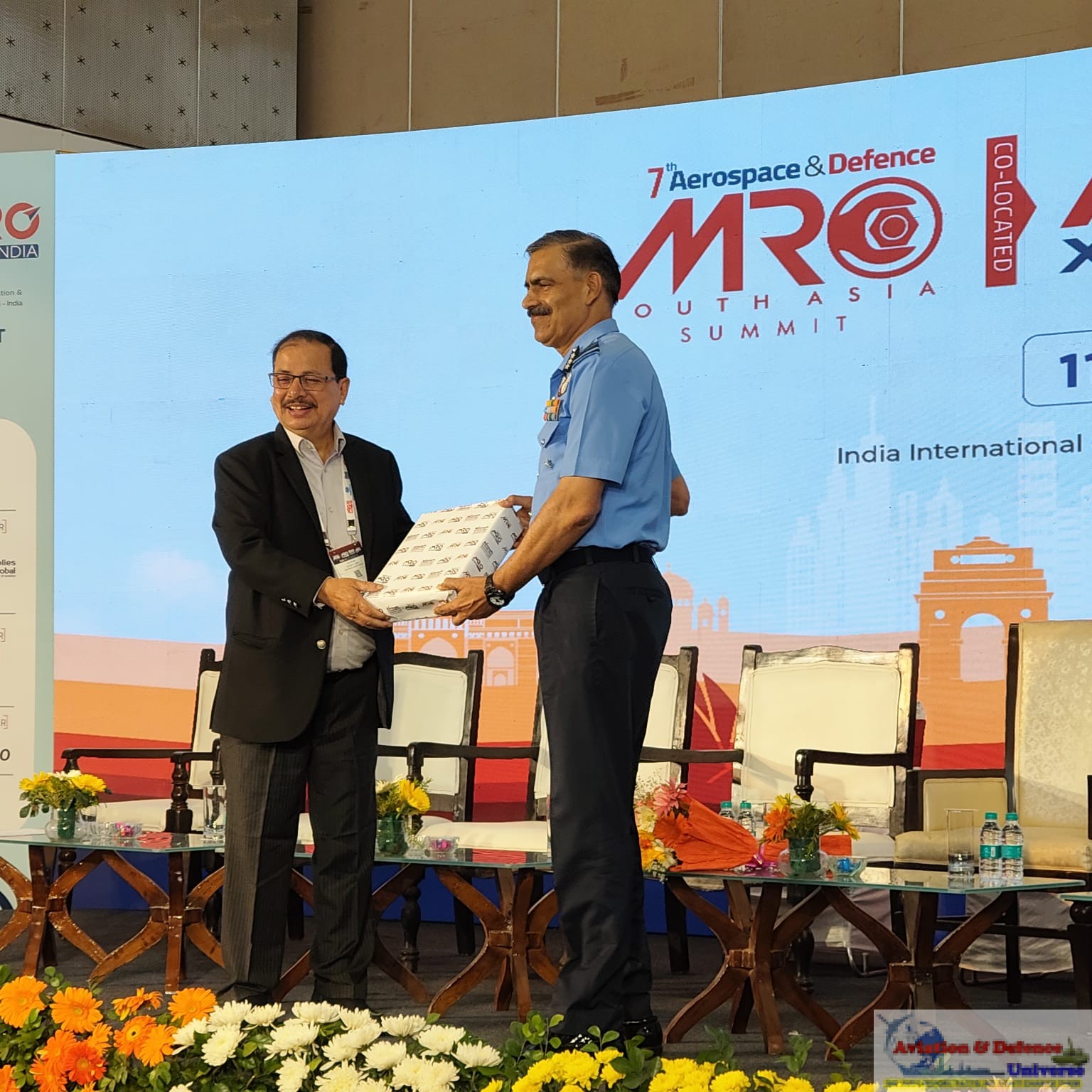 Providing an overview of the Indian Air Force’s operational scale, Air Marshal Ghuratia highlighted the complexity of maintaining one of the world’s most diverse air fleets, explaining, “The Indian Air Force operates more than 40 types of aircraft numbering nearly 2,000. Our organic MRO capability lies with 13 Base Repair Depots, where we undertake maintenance of eight types of aircraft and eight types of aero engines.”
He also acknowledged the support provided by domestic industry partners. “Our own powerhouse, HAL, supports the Indian Air Force by undertaking MRO of 11 types of aircraft and 10 types of aero engines. For the remaining platforms we depend upon OEM capabilities and facilities abroad, ” hereiterated.
However, he stressed that the Indian industry has a major opportunity to bridge this gap. “There are many areas where Indian industry can support the Indian Air Force by setting up indigenous MRO facilities for rotables, major components and supply chains for critical spares.”
The Air Marshal highlighted the parallel growth of India’s civil aviation sector and the enormous opportunity it presents for the MRO ecosystem. “India’s civil aviation fleet is expanding rapidly and is expected to reach nearly 3,000 aircraft by 2040. If we include another 3,000 aircraft operated by the armed forces and paramilitary services, the resulting demand for MRO will be immense, ” he added that the industry could reach significant economic scale in the coming decades.
Air Marshal added, “The MRO industry in India is expected to grow to nearly 10 billion US dollars by 2040. However, today more than 80 percent of aircraft and engines from Indian aviation are sent overseas for maintenance, which remains a matter of concern.”
The keynote also acknowledged recent policy reforms by the Government of India that have helped improve the investment environment for aerospace maintenance referring to the policy reforms such as exemption of customs duties on aircraft components, reduction in GST on MRO services and allowance of 100 percent FDI are generating significant industry interest. The Tata–Airbus C295 manufacturing facility at Vadodara and Safran’s 150 million dollar engine MRO facility in Hyderabad are clear indicators of growing confidence in India’s aerospace ecosystem, he felt.
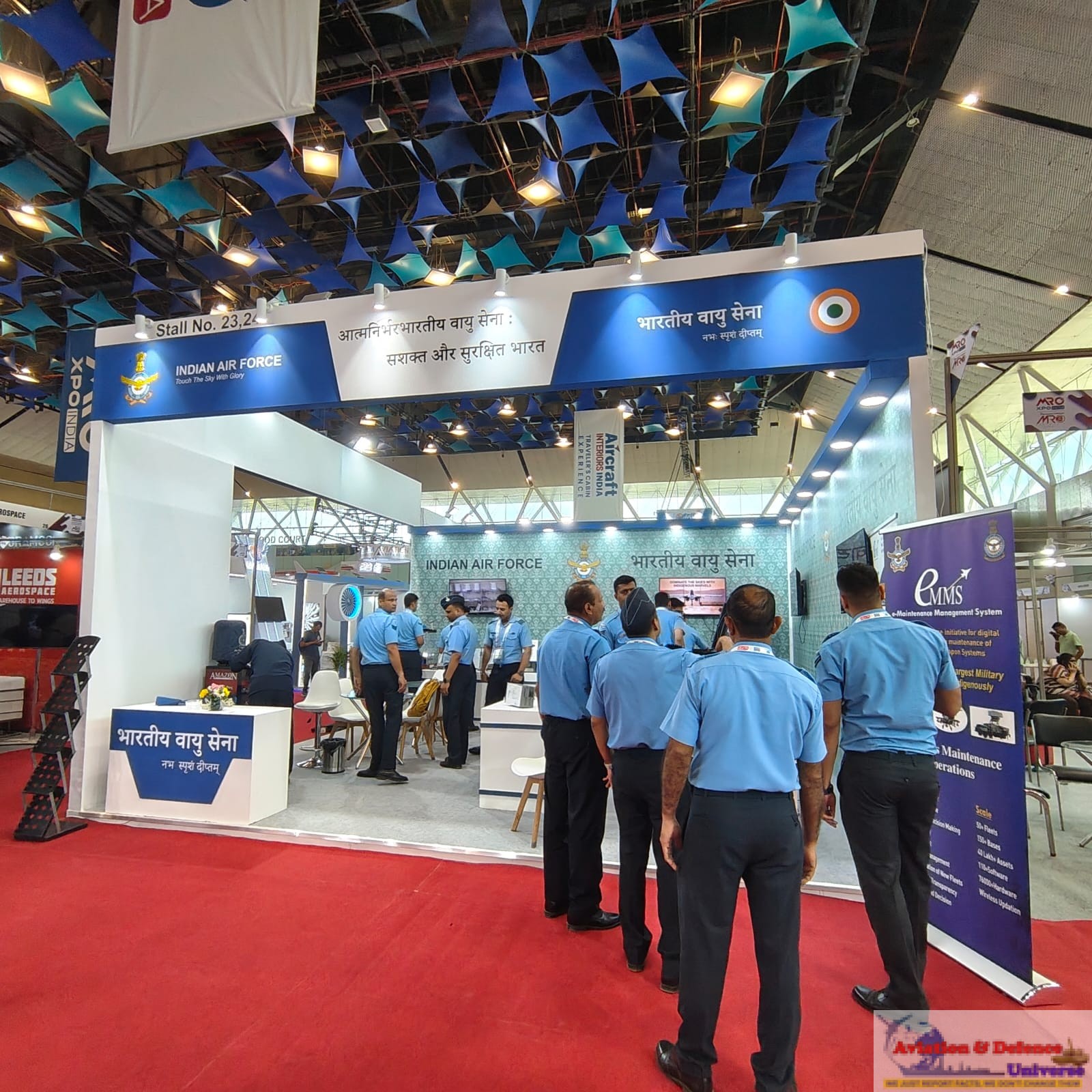 Air Marshal Ghuratia highlighted that the global MRO sector is undergoing a profound transformation driven by advanced technologies. Traditional scheduled maintenance is gradually being replaced by predictive maintenance powered by sensor data, artificial intelligence and machine learning. This enables targeted interventions, reduces aircraft downtime and optimises maintenance costs. Robotics are increasingly being used for inspection, painting and assembly tasks, improving accuracy and safety while reducing labour costs. Additive manufacturing through 3D printing is enabling on-demand production of customised or obsolete spare parts, significantly reducing lead times.Emerging digital technologies are also reshaping training and maintenance processes. Augmented, virtual and extended reality technologies are being used for training, remote inspections and troubleshooting. Digital twins allow simulation of maintenance procedures and prediction of system performance. Blockchain is being explored to ensure secure and transparent maintenance records.
He also agreed that the aviation industry is increasingly focused on sustainability and MRO is no exception. New technologies are being developed to reduce fuel consumption, emissions and waste, including biofuels, hybrid aircraft and more efficient maintenance practices.
He added that industry consolidation and specialisation are also shaping the future, “mergers and acquisitions will create larger companies with wider capabilities and economies of scale. Companies may increasingly specialise in specific aircraft, technologies or services to cater to diverse customer needs.”
Air Marshal Ghuratia stressed that supply chain efficiency is critical for improving turnaround time in aircraft maintenance as the MRO is directly influenced by the availability of high-value inventory and reliable supply chains. Lower-tier suppliers must assure lead times and performance, while providing quality-sensitive data online for monitoring by integrators. In essence, it must upgrade to Industry 4.0 standards.
 He also highlighted India’s heavy dependence on imports in aerospace manufacturing, “foreign OEMs dominate the aerospace business because they are decades ahead of us in aerospace rigour and know-how. Even today, India imports more than 10,000 types of bearings used in aerospace MRO and aircraft manufacturing.” Calling for urgent indigenisation, he said, “it is high time we focus on reducing import dependence starting with materials by developing them domestically.”
Concluding his address, Air Marshal Ghuratia emphasised that building a robust domestic MRO ecosystem will not only enhance aviation readiness but also strengthen India’s aerospace manufacturing capability. “By establishing strong aerospace and defence MRO capabilities in India, we will gain access to the latest manufacturing technologies, materials and quality management systems. The resulting human resource and technological spin-offs will significantly strengthen our aerospace manufacturing sector,” he also urged Indian industry to seize emerging global opportunities. “This is the time for the Indian aerospace industry to go truly global and assert its place in the international aerospace engineering community,” he ended with conviction.
The keynote set the tone for the summit’s discussions, highlighting how India’s rapidly expanding aviation ecosystem—combined with technological transformation and policy reforms—can position the country as a major global hub for aerospace maintenance, engineering and innovation.