























- “Convergence Warfare Is Here” — CDS Calls for Jointness, Integration, and Data-Centric Defence
- “Technology Has Overtaken Geography in Warfare”
- “India Must Master Technology Before the Next Conflict”
By Sangeeta Saxena
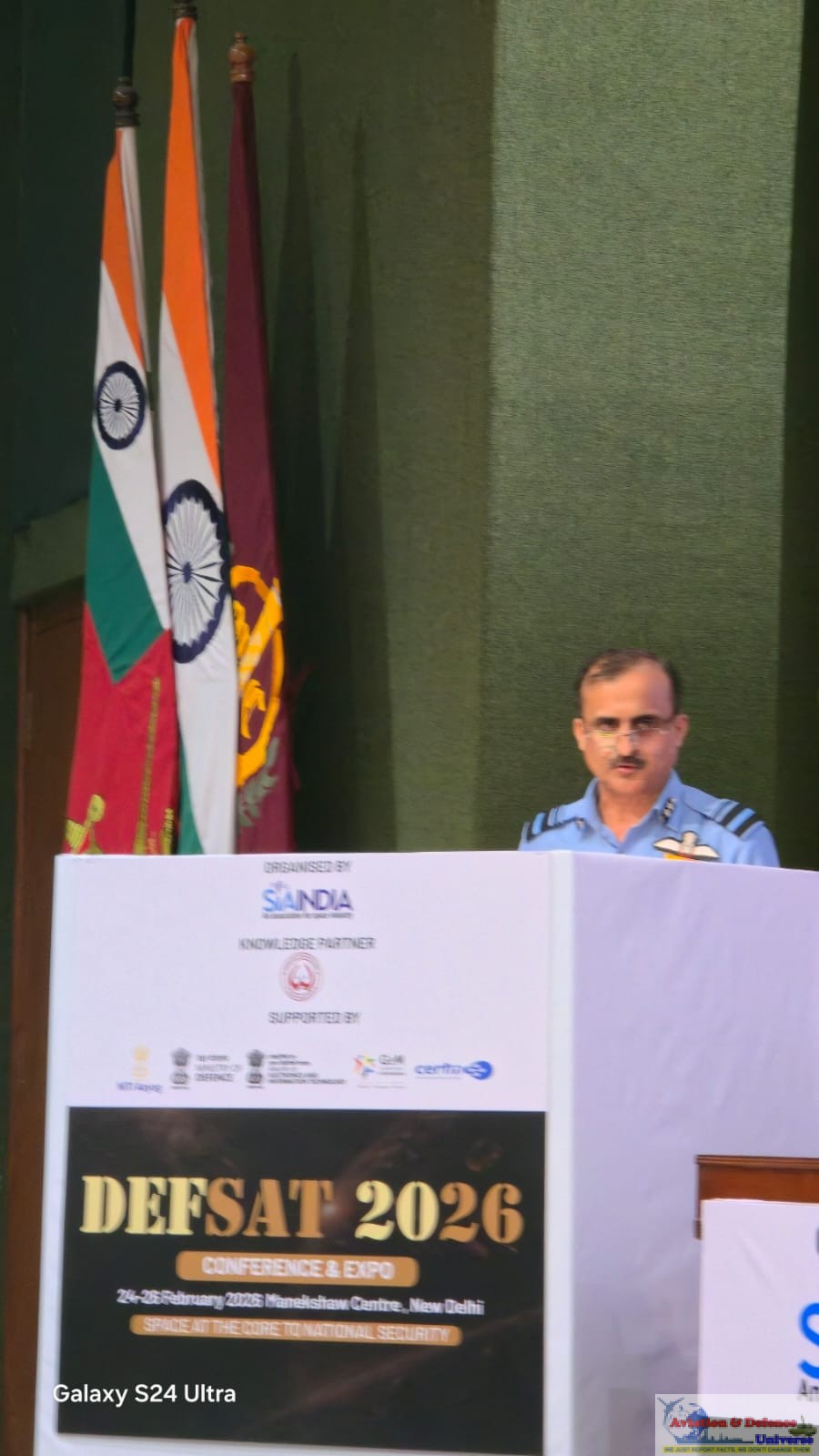
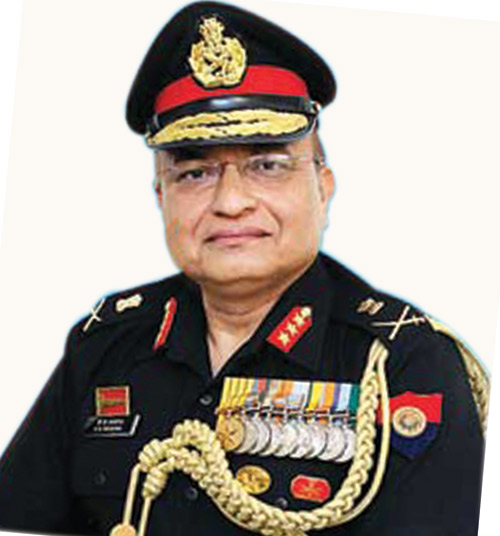
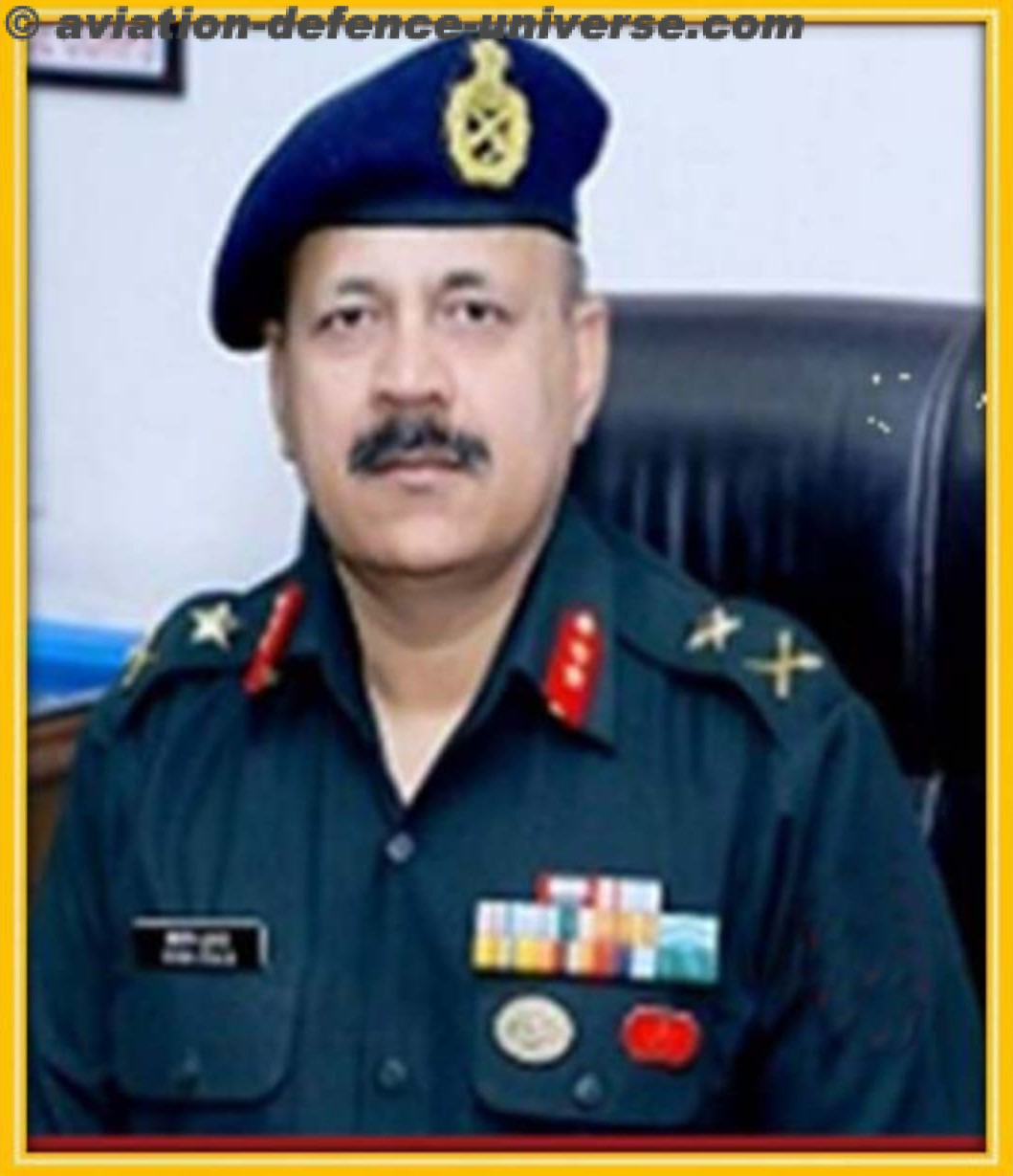
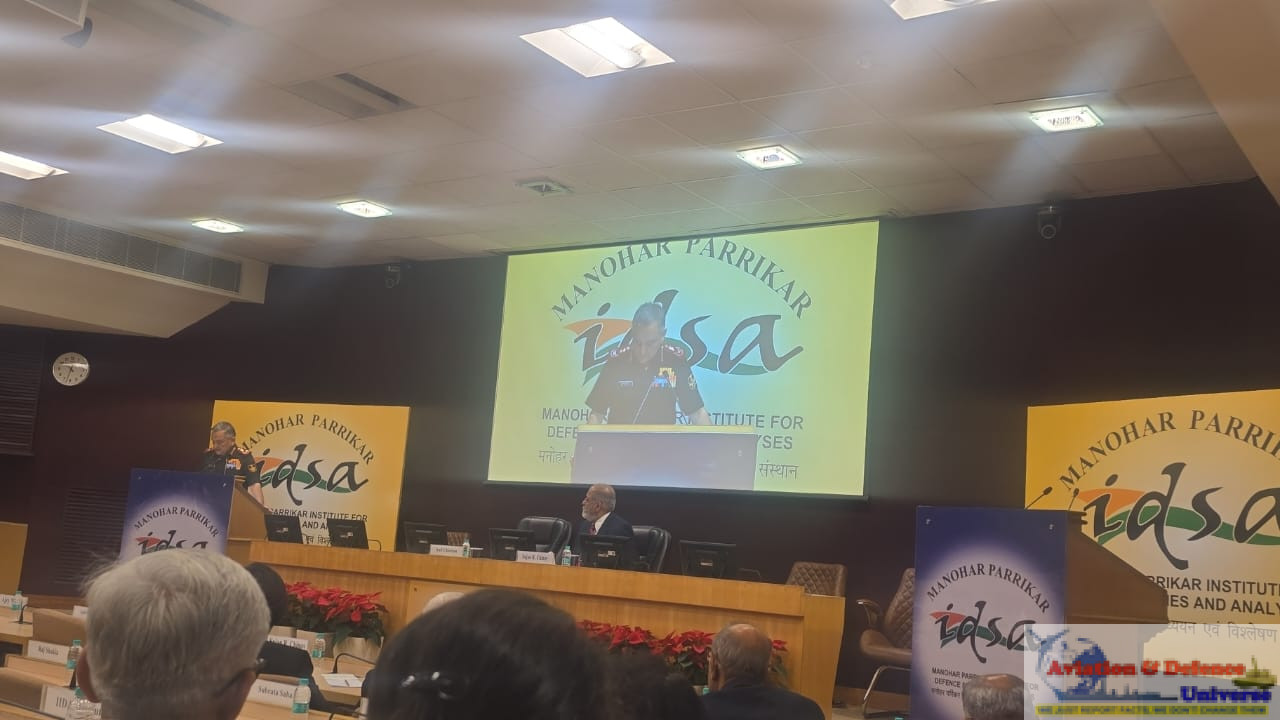
New Delhi. 11 November 2025. In a sweeping and intellectually charged address at the Delhi Defence Dialogue, Chief of Defence Staff (CDS) Gen. Anil Chauhan mapped the evolution of warfare from the age of gunpowder to the dawn of convergence warfare. His lecture traced how technology — once a mere support to strategy — has now overtaken geography as the defining factor in war.
From the changing geometry of battlefields to the emergence of new warfighting domains like space, cyber, and cognitive spheres, Gen. Chauhan’s speech was a compelling call to adapt, integrate, and innovate. He outlined India’s roadmap for self-reliance, jointness, and future-ready capabilities — where technology, doctrine, and leadership must act in concert to ensure national security in an era of unprecedented change.
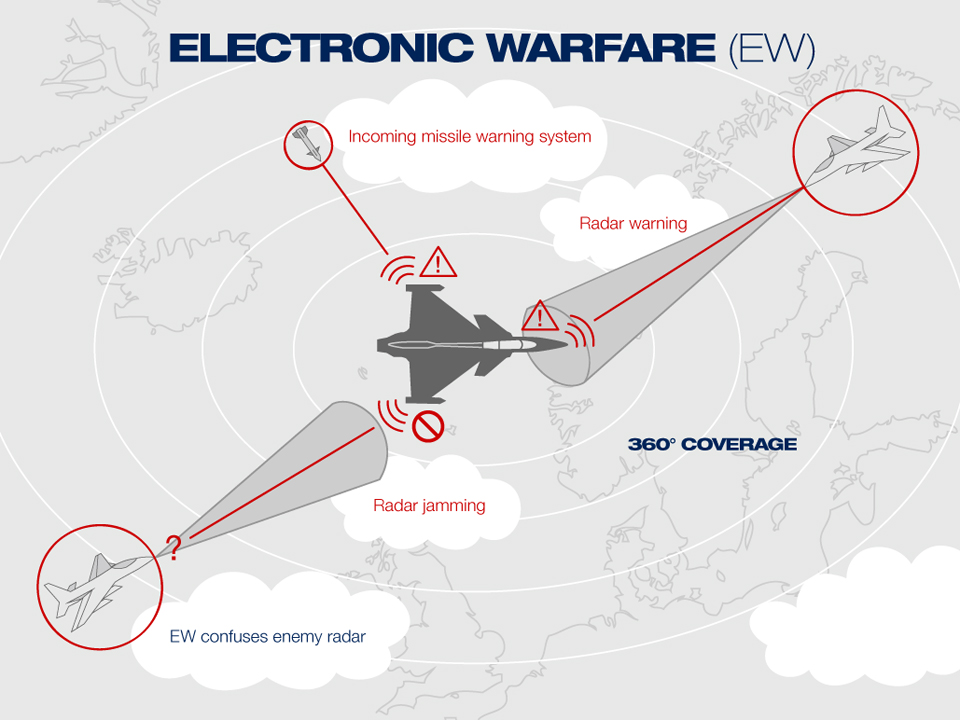
 In the evolving character of warfare, the frontlines are no longer confined to land, sea, and air — they now extend into space, cyber, and the cognitive realm. These emerging domains are redefining how nations project power, safeguard sovereignty, and shape outcomes without traditional combat. Space has transitioned from a support enabler to a decisive operational theatre; cyber has emerged as the invisible battlespace that can disrupt entire nations; and the cognitive domain has become the arena where perceptions, beliefs, and decisions are contested. Together, they represent the new triad of strategic influence — where information, innovation, and intellect are as critical as firepower in determining victory.
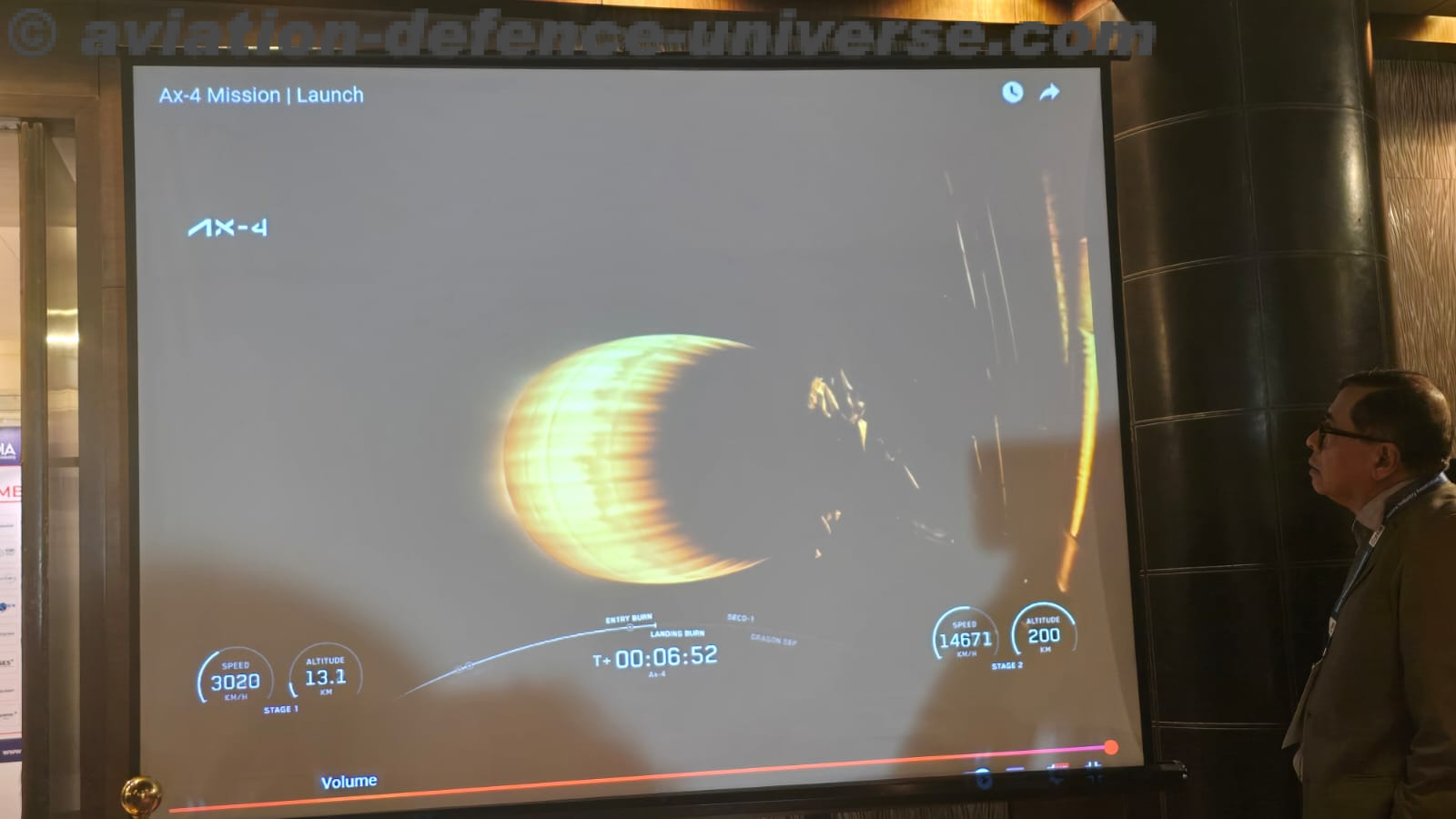
“Look at space, which is a new domain of warfare. Space has transformed from a support domain to a decisive battlefield. It can today be contested, defended, and denied thanks to the maturing of technologies that allow persistence, presence, offensive capabilities, and cross-domain impact. What we see today is only Earth’s orbital space being used — to host satellites for communication, navigation, reconnaissance, early warning, positioning and timing, and perhaps ASAT capabilities. But that’s not enough. Tomorrow, we may be looking at the orbital space of the Moon — cis-lunar space — and that too may become part of the battlefield, ” declared the CDS.
In his keynote address at the Delhi Defence Dialogue, Chief of Defence Staff General Anil Chauhan delivered a wide-ranging and profound assessment of the changing character of warfare—arguing that while morale, leadership and training have always mattered, the decisive edge now lies in technology, integration and indigenisation. “Technology started influencing the outcome of battle significantly after the invention of gun powder,” he noted. He traced warfare’s evolution—from an era where geography reigned supreme, through network-centric battlefields, to the current era of convergence warfare where kinetic and non-kinetic domains, sensors, AI and data dominate the battlefield. His address lays out a roadmap for the Indian Army’s march towards self-reliance, deeper integration and innovation.
 In a much connected world the threat which could disrupt functioning of the complete ecosystem is cyber. General Anil Chauhan asserted , “Cyber is another new domain, expanding exponentially fast. It makes it possible to defend, attack, disrupt, deceive, and dominate through digital media. The digital domain — consisting of networks, devices, and applications — governs our daily life, from governance to information, supply chains, production, and services. Cyber warfare is embedded in this digital fabric. Its scope is expanding rapidly. We’ve seen examples — the disruption of air traffic in Europe in 2022 due to a ransomware attack, and a similar attack at AIIMS, New Delhi. These illustrate how pervasive and dangerous cyber warfare has become.”
And war these days is not limited to fighting with traditional arms and equipment. Cognitive warfare represents the newest and most insidious frontier of conflict — one that targets not territory or technology, but the human mind itself. It aims to influence perception, shape belief systems, and manipulate decision-making processes of individuals, communities, and even entire nations. Enabled by rapid advances in artificial intelligence, data analytics, social media algorithms, and psychological profiling, cognitive warfare blends information operations, disinformation, and behavioural science to achieve strategic outcomes without kinetic force.
The CDS emphasised, “The last domain I want to speak about is the cognitive domain, and perhaps the most insidious. It has emerged as a battlefield targeting the human mind and social systems. While not entirely new — remember Yudhishthira deceiving Dronacharya in the Mahabharata — today technologies make cognitive warfare far more complex. We hear of terms like social engineering, capable of influencing communities; and micro-targeting, which can now reach individuals. Complex data analytics can identify who is seeking what kind of information, enabling adversaries to influence minds one by one. We’ve seen examples of this in our neighbourhood recently.”
 Unlike traditional domains of land, sea, air, or cyber, the cognitive domain is borderless and continuous — operating in peacetime as much as in conflict. By exploiting the speed and reach of digital communication, adversaries can now micro-target audiences, spread false narratives, and erode societal trust in institutions. The rise of cognitive warfare compels modern armed forces to develop resilience, counter-narratives, and ethical awareness, ensuring that national security strategies protect not just physical assets but also the cognitive integrity of their people.
He reminded, “When we talk of multi-domain operations, we’re not only talking about traditional domains but also emerging ones. Combat is about fighting — and the battlefield geometry is changing rapidly, expanding across land, sea, air, space, cyber, and cognitive spaces. Yet, ultimately, combat is executed by combatants and their platforms.”
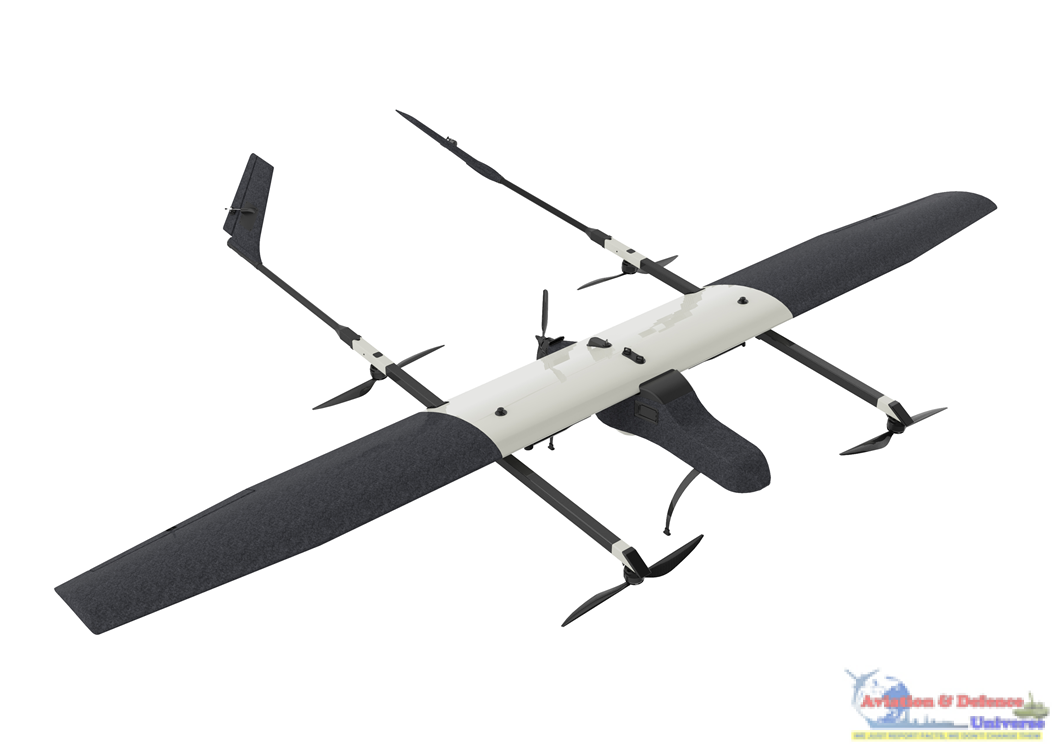
As warfare becomes increasingly multi-domain, the composition of the future force will depend on the seamless integration of platforms, networks, and combatants. The modern battlefield demands agility, interoperability, and real-time data exchange across land, sea, air, space, and cyber domains. Traditional hierarchies of command and force application are giving way to networked ecosystems — where sensors, shooters, and decision-makers are connected through intelligent, data-driven architectures. Combat platforms must be designed not only for endurance and deterrence but also for adaptability within a system-of-systems framework. Simultaneously, the human combatant — empowered by technology, automation, and cognitive enhancement — remains central to decision-making. The fusion of manned and unmanned systems, advanced communication architectures, and cross-domain operational control will define how armed forces fight, survive, and prevail in the conflicts of the future.
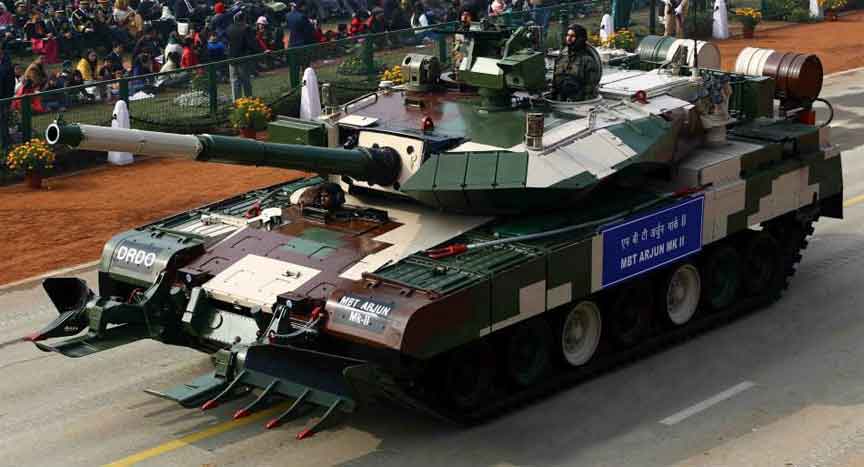
 “Large-sized combat platforms — aircraft carriers, SSBNs, strategic bombers, tanks, multi-role fighters — provide sustained presence and signal power and credibility. But they’re expensive, R&D-intensive, and costly to maintain. Meanwhile, weapons are evolving faster and becoming cheaper — a ₹1,000-crore aircraft can now be destroyed by a ₹25-crore missile, a ₹10,000-crore ship by one costing ₹50-60 crores. Balancing this equation is crucial. Equally important are the networks that connect combatants and platforms — linking air, land, and sea systems into a system-of-systems. This cross-domain integration enhances situational awareness and resilience, ” General Anil Chauhan analysed.
He continued with the analysis, “Our combat units and combatants themselves are changing. Earlier, we spoke of IBG-isation, integrating armour, mechanised, and infantry elements. Now, as our Army Chief is leading with the Rudra Arms Brigade, Bharat Commando Battalion, or RT Drone Platoon, we’re embedding new technologies within traditional units. Combatants are also evolving. Force application is shifting from regular armed forces to non-state actors, mercenaries, and contractors. Technology is blurring the lines between humans and machines. Human endurance, cognition, and recovery are being enhanced through advances in medical science — exoskeletons, humanoids, and man-machine teams are redefining combat. This is how the landscape of warfare is emerging — technology influencing every layer of combat. The question then is, what are our armed forces doing about it? Structurally, we are pursuing jointness — integrating the three services for doctrinal convergence, operational efficiency, and capability development.”
 The transformation of modern armed forces rests on the ability to translate doctrine into action through innovation, jointness, and technological superiority. As warfare evolves beyond traditional boundaries, doctrine must not remain a static document but a living framework that adapts to emerging realities — from multi-domain operations to cognitive and cyber warfare. True jointness lies not only in interoperability among the Army, Navy, and Air Force but also in shared doctrines, integrated command structures, and unified operational philosophies. Innovation, both technological and conceptual, serves as the bridge between strategy and execution — ensuring that the armed forces remain agile, future-ready, and self-reliant. By harnessing indigenous R&D, fostering cross-service collaboration, and leveraging disruptive technologies, India’s military doctrine is increasingly being operationalised into a force capable of deterrence, dominance, and decisive action.
The CDS pronounced, “We are establishing Joint Operational Control Centres, merging and fusing information to create a comprehensive picture. We are also enhancing our resilience through expansion of space and cyber capabilities, while investing in future warfare courses and setting up a Future Operations Analysis Loop at Headquarters IDS. Doctrinally, we’ve released eight joint doctrines this year — spanning cyber, space, heli-borne, airborne, amphibious, and logistics warfare. We are achieving battlefield transparency by networking and integrating systems across air defence, border management, ISR, and maritime domain awareness.”
 Elaborating on the actions being taken by the Integrated Defence Staff he explained, “We are introducing ADRs and warfare data links to improve resilience. On manned-unmanned teaming, the Air Force with HAL is developing the Combat Air Teaming System (CATS) based on the LCA platform, integrating it with loyal wingmen and high-altitude communication roles. The Navy is working on a similar Naval CATS-Warhead project. From net-centricity, we are moving towards data-centricity, driven by artificial intelligence. This requires network integration, and we’re creating a Joint Communication Architecture and Defence Communication Network as backbone systems. We’re also deploying supercomputers and high-performance computing in our data centres. These efforts bore fruit in Operation Sindoor — India’s first non-contact warfare. It combined precision and long-range strikes, kinetic and non-kinetic effects, and digitised, networked command. We had one fluid operational picture and used rudimentary artificial intelligence for intelligent targeting. It was truly multi-domain warfare, converging tactical, operational, and strategic levels.”
 He admitted, “In conclusion, geography has shaped warfare for millennia, but today it is being sidelined by technology. The battle space across domains is exploding in ways our ancestors never imagined. As military leaders, we must adapt to this reality — investing in technology while maintaining human judgement and ethical responsibility. The fundamental truth remains unchanged: warfare will always be about winning — whether through geography or technology. Our responsibility is to ensure that when conflict comes, as it inevitably will, we possess the technology, expertise, and superiority to protect our nation and prevail.”
Gen. Anil Chauhan’s address at the Delhi Defence Dialogue was not just an academic exploration — it was a strategic blueprint for India’s military future. His words reiterated that the third revolution in military affairs — convergence warfare — has already begun, where data, networks, and artificial intelligence define victory more than geography or sheer firepower.
The CDS’s call for integration, indigenisation, and innovation resonated as a roadmap for India’s armed forces to remain adaptive and decisive in a fast-changing strategic environment. As he reminded the gathering — the ultimate truth of warfare remains constant: it is about winning — but in the 21st century, victory belongs to those who innovate faster.