









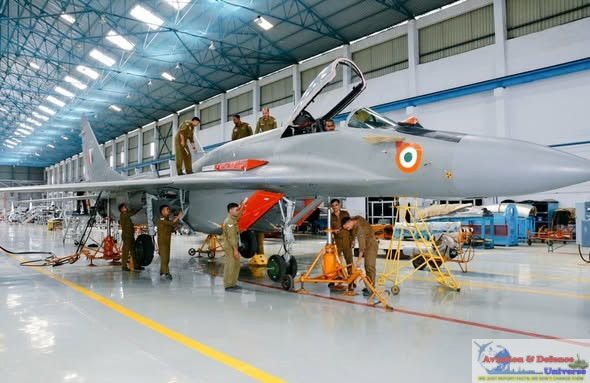
- Synchronizing Sustainment: Integrating MRO Capabilities with Theatre Command Objectives
- Maintenance as a Force Multiplier: Strengthening Jointness
- Operational Readiness Redefined
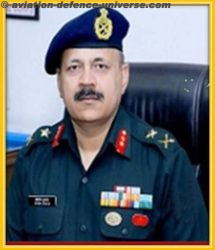
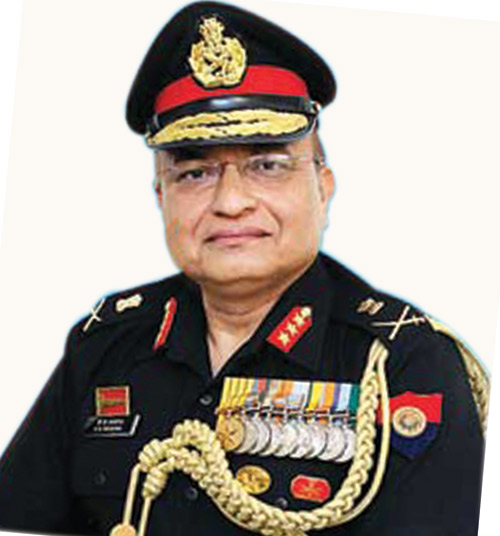
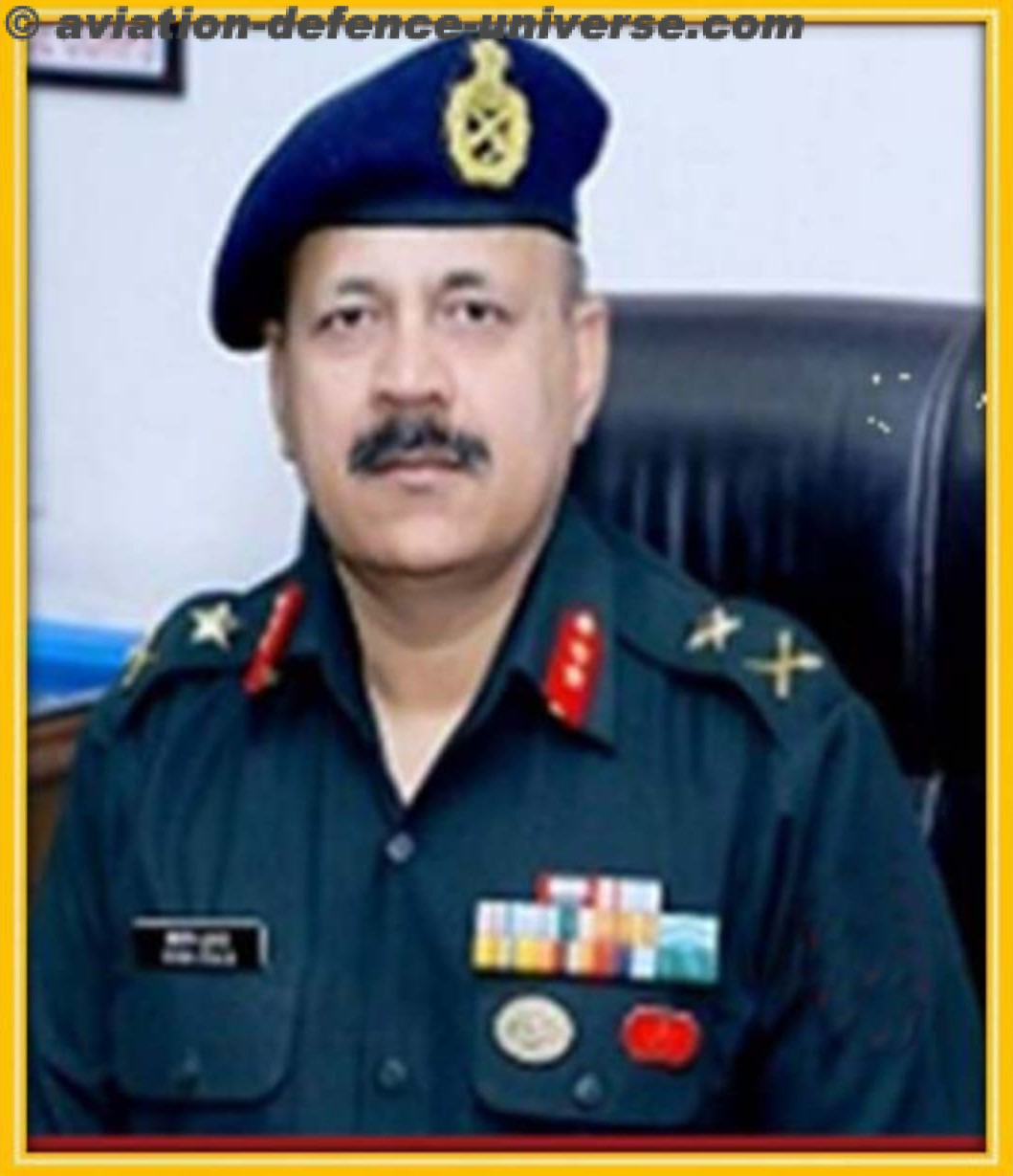
By Maj Gen (Dr.) Ashok Kumar, VSM (Retired)
New Delhi. 08 December 2025. As India progresses toward establishing theatre commands to strengthen jointness across the armed forces, one critical element has emerged at the centre of operational discussions: the need for a unified, integrated Maintenance, Repair, and Overhaul (MRO) ecosystem. Theatre commands 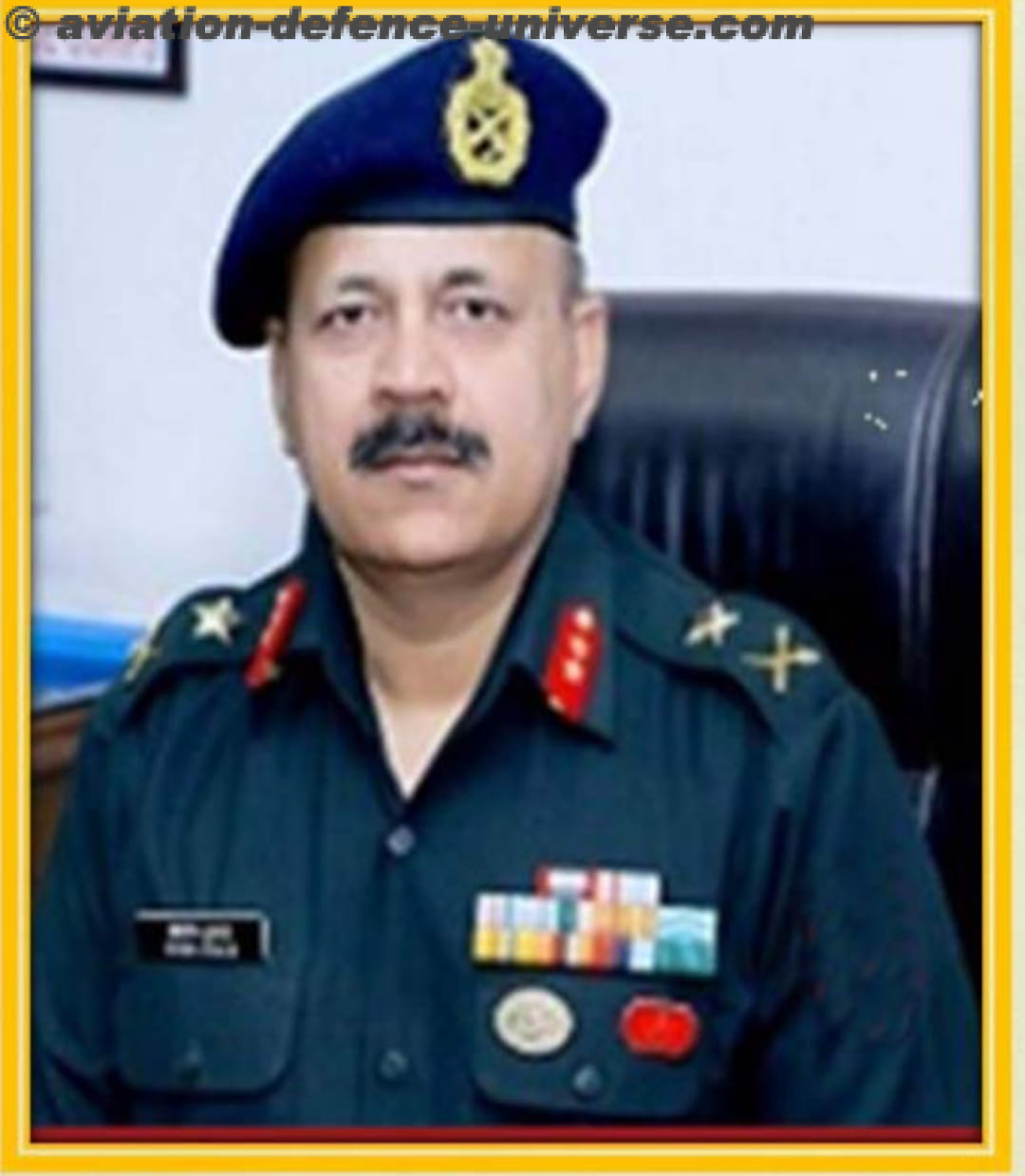 are designed to optimize combat power by merging resources, improving interoperability, and enabling faster decision-making across services. For these objectives to translate into real-time battlefield advantage, sustainment and logistics must evolve in lockstep. Integrated MRO—spanning aircraft, land systems, naval platforms, and advanced weaponry—has therefore become not just a support function, but a strategic enabler of theatre-level readiness. Aligning MRO with theatre command structures ensures that platforms remain mission-ready, downtime is reduced, and logistics chains are responsive and synchronized with the tempo of joint operations.
Genesis
During the recent concluded visit of Russian President Putin to India highlighted the future equipping plan of Indian defence forces which focussed on indigenisation as well as on co-production of equipment and their spare parts both for meeting the need of Indian defence forces as well as for exports. The logistics agreement signed also indicates the requirement of Indian defence forces getting deployed beyond own Geographic limits for multiple reasons and not only related to disaster assistance. This requires fast tracking of not only operationalising of planned theaterisation but evolving an integrated MRO support to our defence forces both for theaterised defence forces as well as being capable of looking beyond the borders to support the defence forces.
 Restructuring of forces and resources for war fighting is a continuous process the world over and India is no exception. From post-independence era, our forces have realigned to meet the emerging threats with changing character of war. The changes so far were restricted largely to respective services with some organisations being created for enhanced inter service coordination. The current model has both successes and limitations. A re-look was therefore needed to all organisational structures especially at a time when India is closely looking at US, Russia and China though the reasons may be different for each country. The common thread in all these countries is adoption of theaterised model of their defence forces as considered appropriate to their countries. With growing threat from China on our Northern borders besides China-Pakistan nexus which also emerged during operation Sindoor in an unprecedented manner, it is essential that we need to do two things simultaneously, primary one was to have enhanced impact of our defence forces whereas the equally important one was to optimise the resources so that more organisations could be created as per changing character of war within the sanctioned strength.
Theaterisation was conceived as a model wherein the Theatre command was to be empowered for conducting operations within its own theatre which has been conceived based on geographic extent related to a particular threat. While the formal details of theatres are yet to emerge, the open source inputs indicate creation of three theatre commands, one to be located in Jaipur drawing its bulk HR from HQ SW command and supplemented by Air Force and Naval resources. The second one is to be located at Lucknow drawing bulk of its HR from Central command with Air Force and Naval resources being supplemented. The third command has been conceived as Maritime command planned to be located at Trivandrum with responsibility of entire maritime boundary. The theatre command at Jaipur will be responsible for entire Western borders whereas the one at Lucknow will be responsible for entire Northern borders with China. There may be some functional commands in addition to these commands besides the resources in J&K being given special configuring at least for some time before internal situation moves from current ‘near normal’ phase to full normalisation. These are expected but may undergo major changes once approved.
These structures are likely to come up with two more peculiarities:
- The Theatre Commands so planned may exist concurrently along with most of the current commands of Army, Navy, and Air Force to ensure war fighting capabilities during the transition period. Once the Theatre Commands become fully operational, then 17 current commands will need to be done away with/ modified/ integrated appropriately. More details are yet to emerge in absence of formal announcements. The entire warfighting in operational domain is likely to shift to Theatre Commanders under CDS whereas service chiefs are likely to be responsible for RST (Raise, Sustain, and Train) functions.
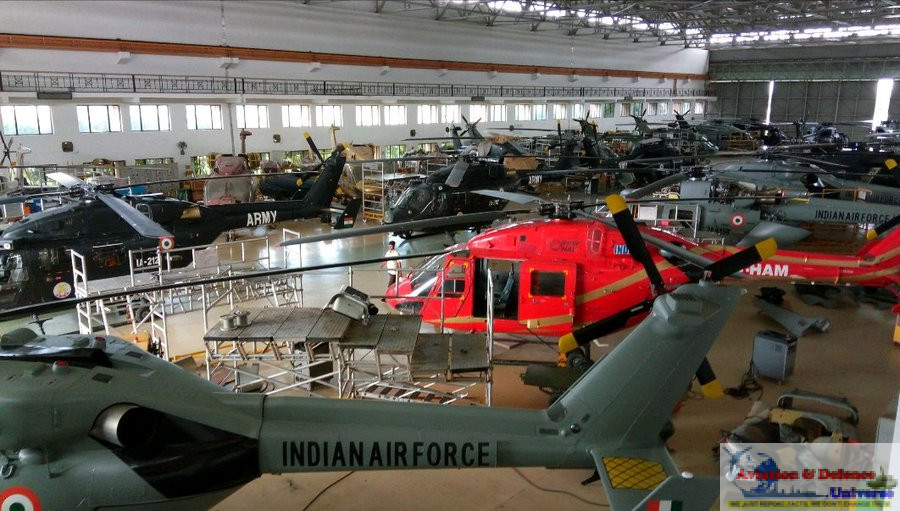
- An efficient MRO set up is a mandatory requirement to ensure that field force commanders at any level are not handicapped due to reduced serviceability and availability of the operational equipment. It is a proven fact that even brilliant commanders with superb doctrines probably cannot win any conflict in absence of an integrated MRO which ensures serviceability of equipment under battlefield conditions.
To make it happen, all the three services need to be sitting together not only to align their forces and resources in time with respective equipment inventories but need to undergo major structural overhaul including re-locating based on operational need of Theatre Commands as and when such a requirement emerges. A concurrent profiling of MRO resources is a must in close coordination with evolving organisations , equipping profile and area of responsibility.
Impact of Integrated MRO
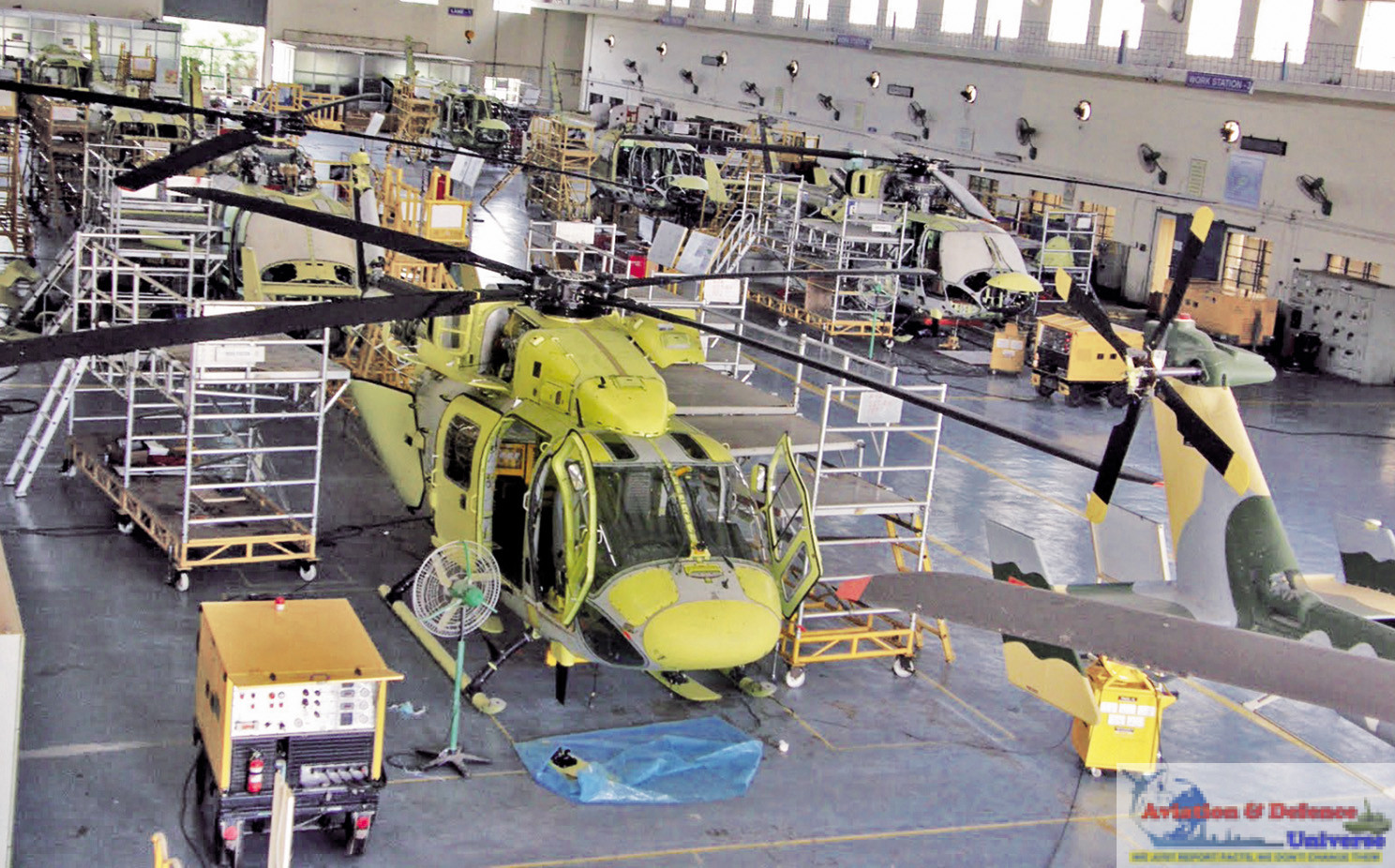 It is a must that we align our MRO support to the theatrised warfighting at the earliest for which the following things are essential on which sustained effort is required:
- MRO of all three services have to be considered as a single basket while planning the integrated MRO. This entails a close coordination between EME and equivalent resources of all the three services to talk to each other and provide the best model to the decision makers. Only then, this can be appropriately factored in the planned theatrisation model. EME and their equivalents in Air Force and Navy can take a lead to propose a blueprint to the decision makers as early as possible. Structured study through a Think tank may be a way forward to start with.
- Besides creating integrated structures at theatre level, we need to think of MRO structures down to unit/ subunit level which should address the MRO need of subordinate elements of all the three services.
- We should propose an apex organisation in revamped HQ IDS which is likely to become the operational HQ of CDS. This organisation is a must to ensure that all professional needs of MRO is available to our defence forces at all echelons.
- There is a need to impress on our decision makers to see EME and equivalent elements as part of intimate combat support elements due to MRO being the most important part for battle winning reason due to predominant role of equipment in the war fighting. This needs to be a KRA for advisors on the decision makers.
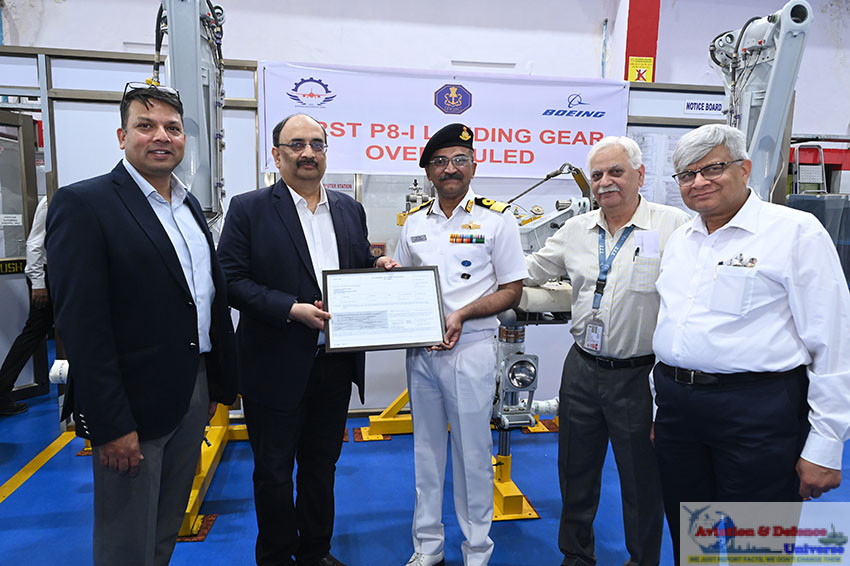
The successful implementation of theatre commands will depend as much on operational doctrines and command structures as on the invisible backbone that keeps military assets mission-ready: a robust, integrated MRO framework. By harmonizing maintenance standards, pooling technical resources, and enabling cross-service interoperability, an integrated MRO ecosystem has the potential to dramatically enhance operational availability and accelerate response times during joint missions. It also strengthens self-reliance by creating scalable, indigenous sustainment capabilities aligned with India’s future warfare requirements. As the nation moves toward a joint operational architecture, aligning integrated MRO with theatre command objectives will be vital to transforming intent into capability and ensuring that India’s armed forces remain agile, resilient, and combat-ready across every theatre of operation.
The integrated MRO will also impact re-organisations, re-locations, and re-skilling with future warfighting thoughts. Since all these activities take considerable time, its early conceptualisation and sharing the details with the decision makers is an inescapable necessity. The proposal and planned structures will need to be brainstormed and will need to be taken under multiple iterative processes. Integrated MRO and its early fructification is an inescapable necessity for a battle ready force.
(Maj Gen Ashok Kumar, VSM (Retd) is Director General Centre for Joint Warfare Studies (CENJOWS), a Kargil war veteran and a defence analyst. He specialises on neighbouring countries with special focus on China. The views in the article are solely the author’s. He can be contacted at editor.adu@gmail.com).