







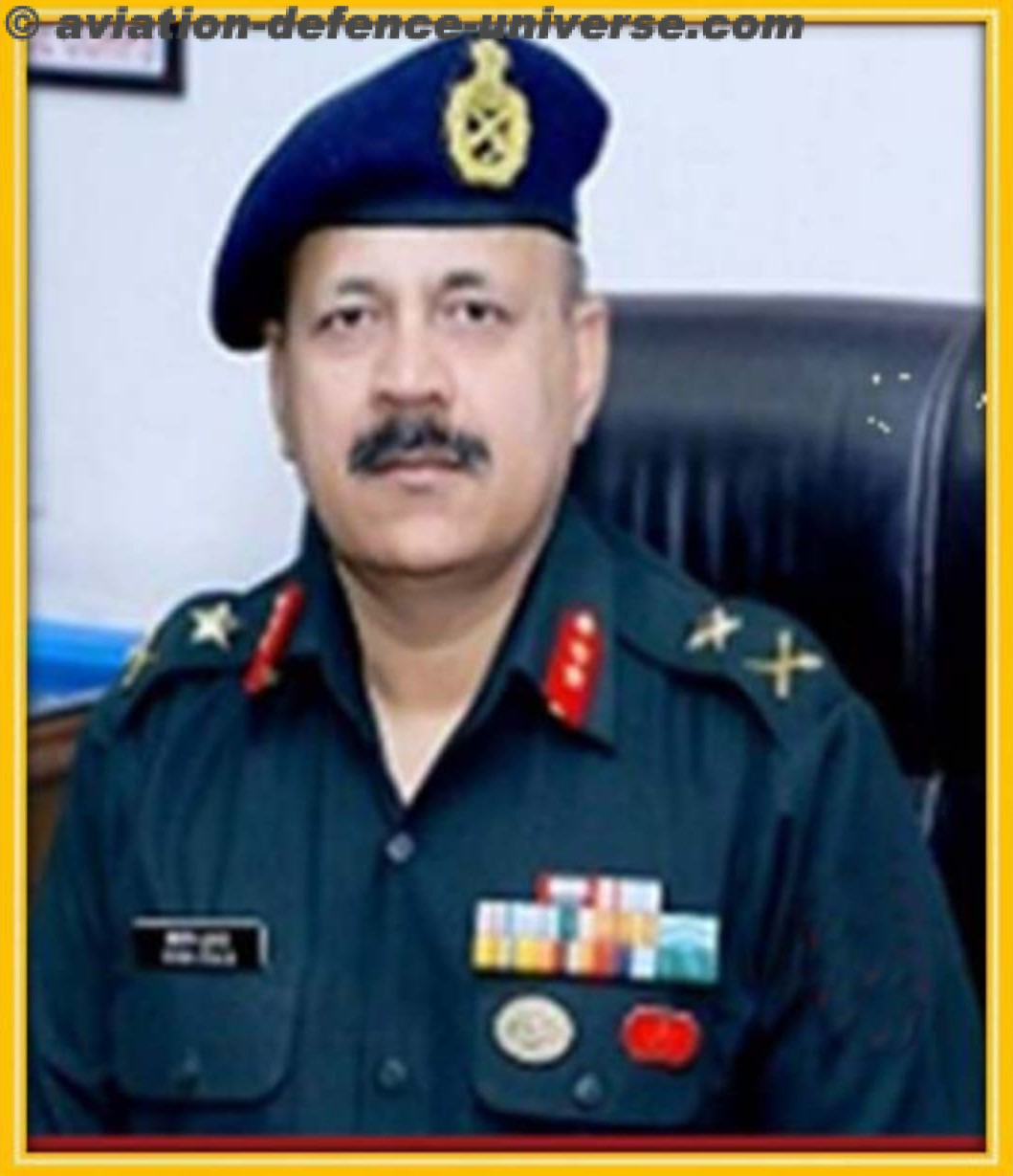




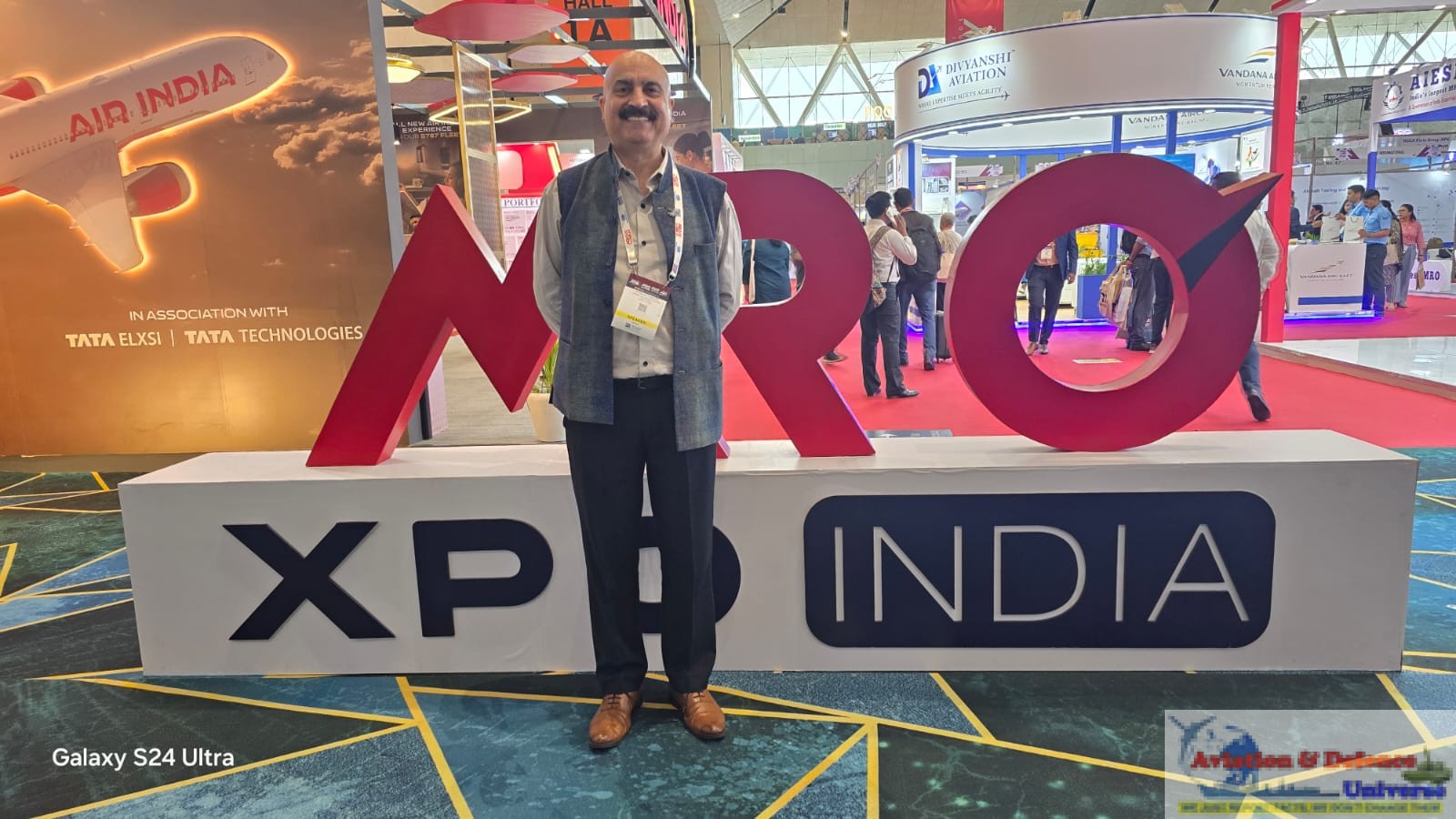
- India’s Aviation Maintenance Future Lies in Collaboration and Indigenous Capability says Lt Gen A. K. Suri (Retd.) former DG Army Aviation
- India Needs Policy Push for Dual-Use MRO Infrastructure
By Sangeeta Saxena
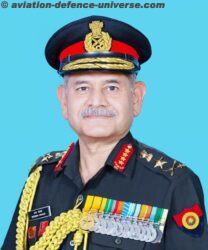
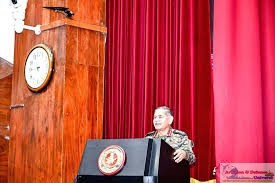
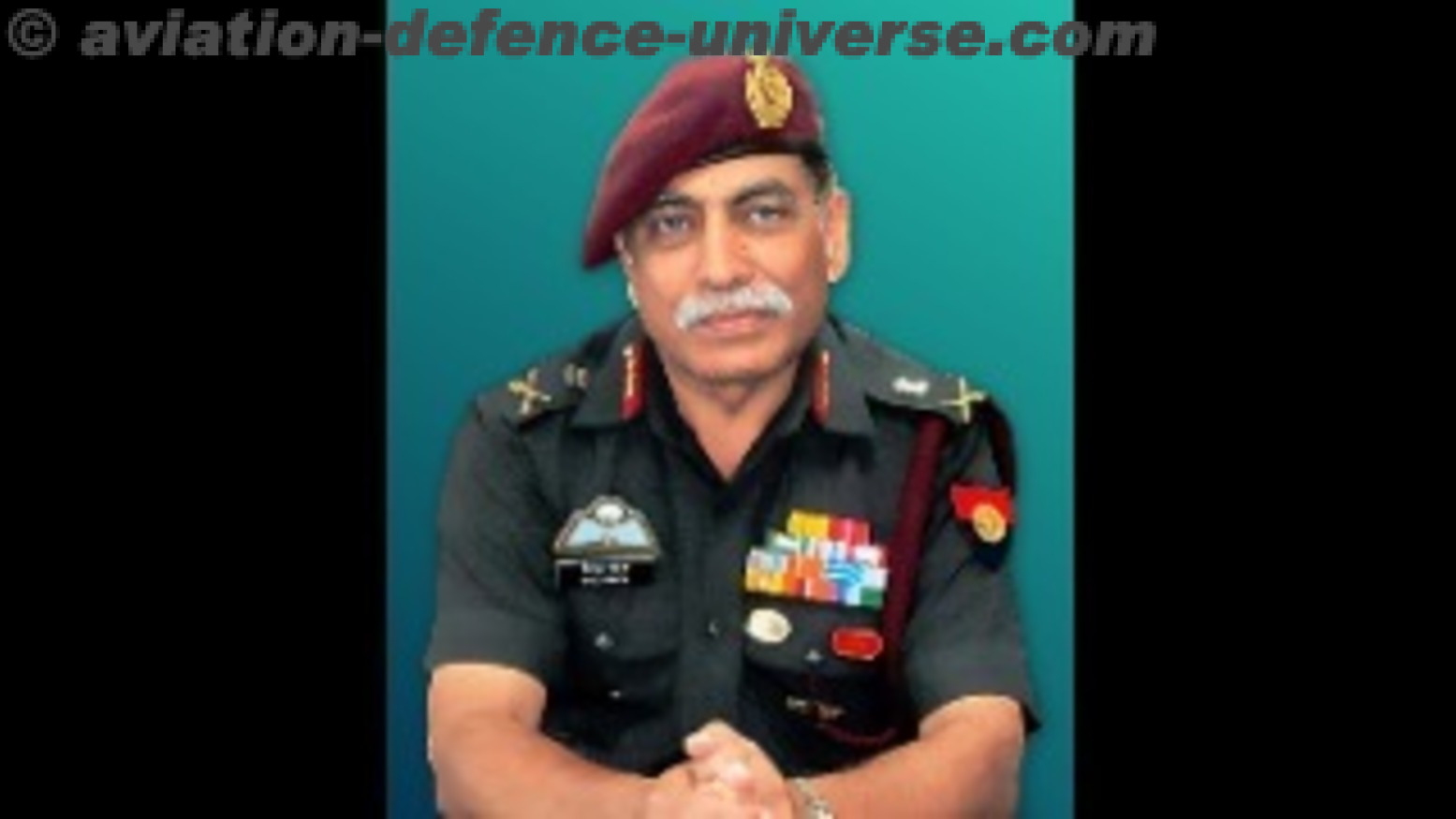
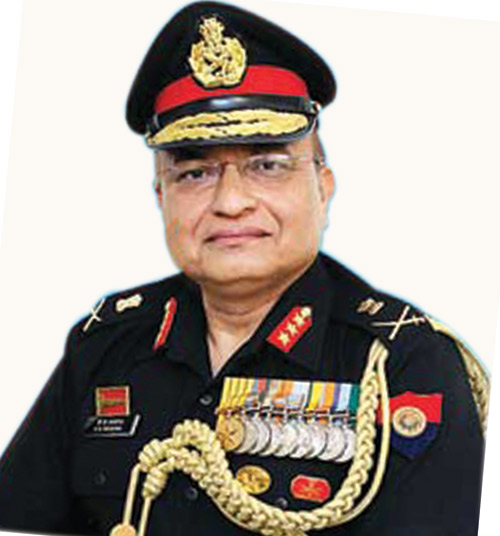
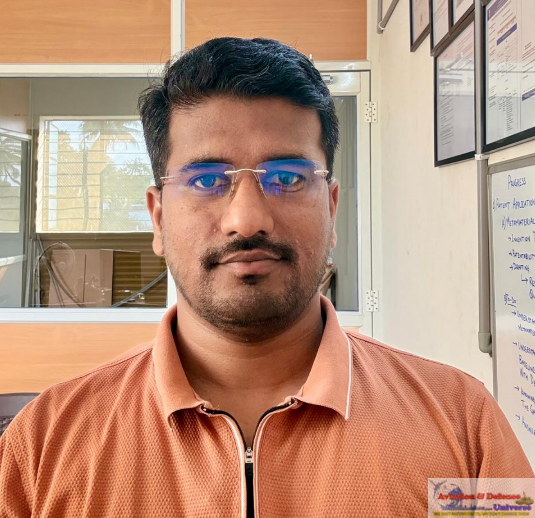
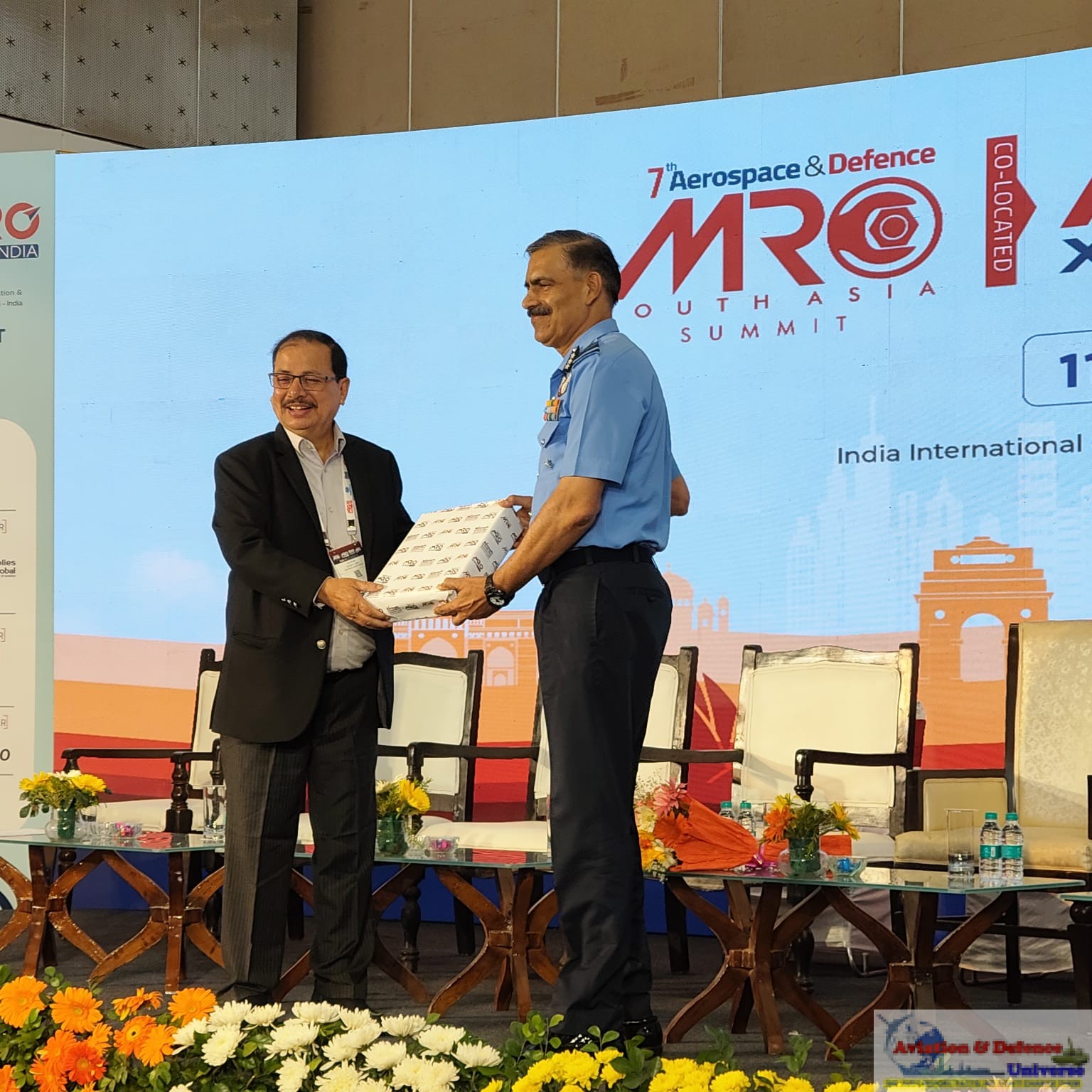
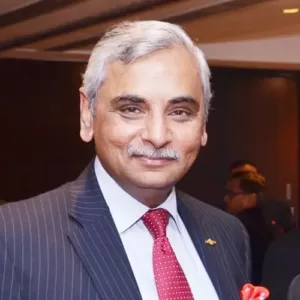
New Delhi. 15 March 2026. India’s aviation maintenance ecosystem must evolve through stronger collaboration between the defence and civil sectors if the country is to build a globally competitive MRO industry, says Lt Gen A.K. Suri. Speaking to Aviation & Defence Universe (ADU), on the sidelines of the MRO South Asia Summit 2026, the former head of India’s Army Aviation Corps shared insights on the challenges facing military aviation maintenance, the opportunities for private industry, and the need for policy reforms to unlock India’s full MRO potential.
Lt Gen A. K. Suri (Retd.) also highlighted the untapped talent pool of skilled technicians leaving the armed forces every year and the importance of creating an integrated aviation maintenance ecosystem capable of supporting both civil and military platforms.
Army Aviation plays a critical role in modern military operations by providing mobility, reconnaissance, logistics support, and battlefield surveillance to ground forces. Helicopters and unmanned aerial platforms enable rapid troop movement, casualty evacuation, intelligence gathering, and support during humanitarian and disaster relief missions. In India’s complex terrain—from the Himalayas to deserts and coastal regions—Army Aviation acts as a force multiplier for land operations.
 Globally, Army Aviation units are increasingly central to multi-domain warfare strategies. Modern militaries depend on rotary-wing aircraft and unmanned systems to provide real-time battlefield awareness and rapid response capability. With the increasing integration of drones, autonomous platforms, and satellite-linked systems, aviation units within land forces are becoming technologically sophisticated assets that shape operational outcomes in both conventional and hybrid conflicts.
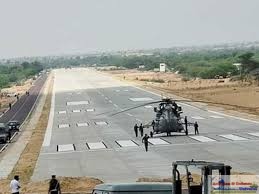
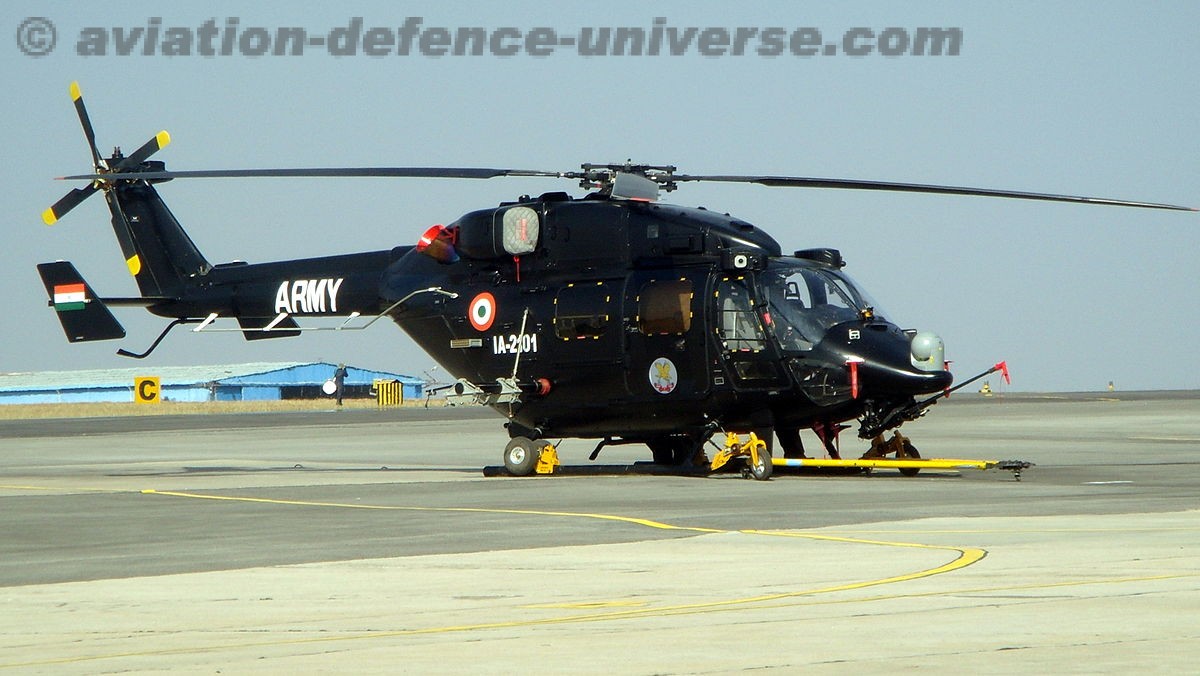
India’s Army Aviation Corps operates a diverse inventory of helicopters and aerial platforms that support tactical operations across the country’s varied operational environments. The fleet includes utility helicopters, reconnaissance platforms, and advanced light helicopters developed domestically.
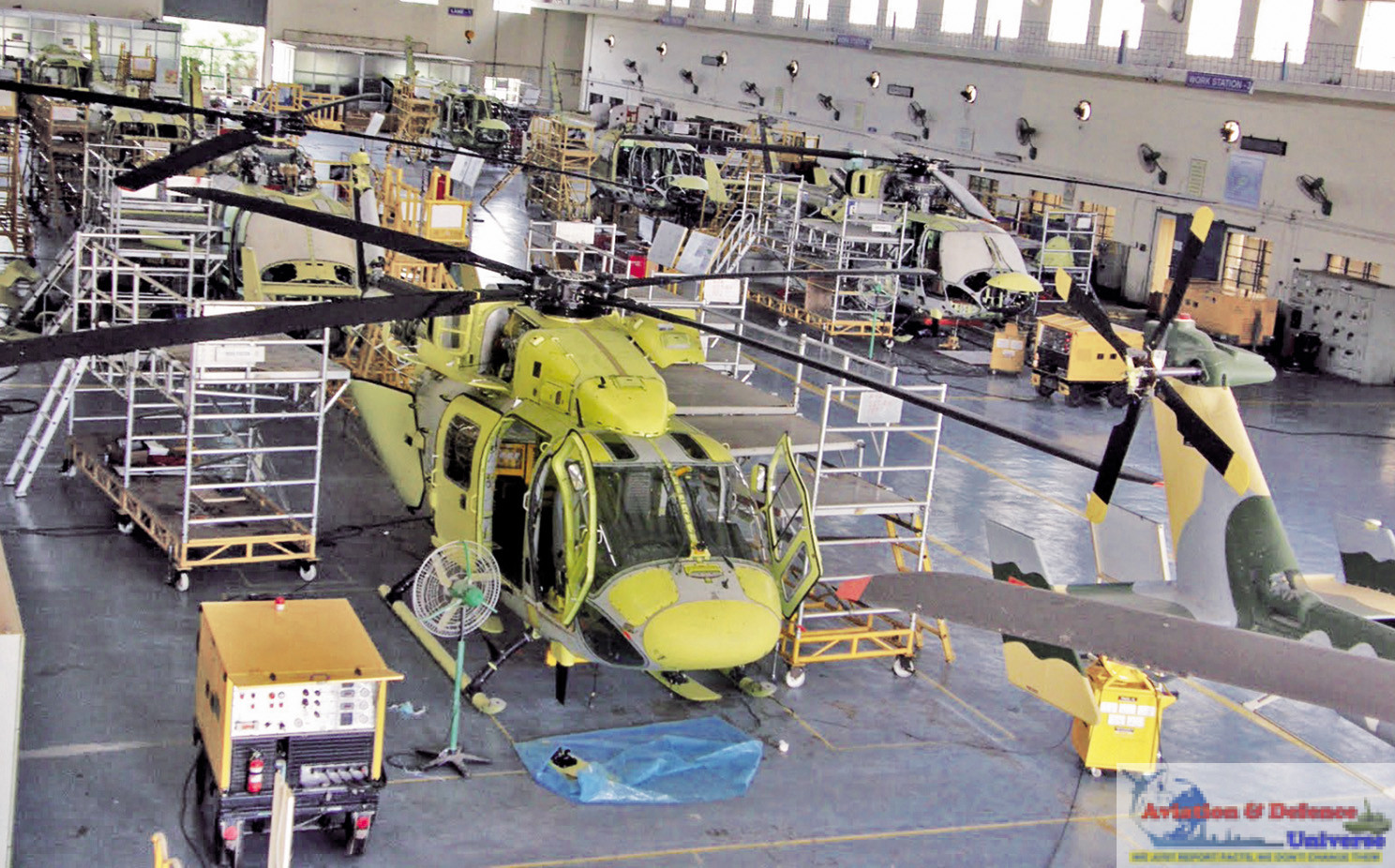
However, the inventory continues to face challenges in terms of maintenance infrastructure, spare parts availability and reliance on foreign OEMs for certain components and systems. While indigenous programmes have improved self-reliance in airframes and structural components, areas such as avionics and engines still require significant foreign collaboration. Strengthening the domestic MRO ecosystem and supply chain will be critical for maintaining operational readiness and reducing dependence on overseas maintenance facilities.
Here is the interview ADU conducted with former DG Army Aviation Corps Lt. General A.K. Suri (Retd.)
ADU. General Suri, you have been attending the MRO South Asia Summit over the past two days. What is your assessment of the event?
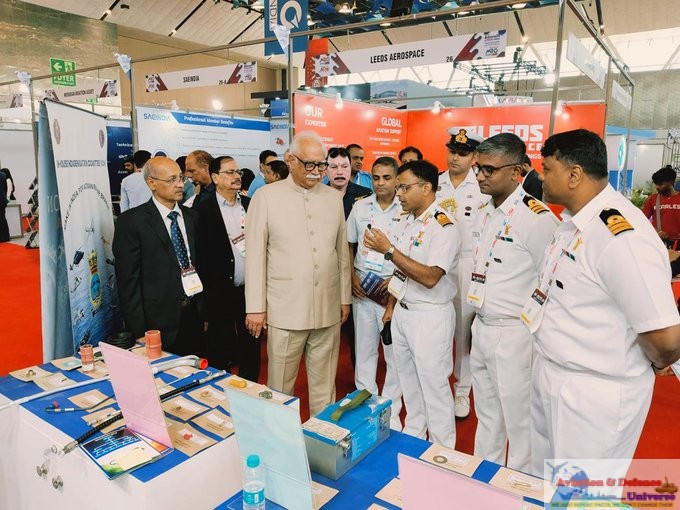
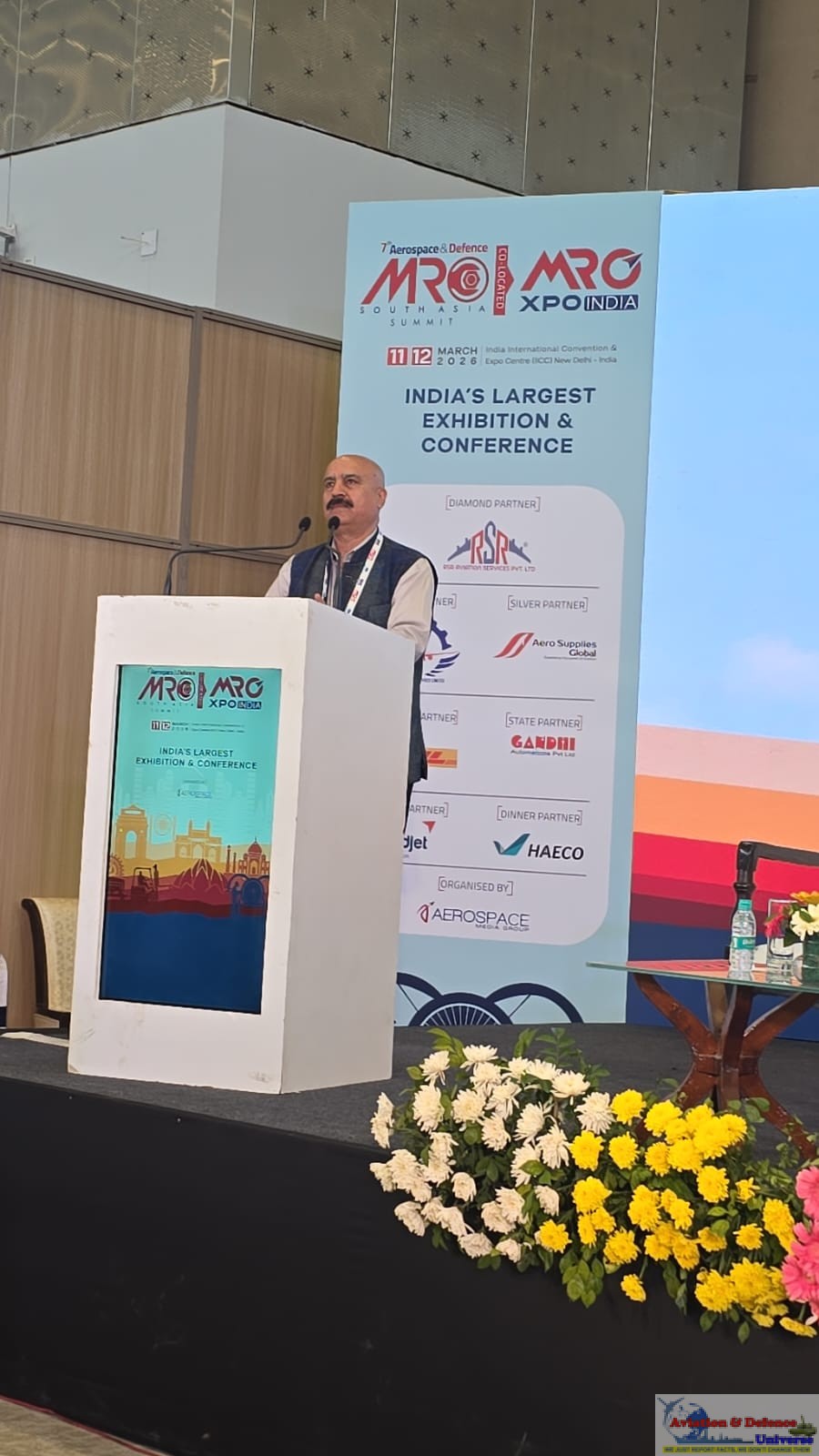 Lt Gen A.K. Suri (Retd.). “ This year a huge amount of effort has clearly gone into organising the summit. The level of participation and the number of companies showcasing their capabilities show that interest in the MRO sector is growing rapidly. From my perspective as a veteran of the armed forces, it is an excellent forum to discuss MRO-related issues. More importantly, such forums highlight the gap that still exists between defence and civil MRO ecosystems. National assets are limited and expensive, so if resources can be utilised jointly by defence forces and civil operators, it will lead to major savings for the national exchequer.”
ADU. What, in your opinion, are the biggest MRO challenges faced by the armed forces?
Lt Gen A. K. Suri (Retd.). “Air Force is somewhat better placed because it has base repair depots. However, the Army, Navy and Coast Guard are heavily dependent on HAL for maintenance activities. HAL’s core competency should really be manufacturing helicopters because it has huge orders. In my view, MRO work should gradually be decentralised and more private players should be brought into the ecosystem. That would improve efficiency and reduce bottlenecks.”
ADU. The government has allowed 100% FDI in MRO. Is that beneficial for India?
Lt Gen A. K. Suri (Retd.). “At the present stage, it is beneficial. India still lacks strong capabilities in areas like avionics and engine maintenance. Foreign companies bring expertise that we currently need. Over time, as Indian companies climb the learning curve, policy can evolve. But right now foreign participation helps strengthen the ecosystem.”
ADU. How would you assess the manpower available in India’s MRO sector?
 Lt Gen A. K. Suri (Retd.). “The workforce today is average, but India has a massive untapped resource in the technicians who retire from the armed forces. These individuals have worked on aircraft for 20–25 years, yet many of them cannot find employment in the MRO industry because of certification issues. Simplifying certification processes could immediately strengthen the workforce.”
ADU. Do regulatory compliances make it harder for Indian MRO companies to operate?
Lt Gen A. K. Suri (Retd.). “Compliance is necessary because anything airborne must meet strict safety standards. But the interpretation of rules should be practical and not unnecessarily restrictive. In many cases, delays occur because procedures are followed rigidly rather than sensibly. That increases aircraft downtime and hurts the industry.”
ADU. One frequently discussed idea is dual-use MRO facilities for both defence and civil aviation. Why has that not materialised yet?
Lt Gen A. K. Suri (Retd.). “The biggest issue is coordination. Everyone talks about dual-use facilities, but implementation requires coordination between ministries, airlines and the armed forces. If the Defence Secretary and Civil Aviation Secretary jointly issue a clear policy direction, such collaboration will automatically start happening.”
 ADU. Looking ahead, what new areas should the MRO industry start focusing on?
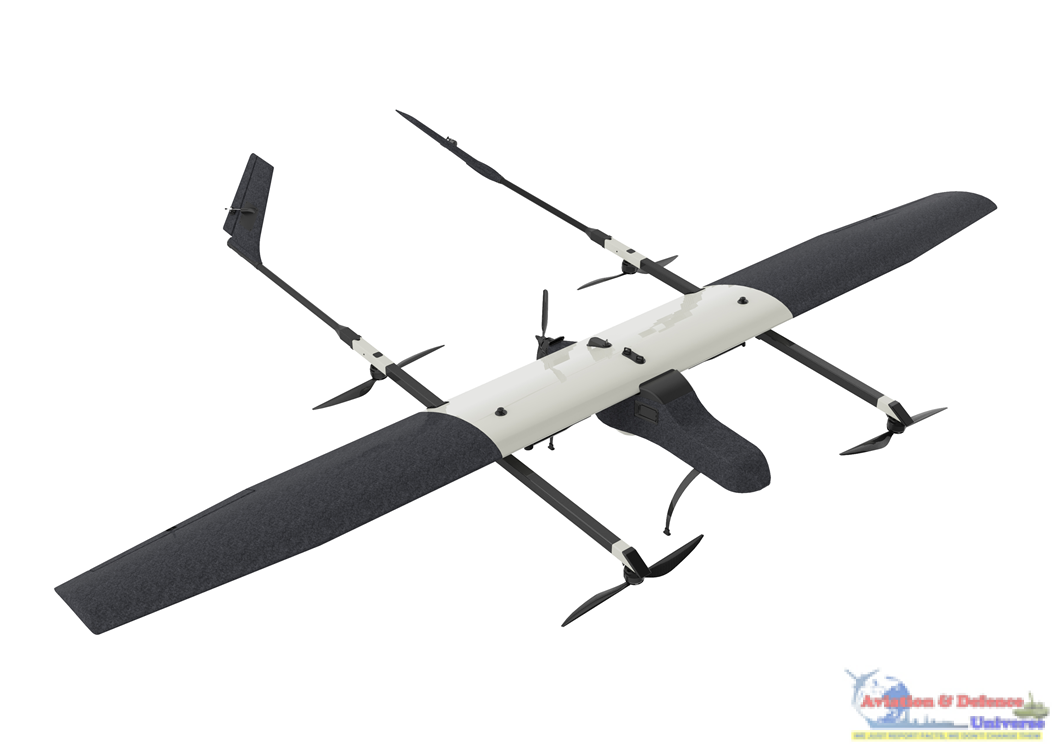
Lt Gen A. K. Suri (Retd.). “The future lies in new domains. Drone MRO, remotely piloted aircraft maintenance, and even satellite maintenance will become major sectors. In the West, even in-orbit satellite servicing is becoming common. India should begin thinking about these areas early rather than playing catch-up later.”
ADU. How would you rate the manpower currently available in India’s MRO industry? Is the workforce adequate, or do you believe more training and certification reforms are needed?
Lt Gen A.K. Suri (Retd.). Overall, I would say the workforce in the MRO sector today is just about average. It is not inadequate, but it certainly has room for improvement. The positive aspect, however, is that India has a vast pool of highly trained manpower leaving the armed forces every year—from the Air Force, Army and Navy. Unfortunately, a large portion of this talent is not absorbed into the MRO industry, primarily because of certification issues.
A technician who has worked on a particular aircraft platform for nearly twenty years is an asset. Such individuals already possess immense practical knowledge and operational experience. In reality, if they were to transition to another aircraft type, all they would need is a short conversion course of three to four days to familiarise themselves with the platform. Instead, they are often required to go through lengthy certification processes, sometimes appearing for examinations equivalent to fresh technical qualifications. Naturally, this becomes discouraging.
Because of these hurdles, many highly skilled technicians who retire from the armed forces end up taking up unrelated jobs, including security work or other non-technical roles. This represents a serious loss of trained manpower for the aviation maintenance ecosystem. If we could absorb even sixty percent of these defence-trained technicians into the MRO workforce, it would significantly strengthen the industry. These individuals are disciplined, experienced and have already spent decades working on aircraft systems. The key requirement is to simplify the certification process and make the transition from military aviation to civil MRO much smoother.
ADU. Where do you think the three services can play a role in facilitating this transition?
Lt Gen A.K. Suri (Retd.). The armed forces can certainly play an important role here. Today, both officers and technical personnel go through structured pre-retirement programmes before leaving the services. These platforms could be used more effectively to connect retiring technicians with the civil aviation MRO ecosystem. With proper coordination between the armed forces, regulators and the aviation industry, this trained manpower could become one of the strongest pillars of India’s growing MRO sector.
Lt Gen A.K. Suri’s insights underline the importance of strengthening India’s aviation maintenance ecosystem through policy reform, industry collaboration, and better utilisation of skilled manpower. His perspective—shaped by decades of operational and leadership experience in the Army Aviation Corps—highlights both the challenges and opportunities facing India’s MRO sector. Looking ahead, he feels that the Army Aviation Corps hopes to see stronger domestic maintenance capabilities, better integration with private industry and faster policy decisions that support operational readiness. Decentralisation of maintenance activities, especially those currently concentrated within large public sector entities, could significantly enhance efficiency and reduce turnaround time.
The Corps also sees enormous potential in the emerging domains of drone maintenance, remotely piloted aircraft (RPA) suppor, and satellite MRO, areas that will define future aviation maintenance requirements. Building capabilities in these sectors early will allow India to stay ahead in the rapidly evolving aerospace ecosystem. From decentralising maintenance capabilities to building expertise in emerging fields like drone and satellite maintenance, India’s aviation ecosystem must adapt quickly to support the country’s expanding military and civil aviation fleets. With the right combination of policy direction, industry participation, and technological innovation, India has the potential to become a significant global player in aerospace maintenance and aviation engineering.
As Told To Sangeeta Saxena