






- Safer Skies Need Stronger MRO: Experts Outline India’s Aviation Maintenance Priorities
- Talent, Supply Chain and AI Dominate Debate at Strong MRO, Safer Skies Session
- India’s MRO Future Hinges on Skills, Scale and Safety Culture, Say Industry Leaders
By Sangeeta Saxena
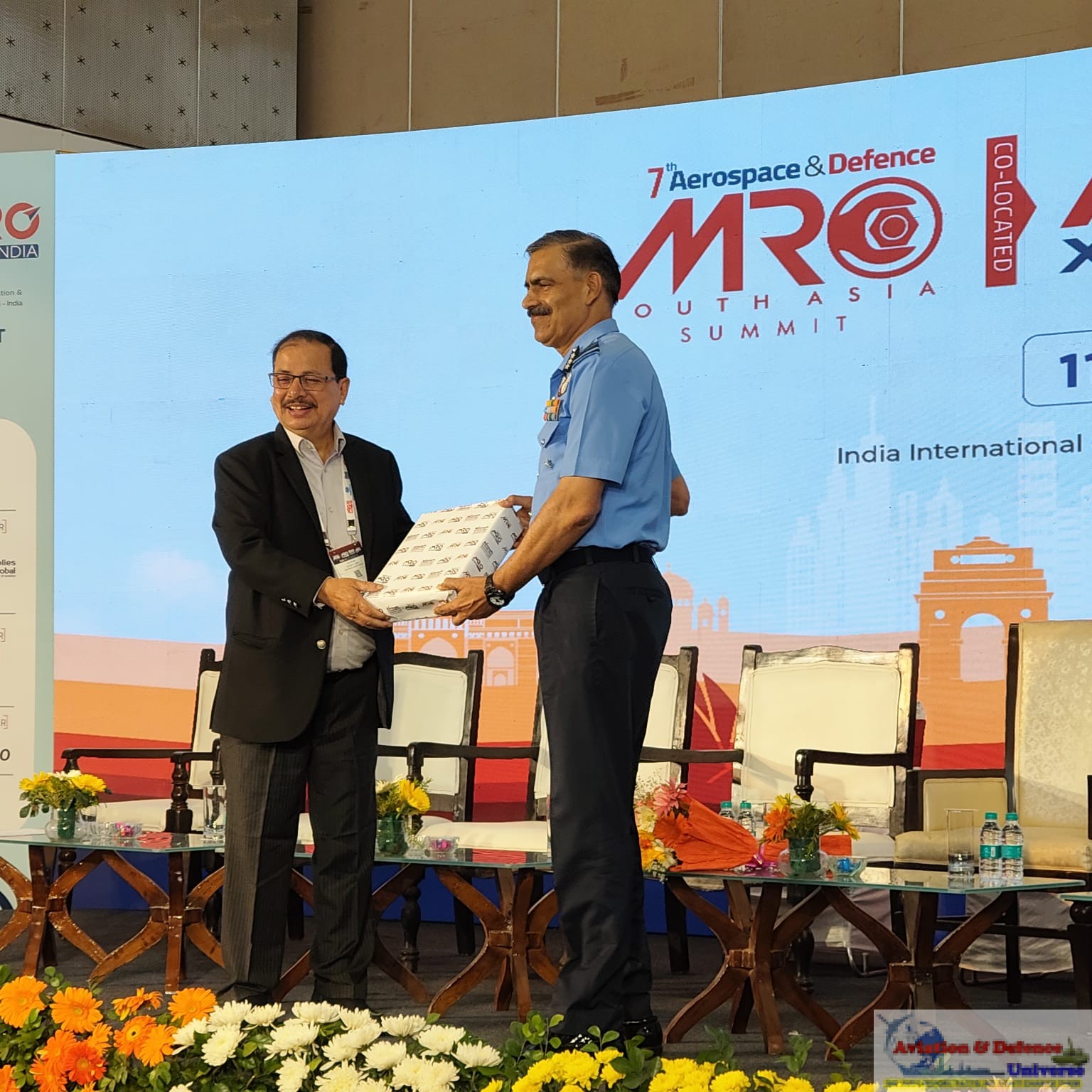
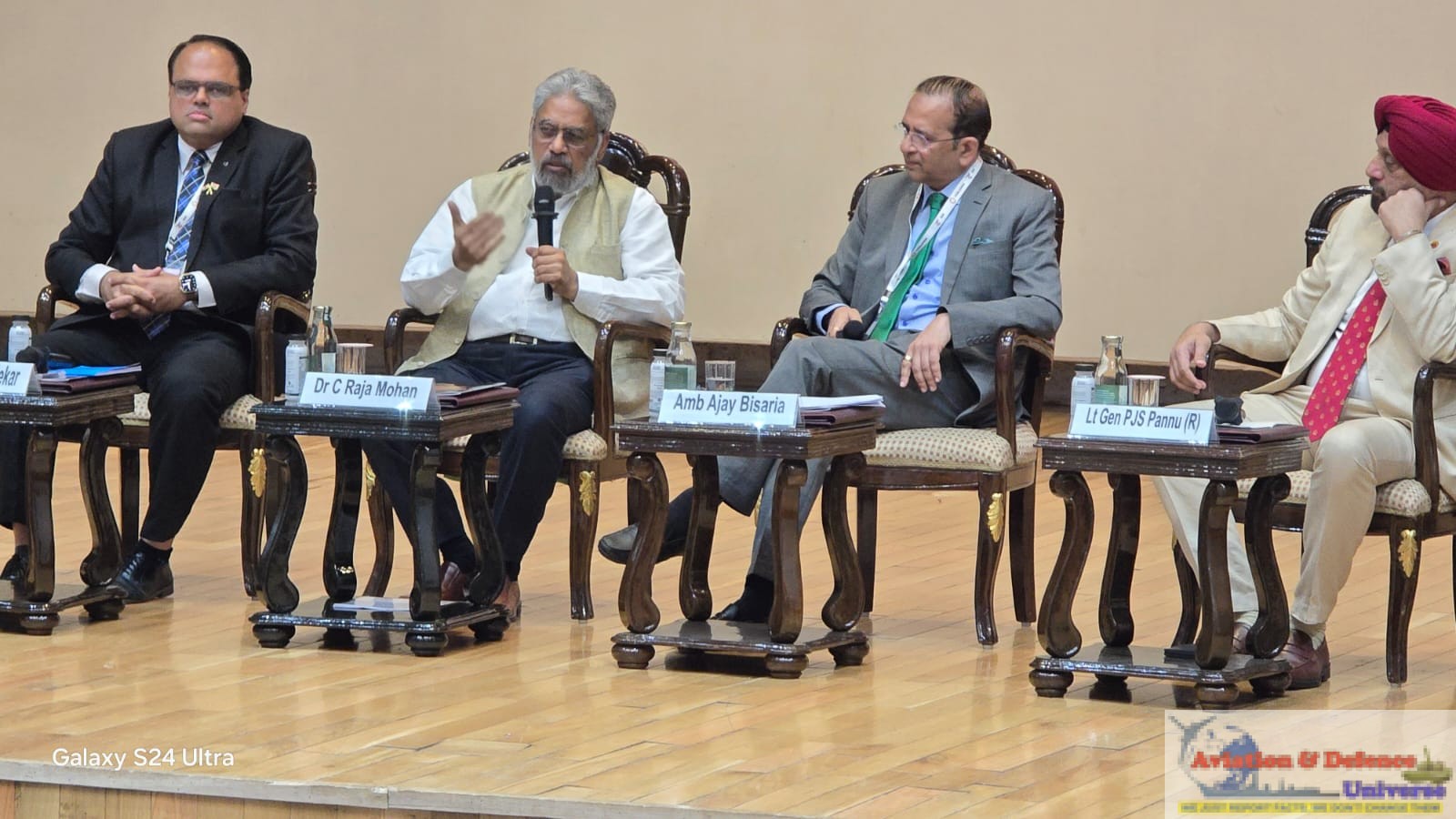
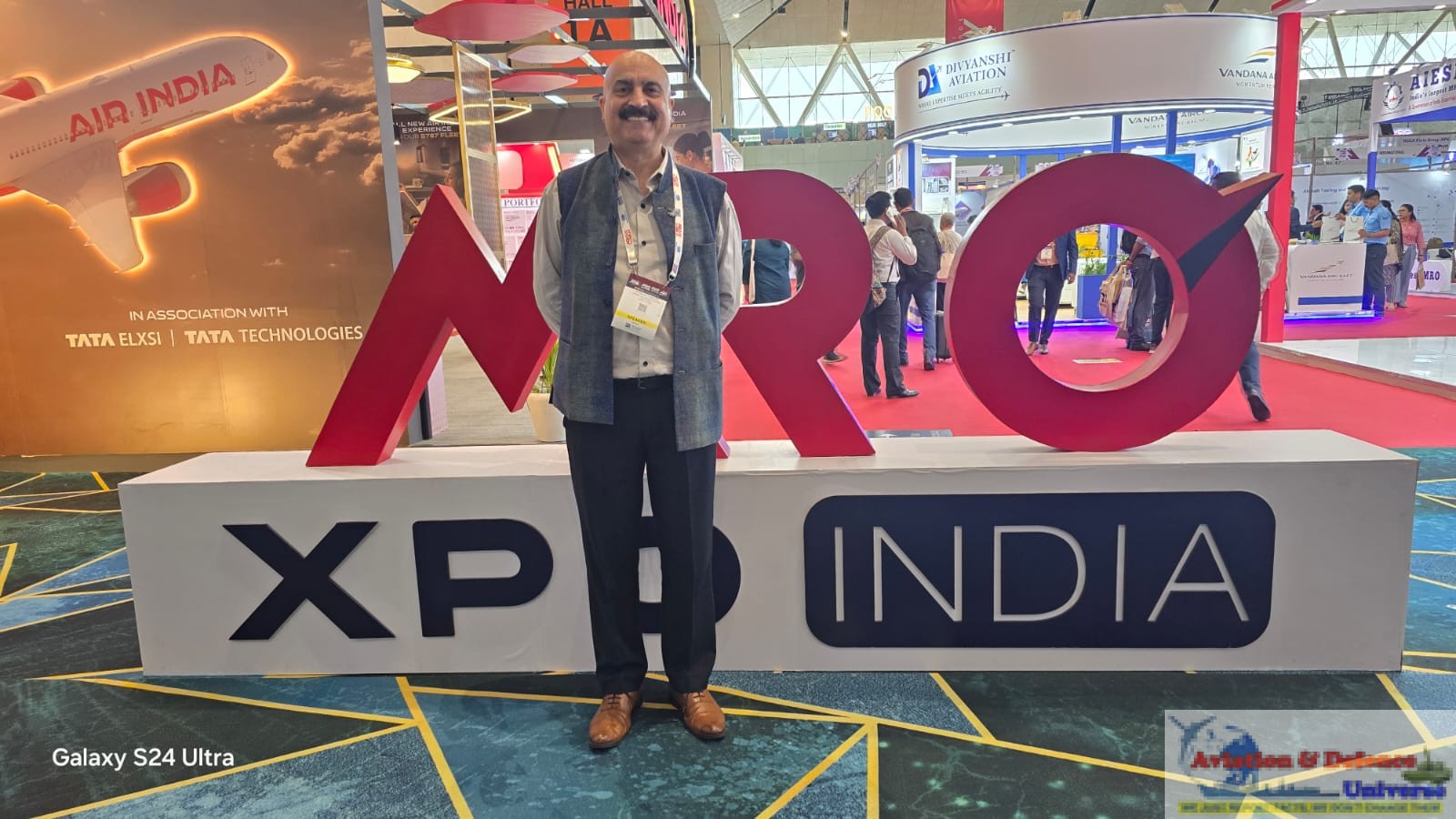
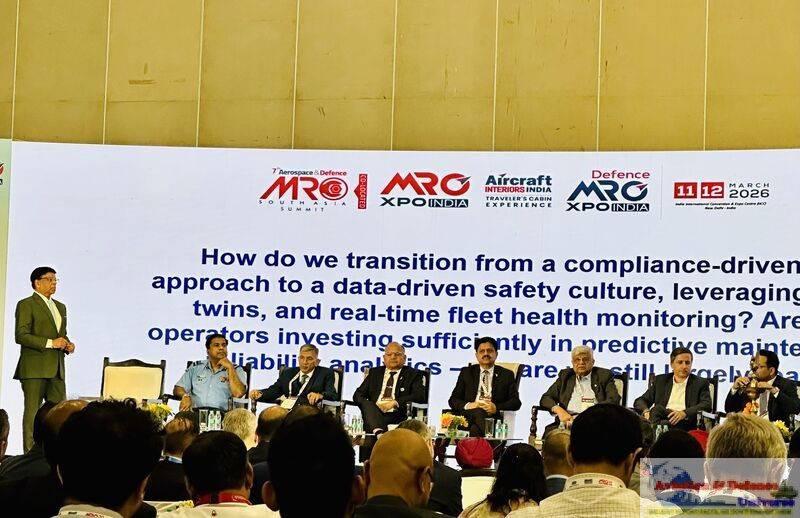
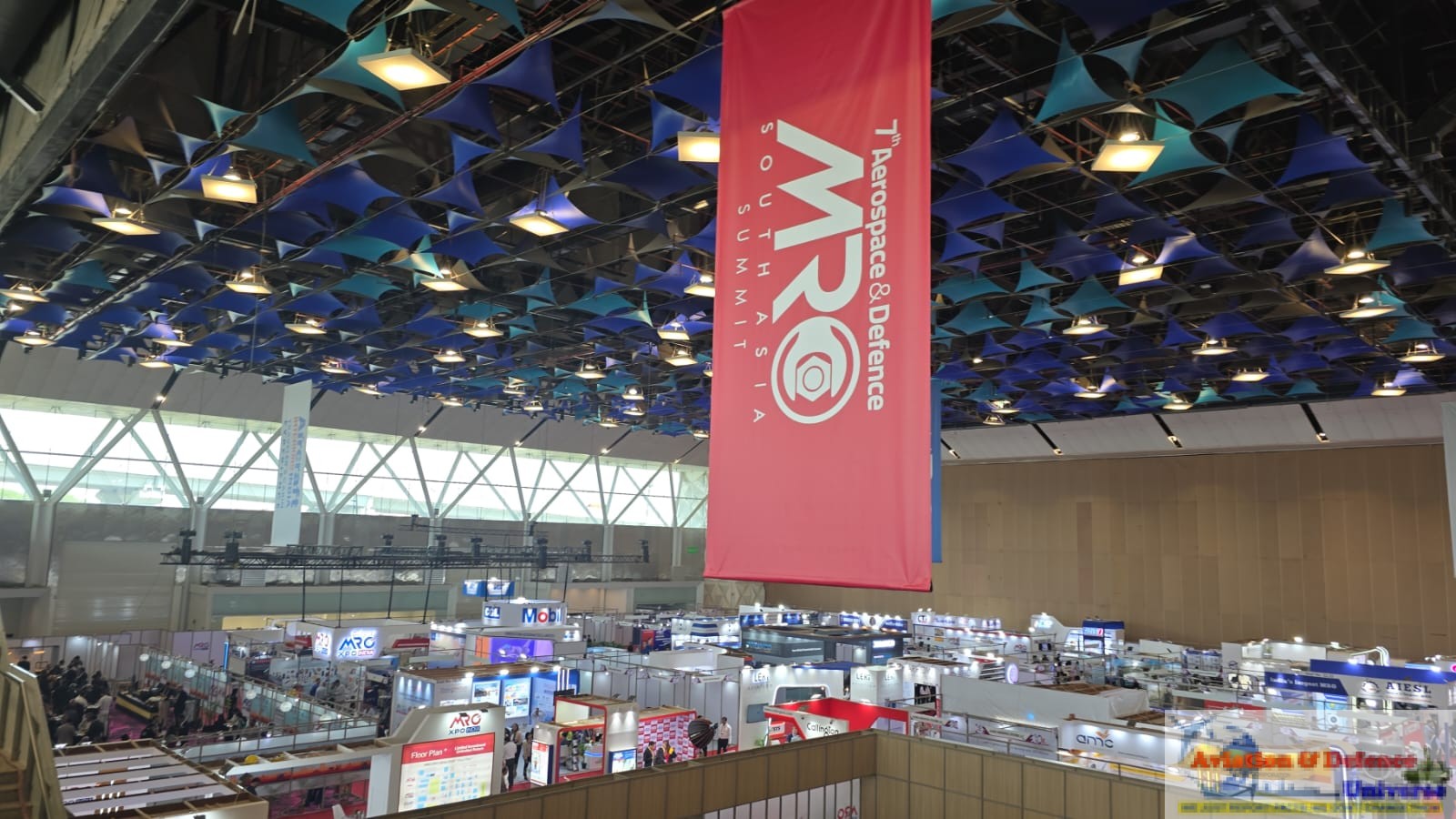
New Delhi. 15 March 2026. As India’s aviation sector expands at an unprecedented pace, the question is no longer just about adding aircraft and routes, but about whether the country can maintain, repair and support this growing fleet to the highest global standards. That central challenge shaped Business Session 1 – “Strong MRO, Safer Skies” at MRO XPO 2026, where industry leaders, defence professionals, academics and OEM representatives came together to examine how aviation safety is directly linked to the strength of the maintenance, repair and overhaul ecosystem.
Moderated by Rahul Shah, SVP – Strategic Growth & Business Development APAC, Middle East & Africa, AAR Corp, the session brought together AVM Partho Gangopadhyay VSM, Prof. (Dr) Manoj Choudary, Saket Chaturvedi, S.K. Dash, Sharad Agarwal, Lars Moeslein, Anubhav Kumar and Anmar Alnasser to discuss reliability, talent shortages, supply chain bottlenecks, AI adoption, engine and component MRO, and India’s readiness to emerge as a global hub.
 Opening the discussion, moderator Rahul Shah framed the scale of the opportunity before India’s aviation industry and the urgency of building capability beyond fleet growth. He said, “India today stood at a defining inflexion point in aviation. It was one of the fastest-growing aviation markets globally, operating fleets powered by advanced engines and supported by airframes from Airbus and Boeing. But fleet growth did not define maturity. What defined maturity was whether India could maintain, repair, overhaul and support these assets at global standards, with complete safety, and scale with its own ecosystem.” He stressed that the next phase of MRO discussion had to move beyond airframe checks into the higher-value, safety-critical domains of component and engine maintenance.
Rahul Shah emphsised, “Engine and component MRO represented the highest technical competency, the highest capital intensity and arguably the highest safety criticality. Every life-limited part, every borescope finding and every section repair had direct implications for reliability, cost and most importantly safety and response. He added that India had the market, the engineering base and the policy momentum, but the real question was whether regulations, OEM partnerships, infrastructure investment and skill development could be aligned quickly enough.
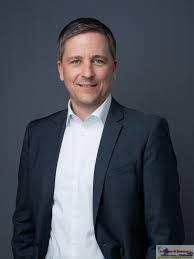 The first major discussion point centred on whether India’s recent technical reliability concerns were isolated incidents or symptoms of deeper ecosystem weaknesses. Lars Moeslein, Senior Vice President Corporate Sales, HAECO, argued that quality and safety begin with people. He said, “Quality was all about people. The core of quality was people with the passion to work for a safe and quality environment. If you got the people into a mindset where they concentrated on quality and thought about safety on a daily basis, then you had the basement to improve reliability. Everything else—regulations, technology, paperwork—was there to secure that basement.”
S.K. Dash, Group Chief Strategy Officer – Engineering, Air India, emphasised that reliability issues cannot be traced to a single cause. He said, “It was not one question but multiple questions rolled into one. Reliability depended on several verticals—the reliability of the components, the reliability of the maintenance standards, the quality of the people and overall the human factors involved.”
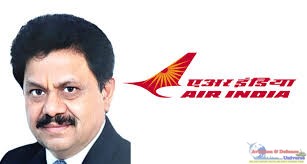 He pointed out that pressures to release aircraft on time, shortage of upgraded parts and supply chain gaps often affect maintenance outcomes and added,“There was always an underlying pressure on delivering the aircraft on time. Even if one wanted to do the right thing, if the upgraded parts were not available, or the supply chain did not support the replacement, one still flew with older standards. Unless all these elements—quality, part availability, supply chain and maintenance time—came together, periodic disruptions would continue.”
The consensus that emerged was that India’s reliability challenge is systemic rather than isolated, with people, process, parts and pressure all intersecting. The panel then turned to the role of AI and digital technologies in moving aviation from a compliance-driven to a data-driven safety culture.
 Anubhav Kumar, Head of Strategy & Policy, Boeing India and Southeast Asia, said AI and analytics were now becoming integral to future sustainment models. He reiterated, “AI and analytics had become a core and integral part of how the industry would evolve. Whether in defence sustainment or commercial platforms, a lot of data already went into demand planning, predictive maintenance and forecasting. But this was a continuous learning journey. With the latest AI models, more structured and unstructured data could be integrated, and that would improve aircraft health management and reduce downtime.”
Lars Moeslein added that data should not only be used to catch errors but to create a more constructive and transparent maintenance culture. He said, “Using data in a constructive and positive way was far better than simply using it as an error-catching tool. A just culture was vital. Data could help even before the work commenced by creating a real project that led to success.”
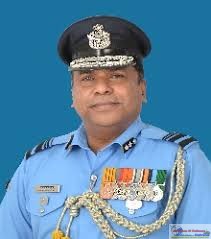 AVM Partho Gangopadhyay VSM, ACAS, Indian Air Force, offered a candid defence perspective on how far India still had to go. He said, “AI was the buzzword of today and everything sounded impressive when wrapped in that phrase. But the truth was that the sector remained reactive and would likely continue to be so for at least five to six years. The audits and studies still looked backward more than forward. The real challenge was to predict future failures based on data, and India was still at a primitive and nascent stage in that journey.” He added that the industry must help develop grounded, pragmatic solutions rather than overly optimistic promises and said, “What was needed were solutions that were practical, rooted to the ground and not promissory in nature. The efforts had begun, but the results were still modest.”
A further operational layer came from the defence side, where speakers noted that good AI output still depends on good data capture. If maintenance events across the system are not captured consistently, predictive insights will remain limited. One of the strongest themes of the session was India’s underdeveloped capability in engine and component maintenance.AVM Partho Gangopadhyay pointed out that India’s actual MRO depth remains shallow. He said, “The reach of MRO in India was just about 15 percent. The remaining 85 percent was going abroad. One of the major reasons was the lack of serious domestic presence in engine and component lines.”
He argued that India needed OEM partnerships to build capability, especially because technical data, repair science and intellectual property continue to be tightly controlled by OEMs. He further stated, “The key lay in tie-ups with OEMs. India had reached a scale where building capability in-country had become feasible, and it was now time to move in that direction.”
 Lars Moeslein offered the view from an independent global MRO operator, explaining that India had the volume, but still needed ecosystem enablers. He inferred, “The volume was absolutely there and the appetite of MROs to invest was absolutely there. What was missing was support from OEMs, understanding from lessors, supply chain infrastructure and a few market-entry hurdles. If those pieces were addressed, the case for India became far more attractive.”
Anubhav Kumar added that for many platforms, the repair intellectual property does not sit with the airframer but with tier-one suppliers like Honeywell or Collins, making the challenge more complex than a simple Boeing or Airbus decision. He observed, “When it came to new-generation fleets, the structure of the business had to be understood correctly. In many cases, the OEM airframer did not hold the repair IP. The practical option for India was matchmaking—bringing an airline-backed or independent MRO together with an Indian partner that understood the ecosystem.”
The message was clear: India can no longer focus only on line and airframe maintenance. True MRO maturity will come only when it builds capability in engines, components and high-value repairs. A sharp concern raised in the session was the tendency of multiple Indian states to seek individual MRO projects without building scale or specialisation.
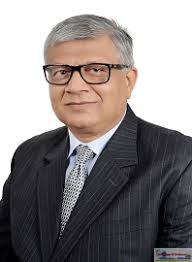 “ We want to deliver top-notch, prompt, high-quality services to clients while upholding the strictest safety and legal requirements. For keeping customer aircraft continuously airworthy through a preventative and corrective maintenance programme to ensure high standards of safety we offer the client a “One Stop” solution with quicker response time to make the most of the market from international and Indian carriers. And to collaborate with the defence industry,” exhorted Sharad Agarwal, CEO, Air India Engineering Services Ltd.
Rahul Shah remarked that nearly every state wanted its own MRO setup, but such fragmentation could reduce India’s ability to attract serious global investment. Lars Moeslein responded that global MRO hubs succeed when they combine base load, policy support, skills and infrastructure. He stressed, “Singapore and Dubai had become aviation hubs because they incentivised investments, built the entire infrastructure, created a labour force that wanted to work in aviation maintenance and had state-backed customer base. The same logic applied to India—without a launching customer and concentrated scale, it was harder to make the business case.”
S.K. Dash cautioned that many players still equate MRO only with hangars and checks, while neglecting the more substantial 85 percent of the market and said, “The focus had remained too heavily on airframe checks, which were only around 15–16 percent of the MRO ecosystem. Unless India moved beyond wheel shops, brake shops and cabin repairs, it would not create sustainable scale.” The panel agreed that India must think in terms of MRO hubs and clusters, not isolated workshops.
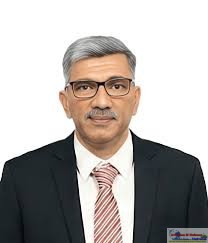 Perhaps the most urgent part of the discussion was the question of workforce. The panel repeatedly returned to the need for trained, employable technicians and licensed engineers. Prof. (Dr) Manoj Choudary, Vice Chancellor, Gati Shakti Vishwavidyalaya, argued that India must first make MRO an aspirational career. He said, “The first fundamental question was whether MRO was an aspirational career for young people in India. If it was not, then the sector had to ask what needed to change. India could not address this challenge through incremental actions. It needed a whole-of-sector approach.” He explained that his institution was working with industry and regulators to create standardised curricula aligned with the needs of Airbus, Safran and Indian MRO operators.
He said, “The need of the hour was a standardised, large, uniform curriculum that catered to the sector at scale. The aim was to create an employable, graduate-level pathway for aircraft maintenance engineering and to ensure that people graduating were industry-ready on day one.”
 Saket Chaturvedi, CEO, Hindustan Aeronautics Limited – Nashik, reinforced the point from an industrial recruitment perspective. He informed, “When HAL recently went looking for certified AMEs, it found that it was a major challenge. AMEs were often treated only as technicians and not at par with graduate engineers, which made the field less attractive. That had to change if it was to become a preferred career path.”
S.K. Dash shared Air India’s response to this challenge through a cadet programme said, “Unless students were shown a guaranteed pathway to employment, they would not come into the sector. That was why Air India had started an AME Cadet Programme. Cadets were being trained with the assurance that, once they passed, they would have a job in hand. Unless the industry demonstrated career progression from start to finish, the workforce shortage would persist.”
In the session’s final rapid-fire round, panellists were asked to identify the single biggest risk to safer skies in India. The two dominant answers were talent and supply chain—a revealing outcome that captured the essence of the discussion.
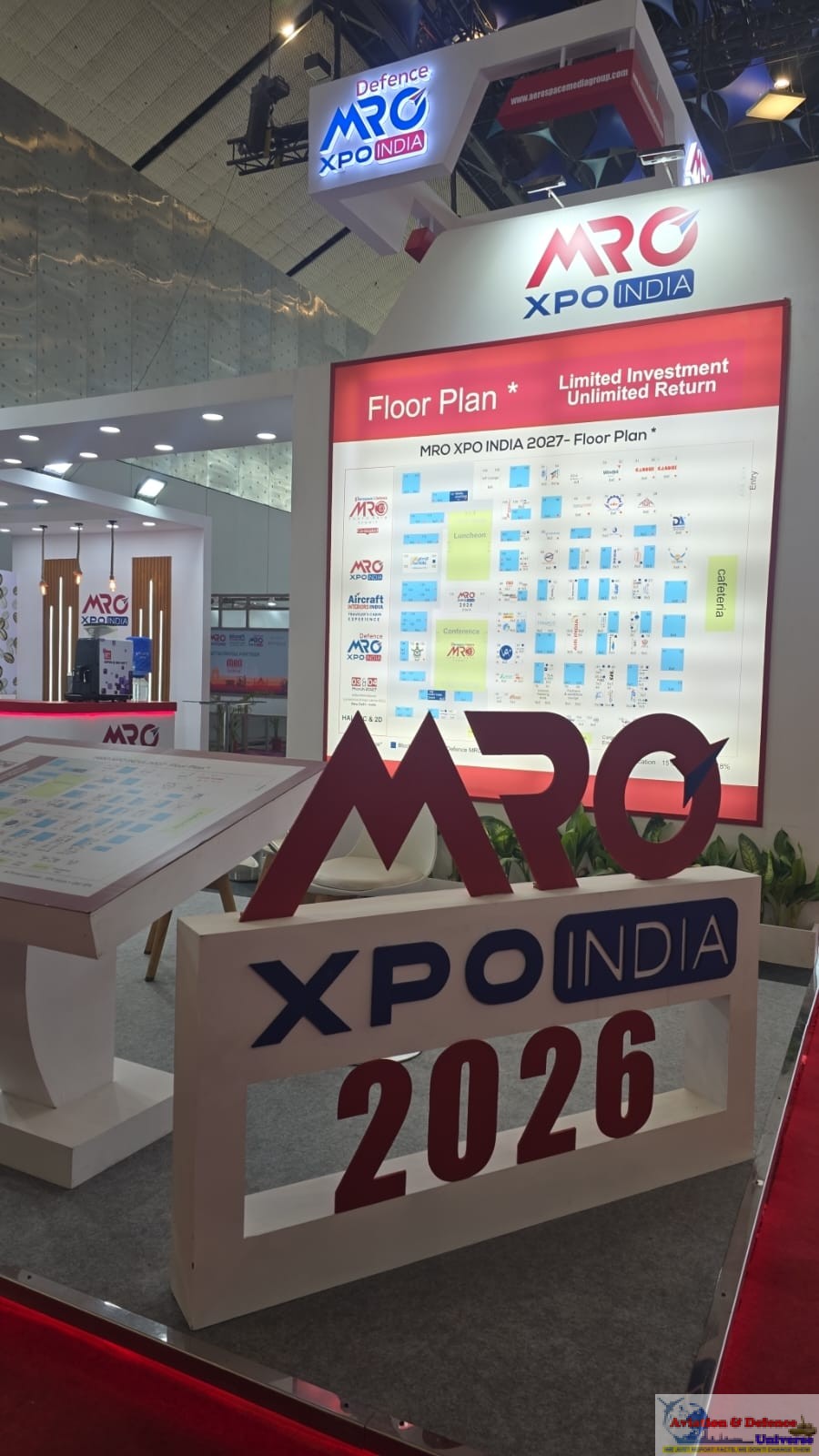 The “Strong MRO, Safer Skies” session at MRO XPO 2026 made one thing unmistakably clear: aviation safety cannot be separated from maintenance strength. If India is to become not just a large aviation market but a trusted global MRO hub, it must move quickly on four fronts—deeper engine and component capability, smarter use of AI and predictive data, stronger supply chains, and above all, a larger and better-trained workforce.
A resilient MRO ecosystem is fundamental to ensuring aviation safety in an era of rapid fleet expansion and operational intensity. This session examined how regulatory oversight, adherence to global best practices, skilled manpower development, and robust quality control frameworks directly contribute to safer skies. MRO experts discussed how strengthening maintenance standards and accountability mechanisms can enhance aircraft reliability and passenger confidence across South Asia.
The debate also showed that India’s MRO future will depend not only on infrastructure and policy but on whether the country can create scale, attract partnerships and make aircraft maintenance an aspirational and sustainable profession. The session ended with a practical takeaway that was as simple as it was urgent: stronger MRO standards, better talent, and resilient supply chains are not just industry goals—they are the foundation of safer skies.