










- IAF’s Vision 100%: Air Marshal Bharti Calls for Total Indigenous Capability
By Sangeeta Saxena
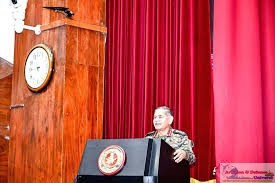
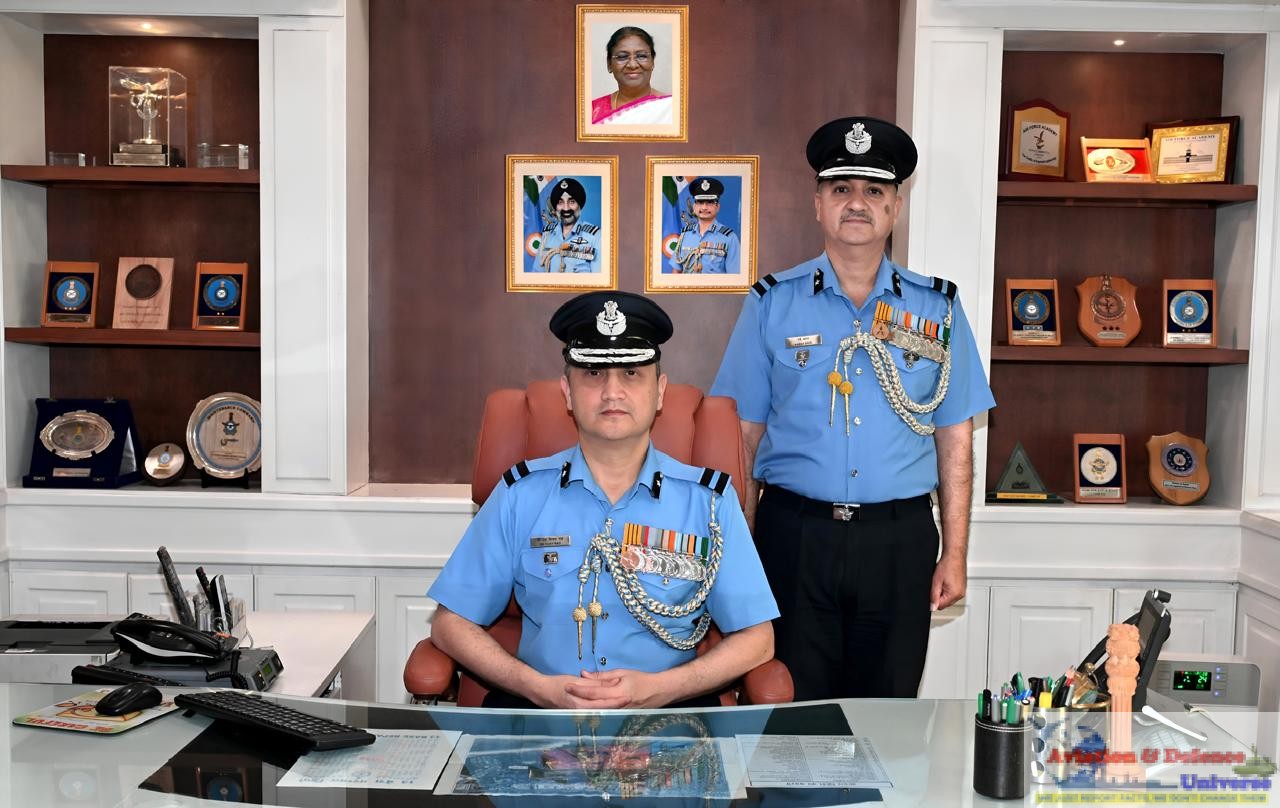
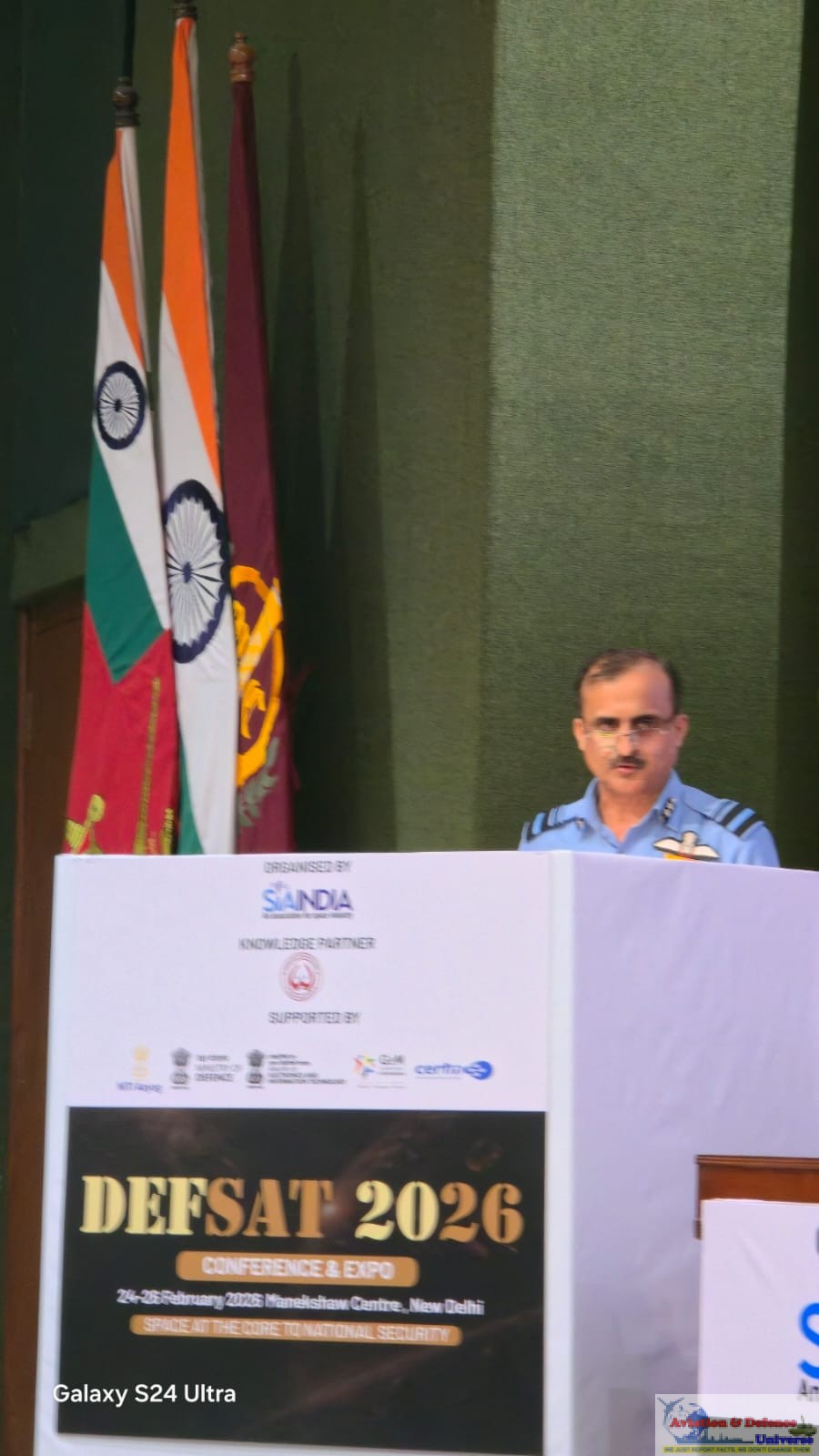
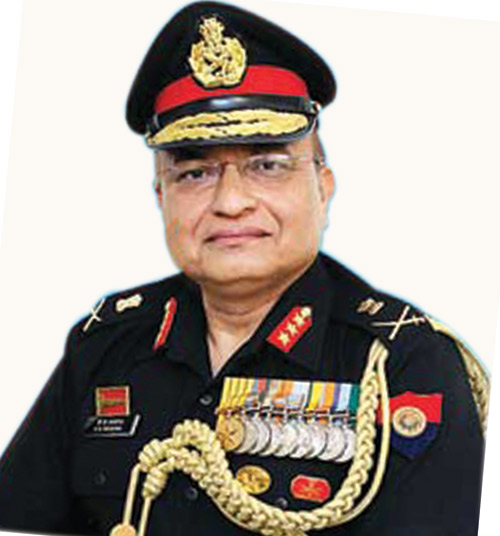
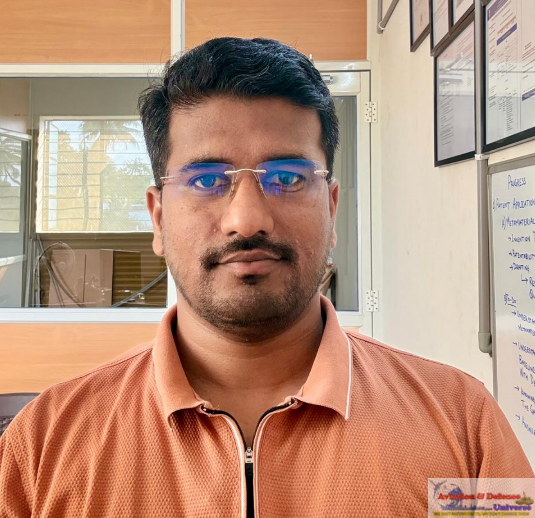
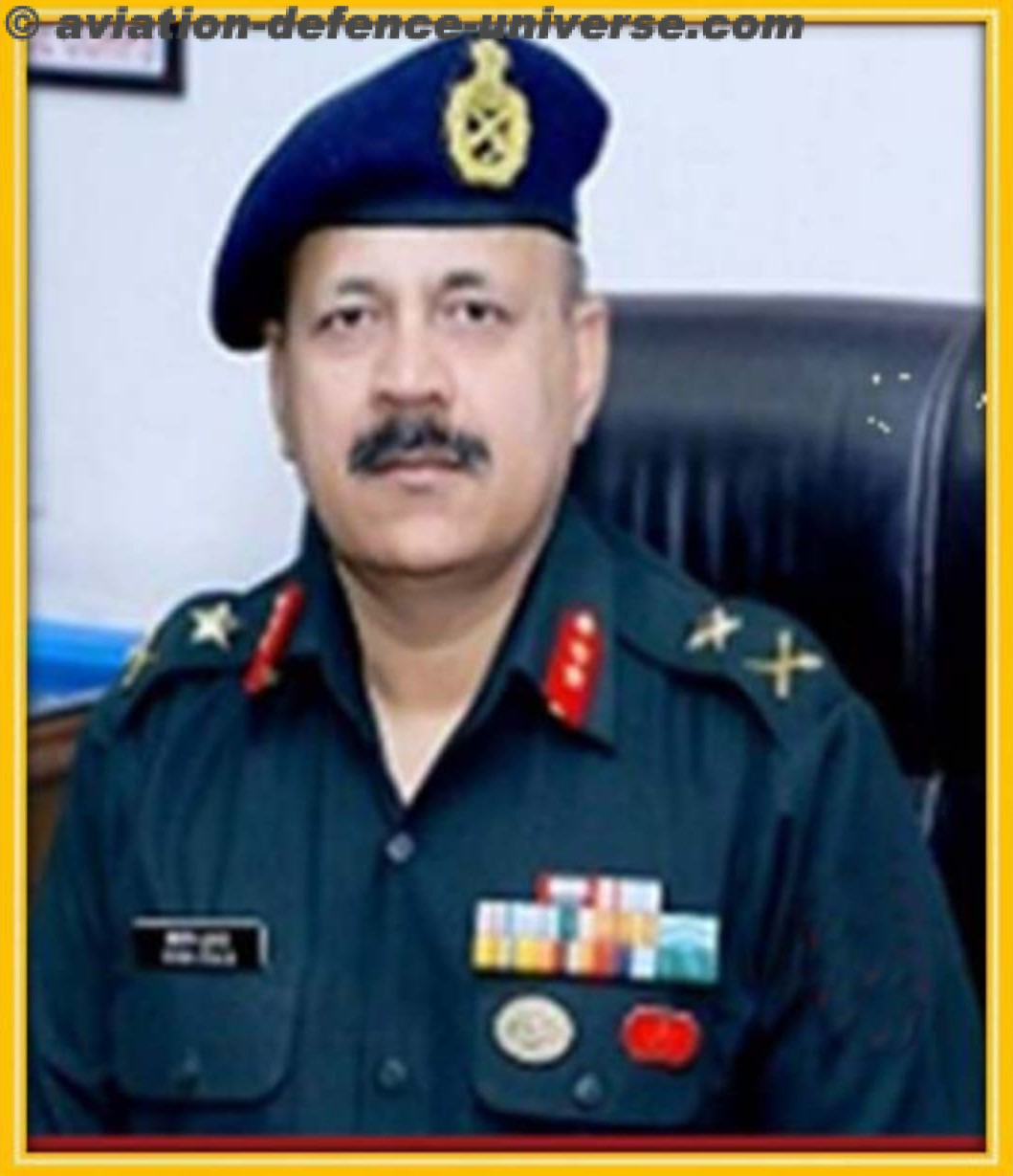
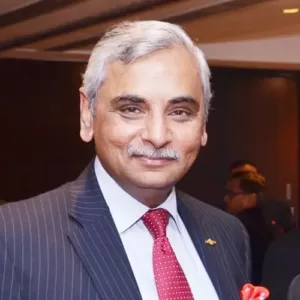
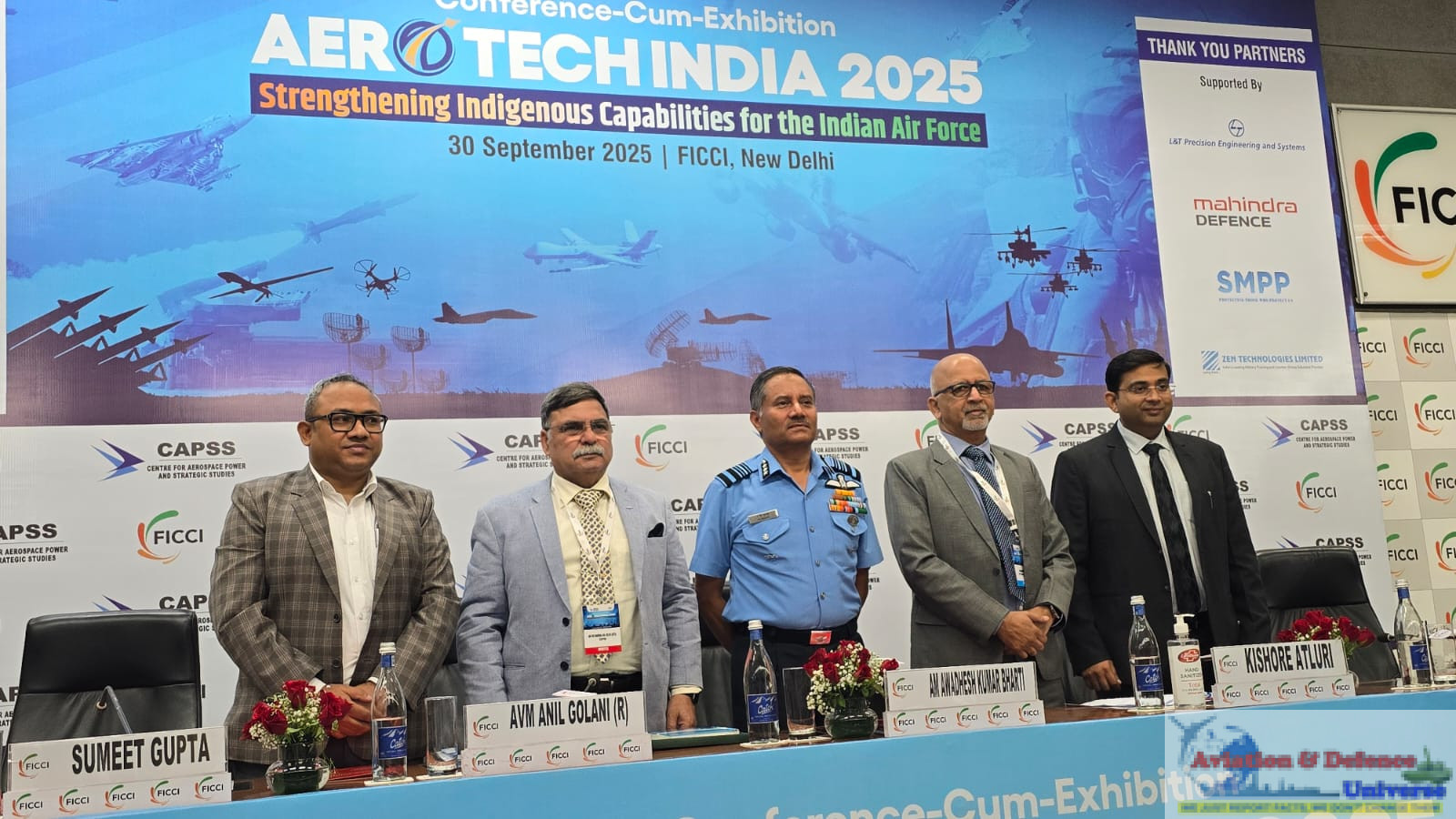
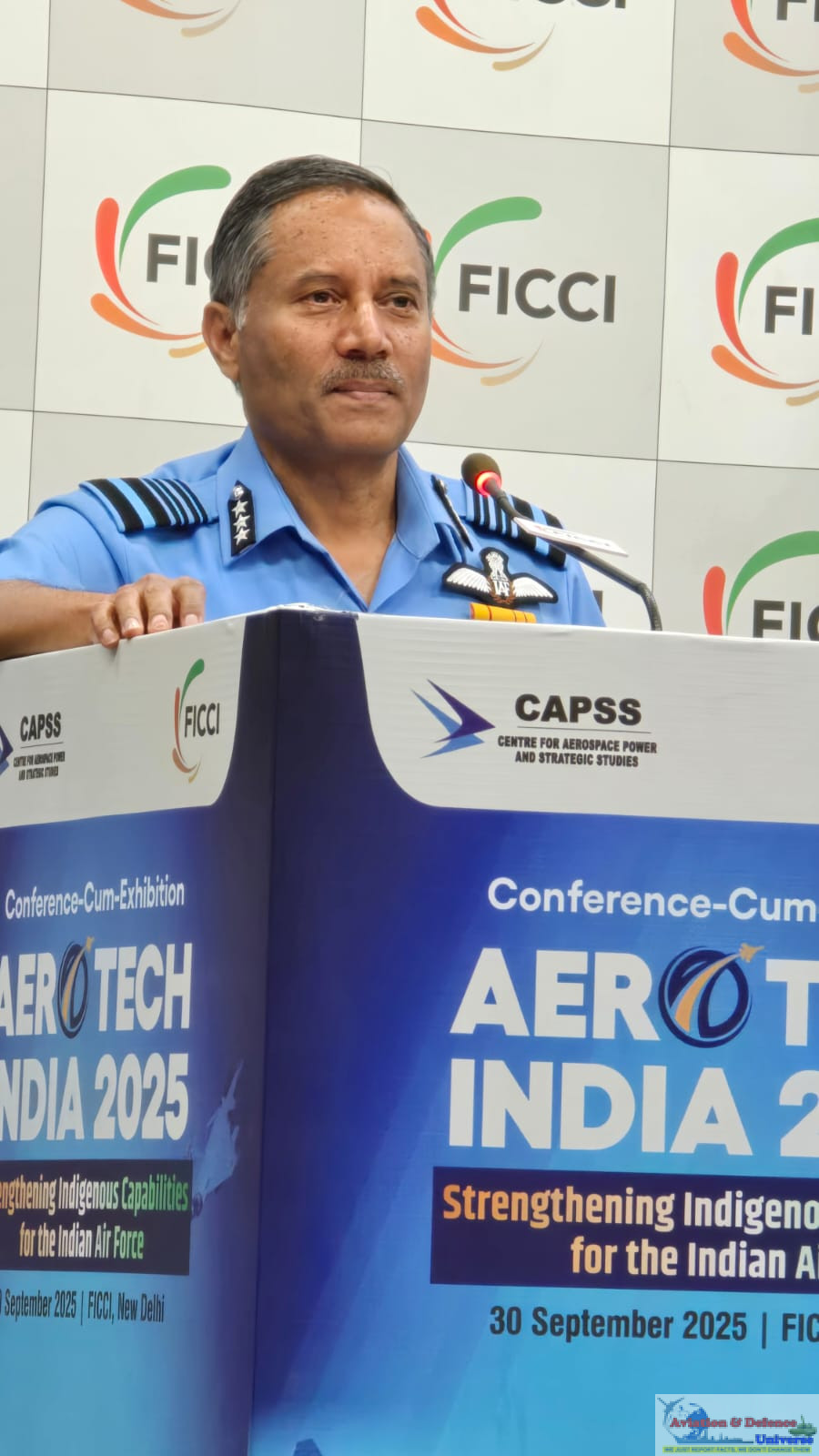
New Delhi. 01 October 2025. In a clarion call for aerospace self-reliance, Air Marshal Awadhesh Kumar Bharti, Deputy Chief of the Air Staff, Indian Air Force, delivered a powerful keynote at Aero Tech India 2025, urging the nation to transition from partial indigenisation to complete technological ownership. “Sixty percent indigenous content is not enough — we need 100% know-how and know-why,” he declared, setting the tone for a day of visionary discourse.
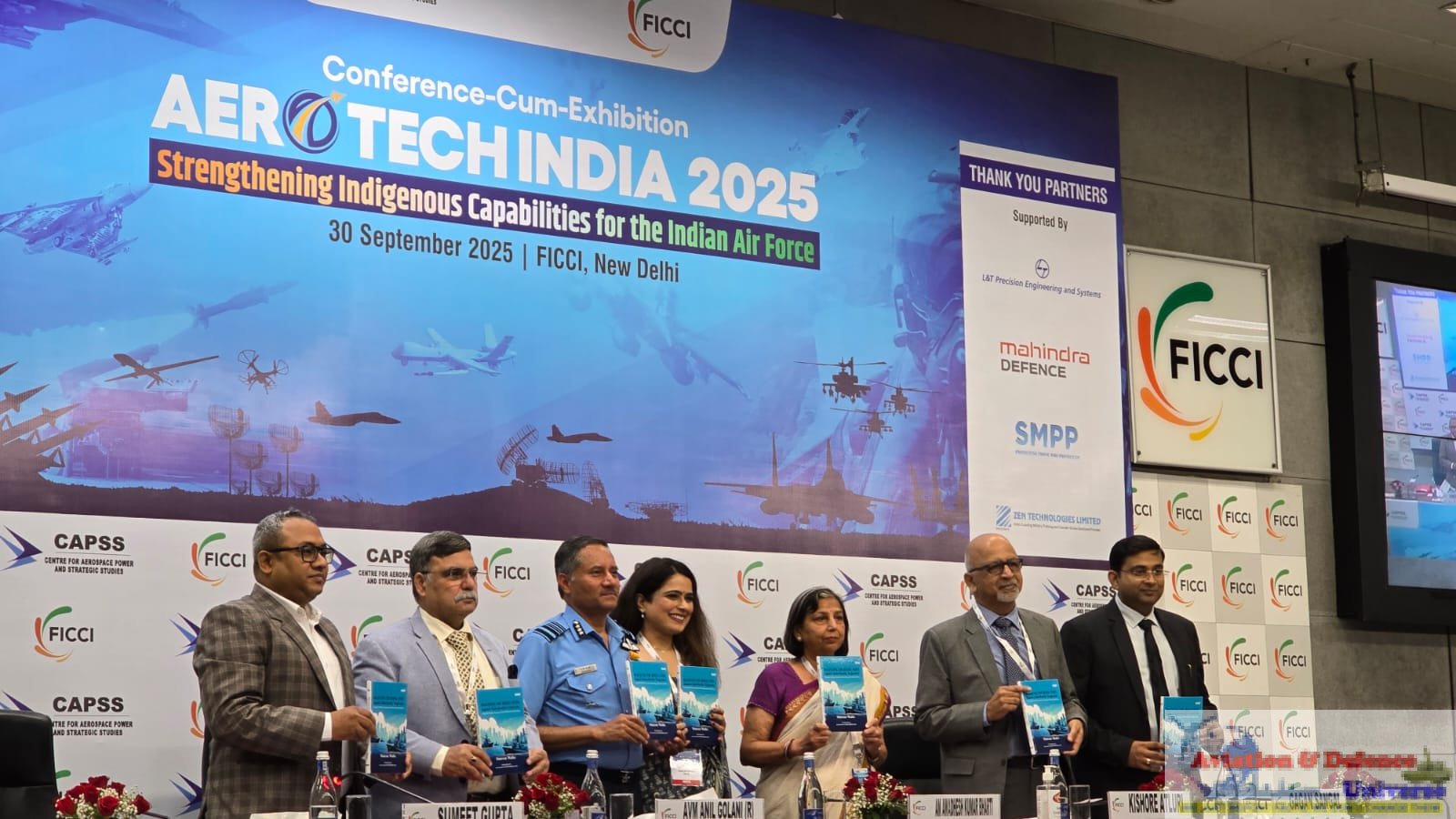
 Jointly organised by the Centre for Air Power Studies (CAPS) and FICCI, the conference convened senior Air Force officers, retired veterans, industry leaders, and academic researchers to discuss India’s strategic imperatives in aerospace innovation, defence manufacturing, and advanced technologies. From ISR drones to directed energy weapons, clean fuel to cognitive command systems, the conversation moved swiftly from strategic philosophy to mission-critical specifics — all under the banner of Atmanirbhar Bharat.
He painted a future-ready roadmap for the Indian Air Force, built on five pillars: Integration, Innovation, Indigenisation, Collaboration, and Self-Reliance. He highlighted that over 160 ongoing innovation projects, 180+ industry problem statements, and 40+ academic challenges and the Tri-Service Academia-Technology Symposium.
“We must put our innovation on afterburner — cruise setting is no longer an option,” he asserted. He identified persistent survivable ISR, real-time cognitive C2 systems, and AI-driven big data analytics as top priorities. He called for quantum resilient communications using blockchain and software-defined networks, investments in seeker technologies for precision weapons, development of scramjet engines, directed energy weapons, and 6th-generation airpower, man–unmanned teaming, cyber warriors, and autonomous unmanned systems. He warned that unless India achieved 100% indigenous capability, including the smallest component or chip, it could never be truly self-reliant.
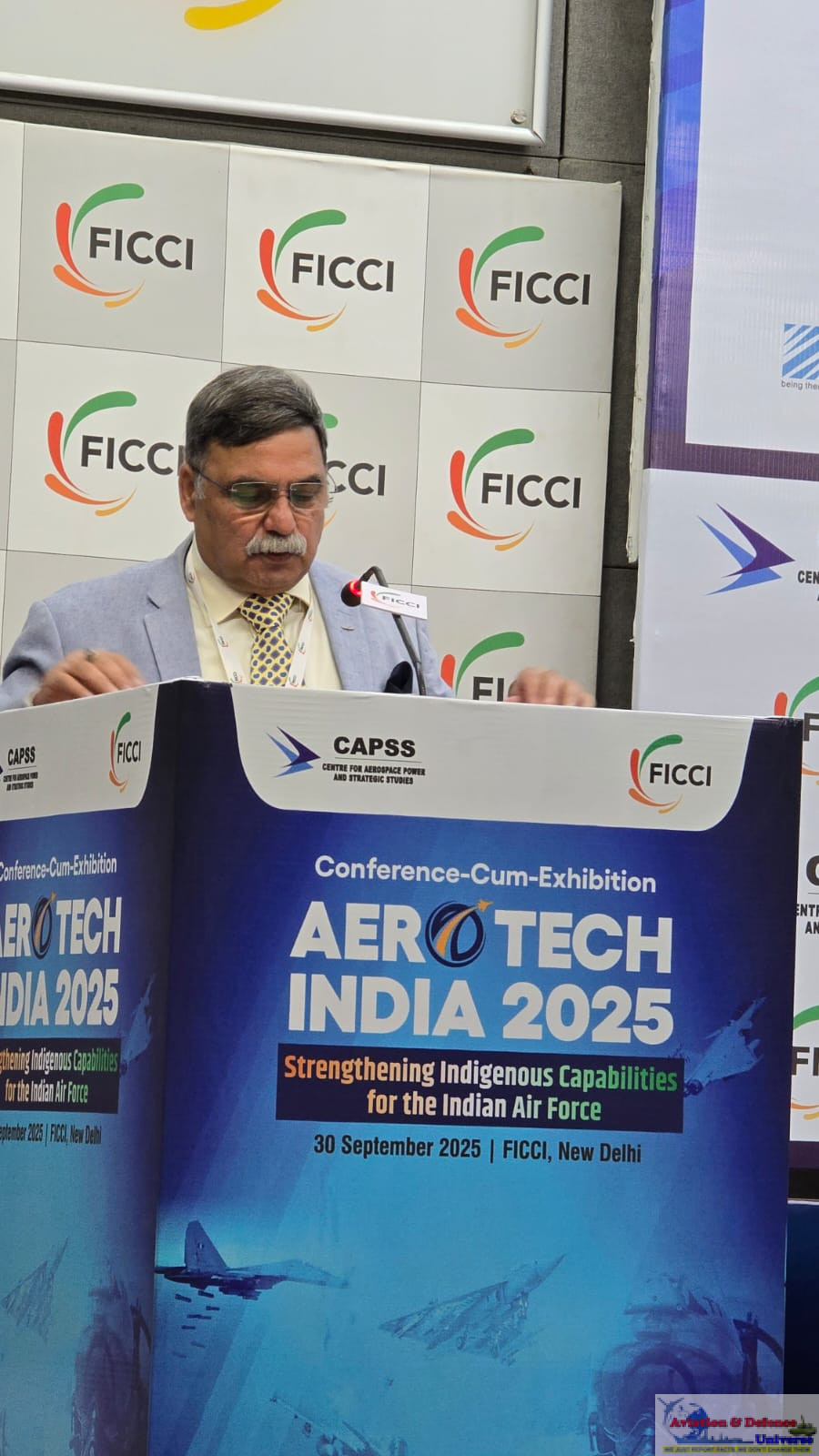 Air Vice Marshal Anil Golani (Retd.), Director General, Centre for Air Power & Strategic Studies stated, “Post Balakot, the role of technology in securing national interests is clearer than ever. As a nation that prides itself on strategic autonomy, we must reduce arms imports and invest in self-reliance.” He highlighted the growth of defence exports — ₹23,000 crore in the past year — and emphasised the positive impact of the Positive Indigenisation Lists, SPARK/IDEX initiatives, and increased private sector participation. DG CAPSS pointed out the Indian Air Force’s trust in the domestic industry, citing recent DAC clearances for 97 Tejas aircraft and upcoming acquisitions of Uttam AESA radar, AI-driven aerospace systems, and more.
The conference began with a welcome address from Sumeet Gupta, Dy DG of FICCI, who emphasised that the topics selected were aligned with the current geopolitical and warfare scenario. These included networked systems, secure communications, long-range precision munitions, and counter-terrorism technologies.
“Though India’s defence industry has made significant progress with support from the government — including over 430 technology transfers and allocating more than 60% of the defence budget to domestic procurement — we still have a long road ahead,” he remarked.
On a question about the Indian aerotech industry’s difference from global counterparts. Air Marshal Bharti 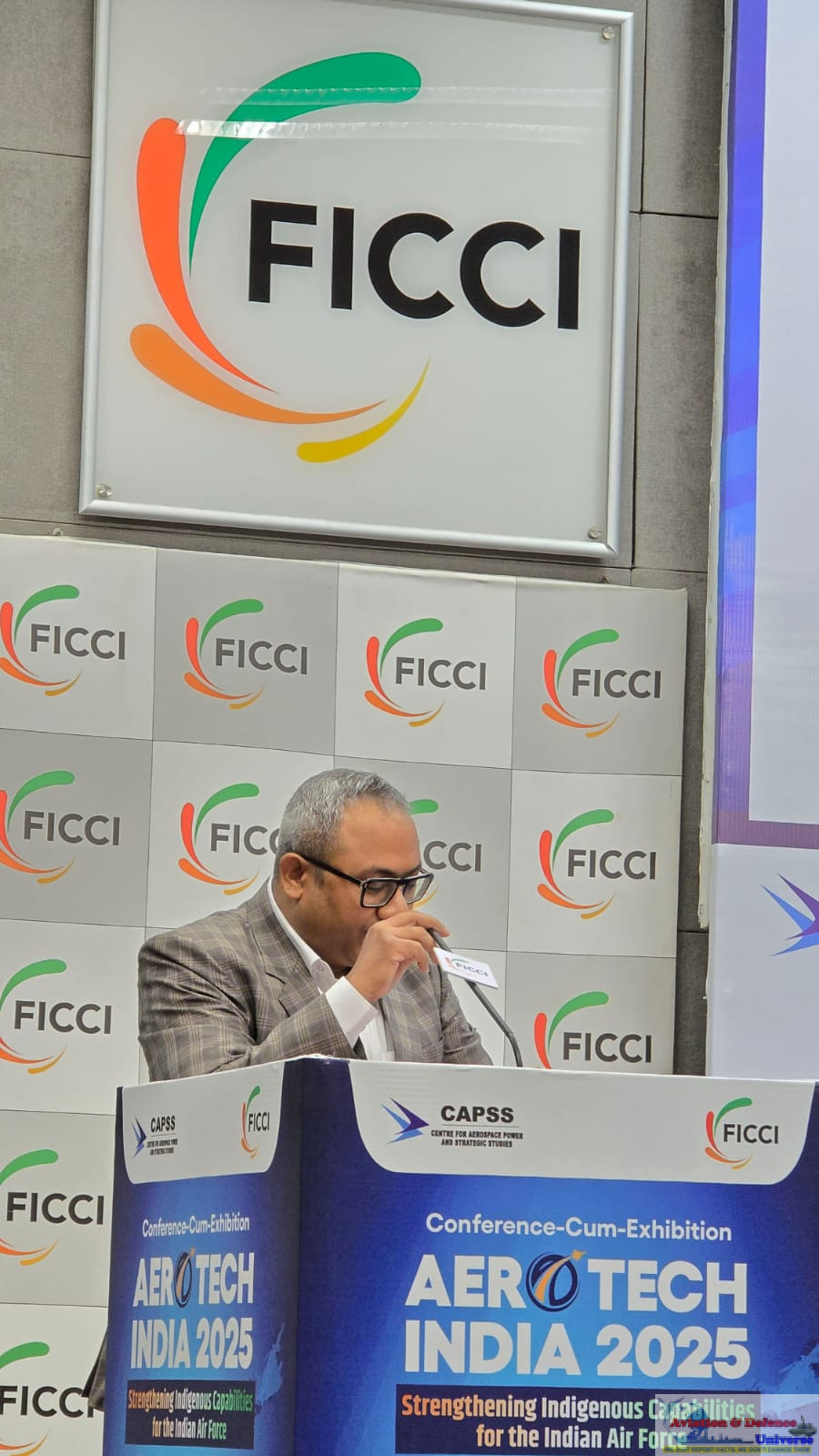 candidly responded, “The gap is visible — in funding, infrastructure, and speed. We must harness our vast talent pool and build strong ISR development pipelines.” He also endorsed a proposal to strengthen R&D verticals in the Air Force.
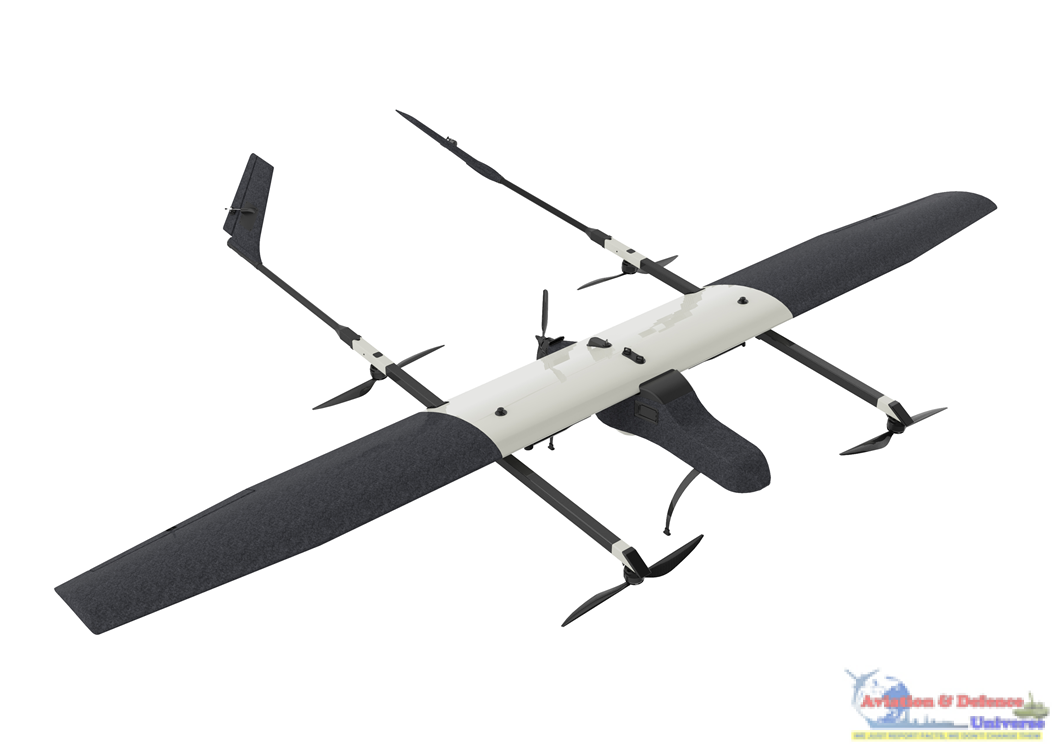
Responding to a query about the delay in Mehr Baba Drone Challenge, Bharti confirmed that Mehr Baba 3 has been released but urged industry and academia to propose new, compelling, and relevant problem statements for the Indian Air Force. On Indigenous Aero Engines participant raised doubts about the feasibility of indigenous aero engine development. “Yes, it is realistic. We are working towards it with collaborations. I expect an Indian engine in 10–12 years,” said Air Marshal Bharti.
On adopting Clean Fuel & Fuel Cells Air Marshal Bharti responded, “The Air Force is committed to clean energy. We’ve tested ethanol blends and are open to fuel cell proposals — particularly starting with ground systems.”
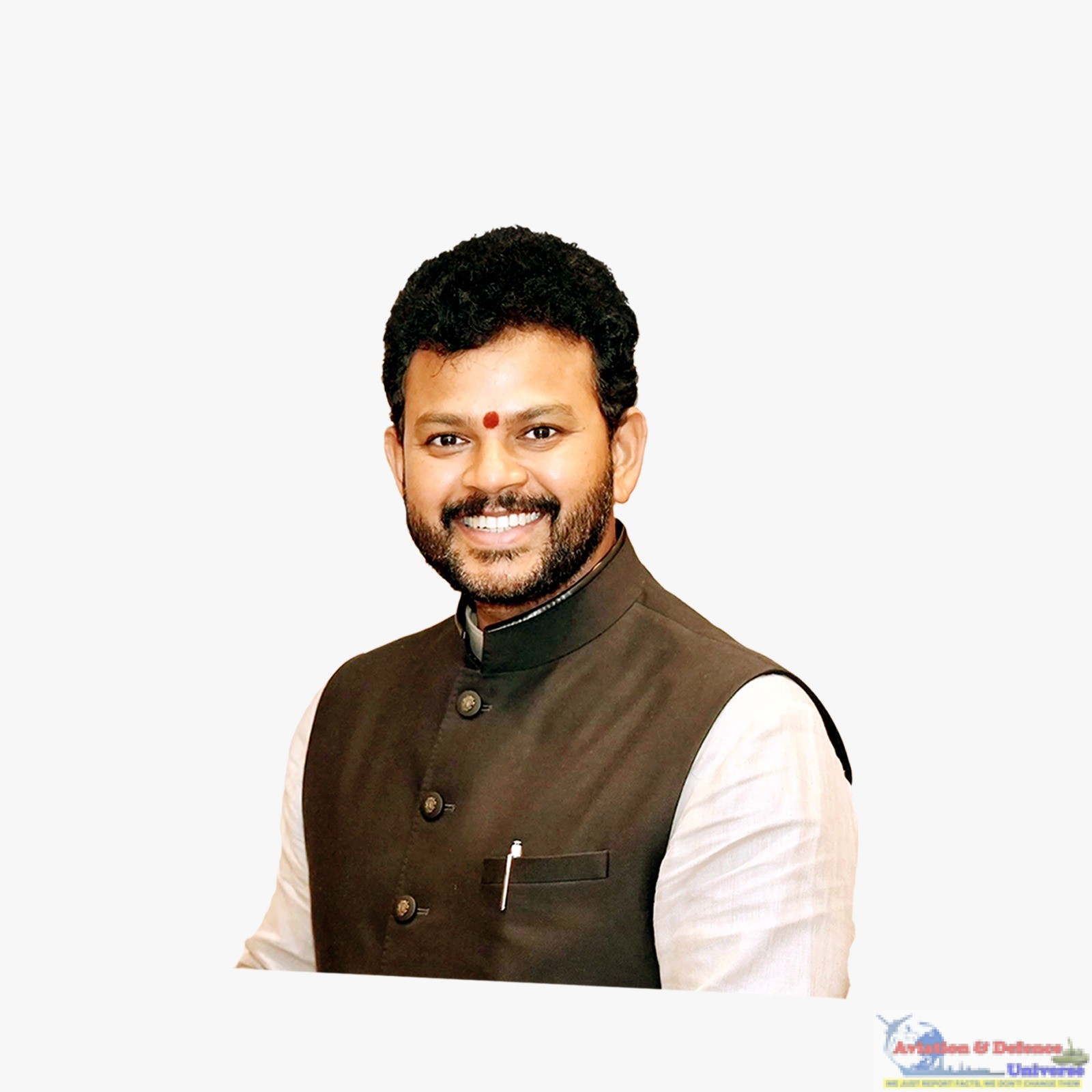
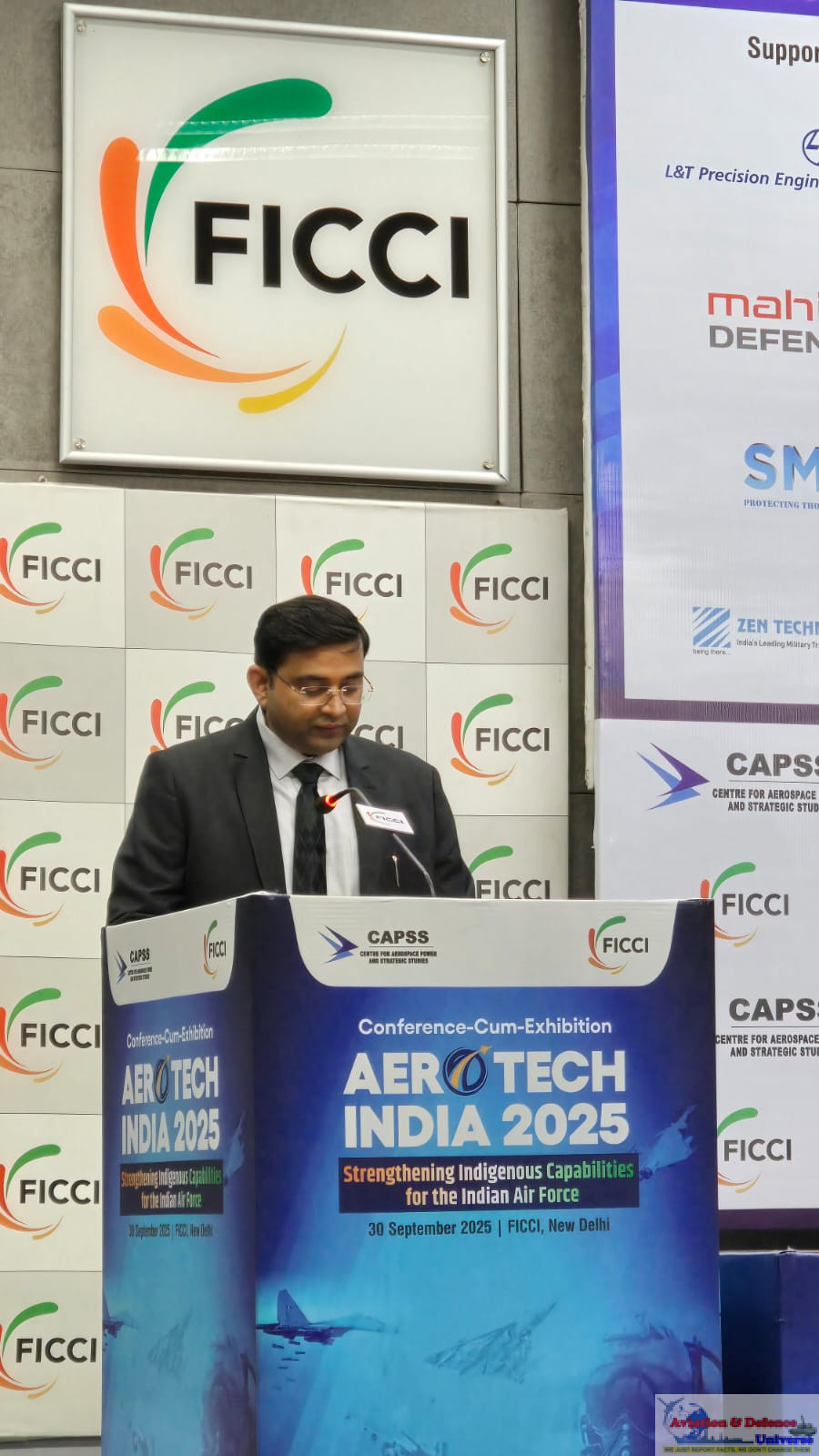 Gagan Sangal, Vice President SMPP in his address stated, “ In this conference, important topics which are relevant to the present war scenario have been chosen, which include state-of-the-art network systems, secure communication networks, unmanned aerial systems, counter-terrorist technologies, long-range precision guided munition, missiles and dual-rifle range. Though India’s defence industry has made significant strides in developing indigenous capabilities in these areas, which were well-supported by government’s push to increase R&D investments, hi-tech programmes, Make-2-projects, accelerated production through DRDOs, transfer of more than 430 technologies to Indian defence companies and not only this, more than 60% of the defence budget is marked for procurement from domestic industries in the current fiscal year. But still I feel that Indian defence industry has a long way to go.”
Kishore Atluri, President & Co-Founder Zen Technologies in his vote of thanks said, “The government’s intent is clear and visible through decisive actions. For instance, the Ministry of Defence has signed a monumental contract for 62,520 Crores with HAL. The collaborative efforts fostered by development of specialised capabilities which aims 60% indigenous content and production of drones with 30 hour endurance at 35,000 feet. In addition, the recent industry partnerships to advance the IAF’s fifth generation AMCA programme demonstrates the private sector’s steadfast commitment to delivering innovative and indigenous solutions to all forces.”
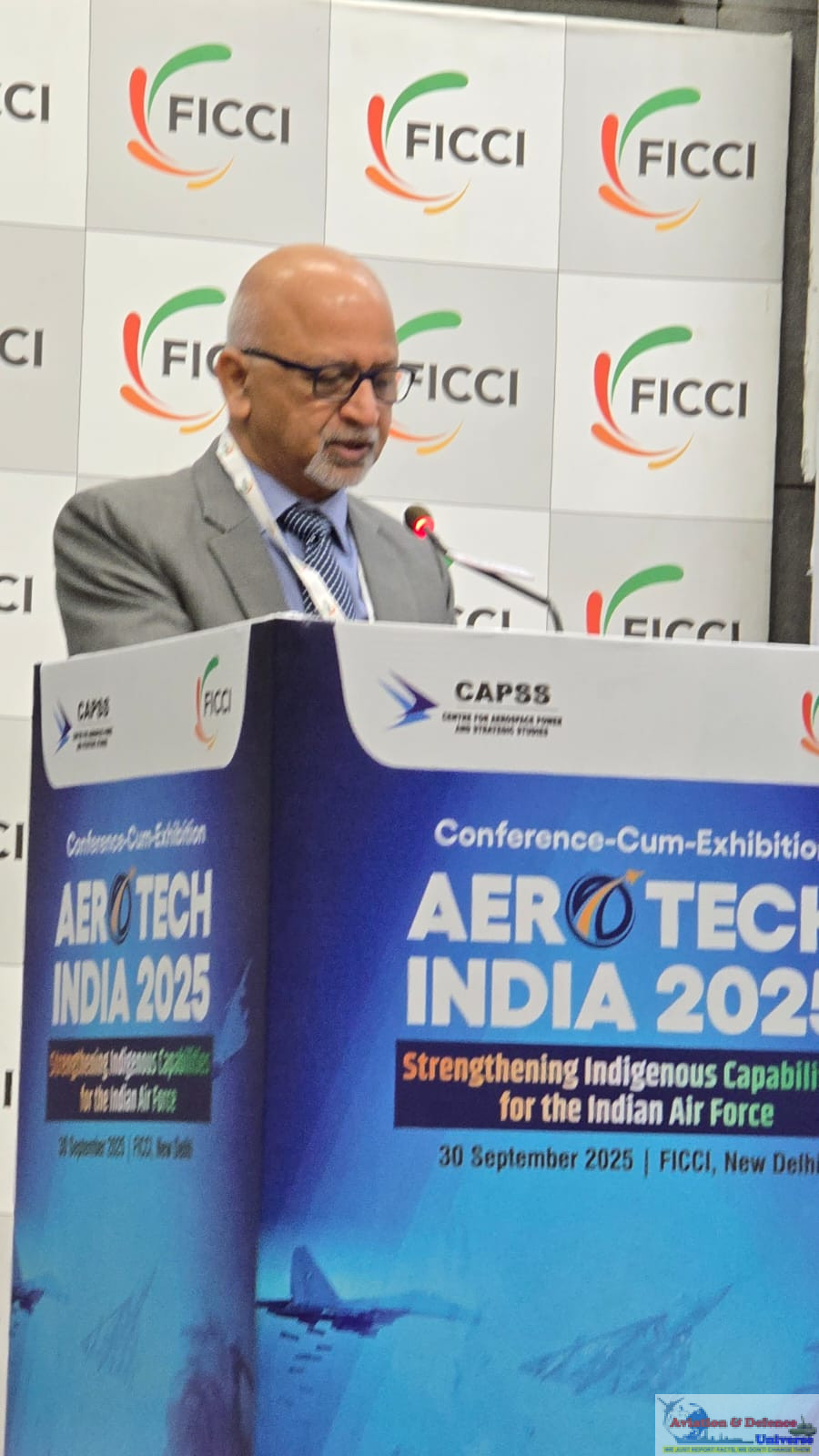 He took the opportunity to thank all speakers, diplomats from friendly nations, representatives from think tanks, leaders in the defence and aerospace sectors for sharing their valuable time and perspectives .
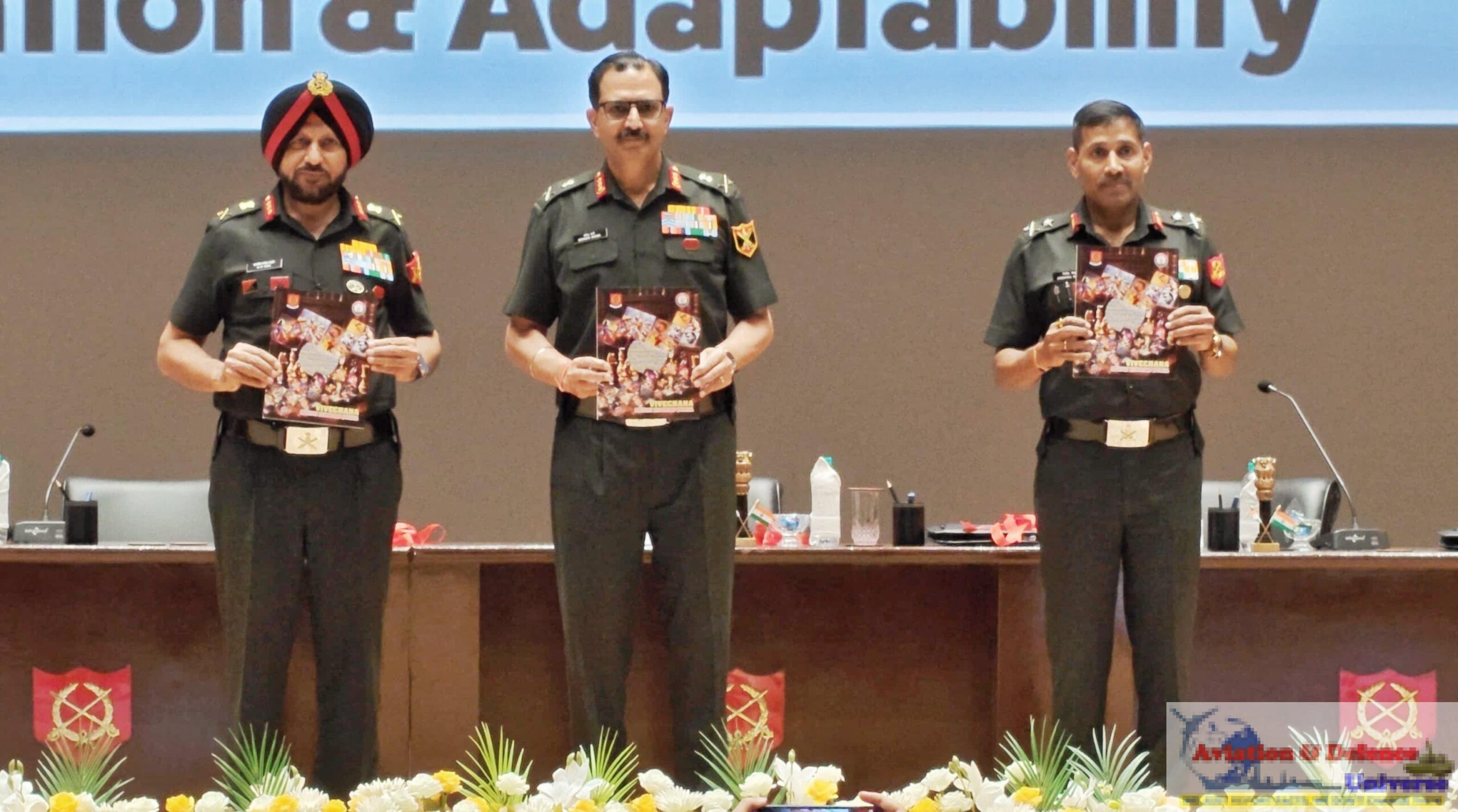
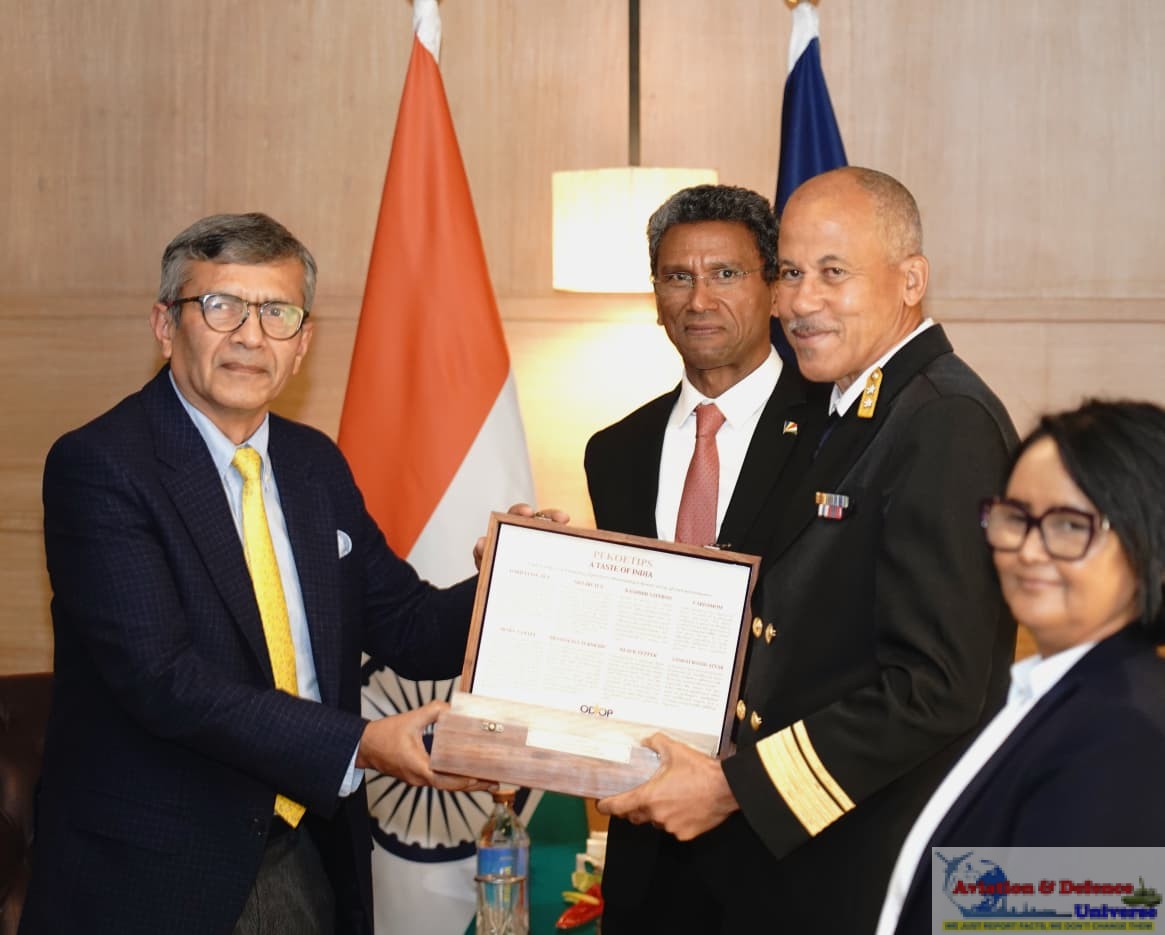
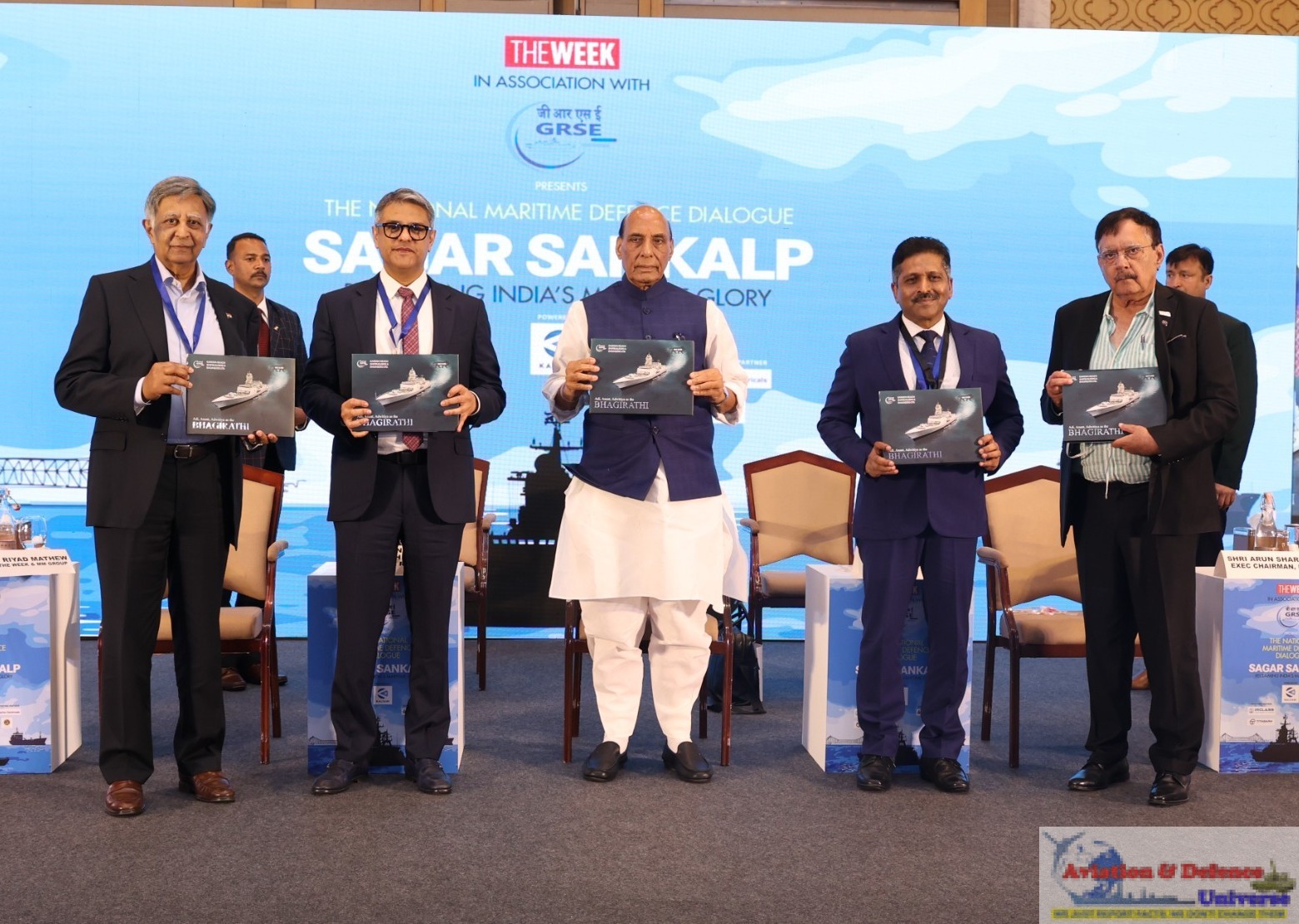
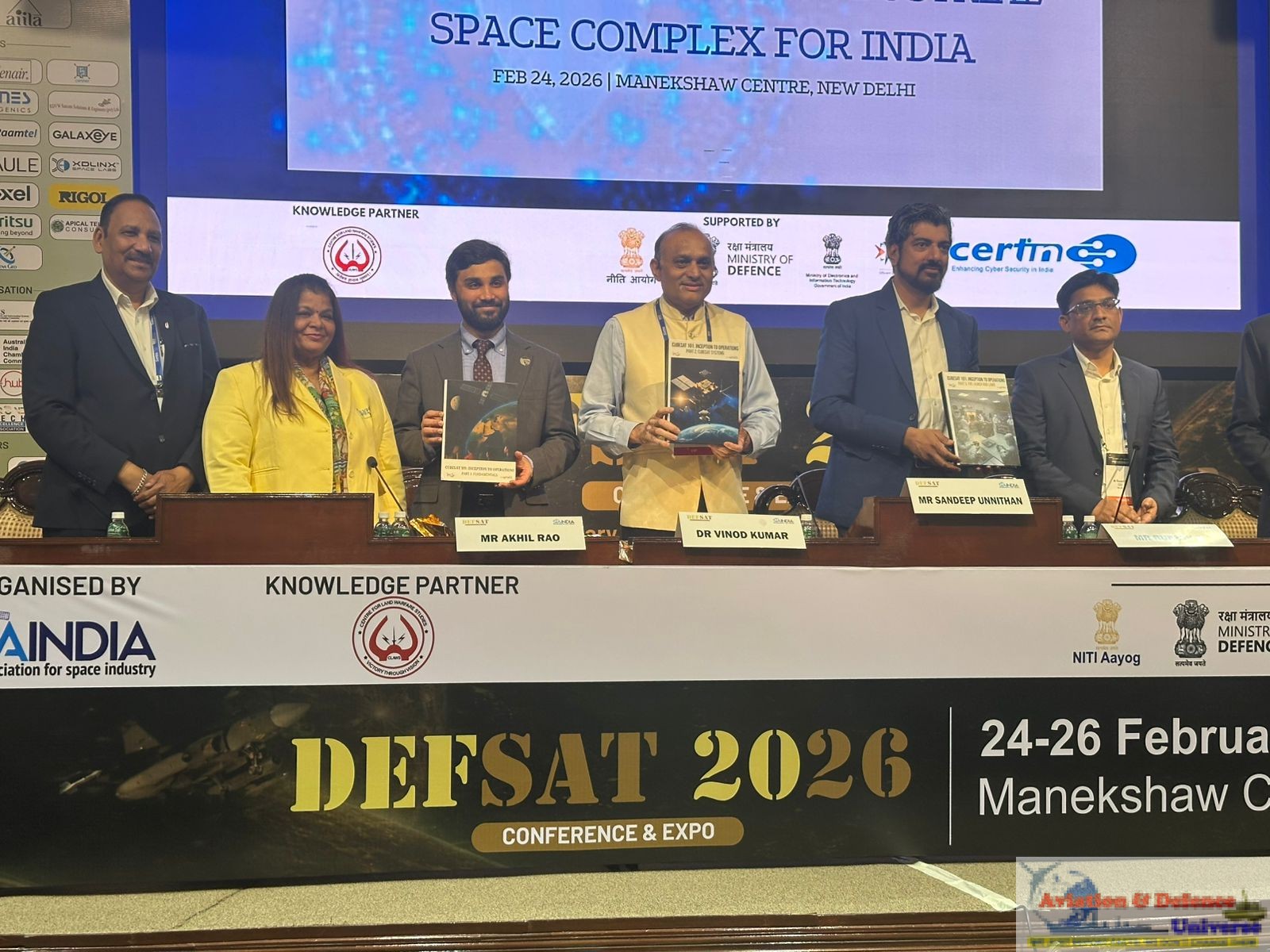
A special book titled “Balancing the Rising Tides: Japan, Indo-Pacific, and Strategic Vision” was released by the dignitaries on stage. It marked a significant addition to the literature on Indo-Pacific geopolitics.
Aero Tech India 2025 was more than a conference — it was a manifesto for India’s aerospace future. Air Marshal Bharti’s call for full-spectrum indigenisation, from semiconductors to scramjets, was echoed by voices across the military-academia-industry ecosystem. With over 160 innovation projects, burgeoning defence exports, and institutional mechanisms like SPARK, IDEX, and the Positive Indigenisation Lists, India is clearly shifting from buyer to builder.
Yet, the road ahead demands not just policy and procurement, but purpose — a cohesive national effort to integrate talent, streamline R&D, and deploy next-generation solutions tailored to India’s unique security environment. The IAF’s readiness to lead this charge, and its openness to academic and private partnerships, signals a transformative moment.