











- From Leverage to Leadership: India’s $61 Billion MRO Opportunity
- From policy paralysis to policy power — India’s MRO industry is rising fast
- India honours the IPs and wants to do it the right way.
- “We’ve got gems — we just need to cut and polish them.”
By Sangeeta Saxena
New Delhi. 31 October 2025. India’s Maintenance, Repair and Overhaul (MRO) industry is poised for a decade of transformation — driven by fleet expansion, regulatory reform, and a new spirit of self-reliance. At the Aviation India & South Asia 2025 summit, industry leaders and airline executives came together for a compelling discussion that revealed the promise, pain, and perseverance, shaping the sector’s future.
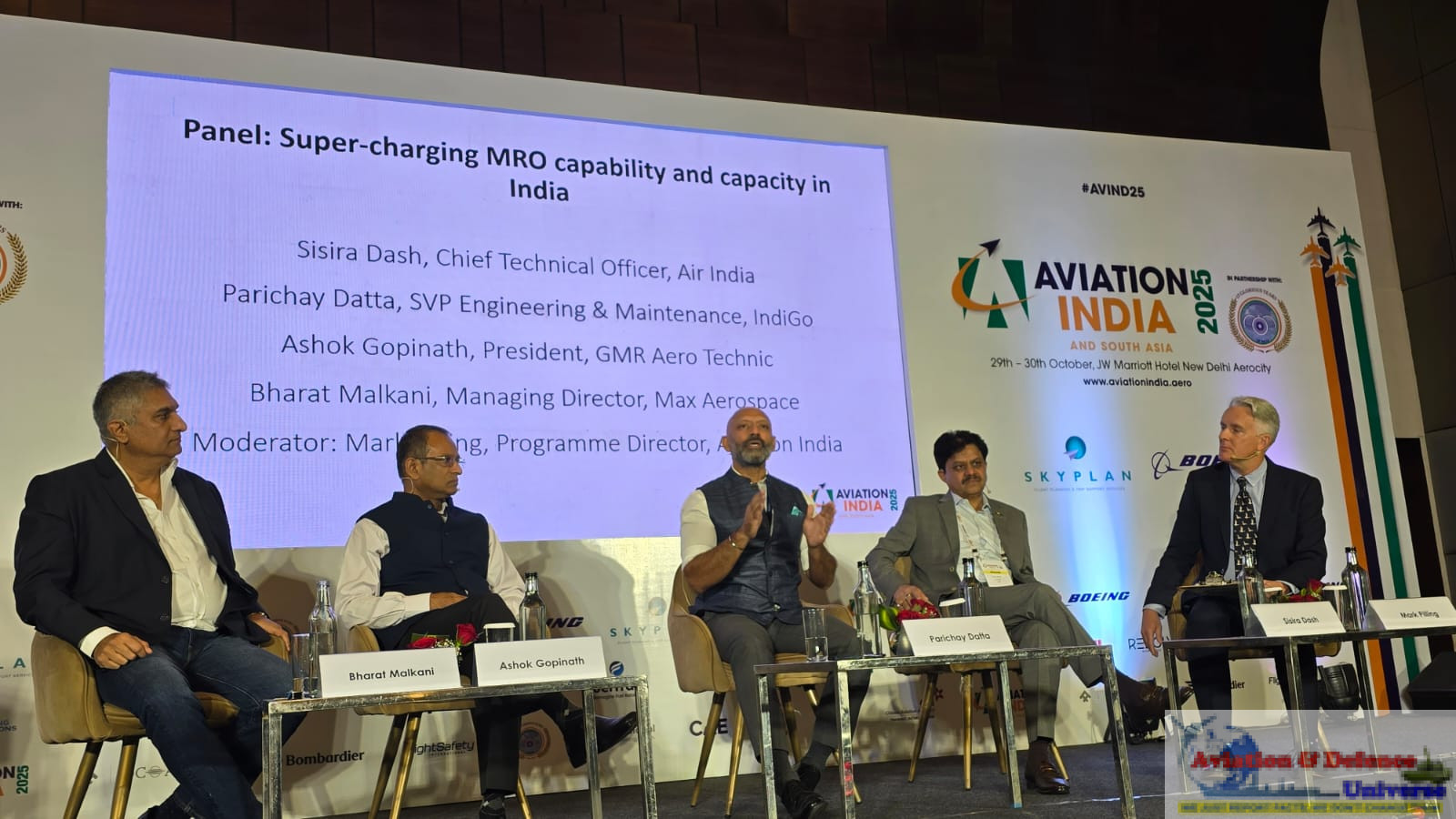
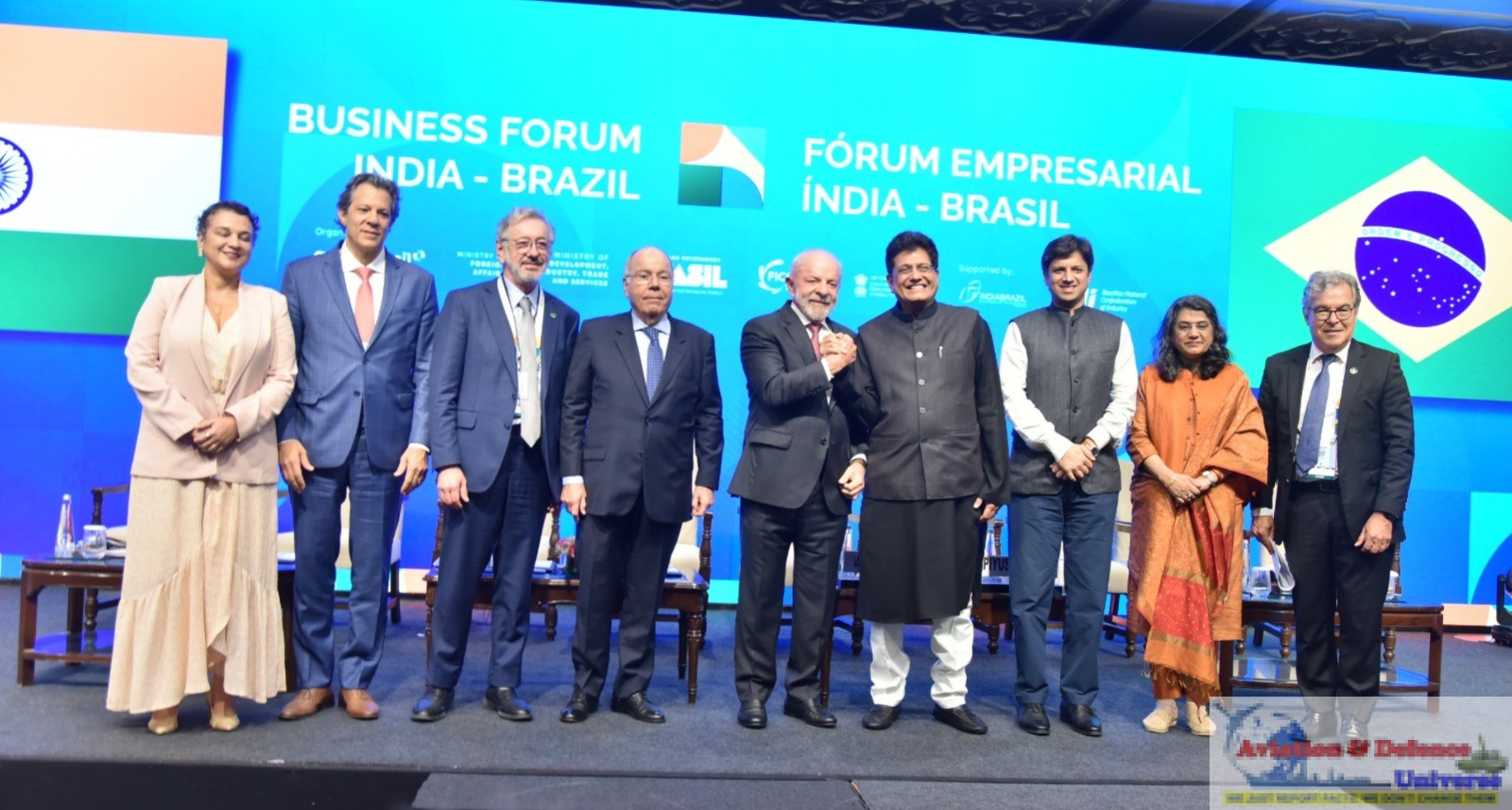
And the question which hung in the air was – Is MRO in India a market waiting to take off? Day2 at Aviation India 2025 started with elan and the panel was on MRO, represented by Bharat Malkani CEO Max Aerospace and Ashok Gopinath President GMR Aero Technic, Parichay Datta SVP- Engineering & Maintenance Indigo and Sisira Dash CTO Air India. The session was moderated by Mark Pilling, Programme Director of the event.
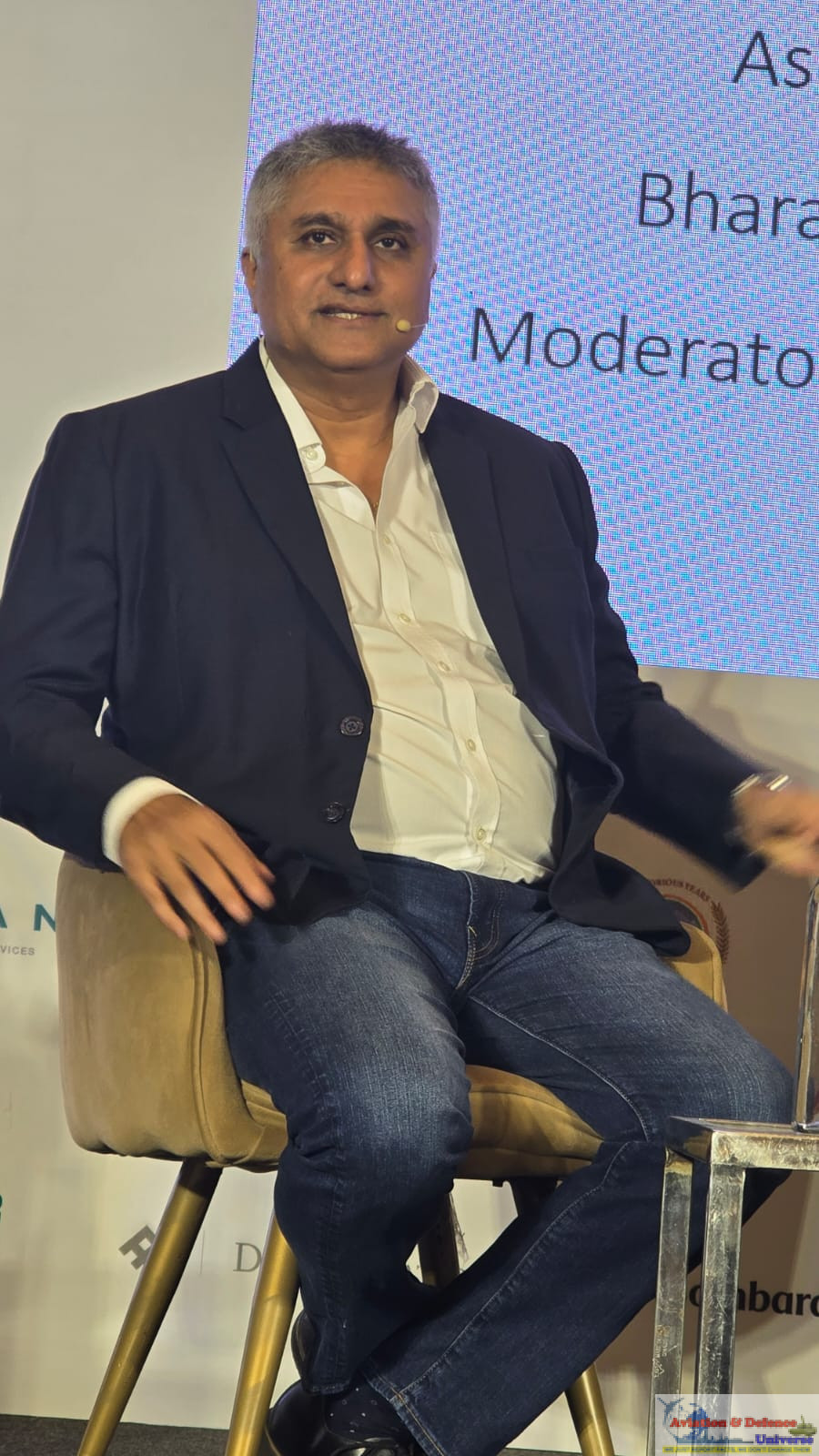 Bharat Malkani recalled how decades of policy hurdles stifled India’s MRO potential. “Be ready to fall asleep because it’s going to be a long, long story,” he joked. “Did not allow any industry to do MRO. The tax rate, the beneficiaries, MROs being clubbed with ground handling was part of aircraft rules 1937. It was 18% effectively for domestic MRO and 5% to 0% for import. And you can well imagine, there is no industry in this country that subsidised imports apart from the MRO industry.” He added, “The final nail in the coffin only came out last year in June. Make no mistake, Ashok and I fought it and bashed it up for more than 10 years. We would go out to the government and say, how can this even begin to make sense? The result, he explained, was predictable. “Almost every airline signed long-term contracts with foreign companies. Domestic industry was scuttled, leaving only a handful of MROs surviving — driven by sheer madness of wanting to do it. That’s what we have today, in a sense – The last of the Mohicans.”
Ashok Gopinath agreed that India’s MRO sector lost time, but credited the current government for recognising its potential. “The real action took place in terms of focus on MRO about 10 years back. Thanks to this government, they have it in their focus — it’s there in the manifesto,” he said. “So naturally, if you see, they have worked on it. It takes a while, but the government has become very open to dialogue and interaction. That acceleration has started, especially post-COVID.” He pointed out that the GST reduction from 18% to 5%, announced during lockdown, was the turning point. “We have been lobbying with the government for quite some time. Things are going very positively,” he said.
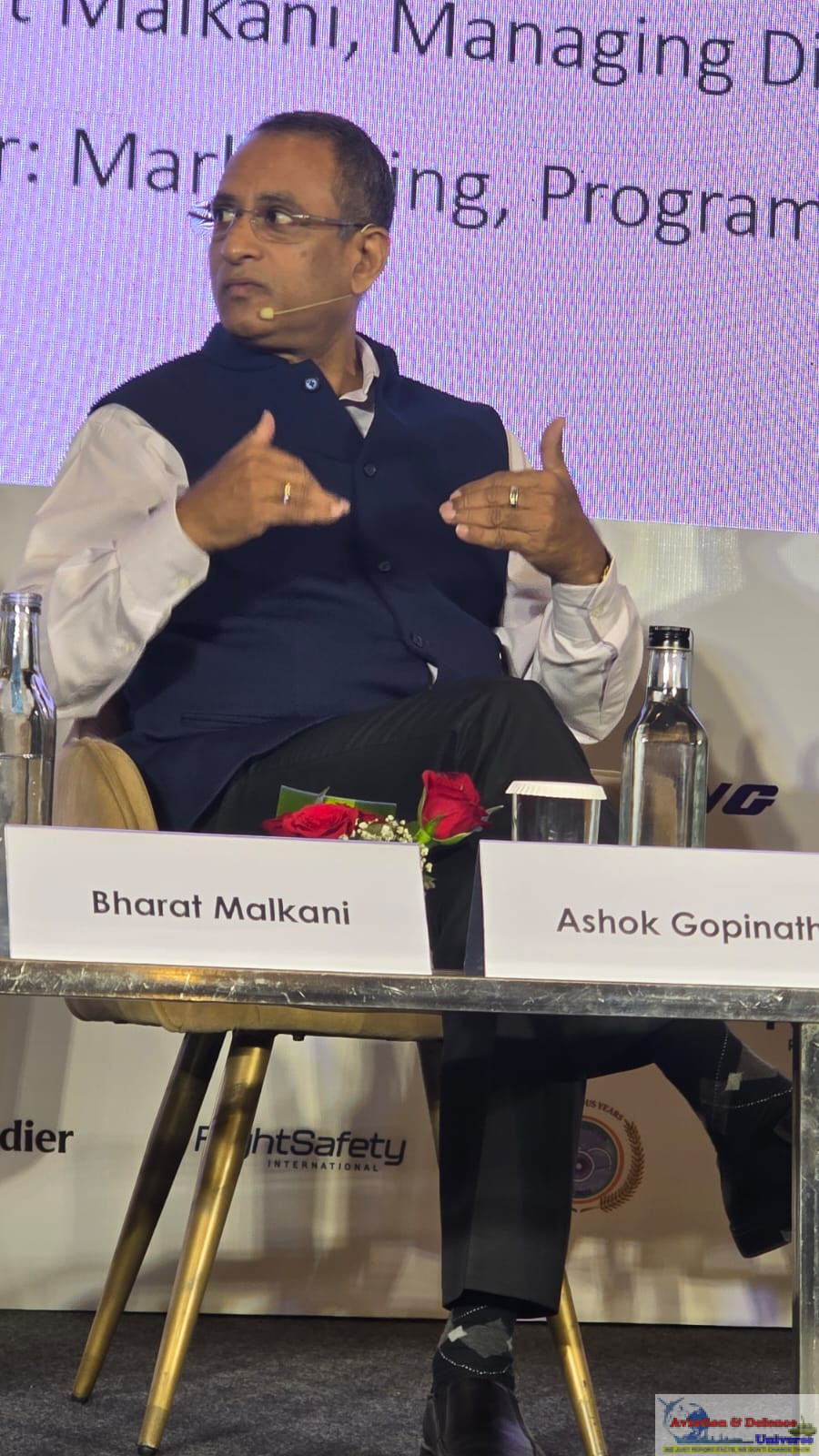 As the discussion shifted to the fleet boom — with Indian carriers collectively ordering over 1,000 aircraft — participants reflected on whether policy, capacity, and timing were finally aligned. Gopinath noted, “We are trying to build up the emerging capability right now. But unfortunately, because of the tax structure and import costs, it was more difficult to set things up earlier. Many components still come from outside the country due to contractual obligations. So, while it’s good that change is coming — it’s still a work in progress.” Malkani added perspective, “My customers — the airlines — have already signed long-term contracts with foreign companies. The direct line is already taken over by large global MROs. So while the opportunity may seem large, it’s only a sliver available directly to Indian MROs unless they feed into those global lines.”
Both industry and airline leaders acknowledged that India’s biggest gap lies in component repair and overhaul. “This is the real bottleneck,” said Gopinath. “Component capability and digital capability are different animals altogether — mostly controlled by OEMs. They don’t want to share the CMMs (Component Maintenance Manuals). They say it doesn’t make money. I tell them, it’s my money — whether I run into loss or profit, why should you bother?” He added, “That is what’s hampering development. If you look at China, no OEM would dare say no. India needs a parallelistic policy — insist that CMMs be shared. Airbus and Boeing support us, but other OEMs must also step up.”
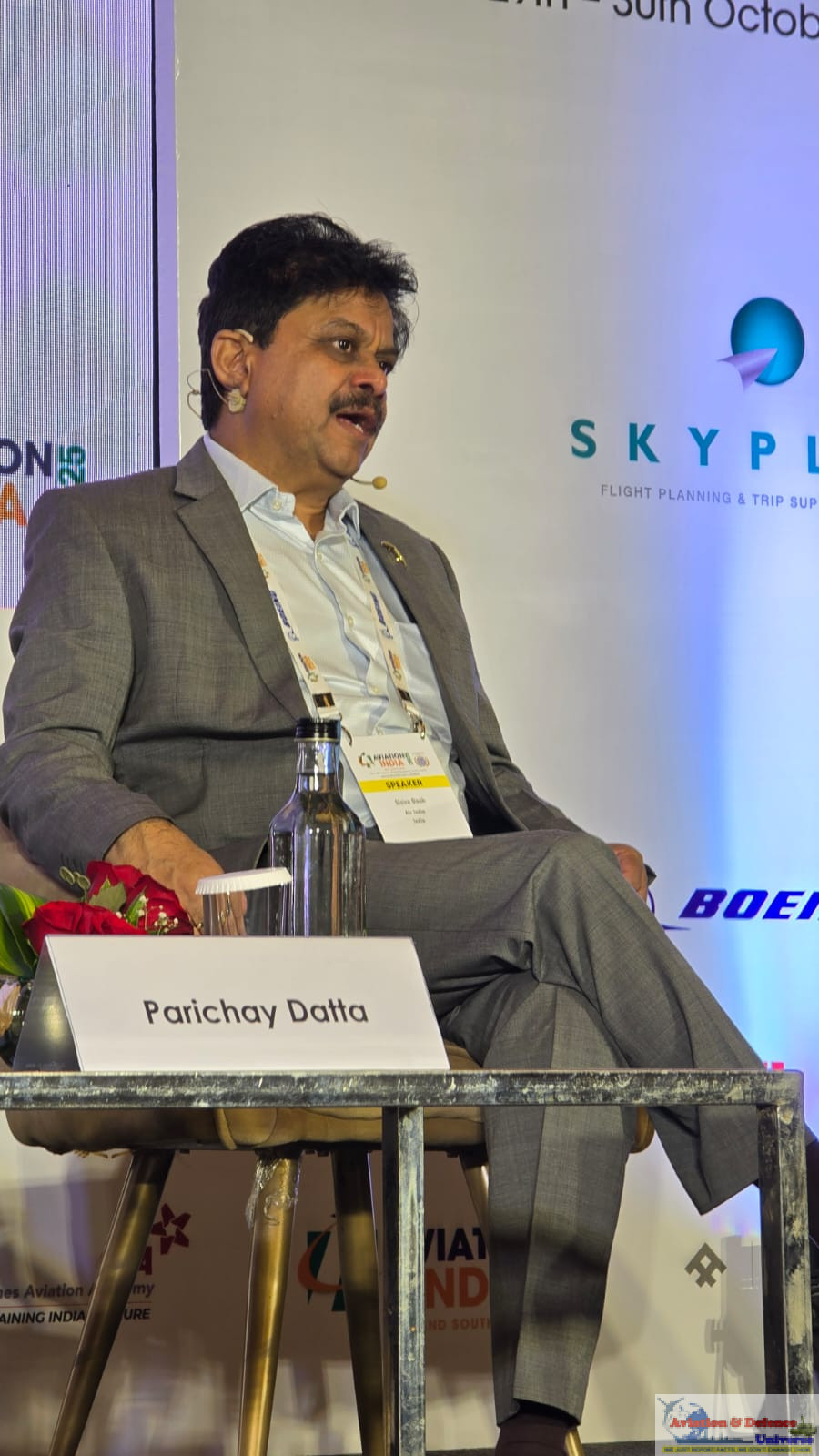
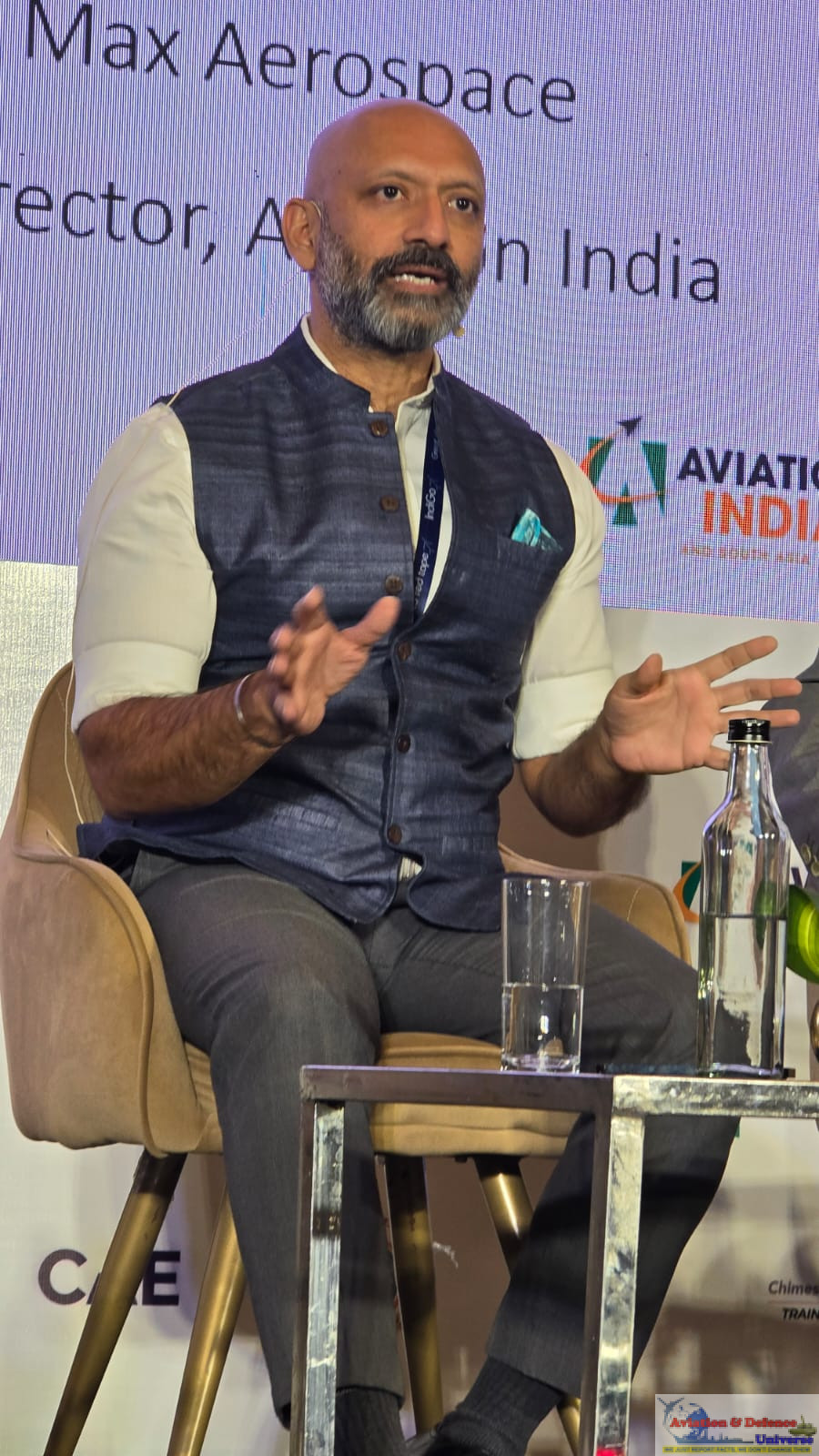 Parichit Luthra and Sisira Das provided the airline view, representing IndiGo and Air India’s engineering ambitions. “We realise there is no option but to be self-reliant,” said Luthra. “We are doing close to 120–130 C-checks today. By the end of the decade, that number will be 200 per year — and there is no place to get those checks done today. There’s a dire need for hangar space, OEM support, and partnerships. We need incentives for OEMs to set up stations here. They’re not students — they’re businessmen. If the economics work, they’ll come, ” he optimistically added. Das informed, “We are expanding our MROs, especially for the widebody segment. Today, there’s just one widebody hangar in the country, but by 2028 we’ll have three. We’ve invested in a joint venture with France to build composite capability for the A350s and next-generation aircraft. By 2028, we should see our first widebody checks happening in India.”
Malkani spoke candidly about the remaining roadblocks. “The challenge is mindset. Airline travel was once seen as luxury — the rich man’s domain. That mindset is changing now. Structural changes are happening, customs are far easier, and officials are accessible. The perception of India as a difficult place to do business still lingers — and that’s what we must change.” He urged policymakers to study why investors prefer Singapore, Malaysia, or Dubai over India. “They don’t have a pro-domestic market, yet they thrive. If India offers equivalent policies — infrastructure status, PLI incentives, and easier land terms — investors will come here. We’re not asking for handouts, just parity.”
 A significant shift, Sisira Das noted, is the growing role of state governments in driving industrialisation and aviation infrastructure. “When we’re talking about it the focus has changed from central government to state governments. Now each state government is working in a more ambitious way to attract business and engineering. What used to happen previously — a centralised government taking decisions — has gone decentralised. Each state is working to improve business, develop MSMEs and offer incentives. Southern states like Telangana, Karnataka, Andhra Pradesh, and Tamil Nadu are giving a lot of incentives to attract the MROs. They are also starting to focus on the MROs — both on the civil and the military side. So that’s happening. It’s catching up.”It is a market too big to ignore. With more than 61 billion dollars in projected MRO demand over the next decade and 7,000 engine overhauls on the horizon, the speakers agreed that the window for India’s MRO resurgence is now. As Gopinath put it, “The opportunity is enormous. We are late, yes, but the time to make it happen is here. We’ve fixed taxation, eased regulations, and built quality that can match anyone in the world. The next step is building component and engine ecosystems — and the confidence to lead.”
India’s MRO industry — once crippled by taxation, import dependence, and regulatory hurdles — is now entering its defining decade. With the government’s policy reforms, OEM partnerships on the horizon, and massive fleet growth driving demand, the sector is evolving from survival to scale. Yet, as every expert at the summit cautioned, success will hinge on collaboration, mindset change, and the creation of an indigenous component and engine ecosystem. The message was unmistakable: India no longer wants to send its aircraft abroad for repairs — it wants to repair the world’s aircraft at home.
 India’s MRO moment is here and building an aviation powerhouse from the ground up now looks possible. As policy meets purpose, India’s Maintenance, Repair & Overhaul (MRO) sector is reinventing itself — through OEM partnerships, state incentives, and skill power that could make it the repair hub for Asia. From leverage to leadership the discussion here was on how India plans to dominate the $61 Billion MRO Market. The panellists laid out a blueprint for MRO self-reliance — and the leverage that could finally bring OEMs to India’s hangars. Fixing this part of flight has been an untold story of India’s race to claim its MRO future. Decades of missed opportunities are giving way to determination, as Indian MROs fight perception, policy lag, and OEM hesitation to capture their rightful share of the aviation maintenance market. The industry is creating it’s engines of change and brainstorming on how India’s aviation MRO is gearing up to take off, with missionary zeal.
From component control to composite structures, Indian engineers are rebuilding an industry once written off — with confidence, cooperation, and capacity. India’s aviation industry stands at a crucial inflection point — where opportunity and pragmatism must align to build a truly self-reliant Maintenance, Repair and Overhaul (MRO) ecosystem. At Aviation India & South Asia 2025, a riveting discussion between MRO leaders, airline executives, and policy experts unfolded, touching upon everything from OEM cooperation and manpower training to regional integration and state incentives. What emerged was a candid, often passionate narrative of India’s MRO journey — its struggles, aspirations, and growing leverage in the global aviation supply chain. And the Q & A with the audience centred around the Power of Leverage — And the Need for OEM Cooperation.
The conversation began with an honest reflection on the challenges of attracting Original Equipment Manufacturers (OEMs) to localise component repair in India. “I don’t know, if I do not agree on that point,” Malkani interjected. “Business, they look at India but set it up there. It’s a funny thing. That’s the difference between China and India. Because China, if an aircraft is sold, it ensures that no part goes out of the country, whether it’s one or hundreds. The problem is that I need continuous supply of components to keep the shop viable. If I don’t have anything, it’s not viable.” He reiterated India’s commitment to doing business ethically. “We are not in the habit of stealing IPs. We do. We honour the IPs. We honour the commitment. We want to do it the right way. Without OEM support, you can’t establish anything, ” he said.
Policy, realism, and the limits of government ethos came up but not all participants were convinced that government intent alone could bridge the remaining gaps. “I am not convinced — and this is to the audience and to you — that my government is going to be realistic as much as Ashok wants it and many others do,” said Bharat. “It is not within the ethos of a democratically elected government. I see the bridge from my perspective as absolutely necessary. But I do see a fallout.”
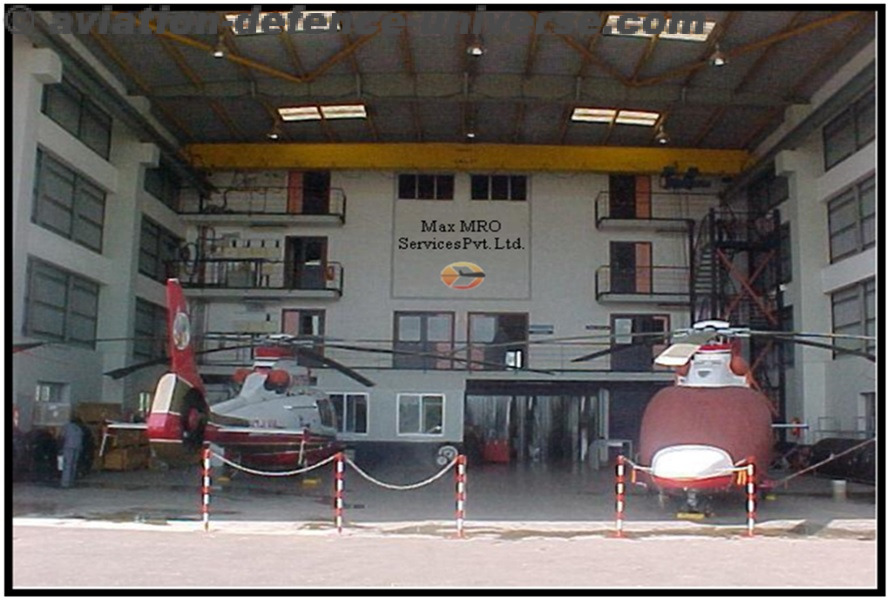 Can India Be South Asia’s MRO Hub? “Why have we not been able to attract the rest of South Asia? They have very little demand, and we are the biggest country with the maximum number of MROs in the region. Yet we’re still pushing them towards Singapore and Malaysia. Why can’t we make ourselves the big brother for the region?, ” was a question.
Bharat Malkani responded, “Pakistan is out. Bangladesh is almost out. We have — it’s a difficult process going through customs in Bangladesh. At least, essentially, Nepal, Malaysia, Sri Lanka — they have their own MROs. Even Bhutan is going to Singapore. Singapore has established long-term contracts.” But he remained optimistic, “We do Maldives and Nepal as long-term issues. But Singapore and all these countries have established long-term contracts. I am very confident, not fairly — at the end of that contract, they’ll go to the likes and the shows for the airwaves for us. I’m confident. We’re early in the job.”
Ashok Gopinath reinforced the point, “India itself, as I said earlier, MRO segment for MRO business — we are self-sufficient. We even do for others also nearby. All these countries that you name — Sri Lanka, we have done work for. Bangladesh, we have done. Bhutan, we have done. Maldives, we continue to do.” He added, “Where we are not able to support is components and engines. Those still go to Singapore or Turkey. But as we grow along, it’s better for them to come to us. Except for Pakistan, almost all of these aircraft — they are our customers.”
A poignant question from the audience highlighted a major concern, “Over time, most of the Middle East and Southeast Asia has had a major manpower drain from India. What are you doing now to retain manpower and train the next generation?”

Industry leaders responded with clarity and confidence. “Clearly, we understand that we can buy a lot of tools, equipment, hangars — but the skill set pipeline is a question,” said Parichit Luthra . “Both Air India and IndiGo have their own schools. We’re now working with the government to have colleges that will create a pipeline. Work is going on for that.”
Sisira Das added, “We have enough of the headcount available and the right age group. It’s not a challenge because India is a big country — 1.4 billion population. One of our export services is also human development. What we need is to polish them — we’ve got gems, we need to cut and polish them and get them into the stream.”
Another audience question challenged why all new MROs are concentrated in metros. “Why are you not going to Madhya Pradesh or central India, where governments are offering land and incentives?” The response from Parichit was pragmatic. “Whenever you are talking about the possibility of an MRO, you have to see the whole ecosystem — how you’re going to support it. Let’s say Bhopal — how many international flights operate there? When you’re making an MRO, connectivity and support services matter. You can’t sustain an international MRO in an airport that doesn’t see global traffic. Initially, it was Mumbai and Delhi. Now it’s Hyderabad and Bangalore. Ultimately, other places will come up. But it has to be based on operational value.”
 The road ahead is building is an ecosystem, not just hangars. The discussion closed on an optimistic note about India’s ability to lead the MRO landscape through capability, collaboration, and courage. As one speaker summed up, “Take it from us, it will happen. The states are inviting people. There’s a lot of interest from governments. It’s a question of time.”
India’s MRO ecosystem is no longer a story of constraints — it’s a story of convergence. OEM cooperation, decentralised state incentives, expanding training infrastructure, and cross-border opportunities are rewriting the narrative of Indian aviation maintenance. Challenges remain — from component dependencies to perception barriers — but India is no longer playing catch-up. It’s building capacity, confidence, and character in an industry that once relied on others. The message from the floor was unmistakable – India no longer just wants to service its own fleet — it’s preparing to service the world’s.