

















- Elected Chairman of Asia-Pacific Ministerial Conference on Civil Aviation
- Calls for Strategic Investments in Asia-Pacific Aviation Infrastructure to Accommodate 3.5 billion Annual Passengers by 2035
- India Aims to Increase Women’s Participation in Aviation Workforce to 25% by 2025- Naidu
- Delhi Declaration to Shape Future of Aviation in Asia-Pacific: Naidu Calls for Collaborative Efforts
By Sangeeta Saxena
New Delhi. 11 September 2024. The Asia-Pacific region is on track to become the world’s largest aviation market, driven by strong economic growth, rising middle-class populations and increasing air connectivity. Commercial aviation in the region has seen a century-long evolution and by 2035, the Asia-Pacific is expected to handle over 3.5 billion passengers annually, surpassing other global markets. Let us explore the key drivers, challenges, and future outlook for civil aviation growth in the region, with a particular focus on infrastructure, regulatory developments, and sustainability, on the day when Indian Civil Aviation Minister has inaugurated the Asia-Pacific Ministerial Meet for Civil Aviation and India is the venue of this brain storming.
 The robust economic growth in countries such as China, India, and Southeast Asian nations has significantly boosted demand for air travel. As disposable incomes rise, air travel becomes more affordable and accessible to a larger segment of the population. The Asia-Pacific region has one of the fastest-growing middle classes globally. With increasing disposable incomes and a growing appetite for travel, the demand for both domestic and international flights has surged. India and China are the largest contributors to this trend, with millions of new travelers entering the market each year.Rapid urbanization across the region has contributed to the expansion of airport infrastructure and enhanced air connectivity. Major cities are expanding their airports, and regional connectivity has been improved with new routes, making air travel more accessible in previously underserved areas.
Government Initiatives and Investments: Governments across the region have recognized the strategic importance of aviation as a driver of economic growth. Initiatives like India’s UDAN (Ude Desh ka Aam Naagrik) scheme, which aims to make flying affordable and improve regional connectivity, have contributed to the growth of civil aviation. In addition, countries like Singapore, Japan, and China have made significant investments in expanding their airport infrastructure and modernizing air traffic management systems.
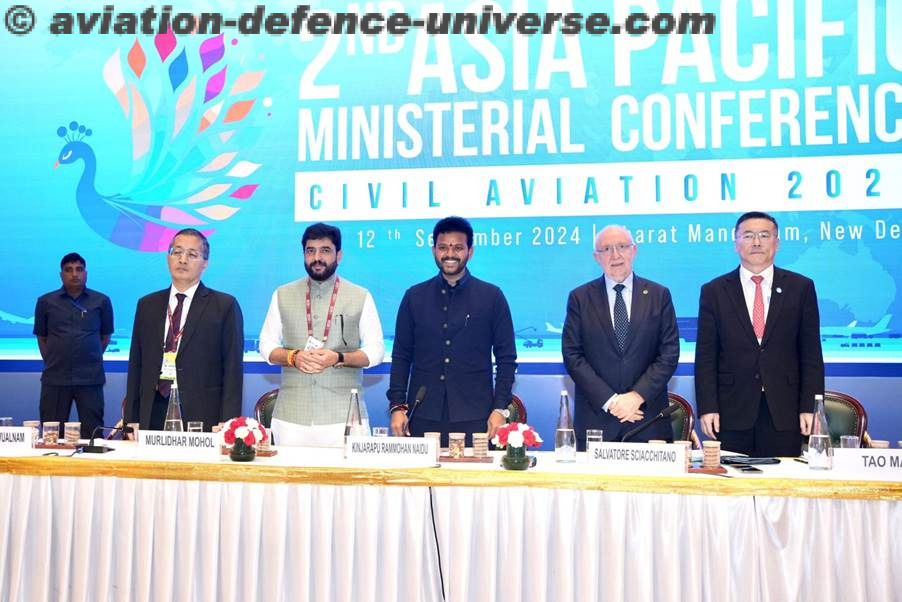
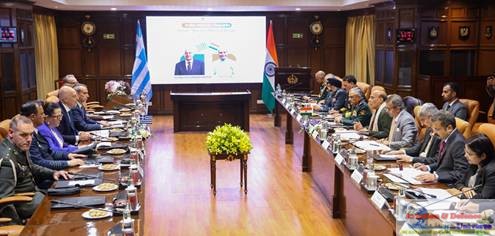
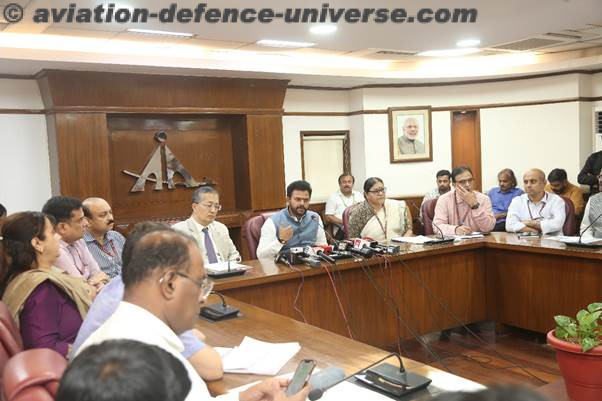 The Union Minister for Civil Aviation, Kinjarapu Rammohan Naidu, inaugurated the 2nd Asia-Pacific Ministerial Conference on Civil Aviation (APMC) at Bharat Mandapam, New Delhi. The event brought together a distinguished gathering, including Union Minister of State for Civil Aviation and Cooperation, Murlidhar Mohol, the President of the International Civil Aviation Organization (ICAO), Mr. Salvatore Sciacchitano, and Secretary of the Ministry of Civil Aviation, Vumlunmang Vualnam. Directors General and delegates from 29 Asia-Pacific countries also participated in the conference, marking it as a significant platform for discussing the future of civil aviation in the region.
Infrastructure development is crucial for sustaining the rapid growth of the aviation sector in the Asia-Pacific. Countries are making significant investments to expand existing airports, build new ones, and modernize air traffic control systems.
India has increased its operational airports from 74 in 2014 to 157 by 2024, with plans to reach 350-400 airports by 2047. Major airports in cities like Delhi, Mumbai, and Kolkata are undergoing expansion to accommodate increasing passenger traffic.
Rammohan Naidu, in his address, expressed gratitude to ICAO for its support and congratulated the organization on its 80th anniversary, recognizing its key role in shaping global aviation standards. He emphasized the importance of the conference in reflecting the collective vision of the Asia-Pacific region to enhance connectivity, resilience, and growth in the aviation sector. A notable moment in the event was Naidu’s nomination as Chairman of the APMC, supported by several nations, including Singapore, Bhutan, Solomon Islands, and Nepal.
China continues to invest heavily in airport infrastructure, with plans to construct more than 200 new airports by 2035. Beijing’s Daxing International Airport, for example, is designed to handle up to 100 million passengers annually. Countries like Thailand, Vietnam, and Indonesia are also developing new airports and upgrading existing ones to support the growing demand for air travel in the region. Bangkok’s Suvarnabhumi Airport is expanding its capacity, while Vietnam is building Long Thanh International Airport to serve as a new hub for the region.
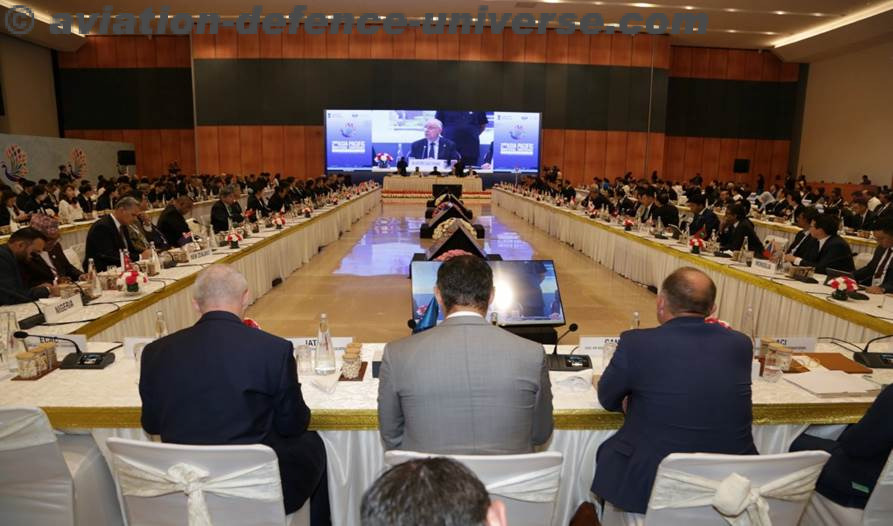 Highlighting the region’s aviation growth, Naidu spoke about its near-century-long journey in commercial aviation and its expected rise to becoming the largest aviation market by 2035, with over 3.5 billion passengers annually. He called for strategic investments in infrastructure and emphasized regional collaboration to ensure sustainable and balanced growth. India’s remarkable advancements in the aviation sector under Prime Minister Narendra Modi’s leadership were also spotlighted. The Minister pointed out that India’s operational airports have more than doubled from 74 in 2014 to 157 in 2024, with plans to reach 350-400 by 2047. Additionally, domestic air passengers have significantly increased, and Indian airlines continue to expand their fleets.
Innovation and the integration of technology are also playing a pivotal role in the growth of civil aviation in Asia-Pacific. Countries are adopting modern technologies to improve efficiency, safety, and the passenger experience. India has introduced technologies like Digi Yatra, a biometric-based digital tool that streamlines passenger movement through airports. Such technologies are being incorporated across airports in the region to enhance efficiency and security. Several countries in the region, including Japan and Singapore, are exploring VTOL aircraft for urban air mobility, which could revolutionize how people commute in densely populated cities.
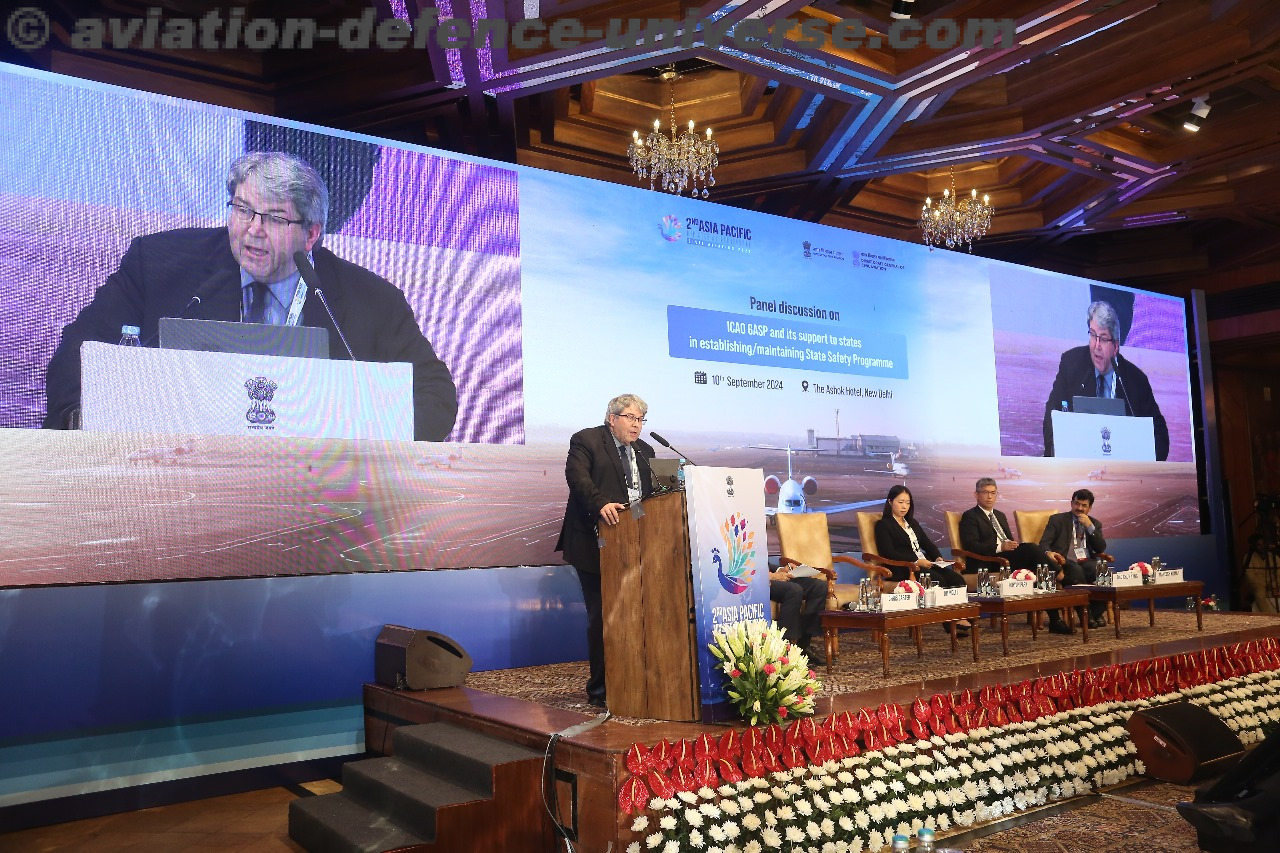 Additionally, Naidu emphasised the government’s commitment to fostering an environment that is favourable for business in the aviation sector by enacting laws that encourage aircraft leasing, maintenance, repair, and overhaul (MRO) services, as well as domestic manufacturing. The Minister reiterated that two important measures India has taken to become a global aviation hub are the introduction of new MRO Guidelines and the approval of 100% FDI through automatic route. He reiterated India’s dedication to secure and safe air travel while urging increased international cooperation to maintain aviation safety regulations. He called on the countries in the Asia-Pacific area to collaborate in enhancing air traffic control safety and navigation systems.
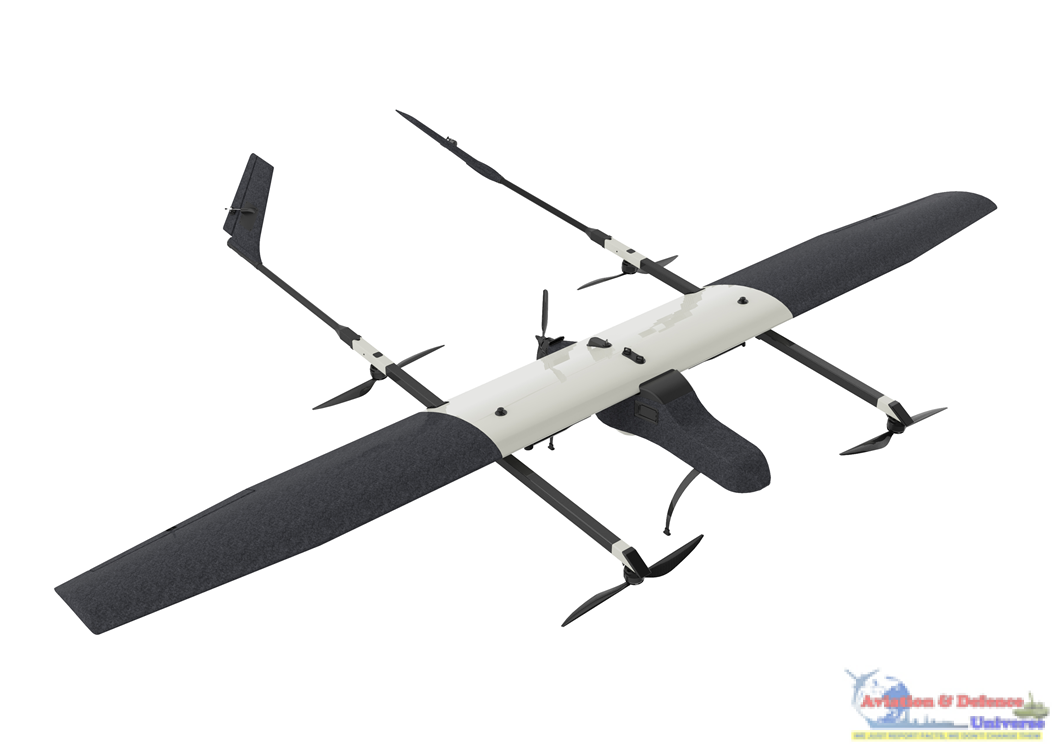
The Asia-Pacific region is rapidly becoming a hub for drone innovation. Drones are being deployed for a variety of purposes, including agriculture, healthcare, disaster relief, and urban logistics. India’s Drone Didi Yojna, which aims to train women in drone operations, is an example of how the region is embracing drone technology.
Recognizing the global need for sustainable aviation, Rammohan Naidu called for increased adoption of Sustainable Aviation Fuels (SAF) and energy-efficient airport infrastructure. He highlighted India’s goal to blend SAF with jet fuel for international flights and shared the success of carbon-neutral airports in Delhi, Mumbai, and Cochin.
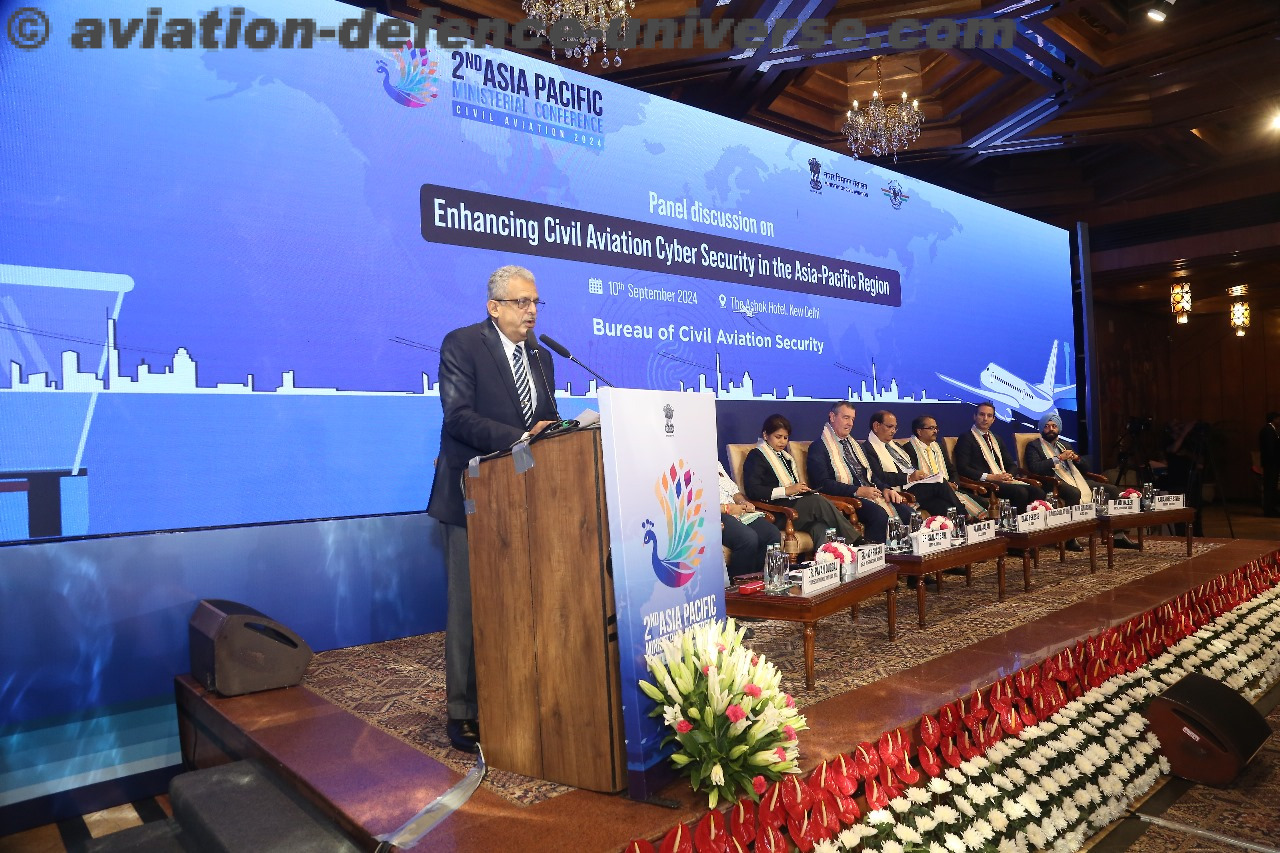 The Minister emphasized India’s leadership in promoting gender equality in aviation, with women constituting 15% of the country’s pilots, three times the global average. India’s target is to increase women’s participation in the aviation workforce to 25% by 2025.
The growth of civil aviation in the Asia-Pacific is not without its challenges, including the need for regulatory harmonization, safety improvements, and regional cooperation. The International Civil Aviation Organization (ICAO) has been instrumental in driving these efforts, working with member countries to ensure that aviation safety standards, environmental sustainability, and infrastructure development are aligned.
“It is an honour to stand together and be a part of one of the largest events of the aviation industry in the Asia-Pacific region,” said Union Minister of State for Civil Aviation, Murlidhar Mohol. Being involved in discussions on important facets of aviation, such as security, air navigation, and green aviation, is encouraging. The overall result of these discussions will serve as the cornerstone of regional collaboration between different nations and will significantly contribute to the sustainability of civil aviation in the future.
Conferences such as the Asia-Pacific Ministerial Conference on Civil Aviation (APMC) have provided platforms for member nations to discuss strategies for improving aviation safety, security, and sustainability. Collaboration among countries has been essential in addressing challenges like air traffic management and in implementing new policies aimed at reducing carbon emissions and enhancing efficiency.
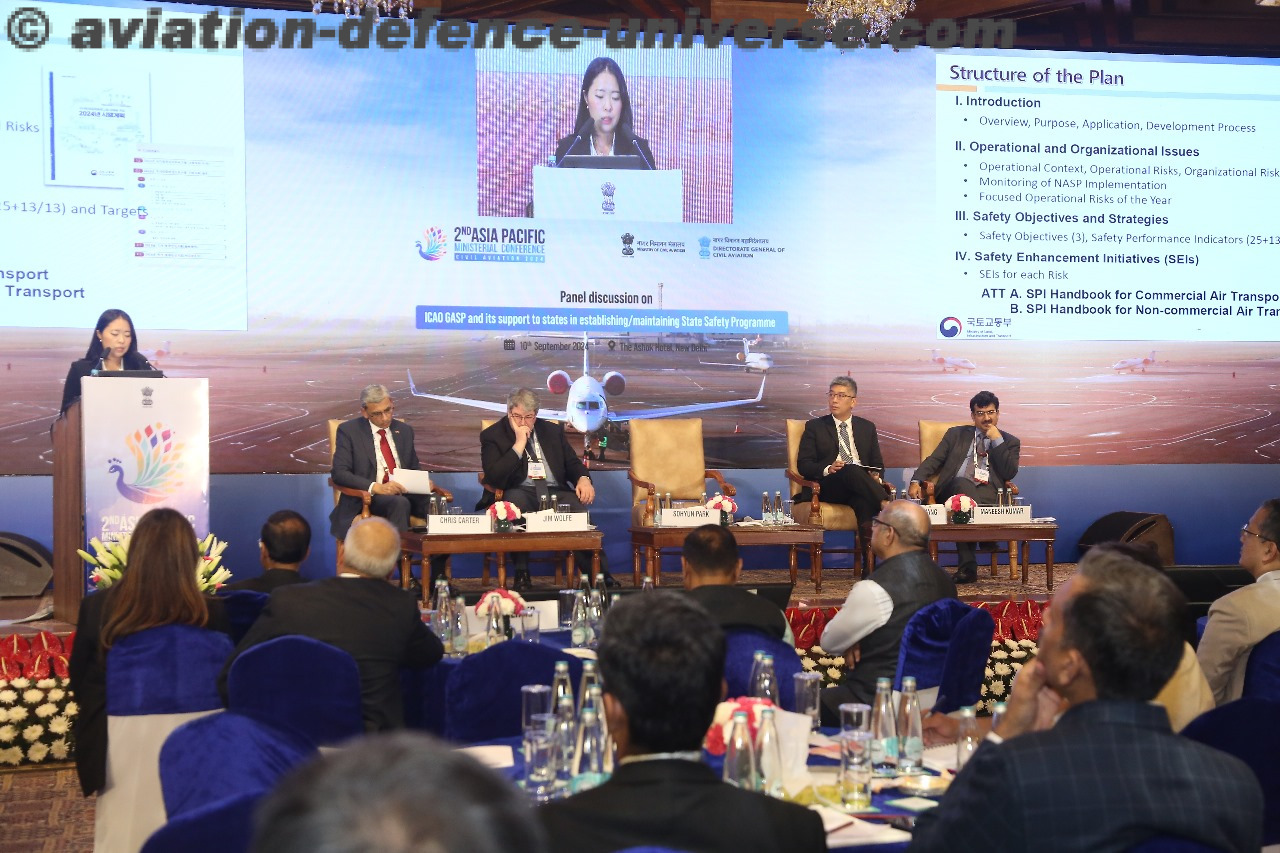 Despite its promising outlook, the civil aviation sector in the Asia-Pacific region faces several challenges. Rapid growth in air travel has placed significant strain on existing airport infrastructure, with many airports operating at or near capacity. Ensuring that infrastructure keeps pace with rising demand is a key challenge. The aviation industry is a significant contributor to greenhouse gas emissions. To address this, countries in the region are increasingly focusing on sustainability initiatives, including the use of Sustainable Aviation Fuel (SAF), carbon-neutral airports, and energy-efficient airport designs.
Regional security concerns and geopolitical tensions can disrupt air traffic and affect international air travel routes. Maintaining open skies and ensuring safe and secure air travel will be crucial for the long-term growth of the industry. The aviation industry requires a skilled workforce, including pilots, air traffic controllers, and aviation engineers. Meeting the demand for skilled professionals is another challenge for the region.
Minister Naidu concluded by calling for a collaborative effort among Asia-Pacific members to build a skilled aviation workforce, integrate advanced air mobility technologies, and ensure the sector’s sustainability. He expressed optimism for the adoption of the Delhi Declaration, which will serve as a roadmap for elevating aviation in the Asia-Pacific region.
The Asia-Pacific region is also making strides in sustainability, with efforts to reduce carbon emissions and adopt greener technologies. Countries like India are focusing on incorporating SAF in their aviation industry, aiming to blend SAF with jet fuel for international flights. Airports in cities like Delhi, Mumbai, and Cochin have achieved carbon-neutral status, setting an example for other countries to follow. The region is aligning with ICAO’s goal of achieving net-zero carbon emissions by 2050. Collaborative efforts are underway to promote energy-efficient infrastructure and green aviation practices across the region.
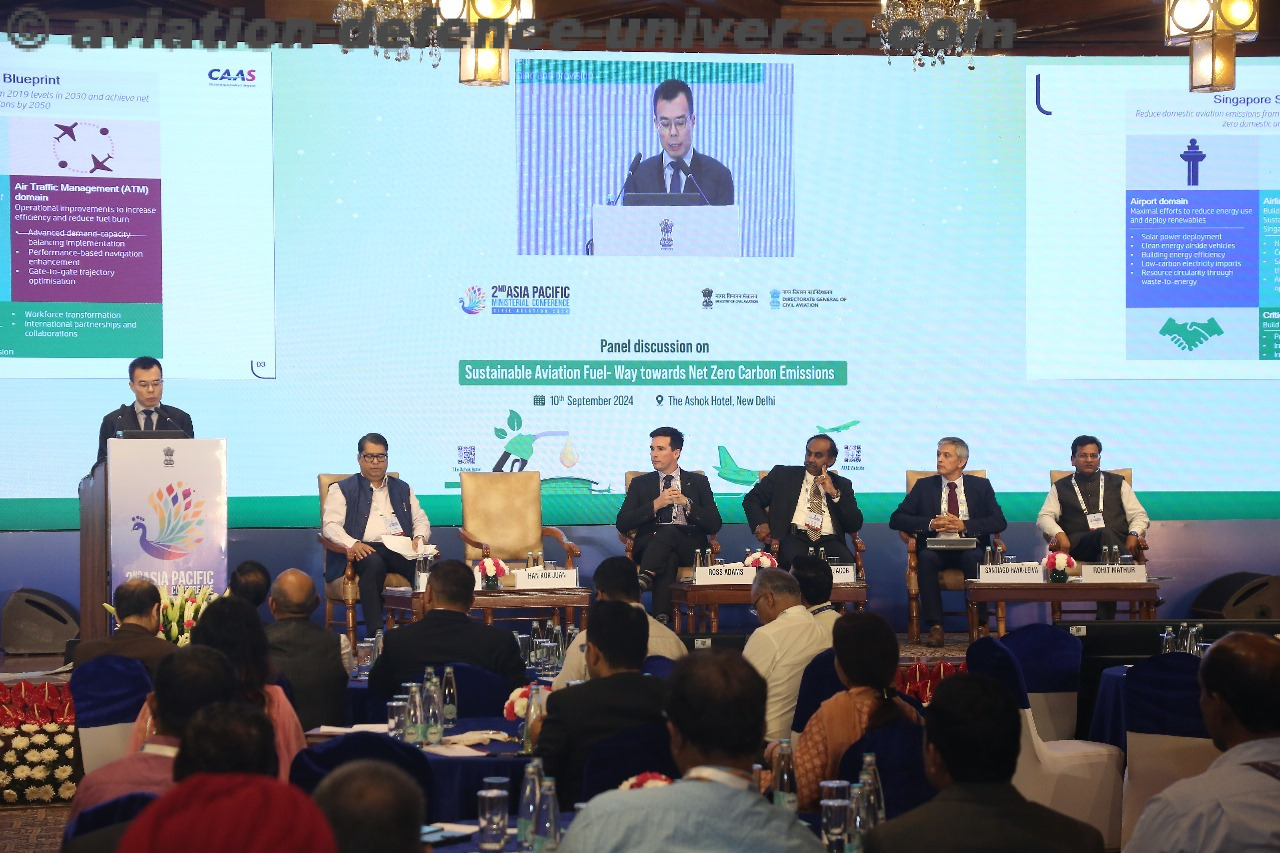 Addressing the Gathering, President, International Civil Aviation Organization (ICAO), Salvatore Sciacchitano expressed his gratefulness to the Government of India for hosting this important conference in collaboration with ICAO’s Asia Pacific Regional Office. According to him as we mark the 80th anniversary of the Chicago Convention, this gathering is crucial for addressing new challenges in global aviation, especially in the Asia Pacific region, which accounts for 32% of global traffic and holds immense growth potential. He also mentioned that the region has shown remarkable resilience, surpassing pre-pandemic traffic levels by early 2024, significant challenges remain. He called for collaboration to close this gap and ensure the aviation sector’s sustainable growth.
Recognising the impact of Climate change which is another pressing issue. The President shared that ICAO has set the goal of achieving net-zero carbon emissions by 2050. According to him, Countries like India are leading the way with Sustainable Aviation Fuel (SAF) initiatives, and this conference’s Delhi Declaration must symbolize our commitment to safety, sustainability, and innovation in the aviation sector.
The civil aviation sector in the Asia-Pacific region is on a robust growth trajectory, with the potential to become the largest aviation market in the world by 2035. Economic expansion, rising demand for air travel, and strategic government investments are driving this growth. However, the region faces several challenges, including infrastructure constraints, environmental concerns, and the need for skilled labor.
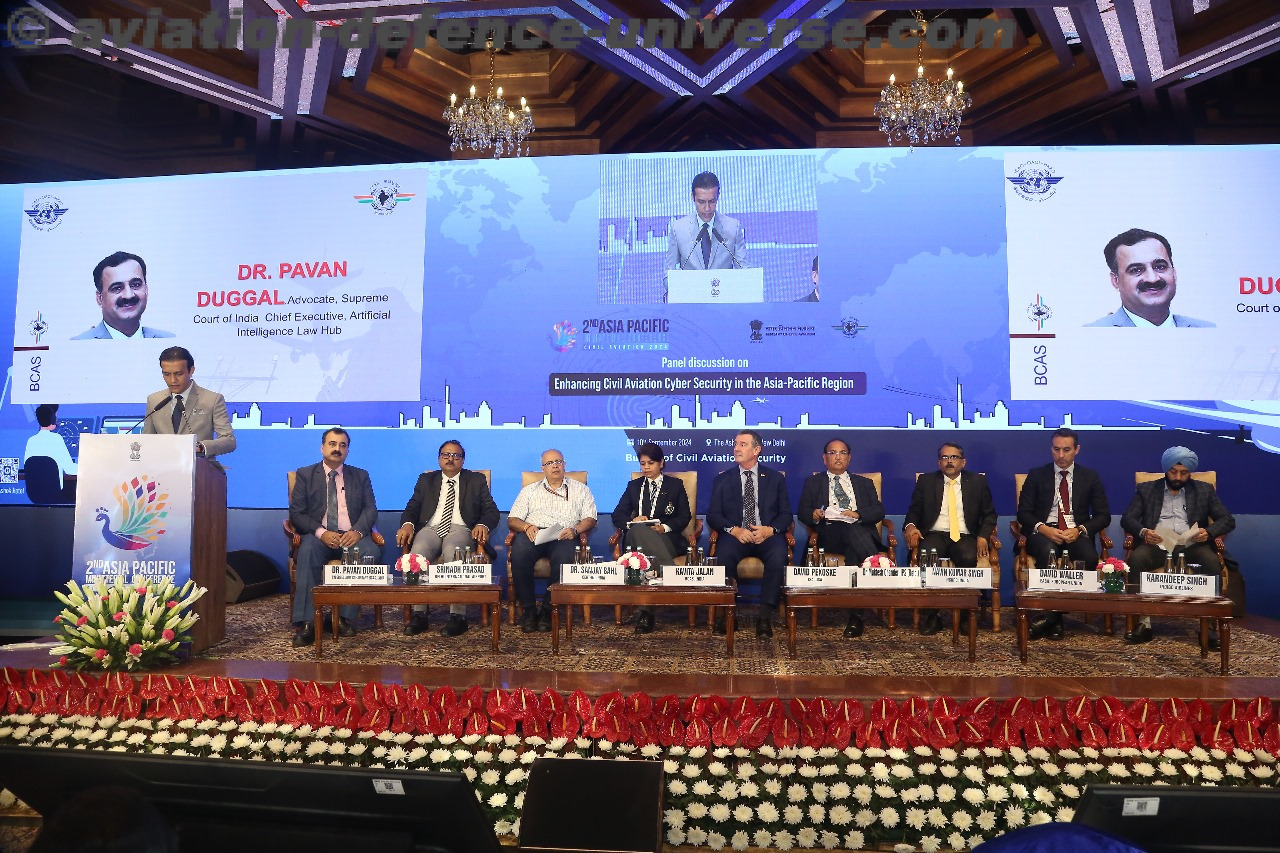 Vumlunmang Vualnam, Secretary, Ministry of Civil Aviation, in his welcome address, stated, “ as we celebrate 80 years of ICAO, it is a moment to reflect on how far we have come and how robust our journey has been, despite the challenges faced in the past. Civil aviation in the Asia Pacific region holds great potential for growth, and this conference offers a platform to address key issues and opportunities collaboratively ”.
Highlighting the importance of the conference the Minister said, “It focusses on unlocking the potential of the region, building robust partnerships, and addressing critical challenges such as infrastructure development, market gaps, sustainability, and workforce shortages. Along with symposiums and seminars on a wide range of important subjects like Airspace Optimization, Cyber Security, and Net Zero Carbon Emissions, there were also drone shows to showcase India’s innovation might and cultural programs to highlight India’s rich cultural heritage, embodying the spirit of Vasudev Kutumbhakam.”
Recalling the 80th anniversary of ICAO and the Chicago Convention, the minister remarked, “It was an honor for the country to celebrate this milestone in India as part of the conference, reflecting India’s growing position on the global aviation map.” He emphasized that the conference offered an opportunity to foster greater cooperation between the public and private sectors, airlines, regulatory bodies, and industry experts across the Asia-Pacific. By working together, shared challenges could be addressed, and the full potential of the region’s aviation sector could be unlocked.
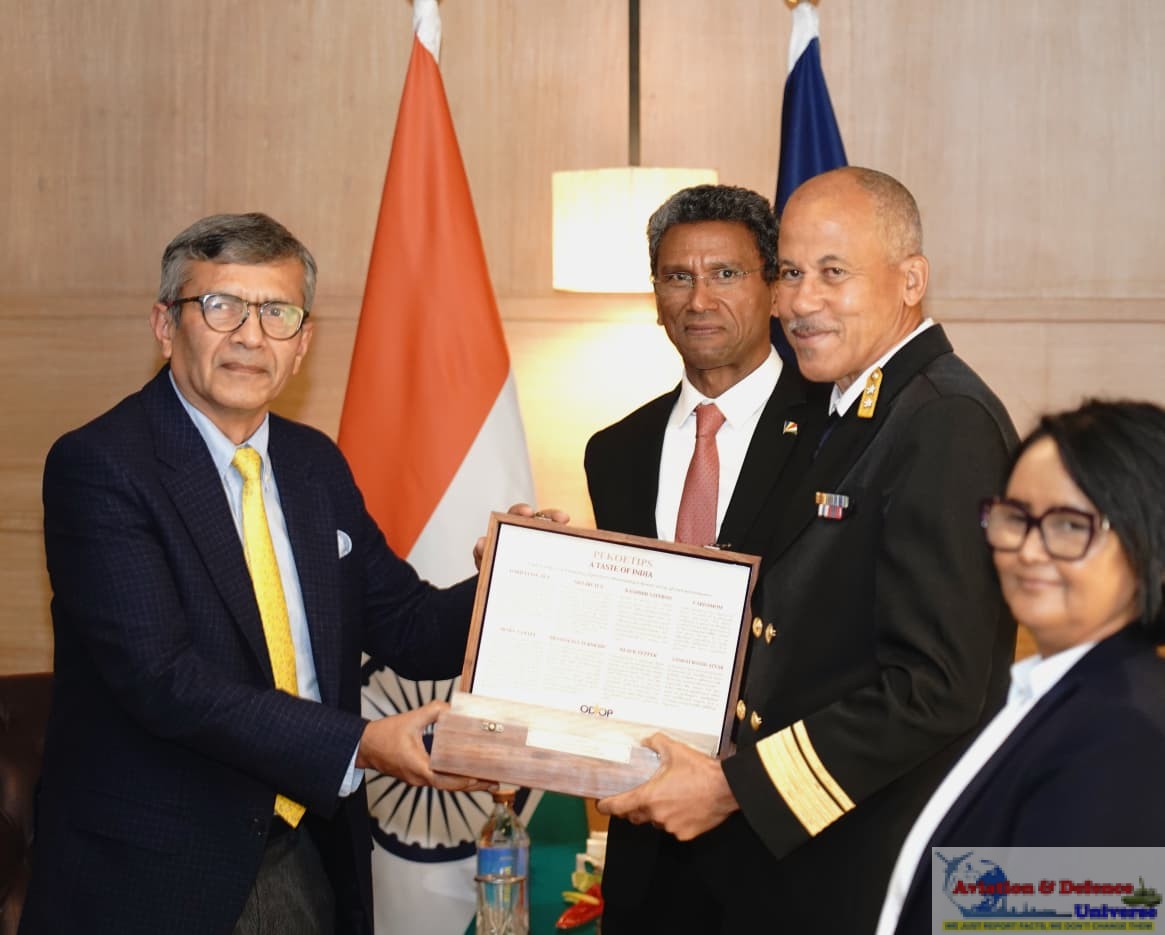
 He extended a heartfelt welcome to all the delegates from countries such as Bhutan, Cambodia, China, the Democratic Republic of Korea, Fiji, India, Japan, Lao PDR, Maldives, Nepal, Palau, the Philippines, the Republic of Korea, Samoa, Singapore, the Solomon Islands, Tonga, and Vietnam, the President of ICAO, along with Heads of Organizations from the Association of Asia Pacific Airlines (AAPA), Civil Air Navigation Services Organisation (CANSO), Airports Council International (ACI), International Air Transport Association (IATA), European Civil Aviation Conference (ECAC), European Union Aviation Safety Agency (EASA), Transport Security Administration (TSA), Federal Aviation Administration (FAA), African Civil Aviation Commission (AFCAC), and ICAO Council Representatives from Australia, Brazil, China, the Republic of Korea, Singapore, and Nigeria, Director Generals and Deputy Director Generals, and equivalents from Civil Aviation Authorities of Cambodia, China, China (Hong Kong), China (Macao), Fiji, Indonesia, Lao PDR, Malaysia, Maldives, Nepal, Papua New Guinea, the Philippines, Samoa, Singapore, the Solomon Islands, Sri Lanka, Thailand and Tonga.
Naidu felt that the conference facilitated a valuable exchange of ideas and fostered new partnerships to strengthen collective commitments to advancing civil aviation, not only within individual nations but throughout the Asia-Pacific region. He expressed optimism that shared aspirations and priorities would lead to the adoption of the ‘Delhi Declaration,’ addressing commitments toward air safety, air navigation, security, and sustainability in the civil aviation sector, serving as a roadmap for elevating aviation in the region to new heights.
The future of civil aviation in the Asia-Pacific will depend on continued collaboration among nations, technological innovation, and a focus on sustainability. If these factors align, the region will not only be a leader in global aviation but also set the standard for sustainable, safe, and efficient air travel in the coming decades.