











- ₹28,840 crore outlay to support affordable flying, develop 100 airports, strengthen last-mile connectivity, and build a future-ready regional aviation ecosystem
- Scheme period: FY 2026–27 to FY 2035–36
- Total outlay: ₹28,840 crore through budgetary support of the Government of India
- 100 airports to be developed from existing unserved airstrips
- O&M support for approximately 441 aerodromes to improve sustainability
- 200 modern helipads proposed for hilly, remote, island and aspirational regions
- ₹10,043 crore proposed as Viability Gap Funding support for airline operators over 10 years
- Support for indigenous aviation capacity through procurement of HAL Dhruv helicopters and HAL Dornier aircraft
In a major step towards strengthening regional air connectivity and widening the reach of affordable aviation, the Union Cabinet under the transformative leadership of Hon’ble Prime Minister Narendra Modi Ji today approved the launch and implementation of the Regional Connectivity Scheme – Modified UDAN. The scheme will be implemented over a 10-year period from FY 2026–27 to FY 2035–36, with a total outlay of ₹28,840 crore through budgetary support from the Government of India.
The approval of Modified UDAN marks an important new phase in India’s civil aviation journey. It reflects the Government’s commitment to ensuring that the benefits of aviation are not confined to major metropolitan centres, but are extended to smaller towns, remote regions, hilly areas, islands and aspirational districts. By expanding access to air connectivity, the scheme seeks to bring citizens, markets, services and opportunities closer together, while reinforcing aviation as a key enabler of inclusive growth, social mobility and national integration.
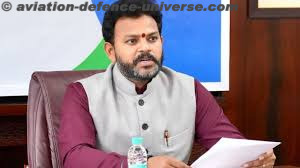
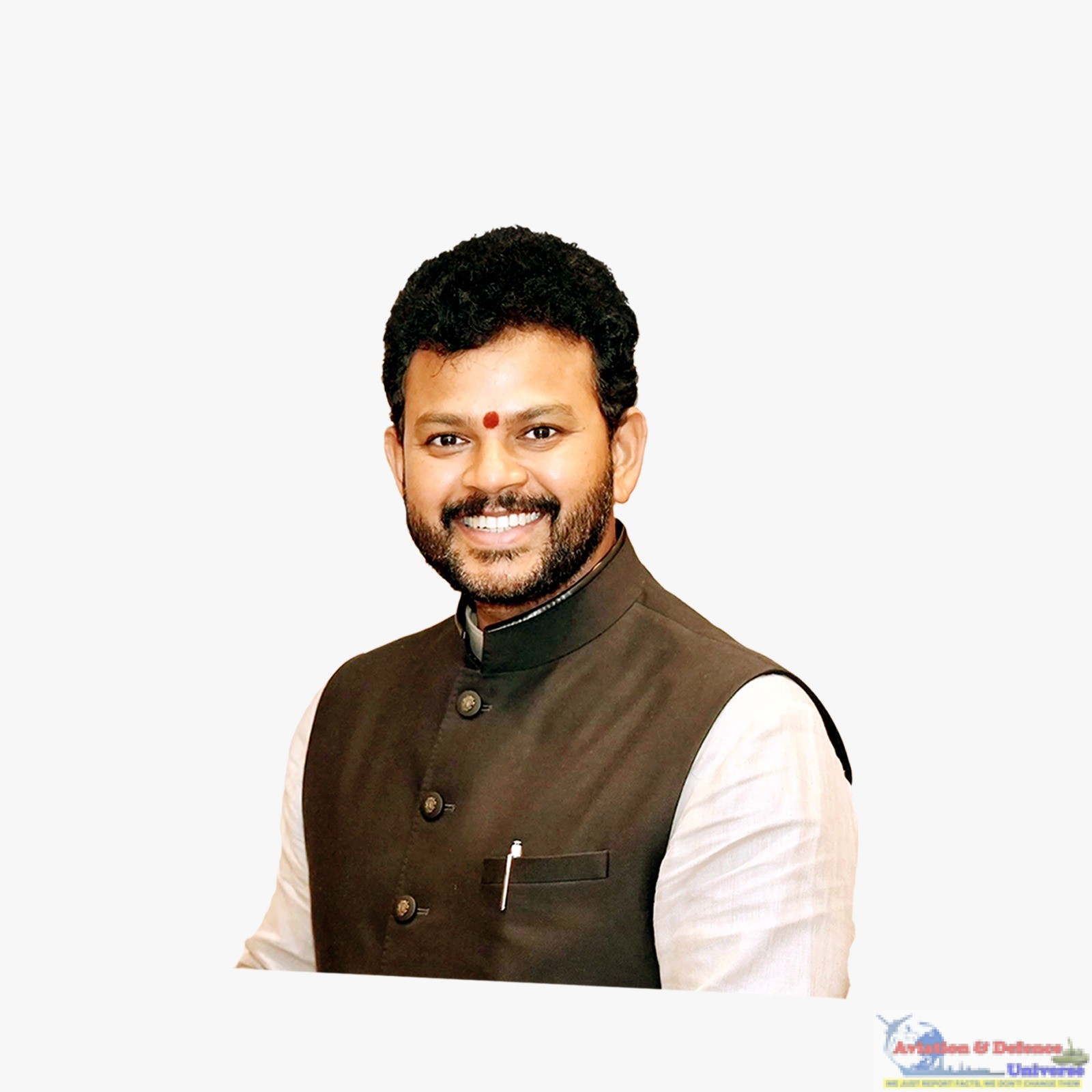
Welcoming the cabinet approval, Hon’ble Minister for Civil Aviation, Ram Mohan Naidu Ji, said, “Today’s Cabinet approval for the Modified UDAN Scheme has given a renewed thrust to Hon’ble Prime Minister Shri Narendra Modi Ji’s commitment to make air travel more inclusive. The UDAN scheme was launched in 2016 with Hon’ble PM’s vision to democratize flying in the country. And today’s historic decision to allocate unprecedented budgetary support of 28840 crore reflects NDA Government’s strong belief and commitment in Viksit UDAN as a pathway to Viksit Bharat. Modified UDAN has been envisioned as a further enabler for connecting Tier 2 & 3 cities to the country’s aviation map in a sustainable manner. UDAN airports will now be developed under Challenge Mode, setting new benchmarks in timely completion, quality, innovation and sustainability. And the ultimate beneficiary of better infrastructure and affordable travel will be the common man, bringing the Hon’ble PM’s vision of ‘Ude Desh ka Aam Nagrik’ to reality”.
As on 25 March 2026, a total of 663 routes have been operationalised across 95 airports, heliports and water aerodromes under UDAN. More than 3.44 lakh flights have been operated, carrying over 163 lakh passengers. The scheme has improved connectivity in remote, hilly and island regions, supported tourism and emergency services, and encouraged the growth of regional airlines and diversified fleet operations. These achievements have created a robust platform for the next stage of regional aviation expansion under Modified UDAN.
Hon’ble MoS, Murlidhar Mohol stated, “I welcome and appreciate the cabinet’s approval for the Modified UDAN scheme announced in the Union Budget. Under the visionary leadership of Hon’ble Prime Minister Narendra Modi Ji, air travel is no longer a privileged access. The success of UDAN over the last nine years has demonstrated the power of regional connectivity in changing lives and opening up new opportunities. With Modified UDAN, we are building on that momentum through stronger infrastructure, enhanced viability support, and a sharper focus on last-mile connectivity.”
The Modified UDAN Scheme has been designed as a comprehensive and forward-looking intervention that addresses both infrastructure and operational challenges in regional aviation. It recognises that expanding connectivity requires not only new routes, but also stronger airport infrastructure, reliable operational support, better last-mile access, and a viable ecosystem for airline operators serving smaller markets.
Development of Aerodromes
A central pillar of the scheme is the development of aerodromes. Under Modified UDAN, 100 airports will be developed from existing unserved airstrips to enhance regional connectivity and support the expansion of aviation infrastructure across the country. This component aligns with the vision of Viksit Bharat 2047, which places strong emphasis on modern infrastructure, improved accessibility and the creation of a globally competitive aviation ecosystem. A total outlay of ₹12,159 crore has been proposed for this purpose over the next eight years.
Operation and Maintenance Support
Recognising that the viability of smaller aerodromes depends not only on their creation but also on their continued functioning, the scheme provides for Operation and Maintenance support. Many RCS-only aerodromes face high recurring costs alongside limited revenue streams in their initial years of operation. To address this challenge, Modified UDAN proposes O&M support for three years, capped at ₹3.06 crore per annum per airport and ₹0.90 crore per annum per heliport or water aerodrome. This component is estimated at ₹2,577 crore and is expected to support around 441 aerodromes.
Development of Modern Helipads
To improve access in regions where conventional airport infrastructure may not always be feasible, the scheme proposes the development of 200 modern helipads in hilly, remote, island and aspirational regions. These areas often face distinct connectivity constraints, particularly where speed and accessibility are critical for healthcare access, emergency response and public service delivery. With an estimated cost of ₹15 crore per helipad, the total projected outlay for this component is ₹3,661 crore over the next eight years.
Viability Gap Funding for Airlines
To support airline operators and encourage sustained route development, the scheme continues the provision of Viability Gap Funding. Under Modified UDAN, ₹10,043 crore has been proposed towards VGF over a 10-year period. Airlines will receive funding support for five years, with a tapered funding mechanism from the third year onward, while exclusivity of operations will continue to be limited to three years. This structure is intended to provide longer-term support for market development while encouraging progressive commercial sustainability.
Atmanirbhar Bharat and Indigenous Aviation Capacity
The scheme also incorporates an important Atmanirbhar Bharat dimension by supporting the acquisition of indigenous aviation assets required for operations in remote and difficult terrain. In order to address the shortage of small fixed-wing aircraft and helicopters suited to such routes, it has been proposed to procure two HAL Dhruv helicopters for Pawan Hans and two HAL Dornier aircraft for Alliance Air. This step is expected to strengthen regional operations while promoting the indigenous aerospace sector and advancing domestic manufacturing capability in aviation.
Expected Impact
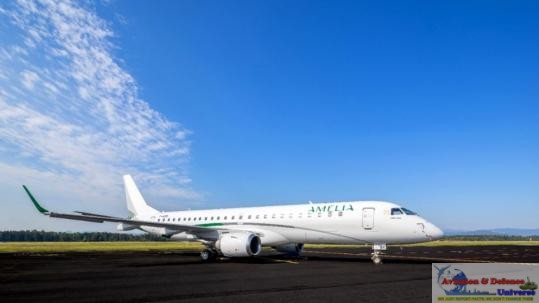
The expected impact of Modified UDAN is wide-ranging. The scheme is designed to enhance connectivity to underserved and unserved areas, support affordable air travel for ordinary citizens, and improve access to essential services in geographically challenging regions. It is also expected to catalyse economic activity in Tier-2 and Tier-3 cities by stimulating trade, tourism, investment and local enterprise. In addition, stronger regional aviation infrastructure and operational support will improve the viability of smaller aerodromes and regional airlines, thereby contributing to a more balanced and resilient aviation ecosystem.
Beyond aviation, the scheme is expected to generate broader developmental benefits. Better regional connectivity can help integrate local economies with larger markets, improve access to healthcare and emergency services, reduce travel time, and support social inclusion by connecting communities that have long remained at the margins of mainstream transport networks. In this sense, Modified UDAN is not merely a connectivity programme; it is also a development initiative that aims to bridge geographic gaps and expand opportunity across regions.
The approval of Modified UDAN reaffirms the Government of India’s resolve to build a civil aviation ecosystem that is modern, inclusive, sustainable and nationally transformative. By combining infrastructure creation, operational viability, last-mile access and indigenous capacity-building, the scheme lays the foundation for the next phase of regional aviation growth in India. It also advances the larger national aspirations of Atmanirbhar Bharat and Viksit Bharat 2047, while ensuring that the promise of affordable and accessible flying reaches every part of the country.