























- BonV Aero releases a policy white paper anchoring Rangeilunda Airstrip as a civilian-governed, regulator-trusted UAV validation ecosystem, moving India’s drone sector from isolated pilots to a structured national roadmap
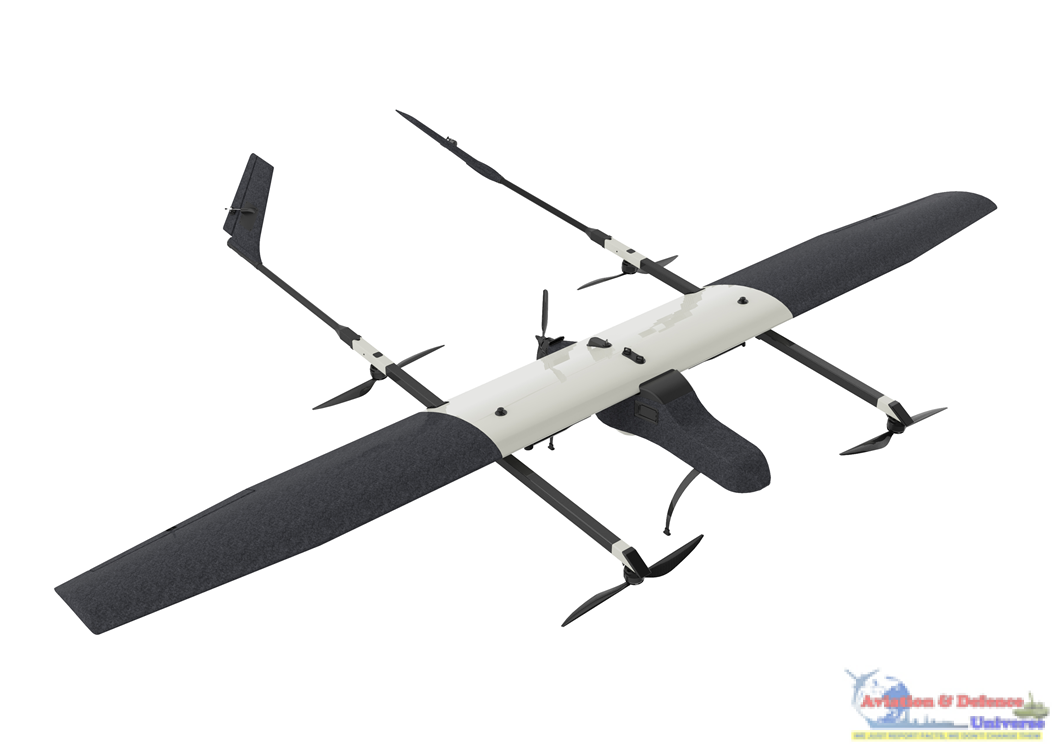
All India: Deep Tech drone manufacturing startup BonV Aero has released a comprehensive white paper establishing Odisha’s Rangeilunda Airstrip as India’s first commercial airport being developed as a live UAV testing and validation ecosystem. The paper, carrying a foreword by the Principal Secretary, Commerce & Transport Department, Government of Odisha, frames low-altitude airspace, the 0–1,000 metres AGL layer as productive national infrastructure analogous to highways or telecommunications spectrum.
Unlike isolated campus facilities or project-specific waivers, Rangeilunda is a live civilian airspace environment where UAV platforms can be tested alongside operational aviation systems under public regulatory oversight. The white paper outlines a phased roadmap from Extended Visual Line of Sight (EVLOS) through corridor-based BVLOS, designed to generate auditable safety evidence that directly informs DGCA rulemaking, rather than bypassing it.
“For India to fully realise the low-altitude economy, drones must be tested not just for performance, but for how they integrate with real airspace, real institutions, and real public needs. Rangeilunda offers that rare opportunity where technology, governance, and operations can evolve together,” said Satyabrata Satapathy, Founder & CEO, BonV Aero.
By enabling drone systems to be tested under real operational conditions, the Rangeilunda ecosystem is expected to generate a range of public goods extending beyond the UAV industry itself. These include the creation of a specialised technical workforce, the emergence of MSME supply chains in electronics, composites and software, and improved state capabilities in areas such as disaster response, infrastructure monitoring, and medical logistics.
As the facility operates within live civilian airspace under regulatory oversight, every validated operation generates safety data, procedures, and standards that help regulators scale drone operations responsibly—effectively transforming low-altitude airspace into a productive national infrastructure layer.
“This white paper reflects how the low-altitude economy can move from policy intent to operational reality. By using an existing public aviation asset like Rangeilunda, Odisha is demonstrating how drone ecosystems can be governed, tested, and scaled responsibly within civilian airspace,” said Baibhav Patel, Head, Government Affairs, BonV Aero.
Aligned with FAA, EASA, ICAO, and UK CAA frameworks (2024–25), the paper is intended to inform national rulemaking and serve as a replicable state-led model under the oversight of DGCA.