











- Changing Dynamics in India’s Neighbourhood: Panel Examines Pakistan’s Strategic Playbook
- Pakistan Between Powers: How Islamabad Navigates China, the US and the Region
By Sangeeta Saxena
New Delhi. 12 March 2026. Pakistan’s strategic thinking and doctrinal evolution in the aftermath of Operation Sindoor has become an important subject of debate within India’s strategic community. As military operations often trigger institutional introspection and recalibration within armed forces, analysts and policymakers are increasingly examining how Pakistan may adapt its defence doctrine, external alignments and regional posture in response to changing security dynamics. Understanding these shifts is particularly relevant for India as it assesses future operational preparedness, deterrence strategy and diplomatic engagement in South Asia.
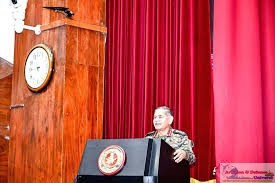
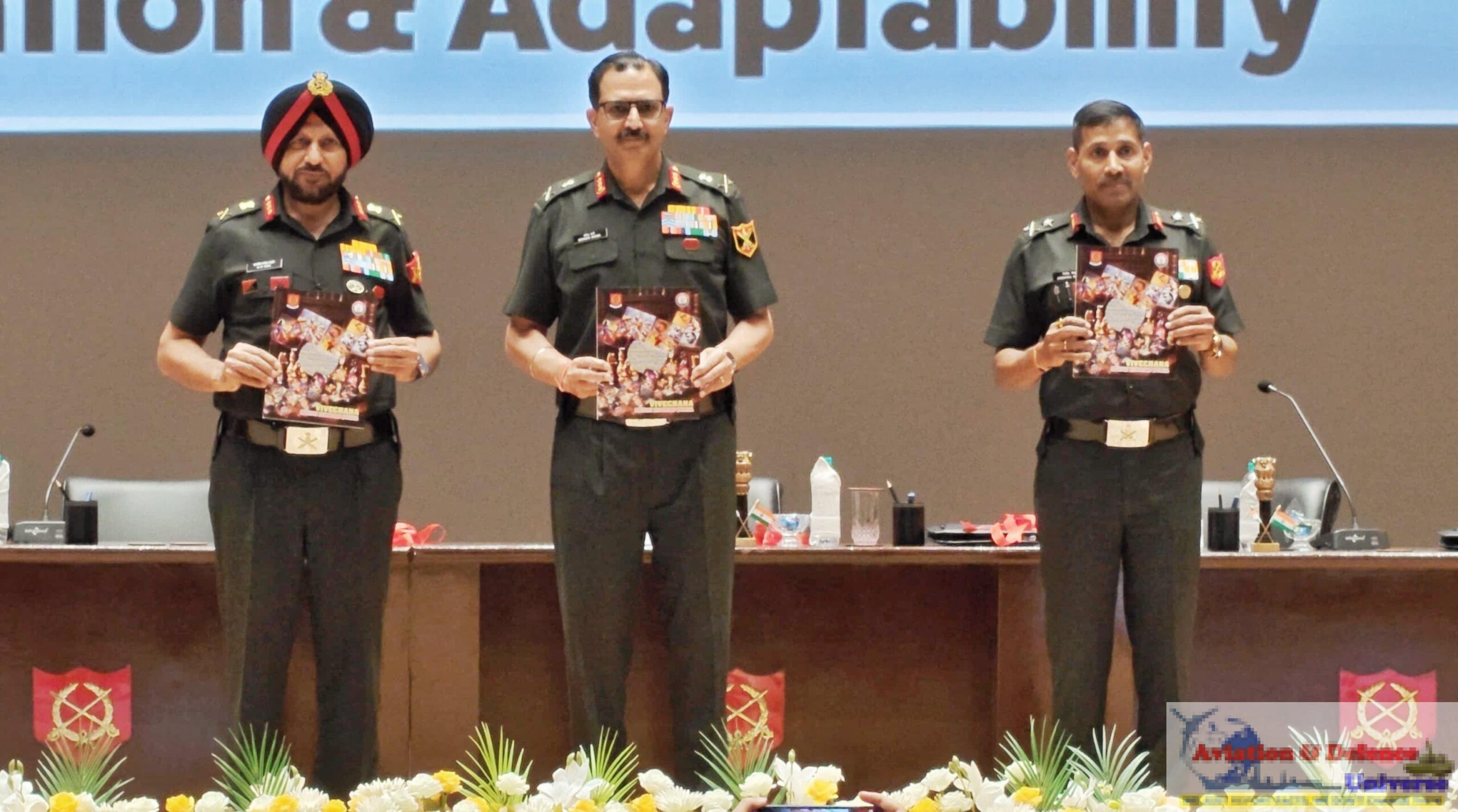
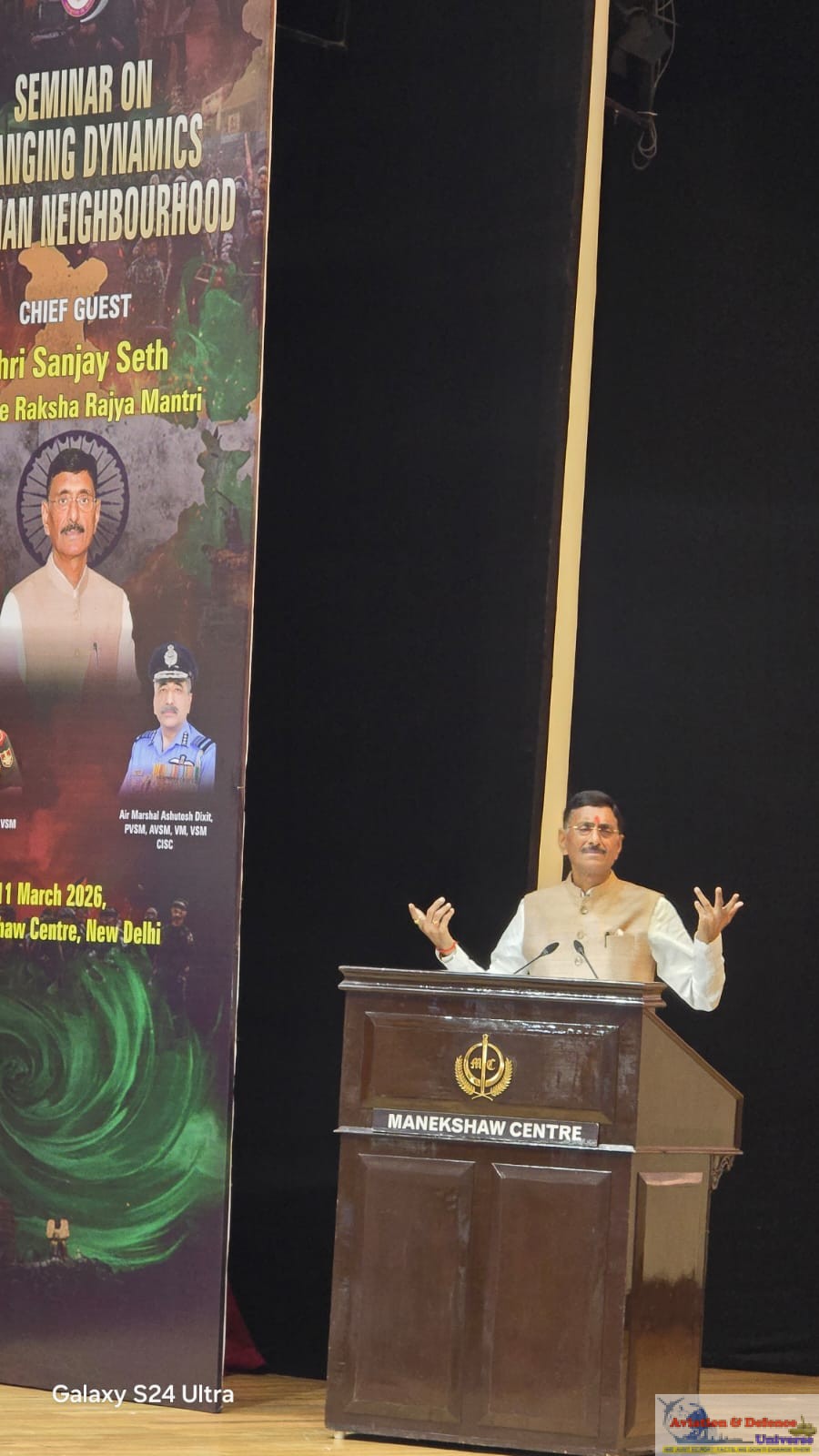
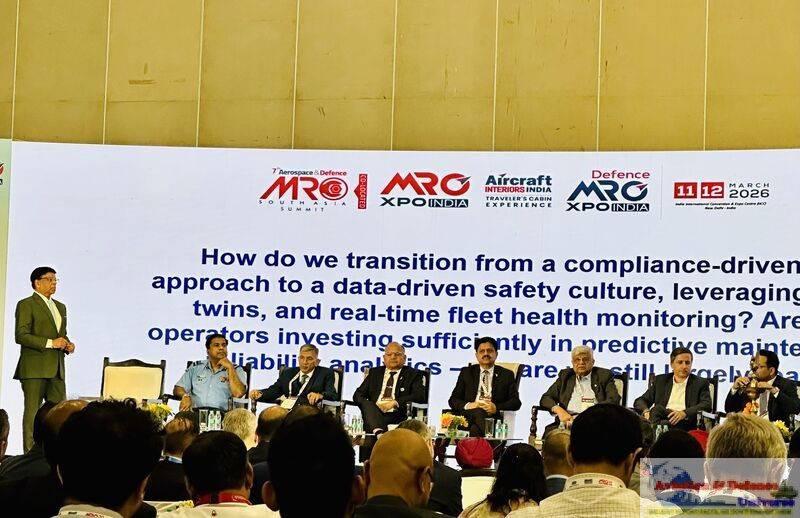
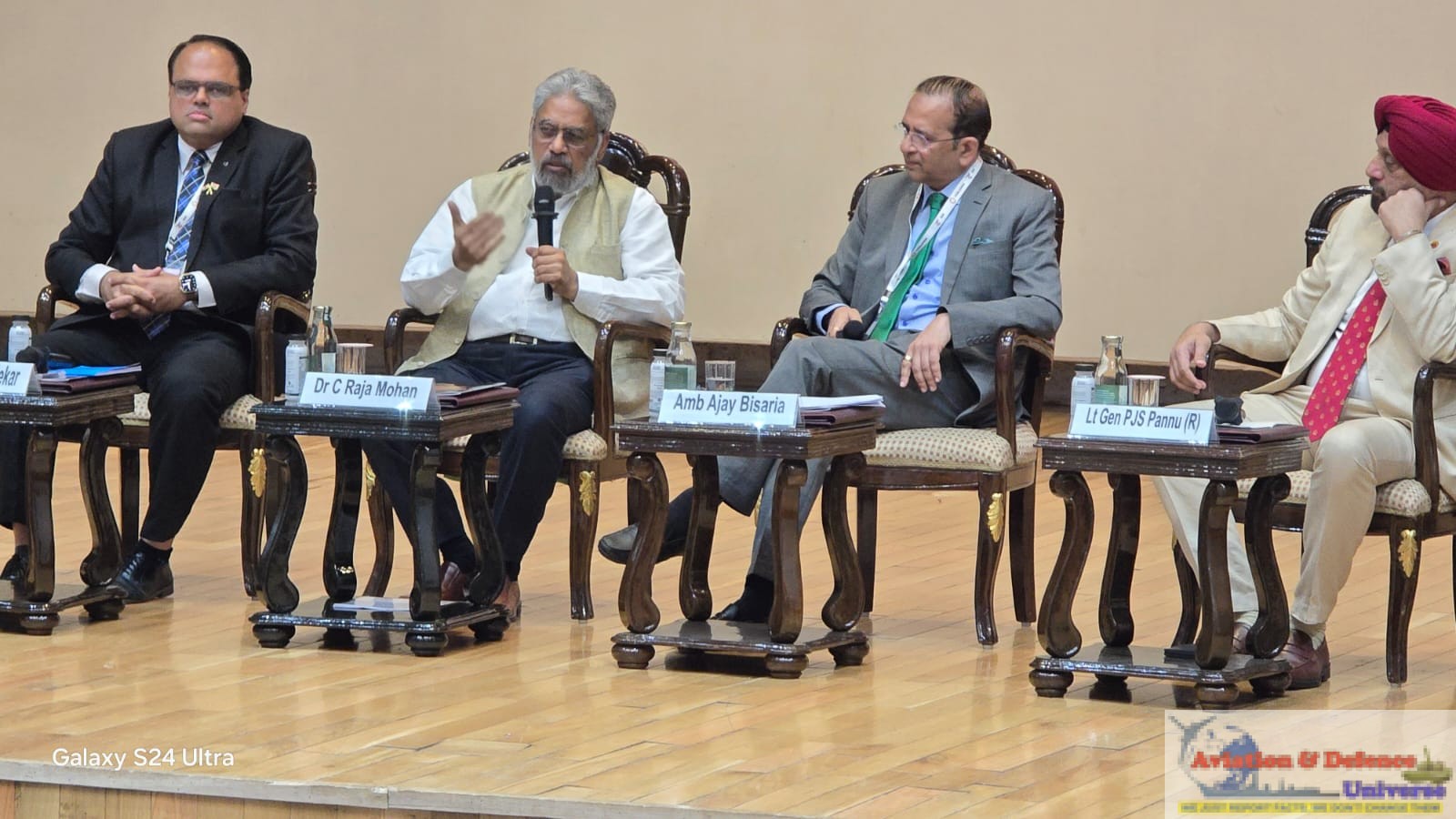
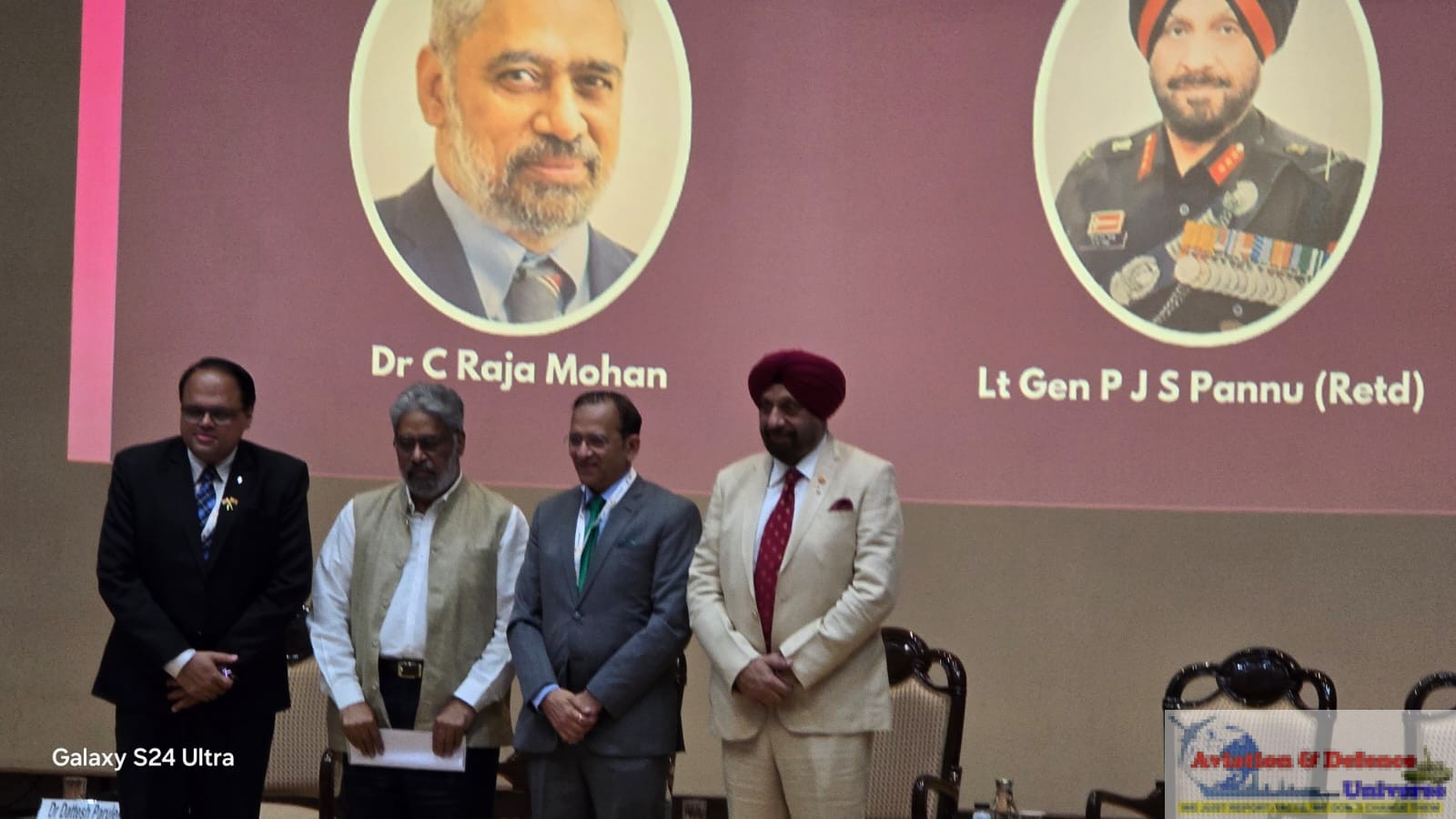 It came under detailed scrutiny during a high-level strategic session at the Seminar on “Changing Dynamics in India’s Neighbourhood” organised by the Centre for Joint Warfare Studies (CENJOWS). The seminar marked the 25th anniversary of Headquarters Integrated Defence Staff (HQ IDS) and brought together diplomats, military leaders, strategic scholars and policymakers to assess emerging security challenges in India’s immediate neighbourhood.
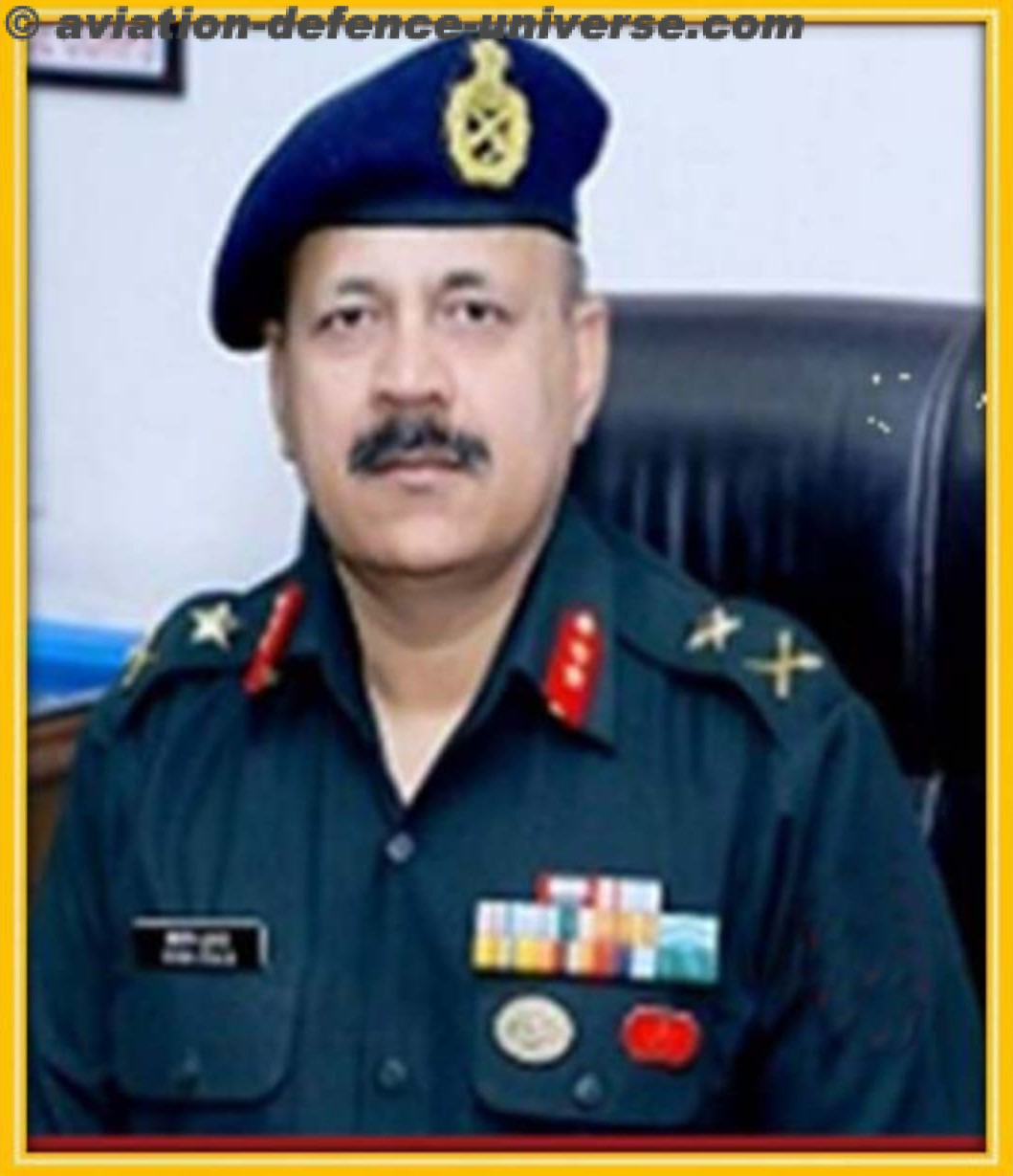
The session featured an eminent panel comprising Ambassador Ajay Bisaria, Dr. C. Raja Mohan, Lt. Gen PJS Pannu and Dr. Dattesh Parulekar. Their discussion examined Pakistan’s external partnerships, doctrinal recalibration, and the implications for India’s security planning in an increasingly complex regional environment.
 At the heart of the debate was a fundamental question: how should India interpret Pakistan’s evolving strategic posture in a world where regional alignments and great-power competition are reshaping South Asia’s security architecture. One of the central themes of the discussion was Pakistan’s ability to maintain relationships with both the United States and China, even as competition between the two global powers intensifies.
Historically, Pakistan has navigated a delicate balance between these two actors. While Beijing has emerged as Islamabad’s closest strategic partner in recent years—particularly through defence cooperation and infrastructure initiatives—Washington continues to engage Pakistan on issues ranging from counter-terrorism to developments in Afghanistan.
Strategic analyst C. Raja Mohan observed that China’s approach toward Pakistan reflects a level of strategic confidence rarely extended to other countries. For decades, Beijing has frequently questioned India’s growing partnership with the United States, yet it has rarely raised concerns about Pakistan’s long-standing security relationship with Washington. According to Mohan, this reflects Beijing’s belief that it retains significant leverage over Islamabad.
However, the panel cautioned that Pakistan’s ability to play both sides may not remain sustainable indefinitely. If tensions between Washington and Beijing intensify significantly, Islamabad could find itself facing difficult strategic choices. The panel also examined Pakistan’s diplomatic engagement with the Arab world and its attempts to leverage those relationships to strengthen its strategic narrative.
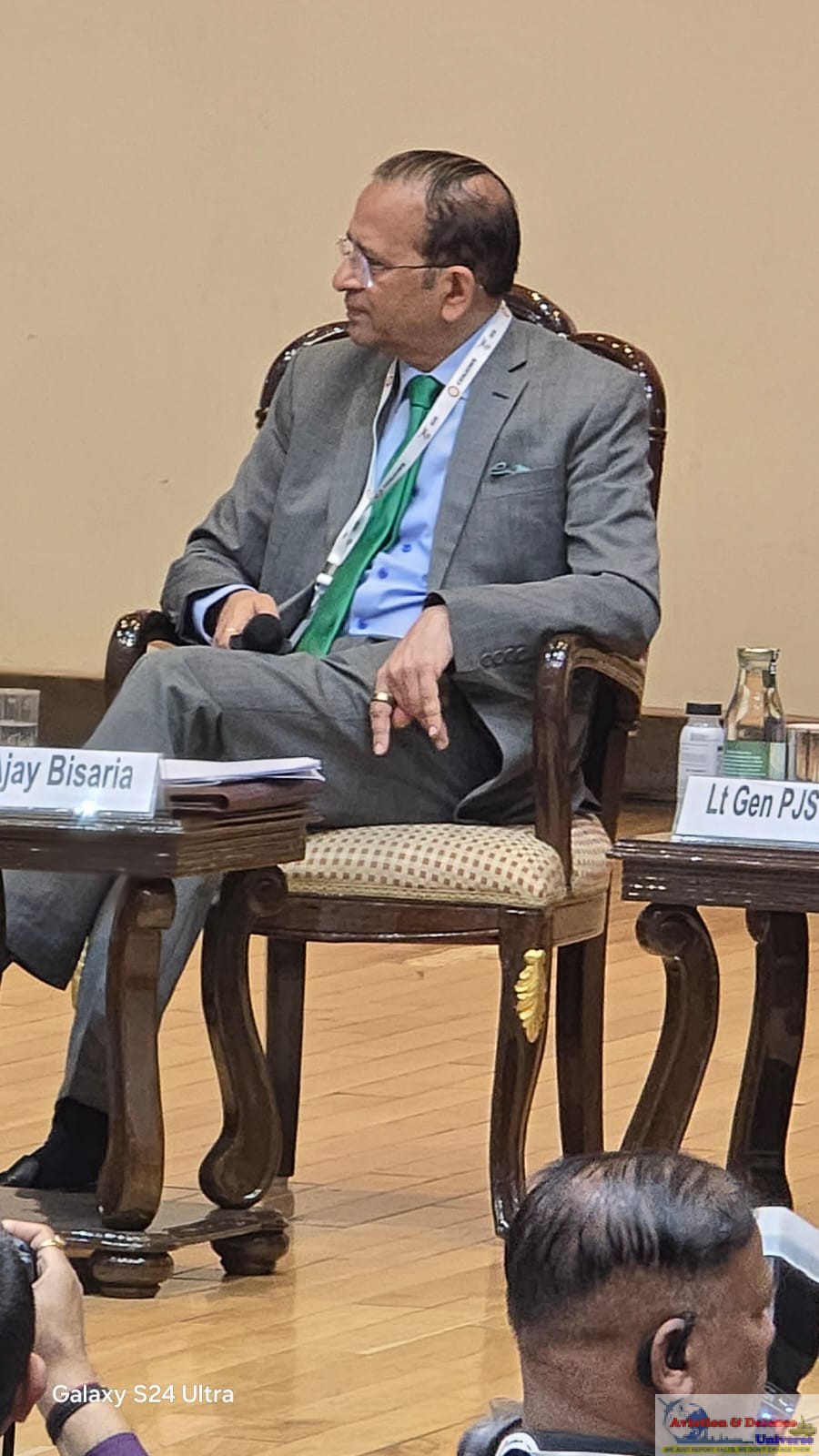 Ambassador Ajay Bisaria highlighted that despite Pakistan’s efforts, the geopolitical landscape in West Asia has shifted considerably in India’s favour. India’s deep economic engagement, energy partnerships and the presence of a large Indian diaspora across the Gulf have strengthened New Delhi’s relations with Arab states. These ties have created a strong foundation for cooperation across trade, energy security and technology.
Even countries traditionally viewed as close to Pakistan have refrained from supporting Islamabad on sensitive political issues involving India. For instance, Saudi Arabia has avoided taking positions on the Kashmir issue in the manner Pakistan had once hoped. According to Bisaria, India’s measured diplomatic approach—emphasising stability, cooperation and mutual respect—has helped sustain trust with Gulf partners while avoiding unnecessary geopolitical friction.
Another key theme of the session was the enduring strategic partnership between China and Pakistan. Dr. Dattesh Parulekar argued that while this relationship remains a significant element of South Asia’s strategic landscape, India should avoid allowing it to dominate its policy thinking. Instead, India must focus on strengthening its own diplomatic and economic engagement across the region.
Recent developments in India’s outreach to neighbouring countries—including Sri Lanka, Maldives and Bangladesh—demonstrate a shift toward a more proactive regional strategy. By reinforcing its role as a stabilising power in South Asia, India can gradually offset the strategic influence created by the China–Pakistan partnership. Parulekar emphasised that countering the China–Pakistan alignment requires India to strengthen its regional leadership rather than simply reacting to Islamabad’s external relationships.
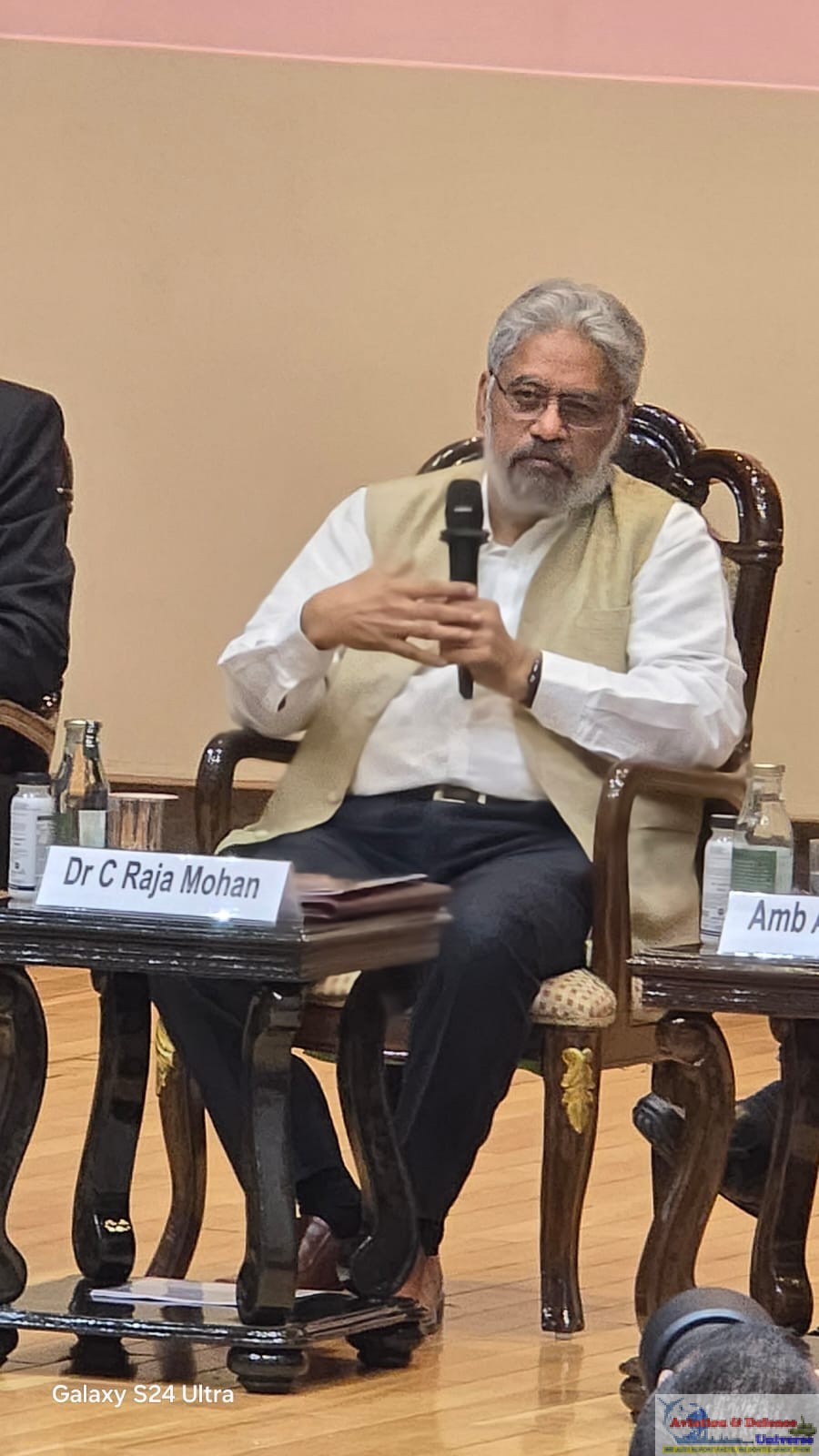 Dr. C. Raja Mohan highlighted the widening structural gap between India and Pakistan, particularly in economic terms. India’s economy has expanded rapidly over the past two decades, while Pakistan has struggled with economic stagnation and fiscal instability. Today, India’s economy is several times larger than Pakistan’s and continues to attract deeper partnerships with major global powers.
Countries such as the United States and the Gulf states now maintain far stronger economic, technological and security ties with India than with Pakistan. As a result, these countries are unlikely to compromise their growing engagement with India in order to support Pakistan’s strategic interests.
Raja Mohan argued that India should therefore avoid allowing Pakistan to dominate its strategic thinking. Instead, New Delhi should concentrate on strengthening its military capability, economic power and diplomatic outreach. He also suggested that India must develop a deeper understanding of Pakistan’s internal political landscape in order to shape long-term engagement strategies.
The discussion ultimately underscored a key lesson for Indian policymakers: Pakistan’s evolving doctrine and external partnerships must be analysed carefully, but they should not become the central determinant of India’s strategic thinking.
 India’s growing economic strength, expanding diplomatic reach and improving military capabilities provide it with significant leverage in shaping the regional balance. Rather than reacting to Pakistan’s relationships with other global powers, India’s policy must focus on reinforcing its own strategic advantages.
The CENJOWS seminar provided a valuable platform for examining how Pakistan’s strategic doctrine may evolve in the aftermath of Operation Sindoor and what that means for India’s national security. As South Asia continues to navigate an increasingly complex geopolitical environment marked by great-power competition and shifting regional alliances, India’s response will need to combine strategic patience with proactive diplomacy.
The consensus among the panellists was clear: India’s long-term success in managing the Pakistan challenge will depend not on reacting to Islamabad’s global alignments, but on strengthening its own economic, military and diplomatic foundations. In a rapidly evolving regional order, strategic clarity and confidence will remain India’s most effective tools.