














- India Must Build Strong Domestic MRO Ecosystem
- World-Class MRO Infrastructure a must for Aviation Boom
By Sangeeta Saxena
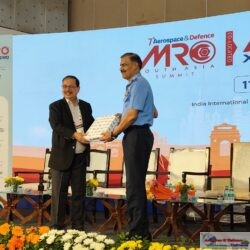
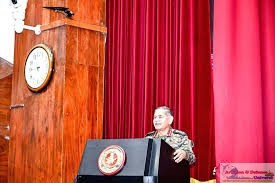
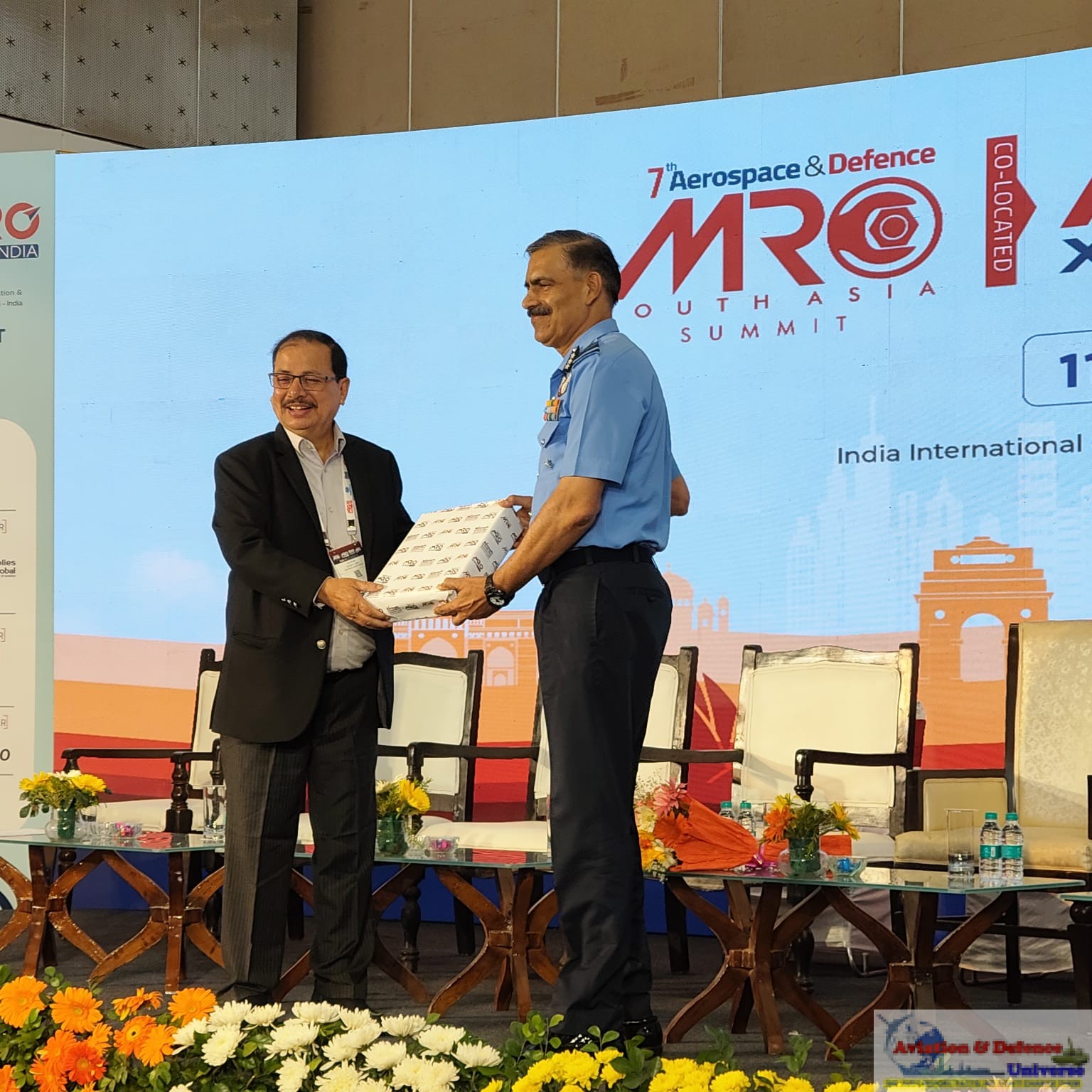
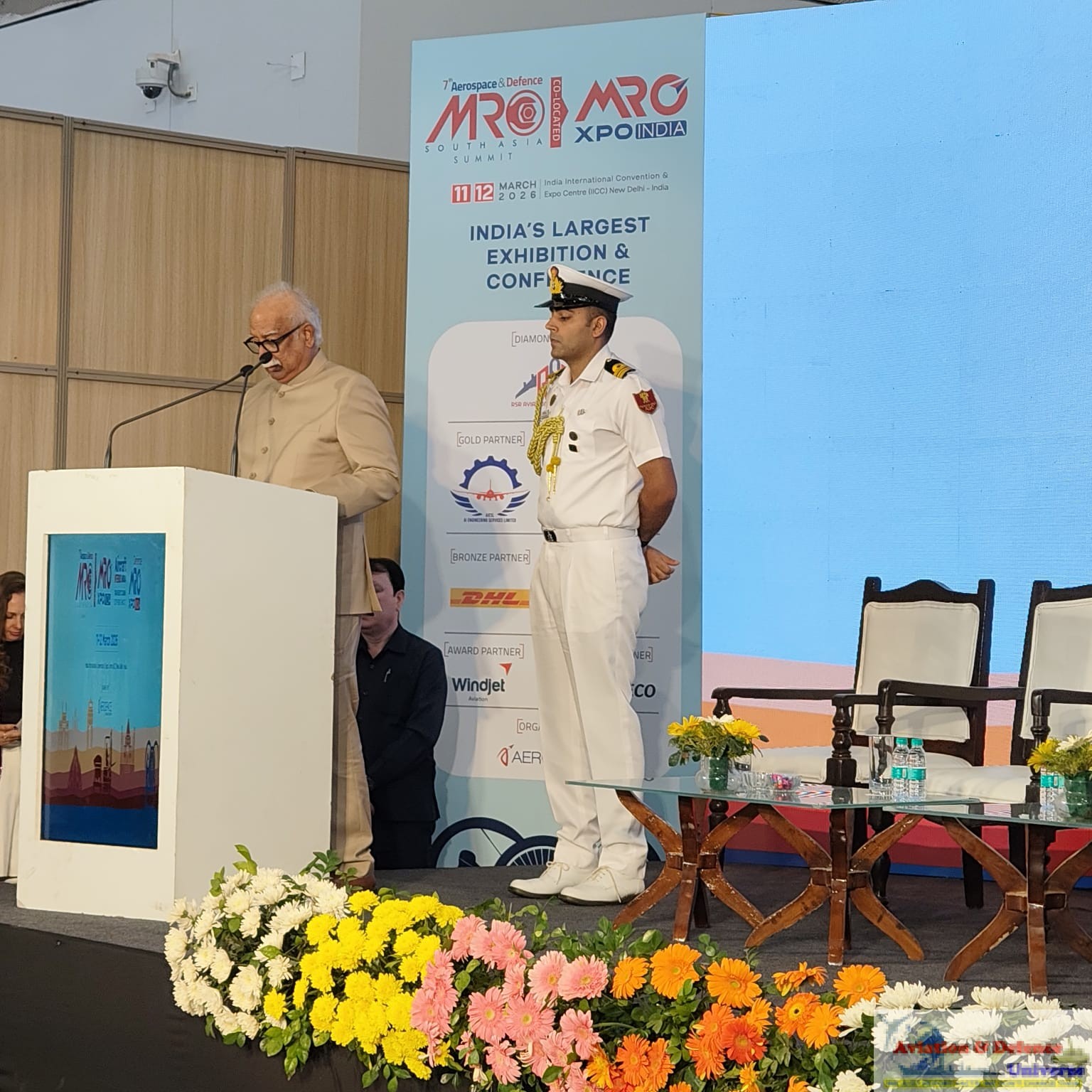
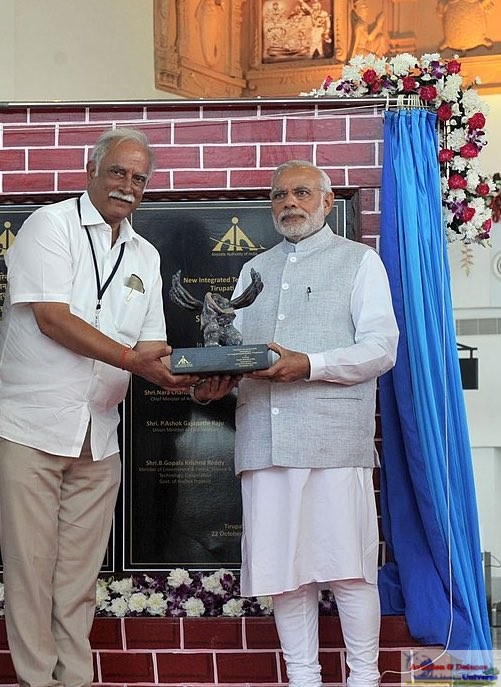
New Delhi. 11 March 2026. India’s rapidly expanding aviation sector must be supported by a robust domestic maintenance ecosystem if the country is to emerge as a global aerospace power, said Pusumati Ashok Gajapathi Raju while addressing the 7th Aerospace & Defence MRO South Asia Summit 2026 . Governor Raju, who played a significant role in shaping India’s civil aviation policy during his tenure as Union Civil Aviation Minister, emphasised that the next phase of India’s aviation growth must focus on building strong domestic Maintenance, Repair and Overhaul (MRO) capabilities to support both civil and defence aviation sectors.
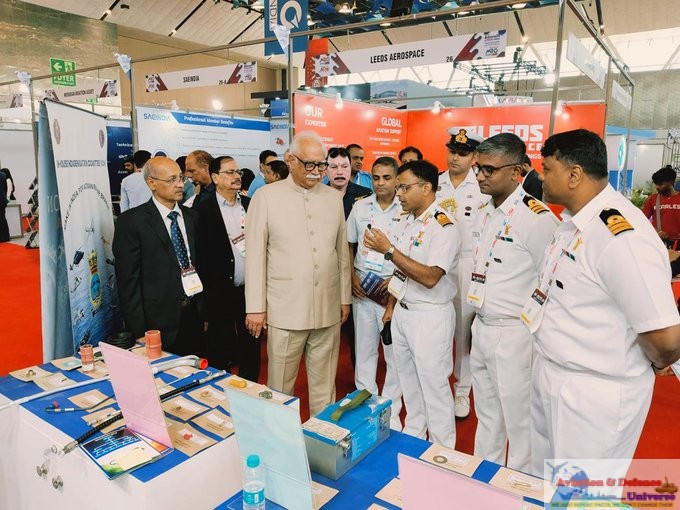 Reflecting on India’s aviation progress over the past decade, he noted the extraordinary transformation of the sector. “India’s aviation journey over the past decade has been one of remarkable transformation. The country today stands amongst the fastest-growing aviation markets in the world. Passenger numbers have expanded rapidly, airline fleets are growing at an unprecedented scale, and airport infrastructure across the country is undergoing continuous modernisation and expansion.”
He added that aviation has become a major driver of national growth, “Regional connectivity has brought aviation closer to millions of citizens who were once outside the reach of air travel. Civil aviation has therefore evolved from being merely a transport service to becoming a key driver of economic growth, trade, tourism and national integration.”
Governor Raju also highlighted the parallel growth of India’s defence aviation capabilities. “At the same time, India’s defence aviation capabilities have also strengthened significantly. Modernisation of defence platforms, the growth of indigenous manufacturing and the increasing emphasis on technological capabilities have all contributed to enhancing national security.”
However, he cautioned that aviation growth must be supported by strong maintenance infrastructure, “Yet the expansion of aviation, whether civil or defence, must be supported by an equally strong foundation of maintenance capability. Aircraft represent some of the most advanced engineering systems in the world, and their safety, reliability and operational readiness depend on meticulous maintenance and technical excellence.”
 Highlighting the importance of maintenance capability, he stressed that MRO is not merely a support function but a strategic industry. “Maintenance, Repair and Overhaul, commonly known as MRO, is therefore not merely a supporting service. It is a strategic national capability. A strong domestic MRO ecosystem contributes in multiple ways. It strengthens operational reliability, reduces dependence on overseas maintenance facilities, conserves foreign exchange, creates highly skilled employment, and in the defence sector, it directly contributes to operational preparedness, ” he said.
The Governor also pointed out that historically India relied heavily on foreign facilities for aircraft maintenance. “For a long time, India faced an unusual situation. Even as our aviation sector expanded rapidly, a considerable portion of maintenance work was carried out outside the country. Aircraft often travelled long distances for heavy maintenance checks, resulting in increased costs and operational inefficiencies. This reality highlighted the importance of building robust and globally competitive MRO capabilities within India, ” he emphasised.
Recalling his tenure as Civil Aviation Minister, Governor Raju highlighted efforts taken to strengthen India’s aviation infrastructure, “When I had the privilege of serving as Minister for Civil Aviation, our efforts were focused on creating a stable regulatory environment, expanding civil aviation infrastructure and strengthening institutional frameworks that would support long-term sectoral growth. It is encouraging to see how those foundational efforts have contributed to the remarkable expansion that India’s aviation sector is witnessing today.”
He added that India now possesses the structural advantages needed to become a global aviation hub, stating, “However, the next phase of growth must focus on strengthening domestic maintenance capabilities so that India can fully realise its potential as a major aviation power. India possesses several inherent advantages in this regard. We have a rapidly expanding aviation market. We have a deep pool of engineering talent and technical enterprise. Our institutions produce thousands of highly capable engineers and technicians every year, and our geographical location offers strategic connectivity across major global aviation corridors. These strengths are supported by modern infrastructure, enabling policies and strong international partnerships. India has the potential to emerge as a major global hub for aircraft maintenance and aerospace services.”
The Governor also emphasised closer integration between civil and defence aviation maintenance ecosystems, “An important dimension of this journey is the integration of civil and defence MRO ecosystems. Many technologies, skills and processes are common to both sectors. Greater collaboration between defence establishments, public institutions and private industry can create powerful synergies that strengthen national capabilities while encouraging industrial innovation. ”
 He highlighted the importance of skilled professionals in aviation safety, “Another crucial element is human capital development. Behind every aircraft that takes off safely is a team of highly trained professionals—engineers, technicians, planners, inspectors and logistics specialists. Their skill and discipline ensure that aviation maintains the highest standards of safety and reliability. Continued investment in training, certification systems and specialised aerospace education will therefore remain essential.”
Governor Raju also spoke about the technological transformation underway in global aviation maintenance and stressed ,“Technology will also shape the future of the MRO industry. The aviation sector worldwide is rapidly embracing digital diagnostics, predictive maintenance, advanced materials, artificial intelligence and data-driven maintenance planning. These innovations will significantly improve efficiency, reduce downtime and enhance safety. India’s strong capabilities in digital technology and engineering provide an excellent foundation for leadership in next-generation aviation maintenance solutions.”
He reiterated the need for strong aerospace supply chains stating, “Equally important is the development of a robust aerospace supply chain. Modern aircraft maintenance requires efficient logistics, reliable component manufacturing, timely availability of spare parts and advanced repair capabilities. Strengthening these supply chains within India will make the domestic MRO ecosystem both resilient and globally competitive.”
Linking aviation growth to the national vision of self-reliance, the Governor said, “The broader national vision of Atmanirbhar Bharat has given renewed momentum to building domestic capability across strategic sectors. In aviation and aerospace, self-reliance must be understood as the ability to build strong domestic capabilities while engaging meaningfully with global partners.”
He also emphasised the importance of international collaboration saying, “The presence of global OEMs, airline leasing companies and technology providers at this summit reflects the truly international character of the aviation industry. Partnerships between Indian enterprises and global leaders will play a crucial role in accelerating capability development, technology transfer and industry growth.”
Concluding his address, Governor Raju highlighted added that India stands at a decisive moment in its aviation journey, “India today stands at a decisive moment in its aviation journey. As our economy expands and connectivity deepens, aviation will continue to play a central role in supporting commerce, tourism, mobility and national integration. A strong and globally competitive MRO ecosystem will ensure that this growth remains efficient, resilient and sustainable,” he said.
The session witnessed a rare and engaging moment where constitutional authority met domain expertise. As the Governor of Goa and former Union Minister of Civil Aviation, Pusumati Ashok Gajapathi Raju brought not only the gravitas of high office but also deep practical knowledge of the aviation sector. His prior experience in shaping India’s civil aviation policies allowed him to speak with authority on the evolution of the industry, the challenges of building a robust MRO ecosystem, and the opportunities ahead. This unique blend of governance insight and sectoral expertise made his address particularly compelling, transforming what might have been a formal keynote into a thoughtful and highly relevant discussion for aviation and aerospace professionals in the audience.