














- Department of Military Affairs needs to match global steps
- Indian indigenous industry could be the way forward
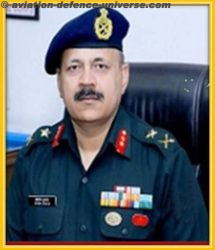
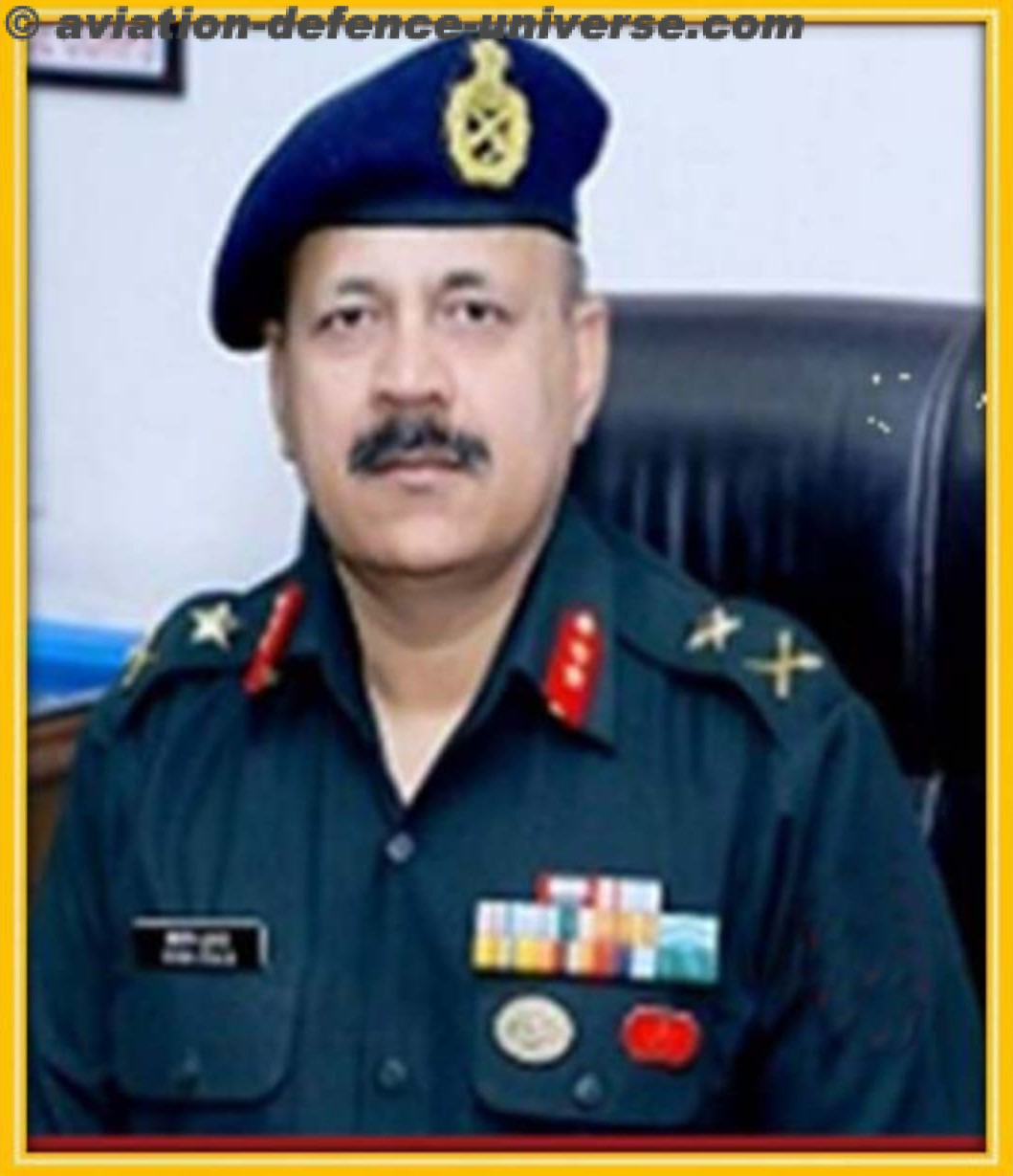
By Maj Gen (Dr.) Ashok Kumar, VSM (Retired)
 New Delhi. 07 March 2024. AI has gathered momentum the world over. Multiple events are coming to the fore for its constructive as well as destructive use. There is no field wherein AI is not disrupting the outcomes of various processes and products. There is one segment (and this is the larger one) which is attempting to leverage AI for enhancing the effectiveness not only in their professions but also in their daily lives as well. There is another segment (and it is good that this is a smaller one) which is busy in spearheading the destructive use of AI, deep fakes being one of the manifestations. The AI per say has the huge potential to do a lot of good for the entire humanity which had necessitated the conduct of a recent conference in the UK attended by close to 30 countries including India which insisted on transparent, rule based and people friendly usage of AI.
AI per say is neither good nor bad. Its profile depends on its usage as was the case with nuclear energy . The world saw its destructive use in Hiroshima and Nagasaki and is also seeing it’s peaceful utilisation to produce large quantum of clean energy. AI also needs to be utilised constructively.
Though AI has profound effects on all walks of life but has special significance for all the three defence forces in India to include Army, Navy and Air Force (AF). Since the defence forces have to predominantly depend on the industry for the AI enriched products for induction and use, it is equally important to see as to how the Indian industry needs to take the Indian defence forces ahead of the adversaries so that our defence forces lead the OODA (Observe, Orient, Decide, Act) loop which is a must for assured win. Some of the areas related to the defence forces needing the utilisation of AI needs to be looked into as under:
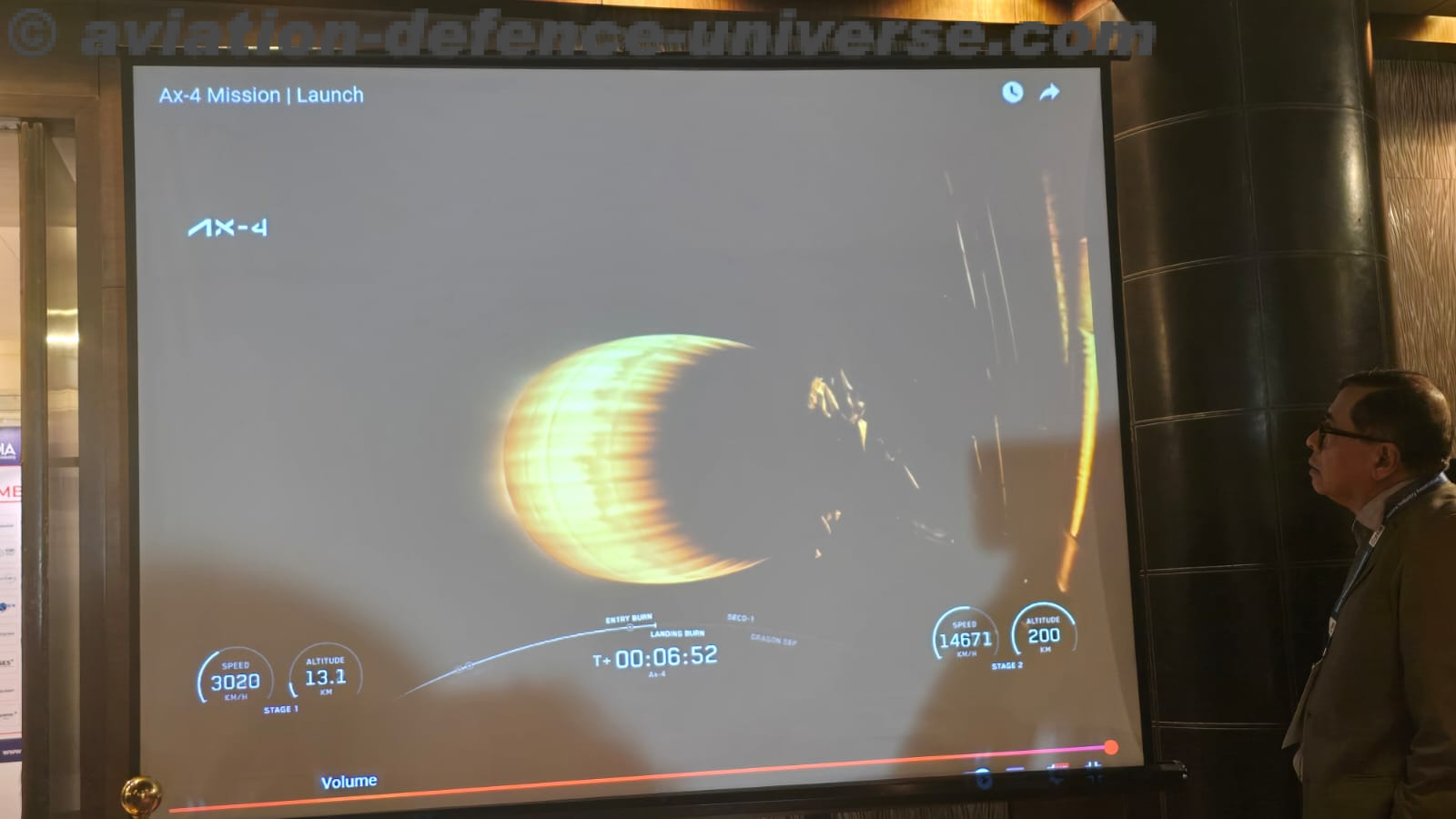
Space
This is an emerging field not only for scientific exploration but also for the other multiple domains like earth sensing, communications and alike. With The large No of satellites in space, the population of such resources is increasing every passing day. As is the case in other domains, the countries are developing Anti Satellite (ASAT) weapons not only to neutralise their own rogue satellites but also to target those of adversaries. AI use in space application is critical forall the three defence forces in India as even a marginal conventional capability having AI features spirals the country ahead of those having advanced conventional ASAT weapons. India is fortunate to be a leader in this field and has been putting the satellites of other countries also in the space besides its own satellites. India’s moon landing at the South pole in the recent past is testimony of its prowess
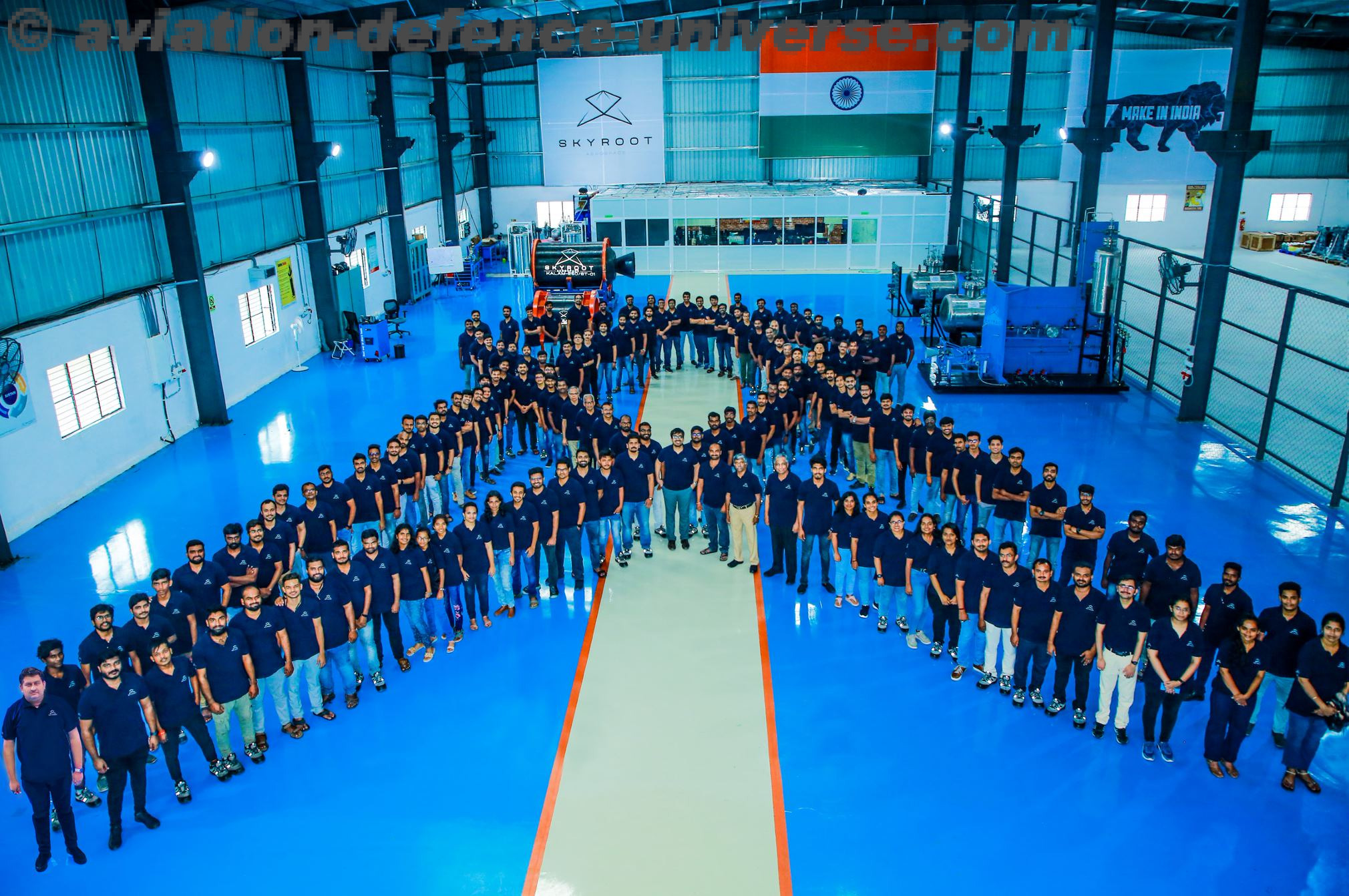 The opening of this field for the private players like Sky Root has spiralled the country almost as a lead country in the world. Indian defence forces need to leverage this national capability optimally with AI capabilities embedded for their multiple needs for gaining surveillance about enemy resources, checkmate enemy’s long range vectors and ensure optimum utilisation of own long range vectors and ensure that the space capacities are utilised by the defence forces to the fullest with AI power. A separate Aero-Space command is a must and it should also be part of theaterisation of the defence forces. AI in space is a pronounced need in for space applications, ground usage and oceanic regions for Air Force, Army and Navy.
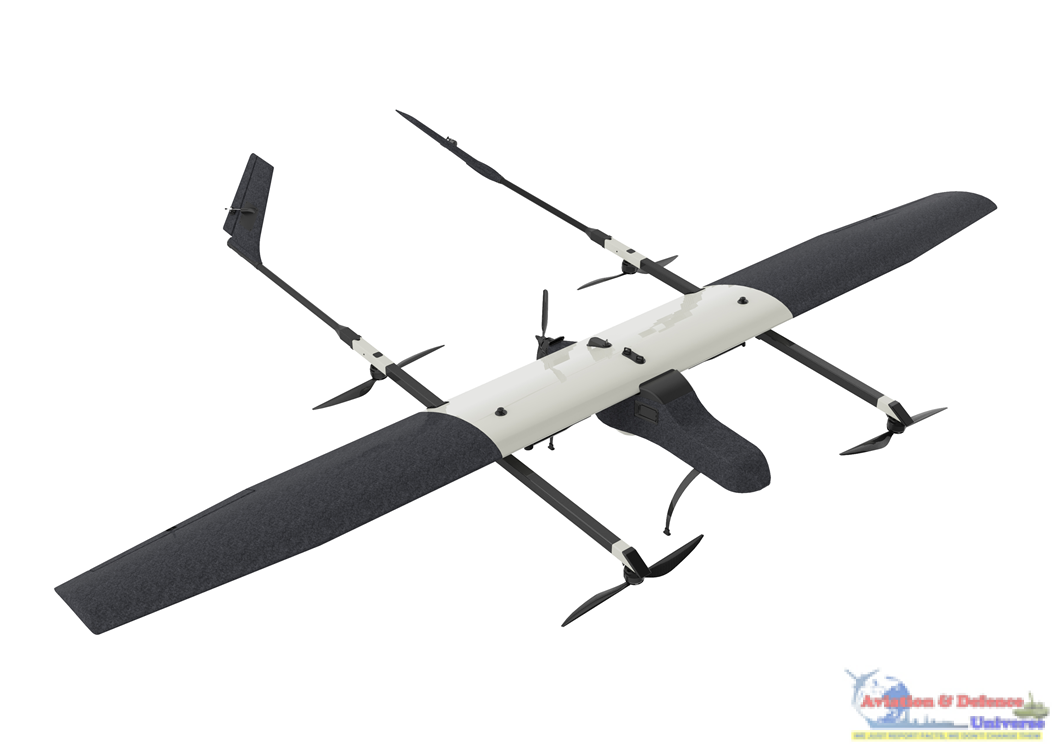
Surveillance
India has two of the most adversarial nations viz China and Pakistan covering most of its land borders. Other neighbours are also being subverted and debt trapped by China. It’s obvious that India has to manage the emanating threats from such situations predominantly from collusive support of China and Pakistan. Conventional surveillance resources with different ranges and technological facets exist and are being used. Though software embedded with such devices along with automation of surveillance centres have brought in substantial changes from yesteryears but these still fall short in the battlefield scenarios wherein China has already got an edge besides having capability of negating the output of our surveillance set up for all the three services.
 AI is the only answer to provide the present as well as futuristic inputs with respect to adversary’s surveillance set ups, its probable use and the impact. It will also throw up effective options to checkmate the adversary’s negative impact on our own forces. Our capability in this field is the most critical domain and will remain almost at the primitive level without effective use of AI.
Communication
No input is of any consequence unless it is truthfully communicated to the recipient in near real time / real time. Voice communication is getting shadowed by data communication. The ‘G’ enhancements in form of 5G, 6G and beyond are bringing unheard dimensions of communications. These can be fully leveraged by our defence forces only with the utilisation of AI features.
Long Range Vectors
 With passage of time, ranges as well as the accuracies of the large range vectors are increasing both in offensive as well as in the defensive domain. It is obvious that AI will be needed more critically in this field not only to ensure the effective utilisation of these resources but also to prevent the adversaries from doing so. This will be possible only if AI with more robust features are deployed with own resources.
As there is renewed focus on synergy of Army, Navy and AF consequent to creation of CDS and DMA, it is very essential that all the three services leverage the power of AI together. Not only the integrated approach of war fighting but use of AI will also require doctrinal changes along with the deployment of AI tools followed by the realistic, progressive and futuristic training.
While doctrinal changes as well as the training can be handled relatively easily but only after identifying and deploying the suitable AI resources. It is therefore critical to identify AI needs of the defence forces and ensure homegrown production so that these cannot be subverted by the adversaries as subverted AI is tremendously dangerous. Indian industry therefore ‘in general’ and Indian defence industry ‘in particular’ have to rise to this AI Challenge as soon as possible as this emerging technology is not only disruptive but has already entered in the ‘actionable’ domain.
The following approaches could be adopted:
- Defence Innovation Organisation (DIO) Led Apparach . DIO has been created under MOD for fast tracking the indigenisation of defence equipment as well as for the coordination of the needs of the defence forces with the private industry. DIO has to re-align its charter to include AI as one of the prime tasks so that participants of IDex and other such efforts can bear better The impact of DIO is likely to remain limited unless the challenges to invest in R&D, intellectual capital and sustenance are also addressed . This notwithstanding, this must be done.
- Involvement of Academia. Academia like IITs as well as other institutions are participating towards development of new technologies for the defence forces including undertaking some production of the defence equipment albeit in coordination with the interested industries. They have the huge potential of developing the AI algorithms which can be leveraged by the industry to meet the requirement of the defence forces.
- Start Ups. These are growing in large Nos in India. These could be also leveraged for working in the AI domain albeit they will need to work with the larger Industries to address their capacity gap and for being able to undertake the large projects as required by the defence forces.
- Indian Industries. These have to bear the larger national responsibilities and develop AI models for keeping the Indian defence forces as the world leaders given the emergence of the country on the global stage. Those working in the IT sector have to take the lead even if they are not working in the defence sector exclusively. This is the most effective model to seed the AI in everything considered military. This is not only a challenge but an opportunity as well as it will assist in growth of these industries to meet the requirement domestically as well as providing them the opportunity for the exports as well.
The AI is the most pressing need of the defence forces at the moment. Only a home grown industry is the answer . The industry has to rise to the occasion to meet this challenge for data integrity and allied issues. A specific cell under DMA for AI is the need of the day. The cell so created must adopt out of box approaches to ensure that the AI is given the importance it deserves. Delayed adoption could be counter productive.
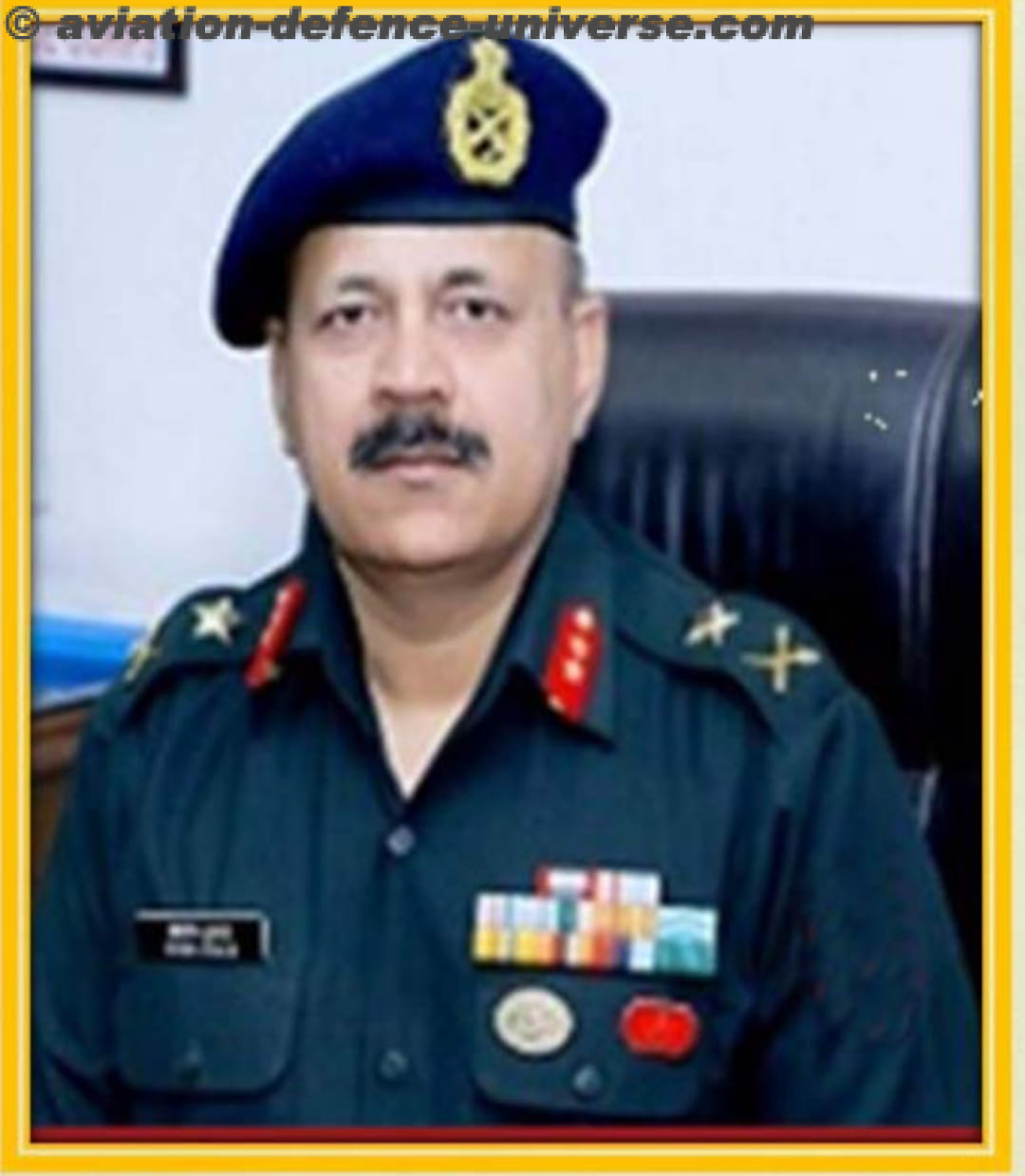
(Maj Gen Ashok Kumar, VSM (Retd) is a Kargil war veteran and Director CENJOWS. The views in the article are solely the author’s. He can be contacted at editor.adu@gmail.com).