













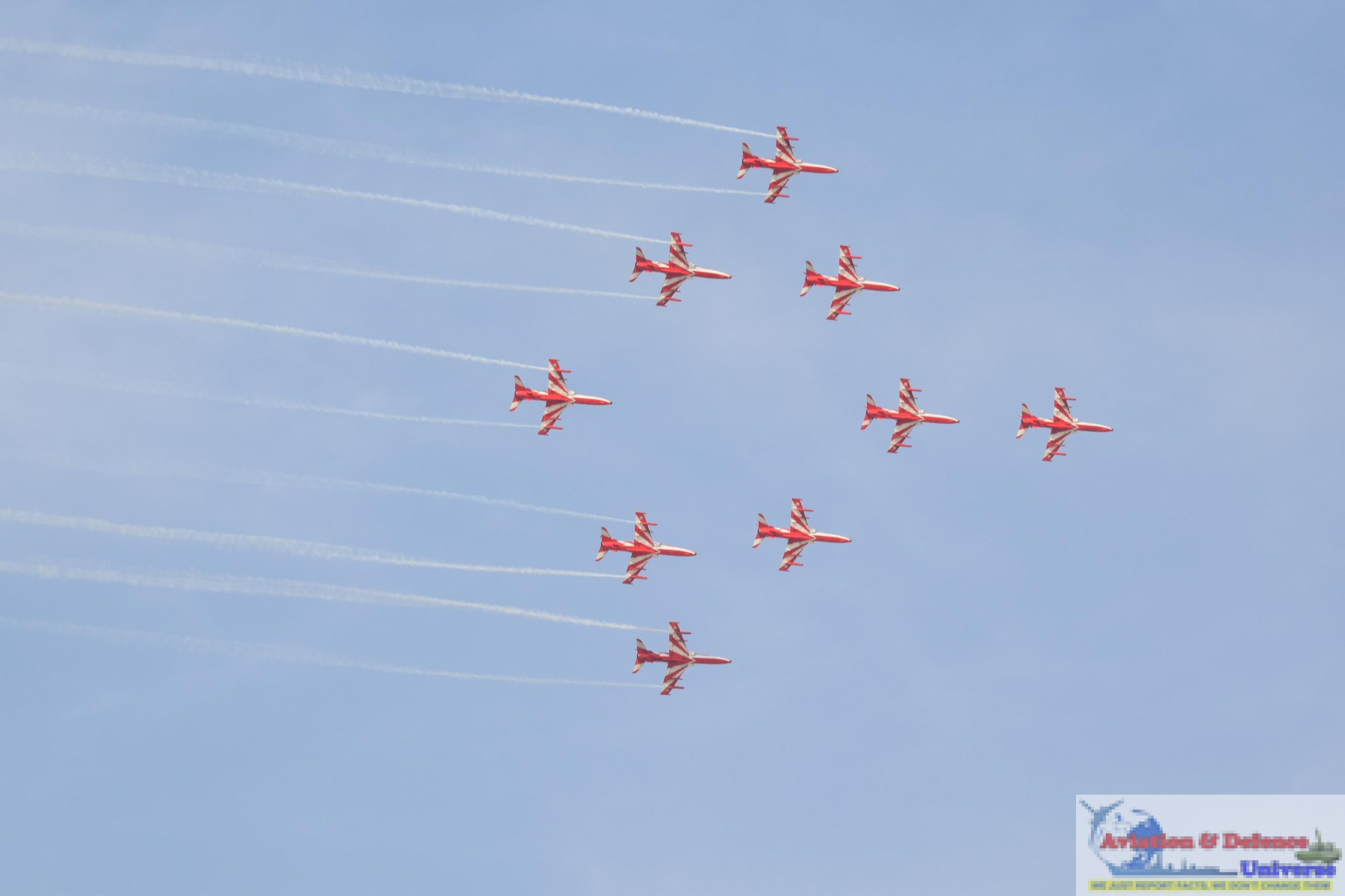
- Day 1 Dominates with Deals and Displays
- Dubai Airshow 2025 takes off
- Unmanned Systems and Next-Gen Fleets Take Centre Stage
- Defence, Civil Aviation and Emerging Tech Align
Dubai. 17 November 2025 . Day 1 of the Dubai Airshow 2025 opened with its trademark energy, ambition and scale, reaffirming why it remains one of the world’s most influential aviation and defence exhibitions. From multimillion-dollar aircraft orders and strategic partnerships to breathtaking flying displays and debut technologies, the first day delivered a commanding snapshot of the future of aerospace.
 President His Highness Sheikh Mohamed bin Zayed Al Nahyan visited the 19th Dubai Airshow at Dubai World Central, touring national and international pavilions to review the latest aviation, aerospace, and defence innovations. He engaged with company representatives showcasing next-generation civil and military aircraft, advanced air defence systems, and emerging technologies, and witnessed the official unveiling of the Emirati-designed and manufactured multi-role aircraft Badr-250 by Calidus Group. At the Tawazun Council stand, he was briefed on new initiatives supporting a future-ready defence ecosystem. Praising the progress of the UAE’s defence industry and the role of Emirati talent, he reaffirmed the Airshow’s importance as a global platform for partnerships and technological collaboration that strengthens the UAE’s position as a hub for major international events. Sheikh Mohamed was received by Sheikh Mohammed bin Rashid and Sheikh Hamdan bin Mohammed and also met AVIC President Wei Yingbiao during his visit.
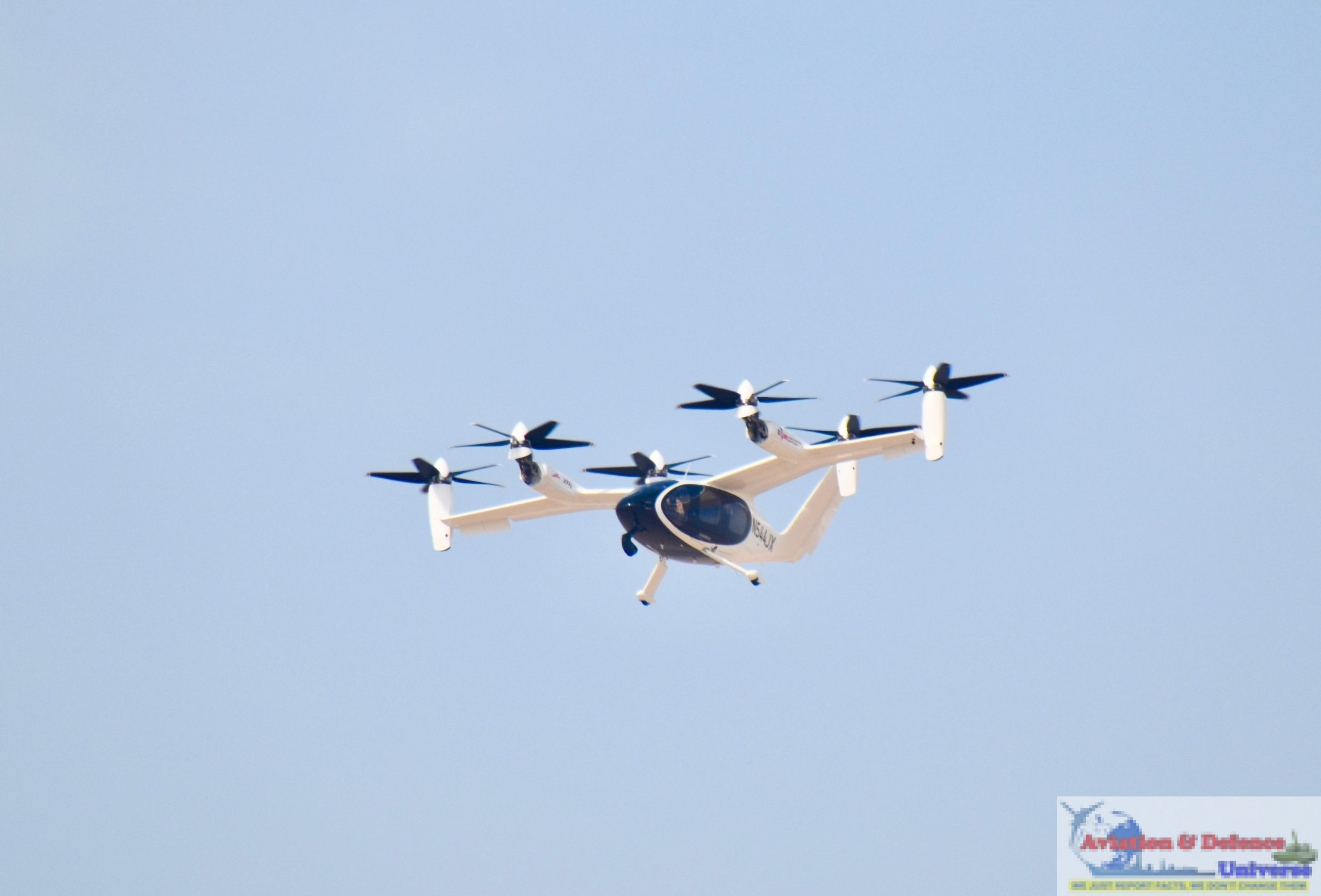 The event highlights how emerging innovations are transforming air transport and turning futuristic concepts into reality— from Dubai’s pioneering role in flying taxis set to launch commercially in 2026 to the spectacular flying display of Joby Aviation’s eVTOL aircraft. As Mohammed Lengawi, Director General of the Dubai Civil Aviation Authority, notes, Dubai’s leadership in advanced air mobility and regulatory innovation ensures the world witnesses the future of flight unfold in real time. The show floor came alive early with a series of headline-grabbing announcements. Leading Middle Eastern, European and Asian carriers announced significant orders for narrow-body and wide-body aircraft, signalling sustained global demand for fleet expansion and replacement. Leasing giants unveiled fresh commitments for next-generation aircraft, underscoring the continued resilience of aviation financing and the shift towards greener, fuel-efficient fleets.
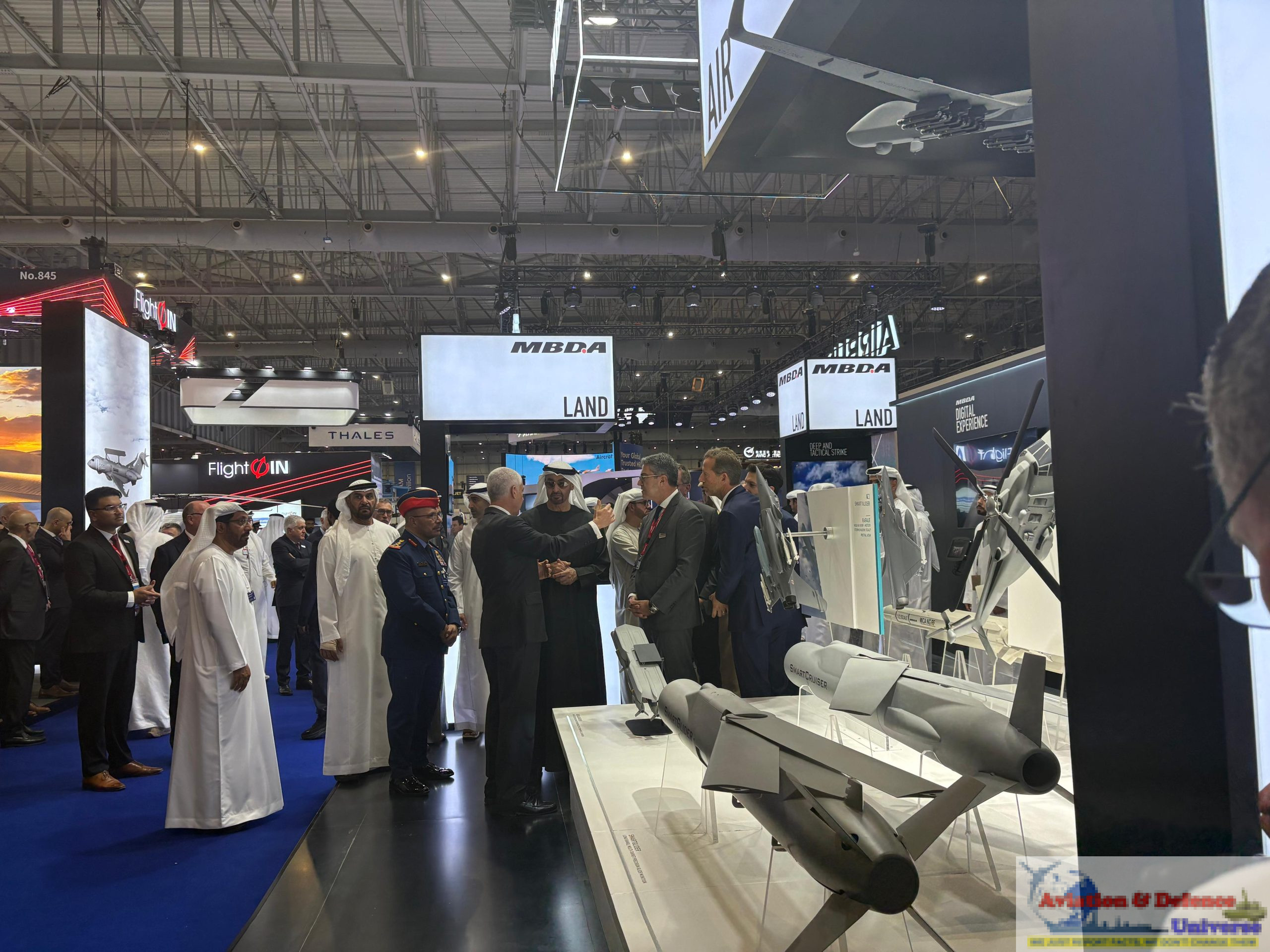 Sheikh Mohammed bin Rashid, Vice President and Ruler of Dubai, joined thousands of visitors on the opening day of the Dubai Airshow, setting an inspiring tone for one of the world’s most influential aviation gatherings. Moving through the sprawling exhibits at Dubai World Central, Sheikh Mohammed reviewed the latest cutting-edge technologies, products, and services that define the global aerospace landscape. He emphasised that “the UAE continues to strengthen its position as a leading global aviation hub, shaping new horizons for the industry’s progress,” as the Airshow unveils more than 200 state-of-the-art aircraft across commercial and military sectors, alongside a dedicated space technologies pavilion. The event highlights how emerging innovations are transforming air transport and turning futuristic concepts into reality— from Dubai’s pioneering role in flying taxis set to launch commercially in 2026 to the spectacular flying display of Joby Aviation’s eVTOL aircraft. As Mohammed Lengawi, Director General of the Dubai Civil Aviation Authority, notes, Dubai’s leadership in advanced air mobility and regulatory innovation ensures the world witnesses the future of flight unfold in real time.
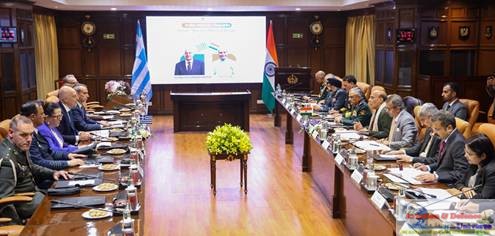
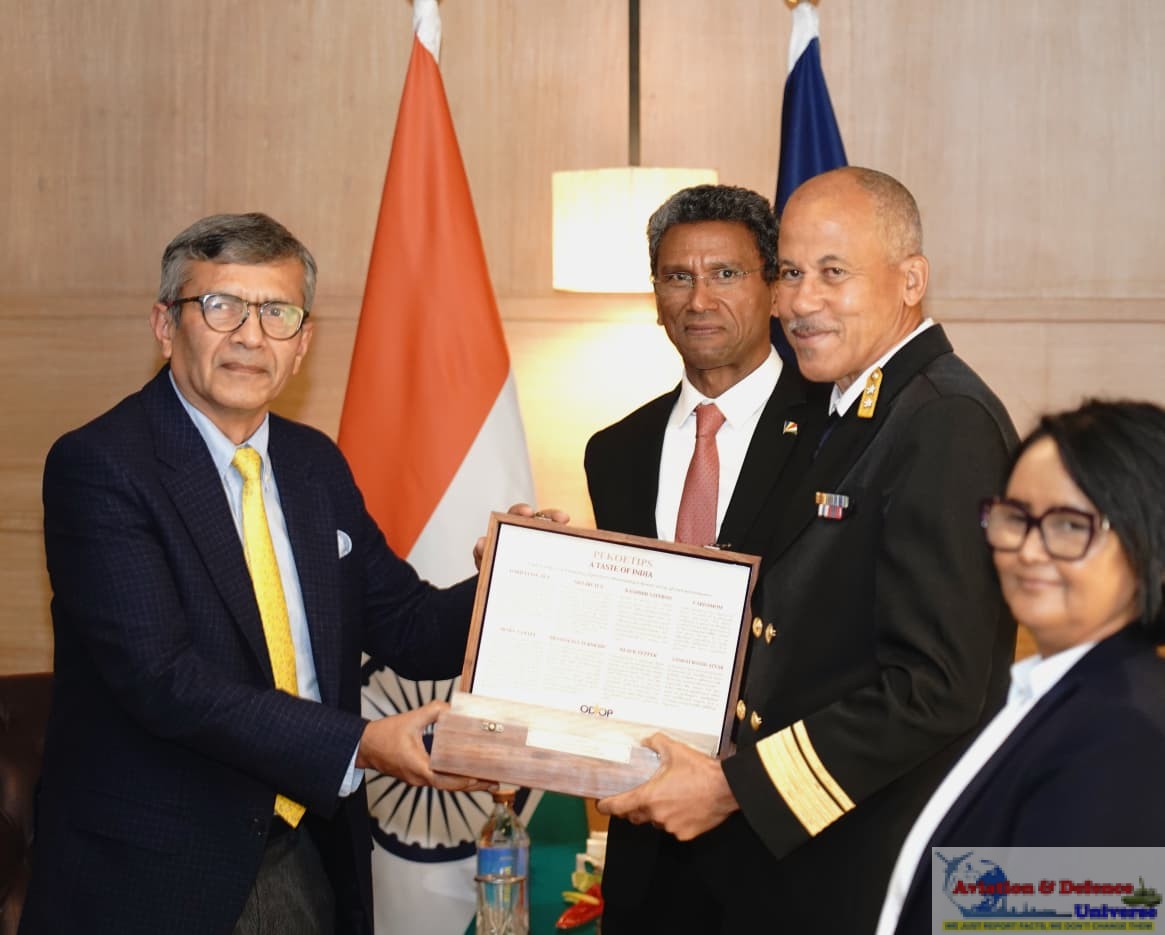
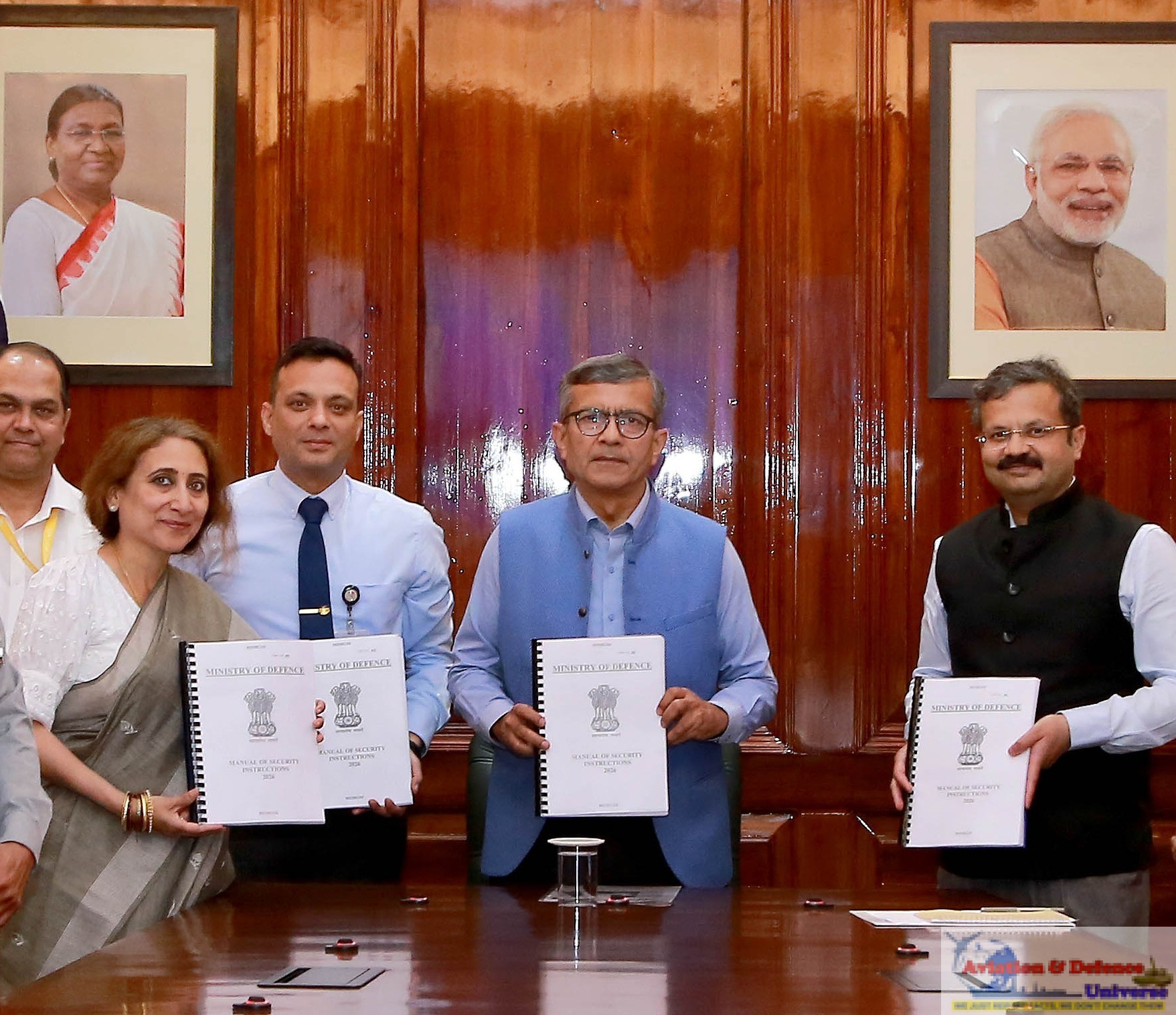
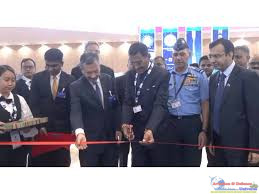 MoS Defence Sanjay Seth inaugurated the India Pavilion at Dubai Airshow-2025 in the presence of senior military officials, delegations from HAL, DRDO and the Indian private sector which was represented though bleakly. During his visit to the pavilion HAL and DRDO officials briefed him about the products and technologies being showcased. DRDO is displaying nine indigenously developed world class systems and technologies- AEW&CS, MRMR with technologies, MCPS, LCA MK-II, Astra MK I BVR, HELINA, LFDS-X, ALWT and TAL. HAL is showcasing it’s fleet displays led by LCA. iDEX has got 15 Startups which it has stationed at the Innovation Hub at the show.
 The Dubai Airshow comes at a pivotal moment for the global aviation industry, with renewed focus on major jet orders as Airbus and Boeing vie to close the competitive gap, and China’s COMAC C919 makes its Middle East debut—signalling Beijing’s rising ambition to challenge established aerospace giants with a 192-seat, fuel-efficient aircraft. During his visit, Sheikh Mohammed toured key pavilions including CATIC, reiterating China-UAE aviation ties; Strata-Mubadala, showcasing Emirati innovations in composite aerostructures; EDGE, displaying cutting-edge defence technologies; as well as LODD and Dubai South, reflecting the UAE’s integrated aviation ecosystem. The Airshow also highlights the region’s fast-growing interest in business aviation, driven by a surge in demand from high-net-worth individuals across the Middle East.
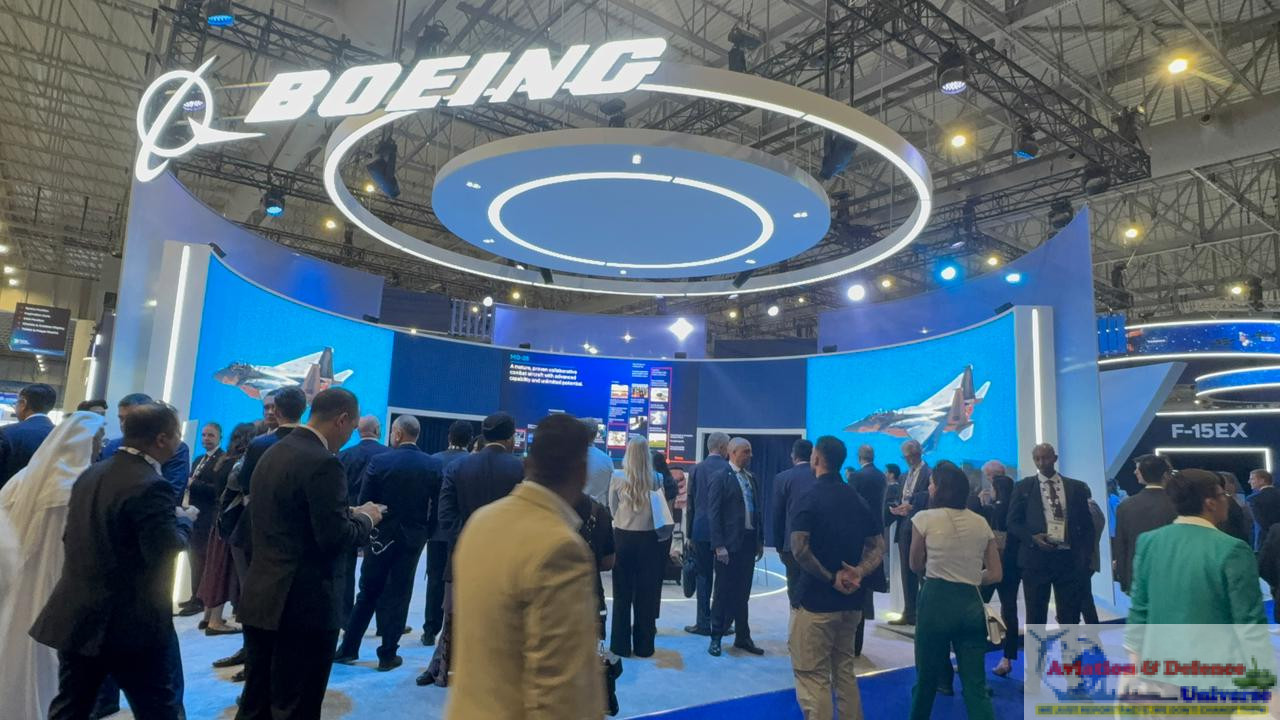 The day clearly belonged to the American giant Boeing and opened with a wave of major announcements, headlined by Emirates’ blockbuster order for 65 additional Boeing 777-9 aircraft—strengthening its status as the world’s largest 777 operator. While deliveries will extend into the 2030s, the move signals long-term growth and fleet modernisation, complemented by Emirates’ rollout of free Starlink Wi-Fi that will allow passengers to work, call, and stream seamlessly in-flight. flydubai also made headlines with its order for 60 GE engines to power its upcoming Boeing 787-9 fleet, marking a bold step into long-haul operations with the promise of more destinations and competitive fares. HH Sheikh Ahmed bin Saeed Al Maktoum leader of the Emirates Group, which includes dnata held high level meetings and closed deals for the airlines alongside the legendary Tim Clark President of Emirates which under him is now an award-winning global airline with an extensive network that covers six continents. The airline has the world’s largest fleet of Boeing 777s and Airbus A380s. African carriers delivered strong momentum too: Ethiopian Airlines ordered 11 Boeing 737 MAX jets to enhance its regional and international network, while Air Senegal committed to nine 737 MAX aircraft to support expansion into Europe, the Middle East, and the Americas. Adding to the buzz, Riyadh Air and The Helicopter Company unveiled new helicopter transfer services to make urban mobility faster and more efficient.
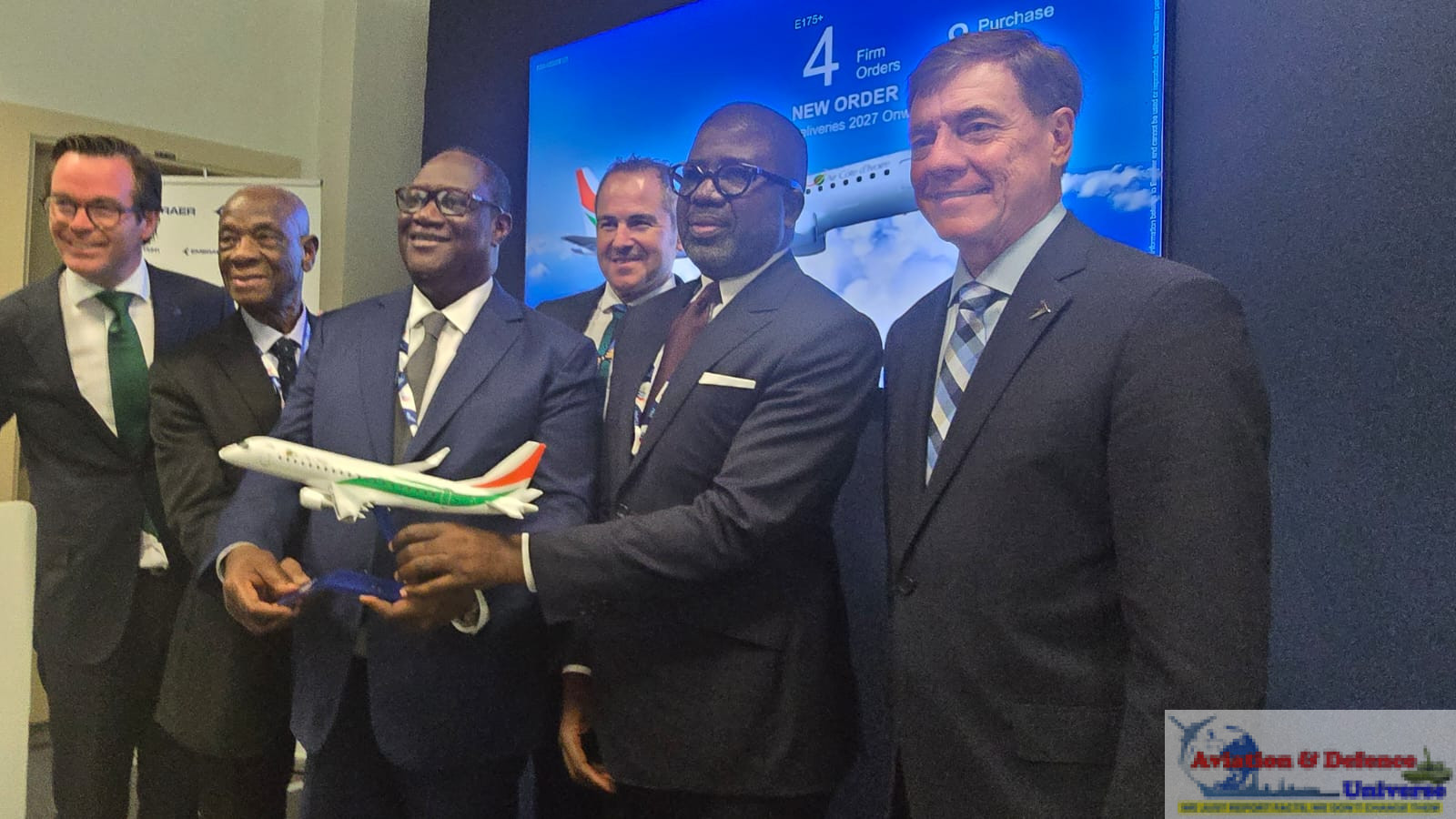 Brazilian aircraft manufacturer Embraer secured two separate orders totalling seven aircraft on the opening day of the Dubai Airshow, reinforcing its strong market appeal in regional and short-haul segments. Air Côte d’Ivoire placed a firm order for four E175 jets with options for eight more, planning deliveries from the first half of 2027 as it phases out its Bombardier Dash 8-Q400 fleet. The airline’s CEO, Laurent Loukou, said the E175 aligns perfectly with African market requirements and represents a key step in its fleet development strategy. Meanwhile, Switzerland’s Helvetic Airways ordered three E195-E2 aircraft with options for an additional five, expanding its E2 fleet to 20 by the end of 2026. CEO Tobias Pogorets highlighted the E195-E2’s operational efficiency, low noise, and passenger comfort as ideal for the carrier’s network structure.
 Global OEMs revealed new defence cooperation agreements and major upgrades to fighter platforms, rotary-wing assets and ISR systems. Several nations used the platform to announce new procurement roadmaps, R&D tie-ups and technology demonstration programmes. 1,500 plus exhibitors, including 440 newcomers, 148,000 trade visitors alongside 490 military and civil delegations from 115 countries, the show includes 21 country pavilions, with Morocco making its debut, 98 chalets, 8,000 square metres of additional space, 120 start-ups, and 50 investors. More than 200 aircraft are on display, spanning commercial, military, private jets, unmanned aerial vehicles, and next-generation technologies, underscoring the event’s scale and ambition.
The static park—always a crowd magnet—was a showcase of aviation excellence, featuring. The latest wide-body commercial aircraft, including new cabin configurations, fuel-efficient engines and upgraded avionics. A strong presence of business jets and VIP configurations, highlighting demand from the premium aviation sector. Unmanned aerial systems, special mission aircraft and airborne early warning platforms, drawing attention from military delegations across the world.
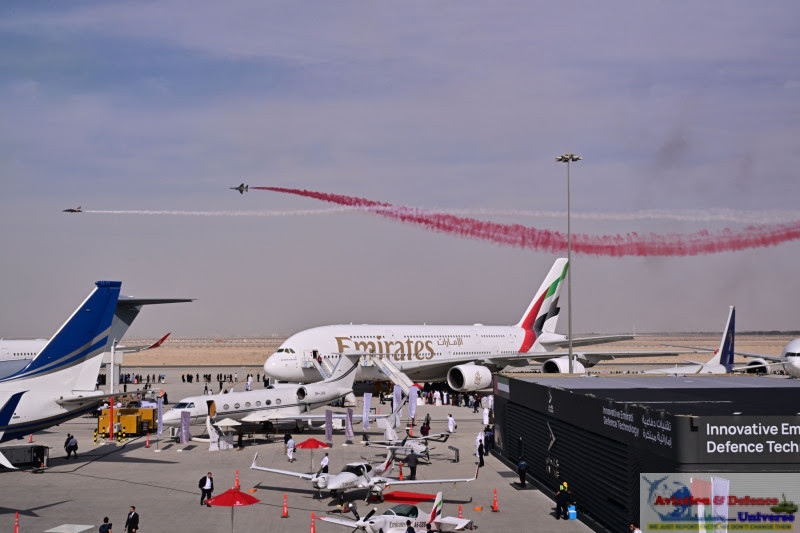
 Attendees thronged the static areas throughout the day, capturing images and exploring aircraft interiors that represent the cutting edge of capability and comfort. The signature Dubai Airshow flying display delivered thrills from start to finish. Aerobatic teams painted the sky with dramatic formations, synchronised manoeuvres and national colours. New-generation fighters showcased dynamic agility, super-manoeuvrability and high-G performance, eliciting gasps from the audience.
Advanced helicopters, special mission platforms and UAVs demonstrated low-speed precision, high-speed climbs and capabilities suited for modern battlefields. Sustainable aviation leaders flew hybrid-electric and alternative-fuel demonstrators, highlighting industry commitment to green aviation.
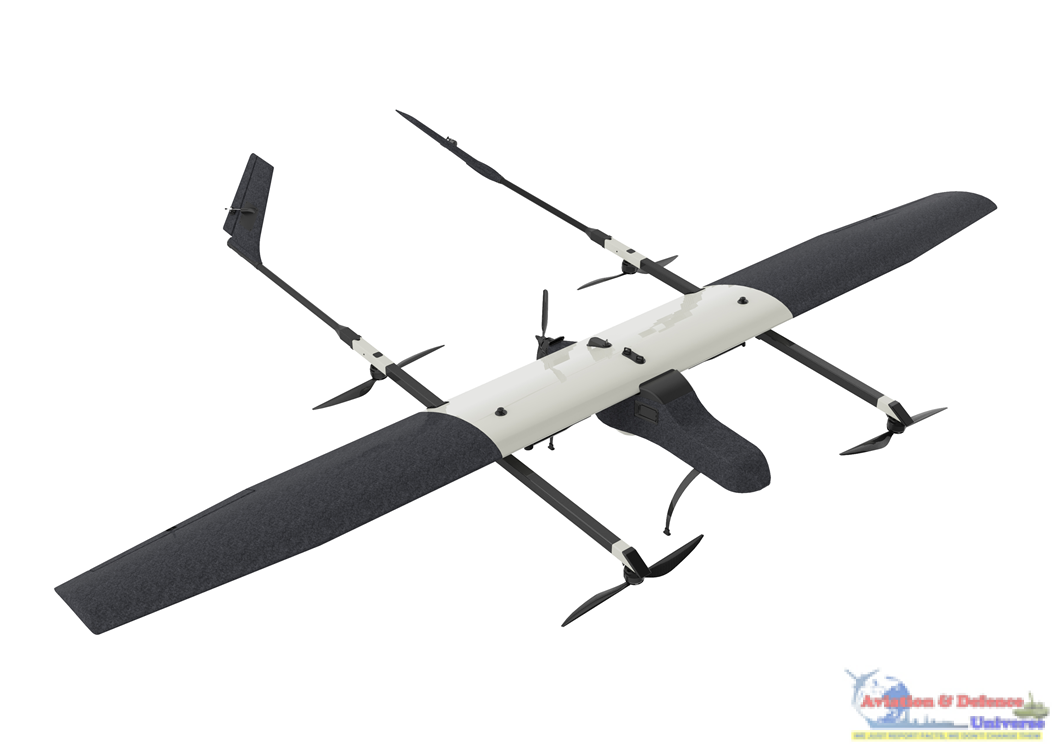
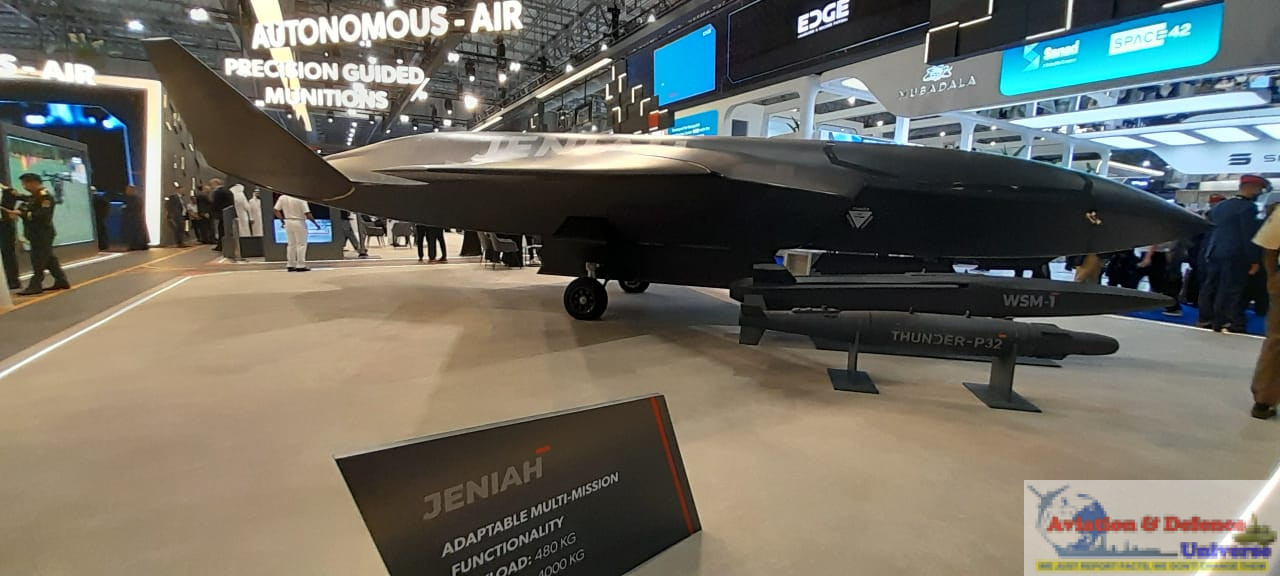
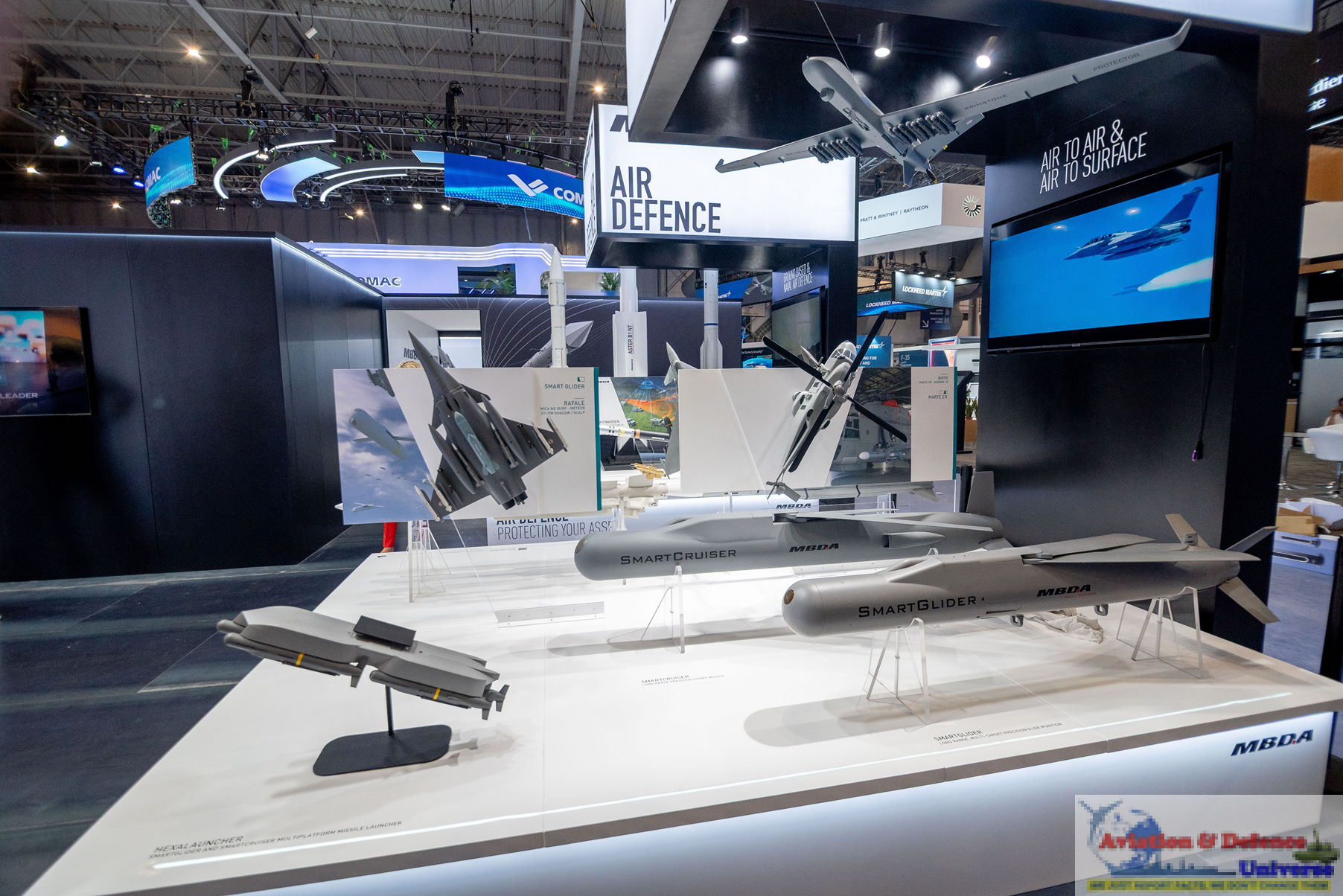
The unmanned and autonomous systems sector was one of the busiest zones on Day 1, with exhibitors unveiling, long-range combat drones, swarm-enabled UAV systems, counter-UAS technologies, AI-powered surveillance and reconnaissance platforms, autonomous cargo drones and advanced eVTOL air mobility systems. The str.ong presence of robotics and unmanned innovation underlined the region’s rapidly increasing demand for next-generation air power.
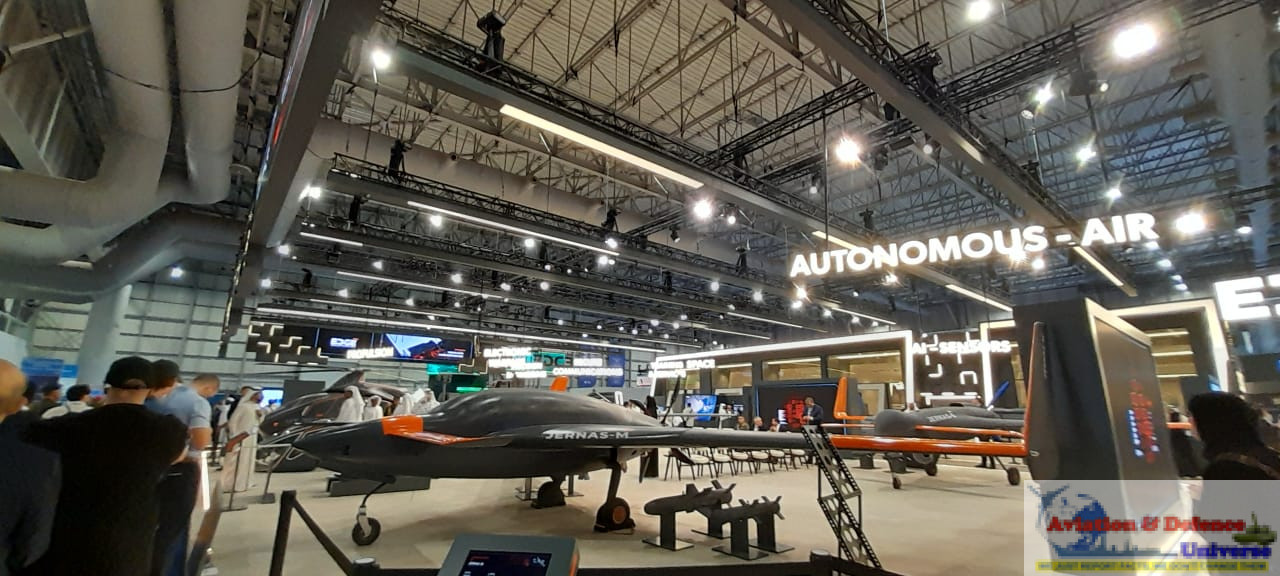 The Innovation Hub was a hive of activity, featuring, Startups showcasing AI-driven aviation platforms, predictive MRO systems and smart cockpit solutions, demonstrations of hydrogen propulsion concepts, sustainable aviation fuel (SAF) technologies and low-emission designs, discussions on digital twins, advanced materials, quantum computing for aerospace applications and next-gen avionics, University teams and incubators presenting breakthrough R&D prototypes. Day 1 made it clear that the future of aerospace will be intelligence-driven, sustainable, and more autonomous than ever before.
The country pavilions were at full strength, representing the world’s leading aerospace powers. USA, France, UAE, UK, Germany, India, Israel, Turkey, Italy, South Korea, Brazil, and many others showcased national capabilities, OEM strengths and defence partnerships. Delegations at ministerial and military levels engaged in high-level meetings to explore industrial cooperation, co-development, joint production and technology transfer.
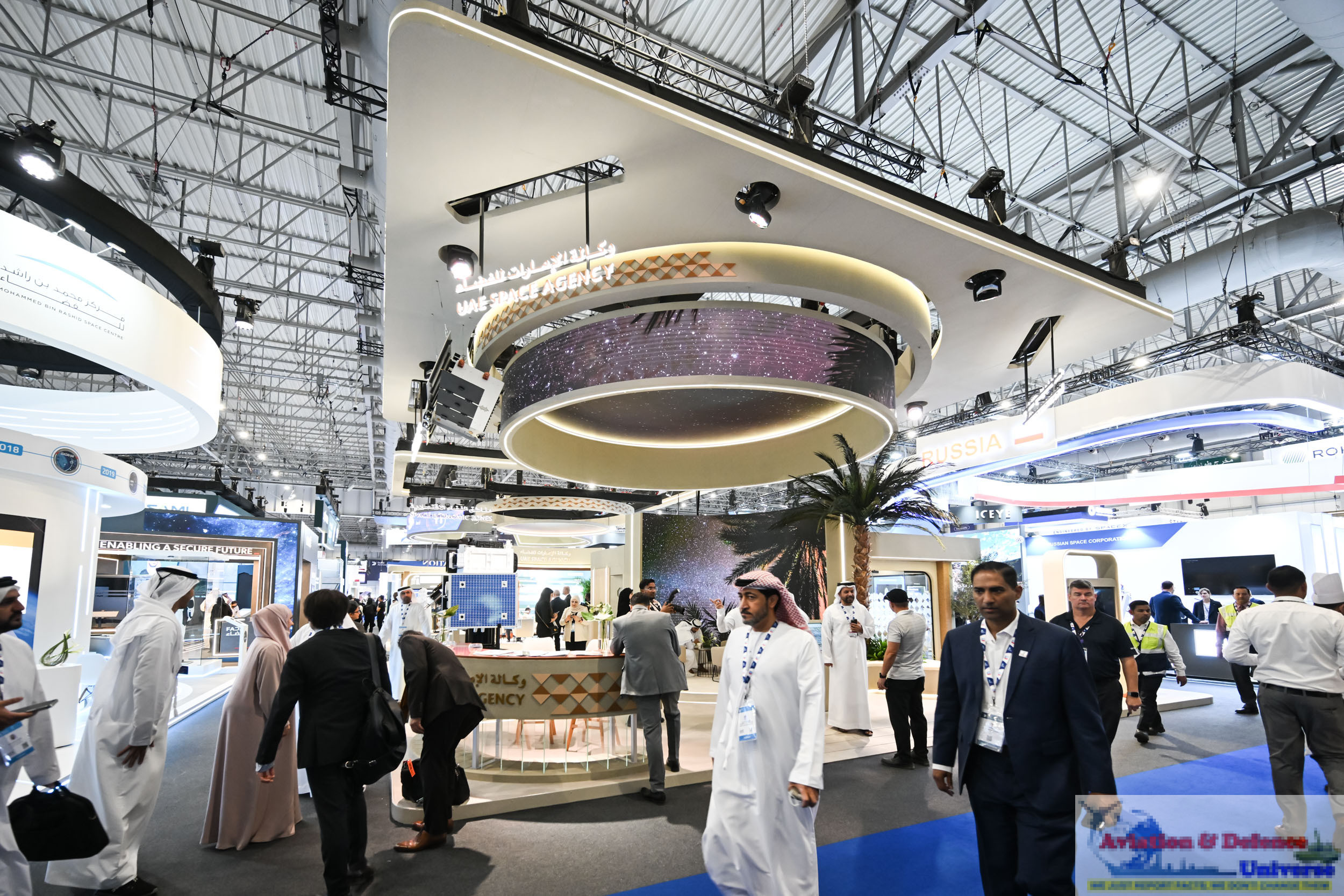
A dedicated Space Pavilion brings together exhibitors from the US, France, Germany, India, South Korea, Italy and others, showcasing satellites, launch systems, and sustainable space-access solutions, while digitalisation, cybersecurity, and workforce development take centre stage across newly expanded conference tracks.
 This year’s conference programme spans four stages, 12 tracks, and more than 450 speakers, featuring insights from global leaders such as Paul Griffiths on digital airport operations, Sir Tim Clark on fleet renewal and widebody demand, Dave Limp on Blue Origin’s vision for sustainable space access, Adam Goldstein on eVTOL commercialisation in the Middle East, and Dr Alisdair Wood on next-generation vertical-lift technology. The thematic tracks—Aerospace 2050, Aviation Mobility, Vista (start-ups), The Academy (tech, cyber and workforce), smarter maintenance, digital airports, and Future Flight: Powered by Women—collectively reflect the Airshow’s expanding role as a hub for innovation, transformation and future-ready aviation thinking.
The Dubai Airshow 2025 witnessed on Day1 exceptionally strong footfall, Record crowds filled the exhibition halls, static displays and outdoor arenas. Industry professionals, military officials, investors, OEM representatives and aviation enthusiasts created an electric atmosphere. Networking lounges, B2B meeting rooms and national pavilions were buzzing throughout the day. Exhibitors reported robust interest, active deal-making and meaningful discussions with global delegation teams. The sheer turnout reinforced Dubai’s status as a pivotal global aviation hub and the airshow’s role as a catalyst for industry growth. Day 1 of the Dubai Airshow 2025 set a powerful tone for the week—dynamic, forward-looking and rich with opportunities. From groundbreaking technologies and strategic partnerships to exhilarating aerial displays and unmatched global participation, the event reaffirmed its standing as the premier platform for aerospace and defence innovation.
 Corporate aviation at the Dubai Airshow remains compact but distinctly high-end, serving governments, private operators and business aviation enthusiasts with a curated lineup of premium aircraft. The display features elite platforms such as the Boeing BBJ 737 operated by RoyalJet, Bombardier’s Challenger 3500 and flagship Global 7500, Dassault’s cutting-edge Falcon 6X and long-range Falcon 8X, and Gulfstream’s G450, G700 and ultra-modern G800. Adding versatility and performance to the mix are the Pilatus PC-24, Textron’s SkyCourier and Citation Latitude, as well as popular light aircraft including the Cirrus SR22 and Vision Jet, and Diamond’s DA42 NG, DA50 and DA62—collectively showcasing the breadth and sophistication of today’s business aviation sector.
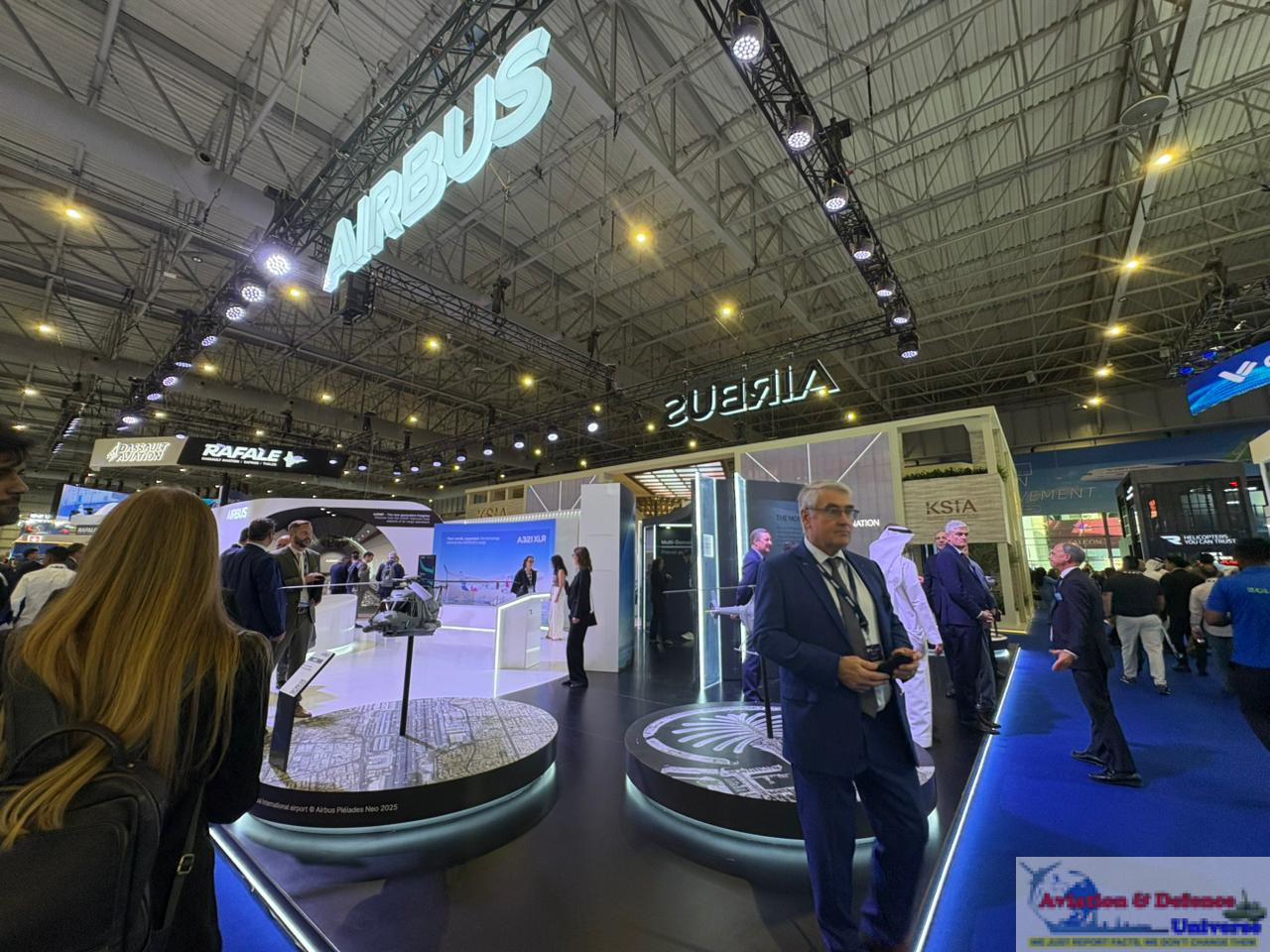 The defence sector at the Dubai Airshow presents a diverse and formidable lineup, spanning trainer aircraft, transport platforms and cutting-edge fighter jets. Notable highlights include the Dubai debut of the Aero Vodochody L-39 SkyFox and the rugged Air Tractor AT-802, alongside Airbus’s versatile military fleet featuring the H225, H145M, H160B and A400M. The showcase also includes the Beechcraft King Air, Bell 505 and Bell 412 helicopters, and frontline combat aircraft such as the Dassault Rafale, Eurofighter Typhoon, Embraer KC-390 and Pakistan’s PAC Mushshak and JF-17. Rounding out the display are Leonardo’s AW139 and Textron’s AT-6, reflecting the breadth of global defence innovation on display.
Commercial aviation takes centre stage at the exhibition, underscoring global fleet renewal, strengthening supply chains, and renewed appetite for widebody aircraft. Airbus showcases a powerful mix of platforms, including the A350-1000, A220-300, and Emirates’ newly inducted A350 and iconic A380, while Etihad Airways highlights its A321LR as the backbone of its future narrowbody strategy. Boeing counters with an extensive lineup featuring the 737 MAX 8, 747-412, 777-219ER, 737-800 Freighter, and the much-anticipated 777X, which also stars in the flying display—offering visitors a rare glimpse of the world’s largest twin-engine jet in action. Adding to the premium segment, the Boeing BBJ 737 showcases its enduring appeal among executive and government operators.
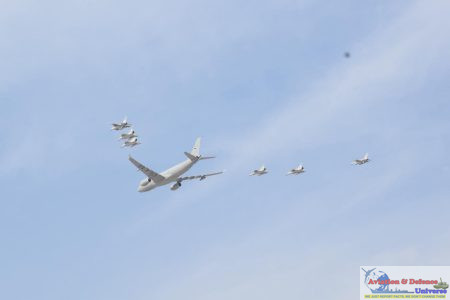
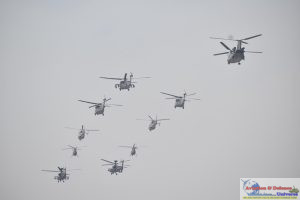 The flying display on Day 1 of the Dubai Airshow delivered a spectacular showcase of military precision, commercial innovation, and next-generation aviation. The opening fly-past featured an impressive formation of Apache, Black Hawk, Chinook, Panther, Bell 207 Sioux Scout, Airbus A350, A380, Boeing 777, Airbus A330 MRTT, the F-16E, and Mirage 2000-9, setting the tone for a powerful aerial lineup. The UAE’s Fursan Al Emarat lit up the skies with their signature golden trails, followed by India’s Surya Kiran team and the indigenous LCA Tejas demonstrating exceptional manoeuvrability. Multiple F-16 displays from both the UAE and the US showcased raw fighter performance, alongside the F-35 and Russia’s Su-57, offering a rare multi-nation fifth-generation fighter presence. Commercial highlights included the COMAC C919 and Boeing 777X, each drawing significant attention, while the UAE-built BADER 250, the KA-52, and electric air mobility pioneer Joby Aviation added variety to the programme. The Mirage 2000-9 returned for a solo act, complemented by the Rafale, Morocco’s Marche Verte team, the Boeing P-8 Poseidon maritime patrol aircraft, and a dramatic fly-by of the legendary B-52—bringing the day’s flying display to a thrilling close.
 As global players continue to converge in Dubai, the momentum promises to build further, shaping not just the present but the future trajectory of aviation. But the announced change of the shuttle bus terminus from Ibn Batutta Station to Expo 2022 station created a major first day havoc and took passengers to the show by surprise or rather shocked them. So did the queues at the entry and presence of public including school children on a business day.