


















By Team ADU
New Delhi/Paris. 04 December 2025. In the vast and strategically vital waters of the Indo-Pacific, few naval partnerships illustrate enduring trust and evolving purpose as clearly as that between India and France. Born from shared democratic values and strengthened by overlapping maritime interests, the relationship has steadily expanded from simple port visits to deep operational coordination and advanced defence collaboration. As global power dynamics shift and the Indo-Pacific gains unprecedented strategic importance, the Indo–French naval partnership has emerged as a cornerstone of regional security and an exemplar of cooperative maritime strategy.
Few bilateral maritime partnerships have evolved as steadily and strategically as that between India and France. What began decades ago with modest exchanges and occasional port calls has matured into a comprehensive naval relationship that today forms a central pillar of both nations’ Indo-Pacific strategies. France, often underestimated as an Indo-Pacific power, maintains territories, citizens and permanent military assets across the region, while India’s geographical position at the heart of the Indian Ocean naturally aligns its interests with the stability of surrounding waters. This shared understanding—that a free, open and rules-based Indo-Pacific is vital to global security—provides the foundation for a remarkably close naval partnership.
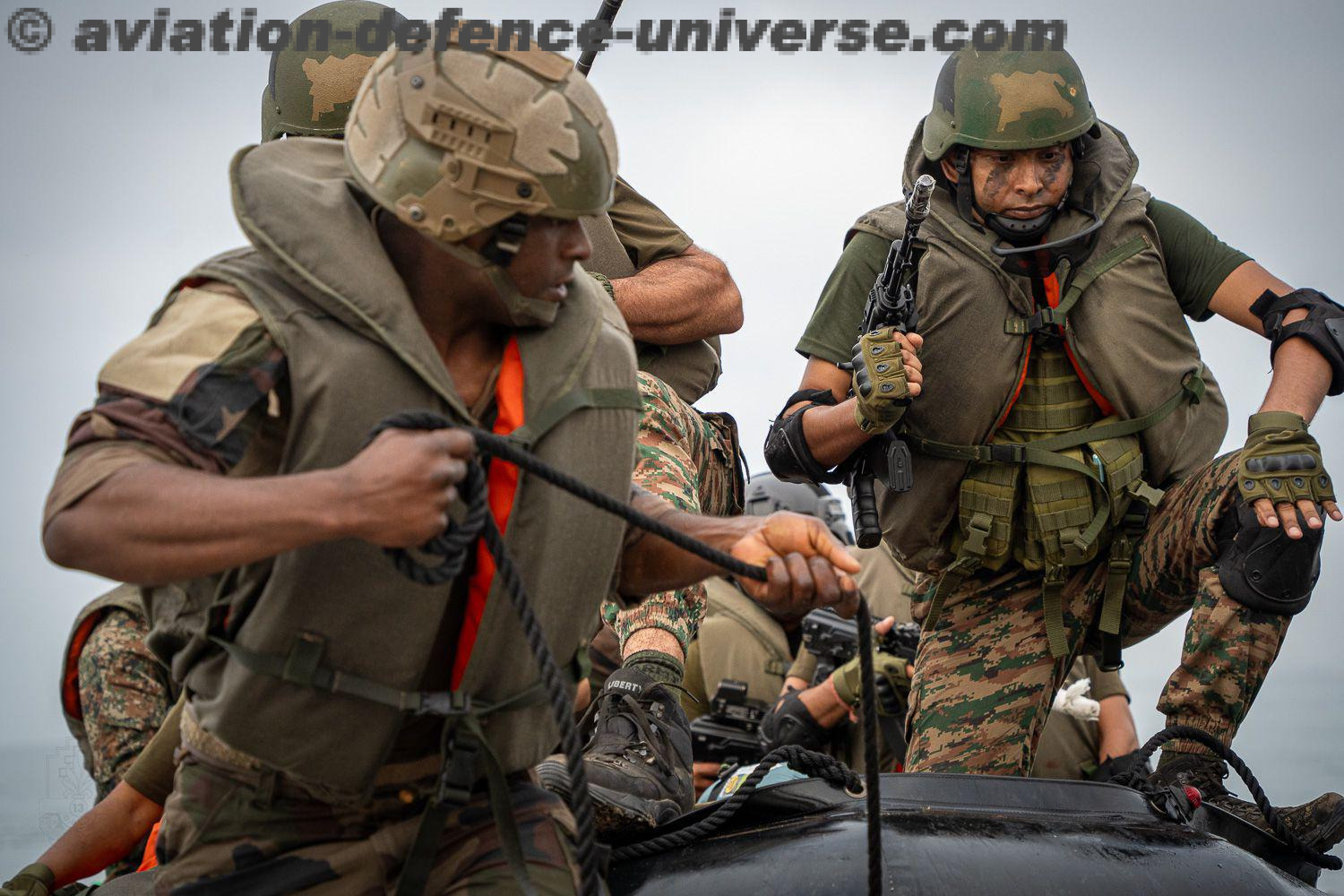
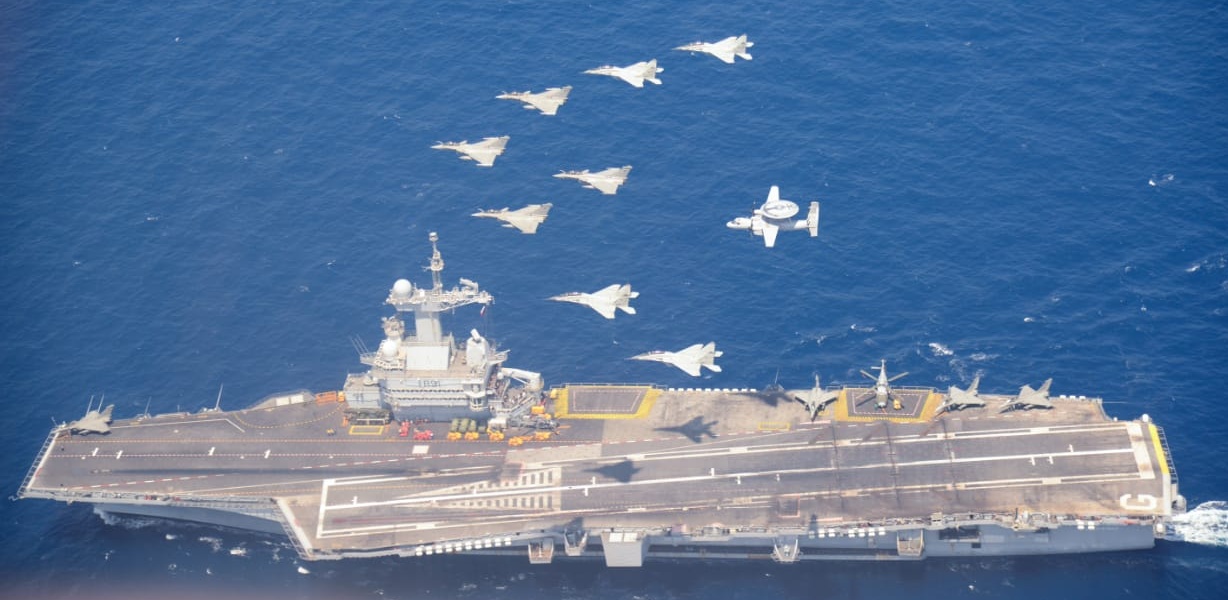
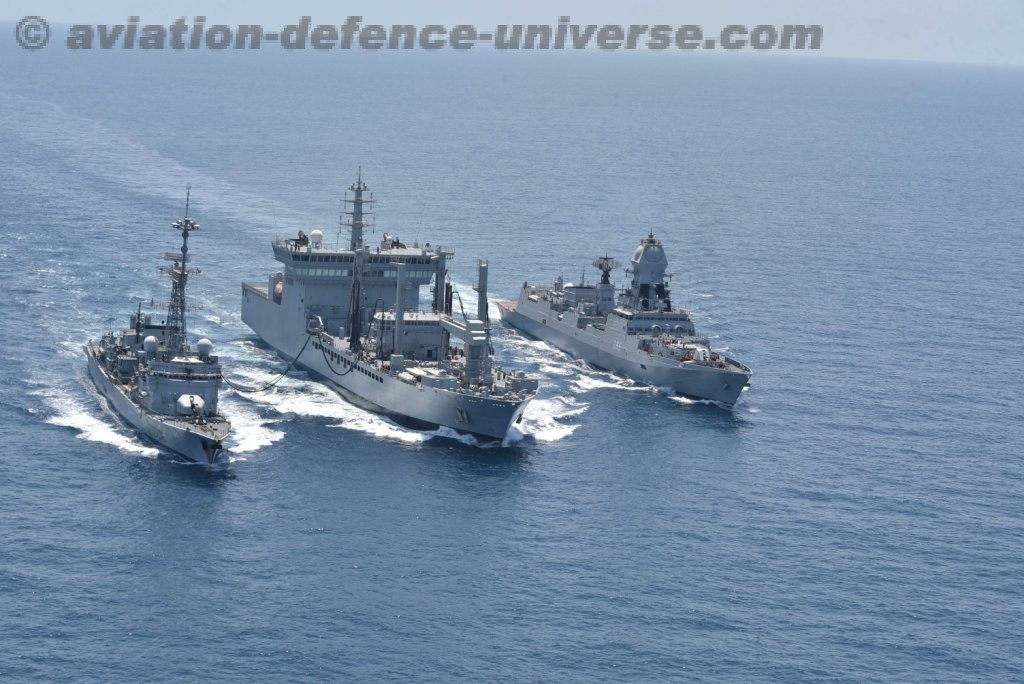 At the forefront of this relationship stands Exercise Varuna, the annual flagship engagement between the Indian and French navies. Since its launch in 2001, Varuna has developed into one of the most sophisticated bilateral naval exercises undertaken by either nation. It regularly brings together advanced warships, submarines, maritime patrol aircraft and, at times, the French aircraft carrier Charles de Gaulle, enabling both sides to rehearse complex air defence manoeuvres, anti-submarine warfare, carrier group operations and other high-end naval missions. Each edition demands a higher level of coordination and communication, steadily improving interoperability and ensuring that the two navies can operate together seamlessly in real-world contingencies.
Operational cooperation extends well beyond formal exercises. Indian naval ships frequently interact with French carrier groups during missions such as Clemenceau and Pegase, enhancing blue-water experience for both sides and signalling their shared strategic intent in the region. The partnership also includes robust information-sharing mechanisms. France is an active participant in India’s Information Fusion Centre for the Indian Ocean Region, contributing to maritime domain awareness by helping track shipping traffic, potential threats and humanitarian alerts across large expanses of ocean.
Both nations also work closely in humanitarian assistance, disaster relief, and maritime security missions. Their ships cooperate in anti-piracy patrols off the Horn of Africa, conduct search-and-rescue operations, and strengthen maritime law enforcement efforts in partnership with smaller island nations. These engagements highlight a commitment not only to mutual security but to broader regional stability.
In recent years, Indo–French naval cooperation has expanded into trilateral and multilateral formats. India, France and the UAE now collaborate on maritime security initiatives, signalling an emerging partnership that bridges Europe, the Gulf and South Asia. France also aligns closely with the Indo-Pacific objectives of the Quad countries and works with India during European Union naval missions such as Operation Atalanta. The reach of the partnership is further amplified by the 2018 logistics support agreement, which grants reciprocal access to each other’s naval bases. Indian ships can now operate from French facilities in Réunion Island, Djibouti and Abu Dhabi, while French vessels benefit from access to Indian bases in Mumbai, Kochi and the Andaman and Nicobar Islands, greatly enhancing their operational mobility and capacity for joint response during crises.
 As the Indo-Pacific becomes increasingly central to global geopolitics, the India–France naval partnership is poised to deepen even further. Both countries are exploring cooperation in next-generation submarine design, unmanned maritime systems, enhanced space-based monitoring, and the safeguarding of undersea communication cables—capabilities that will play a critical role in the future maritime order. Their enduring relationship, built on strategic trust, shared values and complementary strengths, stands as a model for cooperative security. Indo-French naval cooperation has grown into one of the most robust and multidimensional maritime partnerships in the region, contributing to stability, strengthening deterrence and shaping a more secure Indo-Pacific for the years ahead.
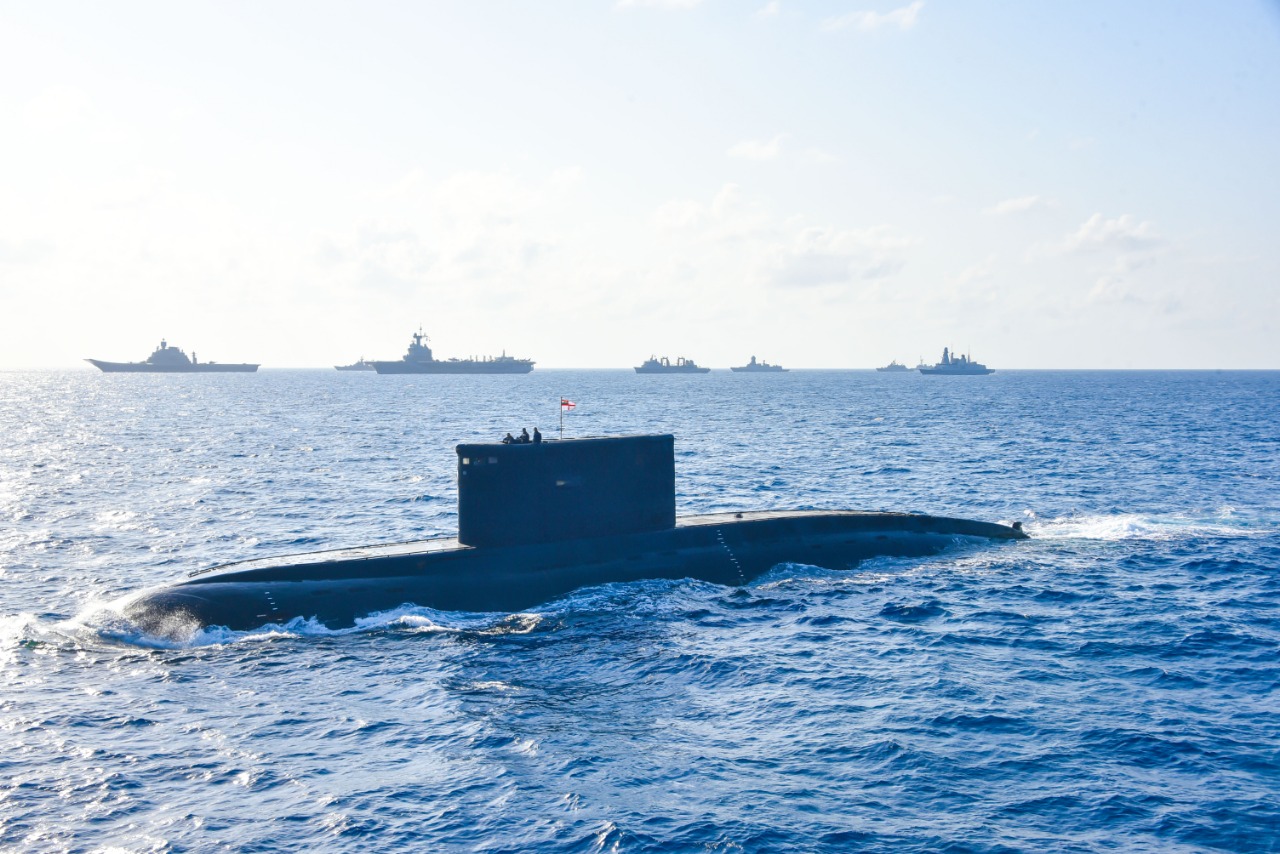
Beyond operational synergy at sea, Indo–French naval cooperation is deeply rooted in long-term technological collaboration. One of the most prominent examples is India’s Kalvari-class submarine program under Project 75, in which French firm Naval Group partnered with Mazagon Dock Shipbuilders to construct Scorpene-class submarines with significant technology transfer and indigenous assembly. This initiative embodies the spirit of self-reliance that India seeks to promote through its Aatmanirbhar Bharat vision, while giving the Indian Navy a formidable underwater capability. The cooperation continues to expand into newer areas, including future underwater autonomy, maritime surveillance from space and support for India’s carrier aviation through the integration of Rafale-M fighter jets.
 Ankur Kanaglekar, Vice President – India, Thales, stated, “This Indian Navy Day, we salute the resilience and valour of the Indian Navy in safeguarding the nation’s maritime frontiers. Thales takes great pride in being a trusted partner, supporting the Navy’s modernisation and indigenisation efforts. Our advanced combat-proven technologies—including electronic warfare, communications and sonar systems for submarines and surface ships, long-range surveillance radars, anti-submarine warfare, and mine-hunting solutions—play a vital role in enhancing the Navy’s operational capabilities. Thales is also honoured to be a proud partner of the Dassault Aviation Rafale team, contributing advanced technologies for this naval fighter programme. In support of the Aatmanirbhar Bharat vision, we continue to expand our collaboration with Indian industry on production, supply chain and sustainment to support the Indian Navy’s ambition of self-reliance and securing maritime borders.”
Indo–French naval cooperation today stands as one of the most comprehensive and consequential maritime partnerships in the Indo-Pacific. Built on decades of operational trust, reinforced by defence-industrial collaboration, and guided by a shared vision for a secure, open and rules-based maritime environment, the relationship continues to scale new heights. From joint exercises and submarine development to multilateral engagements and logistical support, the two navies have crafted a synergy that resonates far beyond their own shores. As emerging challenges reshape the global maritime landscape, the Indo–French partnership is poised not only to endure but to play an increasingly pivotal role in shaping a stable and resilient Indo-Pacific order.