












- Redefining the Skies: Women Lead the Charge in Aviation and Sustainability
- When Women Lead, the Skies Transform
By Swati Ketkar
Mumbai. 27 March 2026. At a time when India’s aviation sector is expanding at an unprecedented pace, the role of women in shaping its future, across operations, infrastructure, safety, and sustainability has never been more critical. Recognising this, the Women’s Indian Chamber of Commerce and Industry National Aviation Council (WICCI NAC), in collaboration with the Indian Women Pilots Association (IWPA), curated a landmark International Women’s Day 2026 Fireside Chat Series that brought together some of the most influential voices in aviation and allied sectors.
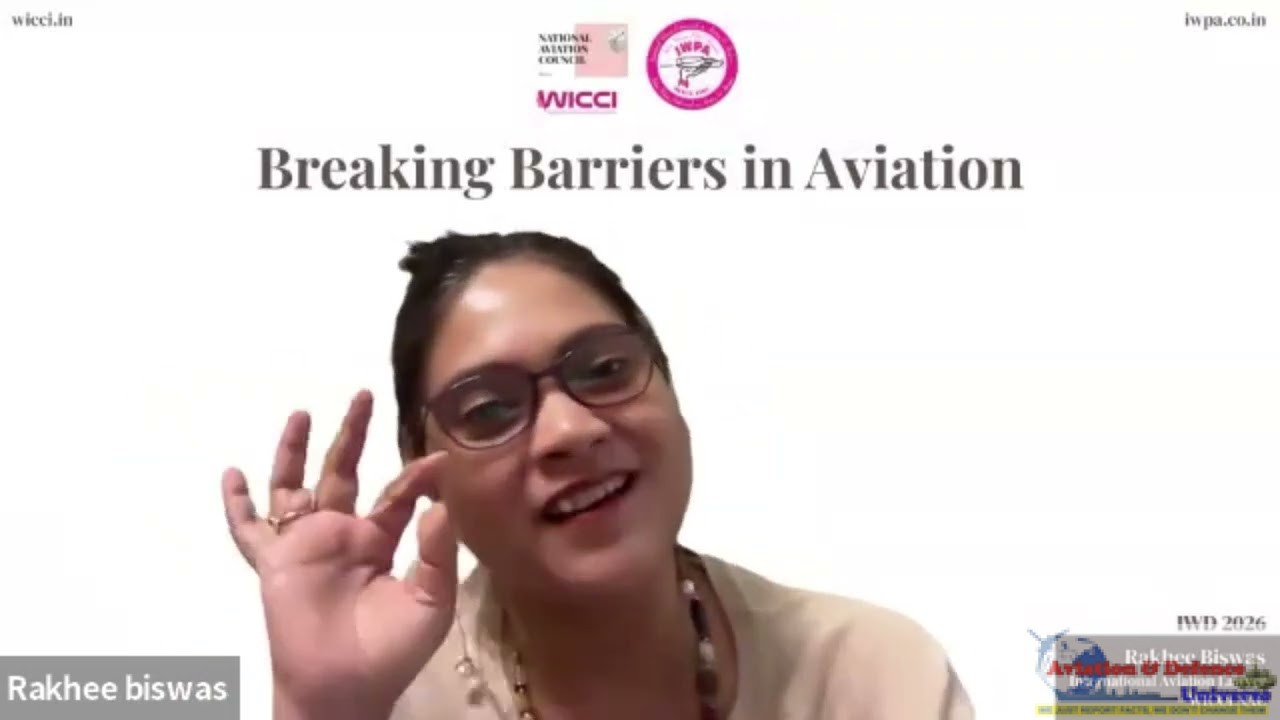 Held earlier this month the week-long virtual series featured four distinguished women leaders whose contributions span environmental advocacy, aviation history, commercial flying, and airport infrastructure development. Moderated by Rakhee Biswas of WICCI NAC, the sessions drew participation from a global audience and delivered a compelling narrative on leadership, resilience, and systemic transformation.
A platform beyond celebration
While International Women’s Day initiatives often focus on recognition, the WICCI NAC–IWPA series went a step further by creating a platform for critical dialogue. The conversations explored not only individual journeys but also the structural challenges and opportunities that define the aviation ecosystem today.
“This series demonstrated that women are not just participants in aviation, they are driving transformation,” said Rakhee Biswas. “From environmental accountability to operational excellence, these leaders are addressing some of the sector’s most pressing challenges while paving the way for future generations.”
Environmental accountability takes centre stage
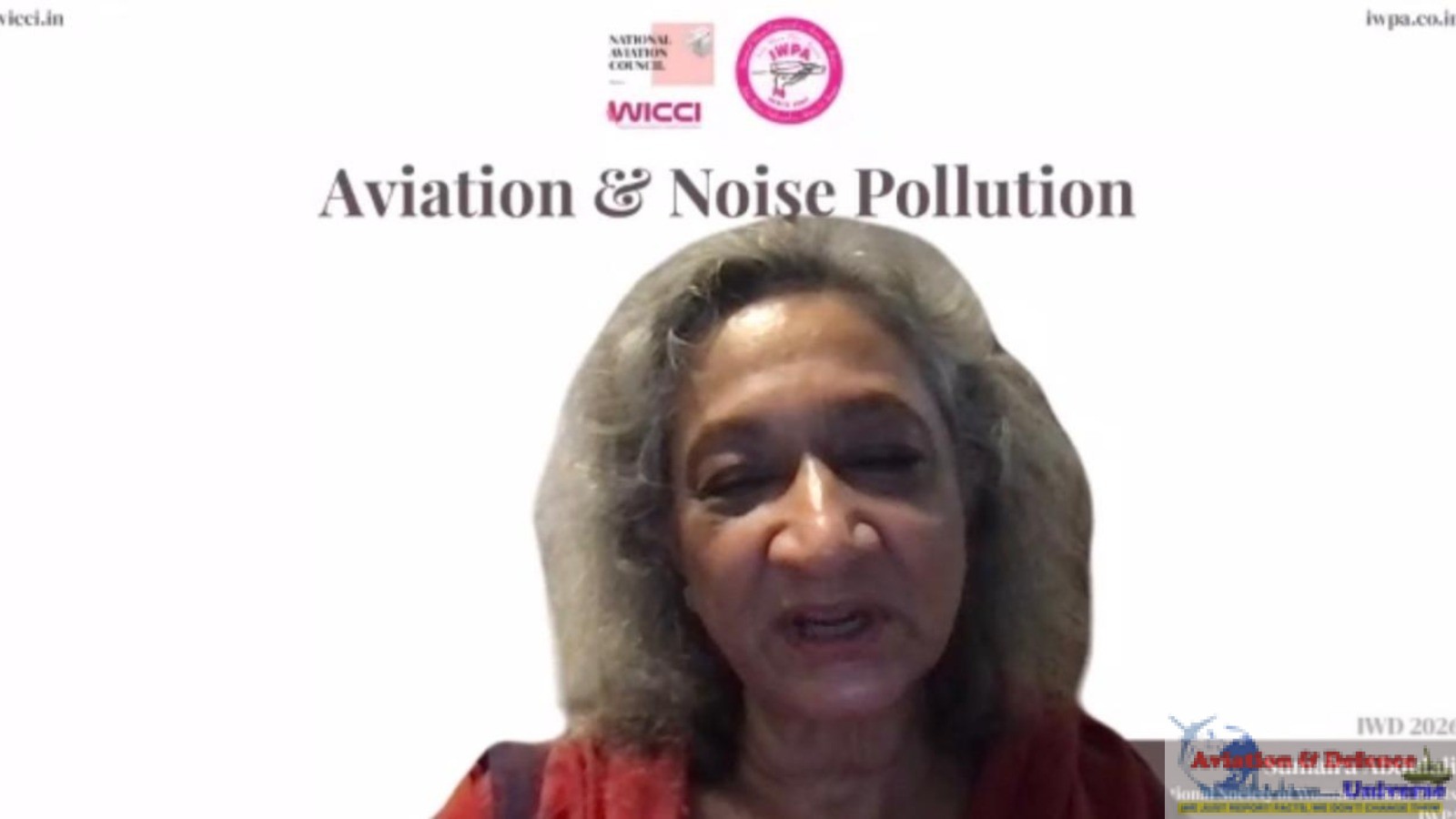 The series opened on with Sumaira Abdulali, Convenor of Awaaz Foundation, who addressed the often-overlooked issue of noise pollution and its impact on airport ecosystems and surrounding communities.
Abdulali, widely known for pioneering India’s first public interest litigation (PIL) on sand mining and for her sustained efforts in reducing noise pollution levels in Mumbai, highlighted the urgent need for stronger regulatory frameworks and enforcement mechanisms. Her discussion underscored the growing importance of environmental governance in aviation, especially as airport expansions and traffic growth intensify ecological pressures.
Her insights were particularly relevant in the current context, where sustainability is no longer a peripheral concern but a central pillar of aviation growth strategies.
Honouring legacy and building networks
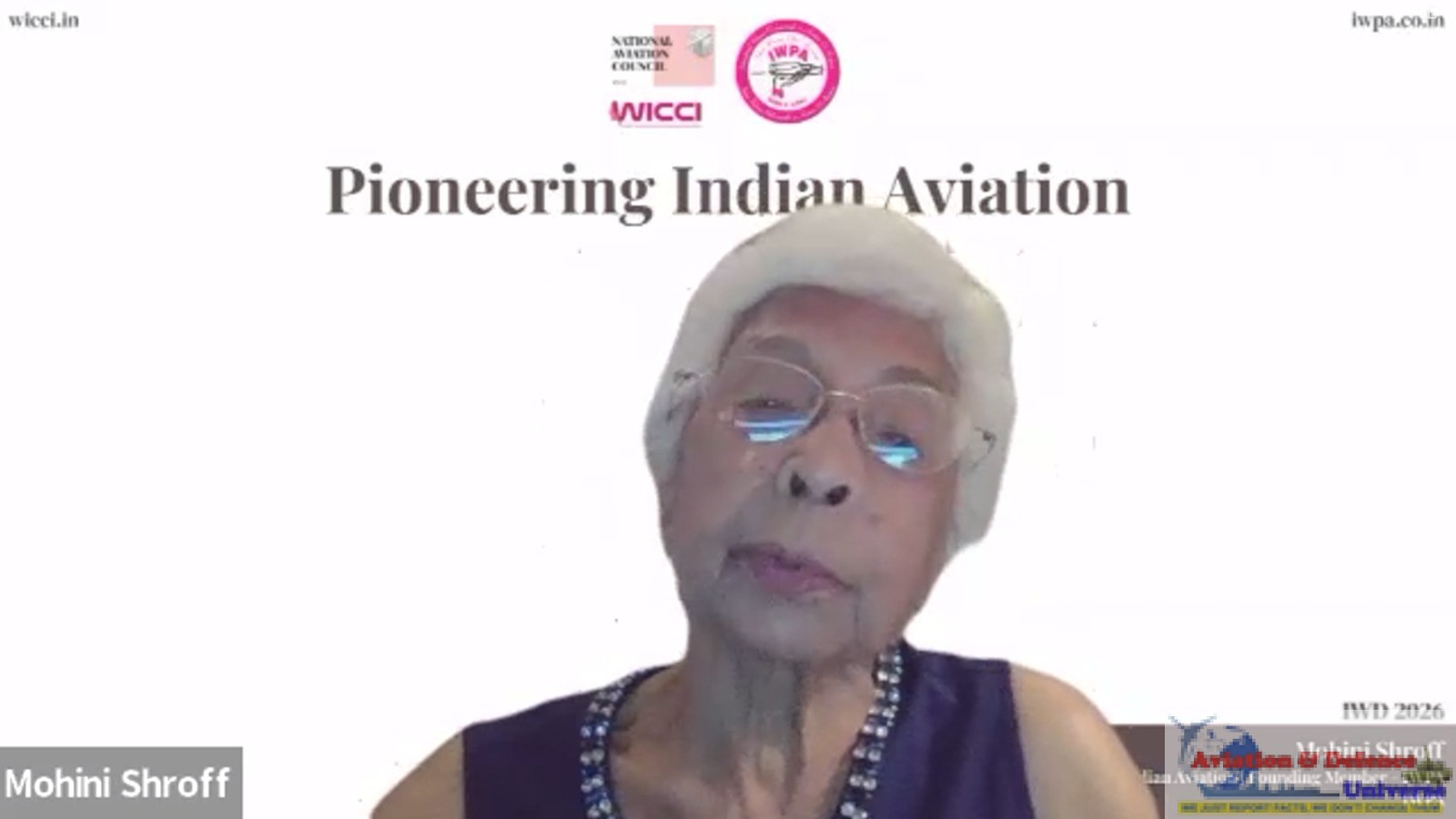 Next the spotlight shifted to Mohini Shroff, a founding member of IWPA and a charter member of The Ninety-Nines, who shared her journey as one of India’s early women aviators.
Having begun her flying career in 1959 at the Bombay Flying Club, Shroff’s experiences offered a rare glimpse into a time when women in aviation were a rarity. Her participation in the 2003 Air Race India further cemented her legacy as a pioneer.
Beyond her personal achievements, Shroff emphasised the importance of institutional networks and mentorship in enabling women to enter and thrive in aviation. Her reflections highlighted how early efforts to build support systems have contributed to the gradual increase in women pilots in India, which currently stands at around 15 per cent, significantly higher than the global average.
Breaking barriers in commercial aviation
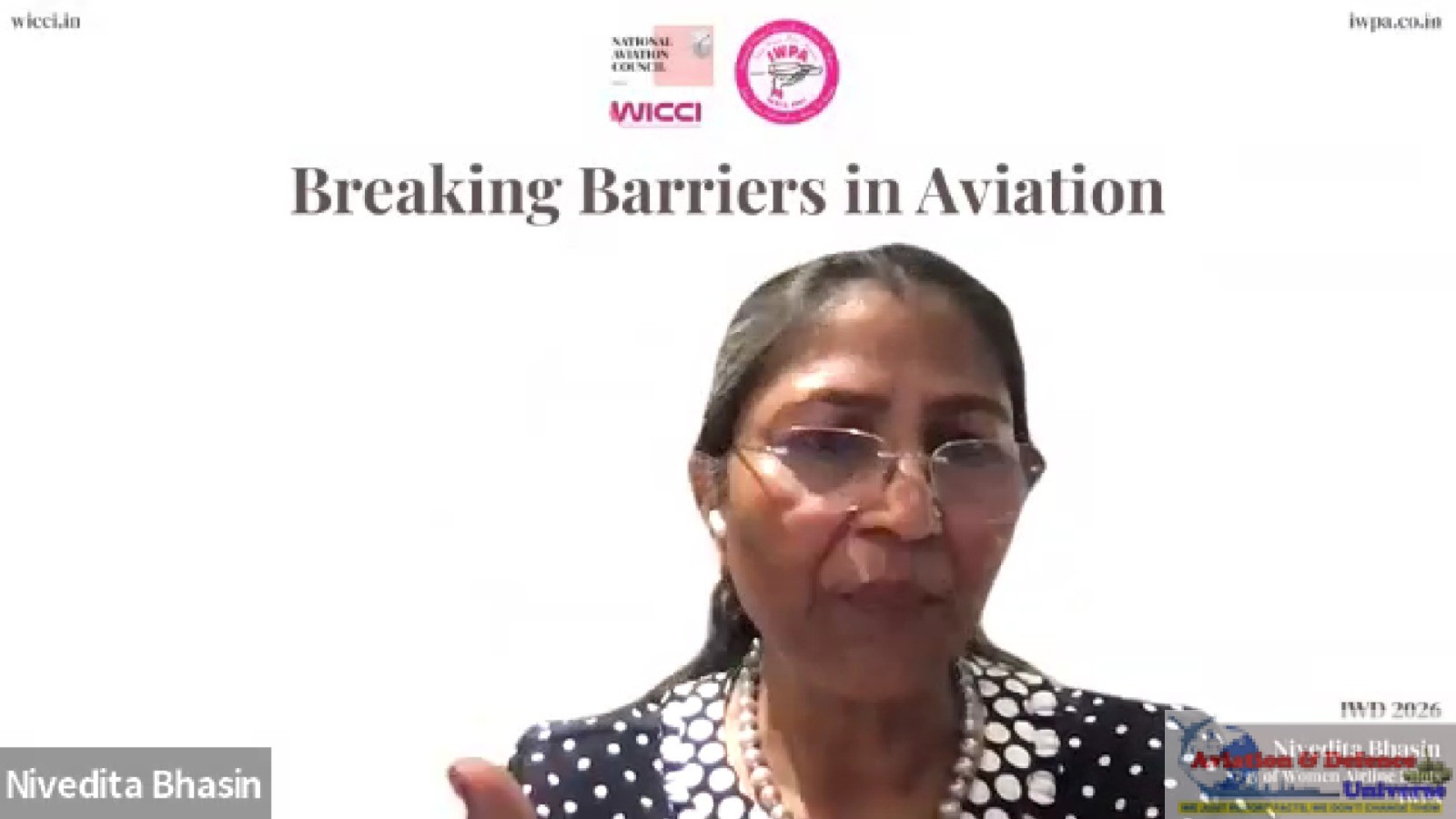 The next session featured Capt. Nivedita Bhasin, one of the most prominent figures in Indian aviation and the youngest woman in the world to command a commercial jet.
With a career spanning over 37 years, Bhasin’s journey from a young pilot to a Boeing 787 captain and Chief of Flight Safety at Air India reflects both personal determination and the evolving opportunities within the sector.
Her discussion focused on safety leadership, decision-making under pressure, and the importance of diversity in operational roles. As aviation systems grow more complex, Bhasin highlighted the need for inclusive leadership that brings varied perspectives to safety and risk management.
Her role as an International Director at The Ninety-Nines further reinforces the importance of global collaboration in advancing women’s participation in aviation.
Designing the airports of tomorrow
 The final session of the series featured Nandita Bhatt, Executive Director (Planning) at the Airports Authority of India (AAI), who brought a strategic perspective on infrastructure development.
With over three decades of experience, Bhatt has been instrumental in shaping airport master planning, terminal design, and air traffic control infrastructure across India. Her insights into next-generation airport development highlighted the scale and complexity of supporting India’s aviation growth ambitions.
As the country prepares to significantly expand its airport capacity, Bhatt emphasised the need for integrated planning that balances efficiency, passenger experience, and sustainability. Her experience as the former Director of Maharana Pratap Airport further illustrated the operational challenges and innovations involved in managing airport ecosystems.
Connecting the dots
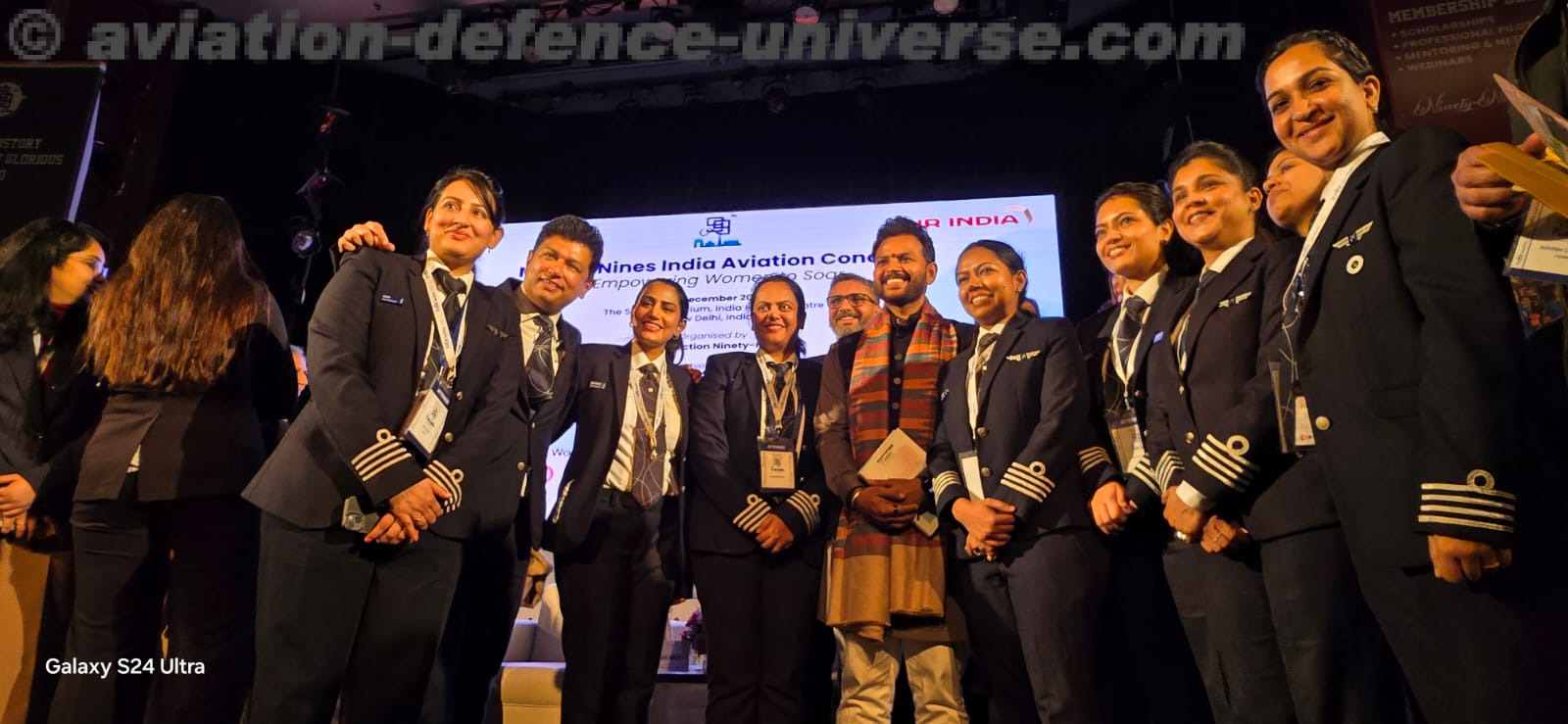
Across the four sessions, several key themes emerged, reflecting the broader transformation underway in the aviation sector:
- Sustainability and Environmental Governance: From noise pollution to infrastructure planning, environmental considerations are becoming central to aviation decision-making.
- Workforce Diversity and Inclusion: Increasing the participation of women in aviation is not just a social goal but a strategic imperative for innovation and resilience.
- Safety and Operational Excellence: As highlighted by industry leaders, maintaining high safety standards requires strong leadership and independent decision-making.
- Infrastructure and Capacity Building: With India’s aviation market poised for rapid growth, scalable and future-ready infrastructure is essential.
Aligning with industry growth
The discussions come at a crucial time for Indian aviation. The sector is expected to witness sustained growth, with projections indicating a compound annual growth rate (CAGR) of over 10 per cent and a potential doubling of capacity by 2030.
However, this growth also brings challenges ranging from environmental concerns and infrastructure constraints to workforce shortages and evolving safety requirements. The WICCI NAC–IWPA series effectively addressed these intersections, positioning women leaders as key contributors to solving these complex issues.
 As the aviation industry navigates a period of rapid expansion and transformation, initiatives like this fireside chat series play a vital role in shaping the narrative and driving meaningful change.
By bringing together voices from diverse domains, environmental advocacy, flight operations, historical legacy, and infrastructure planning, the series underscored the importance of cross-sector collaboration.
More importantly, it reinforced a powerful message that the future of aviation will not just include women, it will be shaped by them.
With plans for more initiatives at the intersection of aviation, defence, and leadership, WICCI NAC and IWPA are set to continue building platforms that amplify voices, foster dialogue, and drive progress in the sector.
(Swati Ketkar is an independent journalist based in Mumbai and a member of the WICCI National Aviation Council)