












- “Dhruv NG, Hindustan 228 and SJ-100 Will Drive Our Civil Growth”
- “We Will Lease 10–20 SJ-100s and Move to Assembly in India”: HAL’s Regional Aircraft Plan
By Sangeeta Saxena
Hyderabad. 28 January 2026. At Wings India 2026, Hindustan Aeronautics Limited signalled a decisive strategic shift—from being known almost exclusively as India’s military aerospace backbone to emerging as a serious player in the civil aviation space. For over eight decades, HAL’s identity has been shaped by fighter aircraft, helicopters, and defence platforms, with nearly all revenues tied to military programmes. Now, the DPSU is consciously redirecting its engineering depth, manufacturing capacity and vast vendor ecosystem toward civil platforms such as the Hindustan 228, the civil-certified Dhruv NG helicopter and the proposed induction and assembly of the SJ-100 regional aircraft. This pivot is not incremental, it represents a structural rebalancing of HAL’s portfolio, backed by certification efforts, export outreach, leasing-led induction strategies and plans for domestic assembly to reduce lifecycle costs.
 What makes this transition particularly exciting is the scale of opportunity it unlocks—for HAL and for India’s aviation ecosystem. By stepping into regional aircraft, civil helicopters, and commuter platforms, HAL is positioning itself at the heart of India’s next phase of air connectivity growth, where safety, affordability, and accessibility will define market success. The move also promises to energise domestic manufacturing, create new industrial linkages, and bring private suppliers deeper into aerospace value chains traditionally reserved for defence. For an organisation with HAL’s legacy, this civil aviation turn is not just diversification—it is a generational transformation that aligns with India’s ambition to design, build, and operate more of its own aircraft for civilian skies.
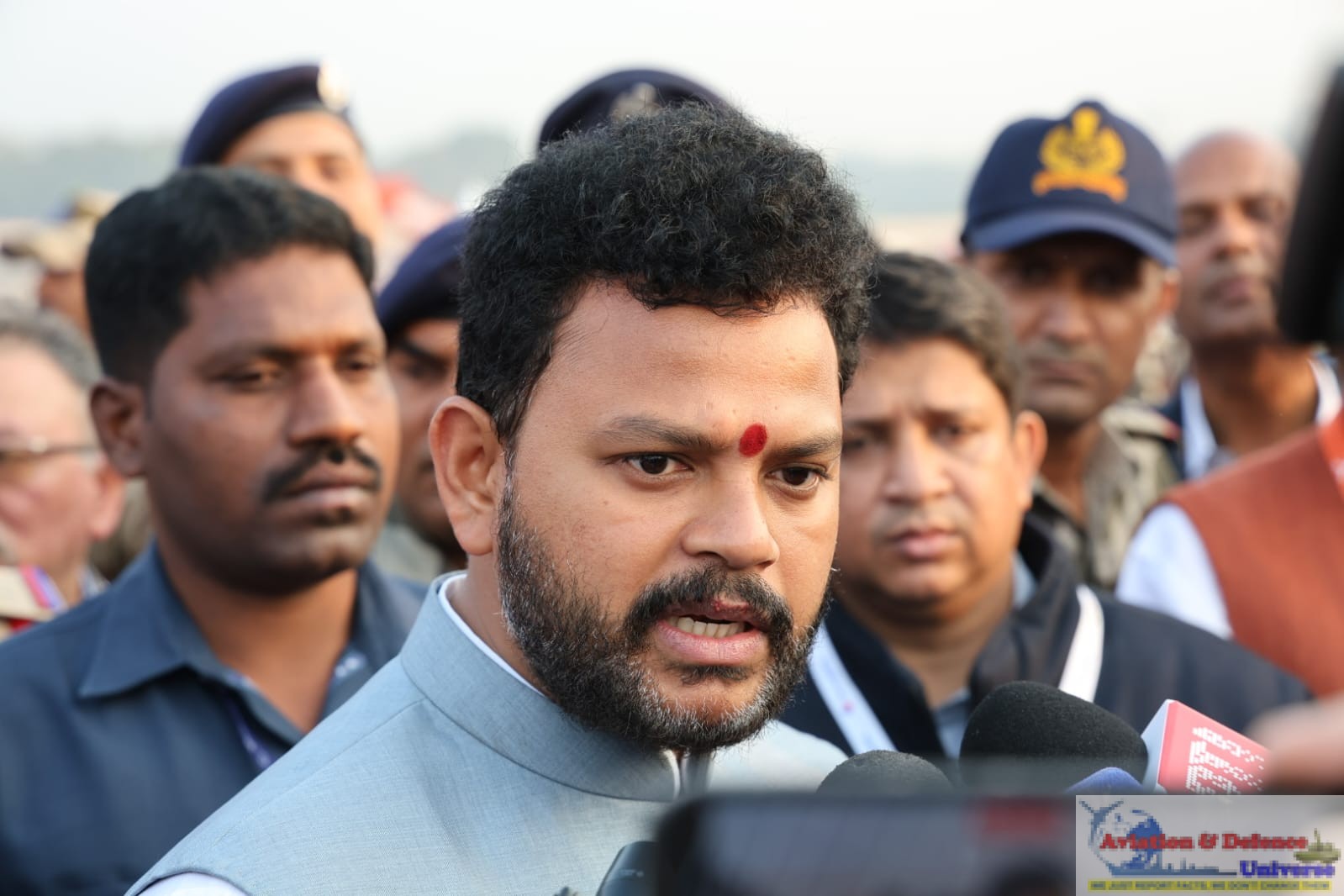
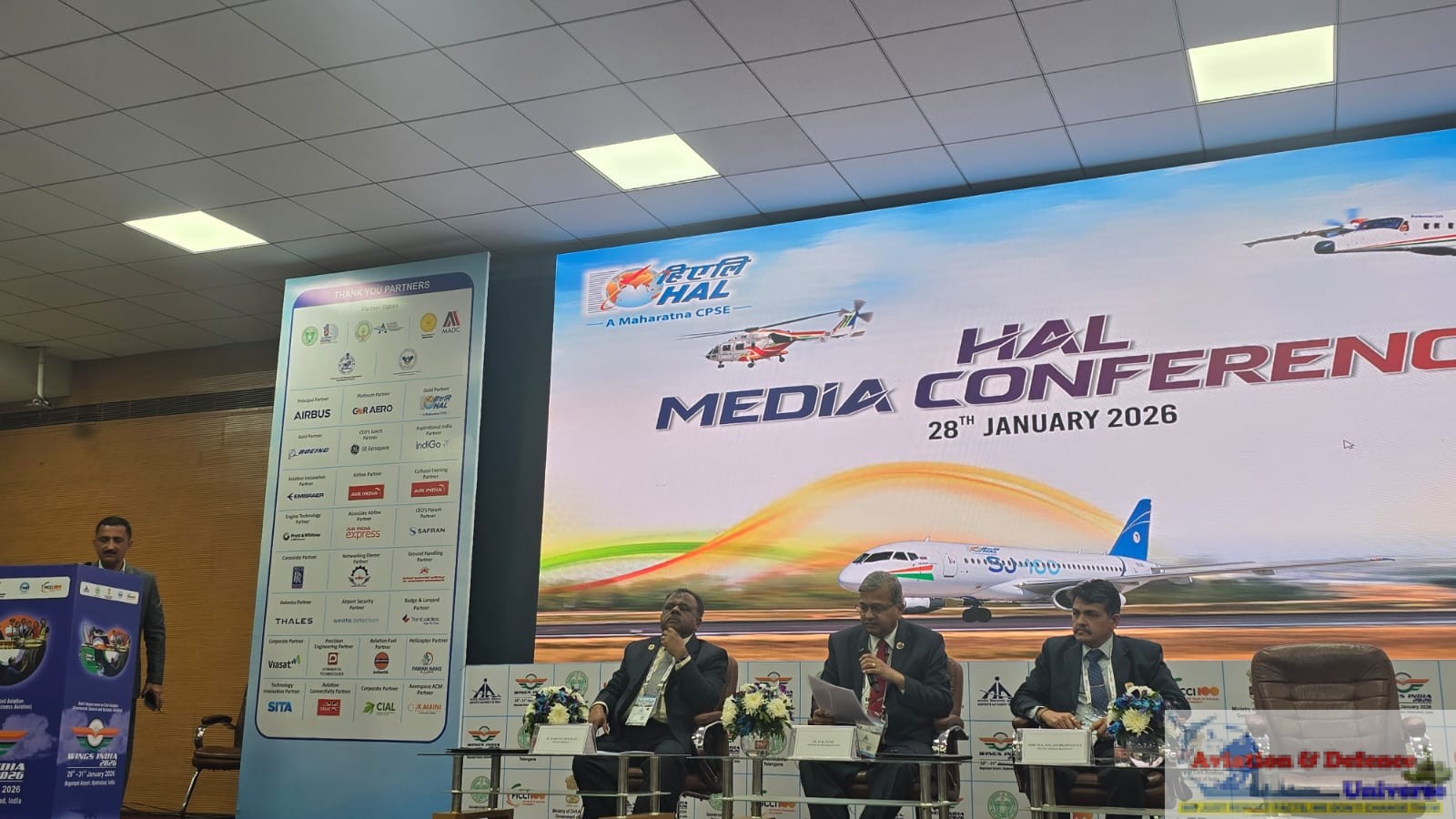
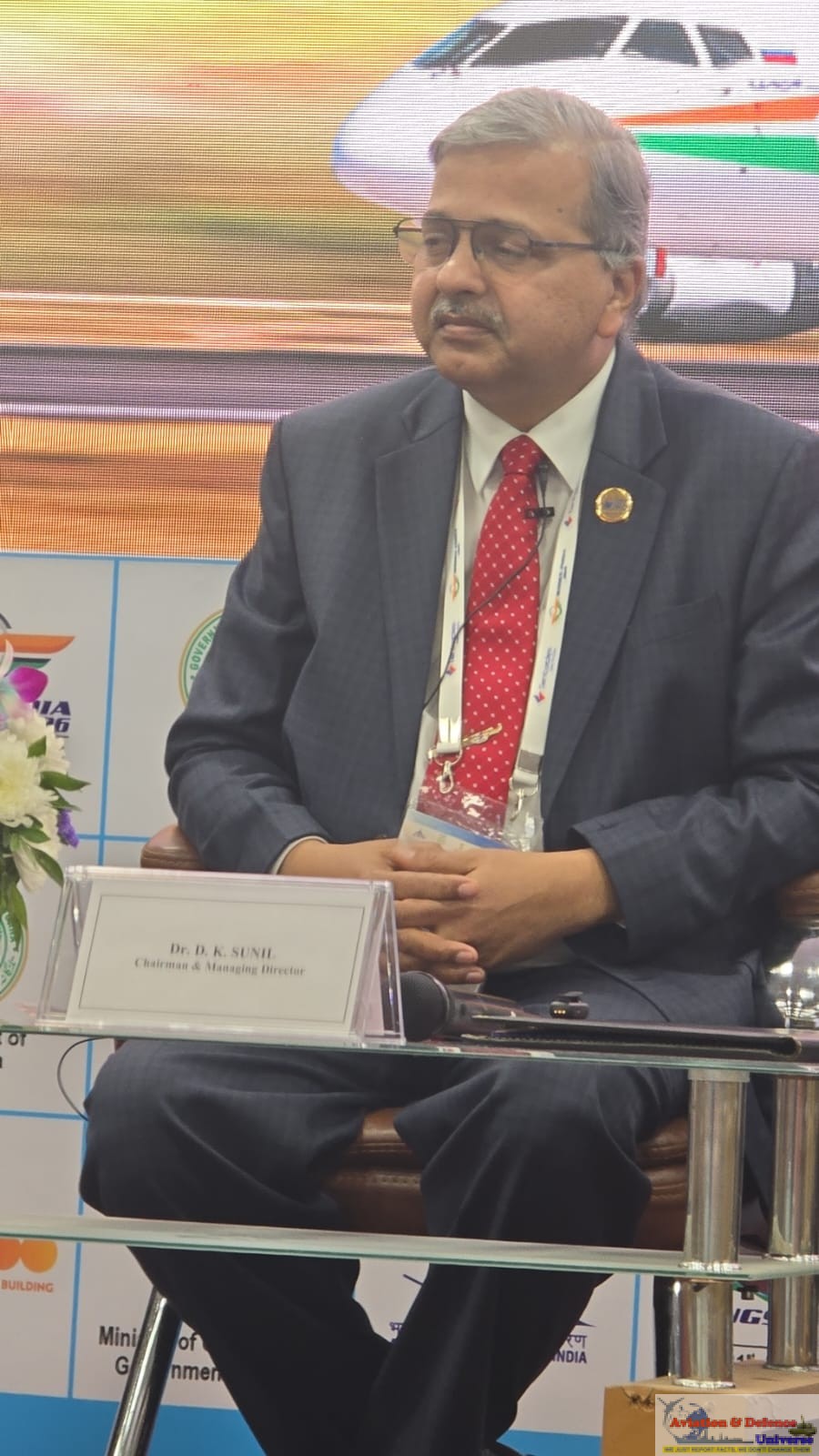
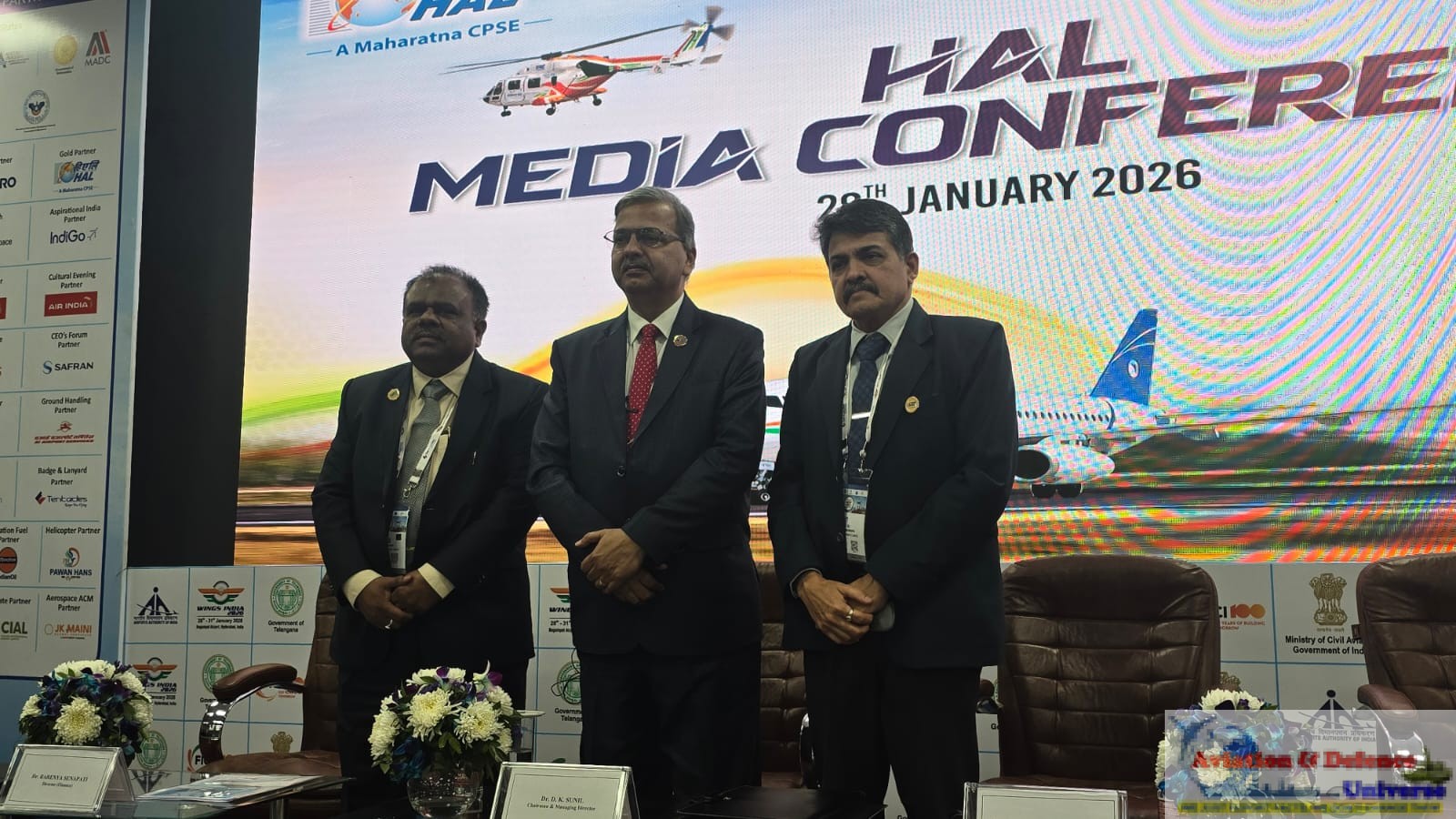
At Wings India 2026, Dr D K Sunil, CMD of Hindustan Aeronautics Limited, addressed the media in what he described as the company’s first press interaction at the show, using the platform to outline a major shift in HAL’s strategy toward civil aviation. He reiterated HAL’s legacy and the need to broaden its portfolio beyond defence. “Our civil footprint has been small. 97% of our sales is in military hardware.” He then set out the corporate intent clearly. “As a corporate policy over the last few years, we have made a conscious decision that we need to diversify and increase the component of the civil.”
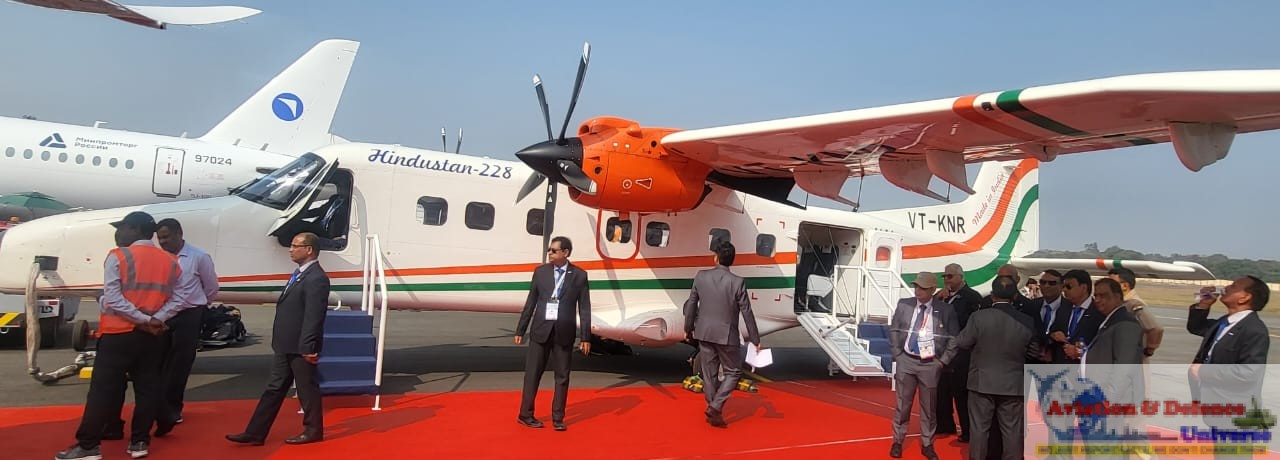
Dr Sunil traced HAL’s civil journey back to earlier platforms while pointing to a renewed, certification-led push. “Our civil journey had started actually quite a long way back. We built the Avros at our Kanpur facility, which is still in service with the Indian Air Force.” He explained HAL’s work on civil certification for the aircraft now branded as the Hindustan 228. “One is the civil certification of the Dornier 228 and that we have recertified as the Hindustan 228, which is certified by the DGCA.” On exports and market direction, he said, “We have supplied two to Guyana, they are already flying in the West Indies and we have also signed a contract for two more just recently and this will take this number to four.” He also described why HAL sees a fit in specific geographies. “It’s a very versatile aircraft for the island or archipelago kind of environment and we see a good business there in the West Indies as well as archipelago areas like Malaysia, Indonesia and so on.”
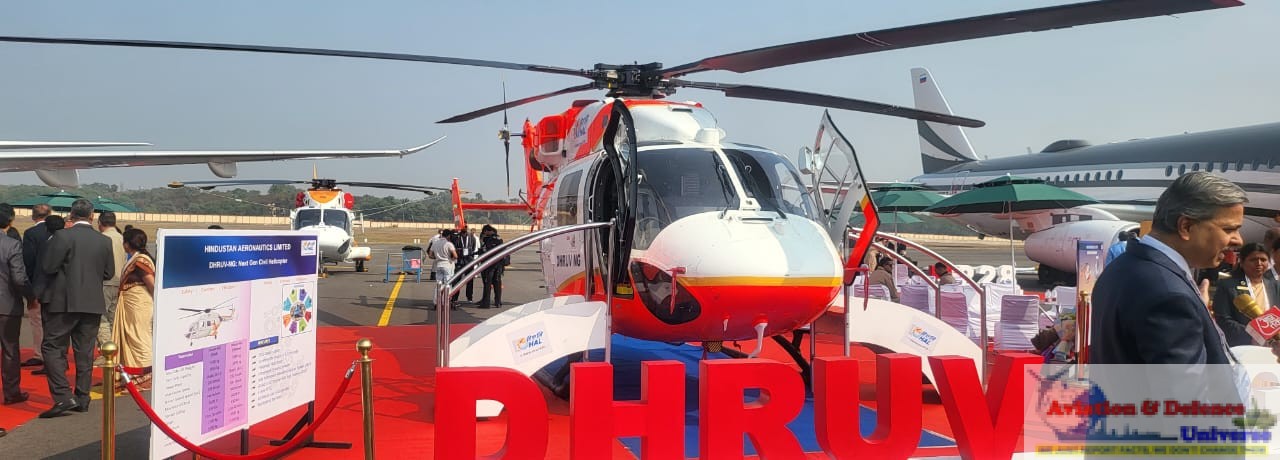 Moving to helicopters, Dr Sunil said HAL has advanced the Dhruv toward civil certification and near-term induction. “Secondly, we have worked on the Dhruv to certify it for the civil market. It is a third-generation aircraft with a very capable glass cockpit.” He referenced the recent milestone and the timeline ahead. “It took the first flight and we expect to complete the certification in the next couple of months.” He identified the first customer and deployment plan. “Our first customer will be Pawan Hans Limited and they are picking ten helicopters, which they will be deploying for the offshore operations of ONGC.” He positioned Dhruv NG as a “first big” civil push and highlighted safety and support considerations. “This is going to be the first big order for us and we also have features which make it safer like terrain awareness and a much more capable glass cockpit, the support for this aircraft is assured.”
On expected market demand and applications, Dr Sunil stated, “We see that there is a market for a few hundred aircraft and not less than 400–500 aircraft of this type, twin engine.” He cited safety concerns and role suitability. “In the recent past, there have been quite a few crashes in the northern sector, so we see that this twin engine helicopter will need a bigger pull because of safety considerations, especially for medical evacuation in the northern areas.” He also described capacity and utility. “You can put in two stretchers or you could carry up to 14 people in this aircraft.” On delivery timing for the first batch, he added, “These 10 deliveries will happen in this coming financial year, 26–27.” He indicated scale-up capability. “We can do about 30–35 helicopters a year and we can definitely put it up to 45 helicopters a year. That should not be a problem with additional investments.” He also flagged export interest. “We have one strong case going on in Southeast Asia, an interest for about four, it could happen this year itself, we expect four aircraft to be delivered this year.”
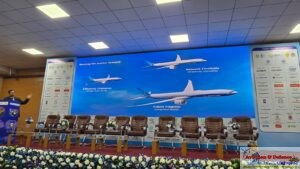
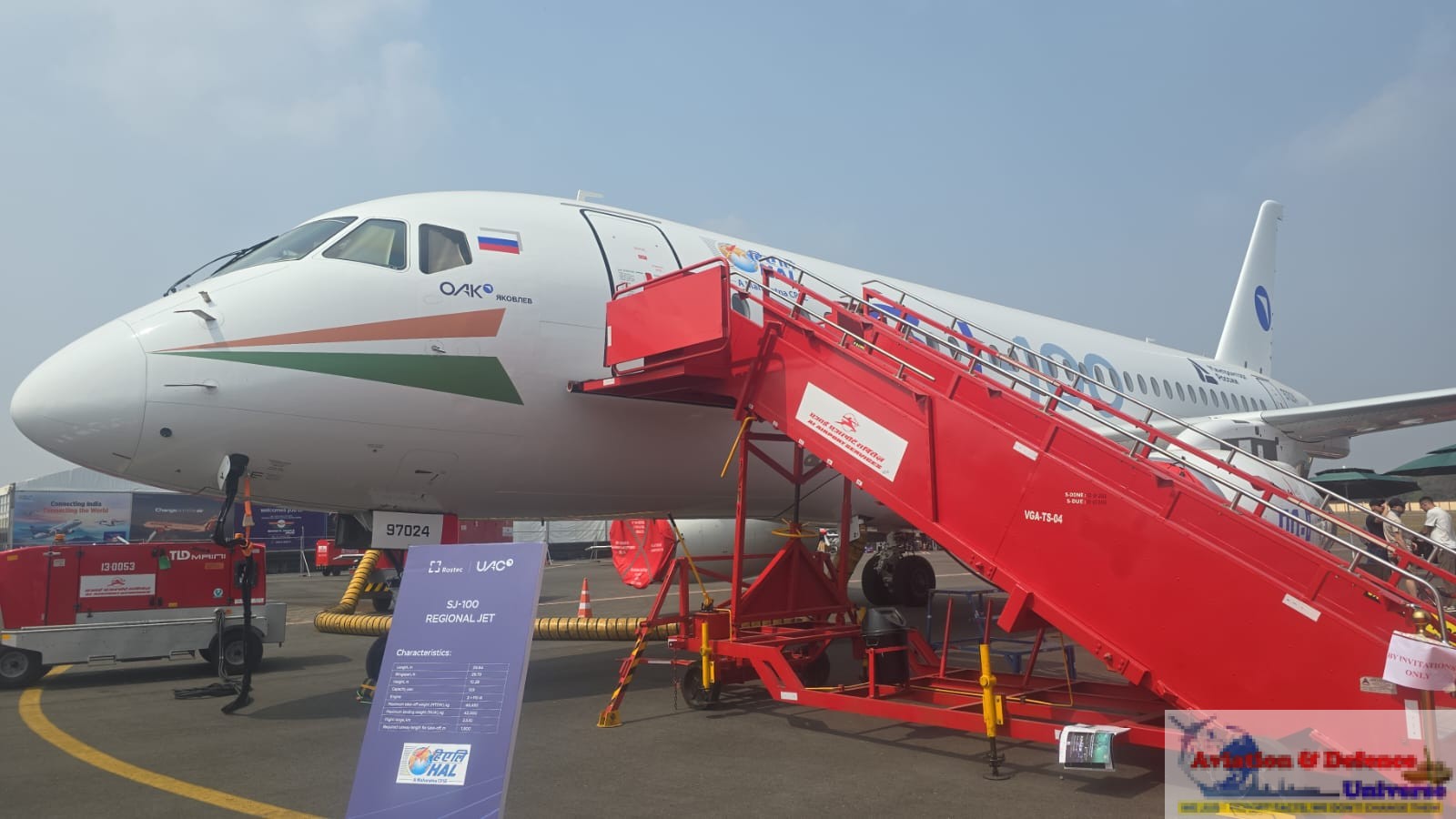 On the regional aircraft front, Dr Sunil called the SJ-100 a key step to expand HAL’s civil footprint. “The third of course is what you are seeing today, the SJ-100. Today we have taken the first step of bringing this aircraft here, showcasing it.” He praised the product and positioned it for the market gap. “It is a really world-class aircraft, from the finish, interiors, from the cockpit layout, in every sense of the word, it is a world-class aircraft. It fills that gap of over 100 seater for short range regional operations.” He laid out HAL’s staged approach. “We will be leasing this aircraft. We are already in discussions with some of the operators. We will lease this aircraft initially so that we get a feedback about its maintenance availability and its ground support systems, its MRO.” He quantified the initial induction objective. “That’s why we talked about 10–20 numbers we would like to lease, bring in directly in fly-away condition and start deploying them.” He clarified how leasing would work operationally. He also shared demand signals from operators. “We are talking to two of them. We also have an interest for about 20 aircraft from one of the operators.” On route fit, he highlighted performance range. “It is about three and a half thousand kilometres and six hours duration. A lot of regional routes can be easily covered by this aircraft.”
Speaking on manufacturing, he described a phased localisation model and timeline. “It’s going to be a licensing agreement. Stage one where we do the final assembly… and subsequently we go into the detailed manufacturing.” He put a timeline on assembly in India. “We will probably plan to start manufacture, expected in the next three years. In three years we will do the rollout, bring all the assemblies, assemble it and fly it.” He referenced potential facilities and industrial participation. “We have a very large facility in Nasik and Kanpur, where we can do a lot of sub-assemblies. We have a huge vendor base from our military business and we will be using these Indian companies which are already part of our ecosystem.”
Explaining HAL’s sourcing strategy, he said, “Initially we will do this assembly, later we will go into the detailed part in a graded fashion.” He also emphasised the cost logic behind domestic production. “Fuel and maintenance are the two big cost drivers in the civil sector, we will produce this aircraft so that the availability of spares and the aircraft itself is going to be made within the factory so that the cost can be driven down. The cost of acquisition can be driven down as well as the spares.” He pointed to government receptiveness. “We have discussed with the Ministry of Civil Aviation and they are very positive that they will support us to make it happen that an aircraft of this size and capacity will be built within the country.”
 Reiterating the push on market sizing and economics, Dr Sunil said HAL’s estimates show room for a substantial fleet. “We have made our internal estimates and we see a good market upwards of 200 aircraft for this.” He explained why leasing is strategically important. “The first phase will be to lease it out and is exactly to narrow down cost per seat because cost is going to be important.” Asked about competition, he kept the focus domestic first. “Today our focus is on building this aircraft for India and we are not really looking at export as a requirement for the business case. We are looking at enough market within the country.”
Dr. Sunil responded on western sanctions and component risks, optimistically, “UAC has converted all the equipment into Russian equipment and there is no western equipment. It is a fully Russian aircraft and we don’t see that risk that there will be a sanction which will hold up the components for the aircraft.”
He reiterated HAL’s long-term target for civil share in turnover. “The target is that about one fourth of our turnover should come from civil, 25% in the next 10 years.” He quantified the current base. “Today around 5–6% of our revenue is from civil sector.” On what will drive the rise, he linked the target to new civil programs. “Taking SJ-100 into account it may go up to 25%.” On investment capacity, he stated, “We are spending around ₹2,500 crore every year on capex which can be scaled up if the situation is good. If any incremental capex is required, we are ready to do it.” He also provided a topline reference for HAL. “Last year revenue was close to ₹31,000 crores and we will register some growth.”
Dr Sunil used Wings India 2026 to define HAL’s civil aviation pivot in plain terms. He ended stating, “We have made a conscious decision to diversify and increase the component of the civil.” With Hindustan 228 export momentum, Dhruv NG nearing certification with a 10-helicopter Pawan Hans order and a staged plan to induct 10–20 SJ-100s before moving to assembly in India within three years, he framed the roadmap as both strategic and time-bound—backed by existing infrastructure, a deep vendor base, and capex headroom. He closed the interaction on this optimistic note.
 Hindustan Aeronautics Limited’s entry into civil aircraft construction marks a defining new chapter for aircraft manufacturing in India. For decades, indigenous aerospace capability in the country has largely been associated with military platforms, but HAL’s pivot toward civil aircraft—through programmes like the Hindustan 228, the civil-certified Dhruv NG helicopter, and plans around regional commuter aircraft—signals the emergence of a domestic ecosystem capable of serving commercial aviation needs as well. This shift goes beyond product diversification; it lays the foundation for India to build end-to-end capability in designing, certifying, manufacturing, maintaining, and supporting civil aircraft within its own industrial framework. By leveraging its engineering depth, production infrastructure, and nationwide supplier base, HAL is helping catalyse a broader transformation where India moves from being a large aviation market to becoming a credible aviation manufacturing hub for civilian skies.