





















- From Delays to Deliveries: Aviation India 2025 brainstorms India’s Air Cargo Transformation
- India’s Cargo Carriers Gear Up for Growth Amid Supply Chain Headwinds
- Beyond Boundaries: Air Cargo’s Push for Efficiency, Expansion and Sustainability”
By Sangeeta Saxena
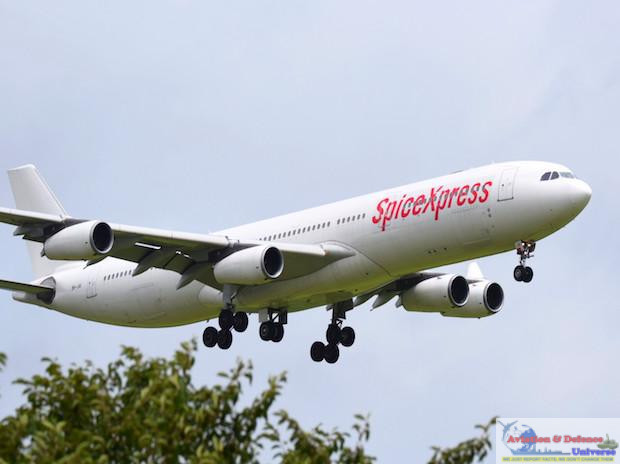
New Delhi. 04 November 2025. Air cargo fleets form the invisible arteries of global trade — carrying goods faster, safer, and more efficiently than any other transport mode. In the intricate web of supply chain management, they serve as critical enablers of just-in-time logistics, connecting manufacturers, exporters, and consumers across continents. For industries such as pharmaceuticals, electronics, perishables, and e-commerce, air freight ensures reliability where time defines value. Modern air cargo fleets — from dedicated freighters like Boeing 747s and 767s and Airbus A340 to converted narrow-body aircraft — provide flexibility in routing and payload, optimising capacity for diverse goods. In India, their importance is growing rapidly with the expansion of integrated logistics hubs, dedicated freighter operations, and rising cross-border e-commerce. As the country pushes for Atmanirbhar Bharat in aerospace and logistics, strengthening air cargo fleets is not just about moving goods — it’s about moving economies, sustaining industries, and fuelling India’s position in global value chains.
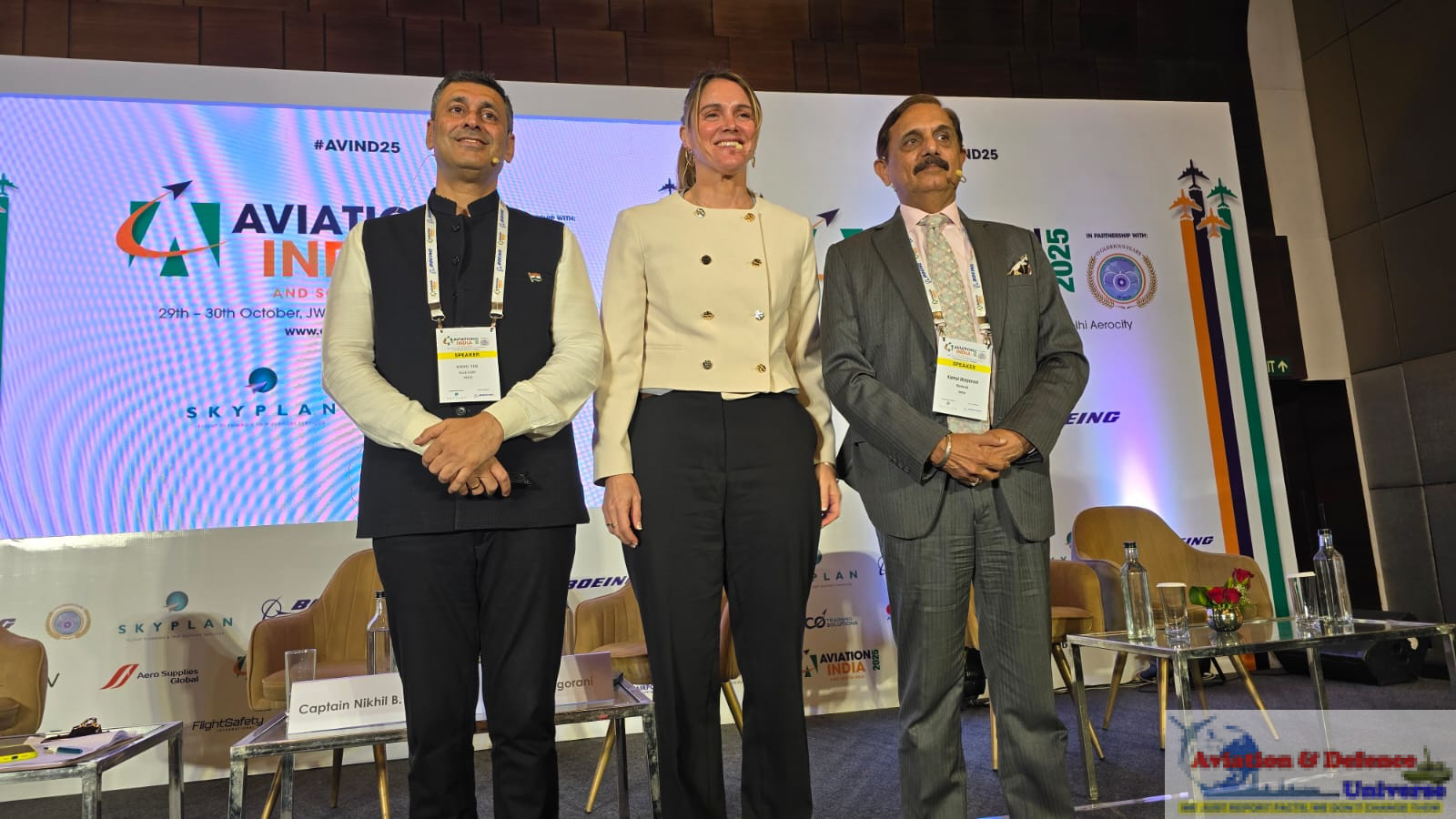
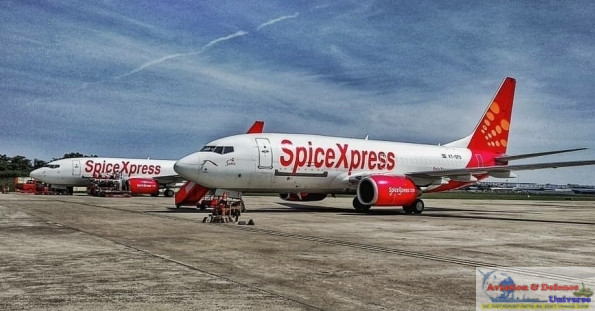
 At Aviation India 2025, the skies were filled with more than aircraft — they were charged with ideas. The session on Cargo and Fleet Modernisation, moderated by Chloe Greenbank, Airports Director, Aviation India 2025 brought together Kamal Hingorani, Head of Commercial, SpiceXpress (the cargo division of Spicejet) and Nikhil Bhatia, Chief Strategy Officer, Blue Dart Aviation, for a candid conversation on how India’s cargo carriers are battling delays, supply chain disruptions, and regulatory headwinds while preparing for a long-haul future.
Both leaders represented different corners of India’s growing cargo ecosystem — one from a passenger-carrier spin-off exploring new markets, and the other from India’s longest-standing express logistics airline. What united them was a shared optimism — that India’s air cargo story is only beginning to climb.
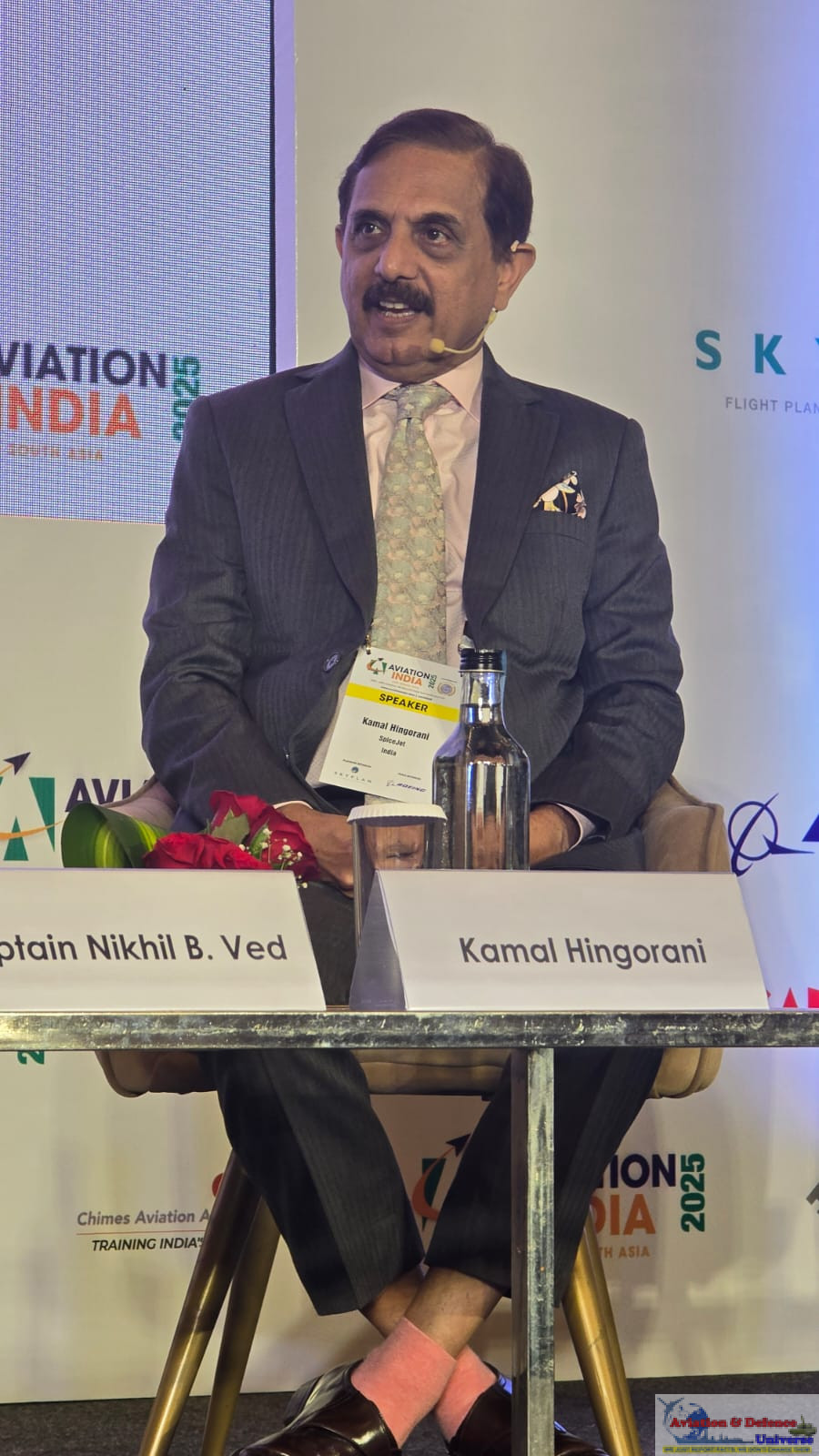 Kamal Hingorani opened the discussion by addressing the elephant in the hangar — delays in aircraft deliveries and the long wait for fleet expansion. “Eighteen weightless aircraft, so nineteen weightless aircraft,” he said, referring to their fleet additions. “The order placed with Boeing back in 2017 faced huge delays. How are we managing those delays and expectations? It’s a work in progress.”
He elaborated on how SpiceXpress is currently operating 20 ACMI (Aircraft, Crew, Maintenance, Insurance) aircraft — “Half of them are already here, and some have started scheduled operations already. By mid-November, we have all those in our scheduled operations,” he said, adding that all are Boeing 737s.
The airline’s fleet also includes an Airbus A340, which has opened new operational possibilities. “We have one A340 waiting, which is already here and operating on certain routes. We used that last year for Hajj operations between India and Saudi Arabia — the largest Indian carrier for Hajj flights — and continue to do so. We want to use that opportunity to see how we can go beyond our six-hour radius that currently we have in Boeing, ” Hingorani noted.
However, he admitted that the A340’s long-haul future is still being evaluated. “It’s a work in progress on what routes we will utilise those . A long-haul flight, typically eight to ten hours, needs to have a full-service model. We’ve seen AirAsia try long-haul on a low-cost model — it didn’t work. So we’ve learned from that. A long-haul ideally needs to be on a form of full service,” he said.
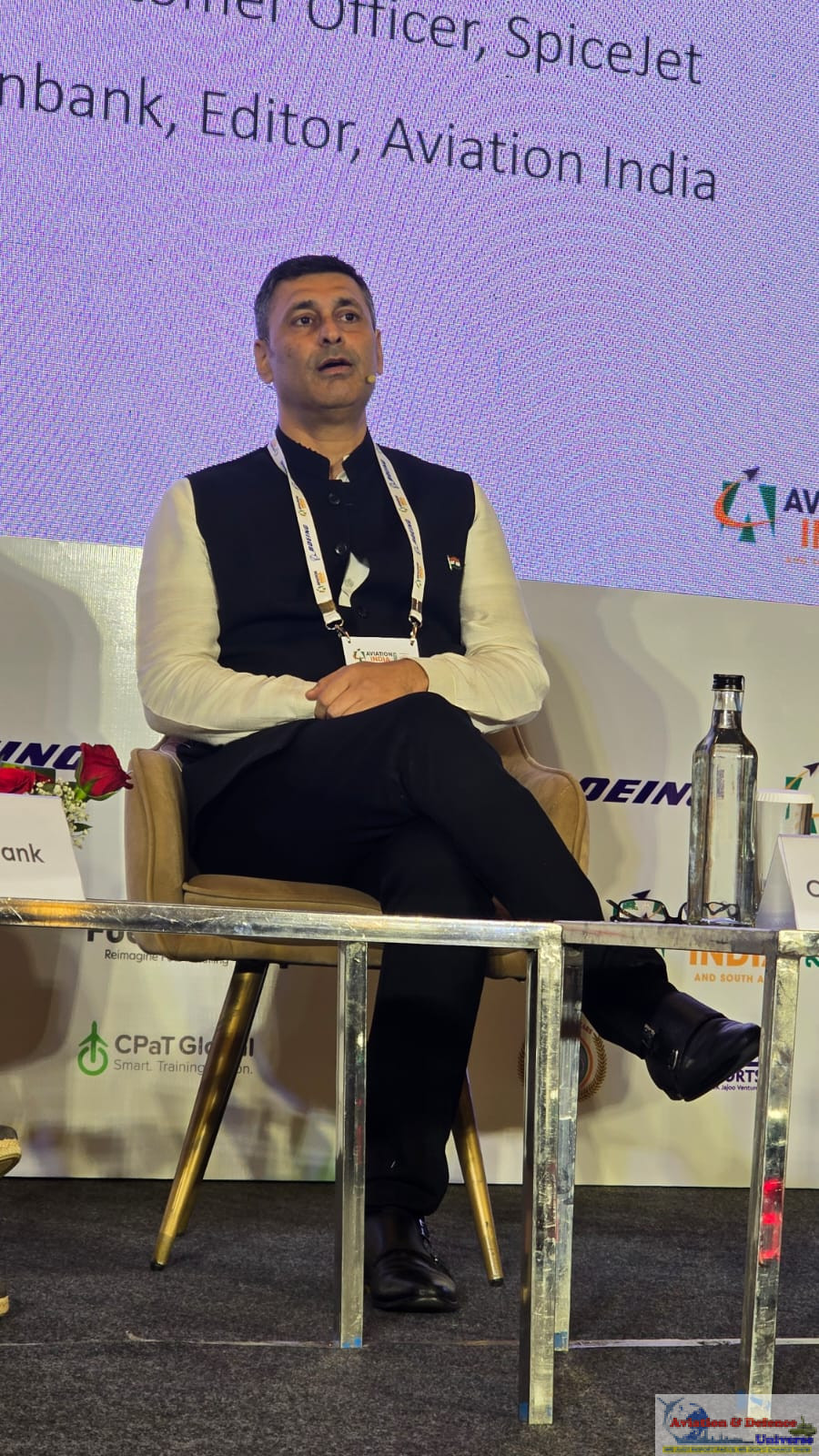 Nikhil Bhatia of Blue Dart Aviation brought in the perspective of India’s oldest dedicated cargo airline. “Our issues stem from the same supply chain challenges passenger airlines face. Most of our feedstock for freighter conversion comes from passenger airlines. The average age of passenger aircraft is increasing because of supply chain issues — which means feedstock availability for conversion to freighters is either more expensive or not available, ” he explained.
The impact is significant, continued Nikhil, “We are pushing out our diesel replacement plan by a couple of years and keeping the 757s in line. They are almost 30 years old now,” Bhatia said. “It takes a lot more effort from a maintenance perspective to keep them going. But it gives us a bit of runway — two years to finalise what we want to do.”
He added that replacement options remain limited. “With 30-odd tonnes plus, there isn’t a single replacement aircraft available right now,” he said. “We don’t want to get into issues about having multi-plane fleets because that increases costs and defeats the logic of bringing down logistics expenses. So we are waiting for the supply chain to stabilise before deciding on our fleet plan.”
Responding to an audience question about considering Russian freighters for cost efficiency, Bhatia was frank: “Nothing is off the cards. But more than the hull, engines are an issue. Reliability of the engines drives pretty much the whole maintenance cost. And we don’t have a good line of engine shops in India — everything has to go abroad. So our selection has to factor that in.”
He pointed out that even globally, MRO capacity is stretched. “Today, we’re already facing issues with shops shutting down even abroad. As capacity drops, prices go up. So we want to take a long-term view — not just on getting engines, but also on servicing them in the long run.”
 The conversation also touched upon new-age logistics using UAVs and drones. Bhatia shared that Blue Dart is already experimenting with hybrid models. “We have a hop that we do, which is quite conducive — with specific drop-off points where people deliver packages using bicycles or e-vehicles,” he explained. “It’s our greenest operation right now.”
He said that while long-range drone logistics remains restricted by regulation, the potential is huge. “We’re exploring multi-city models, but it depends on line-of-sight regulations and payload capacity. For now, 300 kilos to two tonnes would be viable, but road restrictions make metro-to-metro delivery difficult.”
Adding to that, Kamal Hingorani observed, “The e-vehicle stage is coming, and India will see huge opportunity there. The regulator is supportive — a proof of concept for e-vehicles has already been approved. Initially, it’ll be for pharmaceuticals and life-saving drugs, but eventually, as security regulations evolve, we’ll see wider use.”
As the session closed, both panelists expressed optimism for the coming decade of Indian aviation. Bhatia noted, “Policies today are systemic and deliberate, not ad hoc. The constant dialogue between government, industry, and stakeholders is driving real change. In five to ten years, we’ll see that impact — this is just the beginning.”
 Hingorani echoed that sentiment while underlining India’s unique low-cost dominance, “Eighty-one percent of India’s air capacity is on the LCC model — no other country in the world has that. By 2030, this will grow to 89%. That’s because India’s middle class is growing, and aviation is its aspiration. The opportunity is enormous.”
He added that infrastructure and policy alignment will be key, “We are in constant dialogue with the government. One major issue is bringing ATF under GST — 26 states have already reduced VAT drastically. We’re working to ensure the rest follow. The aviation future is very bright — and this is just the take-off.”
The air cargo industry constantly flies through turbulence — both literal and figurative. Economic volatility, fluctuating fuel prices, supply chain bottlenecks, and evolving international regulations create persistent headwinds. The COVID-19 pandemic exposed how dependent global trade had become on air freight, but it also strained capacity and pushed costs skyward. Today, geopolitical conflicts, trade restrictions, and export controls further complicate operations, while aircraft delivery delays and maintenance constraints limit available tonnage. Additionally, sustainability pressures — from carbon emissions to the high cost of adopting Sustainable Aviation Fuel (SAF) — are reshaping business models.
 To navigate this turbulence, cargo operators are embracing agility and innovation. They are diversifying fleets with a mix of dedicated freighters and converted passenger aircraft, digitising operations for real-time tracking and predictive logistics, and forging strategic partnerships across the supply chain to reduce dependency risks. Investment in green logistics, including electric ground handling and SAF adoption, is also rising. Indian carriers like Blue Dart and SpiceXpress exemplify this adaptability — optimising fleets, leveraging technology, and aligning with policy frameworks to strengthen resilience. In essence, the air cargo industry survives turbulence not by avoiding it, but by learning to fly smarter through it.
At Aviation India 2025, cargo industry leaders discussed how India’s cargo carriers are tackling supply chain disruptions, delayed aircraft deliveries, and the next frontier of sustainable air logistics. Panelists from Blue Dart and SpiceXpress outlined how strategic fleet choices, green innovation, and strong policy collaboration are keeping India’s air cargo industry resilient amid global turbulence. From Boeing delays to the potential of drone logistics, the session showcased how the cargo sector is learning to fly through uncertainty with agility and vision. As India aspires toward a $5-trillion economy, air freight is fast emerging as the vital bridge between manufacturing, markets, and momentum — powering the country’s trade ambitions skyward.
They captured the realities of a sector in transition. Between legacy fleets, evolving MRO ecosystems, drone logistics, and policy reforms, the conversation revealed both India’s limitations and its limitless potential. In a decade where supply chain disruptions are global and demand is domestic, India’s cargo carriers are learning to balance ambition with pragmatism — and turning every challenge into a step toward a more connected, resilient aviation ecosystem.