









- Reforming India’s Dispatcher Ecosystem: SkyPlan’s Vision at the Dubai Airshow
- Bridging Aviation Training Gaps
- Why India Needs Licensed Flight Dispatchers
By Sangeeta Saxena
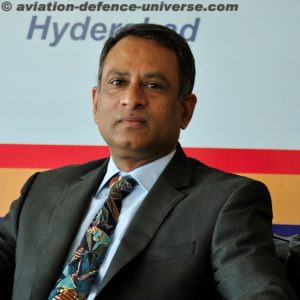
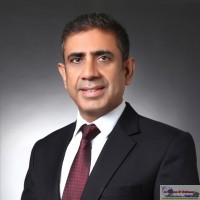
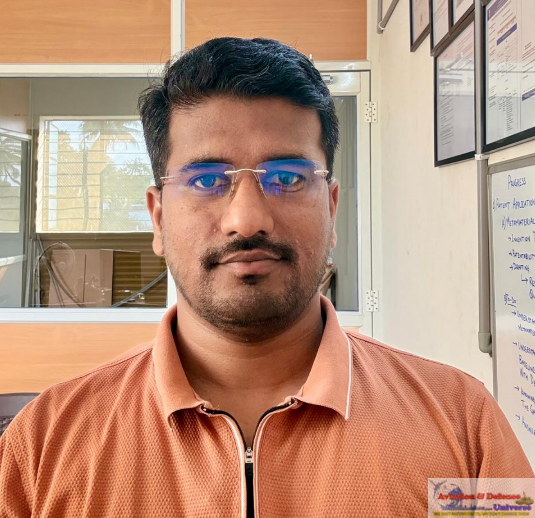
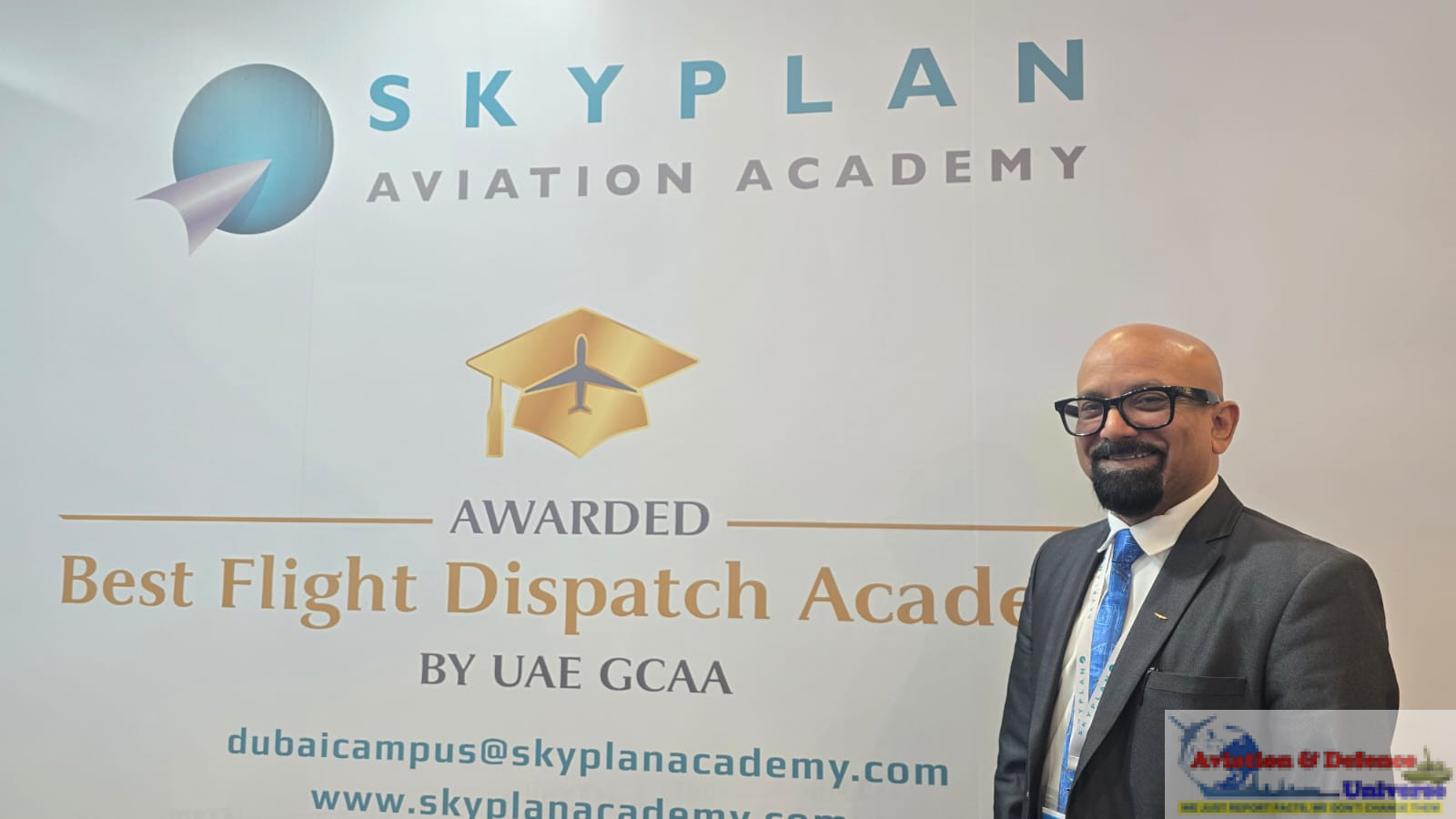
Dubai. 29 November 2025. At the Dubai Airshow, global aviation innovators gather to showcase the future of flight. Among them is Skyplan Services, a Canada-headquartered aviation solutions provider with over four decades of expertise in flight planning, operations support, and training. We sat down with Sunam Datta, CCO & Head of Training at Skyplan Services, to understand the company’s vision, its growing footprint in the Middle East and India, and the pressing need to reform flight dispatcher licensing frameworks in India.
ADU. Right, so we are meeting here at the Dubai Airshow, and Skyplan has its booth here. It’s an Indian connection too, so what brings Skyplan to this platform?
Sunam Datta. Skyplan is predominantly headquartered in Canada and has been in the industry for 40 years. Our flagship product is our flight-planning system, used globally by airlines, general aviation, and cargo operators. Besides that, we handle charter and disruption management. Particularly when wide-body aircraft divert to locations where airlines have no presence. We facilitate recovery arrangements with minimal passenger inconvenience. We also realized a few years ago that training is integral to the aviation ecosystem. This led to the establishment of Skyplan Aviation Academy. First in Canada and, three years ago, in Dubai.
ADU. So the Academy in Dubai is relatively new?
Sunam Datta. Yes, the Dubai chapter is a recent addition. We hold security clearance for all courses except for security training. We focus primarily on our core competency. Flight dispatch training. Dubai’s Civil Aviation Authority is extremely advanced, adopting ICAO and EASA guidelines, which allows training organizations like ours to move quickly and maintain global standards.
ADU. You mentioned significant interest from India. Why is that?
Sunam Datta. India currently does not have a flight dispatcher licence programme. Only a certificate programme, similar to the FAA system. For years, there has been a strong industry call to transition from a certificate to a proper licensing framework.Flight dispatchers perform a critical safety-related role. Flight planning. Route assessment. Weather analysis. Evaluating aircraft technical issues. Load penalties. Basically all documentation before the pilot arrives 90 minutes before departure. It is a joint responsibility between dispatcher and pilot, and hence requires licensing, duty-time limitations, and medical fitness. Many Indian students now come to the UAE to pursue a recognised licence.
ADU. So what exactly does Skyplan offer. Certificate, diploma, or licence?
Sunam Datta. It is a full licence programme. An 11-week course followed by 90 days of on-the-job training. We offer both initial and recurrent programmes. Only two government academies offer similar training. We are the only fully private entity providing it in the UAE.
ADU. You’ve suggested reforms to India’s DGCA. What are the key issues?
Sunam Datta. UAE has a reciprocal licence-conversion programme. Indian licence holders can convert to UAE licences with 3 years’ experience. But India does not reciprocate. I proposed that India introduce an open licence and allow reciprocal conversion. Especially since most of General Aviation in India operates without flight dispatchers. An unsafe precedent. There is significant interest from India. Including airlines inviting collaboration. Dubai being just 3.5 hours away makes training and cooperation much easier.
ADU. You also won an award recently?
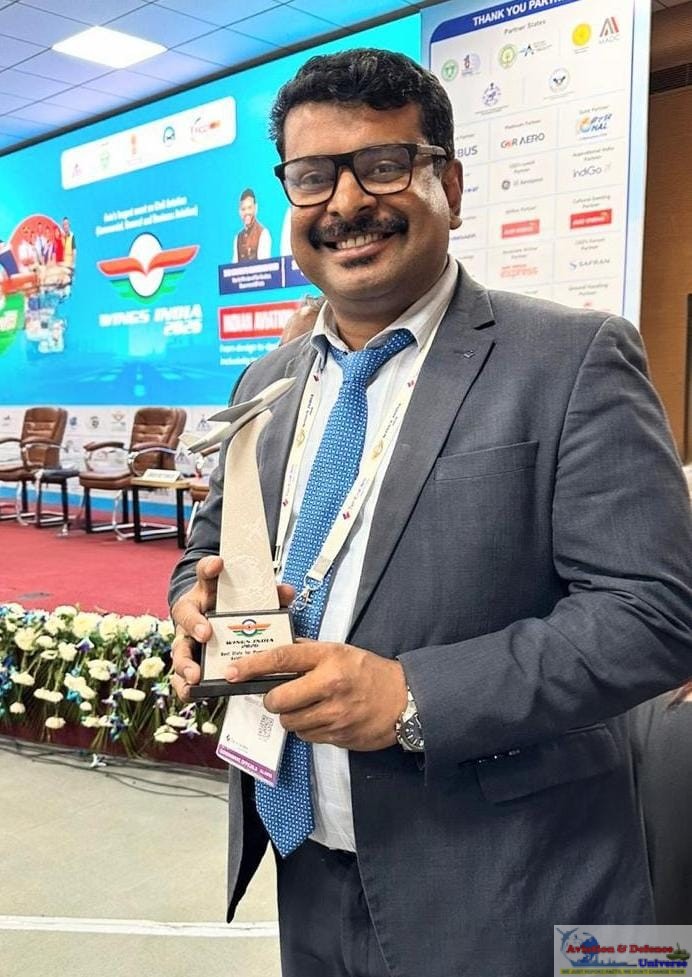
Sunam Datta. Yes, we won the Best Flight Dispatch Academy Award this year. We are very proud of it.
ADU. Coming back to Skyplan’s operations. Headquarters in Canada. And you are based in Dubai?
Sunam Datta. Correct. Canada is our global HQ. Dubai is our regional HQ. And I handle everything outside the Atlantic. So India naturally falls under my remit.
ADU. Do you want to set up an academy in India or would you prefer Indian institutes to adapt your programme?
Sunam Datta. Indian institutes could adopt our programme. Students would complete the entire licence training at Skyplan Aviation Academy in Dubai. Return to India. Undergo aircraft-specific differences training for three to four days. And immediately join the workforce. India currently lacks external training programmes. Only airlines run internal courses. Meanwhile, we run four initial courses a year in Dubai.
ADU. Couldn’t airlines simply send their new dispatcher recruits to you as a batch?
Sunam Datta. They do. But the issue is DGCA’s acceptance. Unless DGCA recognises the licence issued in Dubai, those candidates cannot receive an Indian licence. We already have a framework ready. But India needs to acknowledge it.
ADU. So anyone who trains in Dubai, Canada, US etc. cannot get their licence converted in India?
Sunam Datta. Exactly. Pilots have reciprocal conversion. Dispatchers do not. As a result, India faces a massive brain drain. Many experienced Indian dispatchers working abroad want to return. But their licences have lapsed, with no pathway for reinstatement. With India’s aviation growth. Air India, IndiGo and others placing aircraft orders exceeding 1,000 aircraft. Experienced dispatchers are crucial. The opportunity is there. But the pathway is missing.
ADU. And India recently reformed AME licensing, but dispatch is still left out?
Sunam Datta. Yes. AMEs now have licences, duty-time limitations, and proper recognition. Pilots have them too. But for 20 years, flight dispatcher licensing has remained unchanged in India. It is a burning issue.
ADU. That’s surprising, especially given massive fleet expansion. And you support many Indian airlines already?
Sunam Datta. Yes. We manage flight deliveries, redeliveries, and support operations for nearly all major Indian airlines. We also support general aviation and cargo carriers like Blue Dart, Pradhan, and numerous business jets. India needs robust, structured dispatcher training to match its aviation boom.
ADU. Why not tell DGCA that Skyplan is ready to set up an academy in India?
Sunam Datta. We can. But Dubai offers an unmatched pool of international instructors from South Africa, India, Canada, and elsewhere. This diversity elevates competency-based training. Students learn not only from lectures but from global experiences shared in the classroom. India has talent. But a mixed-experience environment offers more depth.
ADU. But if DGCA allowed, would you consider establishing a centre in India?
Sunam Datta. Absolutely. Provided the regulatory structure supports it. DGCA could audit our academy. Approve the programme. And allow licence holders to return to India for differences training. But the change must start with DGCA shifting from a certificate to a licence system for flight dispatchers. That is the foundation. The rest can follow.
ADU. Have you discussed this with the aviation minister?
Sunam Datta. Not yet. But I’ve seen the minister and new DG speak. They appear dynamic and open to change. Officials like Dr. Faiz and Capt. Shweta Singh are also receptive. The pulse is very positive. Someone just needs to push the framework through. We are ready to partner whenever that happens.
ADU. Anything you’d like to add?
Sunam Datta. No. I think we have covered everything.
Skyplan Services stands at a pivotal intersection of operational expertise, global training capability, and a strong desire to collaborate with India’s rapidly expanding aviation sector. As Sunam Datta highlights, the missing piece is a modernised licensing framework for flight dispatchers. One that aligns India with international best practices and opens pathways for talent mobility. With India poised to operate one of the world’s largest commercial fleets, the need for skilled dispatchers is urgent. Skyplan is ready to support, partner, and help India build a future-ready aviation workforce.
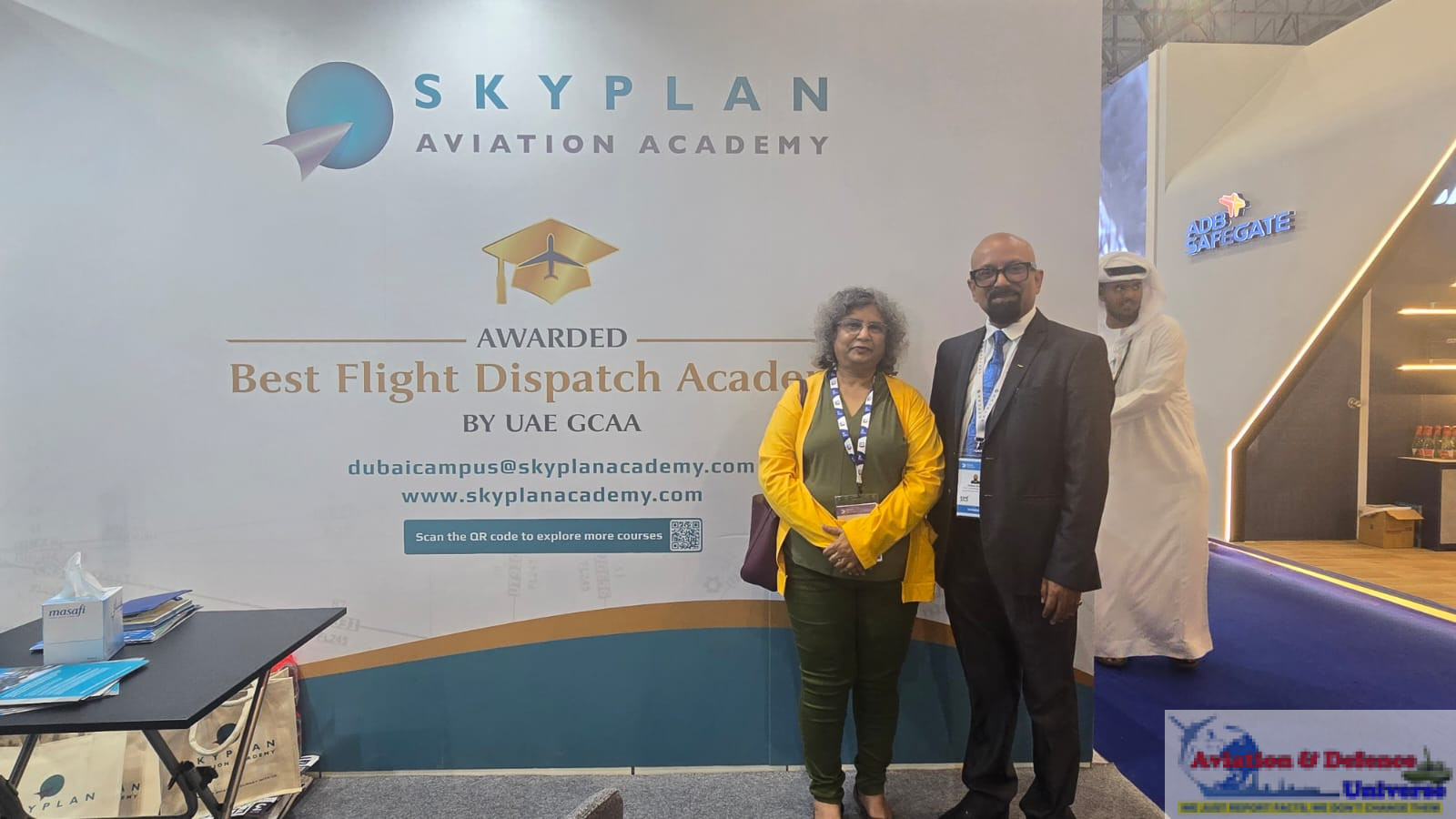 As told to Sangeeta Saxena / Interview was taken at Dubai Airshow 2025