


























- India Pushes for Indigenous Semiconductor Ecosystem for Defence Applications
- From Chips to Combat: India Charts Semiconductor Self-Reliance Path for Defence
- Whole-of-Nation Approach Key to Semiconductor Self-Reliance in Defence: Experts
By Sangeeta Saxena
New Delhi. 08 April 2026. Semiconductors underpin nearly every aspect of the modern world, making them one of the most strategically important technologies of our time. From smartphones, computers, and automobiles to satellites, defence systems, and artificial intelligence, chips are the invisible engines driving innovation, connectivity, and economic growth. Control over semiconductor design, manufacturing, and supply chains increasingly translates into geopolitical influence and technological leadership. Nations that lead in semiconductors shape global standards, dominate critical industries, and secure strategic advantages in both civilian and military domains. In an era defined by digital transformation and high-tech competition, semiconductors have effectively become the foundation upon which economic power, national security, and future innovation are built—making them central to why they are often said to “rule the world.”
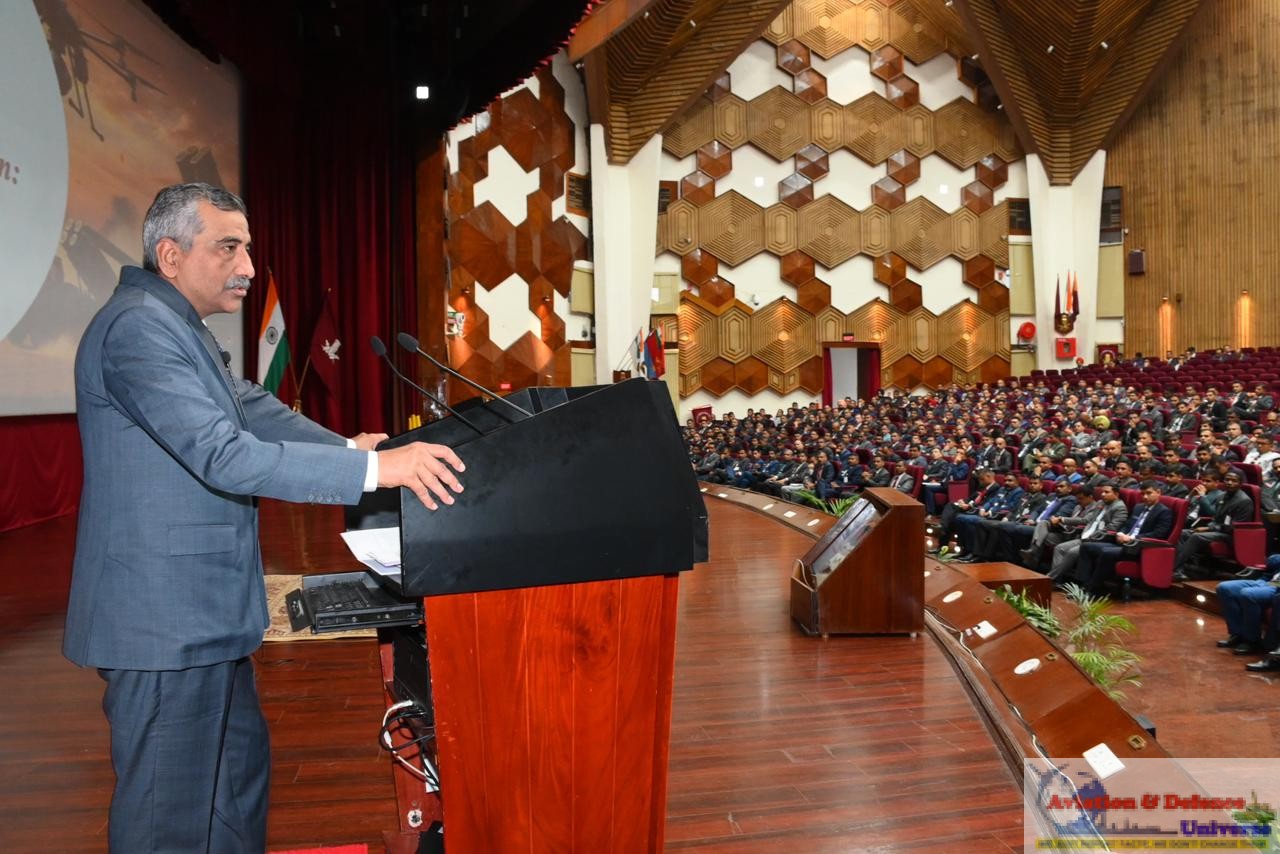
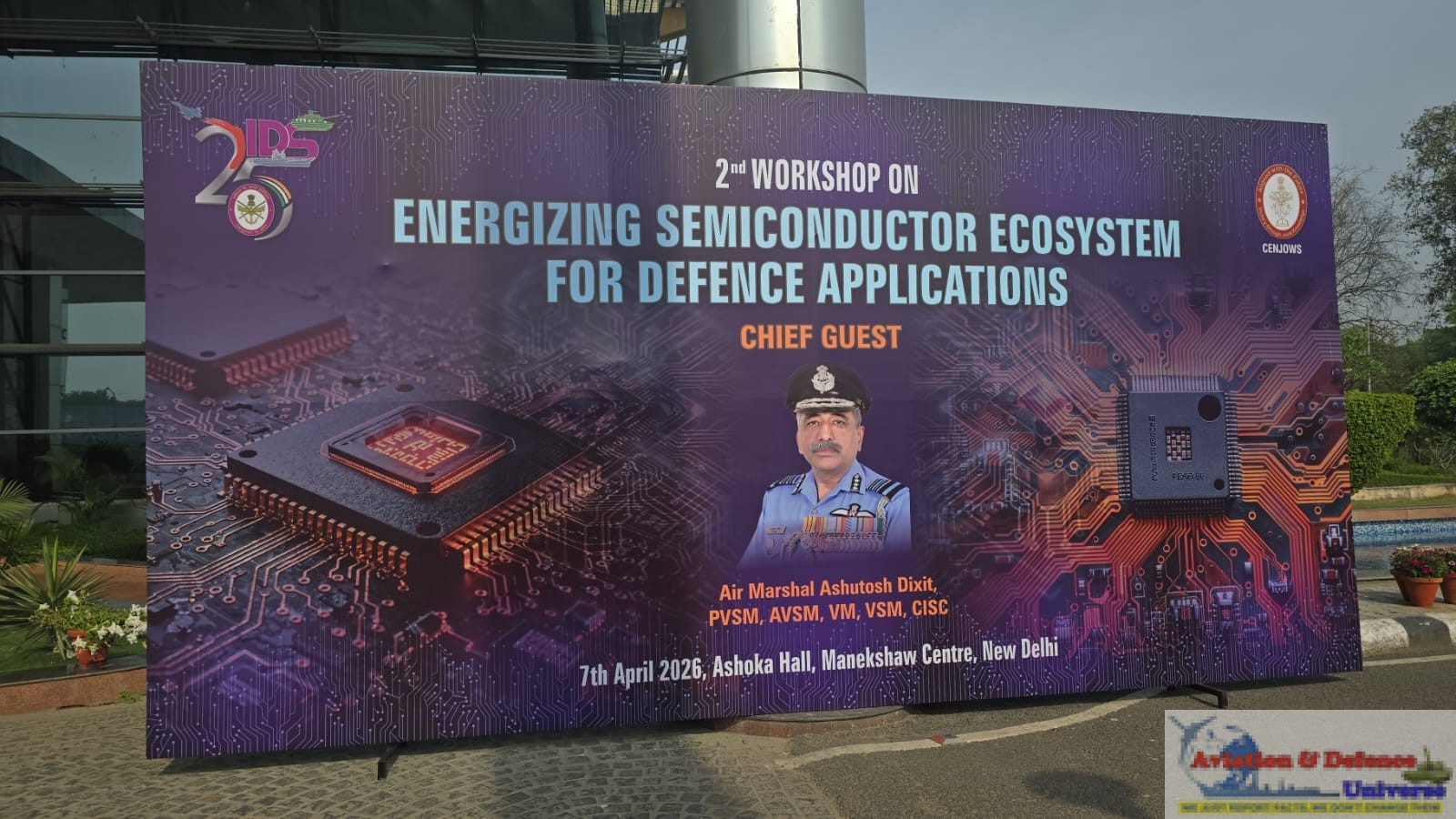
 At a time when technology is redefining the contours of modern warfare, the inaugural session of the seminar “Energising Semiconductor Ecosystem for Defence Applications”, organised by the Scientific Advisor to Chief of Integrated Defence Staff (SA to CISC, HQ IDS) in collaboration with the Centre for Joint Warfare Studies (CENJOWS), set a decisive tone for India’s push towards technological sovereignty. Held at the Manekshaw Centre, the seminar brought together senior military leadership, policymakers, scientists, and industry stakeholders to deliberate on building a resilient and indigenous semiconductor ecosystem critical for national security.
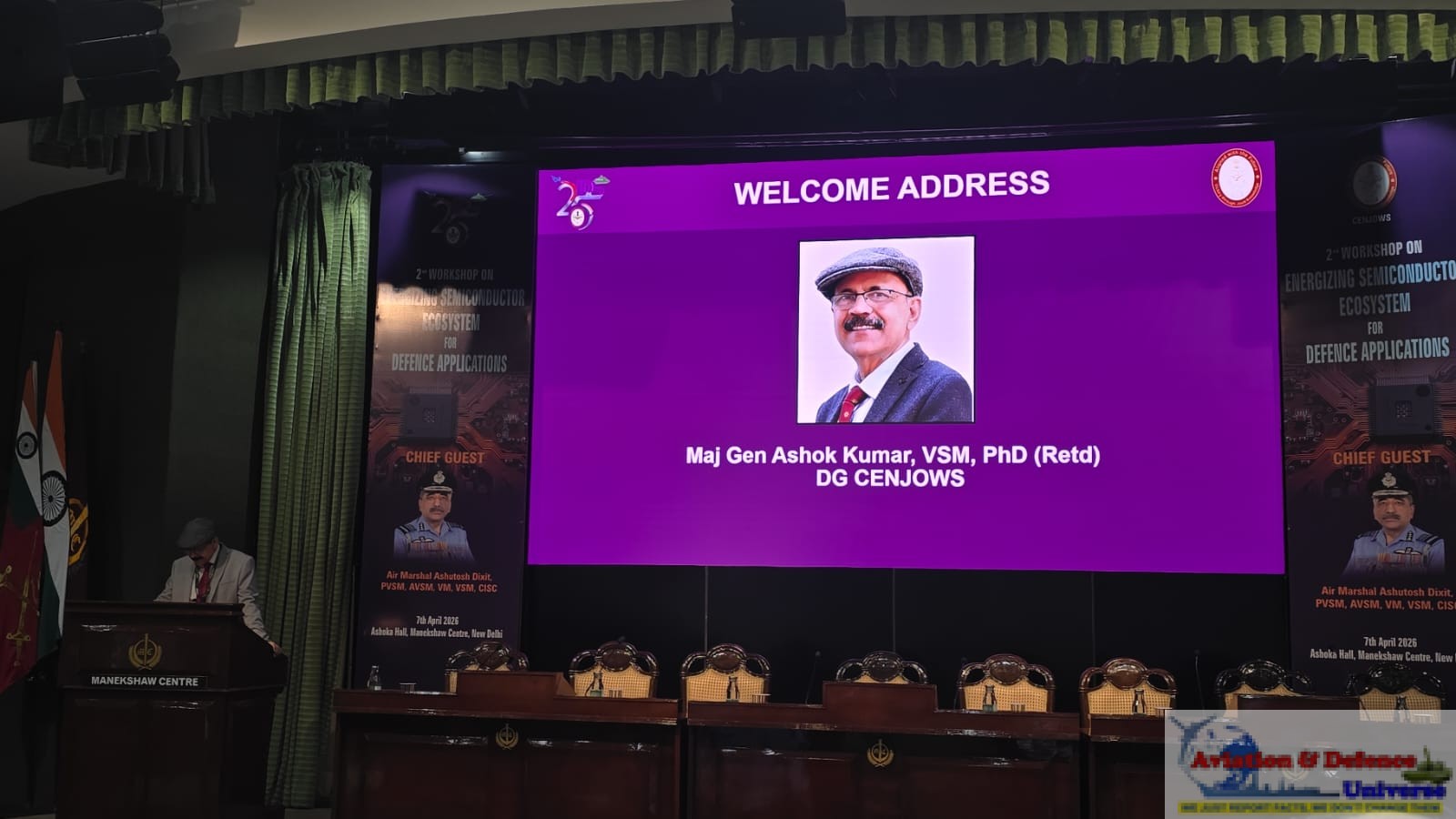
The inaugural session emphasised the strategic urgency of developing indigenous semiconductor capabilities, particularly in the face of evolving geopolitical realities and supply chain vulnerabilities. Highlighting the risks associated with foreign dependency, Maj Gen Ashok Kumar, DG CENJOWS noted, ” Initially, the defence forces were basically making GSQRs, PSQRs and going for the purchase of the equipment, but now we are not limited only to that. We know what are the critical components and the challenges in those equipment getting produced irrespective of the agency which is producing and we have become a stakeholder. The recently launched Indian Semiconductor Mission 2.0 besides giving an outlay of dedicated 8000 crores has also focused on development of the indigenous IP system and therefore in today’s one of the talks we have focused on the IP domain also so that the intellectual wealth in the technology domain which is available can be harnessed by all developers and we do not reinvent the wheel in that direction which is already invented and is freely and legally available for its use.
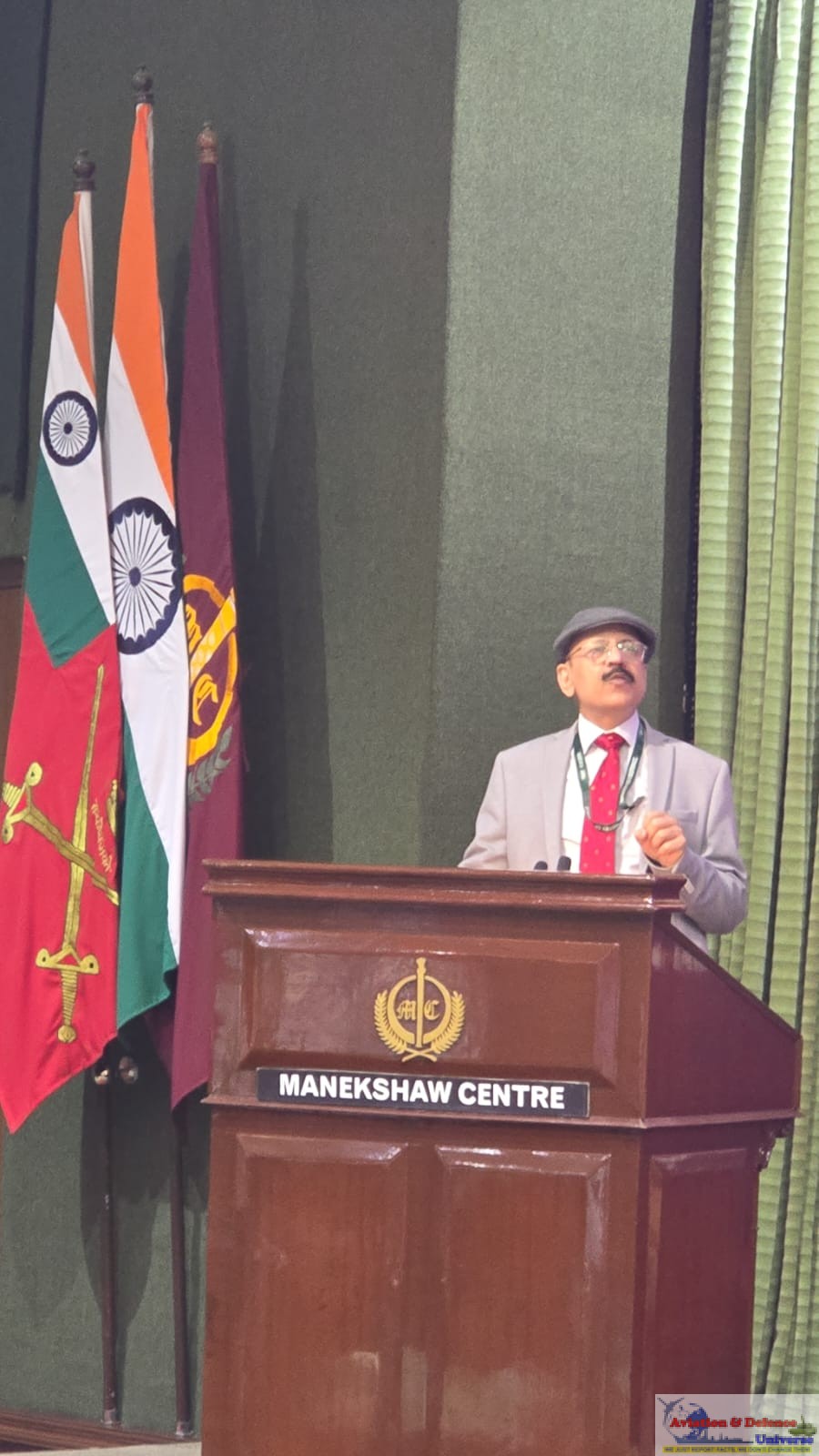 Foreign OEMs and foreign countries, you are not sure about the integrity of that chip, there can be number of back doors and other disruptions which need to be taken care of.” Emphasising the government’s evolving approach, he stated, “Whether there is a growth of a public sector or private sector if any Indian grows, India grows,” reflecting a shift towards an inclusive, whole-of-nation model for defence innovation. The armed forces, traditionally focused on procurement, are now actively engaging with industry. He highlighted, “We have become a stakeholder, we do the hand-holding of the industry to provide them the user input and support.”
India’s military is increasingly dependent on advanced semiconductors as modern warfare shifts toward network-centric, data-driven operations. From fighter aircraft avionics, radar and electronic warfare systems to missiles, drones, secure communications, and space-based surveillance, virtually every defence platform relies on high-performance, reliable chips. As India expands its capabilities in areas such as artificial intelligence, autonomous systems, cyber warfare, and precision strike technologies, the demand for trusted and secure semiconductors has grown exponentially. This dependence also exposes vulnerabilities in global supply chains, making indigenous design, fabrication, and trusted sourcing a strategic necessity. Ensuring access to resilient and secure semiconductor ecosystems is therefore critical for operational readiness, technological superiority, and long-term national security.
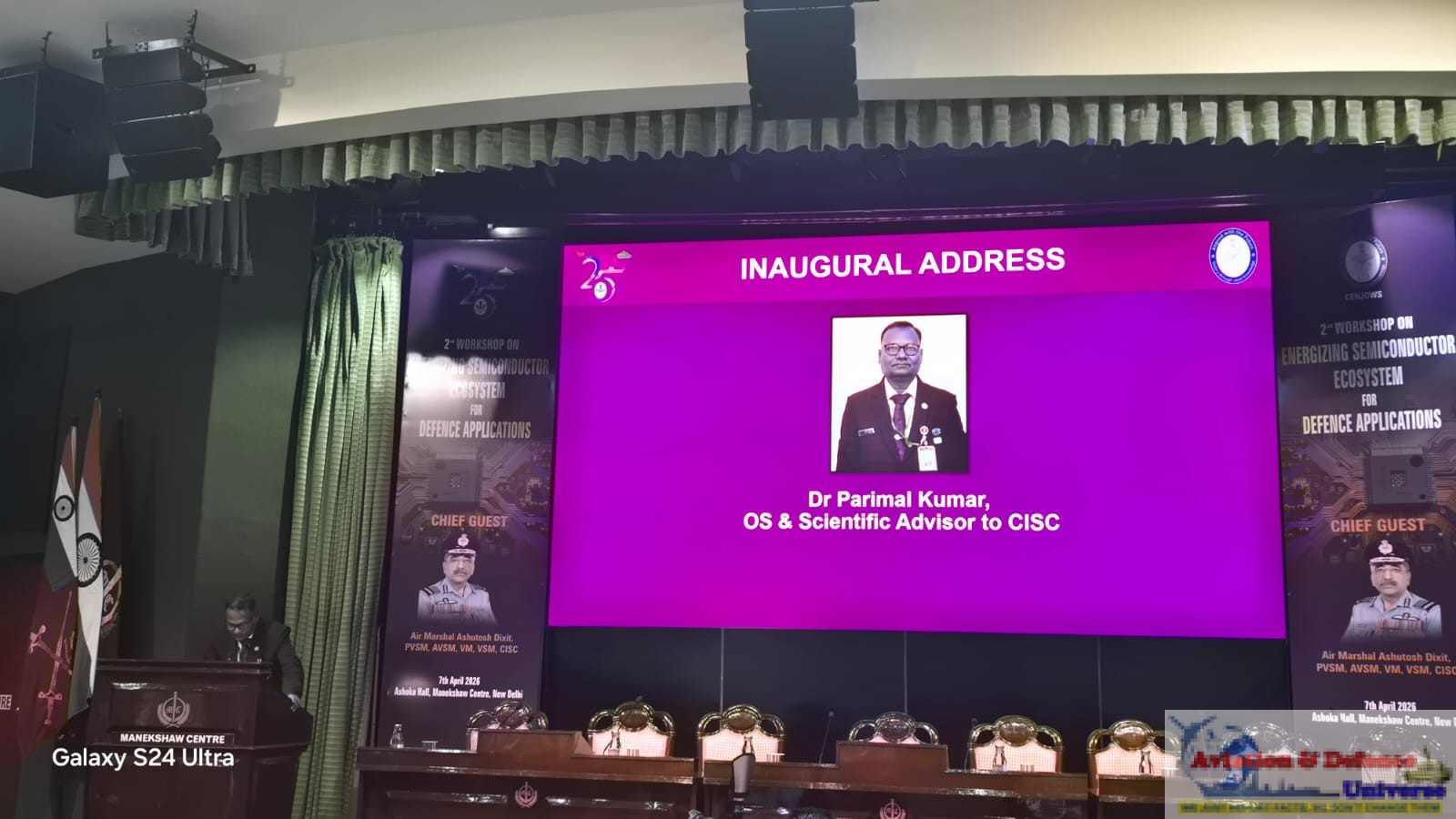 Dr. Parimal Kumar, Scientific Advisor to CISC, HQ IDS outlined the complexity of the semiconductor ecosystem, stressing that it involves a wide array of stakeholders—from DRDO labs and ministries to recyclers and academia. He emphasised, “It is a complex interplay of many players… to meet the national goal of self-reliance… we need to synergise the efforts of every player. To my mind the Indian defence ecosystem comprises of the DRDO labs, SSPL and the facilities under it such as GATEC and STAR-C that is under Ministry of Defence, then we have Semiconductor Complex Limited at Chandigarh and India Semiconductor Mission under MIT, Ministry of Electronics and Information Technology. Then we have Ministry of Mines and Department of Atomic Energy which are relevant for semiconductors. Further there is one more segment of urban recyclers who are striving their best to make up for a considerable part with a ballpark estimate that the recycling has the potential to make up for around 20 to 25 percent of the rare earth minerals for strategic applications and limiting to strategic applications.”
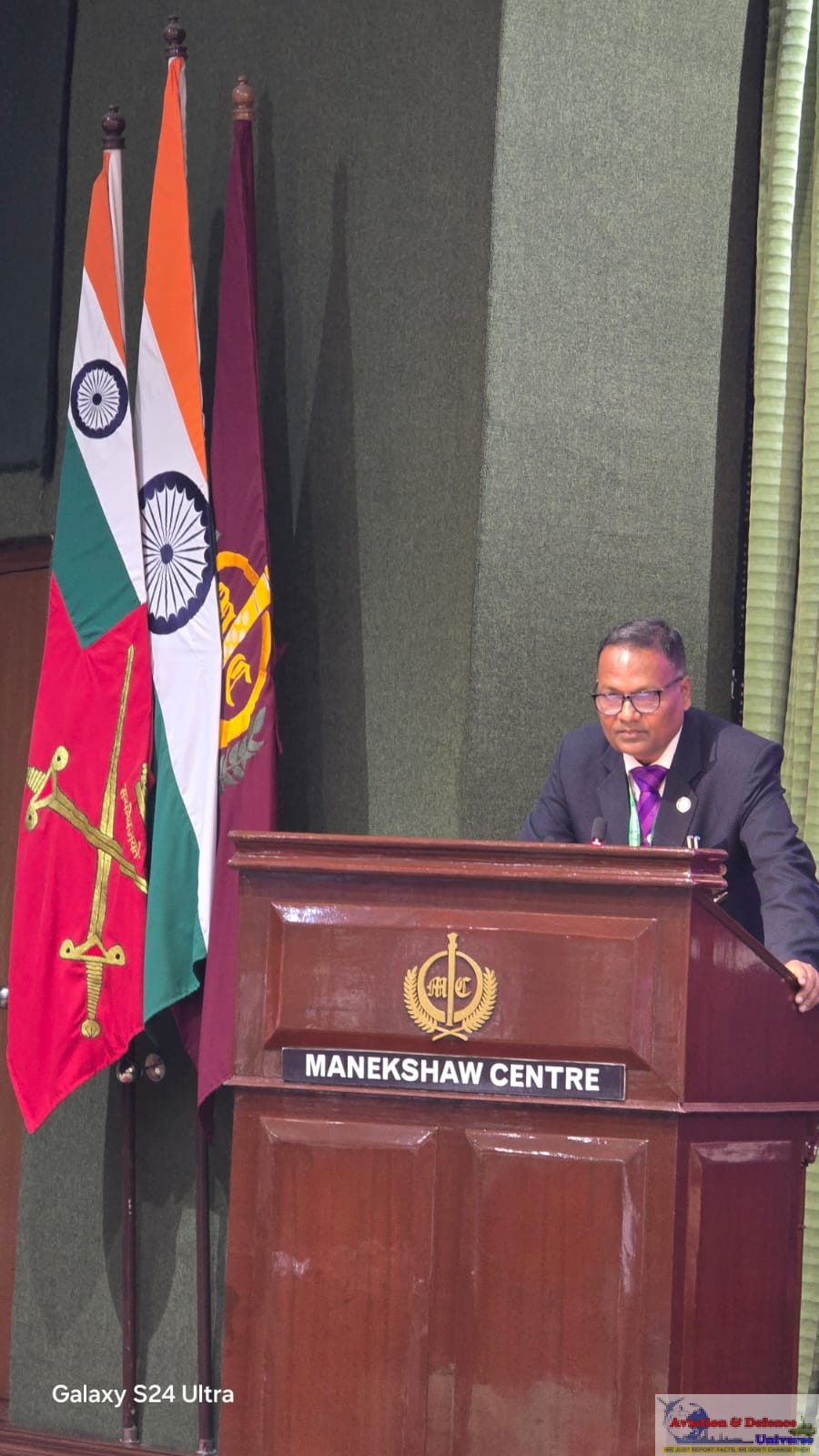 He continued, “ Then in addition to users, scientists are there, academicians are there, IP attorneys are there and there are many other industries in addition to recyclers who are providing chemicals and different kind of ecosystem, the lithographic machines, the machinery which is required for setting up the foundry. So it is a complex interplay of many players which comprises of the Indian semiconductor ecosystem and to meet the national goal of semiconductors for military applications with an objective of self-sufficiency and immunity from supply chain disruptions due to geopolitical or commercial countries considerations, we need to synergise the efforts of every player, we need to involve all stakeholders”.
And today through this workshop both the organisers have put in their best efforts to bring representatives of all players at multiple forms. He further noted the operational imperative, stating, “There is no modern military system or platform which is not dependent on availability of chips.” The semiconductor supply chain is one of the most complex and globally distributed industrial ecosystems, spanning design, fabrication, assembly, testing, packaging, and distribution across multiple countries. It involves highly specialised processes—from chip design and advanced lithography to material sourcing, manufacturing, and final integration into systems. This interdependence makes the supply chain efficient but also highly vulnerable to disruptions caused by geopolitical tensions, trade restrictions, or natural disasters. In sectors like defence and aerospace, where reliability and security are critical, these vulnerabilities pose significant risks. As a result, countries are increasingly focusing on building resilient, trusted, and diversified semiconductor supply chains, while also investing in domestic capabilities to reduce dependence on external sources and ensure continuity of critical technologies.
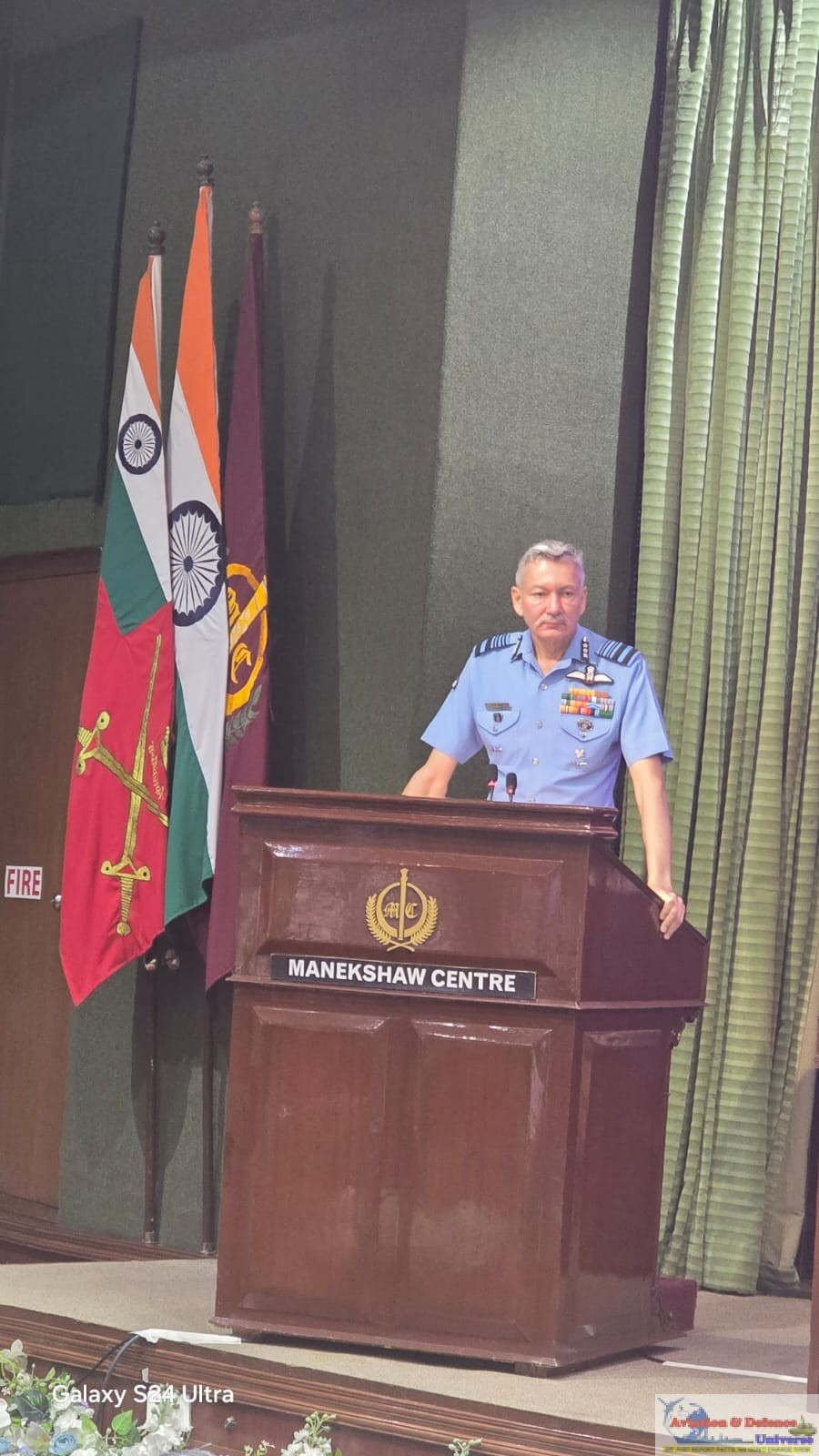 Delivering the keynote address, Air Marshal Praveen Keshav Vohra, DCIDS (PP&FD) highlighted the centrality of semiconductors in future warfare, stating, “Today’s centre of gravity… is the semiconductor. If we do not have the technology, we are going to lay ourselves extremely vulnerable.” He stressed the urgency of achieving technological independence, adding, “The reason is supply chain security, removing foreign dependence and being able to put the logic that we want on the semiconductor.”
Calling it a decisive moment, he remarked, “ We have spoken about semiconductors. The next step is towards CI and console. Unless we get into 2-3 nanometre capability, production of 2-3 nanometre, less than say 5 nanometre capability of semiconductors in our country, we are going to miss the bus as and when that changeover takes place. And it is going to be an inflexion point. You can look back in history. I do not think that there is any other development which is going to change the way we defend our nation than this particular jump which will happen. It is likely to happen within the next couple of years. And we have to be ahead of the curve. And that is what makes this most critical. I am not trying to paint a doomsday picture. But I think we are fairly good. Our technology is good. Our DRDO labs, RCI have worked out. And we have reached a certain stage already. Now, we have to transfer it into production. That means the civil military fusion or the civil government fusion where it has to be transported into mass production for utilisation. With that, I would like to wish this workshop all the very best. And we can go ahead and commence that, he said.
The session also highlighted international collaboration, with Japan expressing optimism about India-Japan cooperation in semiconductors and defence. The Japanese diplomat noted, “There is unprecedentedly favourable conditions for both countries to collaborate in the field of semiconductor and defence.” India and Japan share a natural convergence in their semiconductor ambitions, driven by mutual concerns over supply chain resilience and technological sovereignty. While Japan brings decades of expertise in semiconductor materials, manufacturing equipment, and precision engineering, India offers a strong base in design capabilities, skilled talent, and a rapidly expanding market. The partnership is further strengthened by aligned political vision, economic security frameworks, and increasing private sector collaboration.
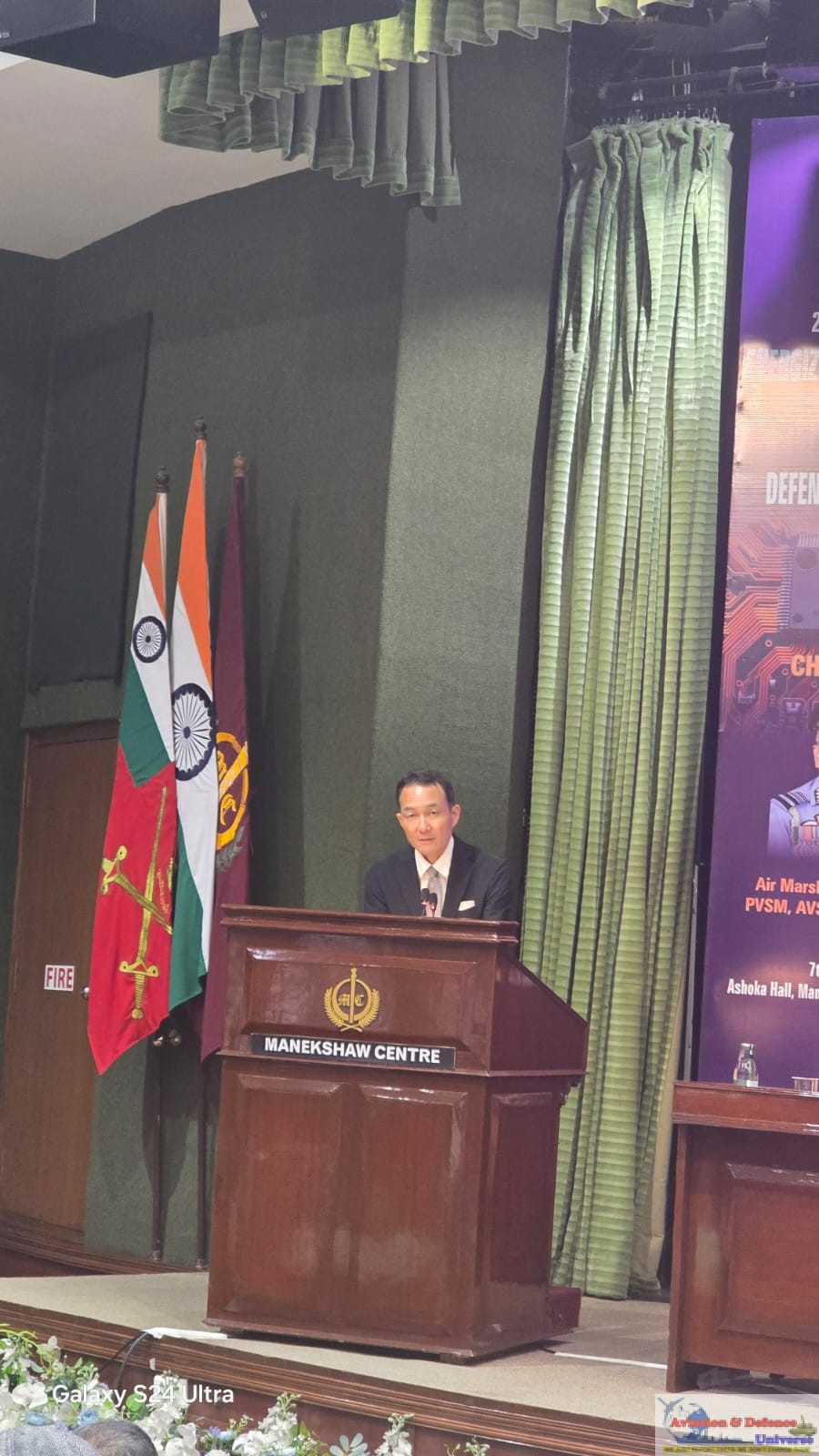 Abe Noriaki, Minister of Political Affairs, Embassy of Japan, at the seminar stated, “The pessimist sees difficulties in every opportunity. And optimist sees opportunity in every difficulty. I believe that optimism is a recipe for success. And optimism is infectious. This is what I have been learning from my Indian friends and Indian society. It is indeed true that COVID-19 was a wake-up call. As a matter of fact, Japan depends 80 percent of its semiconductor needs on the import. So is 90 percent of India. And then both governments embarked on the policies to enhance its self-reliance. And now I think there is unprecedentedly favourable conditions for both countries to collaborate in the field of semiconductor and defence. Not despite, but all the more for the deteriorating international security configuration, there is no bilateral relationship that is blessed with opportunities and potentials than our bilateral partnership.”
He added, “There are four reasons for me to be an optimist. First, Japan and India are natural strategic partners, we share fundamental values of democracy and a commitment to industrial growth. Japan studies and keenly follows initiatives such as Digital India, Start-Up India, Atmanirbhar Bharat and India Semiconductor Mission. The mutual commitment of our political leadership has been a defining factor last year marked a watershed moment in our strategic partnership, particularly in economic security and emerging technologies. Japan and India can play complementary roles, with vibrant private sector participation in investment, research and development. Tokyo Electron and Renesas are examples of how Japanese companies are already contributing to India’s semiconductor ecosystem through manufacturing, partnerships and academic collaboration. The pessimist complains about the wind, the optimist expects it to change, and the realist adjusts the sail.”
Semiconductors today form the backbone of modern defence and aerospace systems, powering everything from radar and communication systems to unmanned platforms, missile guidance, electronic warfare, and space-based intelligence. As warfare becomes increasingly network-centric and data-driven, the demand for high-performance, secure, and reliable chips has grown exponentially. Advanced technologies such as artificial intelligence, autonomous systems, and precision strike capabilities are fundamentally dependent on semiconductor innovation. In this context, supply chain resilience, trusted fabrication, and indigenous design capabilities are no longer economic considerations alone—they are strategic imperatives. Nations that control semiconductor technologies effectively control the future of defence capability and operational superiority.
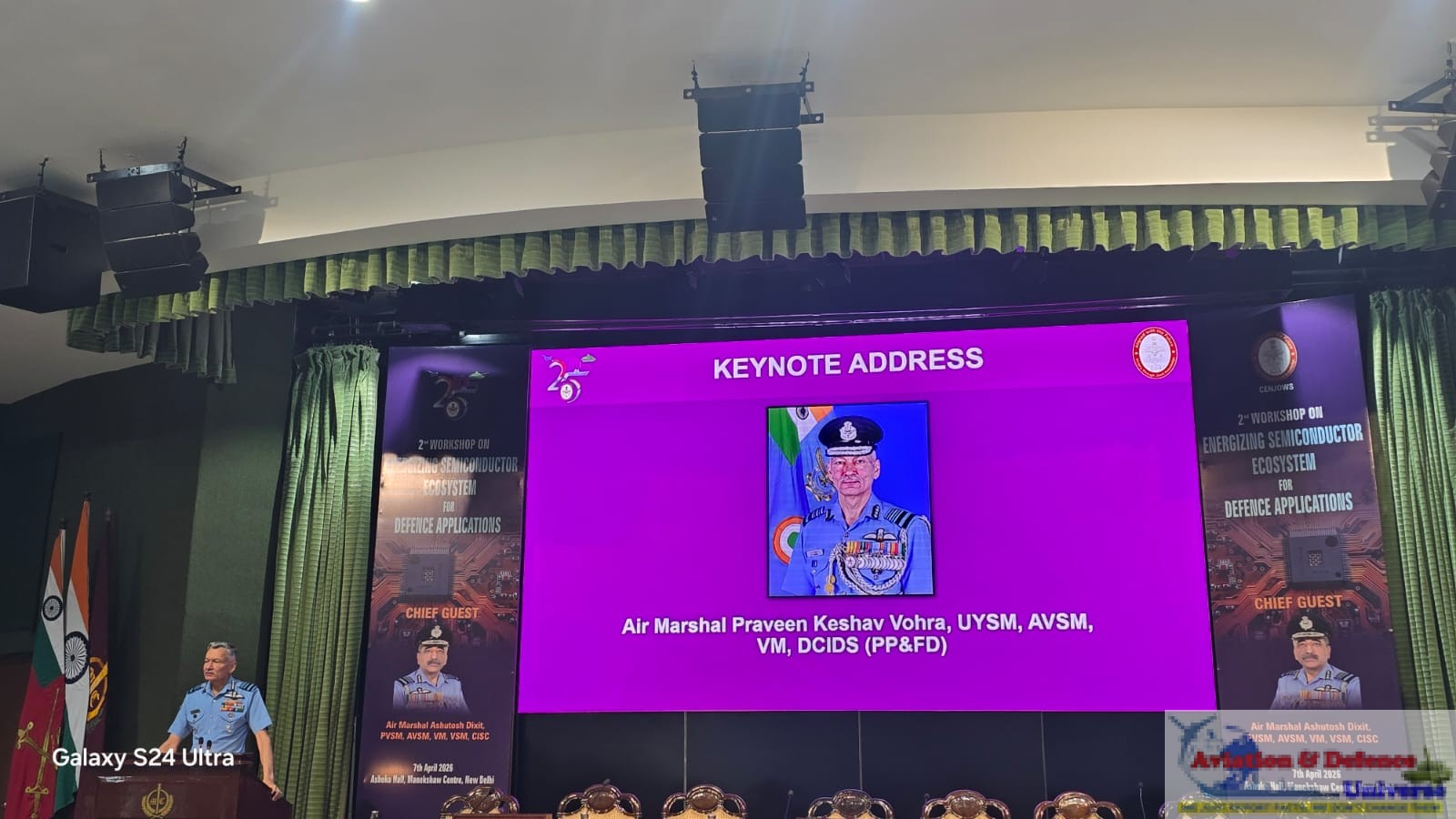 The inaugural session of the seminar clearly established semiconductors as a critical pillar of India’s national security architecture. With strong alignment between the armed forces, government, industry, and international partners, the discussions reflected a decisive shift towards a collaborative and mission-driven approach. As India seeks to reduce dependency, build indigenous IP, and secure its technological future, the semiconductor ecosystem will play a defining role. The seminar not only highlighted existing challenges but also charted a forward-looking roadmap—anchored in innovation, integration, and strategic autonomy—to ensure that India remains prepared for the evolving demands of modern warfare.