

















- From Legacy to Leadership: Continental Carriers’ Technology-Driven Journey in Global Air Cargo
- Three Generations, One Vision: Continental Carriers at the Forefront of India’s Air Cargo Evolution
- Building Resilient Supply Chains: Continental Carriers’ Strategic Playbook for a Changing World
By Sangeeta Saxena
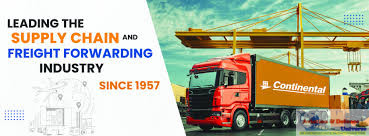
Mumbai. 29 December 2025. Amid a year marked by turbulence in global civil aviation and shifting geopolitical realities, the air cargo industry stood out as a pillar of resilience, adaptability and strategic relevance. While international trade faced uncertainty, air cargo continued to move, evolve, and innovate—driven by technology, digital ecosystems, and a renewed focus on integrated supply chain solutions. In India, this momentum was strongly reflected in the journey of Continental Carriers Pvt Ltd, a company that combined a six-decade legacy with forward-looking innovation. Rooted in a three-generation family enterprise founded in 1957 by Late T. N. Vohra, Continental Carriers emerged as a defining force in modern Indian logistics, blending compliance, technology, sustainability, and global partnerships to meet the demands of a rapidly transforming air cargo ecosystem.

It is an industry which has remained resilient despite turbulence in international trade, highlighting its adaptability and strategic importance by not only integrating technology but creating digital ecosystems which have increasingly redefined air cargo efficiency. While technology providers unveiled AI-powered tools and virtual agents to modernise freight operations and customer engagement, the cargo industry in India led the global march towards leading freight business to the recognition of the role it plays in unifying the world. And one name which has been at the forefront is Continental Carriers Pvt Ltd (CCPL). Chairman of this giant cargo company Vipin Vohra has often reflected on the remarkable journey he had undertaken in the world of logistics alongside his sons, Vaibhav and Viraj. Cargo and logistics had long been an integral part of the Vohra family’s legacy, spanning three generations. The foundation of the Continental Carriers Group was laid in 1957 by Late T. N. Vohra, whose vision, discipline, and entrepreneurial spirit shaped the future of the enterprise. As the Chairperson of the Group, Vipin Vohra had nurtured and expanded the business over the decades, building firmly on the strong foundation created by his father and instilling a deep appreciation for the intricacies and challenges of the logistics industry in his sons.
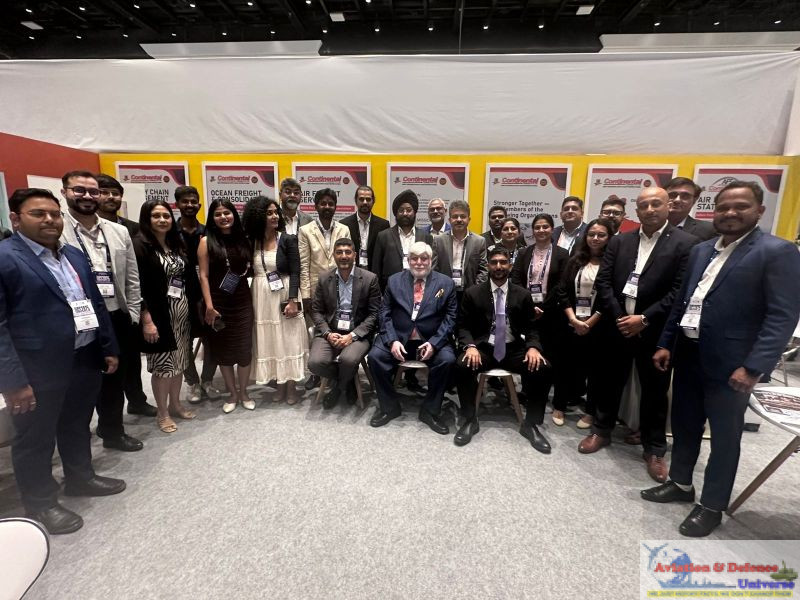
Speaking with ADU at the recently held India International Cargo Show 2025 in Mumbai Vaibhav Vohra Managing Director Continental Carrier stated, “ The present period is an especially interesting and critical time for India, shaped by strong growth prospects and a shifting geopolitical environment. Success depends on how effectively organisations play their cards. Drawing on experience built over three generations, the company aims to make the best possible decisions, combine experience with adaptability, and remain focused while trusting the outcomes of sustained effort.”
 In 2025 as airlines, GSAs, and logistics providers expanded networks, launched new freighter services and deepened digital partnerships to meet growing demand from e-commerce, pharmaceuticals, semiconductors, perishables and manufacturing industry, Continental Carriers expanded its footprint across major locations in India but also overseas, built a workforce of dedicated professionals, serving exporters and importers nationwide and globally. Its expertise diversified across automotive logistics, temperature-controlled pharmaceutical solutions, aerospace component handling, and the innovative Air Freight Station model. This concept brought customs authorities, airlines, and key stakeholders together in an off-airport facility, enabling faster clearances and more efficient aircraft loading. The company is widely recognized for its stringent compliance with customs and regulatory frameworks—an increasingly critical capability amid complex geopolitical and trade environments.
During the past decade, Continental Carriers transformed from a traditional logistics provider into a technology-enabled supply chain solutions company. This shift was driven by strategic investments in digital technologies, subject-matter expertise, expanded reach, and specialized industry solutions. Its digital transformation efforts demonstrated a strong commitment to innovation, with integrated platforms offering end-to-end supply chain visibility. The implementation of AI-based OCR technology reduced documentation processing time by up to 60%, while further exploration of AI and machine learning focused on predictive analytics beyond automation. Continental Carriers positioned itself strategically to capitalize on these developments by actively participating in infrastructure programs and leveraging cross-border trade opportunities. The rising demand for integrated supply chain solutions allowed the company to showcase its technological capabilities and industry expertise, combining six decades of experience with cutting-edge innovation to meet evolving customer needs.

Vaibhav explained, “ Indian logistics market is highly fragmented, with thousands of companies controlling a majority share, while a small percentage of organised global players dominate a significant portion of the remaining market. This fragmentation creates a strong opportunity for organised Indian players, who possess deep local expertise, operational knowledge, and implementation capabilities—areas where global players often show limited interest beyond their broader international strategies.”
Drawing on extensive experience and global partnerships, including collaborations , Continental Carriers was well positioned to capitalize on India’s evolving supply chain landscape. In coordination with global partners and industry associations, supported OEMs in establishing efficient and resilient supply chains within India. The company also identified strong potential in leveraging digital platforms, AI, and data-driven solutions to reimagine supply chain management with enhanced productivity and efficiency. Its strategic focus combined specialized warehousing, sector-specific expertise, and technology-driven optimization. Government initiatives such as Make in India, the National Logistics Policy, and PM Gati Shakti—along with the goal of reducing logistics costs from 14% to 8% of GDP by 2030—created a conducive ecosystem for innovation-led growth.
He added, “ While opportunities are significant, leaders face a continuous “resource war,” balancing investments in people, processes, expansion, and technology. These competing priorities naturally slow transformation and require careful sequencing. Despite these challenges, meaningful evolution is expected to take place over the next three to five years.”
 In a significant move to strengthen India’s aerospace and defence manufacturing ecosystem, TNVS, an affiliate of the Continental Carriers Group, signed a Memorandum of Understanding (MoU) with Sonovision, a leading French engineering company and part of the Ortec Group, to establish a Joint Venture in India. The agreement was formalised during the Paris Air Show 2025, reflecting a shared commitment to jointly develop advanced industrial capabilities aligned with India’s expanding aerospace and defence requirements. The proposed Joint Venture was planned to focus on the design and manufacture of Ground Support Equipment (GSE), specialised test benches, jigs and tooling systems, as well as high-precision mechanical and electromechanical assemblies for both defence and civil aviation applications. In addition, the JV was envisaged to support legacy aircraft programmes and contribute to the upgradation and skill development of local MROs and manufacturing companies across India. This experience, along with ongoing global partnerships, strengthened the company’s role in facilitating Indo-French business relations within the international supply chain ecosystem. The engagement enhanced Continental Carriers’ presence in the European market through more customized, culturally informed solutions. Notably, participation in the Logistics and Supply Chain sub-committee helped raise industry concerns across Indian and French policymaking forums.
Vaibhav informed , “Technology adoption in India and the broader Eastern bloc is constrained by cost considerations. With comparatively lower per capita income levels, resources are often prioritised toward human capital rather than expensive technology solutions. As a result, technology is expected to flow from West to East over time. The market also sees many technology partners offering largely similar solutions, competing within a limited and fragmented space, with only incremental differentiation rather than truly holistic platforms.”
This alignment will serve as the operational bridge to steer the roadmap, business development and sectoral links. Continental Carriers, with a legacy of over 70 years in global logistics and trade facilitation, provides the backbone of institutional expertise, robust infrastructure and regulatory support. The joint venture is being positioned as a centre for tooling and mechanical systems, with capabilities spanning the full product lifecycle from design prototyping to assembly and support. The facility is expected to serve customers, including OEMs, Tier-1 suppliers, MROs, and defense agencies.
The air cargo and logistics industry continues to face a complex set of challenges shaped by global uncertainty, structural inefficiencies, and rapid transformation. Volatile geopolitical conditions, shifting trade routes, and protectionist policies have disrupted traditional supply chains, making capacity planning and cost management increasingly difficult. Rising fuel prices, fluctuating freight rates, and pressure on margins further strain operators, while infrastructure bottlenecks at airports and ports contribute to congestion and longer dwell times. In many emerging markets, fragmented industry structures and inconsistent regulatory frameworks add another layer of complexity, slowing standardisation and scalability.
 At the same time, the pace of digitalisation presents both opportunity and challenge. While advanced technologies such as AI, data analytics, and automation promise greater visibility and efficiency, high implementation costs, interoperability issues, and uneven adoption across stakeholders limit their full impact. Sustainability expectations are also intensifying, with growing pressure to reduce carbon emissions and comply with environmental regulations, often without adequate financial incentives or infrastructure readiness. Balancing investment in technology, sustainability, talent, and operational resilience remains a key challenge for air cargo and logistics players navigating an industry that must simultaneously be faster, greener, and more resilient.
Despite the challenges , in a first of it’s kind Continental Carriers started India’s first RA-3 accredited Greenfield Air Freight Station (AFS) last year. Marking a historic milestone in the country’s logistics industry and reinforcing the company’s commitment to innovation, service excellence, and sustainability. Established adjacent to Indira Gandhi International Airport in Delhi, the Greenfield AFS represented a significant advancement in air cargo infrastructure, adhering to BCAS security guidelines and offering integrated services such as customs clearance facilitation, X-ray screening, and palletisation to enhance efficiency, reduce dwell time, and lower logistics costs.
 He reiterated, “ Sustainability, particularly environmental sustainability, is seen as an inevitable area of investment as financial and punitive implications for customers increase globally. Beyond compliance, sustainable business practices and good governance remain central to the company’s strategy. Having completed over 60 years in business, the leadership believes that such longevity would not have been possible without strong governance frameworks and constructive engagement with governments. Sustainability is therefore viewed not as a trend, but as a foundational principle of long-term business success.”
Supply chain management in air cargo and logistics plays a vital role in enabling the fast, reliable, and secure movement of high-value, time-sensitive, and critical goods across global markets. It involves the coordinated planning and execution of activities such as demand forecasting, capacity management, cargo handling, customs clearance, warehousing, and last-mile delivery, all of which must operate seamlessly to meet tight transit timelines. Effective supply chain management in air cargo relies heavily on collaboration among airlines, freight forwarders, ground handlers, regulators, and technology providers to ensure visibility and control across multiple touchpoints. With the increasing adoption of digital platforms, data analytics, and automation, air cargo supply chains are becoming more agile and responsive, helping mitigate disruptions caused by geopolitical tensions, regulatory changes, and capacity constraints. As global trade evolves, strong supply chain management capabilities are essential for improving resilience, reducing costs, and delivering consistent service quality in the air cargo and logistics industry.

Telematics is increasingly becoming a critical enabler in the air cargo and logistics industry by enhancing visibility, control, and data-driven decision-making across complex supply chains. By integrating GPS tracking, sensors, IoT devices, and real-time data analytics, telematics allows operators to monitor cargo movement, equipment utilization, fleet performance, and environmental conditions such as temperature and humidity, which are especially vital for pharmaceuticals and perishables. This real-time intelligence improves operational efficiency, reduces delays, minimises losses, and supports predictive maintenance of assets. However, widespread adoption remains uneven due to high technology costs, fragmented systems, and varying levels of digital maturity among stakeholders. As global supply chains become more interconnected and customer expectations for transparency rise, telematics is expected to play a central role in improving reliability, resilience, and sustainability in air cargo and logistics.
Vaibhav elaborated, “Telematics is recognised as an important but complex component of the supply chain, especially given the “telematics war” underway, where many players are competing on IT, data, and decision-making tools. Supply chains are deeply interlinked webs involving ports, carriers, vessel owners, and equipment providers. For telematics to deliver full value, adoption across the entire chain is necessary. At present, this transformation is occurring more rapidly in Western markets than in Eastern ones, largely due to higher per capita income levels in the West that allow greater spending on technology.”
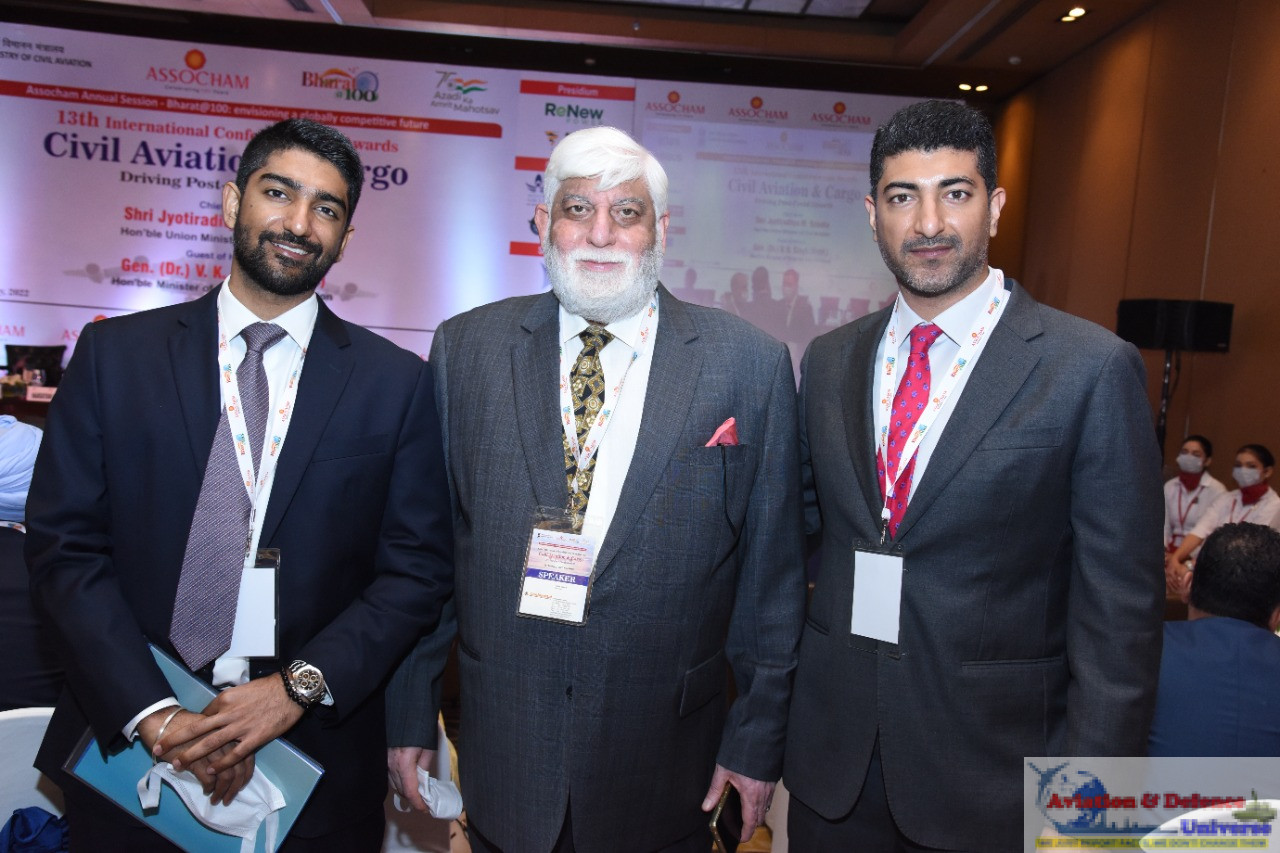
The story of Continental Carriers unfolds how legacy driven organisations could successfully reinvent themselves in an era defined by disruption, digitisation, and sustainability imperatives. Under the leadership of Vipin Vohra and the next generation led by Vaibhav Vohra, the company demonstrated that resilience was built through disciplined governance, strategic technology adoption, and deep industry understanding. From pioneering India’s first RA-3 accredited Greenfield Air Freight Station to expanding into aerospace and defence manufacturing through international collaborations, Continental Carriers positioned itself at the intersection of tradition and transformation. As air cargo and logistics continue to navigate cost pressures, digital fragmentation, sustainability demands, and geopolitical complexity, the company’s journey reflected a broader truth: long-term success in this industry belongs to those who balance experience with innovation, people with technology and growth with responsibility.
Inputs of Vaibhav Vohra by Shipra Sindwani