

















- India Set to Lead Global Aviation Growth and Sustainability Drive
- Wings India 2026 to Showcase India’s Rise as a Global Aviation Powerhouse
- From Regional Connectivity to Global Leadership: India’s Aviation Growth Story Takes Flight on the Wings of Vision
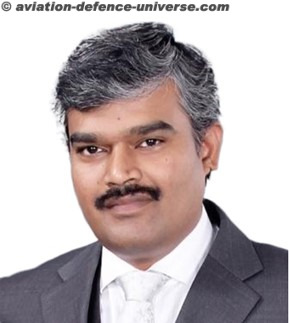
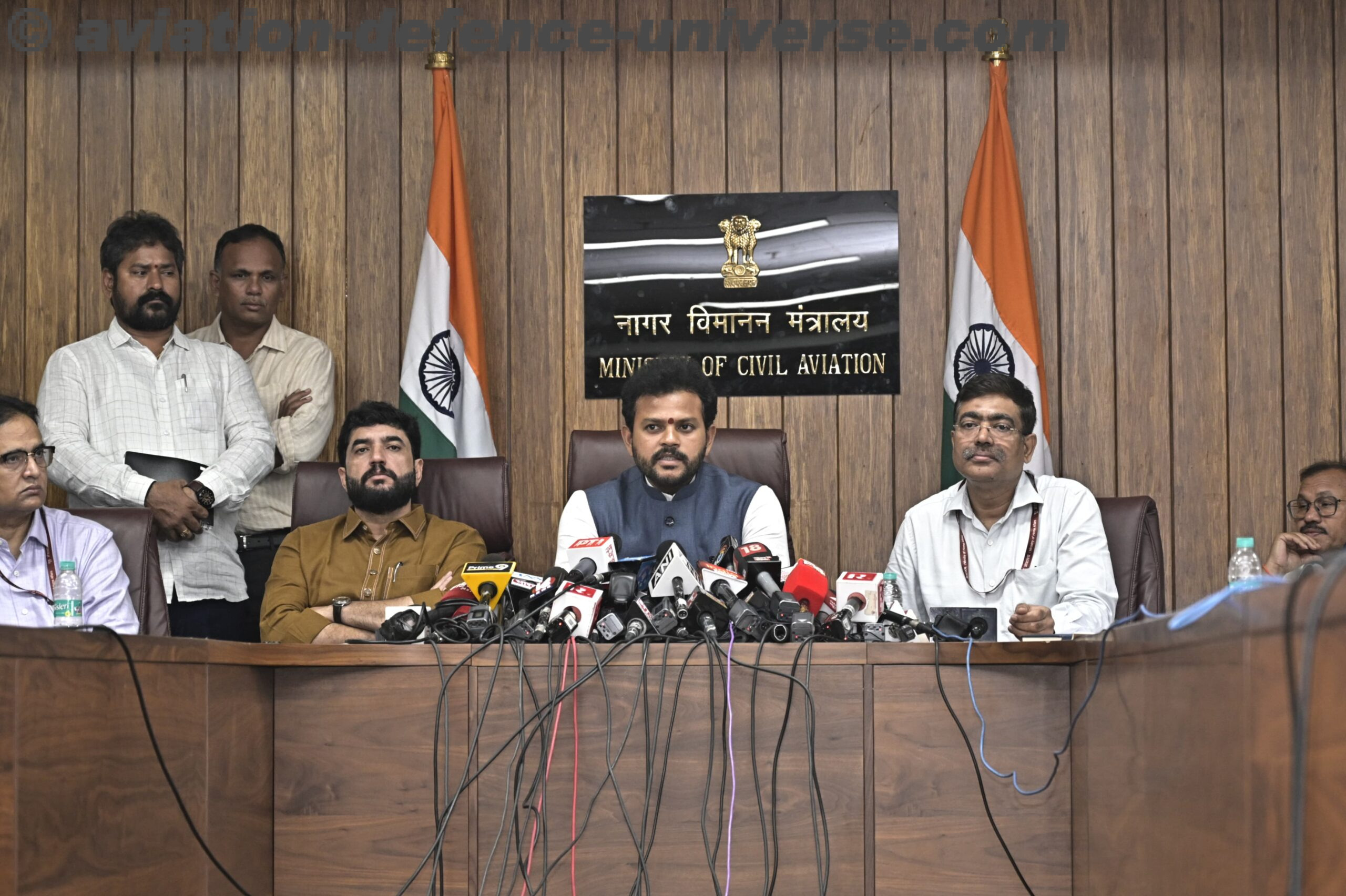
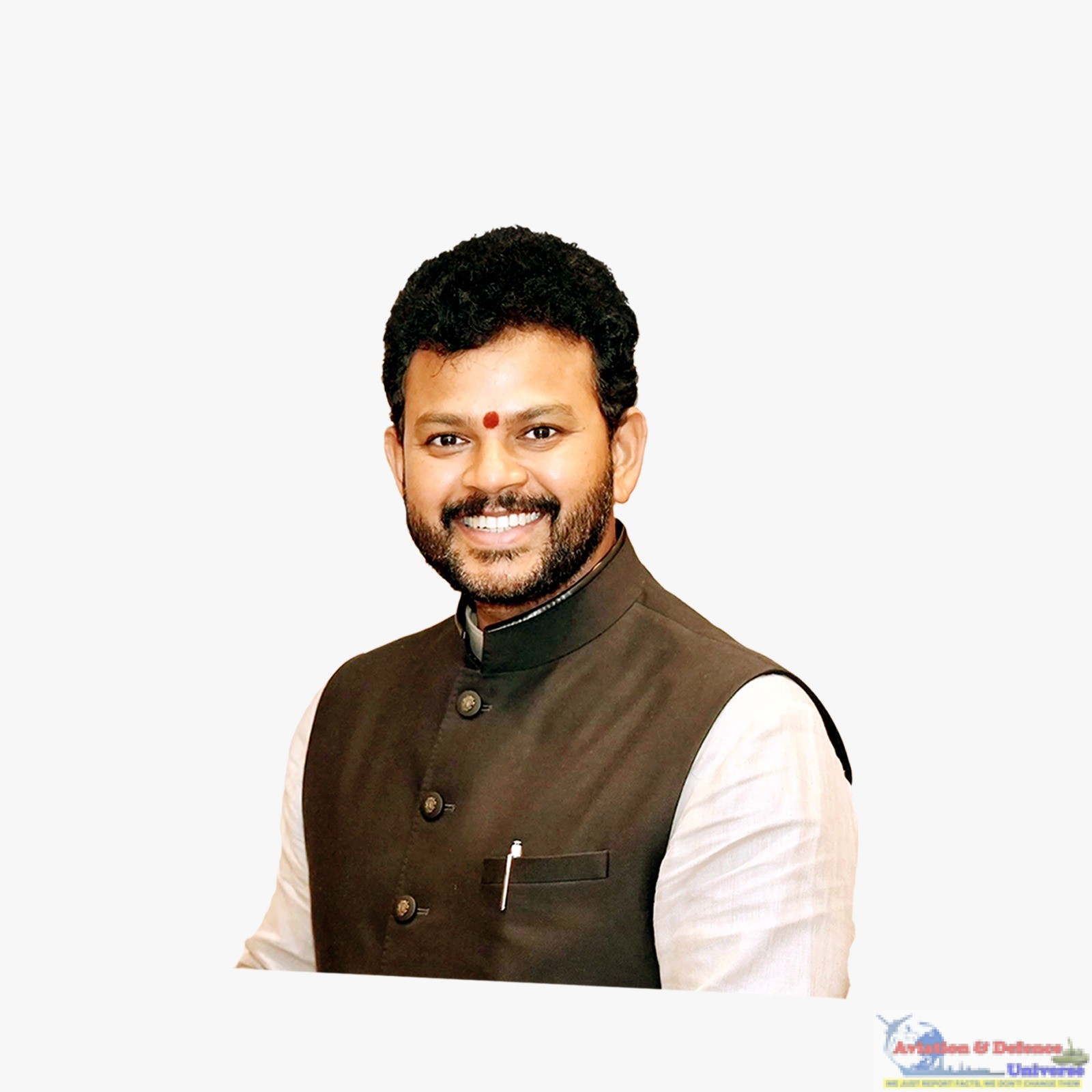
New Delhi. 25 January 2026. At a time when India’s civil aviation sector is soaring to unprecedented heights, the vision, policies and reforms shaping this remarkable transformation are drawing global attention. From democratizing air travel through regional connectivity to positioning India as a future global aviation hub, the country’s aviation journey reflects a powerful blend of ambition, innovation and inclusive growth. “I see the most critical enabler of this growth has been the vision of our Hon’ble Prime Minister which is UDAN – Ude Desh Ka Aam Nagrik scheme. The idea to make air travel more inclusive by capping the airfare through VGF support, bringing unserved and underserved cities on the aviation map and building airports at roughly the speed of one airport every 45 days,” emphasized Hon’ble Minister of Civil Aviation, Government of India, Shri K Rammohan Naidu in an exclusive interview to Aviation & Defence (ADU) commemorating Wings India 2026.
ADU. Wings India has emerged as a flagship global aviation event. How do you see its role in shaping India’s aviation narrative and positioning the country as a key global aviation hub?
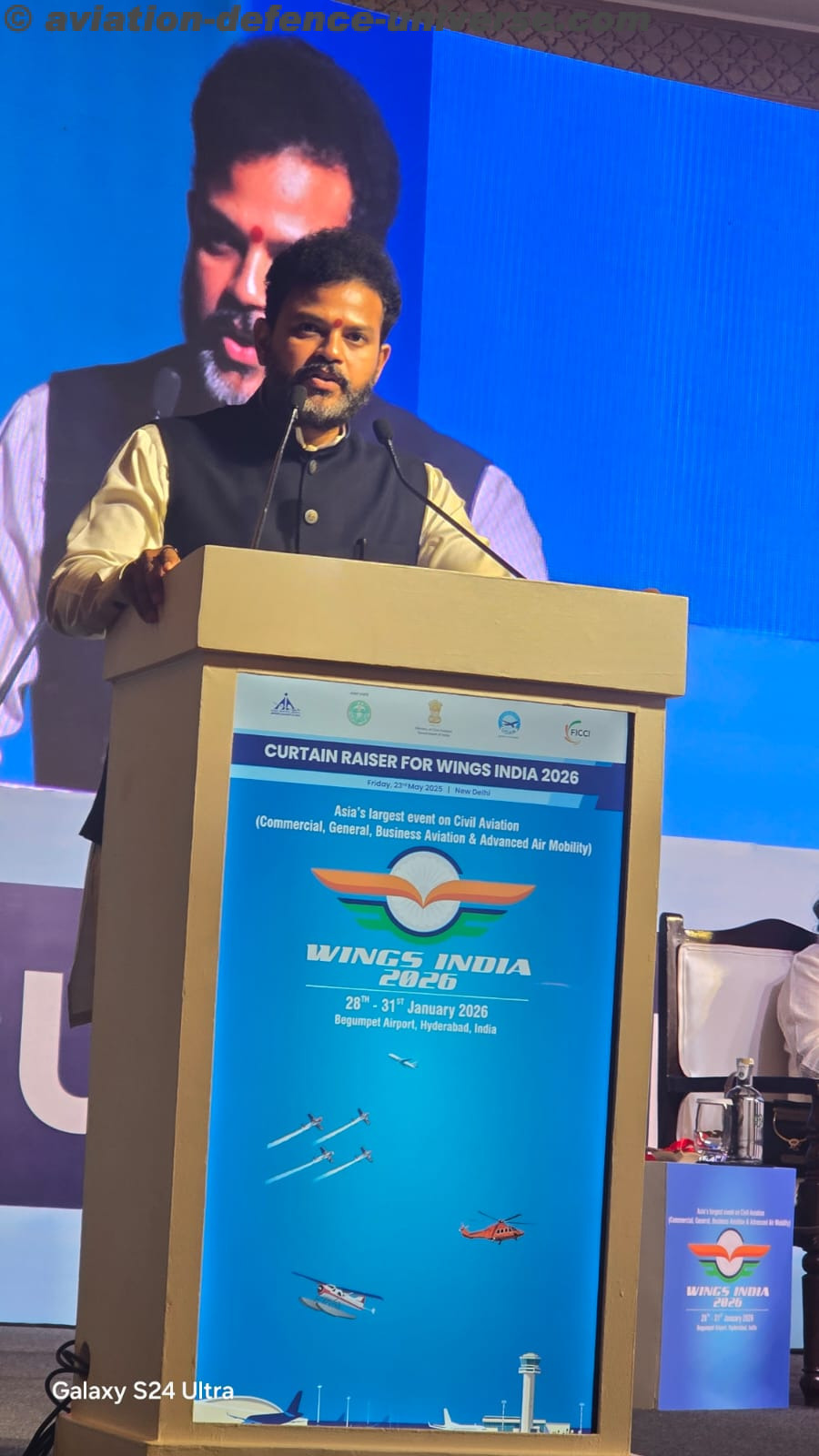
Shri K Rammohan Naidu. Wings India has definitely evolved far beyond a traditional aviation exhibition; it is now the flagship platform showcasing India’s aviation growth story under the visionary leadership of Hon’ble Prime Minister Sh. Narendra Modi Ji.
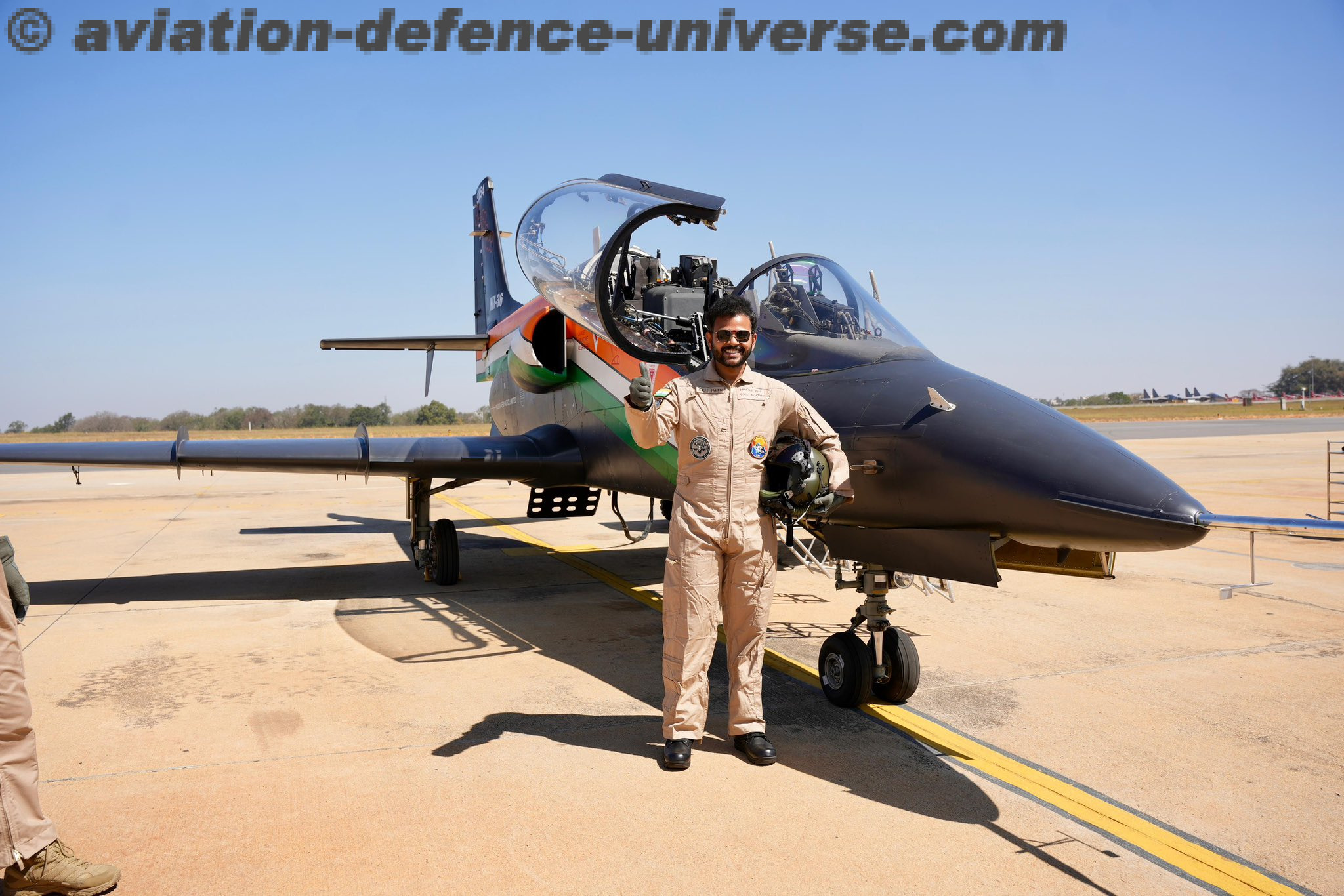
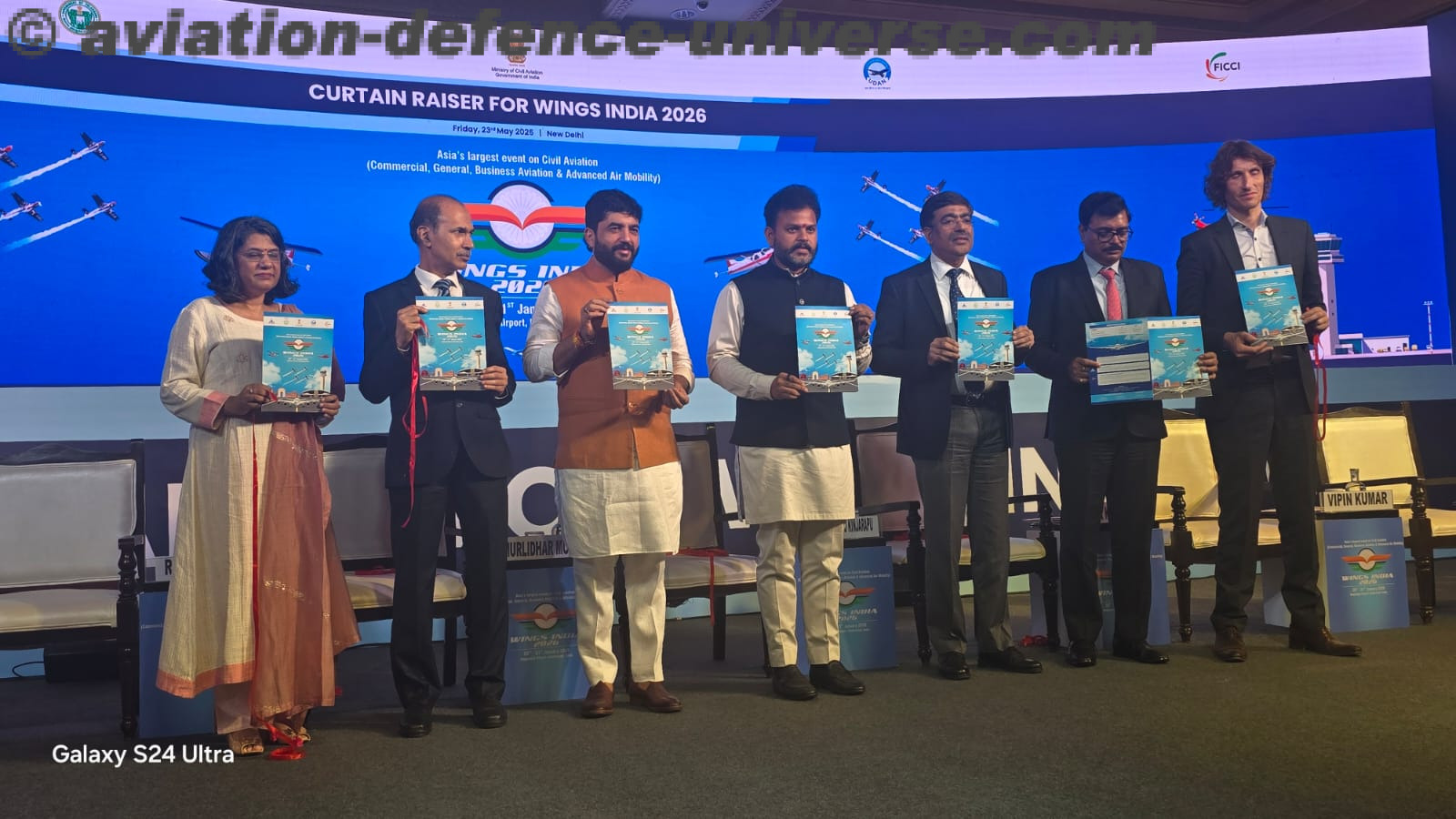
The theme also for Wings 2026, “Indian Aviation: Paving the Future – from Design to Deployment, Manufacturing to Maintenance, Inclusivity to Innovation and Safety to Sustainability” perfectly encapsulates India’s holistic strategy. By advancing across every dimension, from MRO and manufacturing to sustainable practices, India is rapidly cementing its position as a central global aviation hub.
A key highlight of this edition will be the Global Aviation Summit, designed to convene global leaders, policymakers and innovators to deliberate on emerging trends, challenges and opportunities shaping the future of air travel.
Wings India is Asia’s largest civil aviation event and Asia-Pacific region amounts to about 50% of global aircraft demand. Such is the significance and potential of Wings India platform for global exhibitors, CEOs, policy makers to exchange ideas, foster innovation and drive investments benefiting not only India but the entire global aerospace ecosystem.
ADU. India today is one of the fastest-growing aviation markets in the world. What, in your view, have been the most significant drivers of this growth, and how does the Ministry plan to sustain this momentum?
Shri K Rammohan Naidu. India today stands as one of the fastest-growing aviation markets globally. If you look at the numbers, domestic passenger traffic has grown by over 10 percent over the last decade and domestic aircraft movements have more than doubled during the same period. I see the most critical enabler of this growth has been the vision of our Hon’ble Prime Minister which is UDAN – Ude Desh Ka Aam Nagrik scheme. The idea to make air travel more inclusive by capping the airfare through VGF support, bringing unserved and underserved cities on the aviation map and building airports at roughly the speed of one airport every 45 days.
 The number of operational airports in India has nearly doubled, and upcoming greenfield airports such as Navi Mumbai, Jewar and Bhogapuram are set to add substantial capacity. We have created capacity ahead of demand and the industry is responding well to it. Looking ahead, three new airlines are set to become operational, while existing carriers have placed orders for nearly 100 aircraft annually over the next 10 to 15 years.
With the objective of ensuring sustainable growth, we are placing strong emphasis on allied sectors such as aircraft component manufacturing, MRO, aircraft leasing and skilling. The larger objective is to reduce offshore dependence and build robust domestic capacity across the aviation value chain.
To attract global investment, 100 percent FDI is permitted in aircraft component manufacturing and global OEMs such as Boeing and Airbus already source over USD 2 billion worth of aircraft components from India every year.
In the MRO segment as well, 100 percent FDI is now allowed under the automatic route, significantly improving ease of doing business. Further, the introduction of a uniform 5 percent tax on the import of aircraft parts and components makes India a far more competitive MRO destination.
So, with strategic reforms, we at positioning India as a reliable and globally competitive aviation market for decades to come.
ADU. Over the past year, the Ministry has taken several reform-oriented decisions. Which policy reforms do you believe have had the most transformational impact on the civil aviation ecosystem?
Shri K Rammohan Naidu. Yes, over the past year we have undertaken a series of reform-oriented policy and administrative decisions. Like the replacement of the nearly 90-year-old Aircraft Act with the Bharatiya Vayuyan Adhiniyam, which modernizes India’s aviation legal framework in line with global best practices. And the enactment of the Protection of Interests in Aircraft Objects Act, reducing leasing costs for airlines by an estimated 8 to 10 percent.
 But I firmly believe that our pilots, cabin crew, engineers and ground staff form the very backbone of the sector. In that context, I hold launch of India’s first-ever Performance- Based Ranking Framework for Flying Training Organizations as a significant step. For the first time, FTOs are being evaluated on measurable and transparent outcomes, creating a compliance-driven training ecosystem. The ranking framework assesses critical parameters such as instructor-to-aircraft ratios, average time taken to complete 200 flying hours, trainee placement support and safety standards. This brings accountability into pilot training and gives aspiring youngsters the confidence to choose the right training institution.
At the same time, with Indian carriers placing record aircraft orders, we estimate a requirement of nearly 15,000 new pilots over the next five years. To meet this demand, the country will need at least 50 new FTOs during this period. And I would like to share that in last 18 months itself; permission has been granted for 5 new FTOs. And in 2025, we issued an all-time high of 1,628 Commercial Pilot Licenses.
ADU. UDAN has played a critical role in democratising air travel. How do you envision the next phase of regional connectivity, especially with the operationalisation of non- operational and greenfield airstrips?
Shri K Rammohan Naidu. UDAN has been one of a groundbreaking initiative and a true reflection of the Hon’ble Prime Minister’s vision of turning ‘hawai chappal se hawai jahaz’ into a reality. When the scheme was launched, a majority of India’s air traffic was concentrated in just the top six airports, leaving Tier-2 and Tier-3 cities largely unserved or underserved. UDAN fundamentally changed this landscape. As of today, 92 airports have been developed and made operational under the scheme. Importantly, 55 unutilized and unserved airstrips have been revived and converted into operational airports, unlocking connectivity in regions that were earlier off the aviation map.
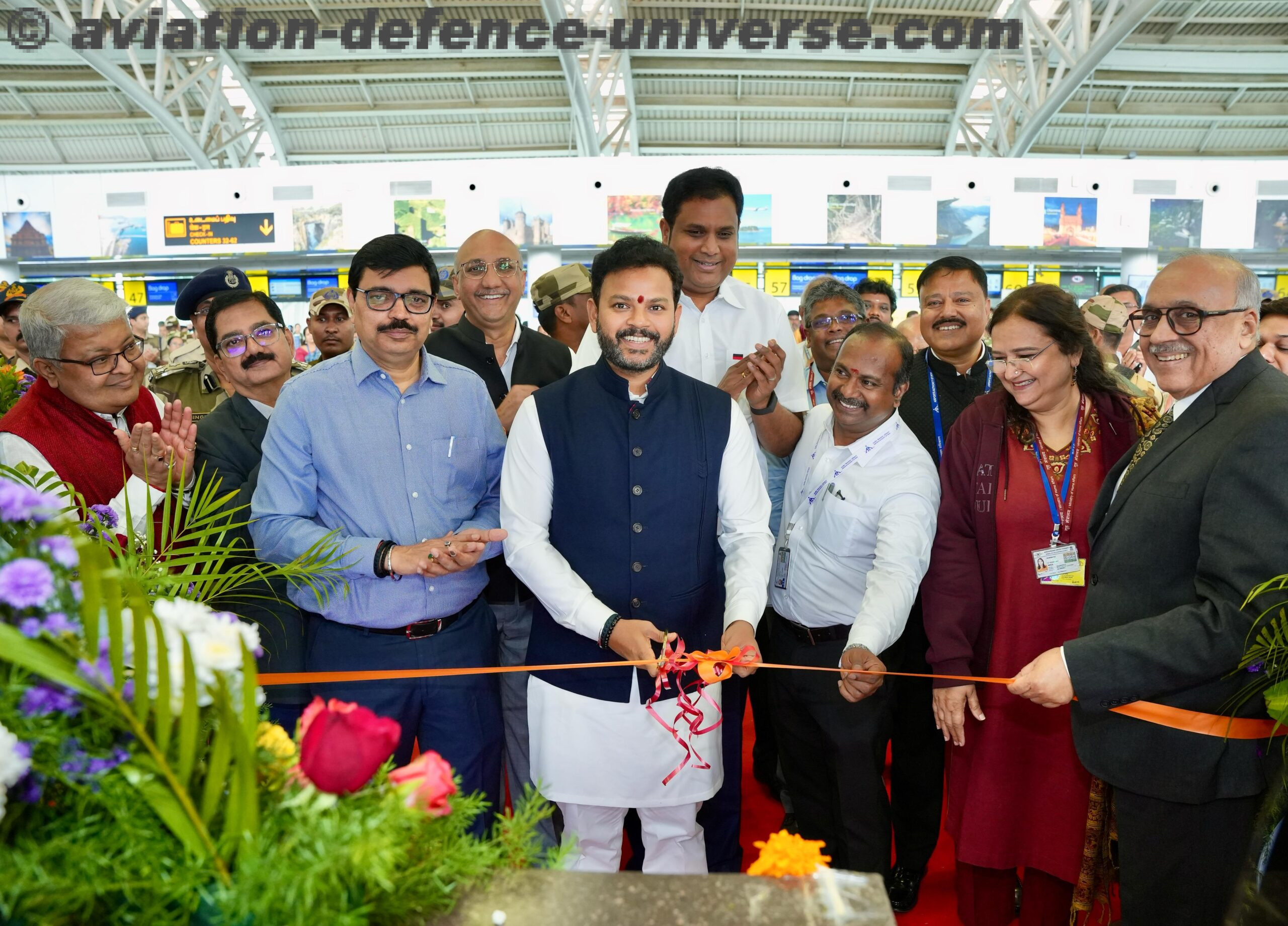 Several UDAN airports such as Darbhanga, Prayagraj, Hubballi, Belagavi, Hindon and Nanded have now evolved into fully commercial and high-traffic airports. And the impact has been significant. Over 1.5 crore passengers have benefited from UDAN flights so far, with more than 3.17 lakh flights operated under the scheme. Building on this success, the Government has announced a Modified UDAN Scheme, with an aim to connect 120 new destinations and facilitate travel for 4 crore passengers over the next 10 years. The scheme will place special emphasis on heliports and small airports in hilly, island, North Eastern and aspirational districts.
We have done multiple stakeholder engagements and based on assessment reports, we are doing some structural changes in the Modified UDAN 2.0 like quicker operationalization of routes, a longer VGF support window to ensure route sustainability, and operational and maintenance support for small aerodromes. We are committed to make regional connectivity in the country more inclusive and more sustainable.
ADU. Sustainability is becoming central to global aviation. How is India balancing growth with environmental responsibility, and what role do you see alternative fuels, technology, and green airports playing in the future?
Shri K Rammohan Naidu. Airports are at the intersection of energy, infrastructure and passenger experience and they play a central role in driving sustainable aviation. I had the opportunity to highlight this at the World Economic Forum during a session on ‘Airports of Tomorrow,’ emphasizing how airports can lead the way in decarbonization. Today, over 90 airports across India are operating on 100% green energy, making India a global leader in sustainable airport operations.
 At the same time, India is one of the fastest-growing aviation markets in the world, with major infrastructure expansion of 50 more airports in next 5 years underway to support rising passenger traffic. With aircraft fleet also set to double in the next 5 years, aviation turbine fuel (ATF) consumption is expected to reach 15–16 million tons by 2030 and nearly double to 30–31 million tons by 2040.
As a responsible country, India is actively leading the decarbonization of the sector through the production of Sustainable Aviation Fuels. We have now our own SAF certification body and domestic refineries are producing SAF. Oil Manufacturing Companies in India collectively have a plant capacity of over 7 crore liters per annum, with production expected to begin gradually over the next 2–3 years. We are in a very comfortable position to not only meet domestic SAF demand but also to emerge as a major global exporter of SAF in the coming years. I see India leading aviation decarbonization and we are closely working with ICAO on it.
As India prepares to host Wings India 2026, the vision outlined by Hon’ble Minister of Civil Aviation Shri K Rammohan Naidu in this interview reflects the remarkable transformation of the country’s aviation ecosystem. From democratising air travel through the UDAN scheme and expanding regional connectivity to driving policy reforms, capacity creation, and sustainability initiatives, India is firmly positioned on a trajectory of sustained and inclusive growth. With strong emphasis on infrastructure expansion, indigenisation, MRO development, skilling, and green aviation, the Ministry is laying the foundation for a resilient and globally competitive civil aviation sector. Wings India 2026, in this context, is set to emerge not merely as an industry exhibition, but as a powerful platform showcasing India’s ascent as one of the world’s most dynamic and influential aviation markets.
As told to Sangeeta Saxena