






















- Outlines Strategic Shift Amid Global Defence Surge
- Signals New Era of Defence Manufacturing
- Doubles Output as Europe Accelerates Rearmament Effort
- From Ukraine to Iran: MBDA CEO Warns of New Security Reality
By Sangeeta Saxena
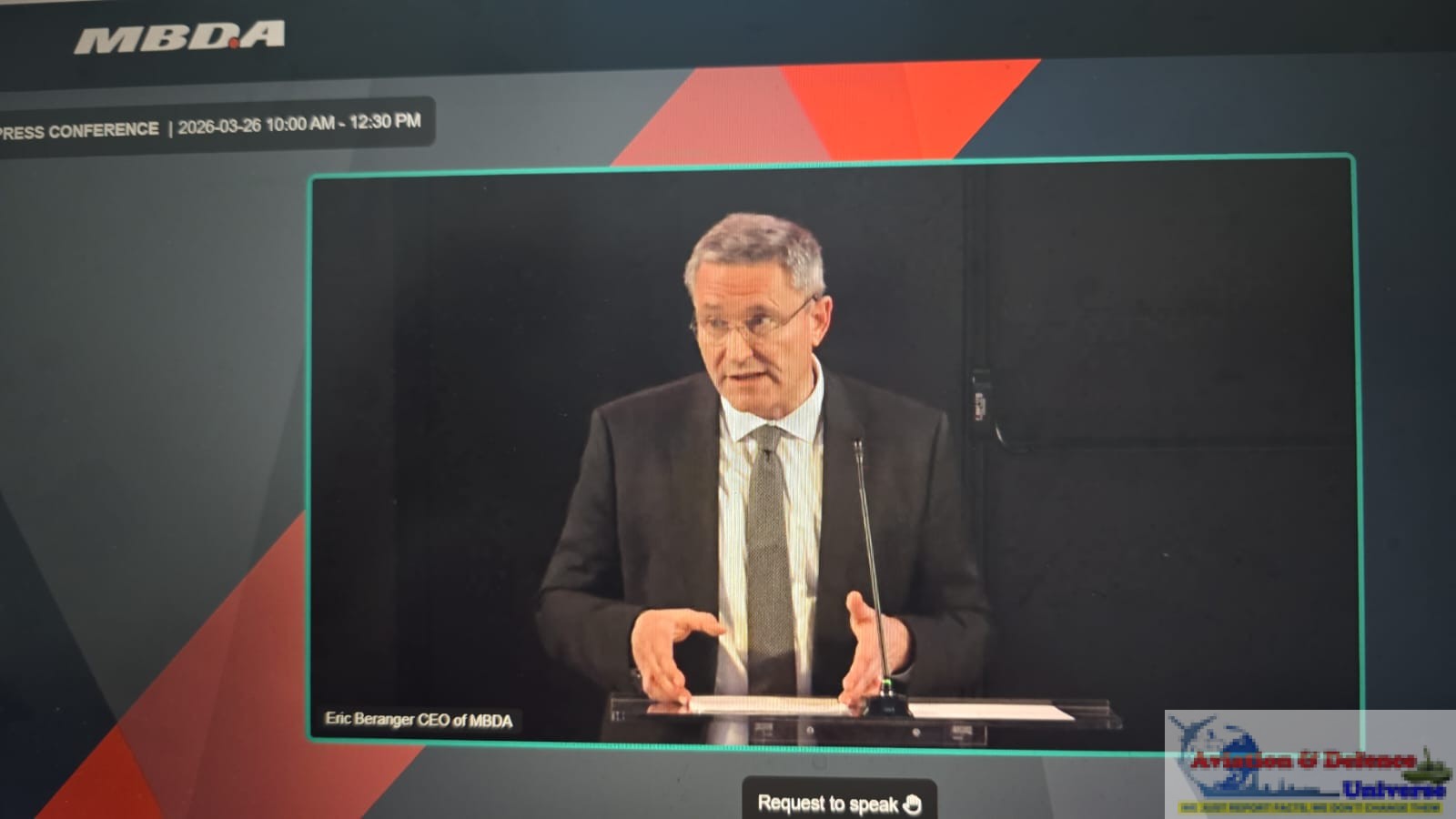
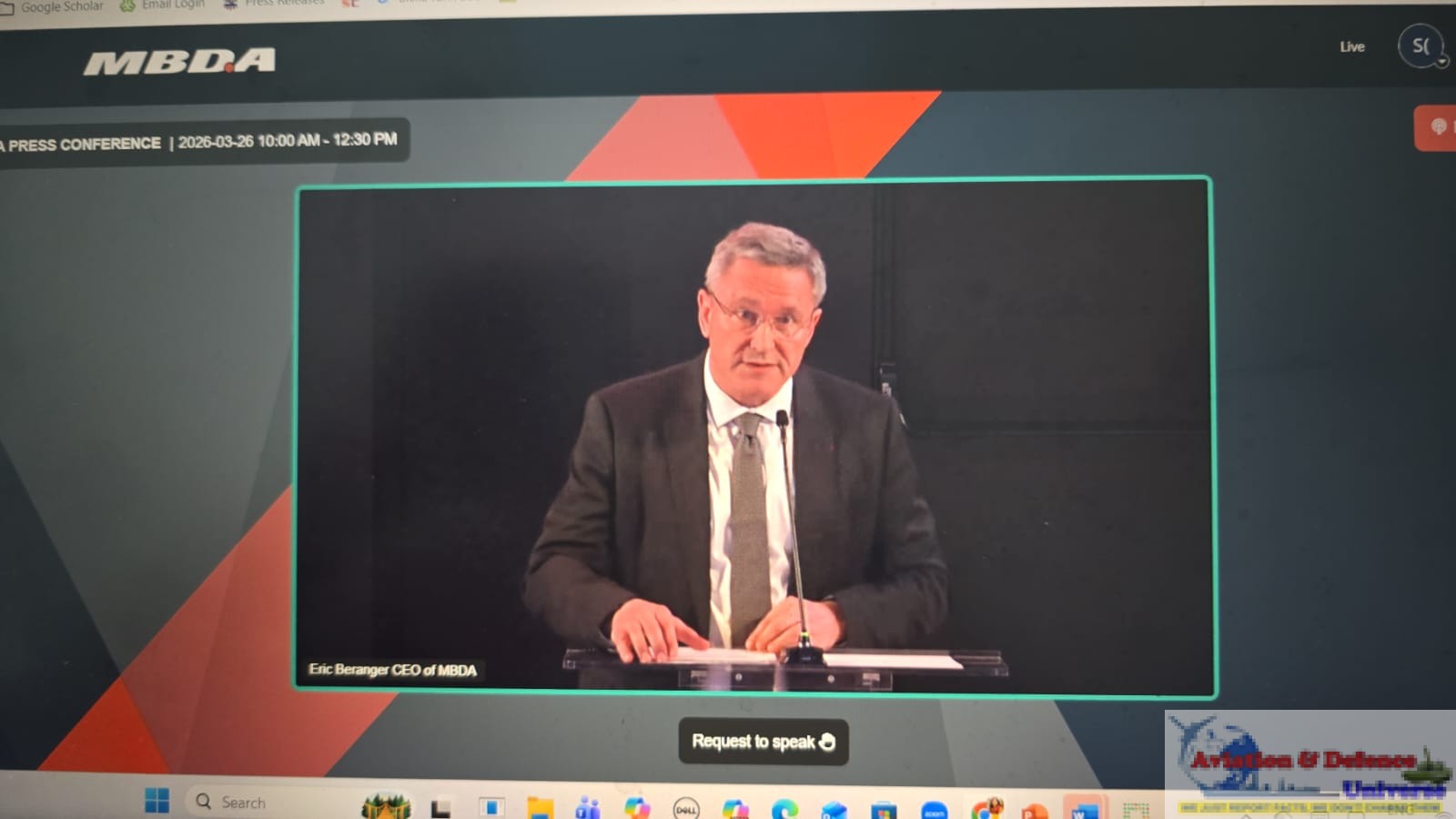
New Delhi. 27 March 2026. At a time of intensifying global conflicts and rapidly shifting defence priorities, Eric Béranger, Chief Executive Officer of MBDA, addressed the company’s annual press conference with a clear message that the world has entered a new era of strategic uncertainty where defence capabilities—particularly missile systems—have become central to national security. Reflecting on the geopolitical landscape shaped by conflicts in Ukraine and Iran, Béranger positioned MBDA at the heart of Europe’s rearmament efforts. His address outlined the company’s performance in 2025, its accelerated production strategy and its roadmap for 2026, highlighting how MBDA is adapting to unprecedented demand while preparing for future threats.
Attending the press conference if though virtually, was like entering a tsunami of information relevant to an industry, it’s continental manufacturing , it’s global market, geopolitical repercussions both ongoing and expected with an enviable and steadfast growth on both sales and financial fronts.
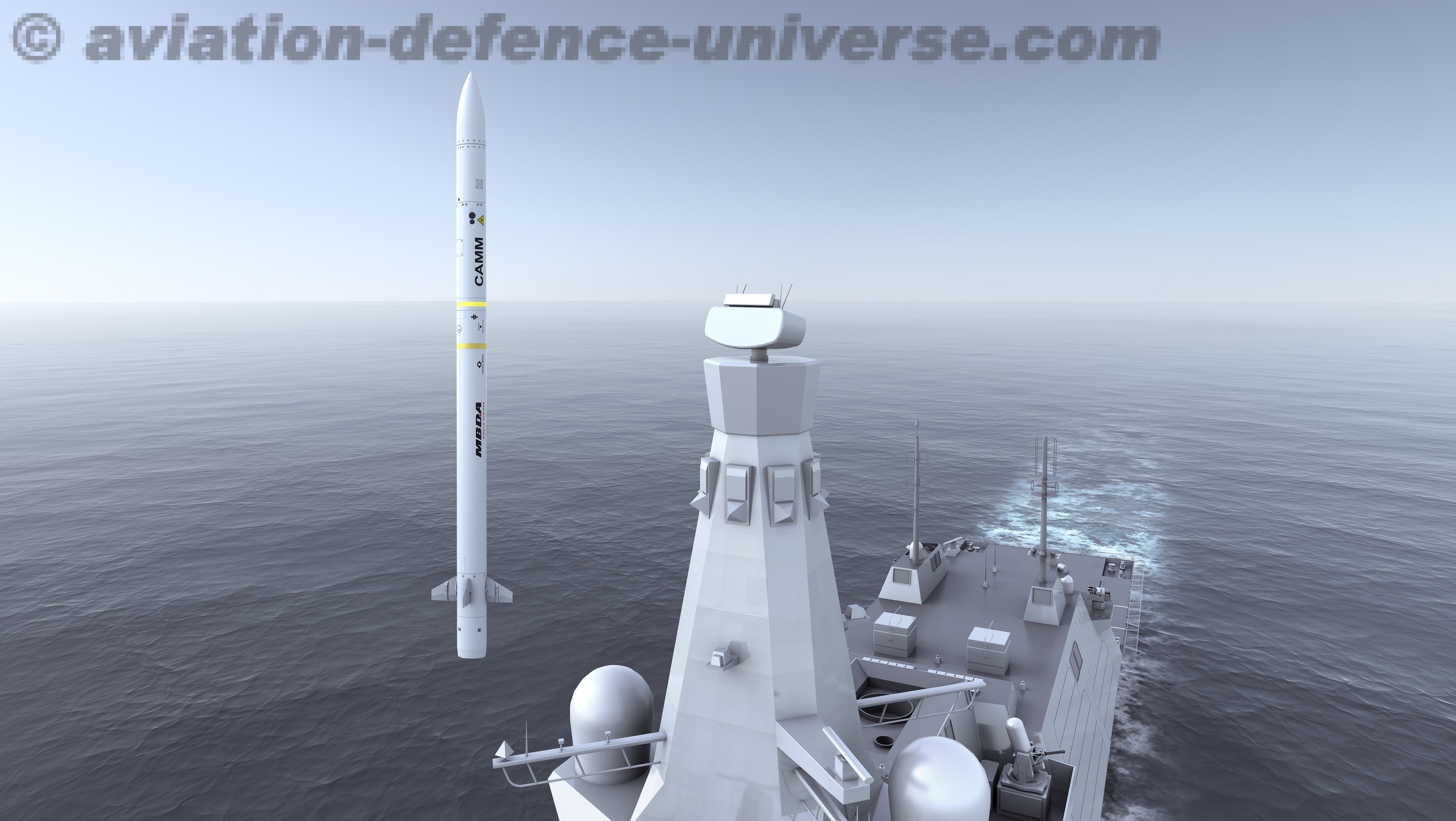 Béranger began by underlining the gravity of the current geopolitical environment, stating that “the shift from the rule of international order to the rule of brutal force has again crossed a new threshold.” He noted that governments worldwide are committing to sustained increases in defence spending, with missile systems emerging as a “critical capability” in this evolving security landscape.
Reviewing performance in 2025, he emphasised that MBDA had delivered on its commitments. “We did what we had said we would do,” he stated, highlighting that missile production had doubled compared to 2023. He further noted, “we said that we would deliver in 2025 five times more Asters than what had initially been planned. We did it,” and added that production capacity for Mistral systems had reached “four times what we had at the beginning of the war in Ukraine.”
The CEO attributed this performance to large-scale investments in industrial capacity, workforce expansion, and supply chain coordination. “There is no magic secret,” he remarked, explaining that MBDA had expanded facilities, added machinery, and recruited over 2,700 employees in 2025, bringing the total workforce to more than 20,000. He also highlighted the importance of supply chain management, noting that “we have about 2,000 suppliers,” highlighting the complexity of scaling production.
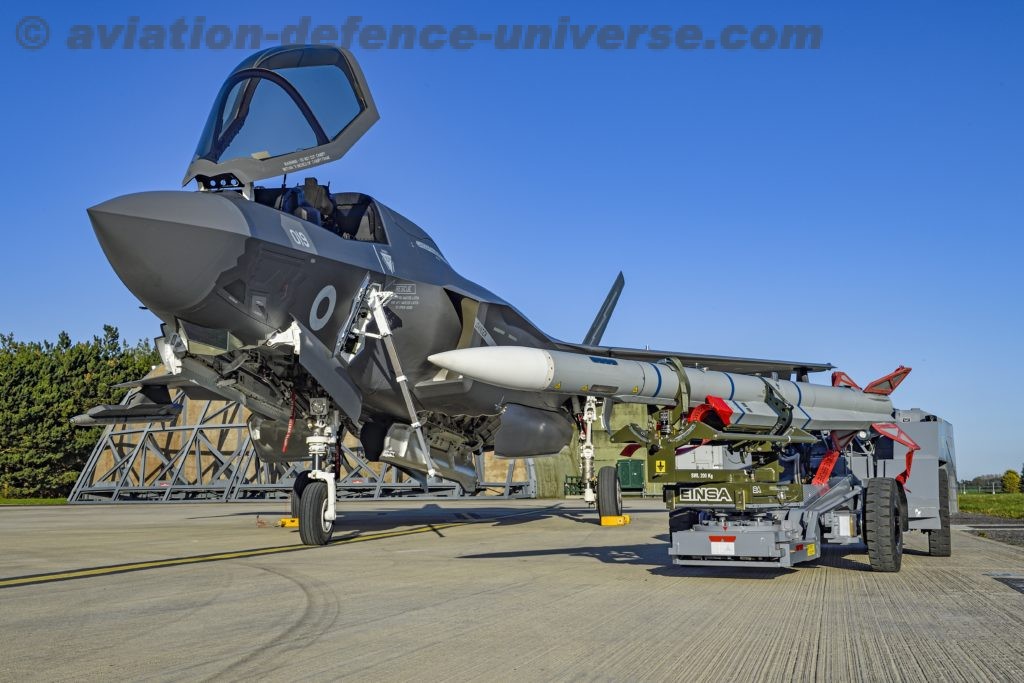 A significant strategic shift highlighted during the briefing was MBDA’s move from contract-based production to anticipatory manufacturing. Béranger explained, “we do not anymore produce to contract… we produce to stock,” revealing that the company had invested approximately €1 billion in advance production without confirmed orders to meet rising demand, particularly in air defence.
On innovation and operational agility, Béranger pointed to MBDA’s ability to respond rapidly to urgent operational requirements. “Adapting an air-to-air missile to a helicopter in less than 10 days” was cited as an example of the company’s responsiveness, alongside a 25% increase in such rapid adaptations compared to 2024. He also highlighted new developments such as the “one-way effector” systems and counter-drone solutions like Skywarden, which he described as “the best solution to protect the EU borders” as rated by Frontex.
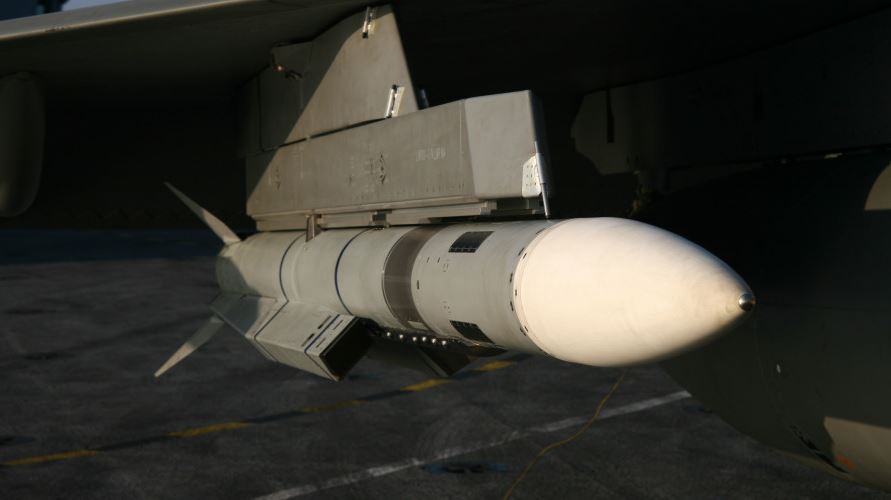 Looking ahead to 2026, Béranger outlined an ambitious growth trajectory. “We will increase the overall output of MBDA by about 40%,” he said, adding that production of key systems like Aster would double again. This expansion will be supported by further recruitment—around 2,800 new hires—and a significant increase in investment. “It’s not going to be €2.5 billion… it’s going to be €5 billion that we are going to invest,” he announced, referring to the company’s five-year plan.
At the same time, he stressed the importance of preparing for future threats through major programmes such as Stratus and the hypersonic interceptor initiative. He described Stratus as “a crucial programme” entering its development phase, while the interceptor project represents Europe’s effort to counter emerging hypersonic threats.
Béranger also highlighted the growing importance of space in modern warfare, noting that “space has become a theatre,” requiring both enhanced capabilities and protection mechanisms. He pointed to MBDA’s participation in space-based defence initiatives as part of this evolving domain.
On Europe, Béranger emphasised the importance of cooperation and strategic autonomy. “To keep a voice… those countries need defence,” he stated, arguing that no single European nation can independently sustain the full spectrum of defence capabilities. He advocated for joint programmes and procurement, alongside a strong “European preference” to sustain the continent’s defence industry.
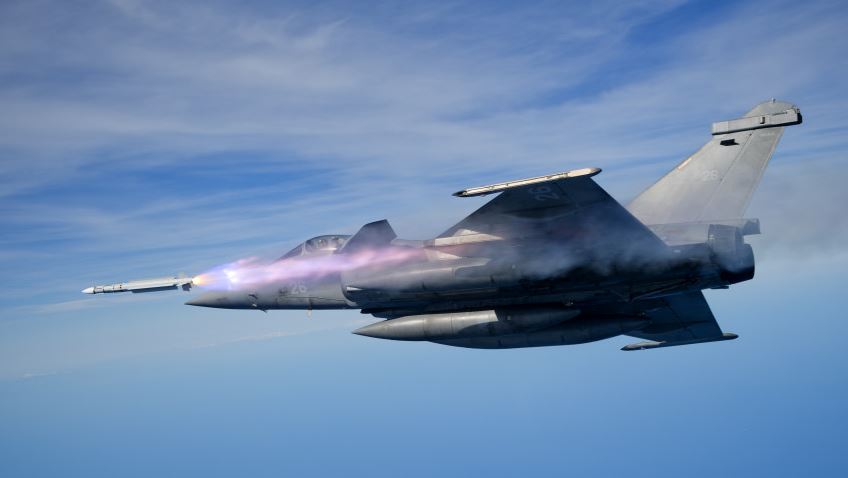 Summarising MBDA’s trajectory, he noted the company’s transformation in scale and strategic relevance. Revenues reached €5.8 billion in 2025, with a backlog of €44 billion. “MBDA today is engaged in a race… for more volumes and more speed,” he said, positioning the company as “one of the instrumental pillars of the rearmament at play in Europe.”
The annual press conference by Eric Béranger reiterated a defining shift in both the global security environment and MBDA’s strategic role within it. The company’s accelerated production, forward-looking investments, and emphasis on innovation reflect a broader transformation in defence thinking—one driven by urgency, scale and technological evolution. As Europe intensifies its rearmament efforts, MBDA is positioning itself not only as a key industrial player but as a central pillar in ensuring strategic autonomy. The message was clear: in an era of heightened geopolitical tension, speed, readiness and collaboration will determine the future of defence capabilities.