
















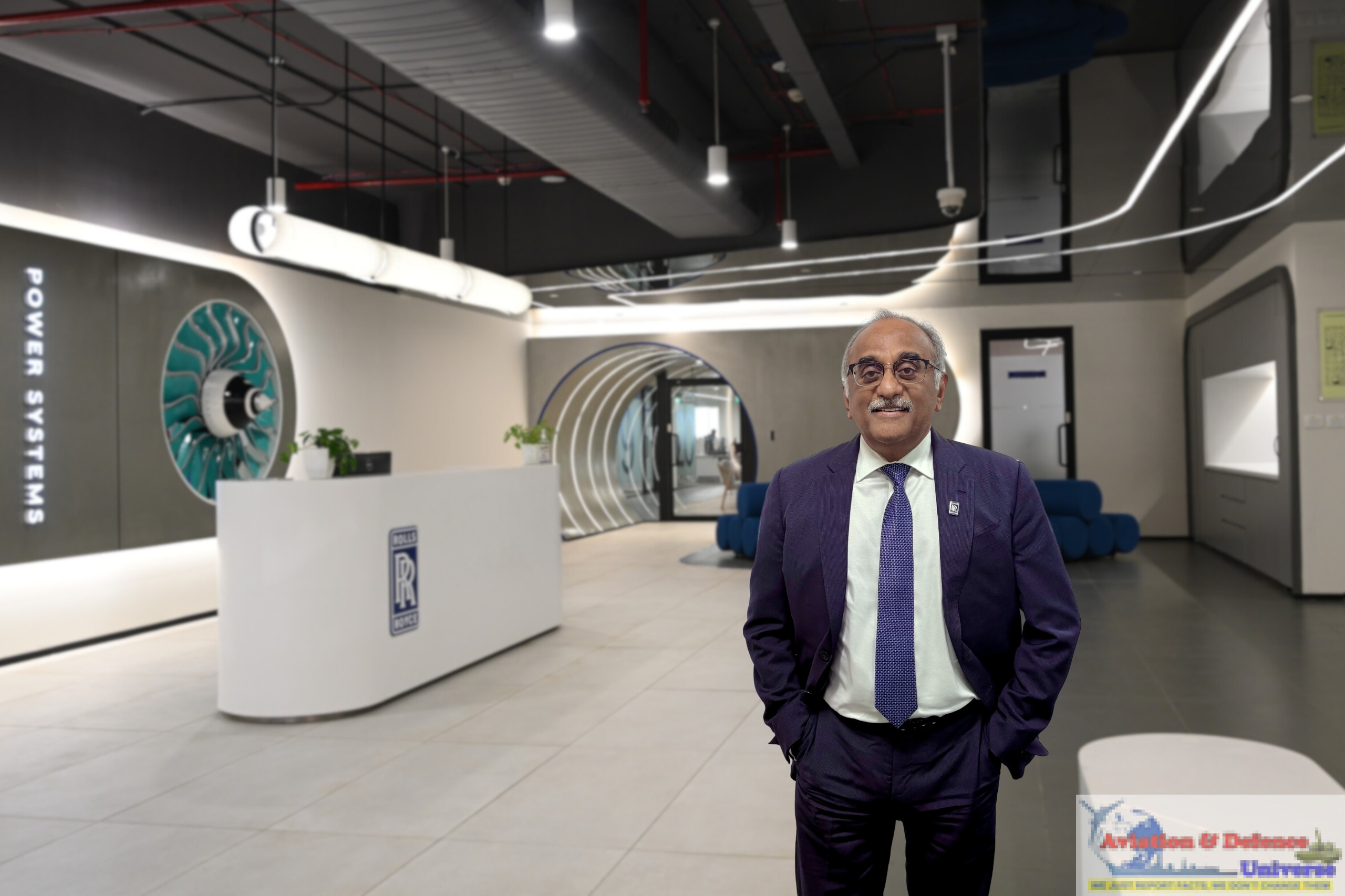
- AMCA, Engines, Ecosystems: EVP Reveals Why India Is Central to the Company’s Future
- Why Sashi Mukundan Sees India as the Future of Its Defence and Engineering Innovation
By Sangeeta Saxena
New Delhi. 12 December 2025. This year has emerged as an inflection point in India–UK strategic and industrial relations, particularly in defence and advanced technology. At the centre of this evolving landscape stands Rolls-Royce, a company that has powered India’s air, land, and naval platforms for decades. With India now poised to become a global manufacturing and technological hub, Rolls-Royce is reshaping its long-term India strategy.
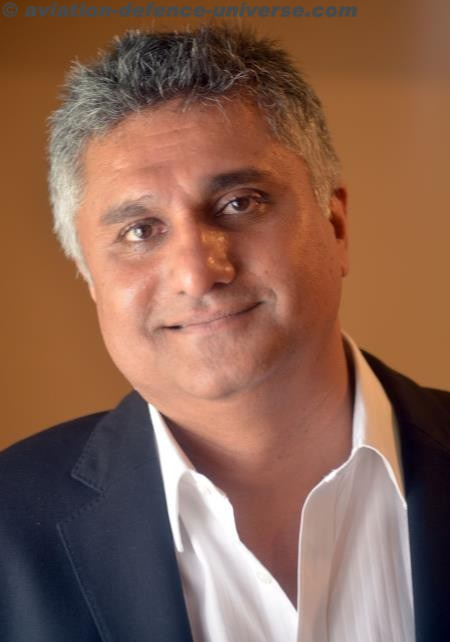
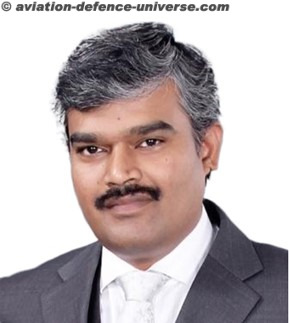
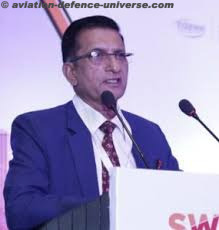
In this exclusive conversation, Editor ADU Sangeeta Saxena speaks with Sashi Mukundan, Executive Vice President – Transformation India, Rolls-Royce, to explore why India is now positioned to become the company’s next “home market,” how combat engine programmes like AMCA could redefine the partnership, and why India’s supply chain and engineering talent are central to Rolls-Royce’s future.
ADU. 2025 has been described as a watershed year in India–UK relations. From a Rolls-Royce perspective, why does this moment matter?
Sashi Mukundan. It matters because several strands have come together at exactly the right time. Strategically, 2025 has seen a step-change in the India–UK relationship, including on national security and defence. For Rolls-Royce, this coincides with a broader vision and ambition to develop India as a potential home market for us. Today, outside the UK, we have two home markets: the US and Germany. Our ambition is for India to become another home market, and that ambition cuts across defence, naval propulsion, land systems, manufacturing, advanced engineering skills, and technology development, all of which align closely with India’s own priorities.
ADU. What makes India such a natural candidate to be that next home market?
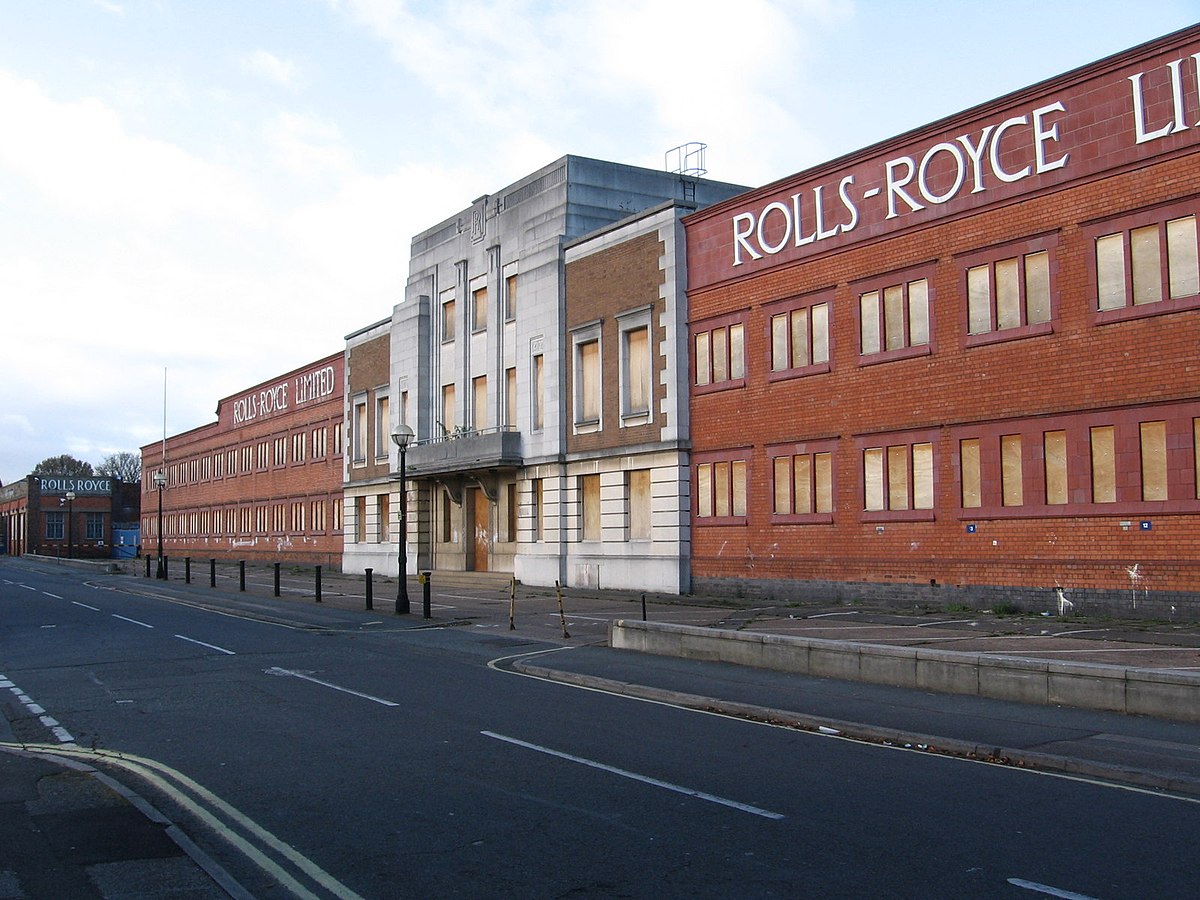 Sashi Mukundan. If you look at India’s trajectory, the answer becomes quite straightforward. You have a population of 1.4 billion, a $3 trillion economy growing at around 8 percent and the direction is quite clear. India has scale, policy clarity, and a strong push towards a defence and industrial ecosystem that is expanding rapidly and becoming more sophisticated.
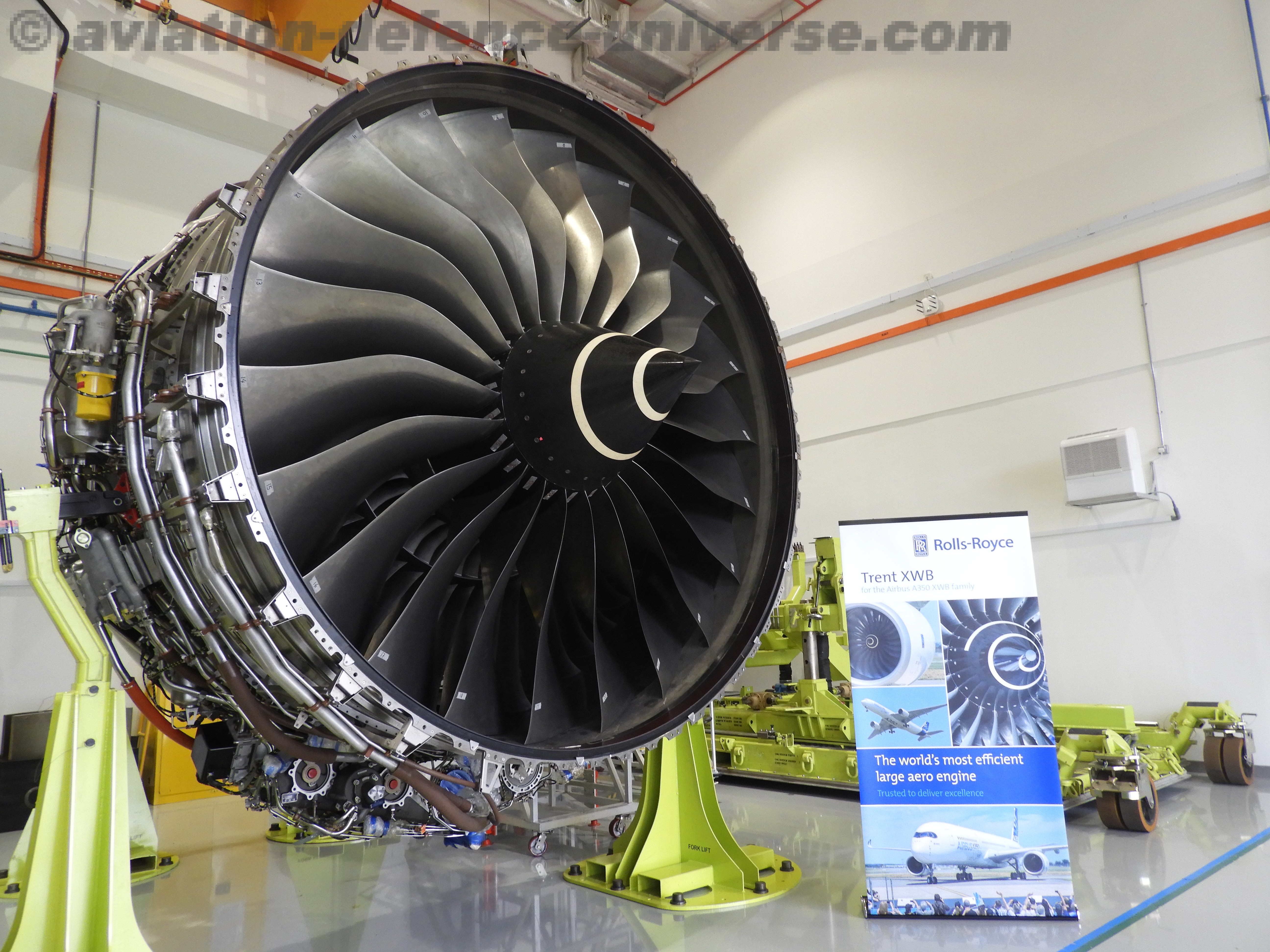
We already have two manufacturing JVs in India, including International Aerospace Manufacturing Pvt Ltd (IAMPL), where we manufacture engine components for our global supply chain. We have decades of experience in licensed production, maintenance, and technology transfer. India also has exceptional engineering and design talent. Much of the design work for the Trent XWB wide-body engine, for instance, was done here. Manufacturing, sourcing, talent, and technology are all aligning. The next phase is about strengthening and connecting these capabilities in step with India’s emerging defence platforms.
ADU. Aero engines, especially combat engines, are a major focus right now with AMCA dominating conversations. Where does Rolls-Royce see itself in this programme?
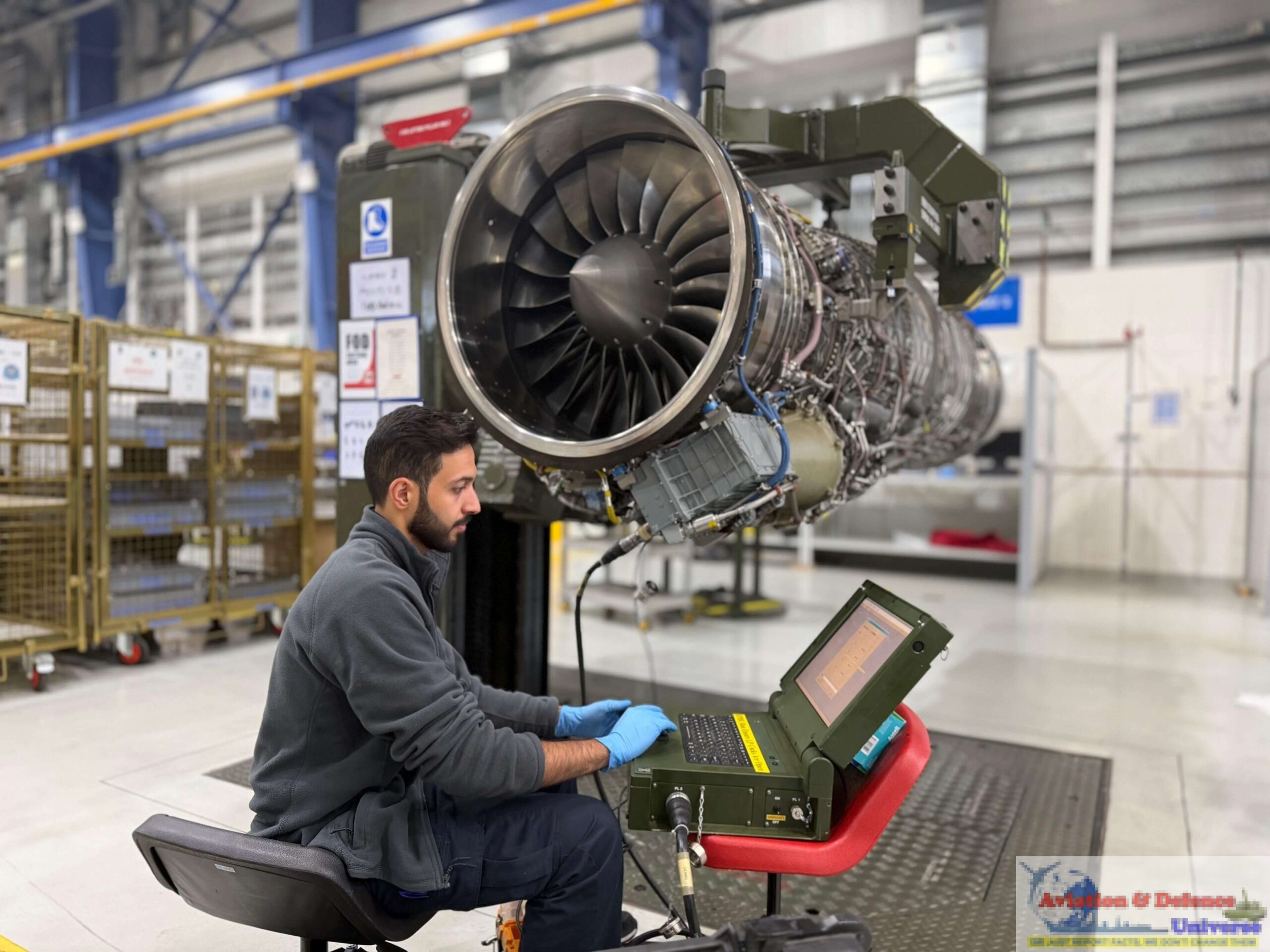
Sashi Mukundan. Combat engines are an area where we have genuine competitive advantage. We are among the very few companies globally with end-to-end design, development, testing, and certification capability. We design a new engine roughly every 18 months.
The 120–130 kN class being discussed for AMCA is well within our capability. Our EJ200 engine powering the Eurofighter Typhoon already operates above 90 kN, and in GCAP the requirement goes even higher. We also jointly developed an engine for the F-35 programme along with GE.
Just as importantly, we have decades of experience working with India, transferring technology, and partnering with HAL across six to seven engine programmes. Taken together, this makes us a natural fit for AMCA and positions us to offer the fastest route to an indigenous combat engine.
ADU. Would AMCA require new manufacturing facilities or partnerships in India?
 Sashi Mukundan. That depends on the scale and structure of the programme. My sense is that AMCA may warrant a dedicated facility, but this will depend on the industrial model, airframe partner, and final programme architecture. More than one viable model exists, but the key is building the right industrial and technological ecosystem in India.
ADU. How important is the Indian supply chain in this broader vision, especially for MSMEs and startups?
Sashi Mukundan. It is absolutely critical. If Rolls-Royce wants to be embedded in India, the supply chain must be here. This is not just about policy or Make in India expectations. It is the right commercial decision. We already source high-precision aerospace components from India, and this will grow rapidly. In the next five to ten years, India will be competitive across almost every advanced manufacturing technology. Working with a global OEM like Rolls-Royce also exposes MSMEs and startups to rigorous certification standards, which strengthens the entire ecosystem.
ADU. Defence and national security appear to be a major pillar of your India strategy. How do you see Rolls-Royce’s role evolving?
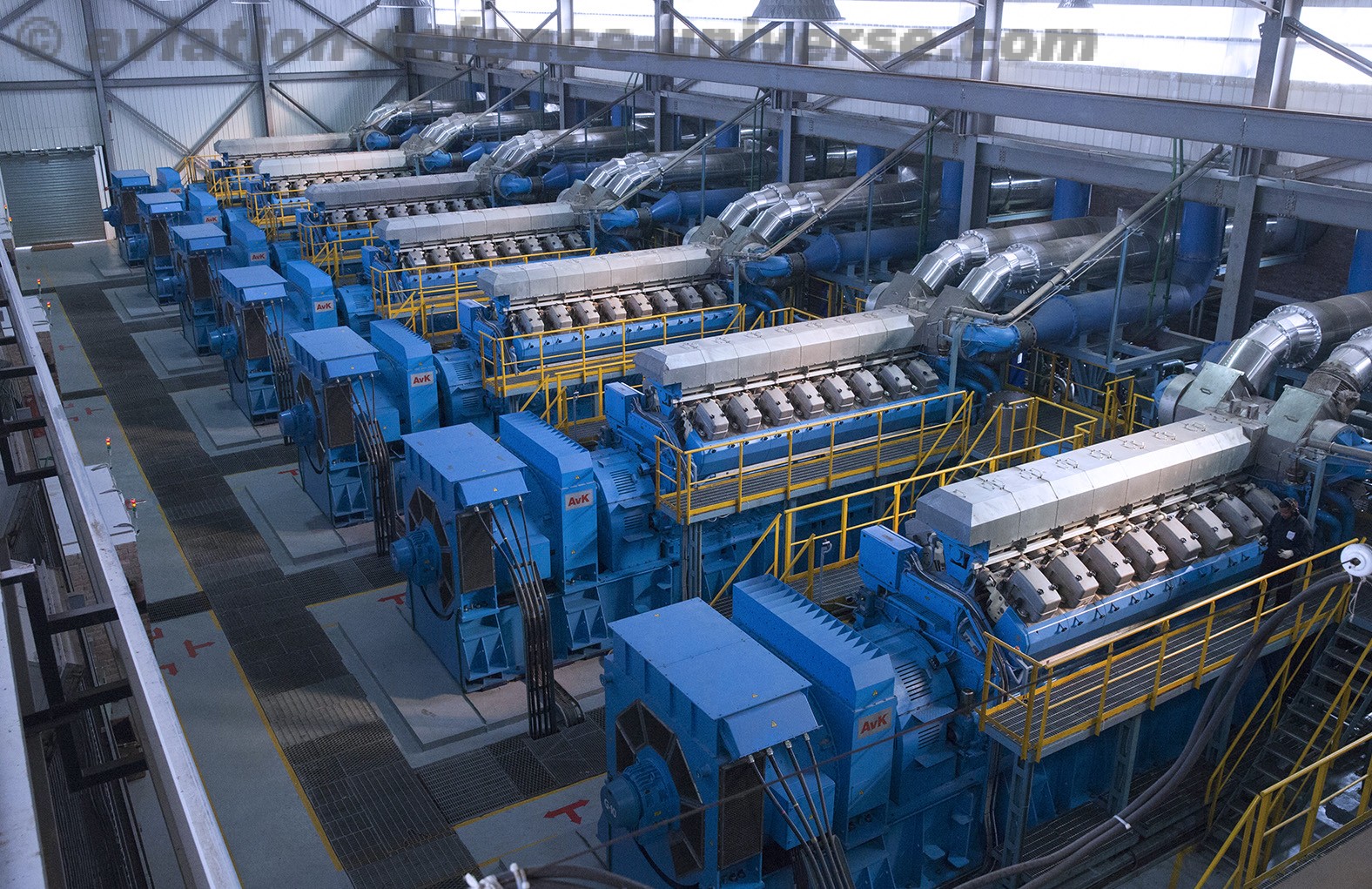
Sashi Mukundan. Defence is central to our India strategy. Rolls-Royce is unique in providing propulsion systems across air, naval, and land domains. We have over 1400 engines in service with the Indian Armed Forces: more than 750 with the Indian Air Force and over 650 MTU engines powering the Arjun MBT and vessels across the Navy and Coast Guard. On the naval side, we have long-standing partnerships and a licensing agreement with Garden Reach Shipbuilders & Engineers for Series 4000 marine engines. We are also advancing engagements with defence PSUs on land systems, including the MB838 engine for the Arjun tank and the Series 199 engines for future armoured platforms.
ADU. Finally, when you step back, what excites you most about Rolls-Royce’s India journey over the next decade?
Sashi Mukundan. The excitement comes from being able to design, develop, manufacture, and sustain advanced propulsion systems in India, for India, and for the world. Very few countries offer this combination of scale, talent, and industrial potential. When our CEO articulated his vision to the Prime Minister last year, this was the core of it. India is not merely a market. It is a long-term strategic home.
As India emerges as one of the world’s fastest-growing aerospace and defence hubs, Rolls-Royce is aligning its global strategy to deepen its roots in the country. From combat engines for AMCA to naval and land propulsion, advanced manufacturing partnerships, and a strengthened supply chain led by MSMEs and startups, the company envisions India as its next global home market. Sashi Mukundan’s insights highlight a future where India and Rolls-Royce co-create advanced technologies, expand indigenous capability, and anchor a global propulsion ecosystem—driving strategic autonomy for India and long-term growth for Rolls-Royce.
As told to Sangeeta Saxena