
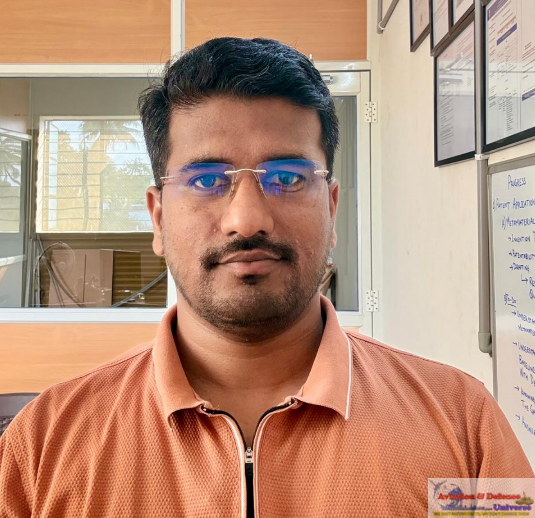






- AVM Ashok Singhal on How IRUS Is Powering India’s Simulator Revolution
- Smart Enemy, Smarter Training: IRUS Showcases AI-Based Combat Simulation at Dubai Airshow
By Sangeeta Saxena
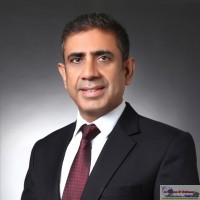
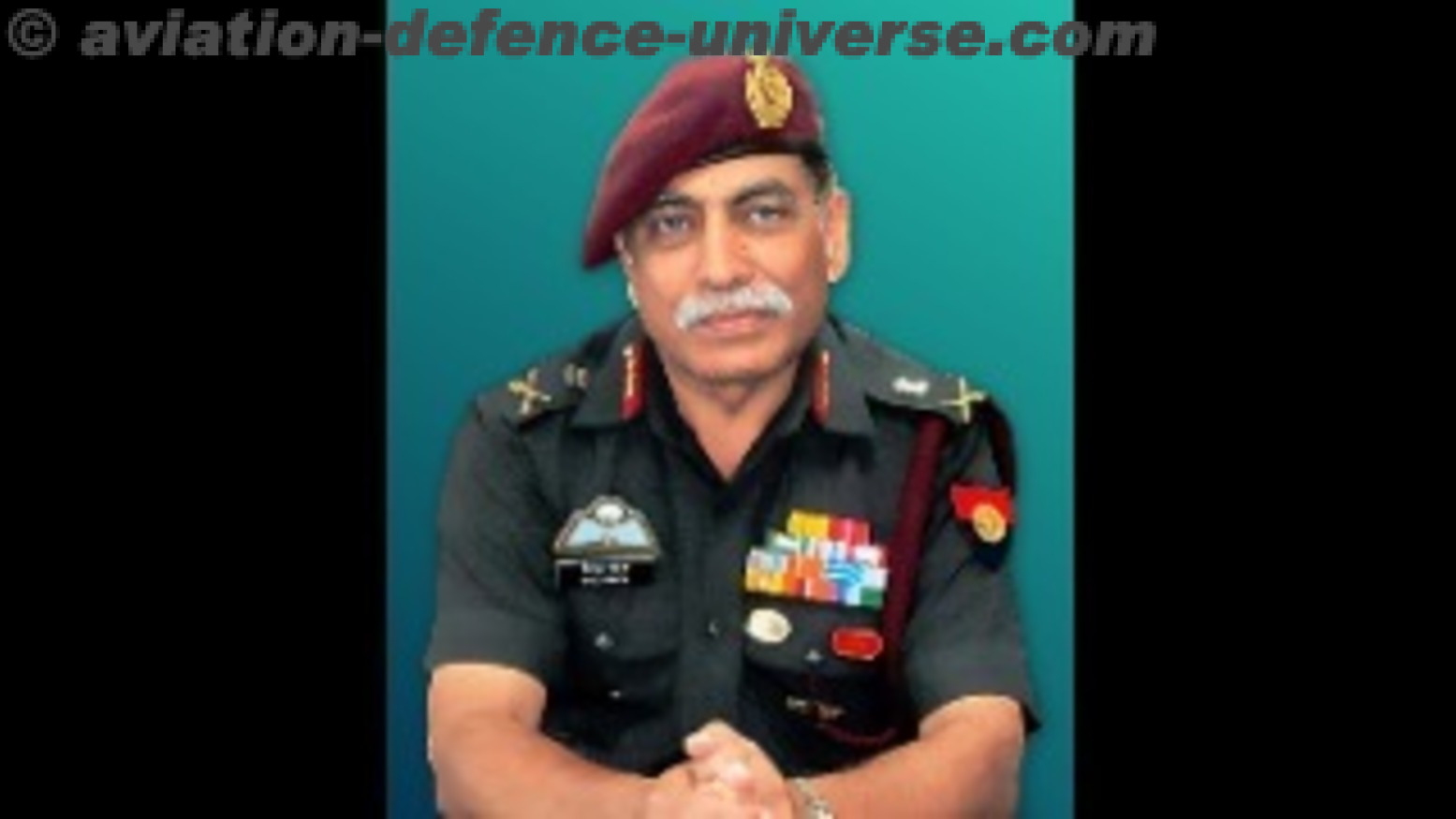
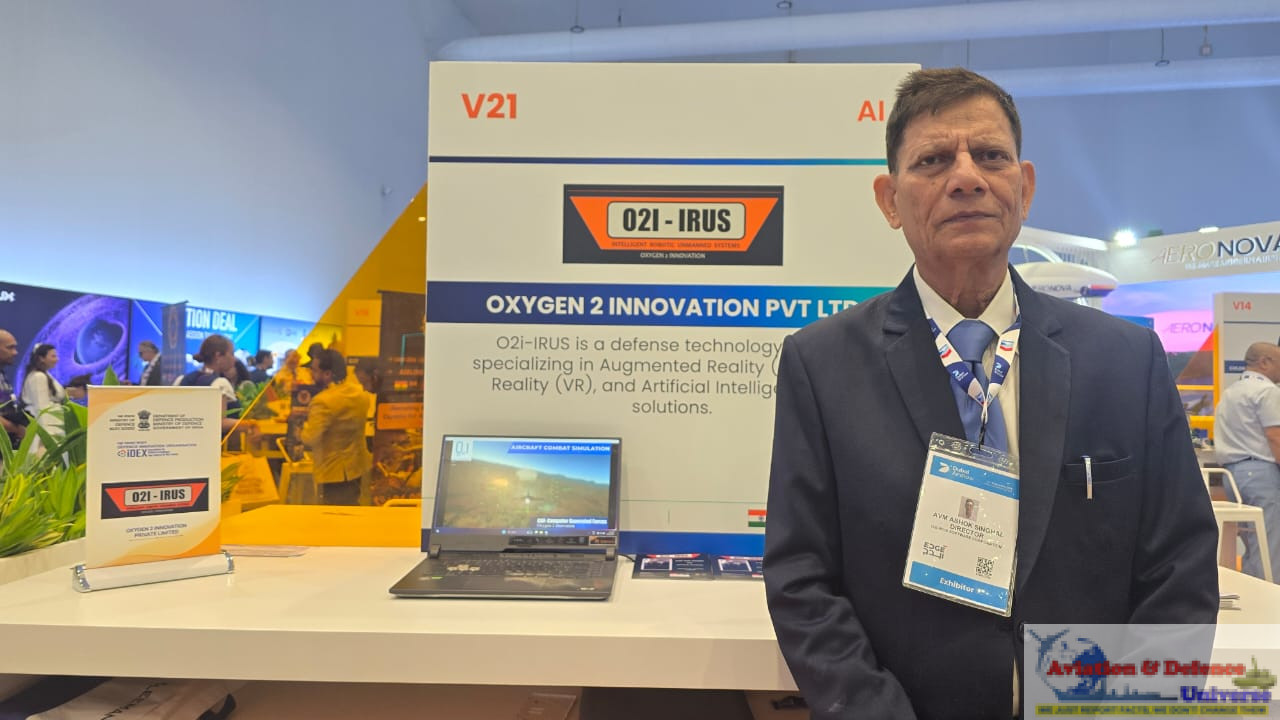
Dubai. 30 November 2025. At the Dubai Air Show’s dynamic Inspiration Zone—home to some of India’s most innovative defence startups—IRUS – Indigenous Robotics Unmanned Systems – stands out as a technology-driven company redefining military training for the modern era. Co-founded by AVM Ashok Singhal, IRUS has rapidly emerged as a specialist in designing and delivering next-generation training simulators for aircraft, helicopters, drones and land-based systems. Already integrated into the Indian Air Force’s Mirage aircraft training ecosystem and undergoing trials with the Army for Chetak and Cheetal helicopter simulators, IRUS is pushing the boundaries by embedding AI-driven adversary modelling into its systems. At the Dubai Airshow, AVM Singhal shares the company’s journey, their innovations, the response at the event and how AI is transforming pilot training globally.
ADU. We’re meeting here at the Dubai Air Show in the Inspiration Zone. You’re among 15 Indian startups participating, although IRUS is already a mature innovator. What are you showcasing at the Dubai Airshow?
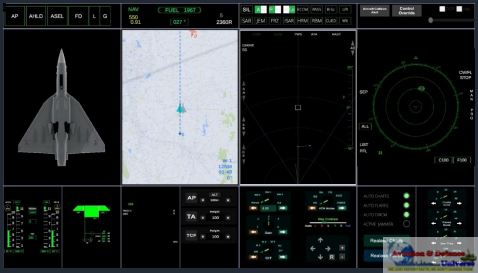
AVM Ashok Singhal. We specialise in training simulators—for aircraft, helicopters, drones, and various land systems. We’ve already supplied an AR/VR-based simulator for the Mirage aircraft to the Indian Air Force, and now they’ve floated inquiries for a larger requirement. For the Indian Army, our simulators for Chetak and Cheetal helicopters are currently in the user-trial stage. We’ve also developed an advanced AI module for HAL’s simulator programme, which enhances the realism and capability of fighter pilot training. With this strong background, we’re here to showcase our products and explore opportunities with international clients.
ADU. Has there been interest from foreign delegations and companies?
AVM Ashok Singhal. Yes, a great deal of interest. Although the Inspiration Zone sees fewer delegations, we are proactively approaching major companies who have shown curiosity in our products. Many of them recognise the uniqueness of our solutions, especially our customisable simulators and AI-driven adversary modules. We’re highlighting our capabilities and expressing our readiness to develop or tailor systems for their needs.
 ADU. You mentioned that some of your systems are already operational with the Indian Armed Forces. Could you elaborate?
AVM Ashok Singhal. Certainly. Our AR/VR-based Mirage training simulator is already in use with the Indian Air Force—initially purchased as one unit—now they’re looking at requirements for the entire fleet. For the Indian Army, the Chetak and Cheetal simulators are undergoing user trials. This feedback pushes us to refine and enhance the systems even further.
ADU. What about the Navy? Any ongoing or planned engagements?
AVM Ashok Singhal. At present, we haven’t developed a system specifically for the Navy. But whenever an opportunity arises, we’re fully prepared to deliver. For now, the primary demand has been from the Army and Air Force.
ADU. You spoke about an AI-based module. How does AI change the nature of pilot training?
AVM Ashok Singhal. AI fundamentally transforms combat training. Earlier, pilots trained against predictable, pre-fed “enemy” behaviour. After a few sorties, they already knew what the simulated adversary would do—its tactics, its limitations, its weapons. With AI, the adversary adapts. It learns from the trainee’s moves, anticipates tactics, and behaves like a highly capable, thinking enemy pilot. This forces real skill-building and prepares pilots for realistic aerial engagements. This is the future of simulation, and we are proud to contribute to it.
 ADU. Beyond simulators, does IRUS work in other technology domains?
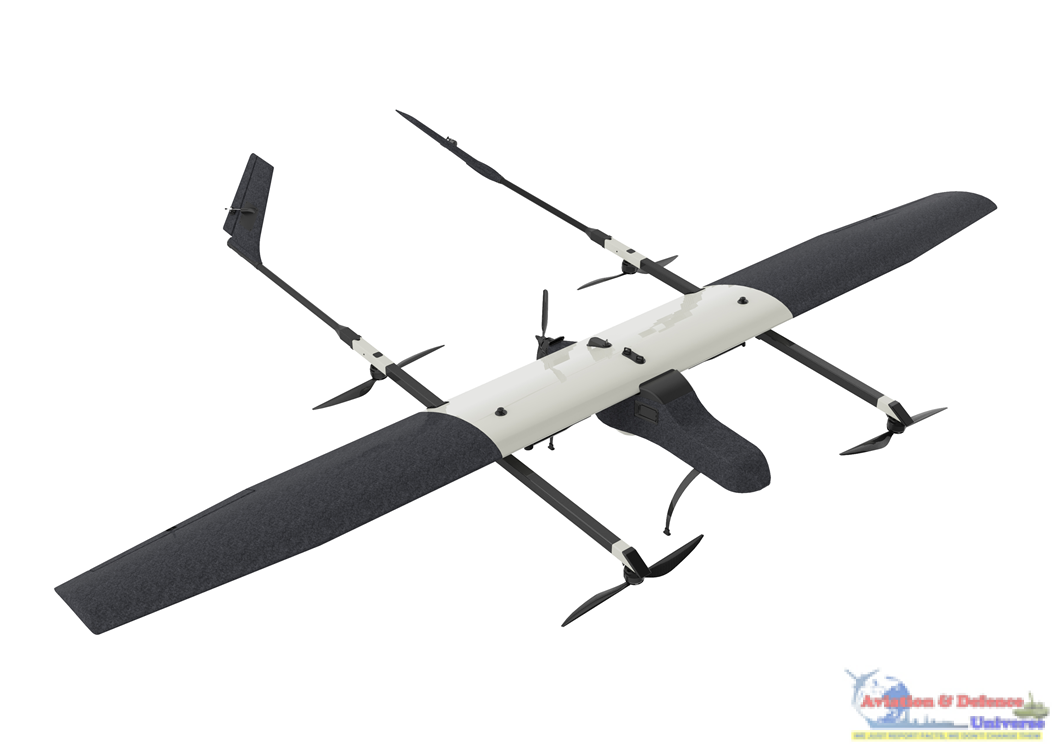
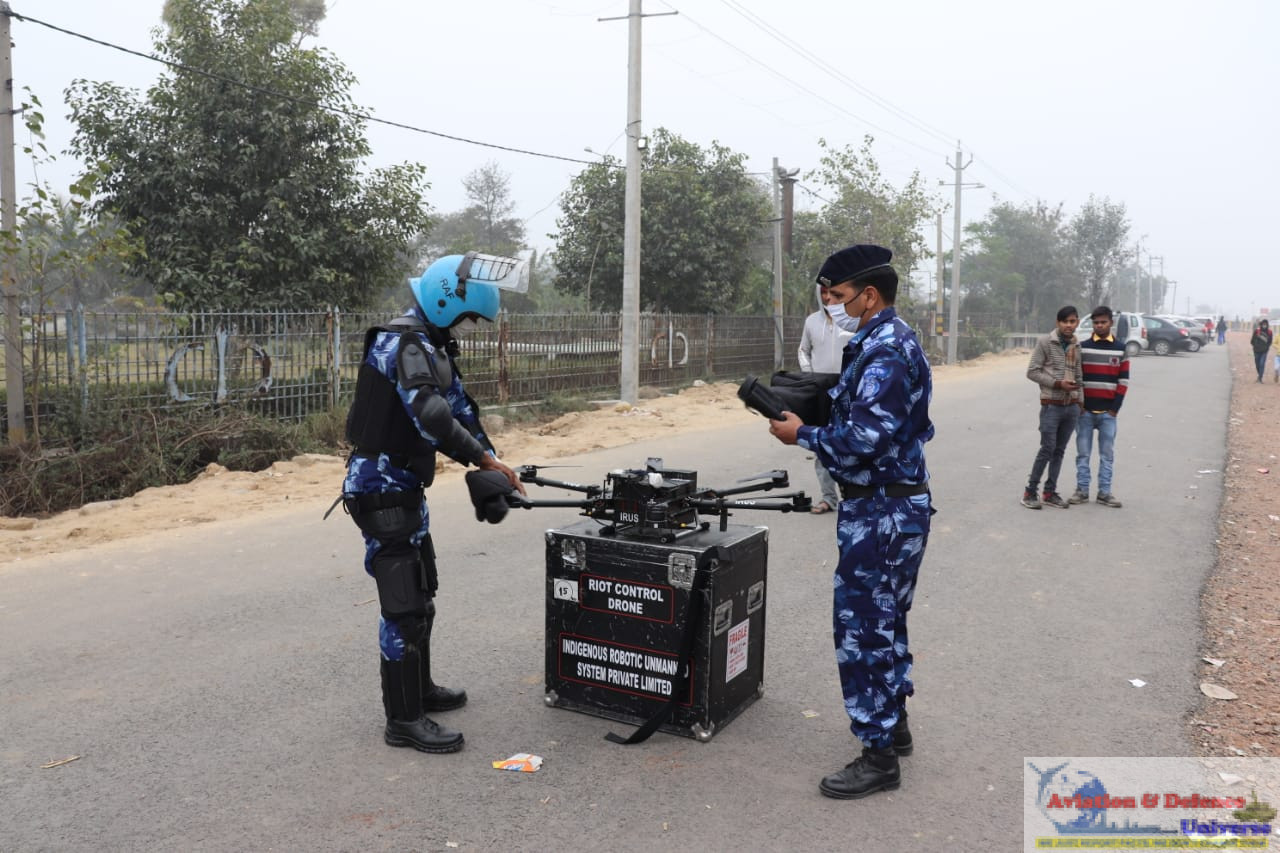
AVM Ashok Singhal. Yes. We are also building specialised drones and anti-drone systems for the Indian Army. These are under development and not yet displayed due to confidentiality and logistics constraints. Under the IDEX umbrella, once complete, these systems can also be marketed to friendly nations. Our focus is on staying ahead of emerging warfare needs—whether through simulation or operational platforms.
IRUS, under the leadership of AVM Ashok Singhal, is carving out a vital niche in India’s defence innovation ecosystem. From advanced AR/VR simulators for frontline aircraft to AI-enabled adversary modelling and upcoming drone systems, the company is blending operational experience with technological foresight. Their presence at the Dubai Airshow reflects growing international interest in India’s indigenous capability to produce high-quality training and combat-support systems. As global militaries shift toward smarter, cost-effective and more realistic training solutions, IRUS is well-positioned to lead the next wave of simulation technologies—delivering systems that prepare soldiers for the complexities of modern warfare.
As told to Sangeeta Saxena / Interview was taken at Dubai Airshow 2025