

















- SIA-India and CLAWS to Co-Host : Building Resilience for Contested Space
- Where Forces, Industry, Policy and Law Converge on Space Security
- Turning Space Brainstorms into Operational Solutions
By Sangeeta Saxena
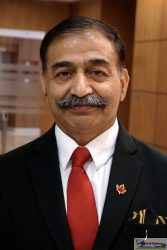
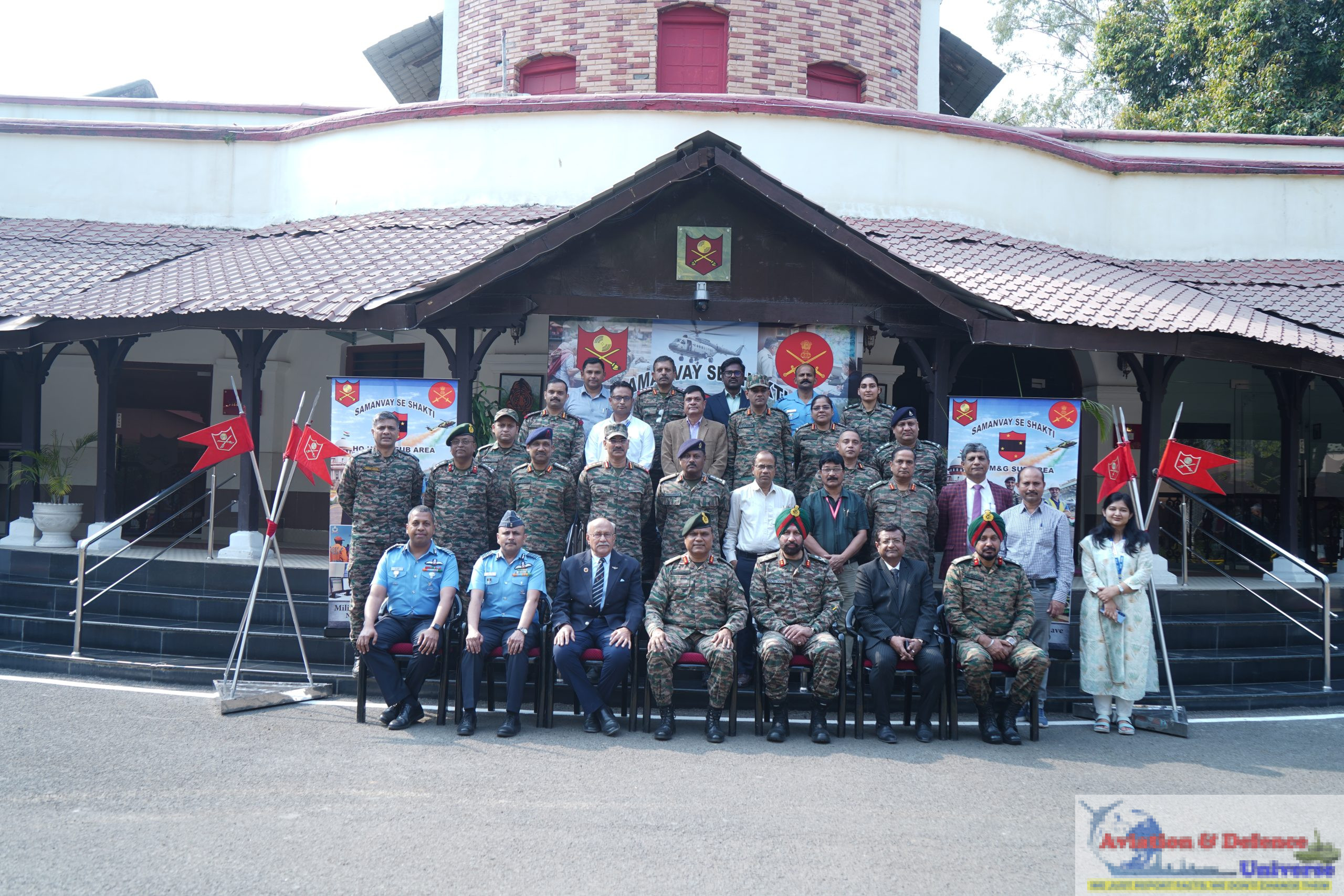
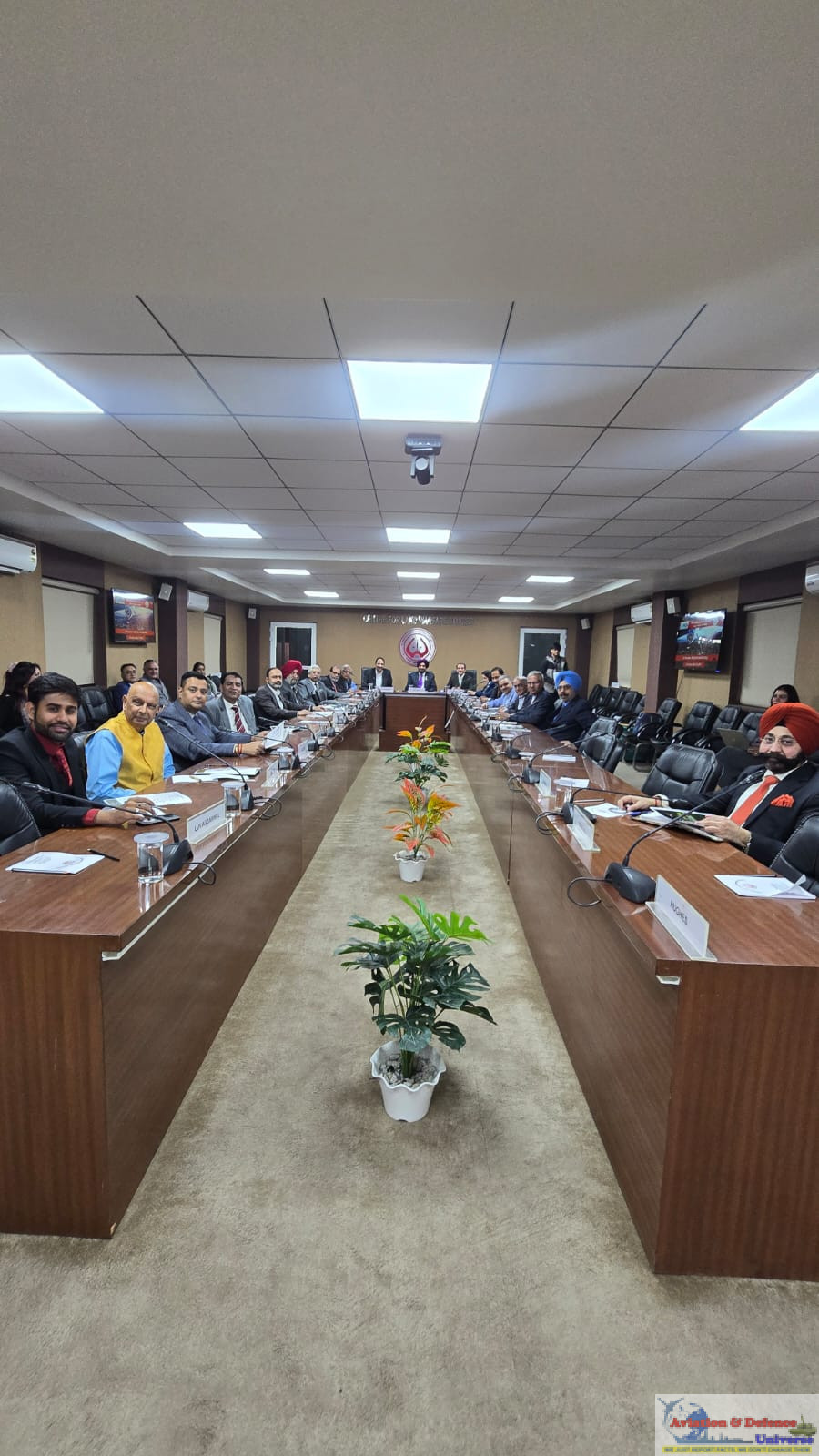
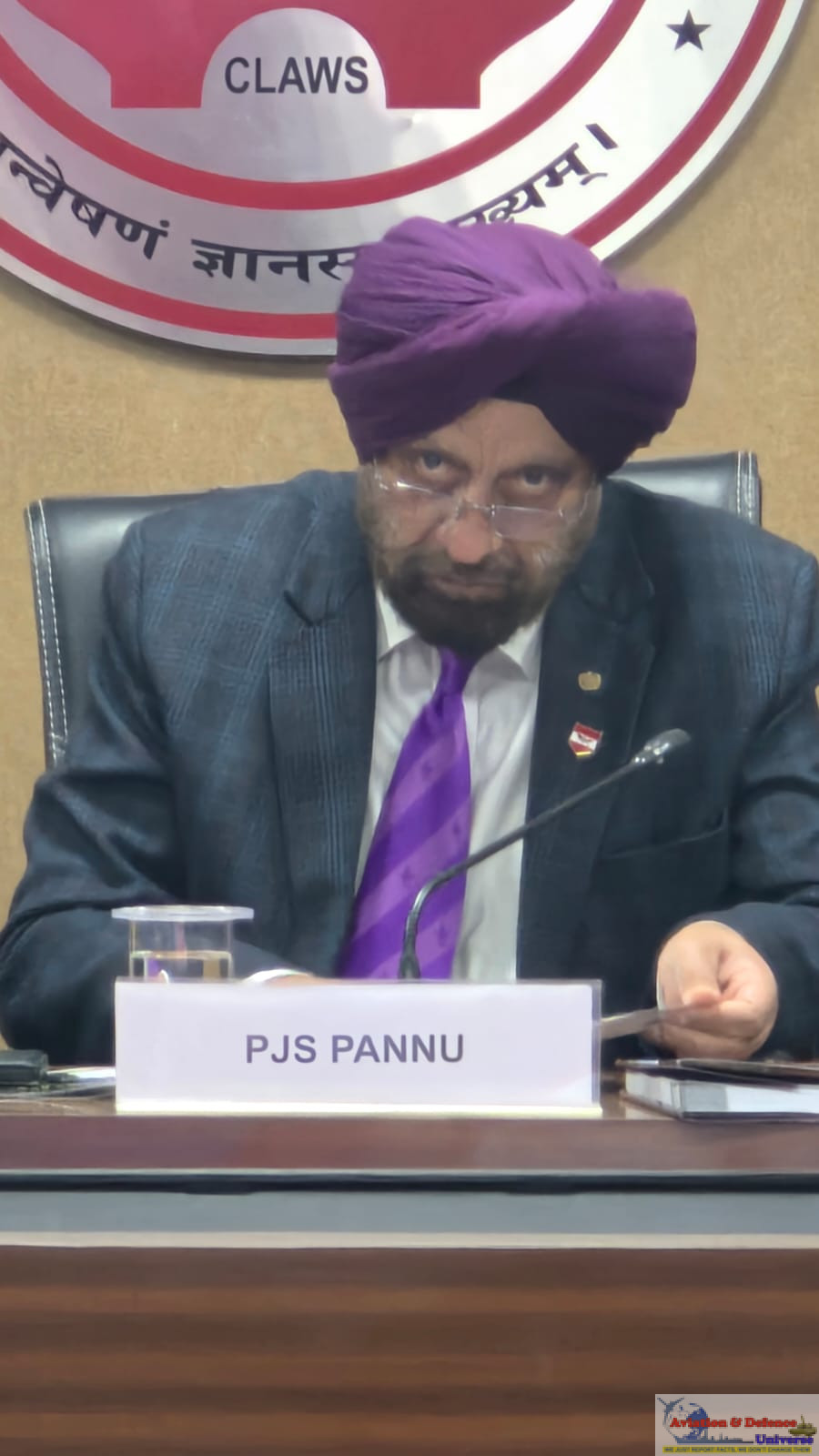
New Delhi. 11 December 2025. DefSat 2026, scheduled this February, is set to return as one of India’s most consequential platforms for defence and space convergence, co-organised by SIA-India and CLAWS. With space now firmly recognised as “core to national security,” the 2026 edition will build on DefSat’s evolving role—from a knowledge forum to a results-oriented convening that shapes practical solutions, strengthens mission readiness, and supports security planning across the services and national security agencies. In the run-up to the conference, a high-value roundtable brought together stakeholders from SIA-India, the Armed Forces, the defence space industry, space lawyers, and other key participants, generating what many described as a “knowledge bank” of the most pressing civil and military space issues. The discussion was moderated by Lt Gen PJS Pannu (Retd.) anchoring deliberations in operational realism and strategic clarity.
As India sharpens its focus on space as a decisive domain of national security, the preparatory discussions ahead of DEFSAT-26 have taken on added significance. Moderating the recent roundtable dialogue, Lt Gen PJS Pannu (Retd.), Senior Advisor at SIA India, framed the conversation with a sense of urgency and purpose, underscoring the need to move beyond episodic discussions towards actionable outcomes.
Opening the session, Lt Gen Pannu reminded participants that this was not a one-off engagement. “Ladies and gentlemen, we are going to discuss something that we have been talking about and we have been having events after events every year,” he said, pointing to the institutional continuity provided by platforms such as “DEFSAT in the month of February and then we have India Space Congress in the month of June every year.”
 With DEFSAT-26 approaching, the focus is squarely on defence space. As Lt Gen Pannu explained, “Now that we are approaching DEFSAT, which basically talks about the defence space and how the military and the industry can build a fusion for national security and the theme for the forthcoming DEFSAT-26 is how is space core to the national security.” Translating this theme into practical understanding, however, is no easy task. “I feel responsible that it is a very tough call to really lay down the importance of space, bring it down to the key stakeholders, and take it from the stakeholders as to how much and where they can contribute,” he acknowledged.
The roundtable was therefore designed as a participative forum rather than a one-way briefing. “So today our discussion is going to be based on certain key issues that we have slated for our forthcoming DEFSAT and in which I would speak less,” Lt Gen Pannu said. His role, he emphasised, was to steer the discussion. “I would highlight the key issues and anybody who wants to talk about that key issue in their own perspective of national security, the global outlook on space and global outlook on India’s future and national security, I will request that you can please give those points to us so that we can build our roadmap more in practical manner and help the industry as also the nation to build a solid foundation for the defence space.”
Structurally, the proceedings were organised around two clear themes. “So our today’s proceedings are in two themes,” he explained. “Theme one is what are we going to do in the DEFSAT, what are the key issues that we’re going to discuss, which obviously we will take it from our subject matter specialists who are here today.” The second theme addressed execution. “The second part is going to be how are we going to conduct the IndSpace as an exercise,” he noted, adding that “That is also the fourth exercise that you’re going to conduct.”
While acknowledging that his presentation would be detailed, Lt Gen Pannu stressed the importance of collective engagement. “The presentation that I’m going to be making would be a little long, but it doesn’t matter,” he said. “I still want your participation and attention as to how we can refine and prepare our military and our space industry to come together to build something in which we can contribute to the space and at some point if we understand what is space warfare, build our capability accordingly.”
At the core of the discussion lay the evolving nature of future conflict. Introducing the first key issue, Lt Gen Pannu framed it stringly, “The key concerns for future wars.” Central to this was resilience. “Now the first issue that we’re going to talk about is how is our national critical infrastructure got to be built for securing space, cyber, spectrum?” he asked. “How do we achieve EW resilience?”
 The questions that followed went to the heart of India’s preparedness. “Do we see any threat to the space and do we need to build the critical infrastructure or is space already part of the critical infrastructure or not?” Lt Gen Pannu queried. “If it is not, then what do we do and how do we proceed going towards that?” He stressed the need for integration across domains, asking, “How do we introduce cyber and spectrum and EW resilience to make sure that whatever we build for the future is secure and works for us?”
Encouraging open participation, he invited experts to weigh in. “So this is the first point,” he said. “Anybody would want to, I mean, if somebody wants to contribute, please do contribute.” Time, he assured, would not be a constraint. “Not that necessarily people have to say something or the other,” he added, noting that “Anybody who wants to say, I think two minutes on each, I think will be enough. We can even spend five minutes in case the subject so demands.” Lt Gen PJS Pannu’s framing makes one thing clear: defence space can no longer be addressed in silos. The challenge now is to convert dialogue into doctrine, and intent into integrated capability—ensuring that space truly becomes core to national security.
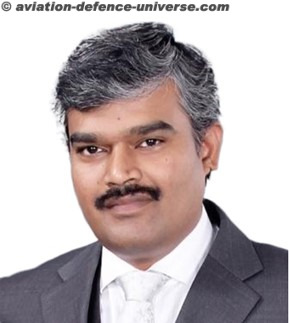
As India prepares for DEFSAT-26, scheduled from 24–26 February, the focus on space as a critical pillar of national security is sharpening. Speaking at a recent roundtable discussion (RTD) that set the intellectual groundwork for the upcoming event, Anil Prakash, Director General of SIA India (Space Industry Association), laid out a clear and compelling vision for how India must approach defence space in an increasingly contested orbital environment.
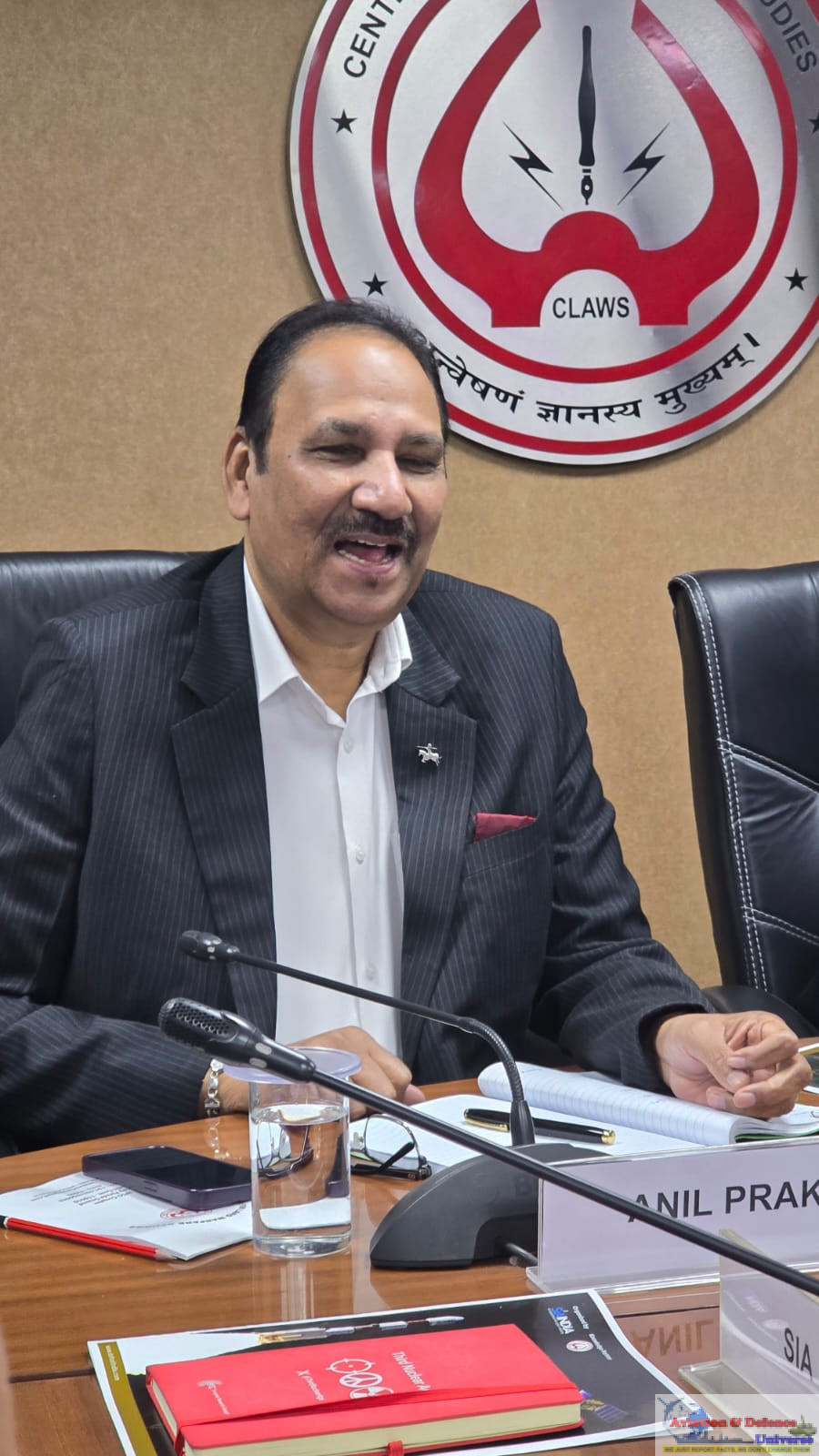 At the heart of DEFSAT-26 is an advanced space war game, designed not merely as a theoretical exercise but as a practical tool to test resilience, coordination, and readiness. As Anil Prakash explained, “As outlined in the official brochure, this year war game will not only look at the scenario but will closely study how defence, intelligence, and commercial space systems can work together to maintain operation even during difficult conditions.”
The war game will adopt a 4D framework—deny, disturb, degrade, and destroy—to realistically simulate threats to space infrastructure. According to Prakash, “It will follow the 4D approach to deny, disturb, degrade, and destroy to help us understand how India can remain resilient and ready if space infrastructure is attacked or blocked.” This approach reflects the evolving nature of conflict, where disruption of space-based assets can have cascading effects across military, economic, and civil domains.
A recurring theme in Prakash’s remarks was the indispensability of international cooperation. Emphasising that no nation can address space security challenges alone, he noted, “Before we move ahead, it is also important to briefly reflect on the role of international cooperation.” He added, “Space security today cannot be planned in isolation.”
From space situational awareness to secure data exchange, resilient satellite communication networks, and coordinated threat responses, global collaboration is no longer optional. “Whether it is space situational awareness, secure data exchange, resilient satcom network, or coordinated threat response, global cooperation plays a central role,” Prakash said. With congestion and competition in orbit rising rapidly, he underlined the need for trusted partnerships and shared norms: “With increasing congestion, congestion, and competition in space, India must continue to work with trusted partners, build multilayered communication channels, and contribute to norms and standards that ensure safety, transparency, and accountability in outer space.”
Reflecting this outlook, DEFSAT-26 will actively engage with international stakeholders. “DEFSAT-26 will therefore also dialogue with the International Defence Space Agency to ensure interoperability and stability in the global space domain,” Prakash confirmed, highlighting India’s intent to be both a responsible and capable space power.
The recent RTD, he said, played a crucial role in shaping the event’s agenda. “Today, RTD helped us to set a stage for February, where we discussed how we design DEFSAT sessions, the war game, and the key outcomes we want India to achieve.” A key enabler in this process is CLAWS (Centre for Land Warfare Studies), which joins DEFSAT-26 as the official knowledge partner. “With CLAWS as our knowledge partner, we are able to ensure that the direction we take remains aligned with national security priorities and support real operations lead of the armed forces,” Prakash noted.
Ultimately, the objective is clear and shared across stakeholders. “Our shared goal is to work together so that India is better prepared, better protected, and confident in its defence space capability when needed,” he said, closing the session on a note of collective responsibility.
Senior Fellow at CLAWS, Lt. Col Deepti Singh underlined that this edition will carry a clear strategic focus—space at the core of national security—and will continue to reinforce DefSat’s position as India’s key platform for bringing together defence forces, space agencies, industry, and policy makers to strengthen the national defence space roadmap. Over the years, DefSat has matured beyond dialogue alone, becoming a venue where concepts are translated into implementable pathways—particularly at a time when the space domain is increasingly congested, contested and competitive.
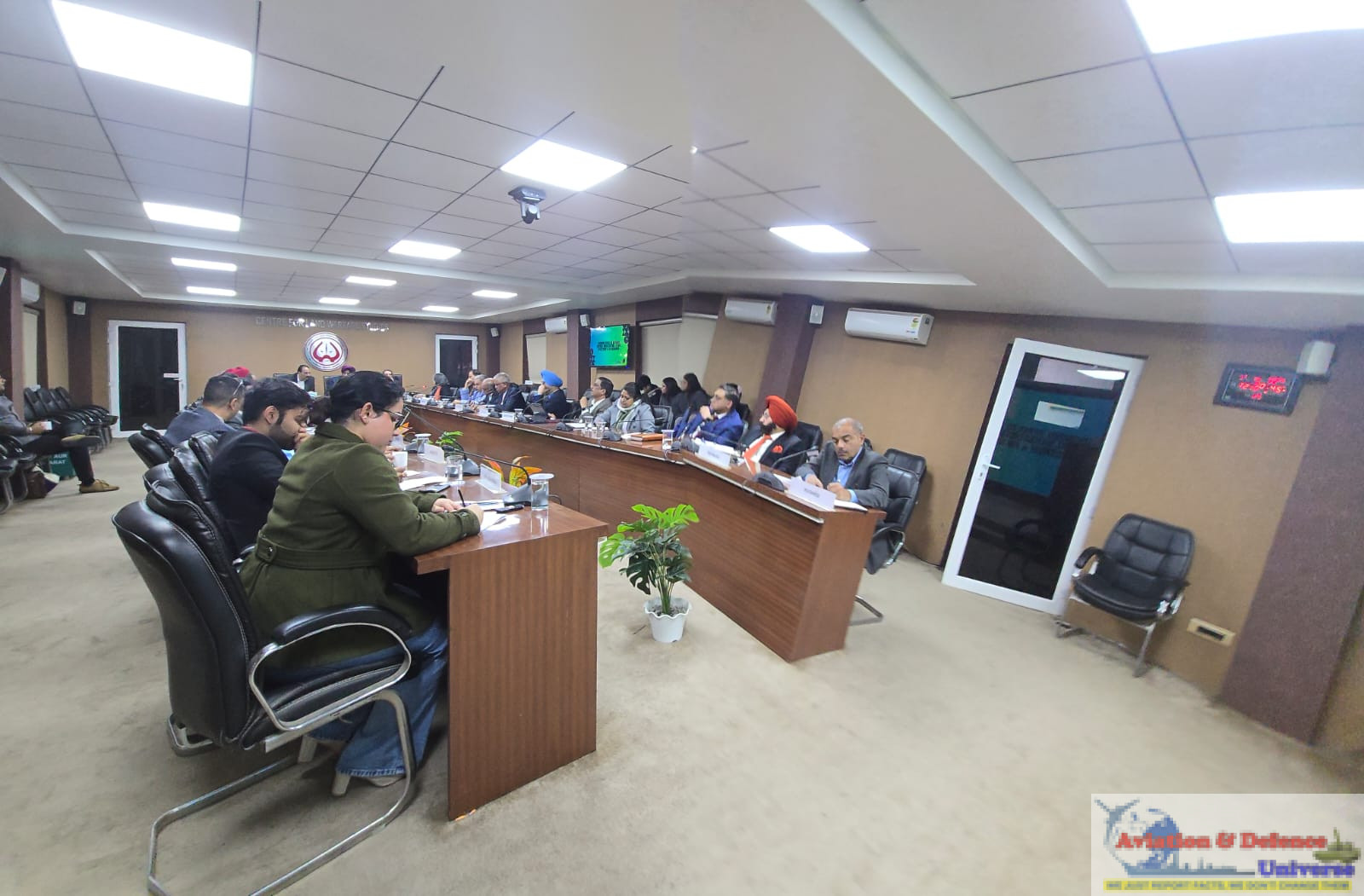 A major highlight of DefSat 2026 will be IndSpace War Game 4.0, designed around realistic conditions in which space assets may be disrupted, degraded, or denied during conflict. As outlined in the official planning direction, the war game will examine how defence, intelligence, and commercial space systems can work together to maintain continuity of operations under stress. It will follow the 4D framework—Deny, Disturb, Degrade, Destroy—to help participants understand how India can build resilience and recoverability if critical space infrastructure is attacked, interfered with, or blocked. The emphasis is not only on scenario play, but on extracting actionable insights for doctrine, capability development, inter-agency coordination, and contingency planning.
Another strong thread running through DefSat 2026 is the recognition that space security cannot be planned in isolation. Whether the challenge is space situational awareness, secure data exchange, resilient SATCOM networks, or coordinated threat response, international cooperation and trusted partnerships increasingly determine how effectively a nation can safeguard its interests. As congestion and competition intensify in orbit, India’s approach will need multilayered coordination—policy, technical standards, operational interoperability, and shared norms that promote safety, transparency, and accountability in outer space.
In that context, DefSat 2026 is expected to deepen dialogue with international defence space stakeholders to support interoperability and stability in the global space domain. The roundtable held ahead of the February event effectively served as the intellectual “stage-setter”—shaping session design, refining the war game construct, and clarifying the outcomes that participants want DefSat 2026 to deliver. With CLAWS as the official knowledge partner, the focus is to ensure every session remains grounded in real operational demands, capability development, and strategic intent—so that the conference outcomes remain relevant to the armed forces and national security priorities.
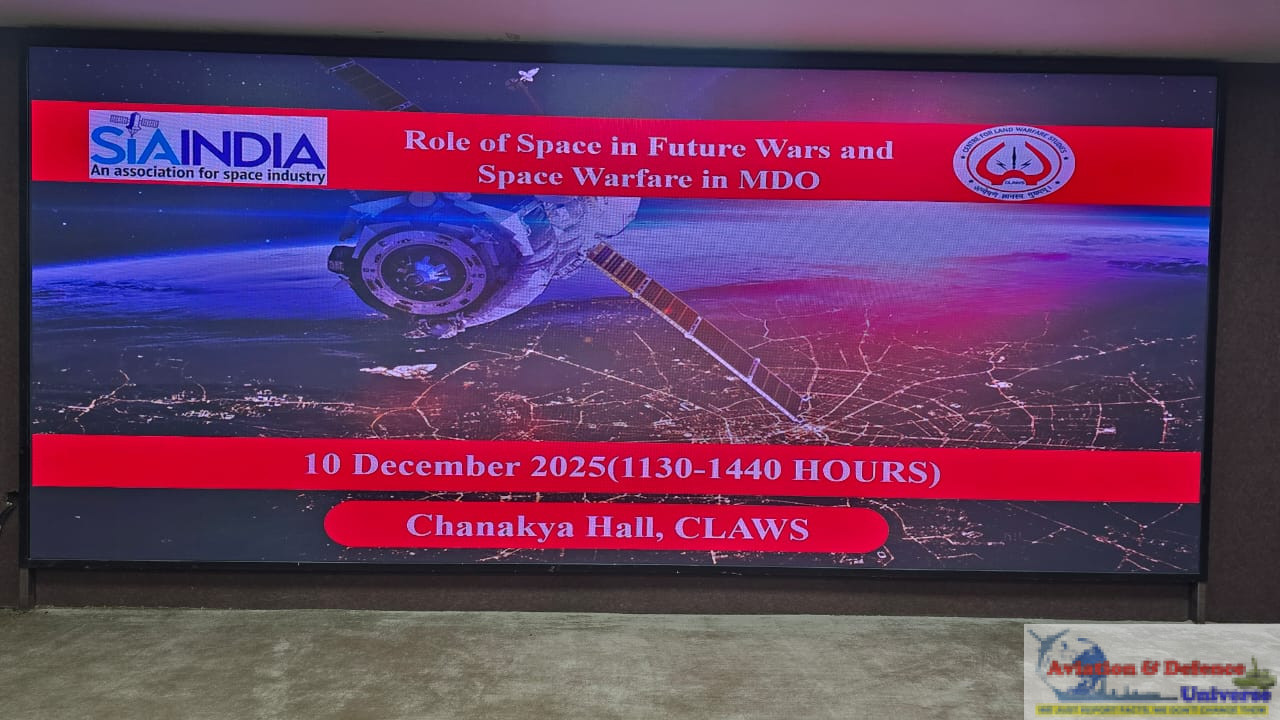 As India moves closer to DEFSAT-26, the message from SIA India is unambiguous: space is no longer a supporting domain—it is central to national security, demanding integrated thinking, operational realism, and global cooperation. “I look forward to meaningful discussion and clear conclusions that will help us move confidently towards DEFSAT-26 from the 24th to the 26th February,” Anil Prakash concluded, signalling the start of a decisive phase in India’s defence space journey.
DefSat 2026 is positioning itself as more than a conference—it is shaping up to be a national security inflection point where India’s defence forces, industry, legal experts, policy community, and international partners can align on resilience, readiness, and responsible power in space. With IndSpace War Game 4.0 bringing realism to the conversation and CLAWS’ knowledge partnership reinforcing operational grounding, the February edition aims to move the dialogue from awareness to action—so India is better prepared, better protected, and more confident in its defence space capabilities when it matters most.
(This is first in the series of reports on brainstorming at the Curtainraiser of DefSat 2026.)