





















- India’s Message to Pakistan: Terror Means War, Future Conflict Means Geography Change
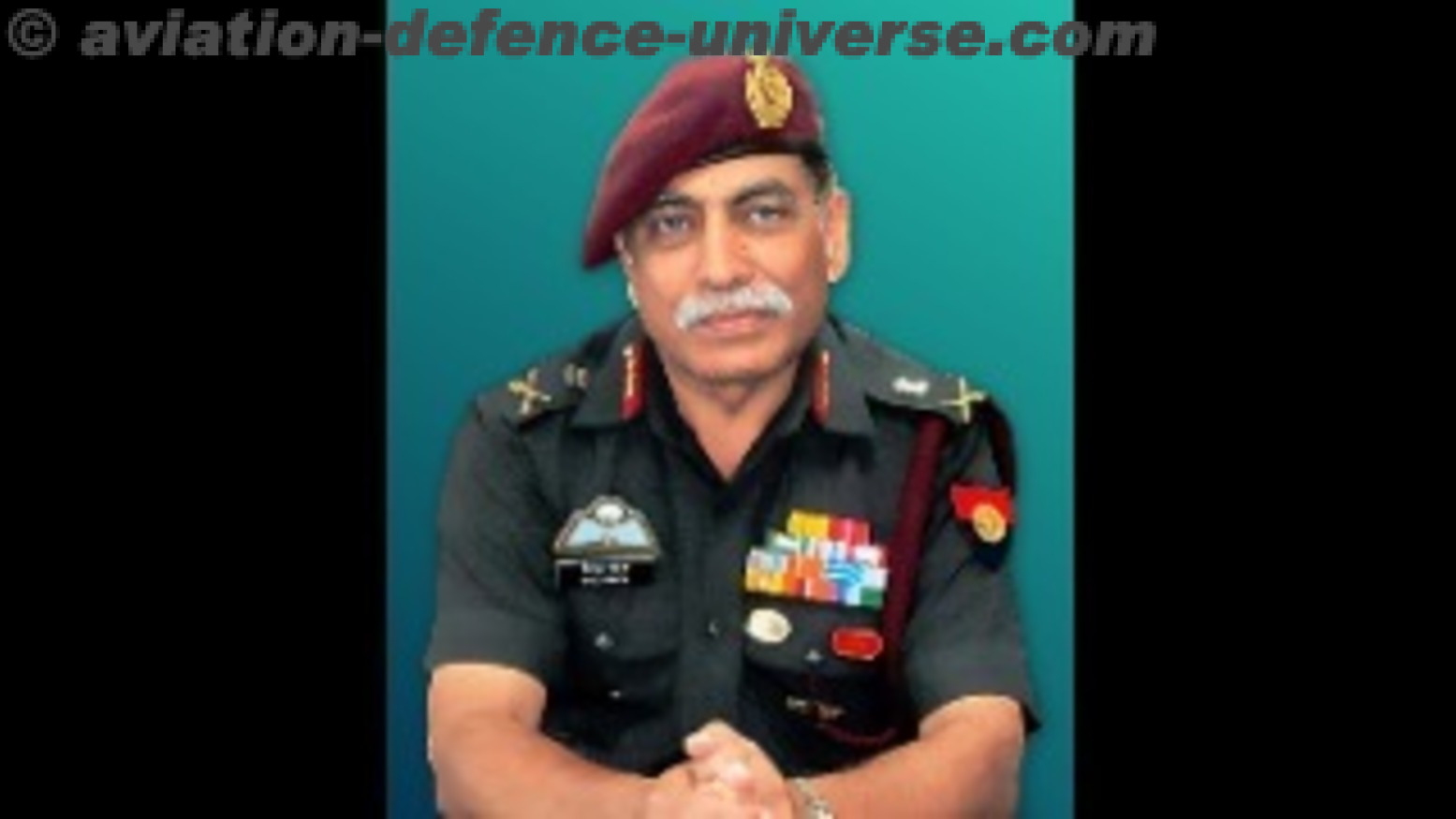
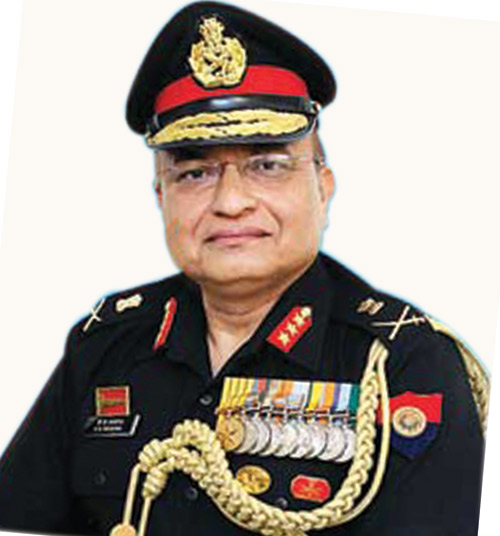
By Maj Gen (Dr.) Ashok Kumar, VSM (Retired)
New Delhi. 25 November 2025. Pakistan has been continuing its anti India agenda since independence despite having lost in four wars prior to Op Sindoor so much so that it was bifurcated into two parts during 1971 operations. With successive losses and humiliations, it opted for proxy war against India using terrorism as a tool. In the process, it became the most infamous factory of terrorism, the World over. Despite suffering the ill effects of its home grown terrorism, it is still continuing this drive against India. It is not worried about its own destruction but wants to live in a mirage to be capable of affecting India adversely.
The Op Sindoor destroyed multiple myths and mirages. These includes Pakistan’s inability to face India even if it is actively supported by China, Türkiye. and such other countries. In addition, India called Pakistan’s nuclear bluff in an unambiguous manner wherein India decimated Pakistani terror camps on 07 May 25 and multiple military infrastructures on 10 May 25 with deep and precise strikes. While Op Sindoor showcased decisive Indian victory despite General Asim Munir orchestrating his promotion as a Field Marshal and Pakistan unleashing propaganda based narrative war, the successive events and statements have upped the strategic red lines. Three such events / statements by Indian authorities will be covered to illustrate the upping the strategic red lines specially when such statements have found acceptance in most of the Indians including within all elements of the defence forces.
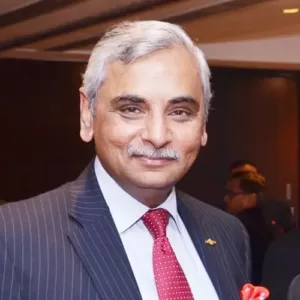
Terror an Act of War – Pakistan has been using terror as a tool to create unrest and disturbances not only in J & K but in the entire country albeit with varying intensity and successes, the focus still being the Indian state of J&K. Pakistan as a nation was able to get away from these activities before surgical strikes happened in 2016, air strikes in 2019 and Op Sindoor in May 25. And now it comes as a declared policy by none other than PM himself wherein he has publically stated that ‘any act of terror will be an act of war’ to be responded by India the way it thinks best. This statement puts a substantial challenge for the defence forces to remain battle ready on 24 X 7 basis. With demonstrated long range and precision strikes as done during Op Sindoor and wars moving in non contact, non kinetic domain as well, the defence forces can be ready to give the fitting response to the Pakistani terror attacks in consonance with clarion call given by PM. Mission mode preparedness in terms of upgrading Cyber and Space assets to Command Level configurations, creation of centralised organisation for Information & Cognitive Warfare for national narrative building and focussed indigenisation is a must.
Change in Pakistan’s History and Geography-Defence Minister visited Bhuj to meet troops and expose false claims of Pakistan during Op Sindoor. While addressing troops, he cautioned Pakistan about building infrastructure & enhancing the force level around Creek and asked Pakistan to desist from such activities as any future conflict will change the history and geography of Pakistan. These statements may appear rhetoric to some but these demonstrate strategic intent of India especially when Exercise Trishul is being conducted in these areas and Indian Navy is in the lead. India needs to consolidate its capabilities with substantial increase in maritime power given that Pakistan has already leased Gwadar port to China and attempting to lease Pasni port to USA with apparent closeness being showcased these days.
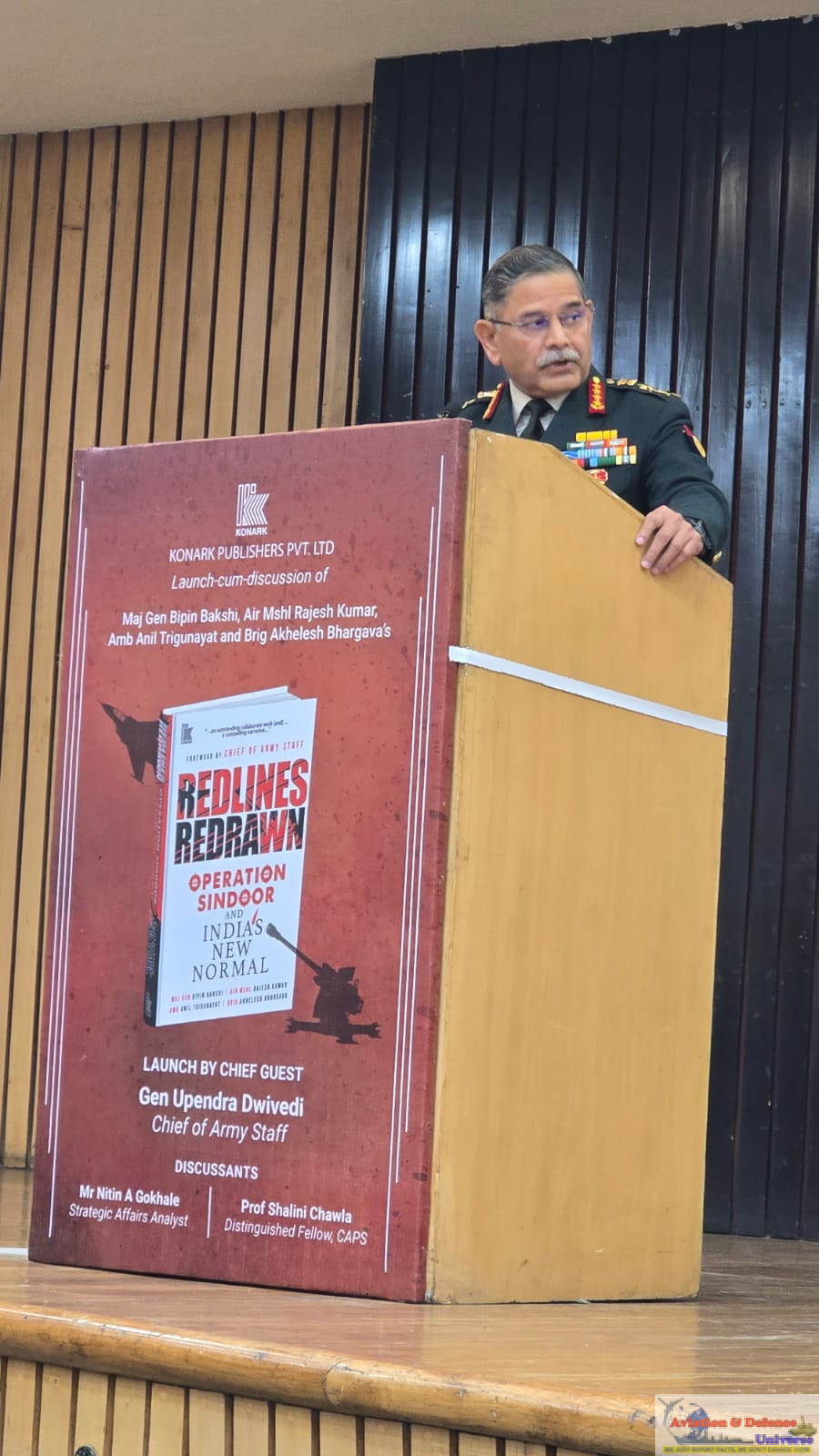
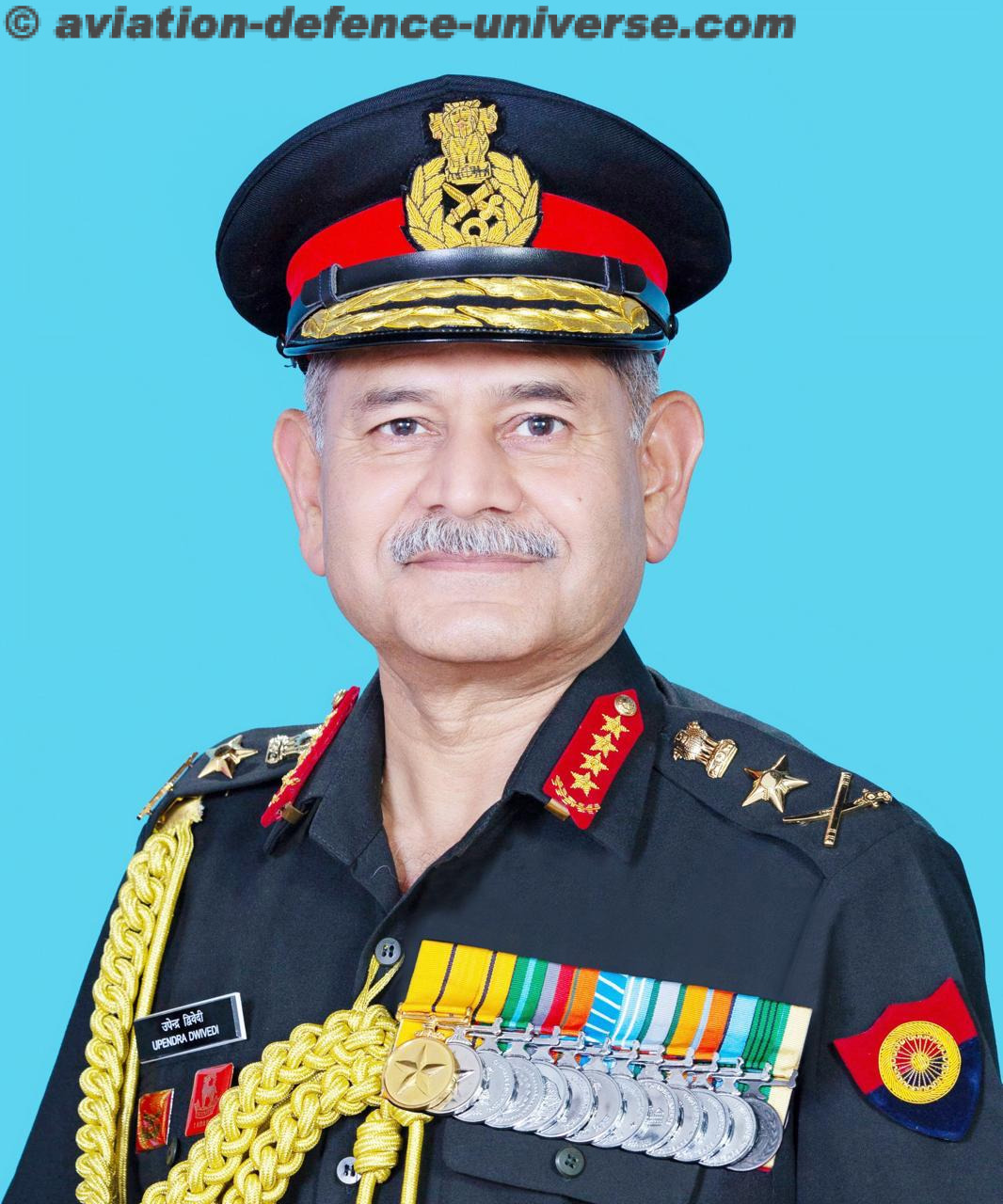
Geographical Existence-While the above two statements came from the political establishment , COAS Gen Upendra Dwivedi warned Pakistan to desist from the terror attack else the Indian response will not be restrained as it was on 07 May 25 during Op Sindoor but will be strong enough to erase the geographical existence pf Pakistan. One would recall that India targeted terrorists and terror infrastructure on 07 May 25 and spared military establishments as well as civilians. The statement of Army Chief definitely upps the strategic red lines as now we will not only need to be prepared to respond but respond with massive strength in consonance of these statements. It may be worth the effort to factor these as part of our national security doctrine currently under evolution.
India is rightly focused on China, its primary adversary, however, Pakistan is emerging afresh as a irritant which cannot be neglected in our security calculus. Even China may like to fight through Pakistan using its forces and resources as it did during Op Sindoor and therefore, Indian defence establishment should not wish away Pakistan despite remaining focused on China with new strategic redlines drawn due to these statements having been made by PM, RM and COAS with serious consequences for Pakistan.
Pakistan has already attempted to reduce its vulnerability to Indian strikes by leasing Shaksgam valley to China in 1963, allowing CPEC corridor to pass through POJK and leasing Gwadar port to China. It is attempting to further reduce its vulnerability by offering Pasni port and rare earth extraction to USA. The presence of USA and Chinese elements in Pakistan will bring new challenges for Indian strikes should these be necessitated. India needs to take proactive measures to checkmate the Pakistani actions before they fully mature. In addition, India needs to restructure its forces and resources with enhanced capability in water, land and air domains including in near space. Since the development of new equipments and stabilisation of new structures take time, these must be done now without any further delay. The newer strategic red lines impose a penalty on the luxury of time and time for consensus building may not be left if we have to live by the above three statements.
(Maj Gen Ashok Kumar, VSM (Retd) is Director General Centre for Joint Warfare Studies (CENJOWS), a Kargil war veteran and a defence analyst. He specialises on neighbouring countries with special focus on China. The views in the article are solely the author’s. He can be contacted at editor.adu@gmail.com).