












- Last-Mile Revolution: IndiaOne Air to Induct Twin Otter Fleet Under Modified UDAN
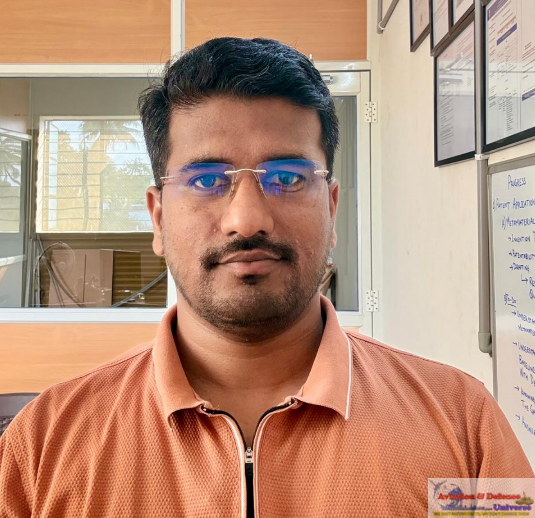
- IndiaOne Air CEO Prem Kumar Garg on Expanding Regional Connectivity with Twin Otter 300-G
By Sangeeta Saxena
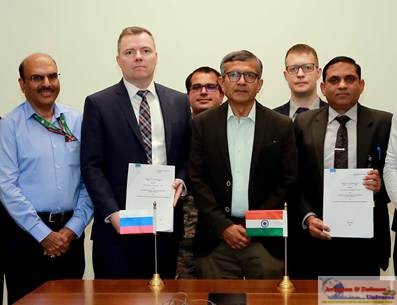
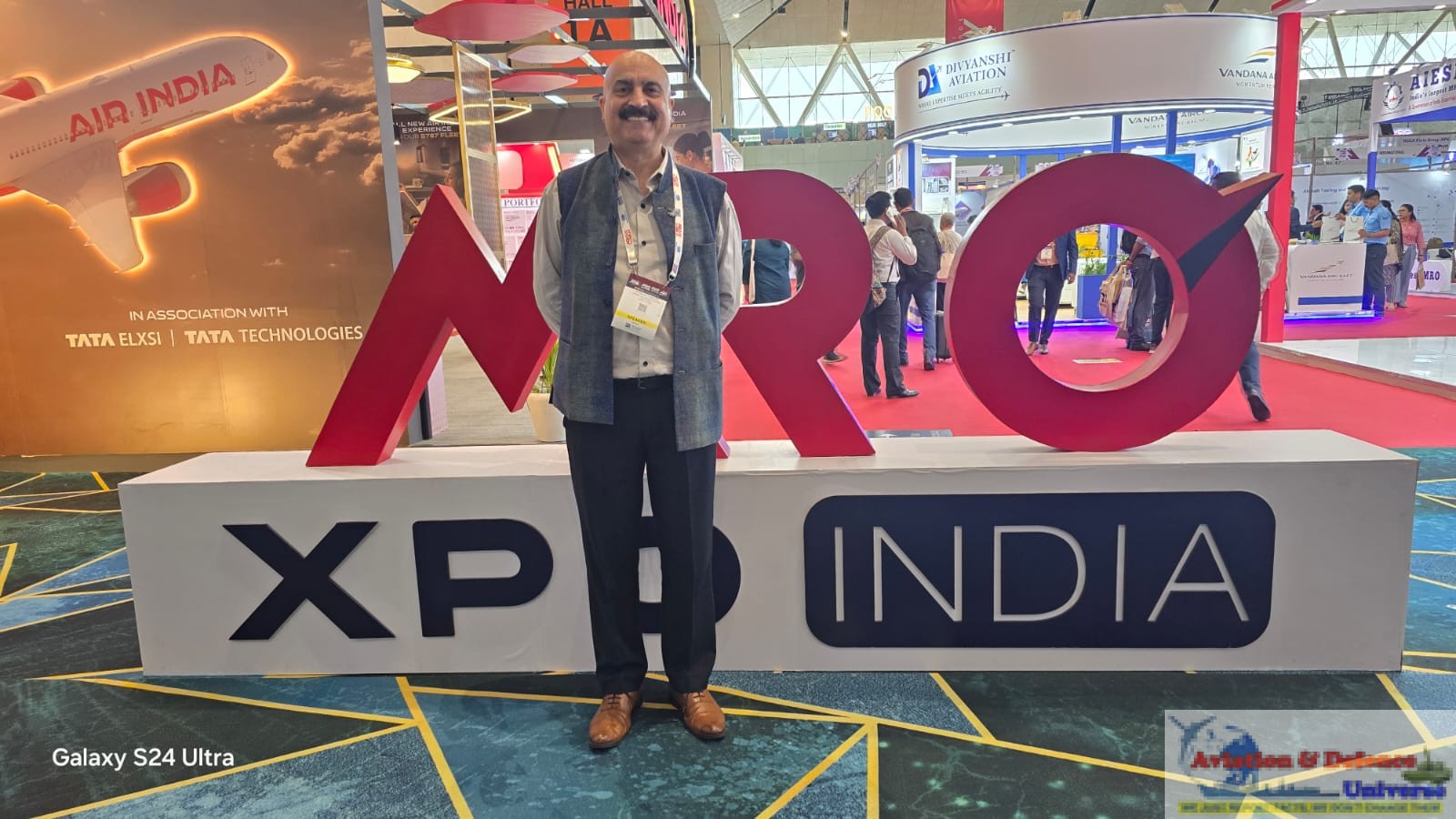
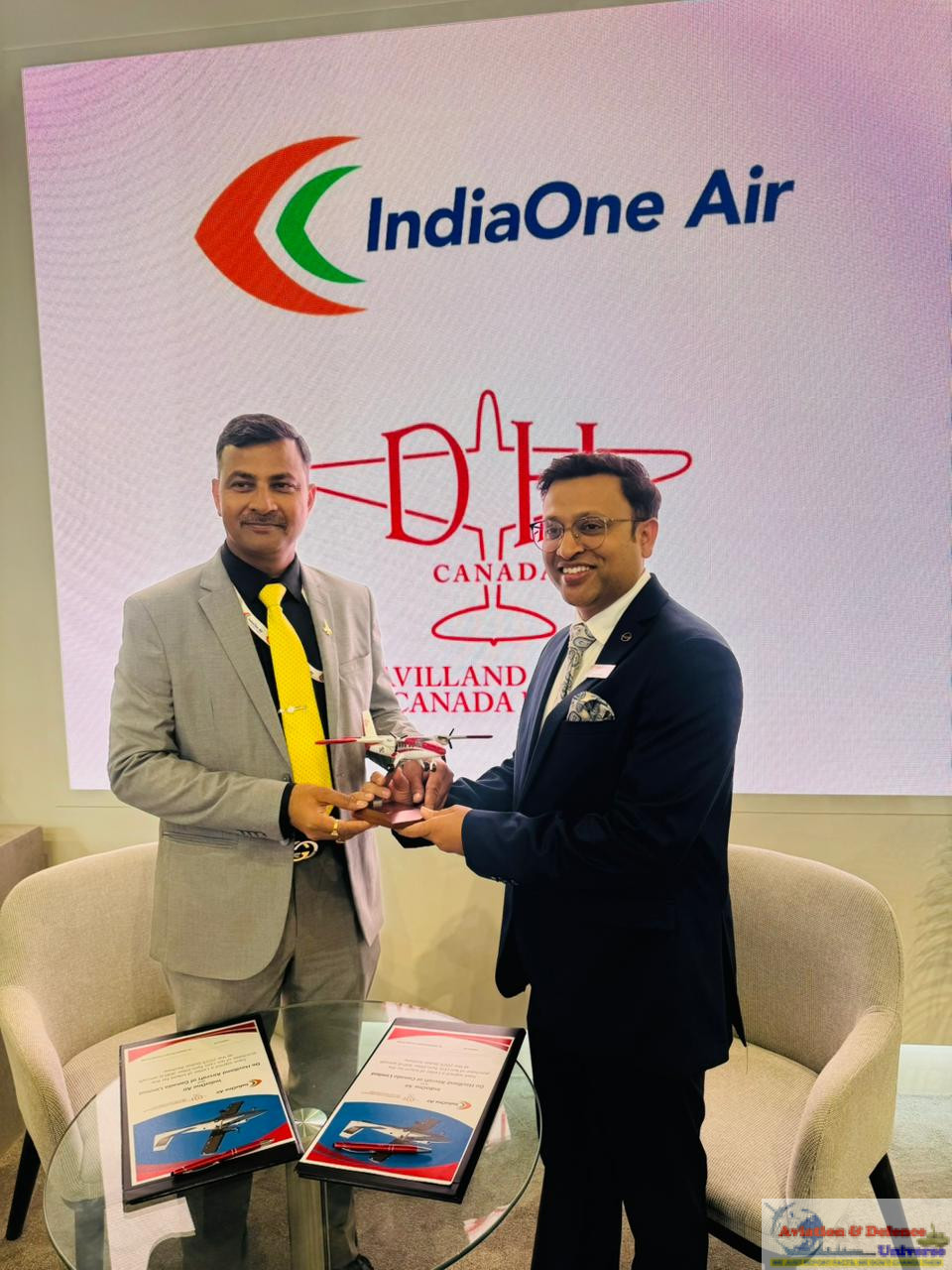
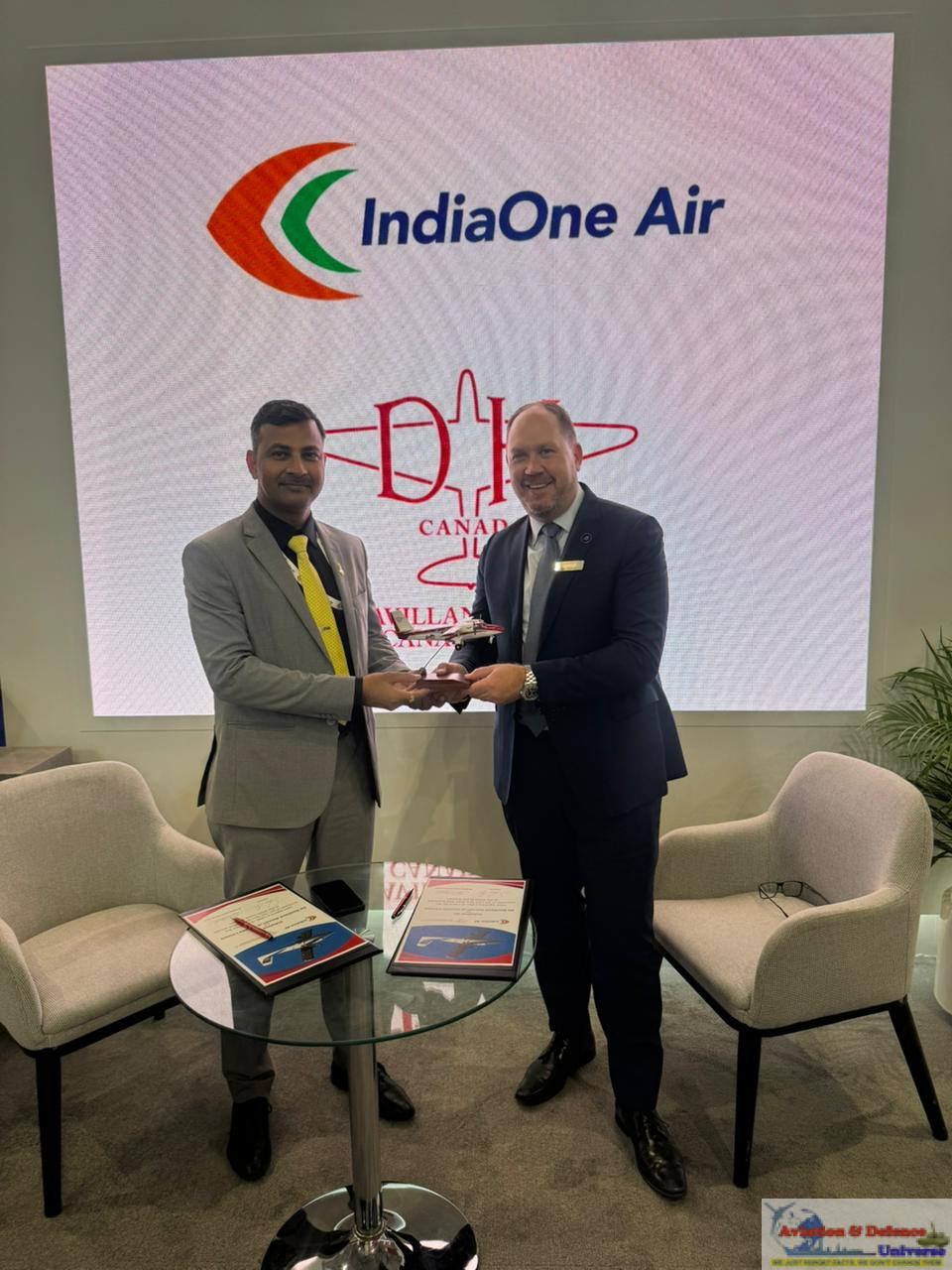
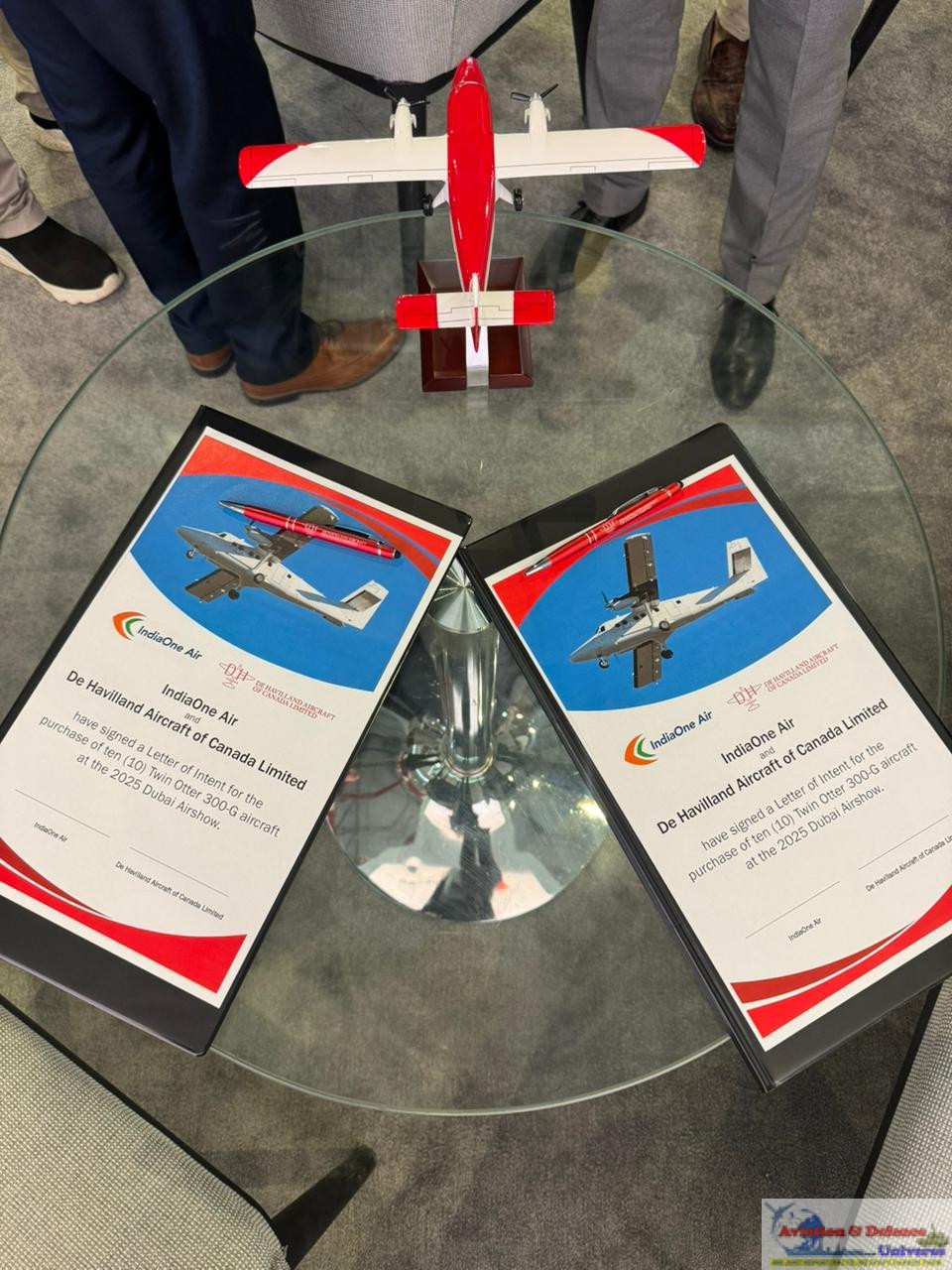
New Delhi. 22 November 2025. At the Dubai Airshow, India’s regional aviation received a significant boost when India One Air signed a Letter of Intent (LOI) with De Havilland Canada for up to 10 Twin Otter 300-G aircraft. As India’s only commuter airline operating commercial single-engine aircraft for over three years, IndiaOne Air has already logged more than 12,000 flights in underserved regions. ADU spoke to Prem Kumar Garg, CEO of IndiaOne Air, to understand how this acquisition aligns with India’s expanding regional aviation mission under the newly modified UDAN scheme.
ADU. You just signed a major contract at the Dubai Airshow. What does it mean for IndiaOne Air?
Prem Garg. Thank you for coming. IndiaOne Air is India’s only scheduled commuter airline operating commercial single-engine aircraft for the last three-plus years. We’ve completed more than 12,000 commercial flights, connecting the unconnected, which is our mission. With the government now extending the UDAN scheme for another ten years as Modified UDAN, and targeting 120+ new airports in smaller cities, it was natural for us to look for higher capacity aircraft. That’s what led us to sign an LOI for 10 brand-new Twin Otter 300-G aircraft, to be inducted sequentially from 2027.
 ADU. How fast will the deliveries take place?
Prem Garg. As of now, we expect to induct around four aircraft a year. Depending on the market ecosystem, we have an understanding with De Havilland Canada to accelerate deliveries if required.
ADU. Have you already identified airports to deploy these aircraft?
Prem Garg. Yes, we have created a hub-and-spoke model for viability. For the last three years, Bhubaneswar has been our pilot hub. We operate four smaller cities connected to larger hubs like Kolkata, Raipur, Visakhapatnam and Bhubaneswar. With our pan-India vision, we will replicate this model across different states once the Modified UDAN routes are allotted by mid-2026.
ADU. You are focusing largely on the East. Will you expand to North India as well?
Prem Garg. Certainly. Regional viability depends on building one strong hub at a time. We have already assessed airports across India and are in discussions with states. Once UDAN routes are announced, we will bid accordingly — it could be North, West or South India.
ADU. What are the biggest challenges you face in small aircraft operations?
Prem Garg. The biggest challenge has been airport licensing. Small airports need manpower like ATC and MET. This caused delays of up to five years. The government has now resolved this with non-towered operations for small aircraft using DGCA approvals and AI-based systems like micro-towers. This will be a game changer. The other challenge is skilled manpower. Pilots earlier wanted to jump straight to bigger jets. Now, with the growth in small aircraft training and commercial operations, people are seeing career progression.
 ADU. What about state governments — how do they support such operations?
Prem Garg. State governments have realised that a small aircraft landing in a remote airport can trigger economic growth faster than highways or railways because it brings mobility, tourism and business simultaneously. Odisha is a great example — they supported us at Jeypore Airport, and today we’ve completed three successful years there.
ADU. You also promote reading inside flights. How did that idea come?
Prem Garg. Since our flights don’t have seat-back media, we created a small inflight library instead. Local publishers provide regional books — passengers love it. It encourages reading and promotes local culture.
ADU. Tell us about your current fleet and training plans for the future.
Prem Garg. We operate Cessna Grand Caravan EX aircraft. Three are leased new aircraft, and we’re adding a fourth. For Twin Otter, OEM support and DGCA regulations will help pilots transition faster. It’s a great commercial platform for CPL holders to build hours and become ATPL holders.
 ADU. Who are the promoters supporting this regional aviation mission?
Prem Garg. Our promoters, Mr. Shaishav Shah and Mr. Himanshu Shah from Ahmedabad, have been instrumental. In the early phases, viability is a challenge until the ecosystem matures. They backed this mission with confidence, and now we are ready for scale. We are also looking at strategic partners to expand further.
IndiaOne Air stands at the forefront of India’s regional aviation revolution. With the acquisition of Twin Otter 300-G aircraft, the airline is preparing to expand its last-mile connectivity vision across the country. By combining state support, Modified UDAN incentives, and a realistic commercial model, it aims to transform mobility in remote India — where a short flight can replace a 20-hour road journey and unlock economic growth overnight.
As told to Sangeeta Saxena/Interview taken at Dubai Airshow 2025